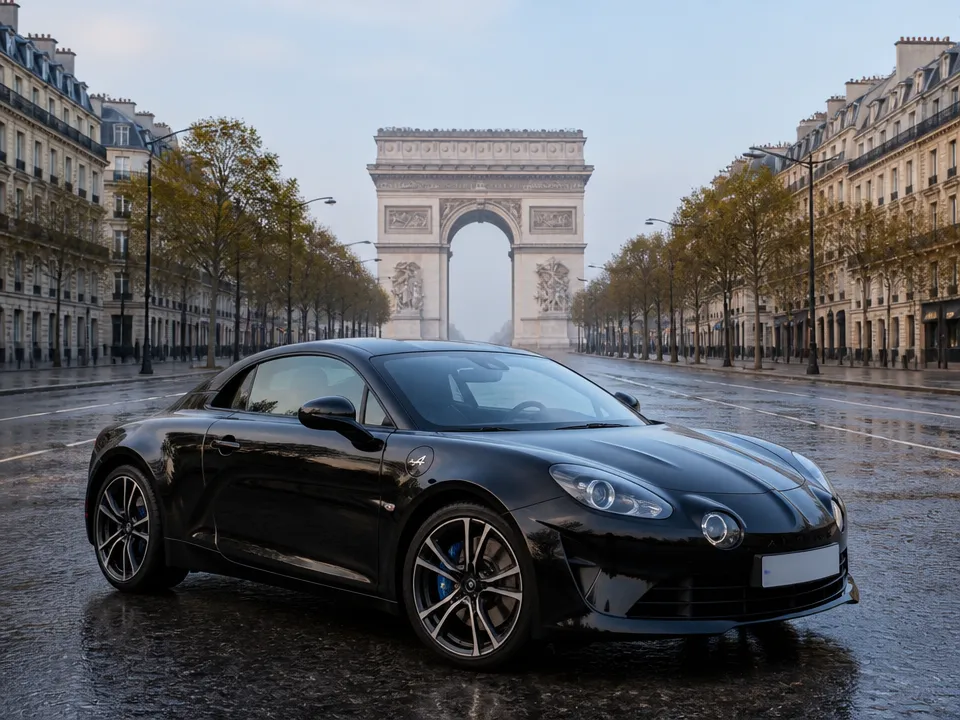
Alpine A110
★4.9· 28Automatic1.8 L300 hpRear-wheel2 seats
€450per day
Book now








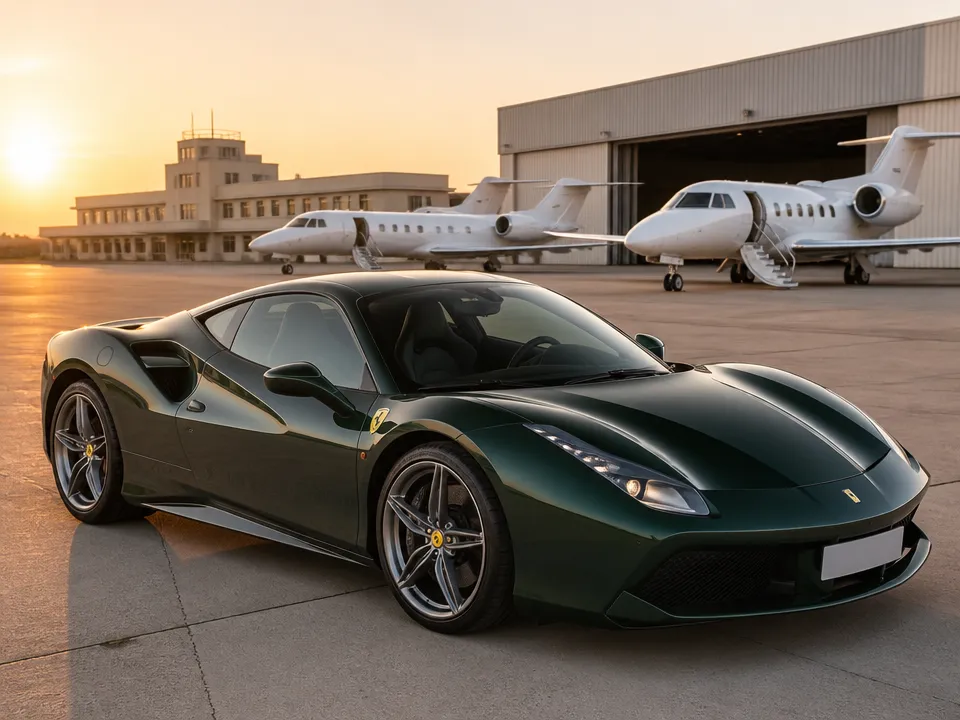
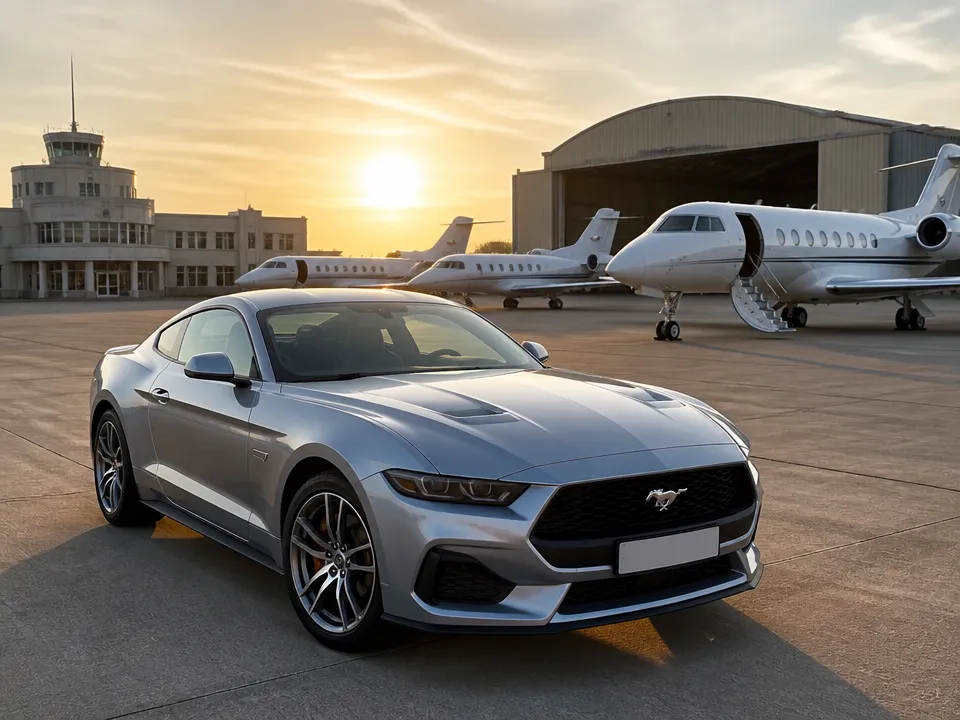
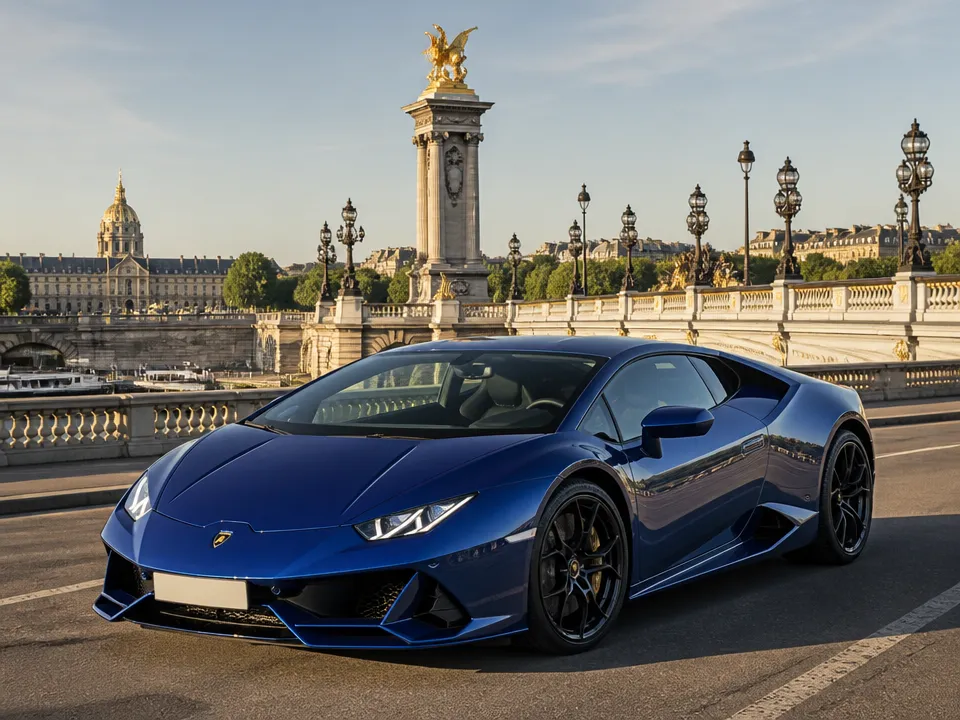
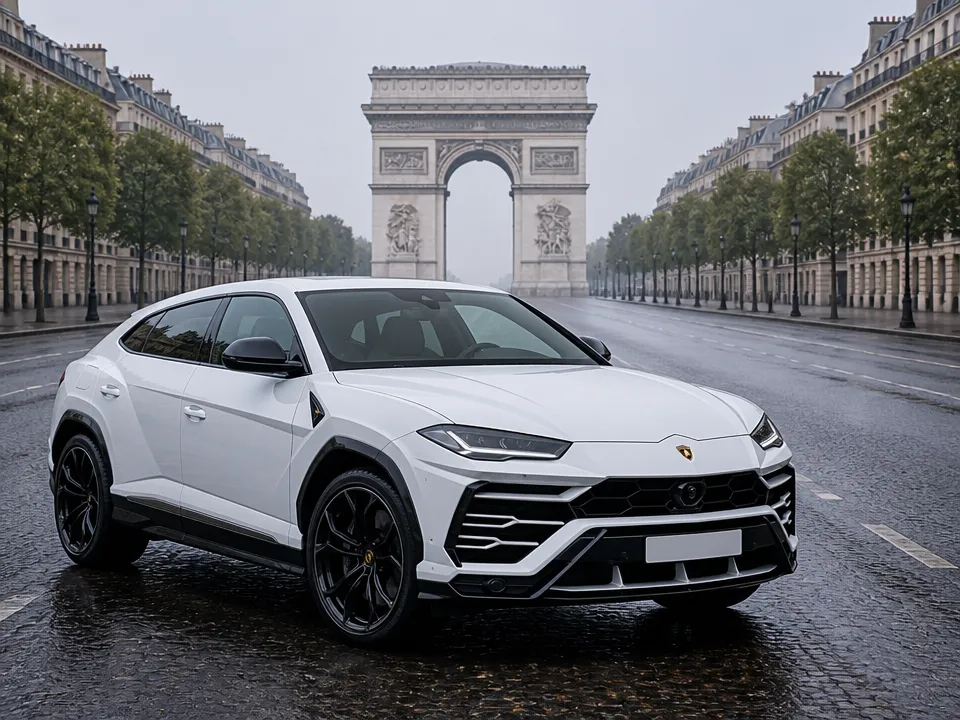
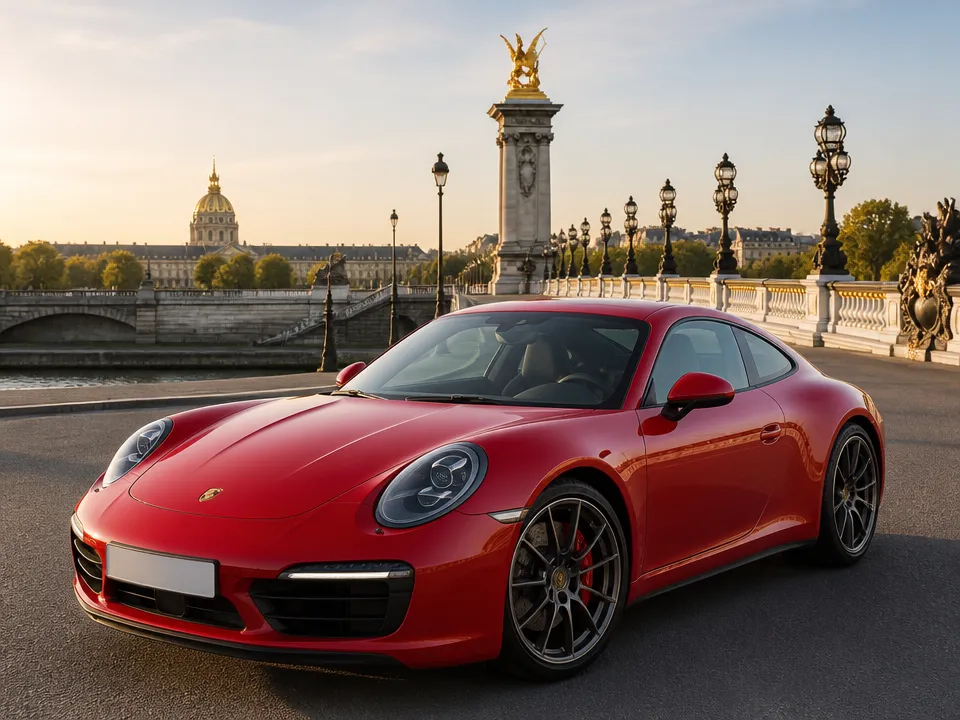

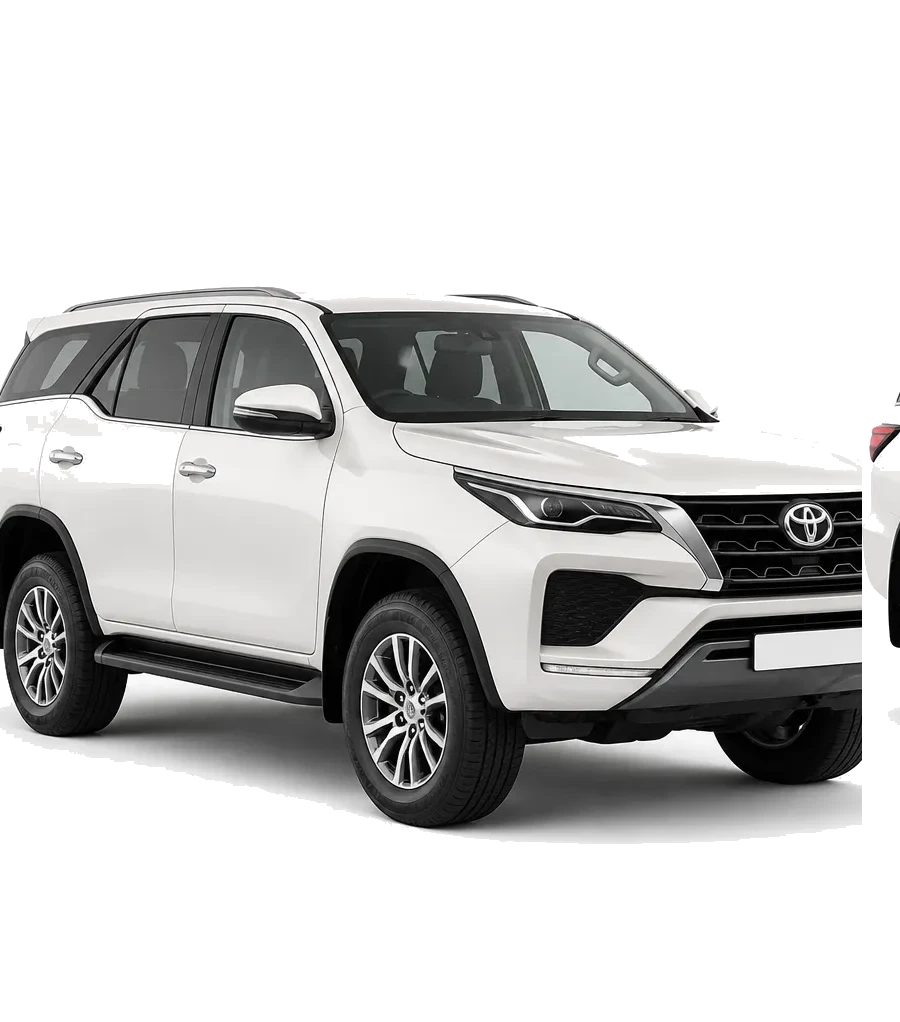
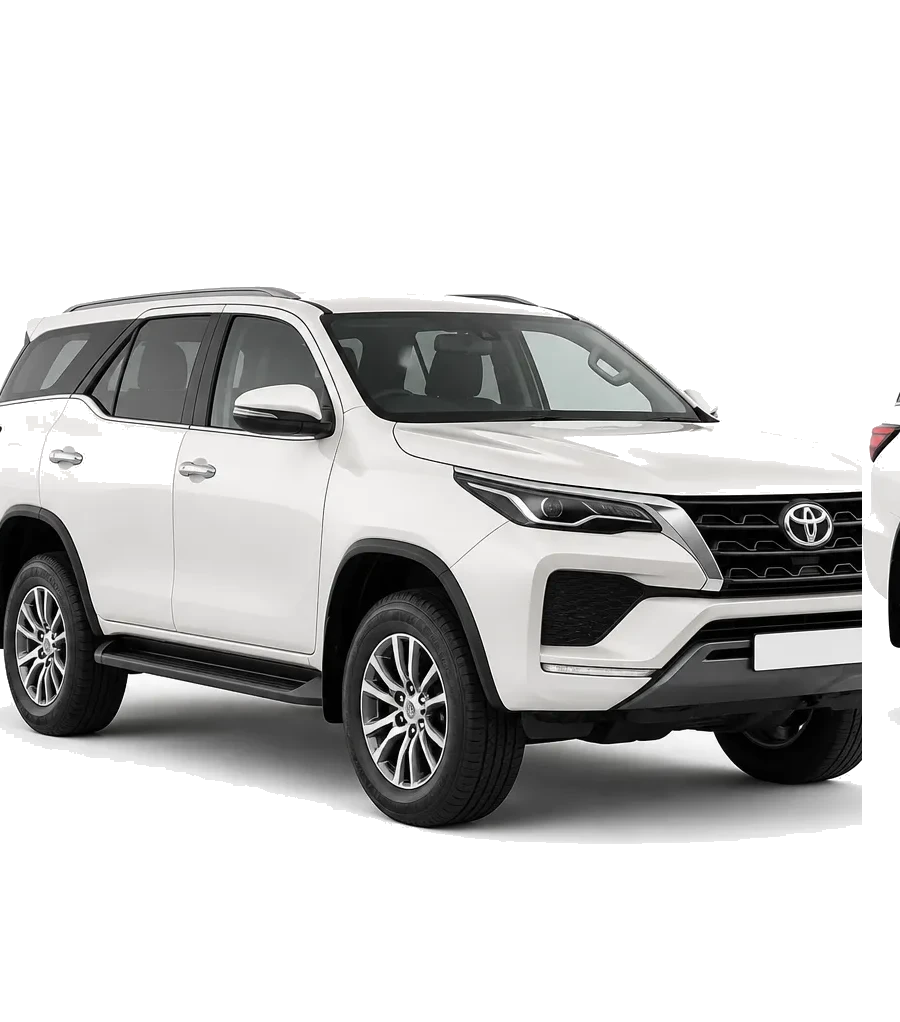

If you need sports car rental in Paris, our fleet on this page covers 6 sports cars from €450 per day, with weekly bookings from €2,700 and monthly from €9,450. Choose from the Alpine A110, Ford Mustang, Porsche 911, Lamborghini Huracan, Lamborghini Urus and Ferrari 488 GTB, all gasoline, automatic and delivered to you anywhere in Paris.
Rent-Trip keeps six sports cars here — all gasoline, all automatic, delivered to you. This section covers the fleet model by model, the body styles and what each one is built for.
Rent-Trip keeps six sports cars on this page — Alpine A110, Ford Mustang, Porsche 911, Lamborghini Huracan, Lamborghini Urus and Ferrari 488 GTB, from €450 per day. All six run on gasoline with an automatic transmission, so there is no manual-versus-automatic decision to make here, and every car is delivered to you rather than collected from a lot. The Alpine A110 and the Ford Mustang open the range at €450, the Porsche 911 sits in the middle at €750, the two Lamborghinis are both €1,200, and the Ferrari 488 GTB closes the list at €1,300. Power runs from 300 hp in the A110 to 670 hp in the 488 GTB. Seat count, not horsepower, decides which model suits a given trip — the Urus is the only 5-seat option, and the A110 and the 488 GTB take just two people.
| Model | Body | Seats | Drive | Engine | Power | Price per day |
|---|---|---|---|---|---|---|
| Alpine A110 | Coupe | 2 | Rear-wheel | 1.8 L | 300 hp | €450 |
| Ford Mustang | Coupe | 4 | Rear-wheel | 5.0 L | 450 hp | €450 |
| Porsche 911 | Coupe | 4 | Rear-wheel | 3.0 L | 385 hp | €750 |
| Lamborghini Huracan | Coupe | 2 | All-wheel | 5.2 L | 640 hp | €1,200 |
| Lamborghini Urus | SUV | 5 | All-wheel | 4.0 L | 650 hp | €1,200 |
| Ferrari 488 GTB | Coupe | 2 | Rear-wheel | 3.9 L | 670 hp | €1,300 |
Five of the six cars are coupes seating 2 or 4; the Lamborghini Urus is the only sports SUV, seating 5. That split matters more than the badge. The Alpine A110 and the Ferrari 488 GTB each take two people, the Ford Mustang and the Porsche 911 take four, and only the Urus carries five plus a proper boot — in our experience it is the one customers pick when the drive is part of a longer trip rather than a single afternoon. The Huracan and the Urus are also the only two with all-wheel drive, which is worth knowing if you are heading out on a wet day. A 2-seat coupe leaves no room for luggage beyond a weekend bag — plan the trip length around it, and put the bags in the 4-seat Mustang or the 911 if you are staying more than a night.
Sports car hire with Rent-Trip runs from €450 to €1,300 per day. The six models on this page split into three price bands, and weekly and monthly rates follow the same multipliers across the whole fleet: daily × 6 for a week and daily × 21 for a month.
Lamborghini Huracan and Lamborghini Urus both cost €1,200 per day; the Ferrari 488 GTB is the flagship of the fleet at €1,300 per day. The two cheapest models, Alpine A110 and Ford Mustang, sit at €450 — the same daily rate for a 300 hp coupe and a 450 hp one. Between those bookends, the Porsche 911 comes in at €750 per day. That gives three clear bands: €450 for the Alpine A110 and Ford Mustang, €750 for the Porsche 911, and €1,200–€1,300 for the Lamborghini Huracan, Lamborghini Urus and Ferrari 488 GTB. In our experience, most customers book the €450 band for a weekend and step up to the Huracan or the 488 GTB for a single day. Horsepower is not what separates the two cheapest cars — the Ford Mustang makes 450 hp against the Alpine A110's 300 hp, yet both are priced the same. Check seat count and body style before you decide: a 2-seat coupe and a 5-seat SUV can carry the same daily rate but not the same passengers.
| Model | Body | Seats | Engine | Power | Price per day |
|---|---|---|---|---|---|
| Alpine A110 | Coupe | 2 | 1.8 L | 300 hp | €450 |
| Ford Mustang | Coupe | 4 | 5.0 L | 450 hp | €450 |
| Porsche 911 | Coupe | 4 | 3.0 L | 385 hp | €750 |
| Lamborghini Huracan | Coupe | 2 | 5.2 L | 640 hp | €1,200 |
| Lamborghini Urus | SUV | 5 | 4.0 L | 650 hp | €1,200 |
| Ferrari 488 GTB | Coupe | 2 | 3.9 L | 670 hp | €1,300 |
Weekly rates start at €2,700 and monthly rates start at €9,450, calculated as daily × 6 and daily × 21. The multiplier is fixed across the fleet, so the cheapest model stays the cheapest at every duration: seven days in the Alpine A110 or Ford Mustang works out at €2,700, and the Porsche 911 at €4,500 for the same week. A month in the €450 models comes to €9,450; the Lamborghini Huracan and Urus reach €25,200 monthly, and the Ferrari 488 GTB €27,300. Because the ratio never changes, there is no cheaper model to switch to for a longer booking — the only lever is which car you pick. For a stay of a week or more, take the model you actually want rather than the cheapest one, since the gap between bands widens in absolute terms as the booking lengthens.
French rental rules apply to every car on this page, and they are the same for a 300 hp Alpine A110 and a 670 hp Ferrari 488 GTB. What changes between models is not the paperwork but the booking terms we agree with you before hand-over.
An EU/EEA driving licence is valid in France with no time limit and does not need exchanging while it remains valid, so holders can book any of our six sports cars directly. Drivers from outside the EU/EEA who are visiting may drive on their national licence; if that licence is not in Latin script, an official translation or an International Driving Permit must be presented alongside it — an IDP is a translation only and never replaces the original. Anyone from outside the EU/EEA who has moved to France may drive for 1 year from the entry date stamped in their visa, after which the licence has to be exchanged. In our practice, the document question that costs people a booking is the permit itself: our terms require a licence issued more than 1 year ago, and digital licences are not accepted by companies here. If your IDP is older than 3 years, renew it before you travel — a permit that expired quietly is the most common reason a confirmed sports car is held back at the last minute.
Speed limits in France come from the Code de la route, and a sports car does not change them: 50 km/h in built-up areas, which the authority may raise to 70 km/h on certain stretches, 80 km/h on ordinary roads outside towns, 110 km/h on dual carriageways and 130 km/h on motorways. In rain the motorway limit drops to 110 km/h, dual carriageways to 100 km/h and other roads to 80 km/h; when visibility falls below 50 m, 50 km/h applies everywhere. Drivers within 3 years of passing — permis probatoire — are capped at 110 km/h on motorways, 100 km/h on dual carriageways and 80 km/h elsewhere, and the alcohol limit is stricter for them: 0.2 g/l of blood against the general 0.5 g/l. On the boulevard périphérique the limit has been 50 km/h since 1 October 2024, introduced in stages from porte des Lilas to porte d'Orléans, even though the Code de la route would allow up to 70 km/h there. With 450 hp under your right foot, the limit you will actually notice is the périphérique one — set the cruise control before you join it.
Traffic drives on the right, every car here is left-hand drive, and the city speed limit is 50 km/h — a figure that matters more in a 640 hp Lamborghini Huracan than in anything else on our fleet. The ZFE de la Métropole du Grand Paris (Zone à Faibles Émissions) is the other thing to plan around, because it is enforced by a windscreen sticker, not by a barrier.
The ZFE de la Métropole du Grand Paris covers everything inside the A86 motorway — the A86 itself is excluded — including the boulevard périphérique and the Bois de Boulogne and Bois de Vincennes. Entry is controlled by the Crit'Air vignette on the windscreen, and the banned classes are Crit'Air 5, 4, 3 and «Non classé». All six sports cars we list run on gasoline with automatic transmission, and the class on the sticker is what the cameras read. Crit'Air 3 restrictions apply from 1 January 2025, so a car registered in an older emissions band is the one to check first. Ask us which Crit'Air class your chosen model carries before you confirm the booking — the sticker is part of the car's paperwork, and the details are agreed when booking.
The left lane between the Seine bank at Issy and Porte de Bercy, in both directions, is reserved for cars carrying 2 or more occupants, Monday to Friday 7:00–10:30 and 16:00–20:00. The experiment began on 3 March 2025 and the fine has been issued since 2 May 2025: €135, a contravention of the 4th class. A two-seat coupe such as the Alpine A110 or the Ferrari 488 GTB therefore qualifies only with a passenger aboard — driving it solo in that lane is the easiest way to collect a ticket in a car that has no rear seats to offer anyway. A morning run out towards Versailles or Disneyland Paris is easier in a four-seat model such as the Porsche 911 or the Lamborghini Urus, where the middle lane costs nothing and the extra seats are there if you need them.
Street parking in zones 1–11 is progressive rather than hourly: €6 for the first hour, €12 for two, €24 for three, €39 for four, €57 for five and €75 for six, with a maximum of 6 consecutive hours in one place — the visiteur tariff in force since 1 August 2021, split into 15-minute blocks. The Duplex A86 tunnel between Rueil-Malmaison, Vaucresson and Vélizy runs about 10 km and is operated by Cofiroute/Vinci; the class 1 TTC tariff for Rueil → Vélizy on Monday to Thursday between 8:30 and 13:00 runs from €8.30 to €13.70 depending on the hour, and up to €14.90 on Fridays and the eve of public holidays. Fuel is worth a word: Gazole sits at €2.44 per litre in the Paris département against €2.414 across France, and SP95-E10 at €2.183 nationally, measured from the API data.economie.gouv.fr instant feed across 9,803 stations in France and 48 in the département. Every car on this page takes gasoline, so SP95-E10 is the pump you want, and filling up outside the périphérique saves a few cents a litre on a tank that a 5.2 L engine empties quickly.
We deliver every car on this page to you in Paris — the exact address and time are agreed with a manager when you book. The hand-over point matters more than most renters expect, because the ZFE de la Métropole du Grand Paris restricts which cars may enter the area inside the A86 motorway (the A86 itself excluded), and a sports car with the wrong Crit'Air sticker cannot legally be driven there.
The ZFE de la Métropole du Grand Paris covers the area inside the A86, including the boulevard périphérique and the Bois de Boulogne and Bois de Vincennes. Crit'Air 5, 4, 3 and "Non classé" vehicles are barred, and the Crit'Air 3 restriction has applied since 1 January 2025. A Crit'Air sticker goes on the windscreen; without it, entering the zone is formally prohibited. All six cars on this page run on gasoline with automatic transmission, so the practical question is the sticker class, not the drivetrain. Check the class of the model you want before you plan a route that crosses the perimeter — a coupe bought for a weekend in the city can be the wrong car for a loop that clips the wrong arrondissement.
The sports cars on this page suit day trips as much as city driving. Versailles, Giverny, Disneyland Paris, Reims and Champagne, Deauville and the Normandy coast, the Loire Valley châteaux and Mont-Saint-Michel are all reachable from the city, and we have pages for each. Two facts shape those routes. First, the left lane of the périphérique between Issy and Porte de Bercy is reserved for cars with 2+ occupants, Monday to Friday 7:00–10:30 and 16:00–20:00, with a €135 fine (contravention 4th class) issued from 2 May 2025 — a solo driver in a two-seat coupe should stay out of it. Second, winter tyres are compulsory from 1 November to 31 March in roughly 34 mountain departments under loi Montagne II; Paris and Île-de-France are not among them, so the rule does not bind a rental here, but it does apply the moment a trip heads for the Alps, with a €135 fine and immobilisation of the car.
For longer runs, the Duplex A86 tunnel between Rueil-Malmaison, Vaucresson and Vélizy charges a TTC toll on class 1 vehicles — €8.30 to €13.70 from Monday to Thursday depending on the hour, up to €14.90 on Fridays and the eve of public holidays. Fuel is the other line to watch: SP95-E10 sits at €2.183 per litre nationally and Gazole at €2.414, with the Paris department at €2.44 for diesel. On a 650 hp Lamborghini Urus, that arithmetic adds up faster than on the 300 hp Alpine A110 — worth pricing before you pick the model for a long drive.
Damage cover on a sports car here follows the French market model: third-party liability is included by law, and collision and theft protection come with an excess you carry yourself. The exact figures are agreed when booking, not published here.
Tyres damaged through abnormal use, glass (unless it broke in a collision), the sunroof and panoramic roof, the underside, misfuelling and the engine damage it causes, lost or stolen keys, and any damage from negligence or intent all sit outside the standard protection. Cover for these is discussed when you book, and the terms that apply to your specific model are written into the agreement. That document — not this page — is where the numbers live.
A Visa Premier or Gold Mastercard often covers the CDW/TW excess if the booking was paid with that card and the cardholder is the main driver on the agreement. This comes from an industry survey rather than an official bank document, so treat it as a starting point and confirm it with your own bank before you rely on it. The excess is set out in the rental agreement, and it is worth asking about before you pick a model: the range here runs from the Alpine A110 and Ford Mustang at €450 a day up to the Lamborghini Huracan and Lamborghini Urus at €1,200 and the Ferrari 488 GTB at €1,300, and the protection level you choose is agreed when booking.
Renting a sports car here is worth it when the drive itself is the point of the trip — a weekend on the Normandy coast, a run out to Champagne, or a milestone worth marking. It is not worth it if you mainly need to cross the city in traffic. The honest answer depends on what you plan to do with the car, so here is how we weigh it with clients.
City traffic is the main reason clients hand the keys back early — a 640 hp Lamborghini Huracan averages the same speed as anything else between the boulevard périphérique and the centre, and the ZFE de la Métropole du Grand Paris applies to every car on this page. Parking in zone 1 runs 6 € for the first hour, 24 € for three and 75 € for six, with a six-hour maximum on one spot, so a car used only for city errands spends more time parked than moving. Fuel is not trivial either: SP95-E10 sits at 2.183 € per litre nationally, and a 5.2 L or 5.0 L engine drinks it quickly in stop-start traffic.
The model, not the price, is usually the deciding factor. A 2-seat Ferrari 488 GTB at €1,300 per day is a poor fit for a family of four, while the Lamborghini Urus at €1,200 per day seats 5 and takes luggage — the only sports SUV on this page. In our experience the split is roughly even: half the bookings are a single day in a coupe, half are a weekend or longer in the Urus or the 911.
This page lists 6 cars. The makes are Alpine, Ferrari, Ford, Lamborghini and Porsche, with 2, 4 or 5 seats and automatic transmission. Body types are coupe and SUV.
Daily prices on this page run from €450 to €1300. The Alpine A110 and the Ford Mustang are at €450 per day, and the Porsche 911 is at €750 per day.
As a tourist you can drive on your national licence. If it is not in Latin script, you need an official translation or an international driving permit, shown together with the national licence.