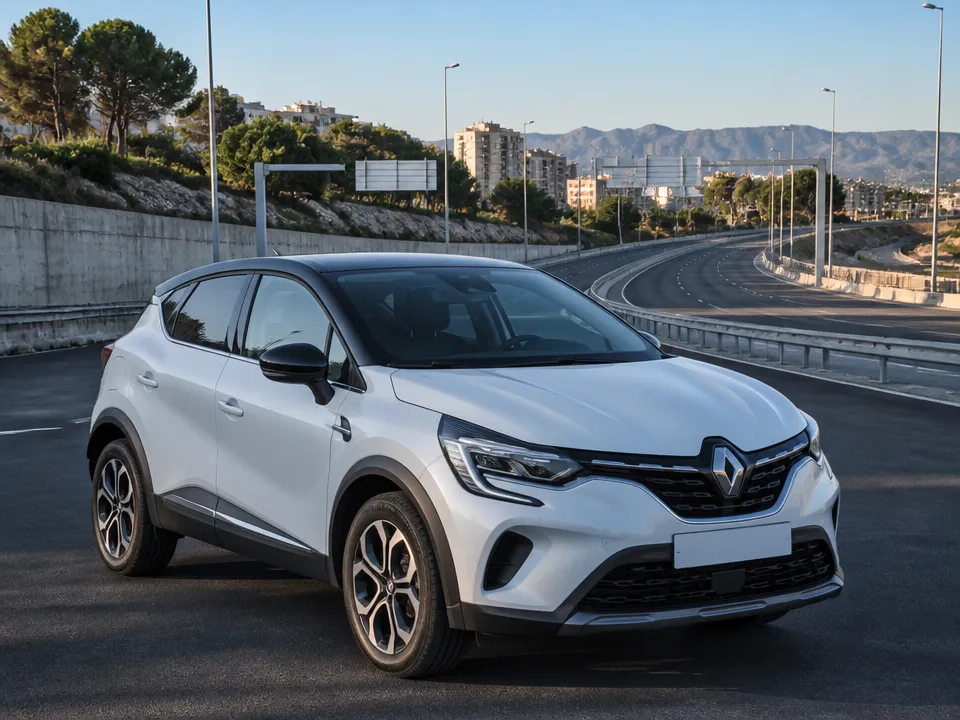
Renault Captur
★4.9· 32Manual1.3 L140 hpFront-wheel5 seats
€64per day
Book now







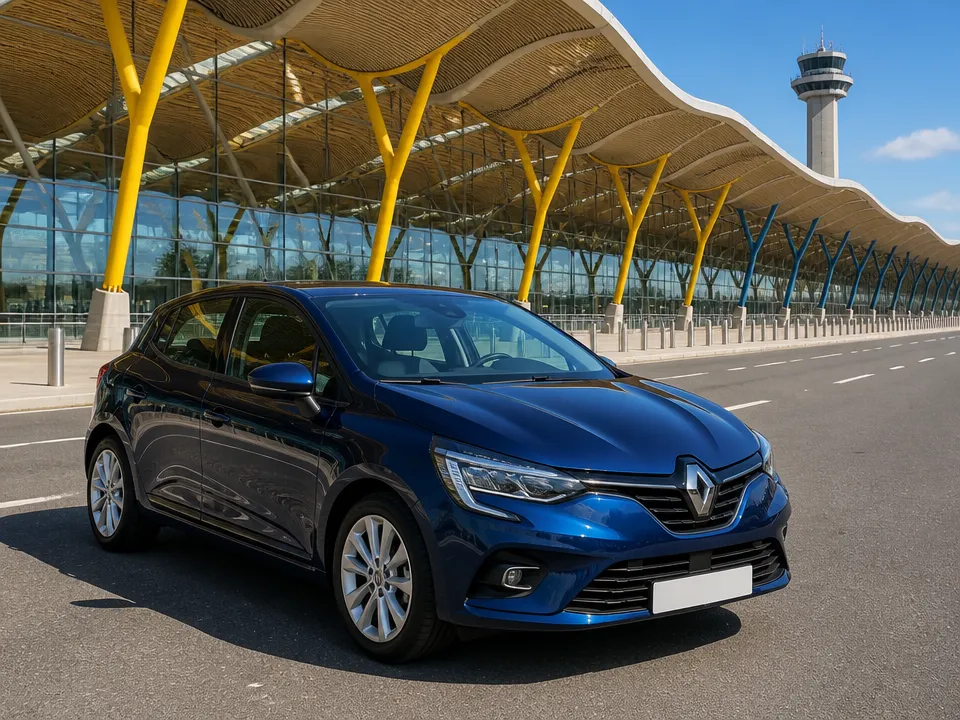
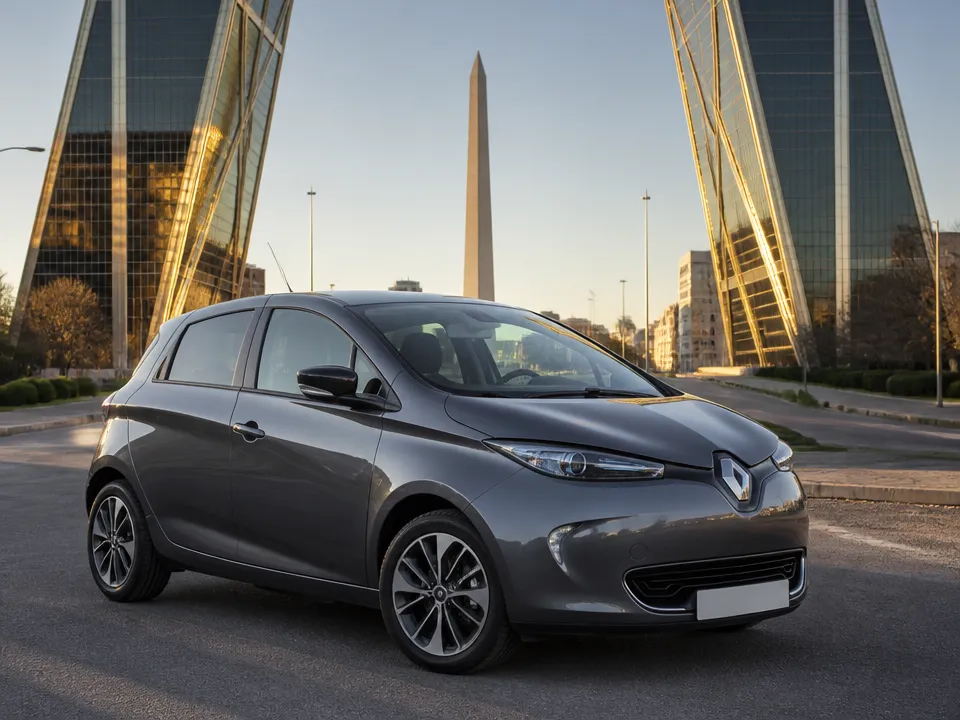
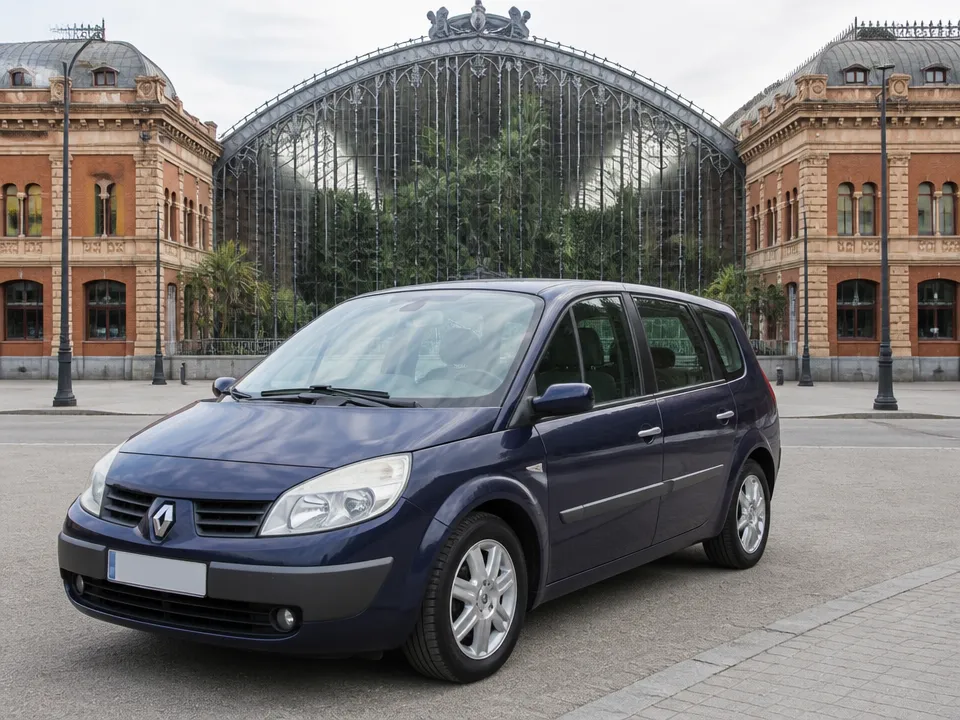
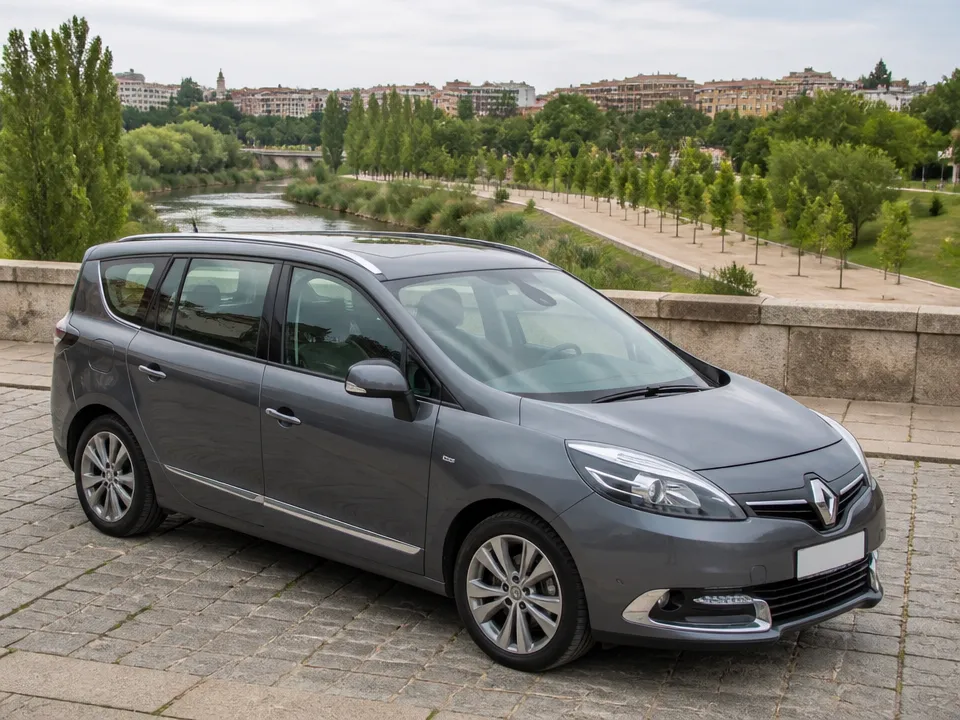
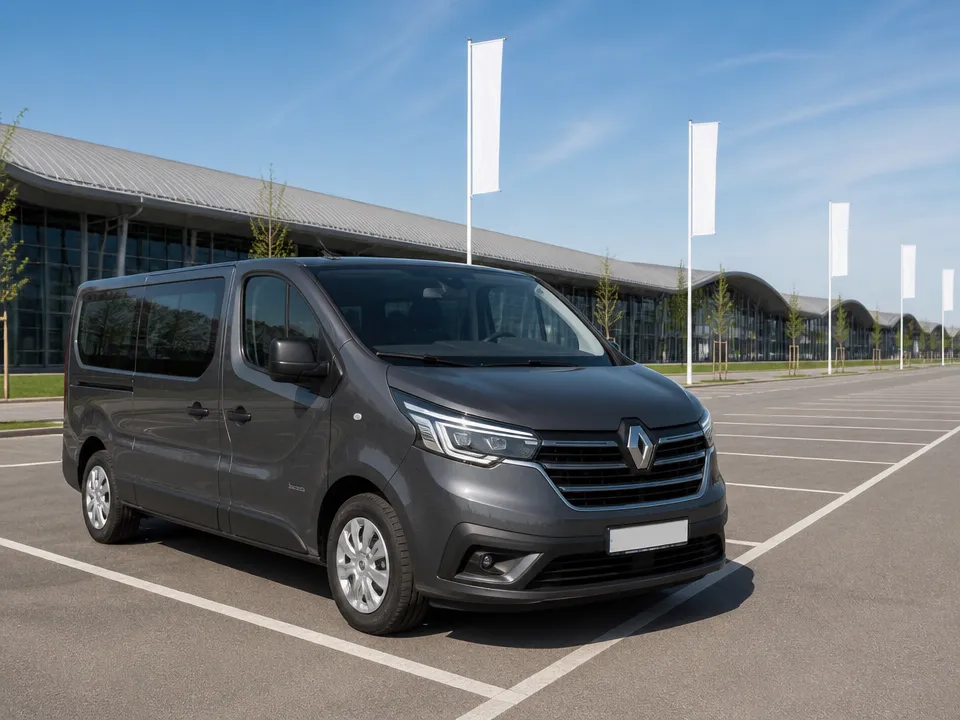
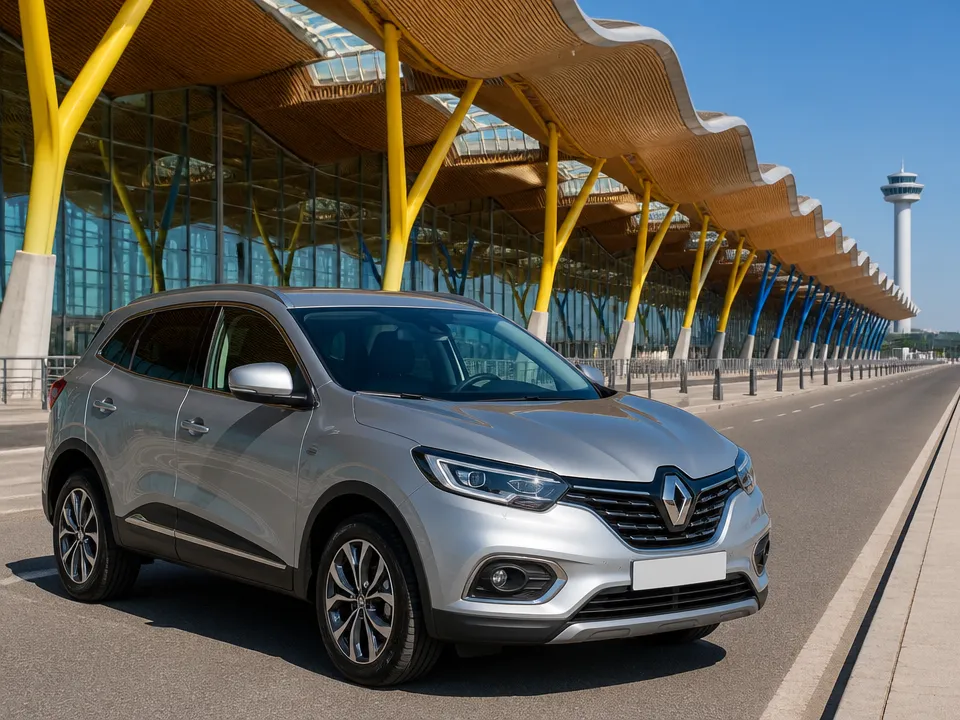

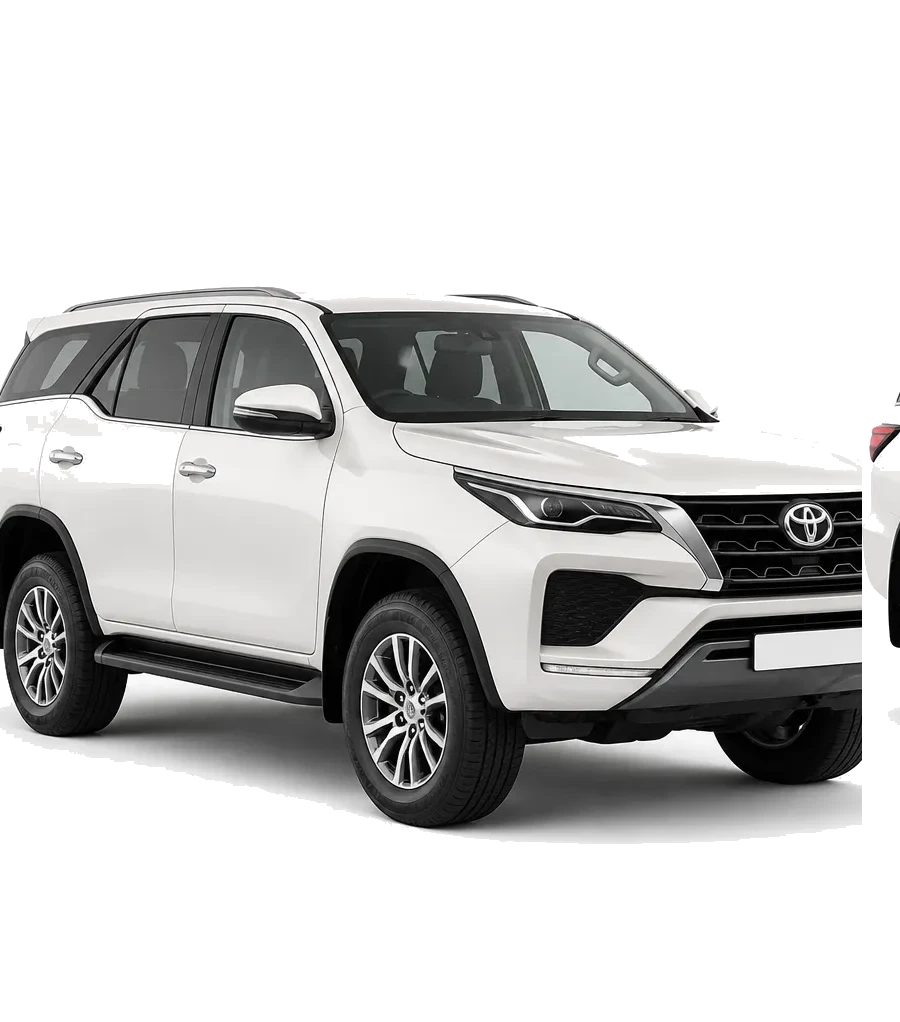
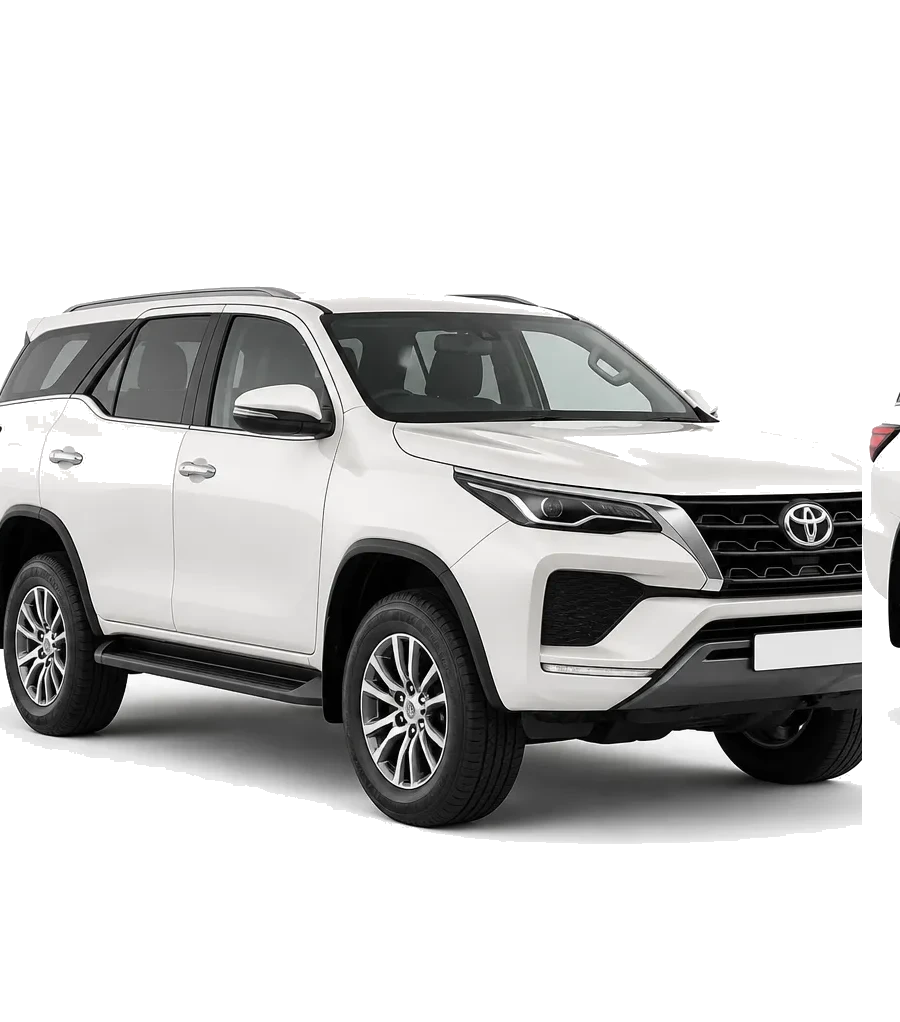

A week of tapas crawls, Prado mornings and day trips out to Toledo — and the car you want waiting for you is a Renault. Rent-Trip has 7 Renault cars available for Madrid, from €25 to €64 per day, with weekly from €150 and monthly from €525. Choose your model, and we deliver the car to the address you agree with our manager when booking.
Seven Renault models sit in our Madrid fleet, spread across six classes and three seat counts. Picking one comes down to how many people travel, what they carry and which fuel suits the route — not to how much you want to spend.
| Model | Class | Seats | Fuel | Gearbox | €/day |
|---|---|---|---|---|---|
| Renault Clio | Economy | 5 | Petrol | Manual | €25 |
| Renault Zoe | Electric | 5 | Electric | Automatic | €34 |
| Renault Scenic | Minivans | 5 | Diesel | Automatic | €48 |
| Renault Trafic Passenger | Passenger vans | 9 | Diesel | Manual | €50 |
| Renault Grand Scenic | Minivans | 7 | Diesel | Automatic | €54 |
| Renault Kadjar | SUV | 5 | Diesel | Manual | €62 |
| Renault Captur | Crossover | 5 | Petrol | Manual | €64 |
Seat count decides the class, not the price — the 9-seat Trafic Passenger at €50 a day costs less than the 5-seat Captur at €64, so book by the seats you need and let the class follow.
Yes — the Clio seats 5, so four passengers plus luggage fit comfortably. It runs a 1.0 L petrol engine with 90 hp through a manual gearbox and front-wheel drive, and at €25 a day it is the cheapest model on this page. The boot takes a couple of cabin bags and a folded pushchair; a fourth full-size suitcase will not fit alongside them. In our experience the Clio suits city errands, short hops between districts and a run out to Toledo far better than it suits a week of motorway touring with four adults. For longer trips with a full car, the Kadjar or Captur gives you the extra boot depth and the higher seating position that make 120 km/h stretches less tiring.
The Grand Scenic seats 7; the Scenic seats 5 — both are Minivans, from €48 and €54 a day. Both run the same 1.5 L diesel with 120 hp, an automatic gearbox and front-wheel drive, so the only real choice is whether you need the third row. The Grand Scenic's two extra seats fold flat into the floor, which means you keep a usable boot on the days nobody sits there. If your seventh passenger is an adult on a long run, look at the Trafic Passenger instead: 9 seats, 2.0 L diesel, 150 hp, manual, €50 a day. It carries people and luggage at once, where a seven-seat MPV with the third row up leaves room for hand baggage only.
If your trip mixes a full car with a lot of motorway, the diesel automatics are the safer bet; if it is mostly short city runs, the Zoe's electric drivetrain and automatic gearbox take the strain out of stop-start traffic.
Rates for our seven Renault models run from €25 to €64 per day, and the same car gets cheaper the longer you keep it. Every booking is agreed with a manager, so the final figure — including the deposit and the excess — is confirmed before you commit.
| Class | Cars | From €/day |
|---|---|---|
| Economy | 1 | €25 |
| Electric | 1 | €34 |
| Minivans | 2 | €48 |
| Passenger vans | 1 | €50 |
| SUV | 1 | €62 |
| Crossover | 1 | €64 |
A week starts at €150 and a month at €525 — the daily rate multiplied by six and by twenty-one. The Clio at €25 a day is the cheapest car on this page, so a week in the Economy hatchback lands at the bottom of that range, while the €64 Captur sits at the top. Stretch the booking out and the gap between classes flattens in absolute terms: a month of any model costs far less than thirty separate daily hires of the same car. In our experience, travellers who book ten days or more almost always move up a class once they see how little the weekly step adds. If you are still weighing the Zoe against the Grand Scenic, the monthly figure is the one to compare, not the daily.
The €25 Clio is the entry point to the range, and nothing in the agreement is a surprise: the deposit, the insurance excess, any delivery fee and any discount are set out in the rental agreement and confirmed when booking. We do not advertise a headline rate and then add mandatory charges at hand-over — the number your manager agrees with you is the number you pay. Ask about the excess before you pick a class, because it moves with the car rather than with the price: the cheapest daily rate does not automatically mean the smallest amount you carry if something goes wrong. For a short city trip that distinction rarely matters, but on a two-week booking it is worth the extra question.
The city restricts traffic by emissions, not by who owns the car, so the question for a rental is which DGT sticker is on the windscreen. The zone, the parking metres and the speed limits all follow from that one label.
Yes — ZBE Madrid (Zona de Bajas Emisiones de Madrid) covers every street of the municipality, all 21 districts, and entry depends on the environmental sticker, not on the car being rented. The Zoe carries the 0 emisiones label, which is issued to battery electric, range-extended and hydrogen vehicles, so it may enter the zone and park in the regulated bays on the same terms as a resident's electric car. Petrol cars registered before 2000 and diesels registered before 2005 have no DGT sticker at all — category A — and cannot enter. The label travels with the vehicle, so check it on the windscreen before you plan a route through Centro or along Gran Vía. In our experience the Zoe is the model people switch to once they read the ZBE map, and the €34 daily rate makes that an easy decision.
Cars without a DGT sticker cannot enter ZBE Madrid, and the stickers are graded: 0 emisiones (blue) for BEVs, REEVs and hydrogen; ECO for plug-in hybrids and mild hybrids; C and B for newer combustion cars. Foreign-registered vehicles have no DGT sticker and must be registered in advance with the Spanish authorities before entering. The Zoe's 0 emisiones label also brings a 75% discount on regulated parking for residents' season tickets, and the ECO label carries the same 75% discount. Ordering the sticker is not something you do at the roadside — it is issued with the vehicle's registration. Ask at booking which sticker the model you have chosen carries, because the answer decides whether your route through the city centre is legal at all.
Urban streets with one lane in each direction are 30 km/h, single-platform streets where carriageway and pavement are level are 20 km/h, and streets with two or more lanes in one direction are 50 km/h; on autopista and autovía the limit is 120 km/h and on an ordinary out-of-town road 90 km/h. Bus and taxi lanes do not count when you are counting lanes. Speeding is fined on a DGT table built from the pair of posted limit and actual speed: on a 30 km/h street, 31–50 km/h costs €100 with no points, 51–60 km/h costs €300 and 2 points, 61–70 km/h costs €400 and 4 points, 71–80 km/h costs €500 and 6 points, and above 81 km/h it is €600 and 6 points. Exceeding the limit by more than 60 km/h in town or 80 km/h outside it is a criminal offence, not an administrative fine. Paying within 20 days halves the amount. Ring roads M-30, M-40, M-45 and M-50 and the radial A-1 to A-6 are free, while the R-2, R-3 and R-4 radials are tolled and use the VIA-T transponder. The 30 km/h default catches drivers who treat a narrow street as a normal road — read the sign before you accelerate.
The Renault Zoe is the only electric car in our Madrid fleet — €34 a day, automatic, 135 hp, five seats. It carries the 0 emisiones DGT sticker, so the low-emission zone that covers all 21 districts of the municipality is not a problem for it. Charging is where the real decisions sit, and they are simpler than most drivers expect.
At €34 a day, the Zoe undercuts both Minivans on this page and the Trafic Passenger, and it sits €9 above the entry Clio. For that gap you get an automatic gearbox, plus 135 hp, the second-highest output in the line-up after the 150 hp Trafic. Running costs work the other way: public charging in Spain runs around €0.20 per kWh, so a full top-up costs a fraction of a tank of gasolina 95, which averaged €1.971 per litre across 231 stations in the latest survey. In our experience the Zoe suits guests who stay inside the M-30 ring and drive 40–60 km a day; anything beyond that and you will be planning the next charge rather than the next stop.
The blue SER zone limits you to 4 hours and the green zone to 2, and both operate 09:00–21:00 on weekdays and 09:00–15:00 on Saturdays. A 0 emisiones sticker changes that arithmetic: it carries a 75% discount on resident season tickets and, in practice, is the reason the Zoe is the least stressful Renault to park in the centre. If your stay is built around short hops between the Prado, Gran Vía and Retiro, the electric Zoe removes two of the three frictions of driving here — the zone and the meter. The third, finding the space, is unchanged.
Spain takes EU and EEA licences as they are, so a driver from Ireland, Germany or Norway needs nothing extra. Third-country licences work for tourists, but a permit that is not written in Latin script — Cyrillic, Arabic, Chinese characters — is only valid here with an official translation or an International Driving Permit. That is the one document question worth settling before you fly, and it applies to every car on the page, from the €25 Clio to the €64 Captur.
The deposit is a pre-authorisation on the main driver's credit card, and the excess — the franquicia — is the sum you carry yourself if the car comes back damaged. Both are set out in the rental agreement, so read them before you sign rather than after. Collision damage cover is an option on the Spanish market, not something included by default, and a full buy-out of the excess is a separate paid extra. Ask for the excess figure for the class you are booking — it moves with the car, not with the daily rate, and the number for a 9-seat Trafic Passenger is not the number for a Zoe.
We deliver the car to you, and every booking is agreed with a manager — including the minimum age and driving experience for the class you want, which cards are taken and the fuel policy on return. None of that is fixed by Spanish law, so we confirm it with you directly instead of leaving you to guess. In our experience the questions that come up most are the young-driver surcharge and whether a second driver can be added, and both are settled in the same conversation. Bring your licence, your passport and your credit card to the hand-over, and give yourself twenty minutes for it.
Three of our seven Renaults carry seven or nine seats, and they are the ones families and groups book: the Grand Scenic with three rows, the Trafic Passenger with nine seats, and the five-seat Scenic and Kadjar when the group is smaller but the luggage is not.
Seat count, not price, decides which one you need: the nine-seat Trafic at €50 sits below the five-seat Captur at €64, so a large family pays less per day than a couple who want the top of the range.
Child restraints are compulsory in Spain for anyone 135 cm or shorter, and DGT recommends them up to 150 cm — the driver carries the fine of €200 and 4 points if a child travels without one. Tell us the ages and heights when you book, because the seats are fitted to the car we deliver, and the choice of Renault matters here: the Grand Scenic and Trafic Passenger have the rear space for two or three restraints side by side, while a Clio fits one comfortably.
A nine-seat van with nine people aboard leaves room for hand luggage only, so if you are eight or nine travelling with suitcases, the Trafic is still the answer — but pack soft bags rather than hard cases. With five or six aboard, the same van swallows everything. For a family of four, the Scenic at €48 has a deeper boot than the Kadjar, and the extra third row of the Grand Scenic folds flat when nobody needs it. We deliver the car to you, and the seats, the luggage and the drop-off are all agreed with a manager when you book.
Every booking for a Renault is agreed with a manager — nothing is confirmed automatically, and no car is released until the details are settled between you and us. That covers the model, the dates, the hand-over, and the paperwork that sits behind the daily rate.
The rental agreement is the document that carries the figures a page like this cannot: the deposit amount, the insurance excess, any delivery charge and any discount. Spanish consumer rules require the advertised price to include the compulsory charges you cannot drive without, and they require every scratch and dent to be written into the contract or the inspection sheet before you leave, signed by both sides, with a copy for you. That is the moment to look at the car properly — once you have driven away, damage found later is argued about, not discussed.
Minimum rental age, the young-driver surcharge, which cards are accepted and the fuel policy are all conditions agreed when booking. The compulsory third-party cover is not one of them — every car legally on a Spanish road carries it, with minimum limits of 70,000,000 EUR per incident for personal injury and 15,000,000 EUR for property damage under Real Decreto Legislativo 8/2004, article 4.2, as amended by Ley 5/2025, in force since 26.07.2025.
If the model you reserved is unavailable, you are entitled to another car at no extra cost, including one from a higher class. If the substitute sits below what you booked, the price comes down. And if the car does not match the agreed conditions — an automatic where you booked an automatic, the seat count you need — the booking can be cancelled and the prepayment returned. In our experience the Zoe is the one people ask to swap into after a first day of city driving, so if you are unsure between it and the Clio, say so at the booking stage rather than at hand-over.
Seven Renault models, six classes, one page: the line-up runs from the €25 Clio to the €64 Captur, with the electric Zoe at €34, the two Minivans at €48 and €54, the 9-seat Trafic Passenger at €50 and the Kadjar at €62. Weekly bookings start at €150 and monthly at €525, calculated as the daily rate × 6 and × 21. Nothing on this page is a quotation you have to accept as written — the deposit, the excess, the fuel level on return and any extras are set out in the rental agreement, and every booking is agreed with a manager before the car is handed over.
What actually decides your choice is narrower than the price list suggests:
Two habits save the most trouble. Photograph nothing and assume nothing about the paperwork — read the agreement, because the excess moves with the car class and not with the daily rate. And if your route crosses Centro or Gran Vía, settle the sticker question before you plan the day, not at the barrier.
For a couple or a family of four, the Clio at €25 does the job and leaves the budget for fuel. For seven or nine people, the Grand Scenic and the Trafic Passenger are the only two answers on the page. For everything in between — a Zoe for short city hops, a Kadjar for a week that mixes motorway and mountain road — the choice comes down to seats, fuel and gearbox, in that order.
Daily prices on this page run from €25 to €64. The Renault Clio is €25 per day, the Renault Zoe €34 per day and the Renault Scenic €48 per day.
This page lists 7 cars with 5, 7 and 9 seats, automatic or manual transmission, in Crossover, Hatchback, MPV, Passenger van and SUV body types.
EU and EEA licences are valid in Spain as they are, while they remain in force. For third-country licences, the DGT recommends getting an international driving permit before the trip.