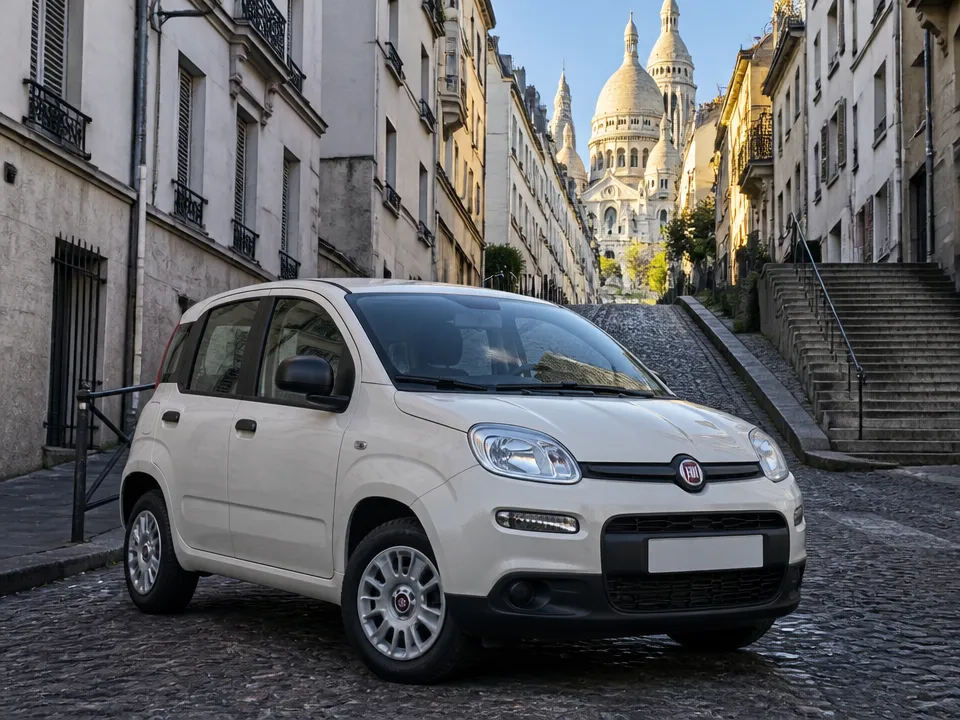
Fiat Panda Hybrid
★4.9· 86Manual1.0 L70 hpFront-wheel5 seats
€39per day
Book now






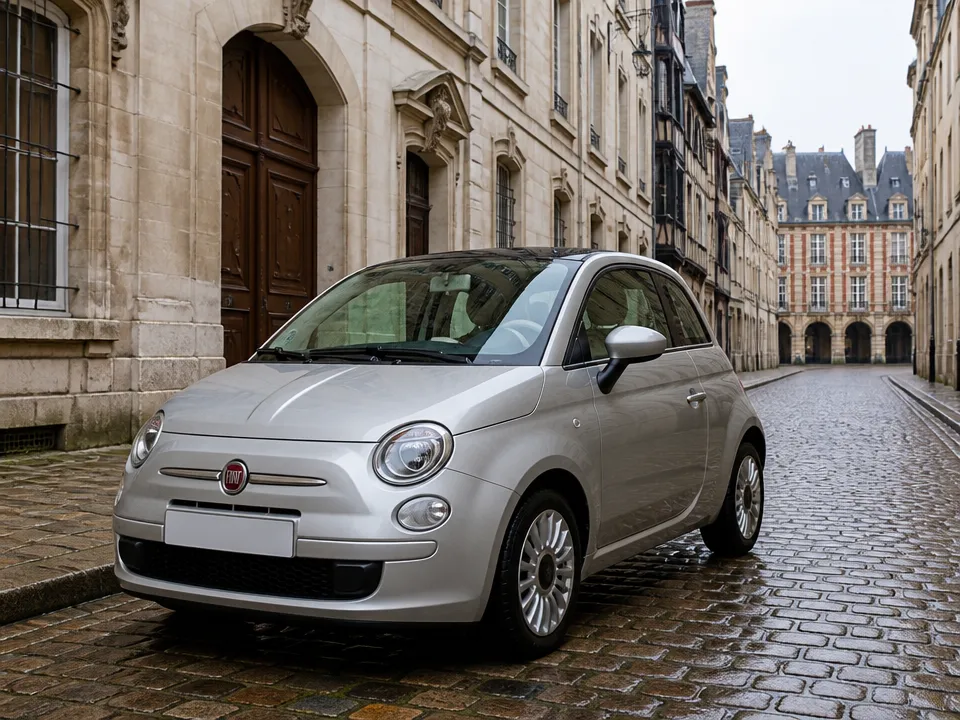
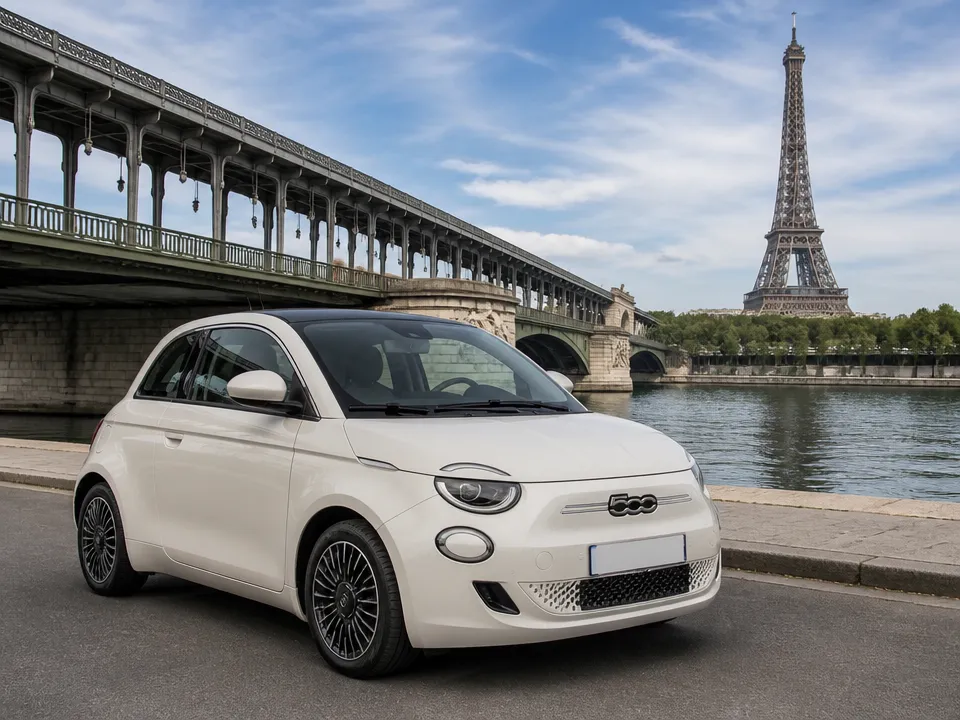
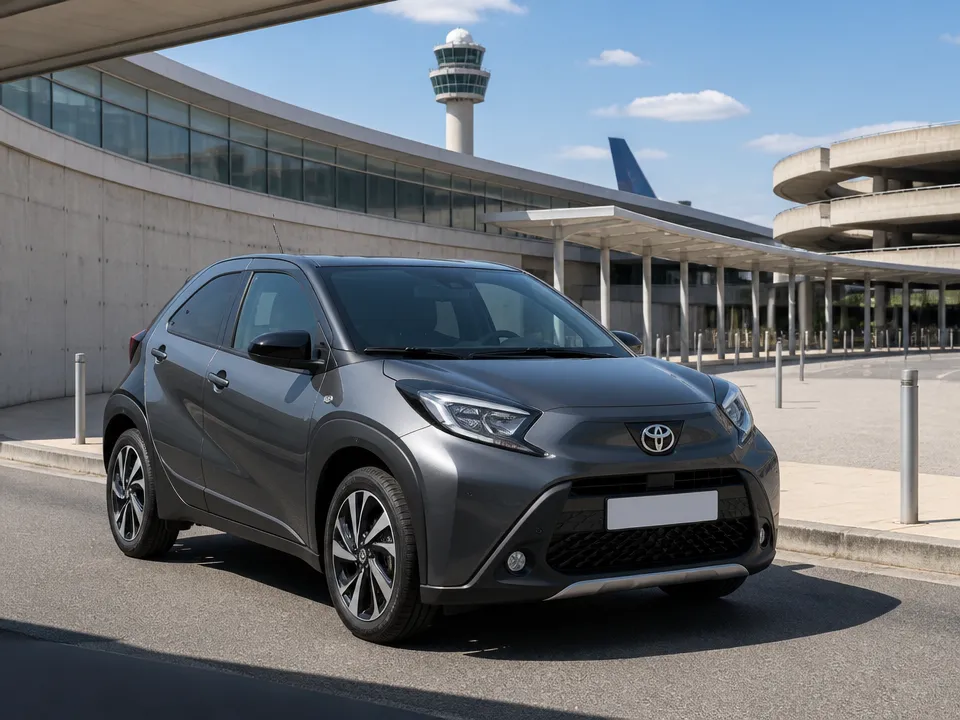
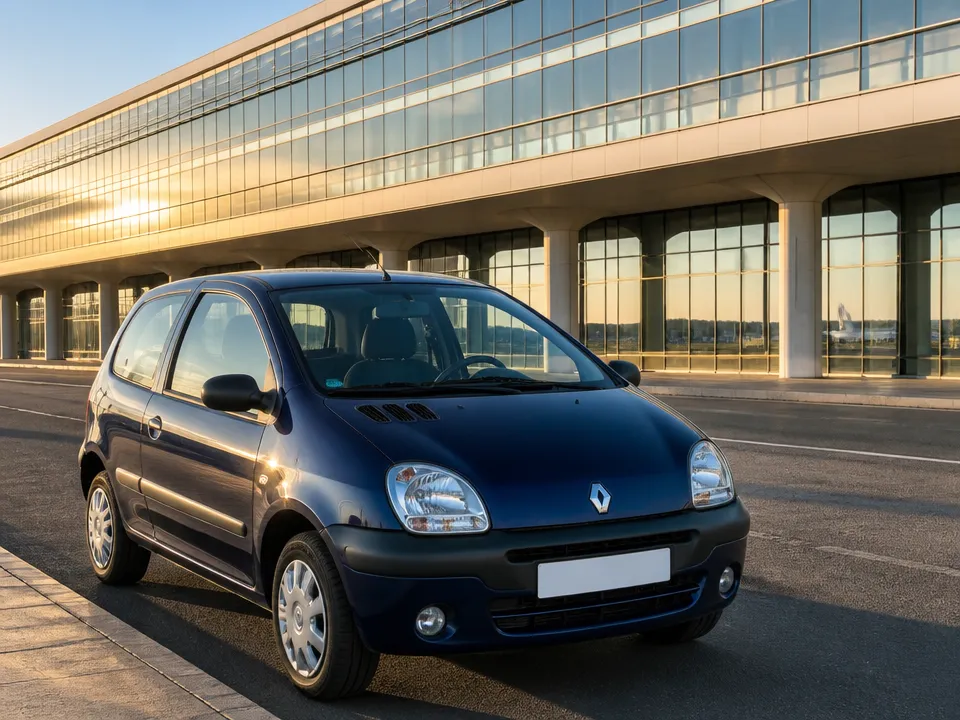
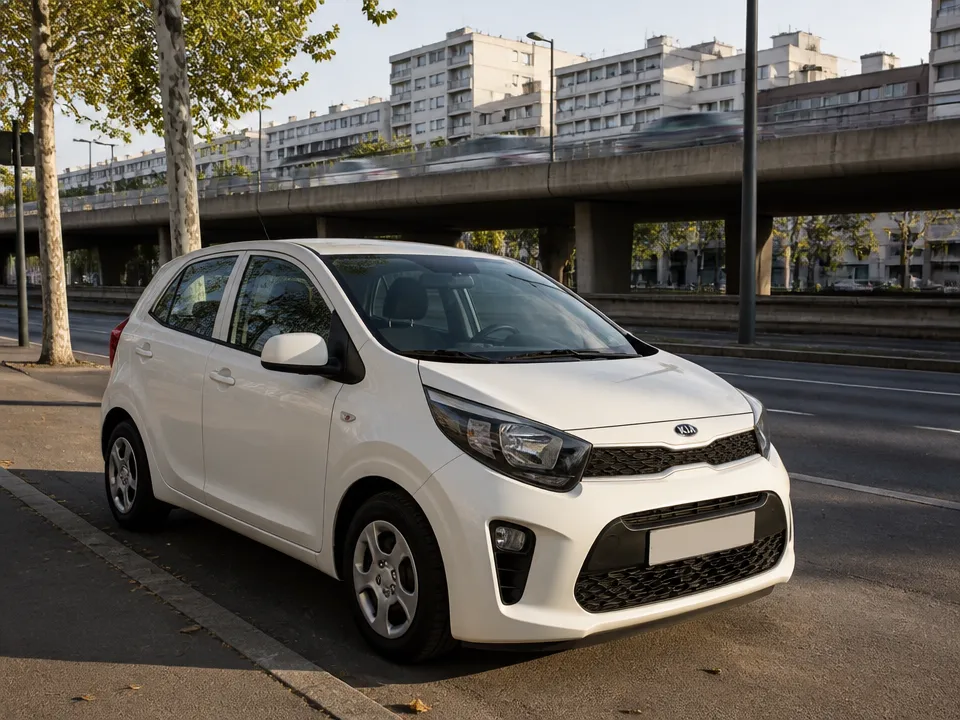
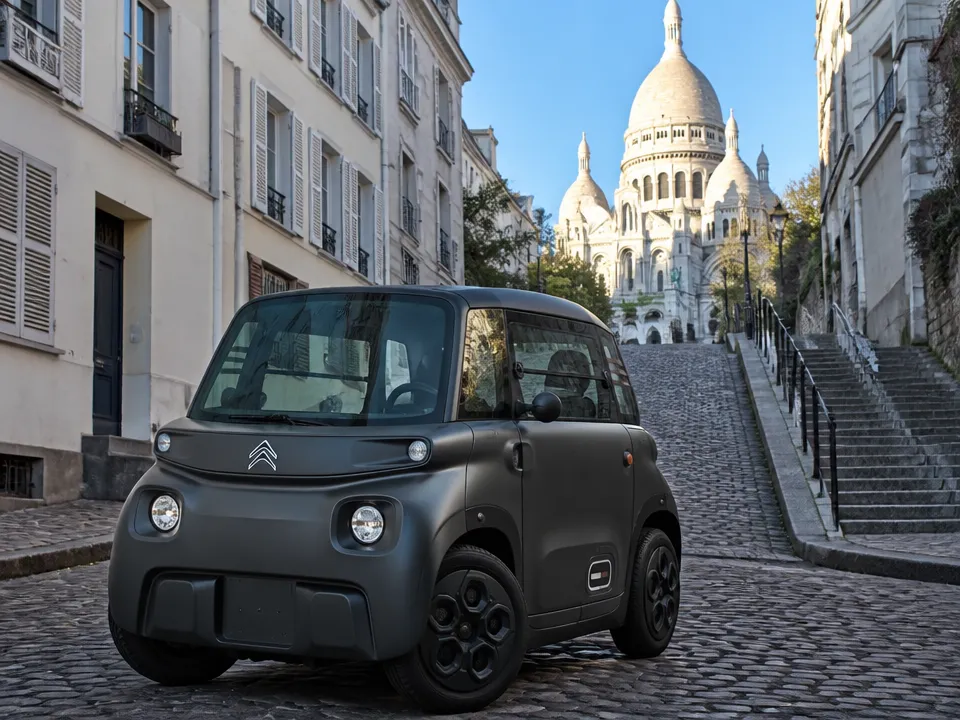
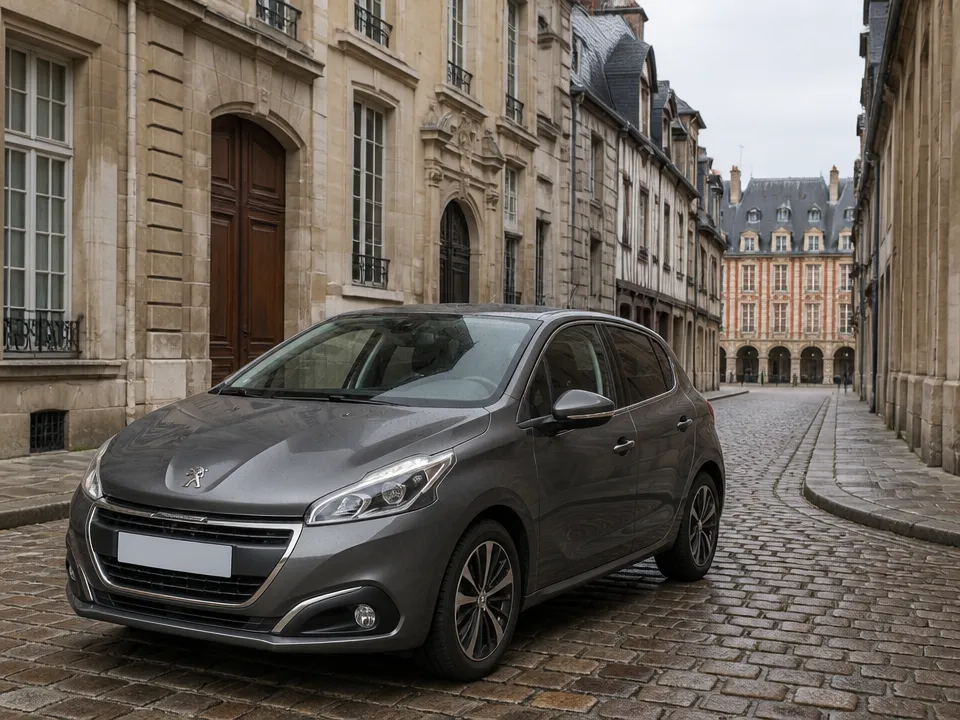
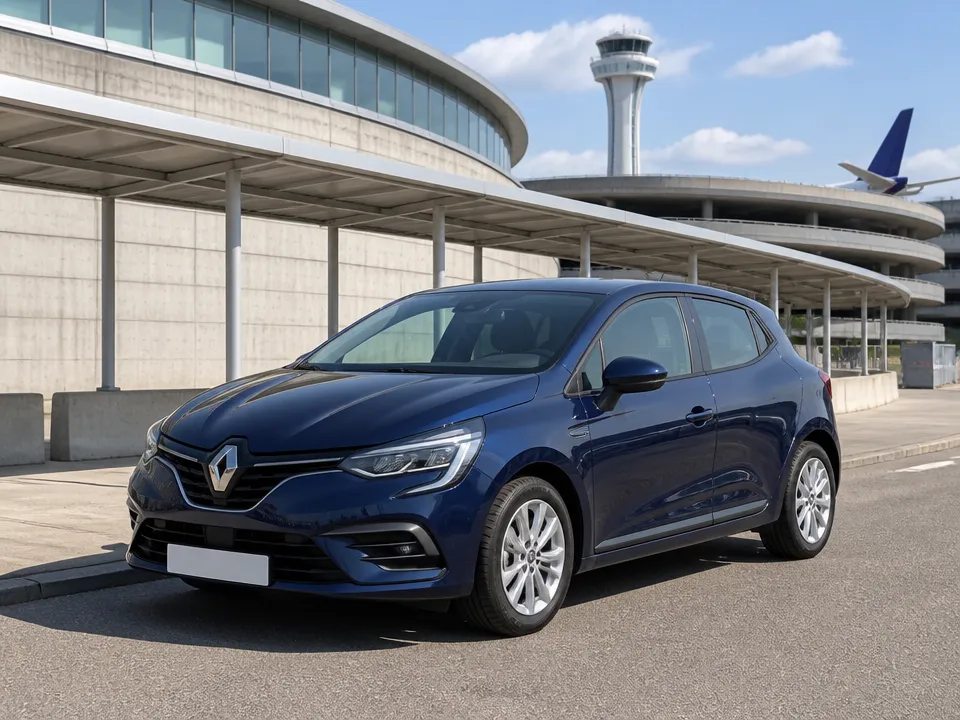
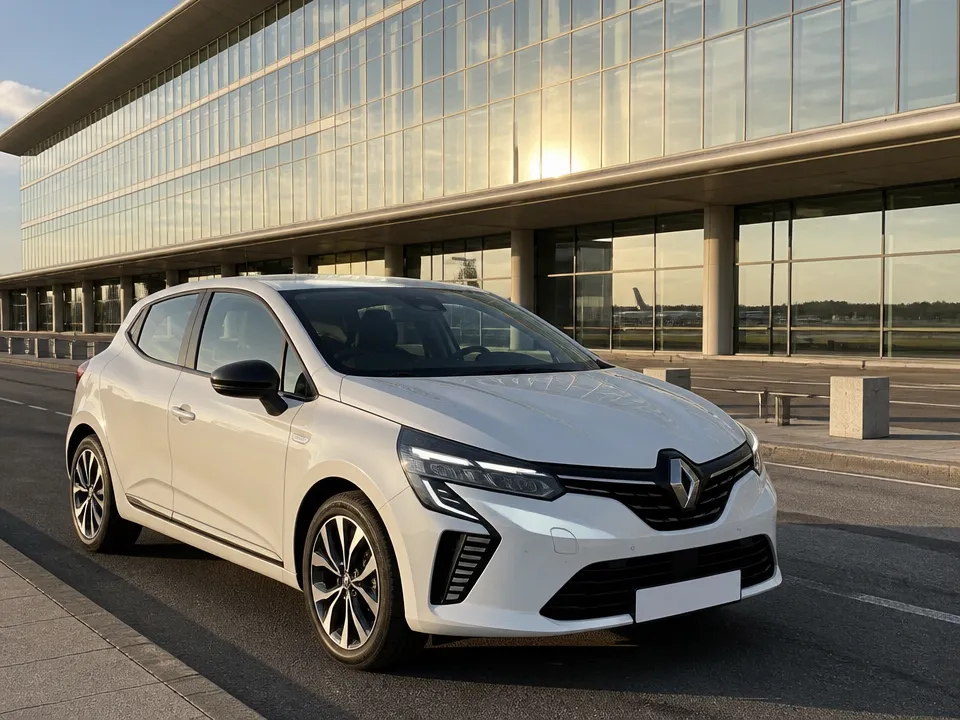
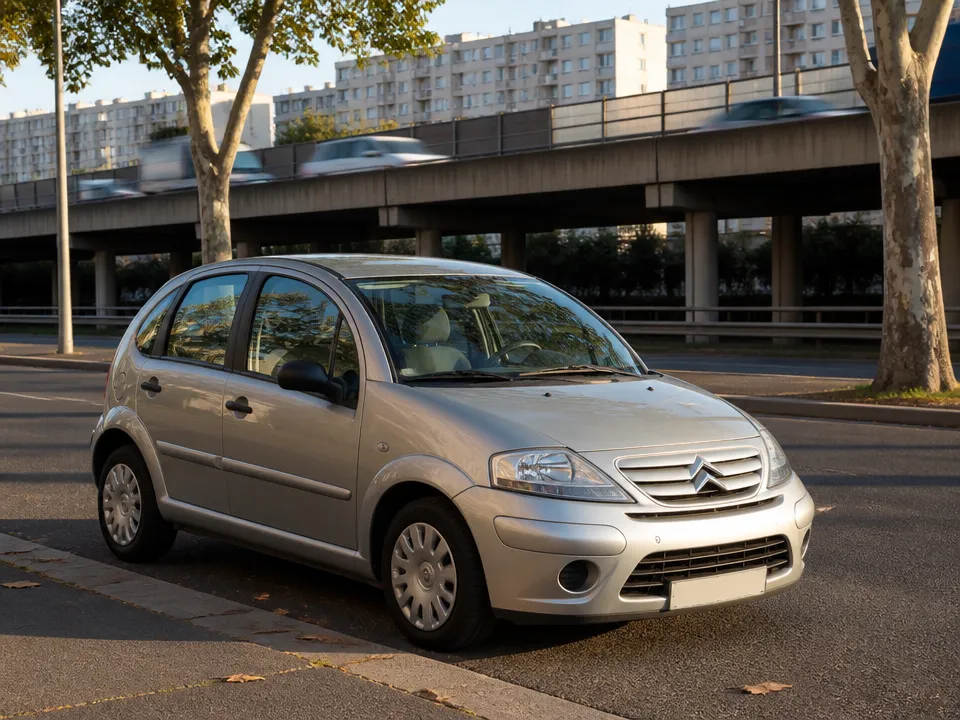
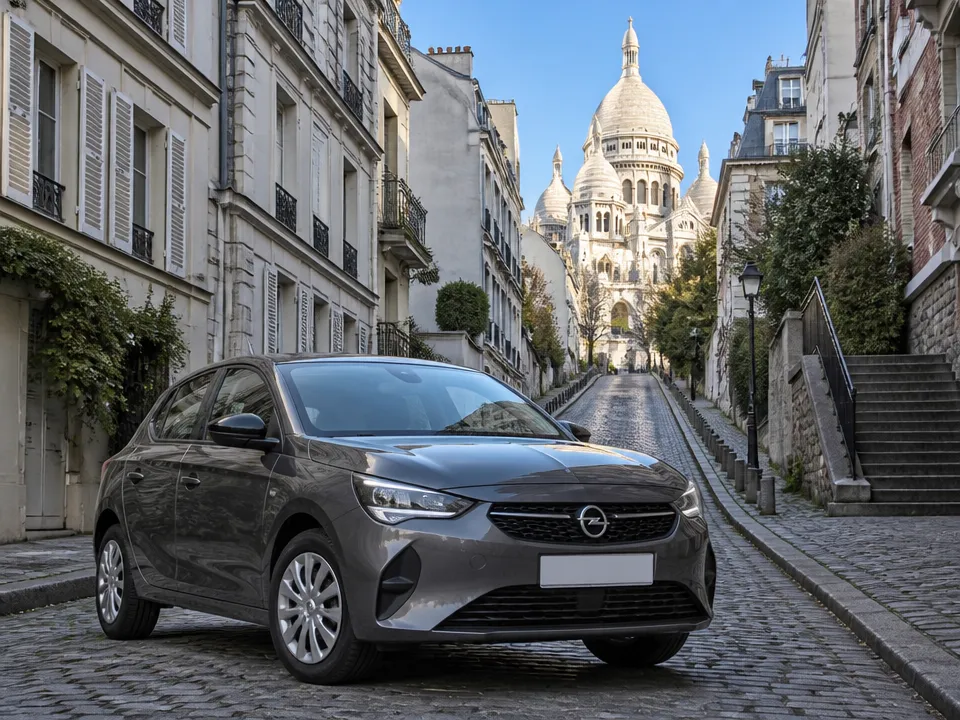
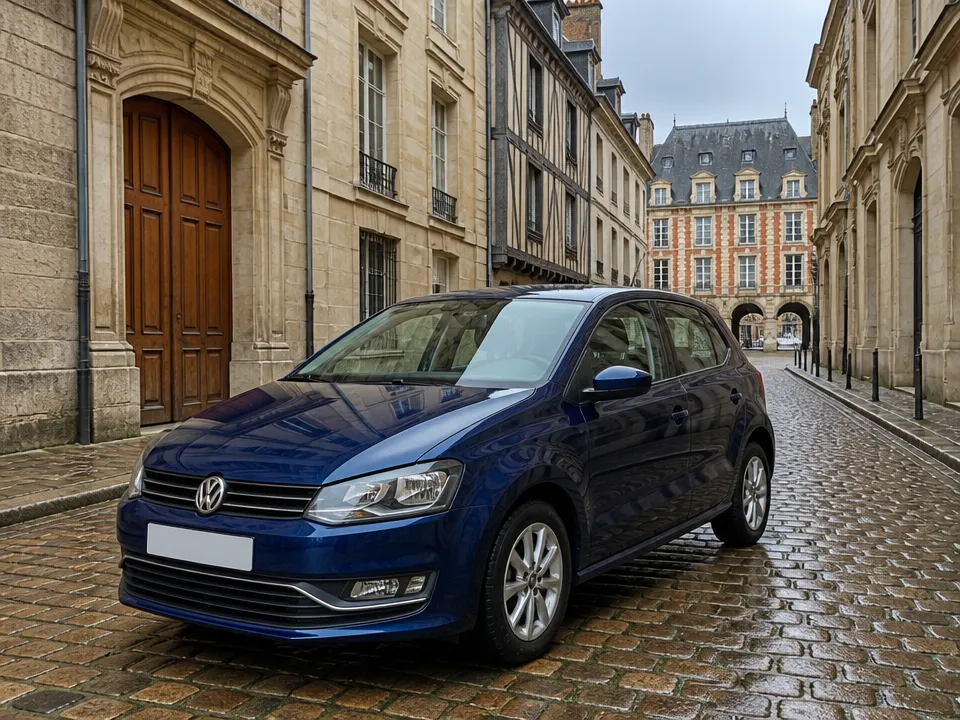
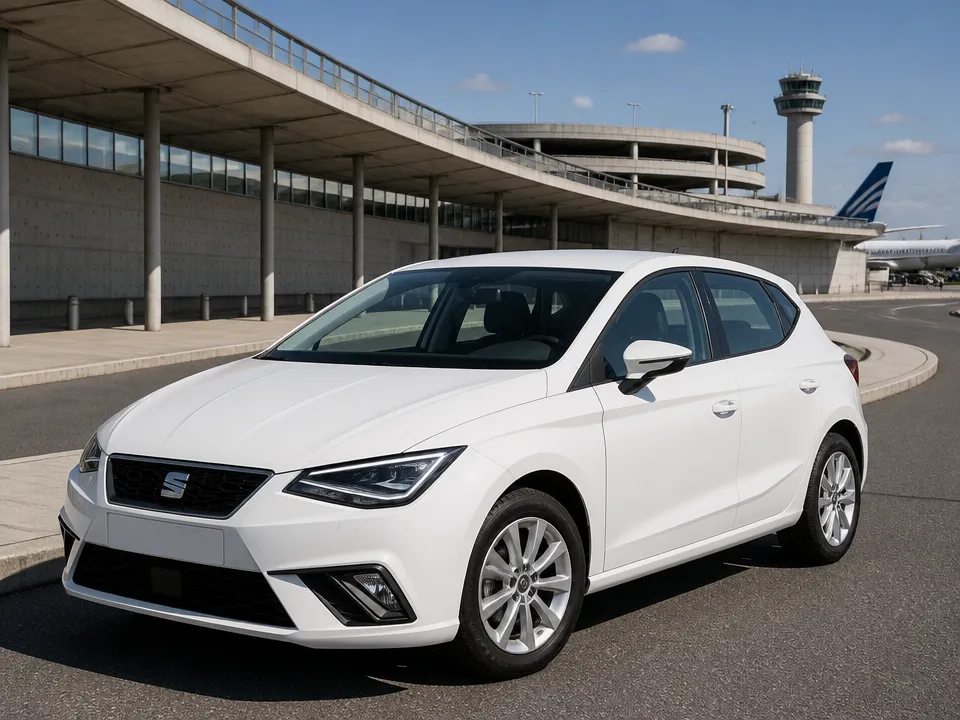
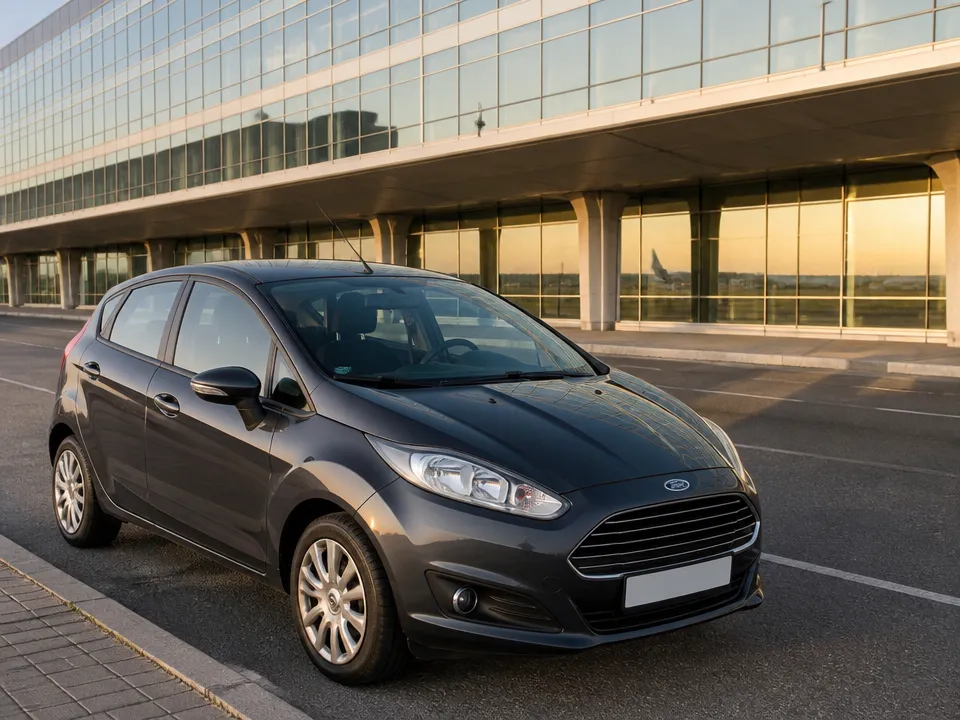
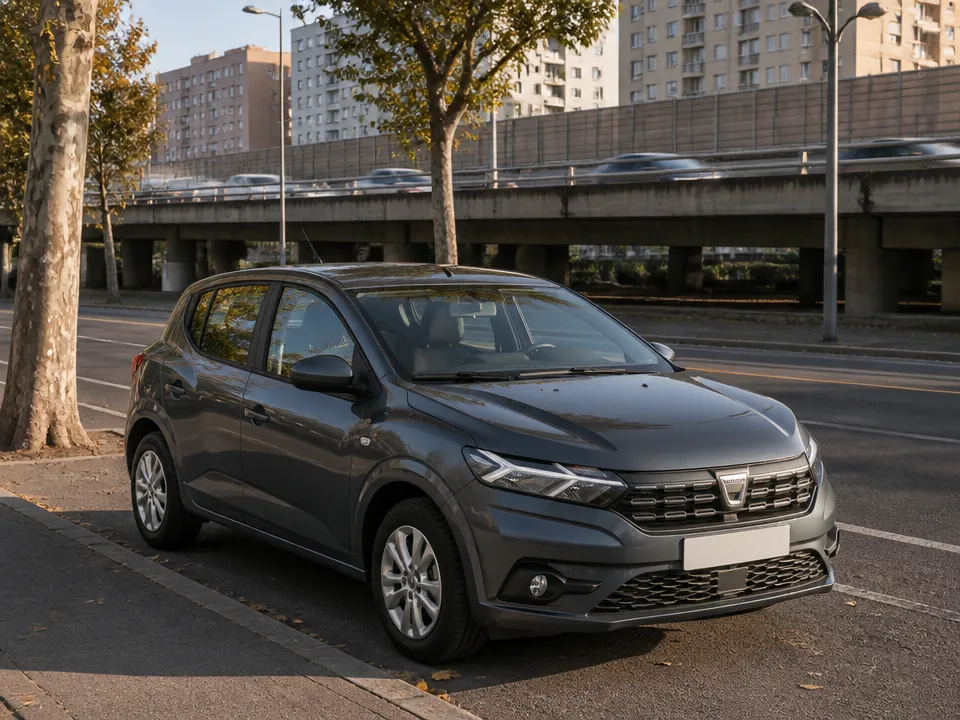
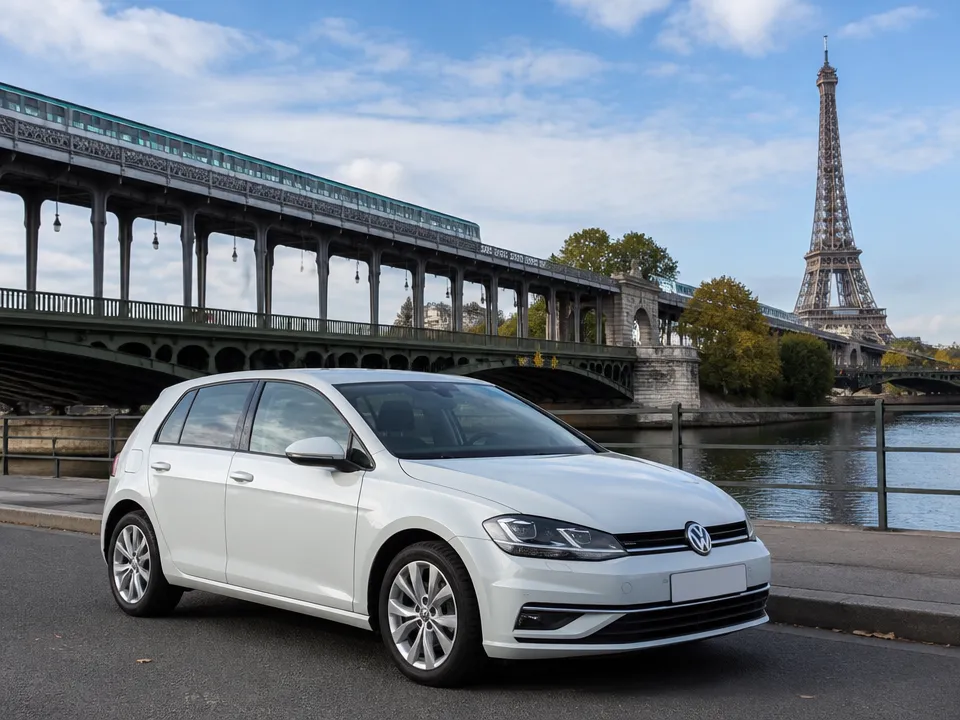
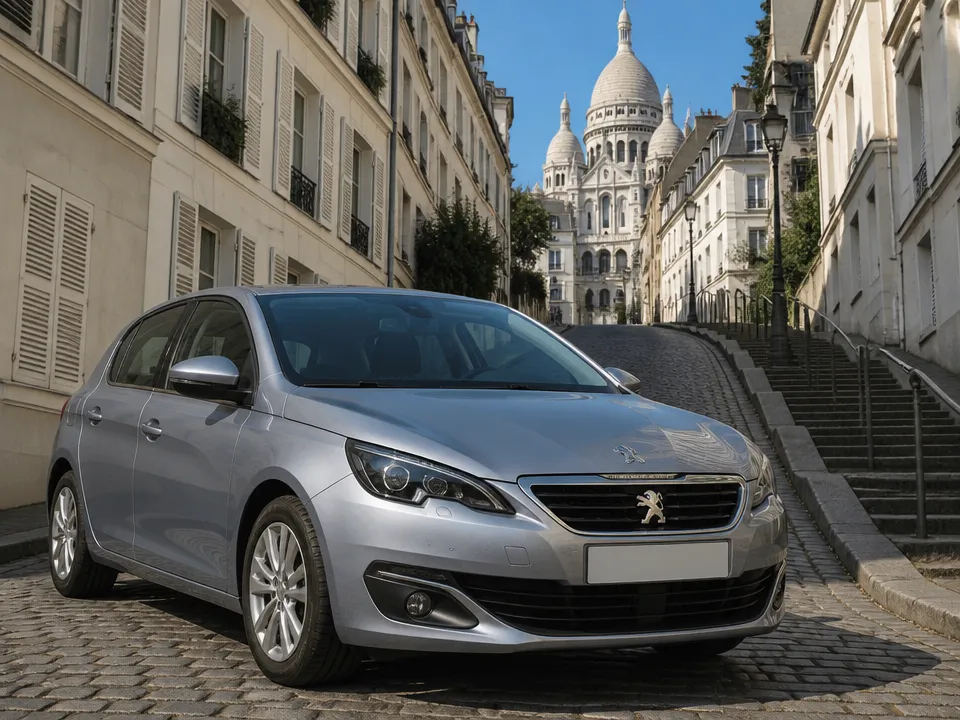
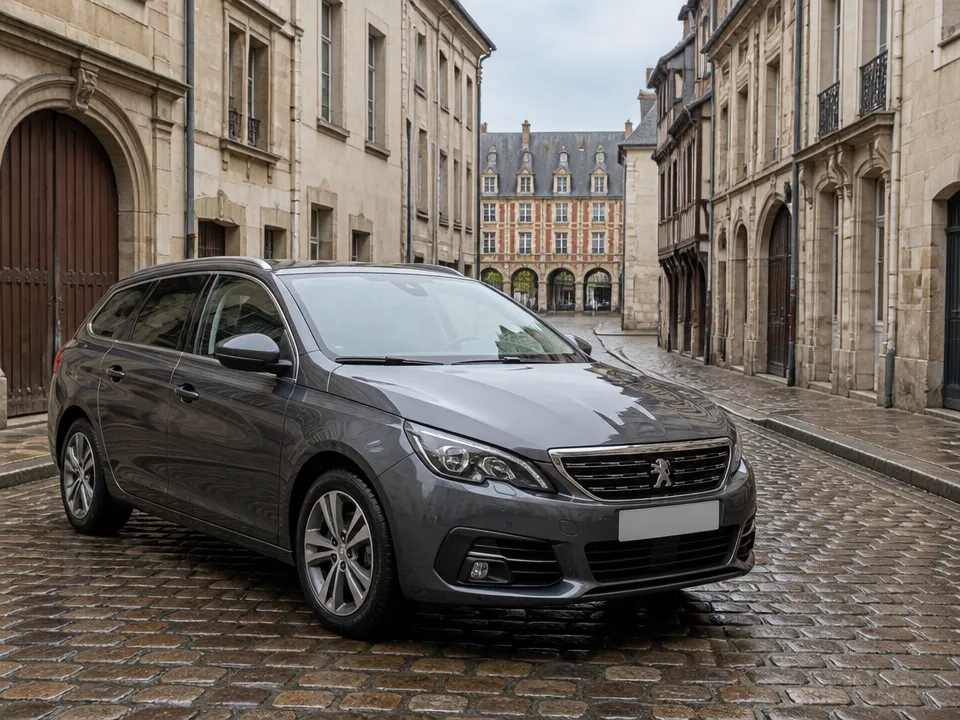
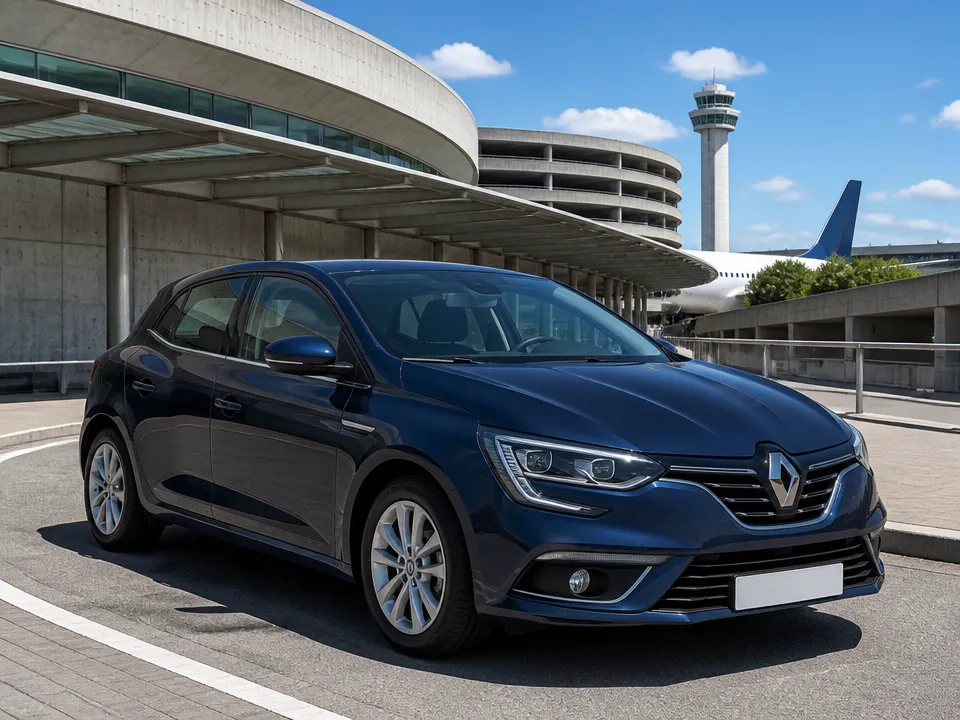
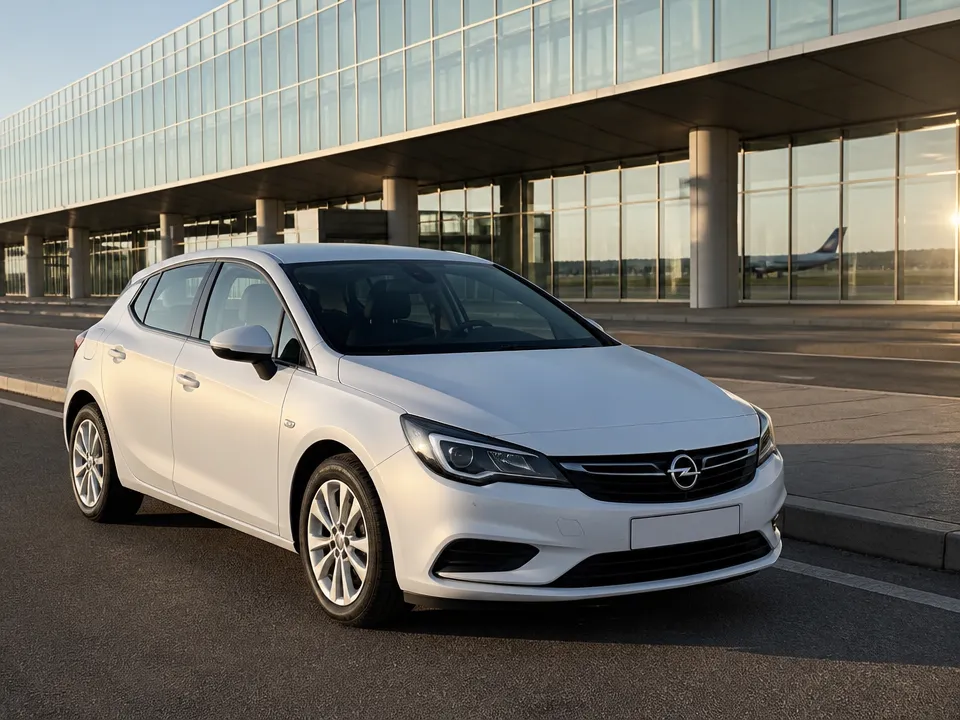
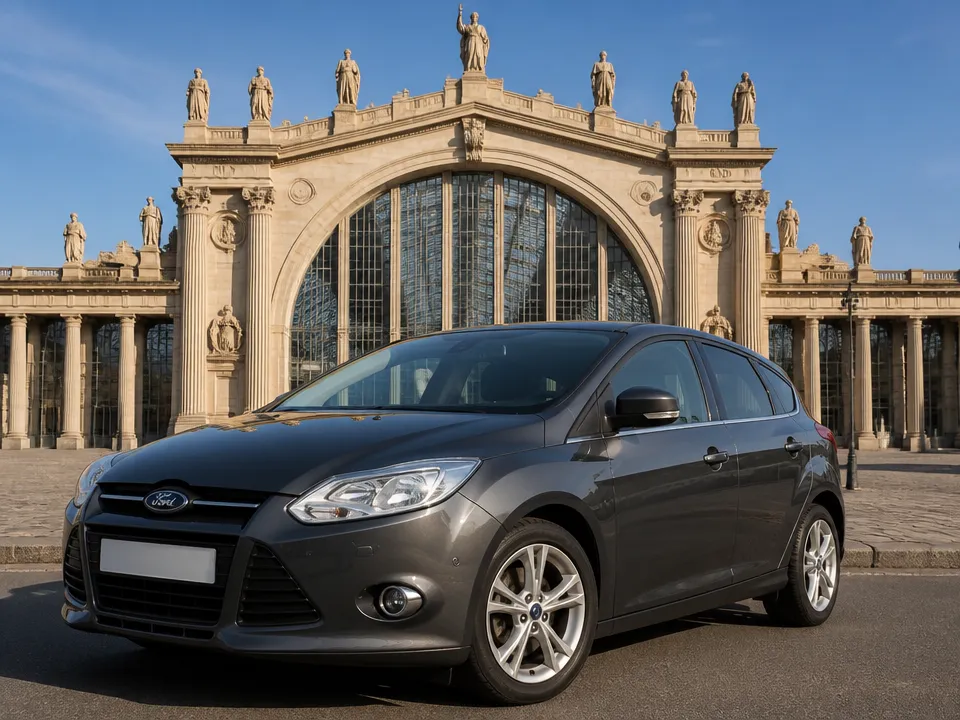
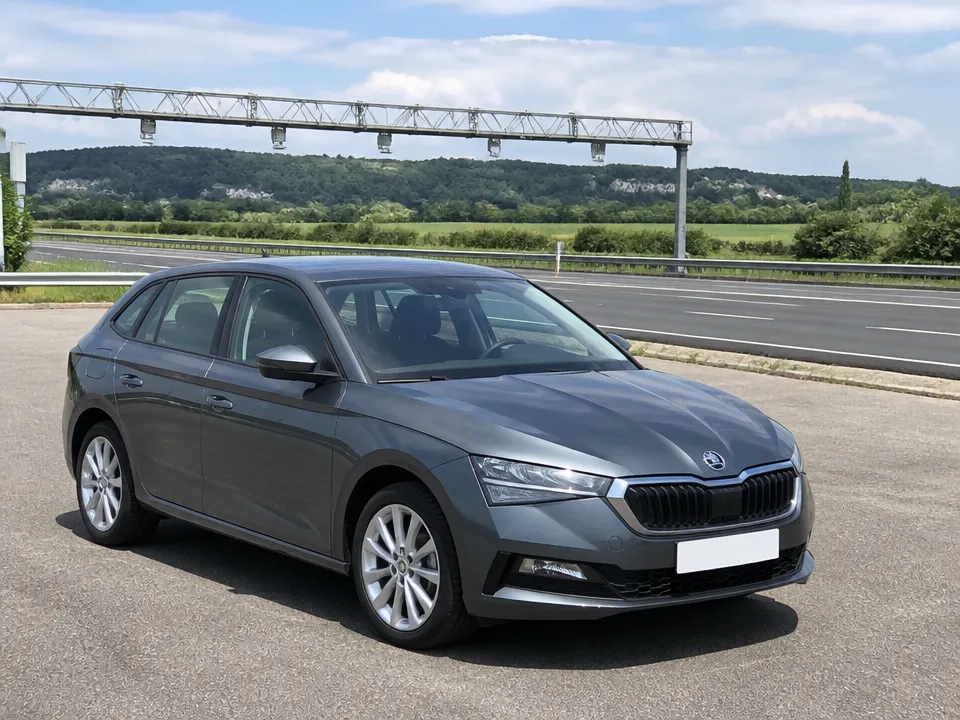
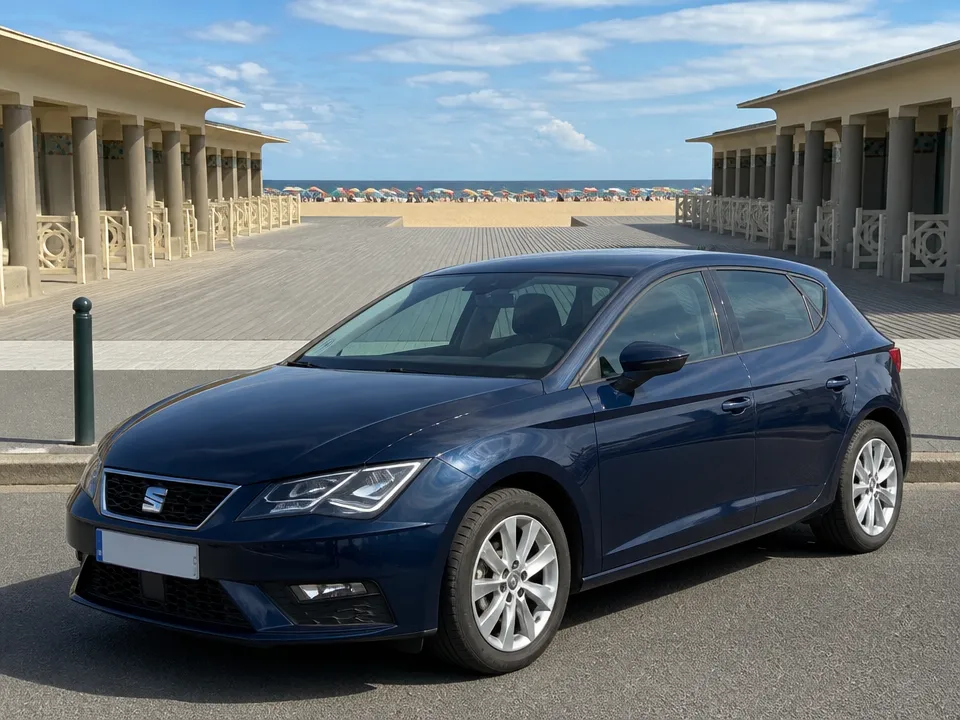
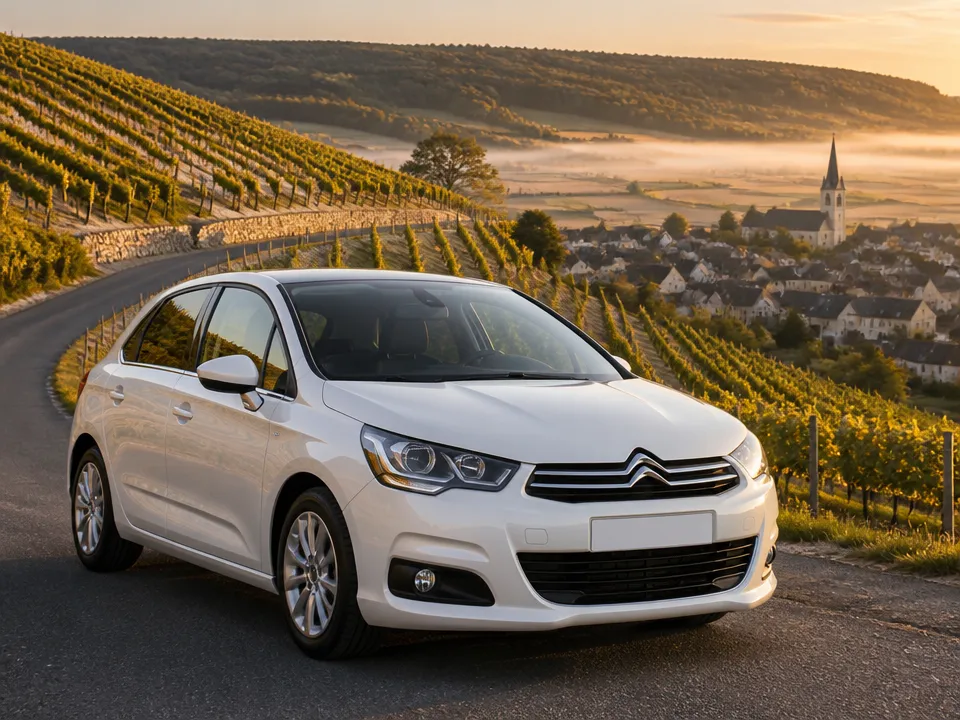
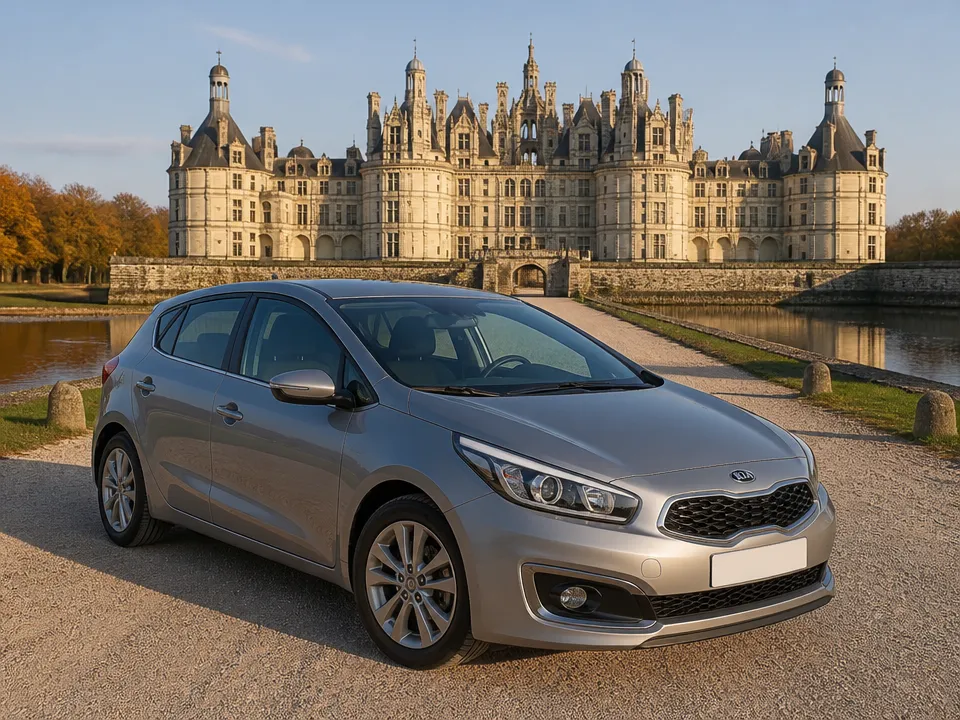
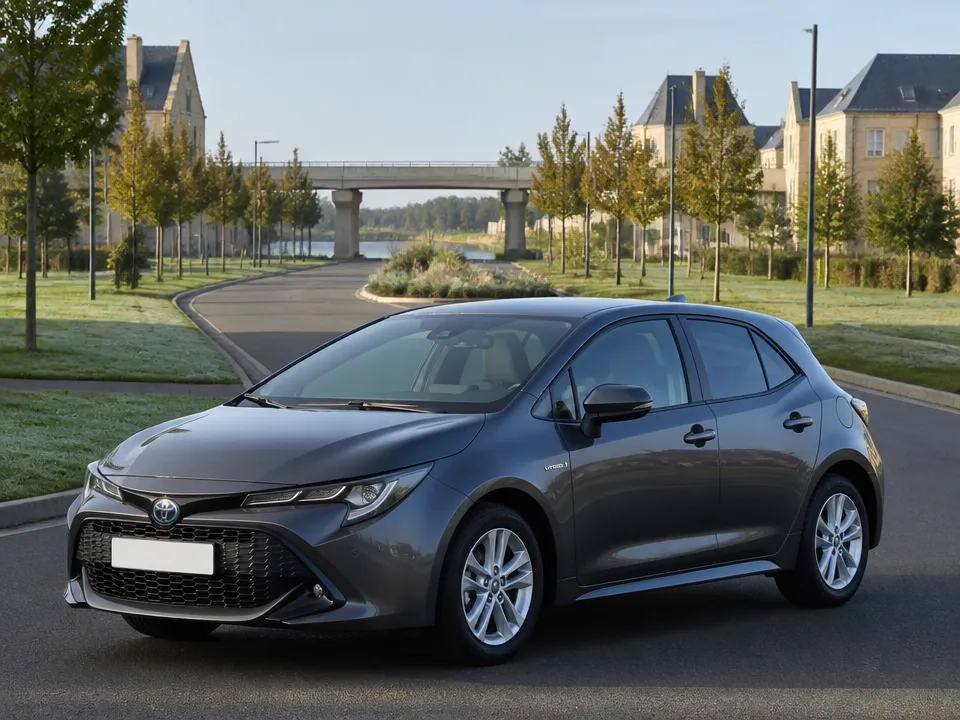
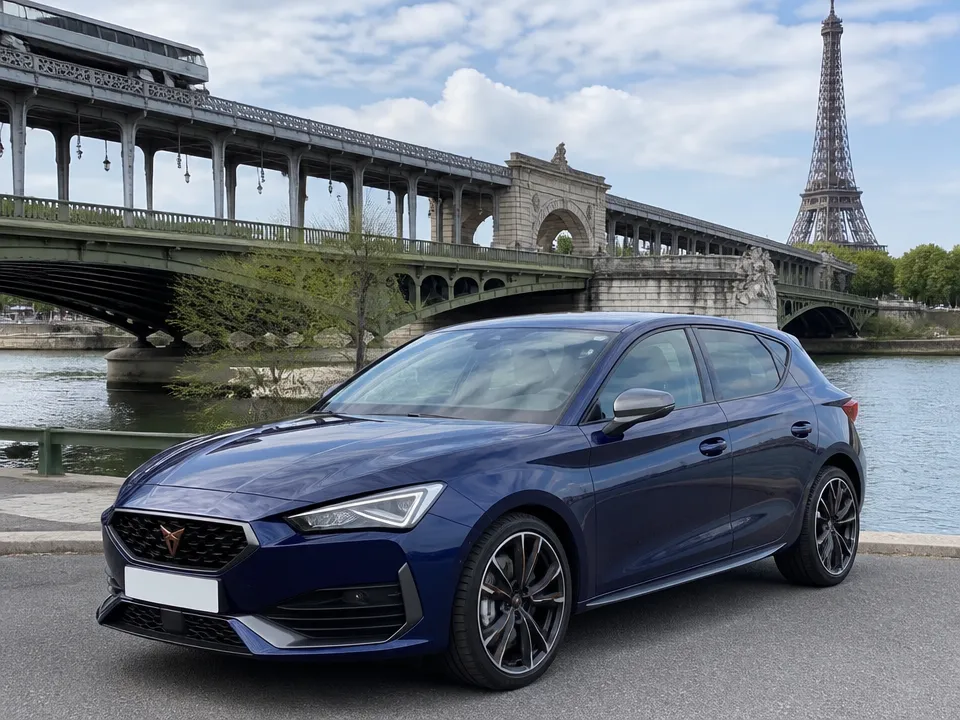
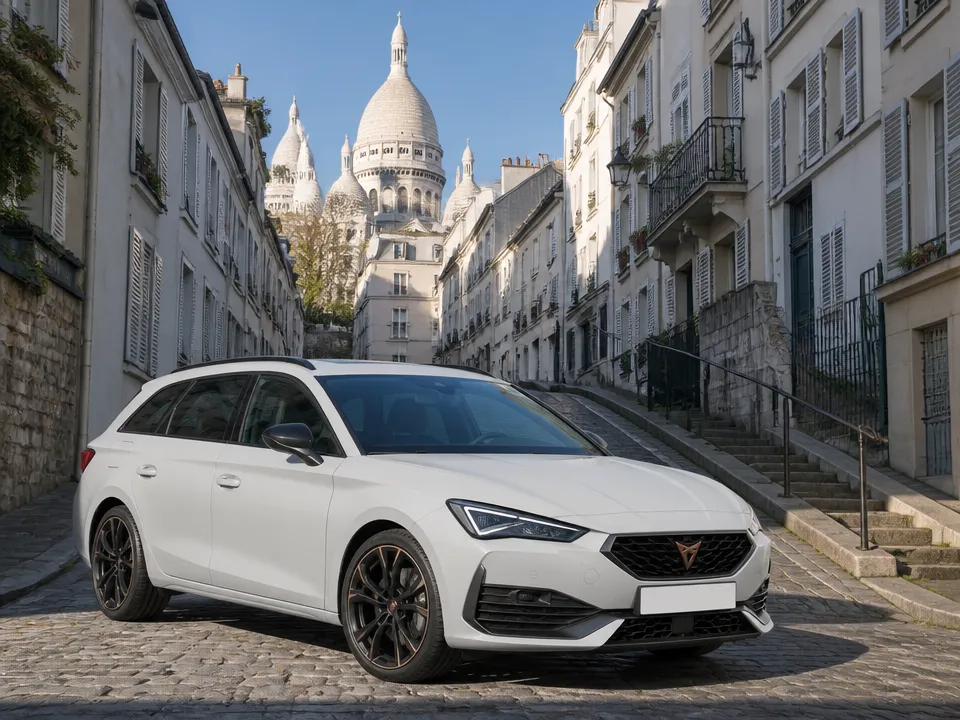
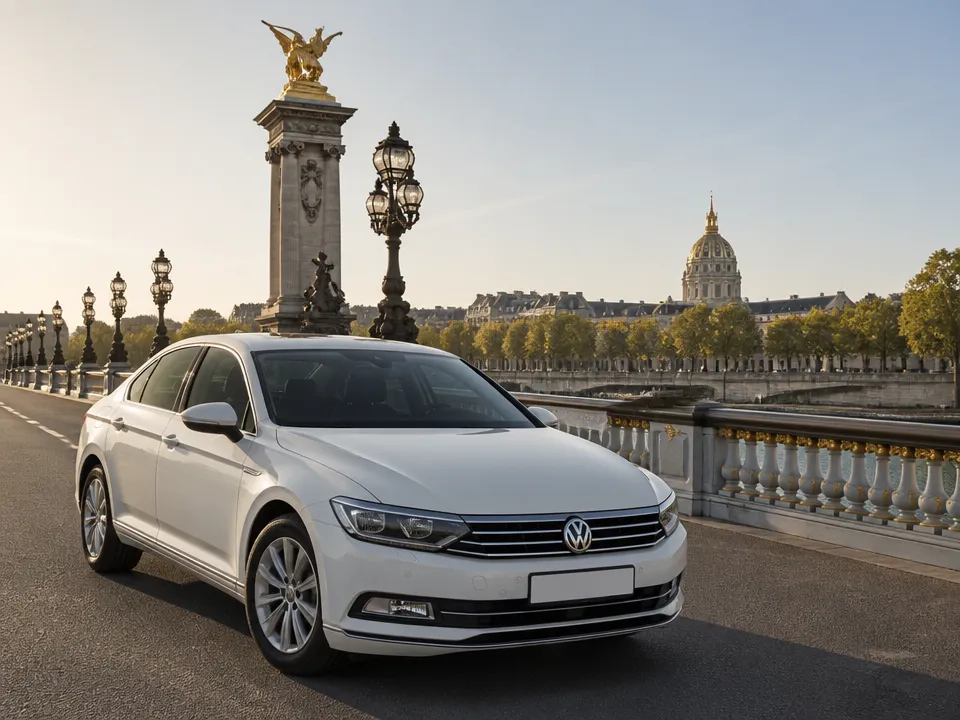
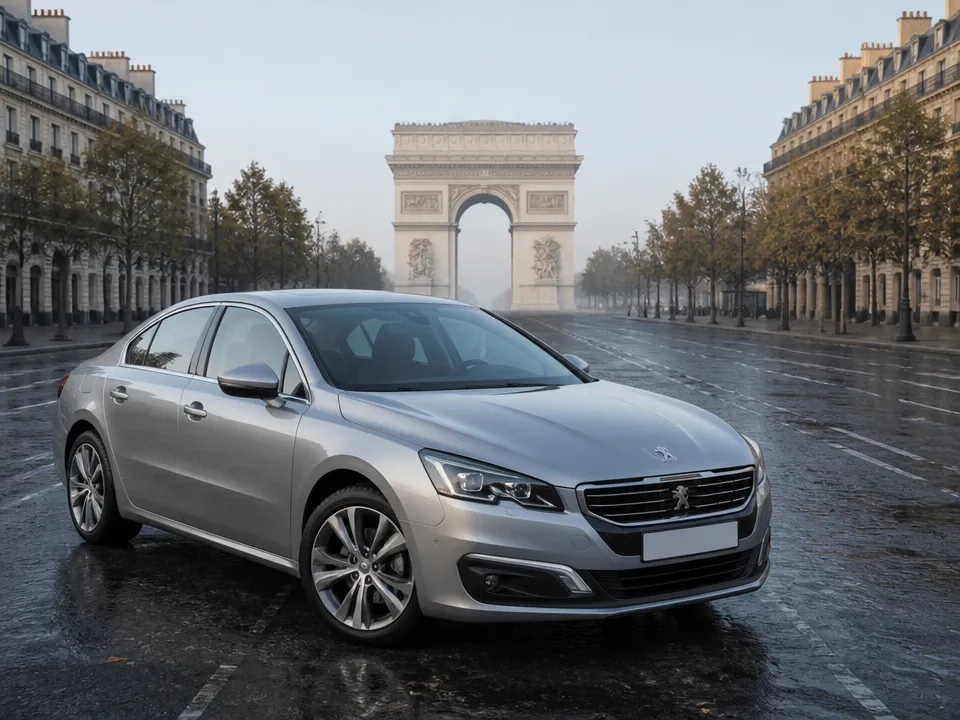
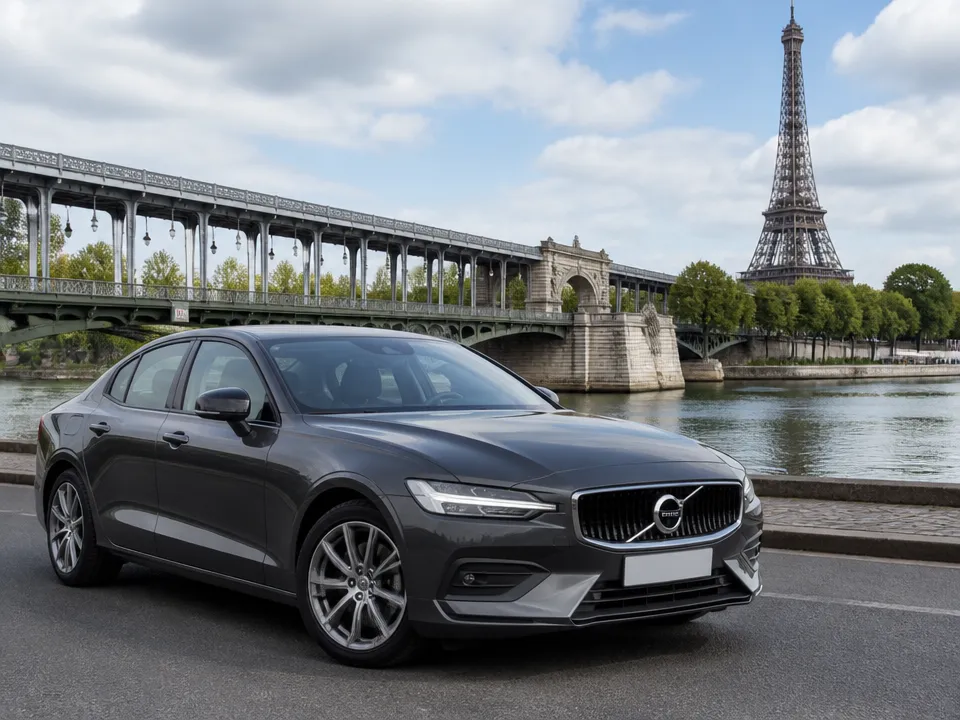
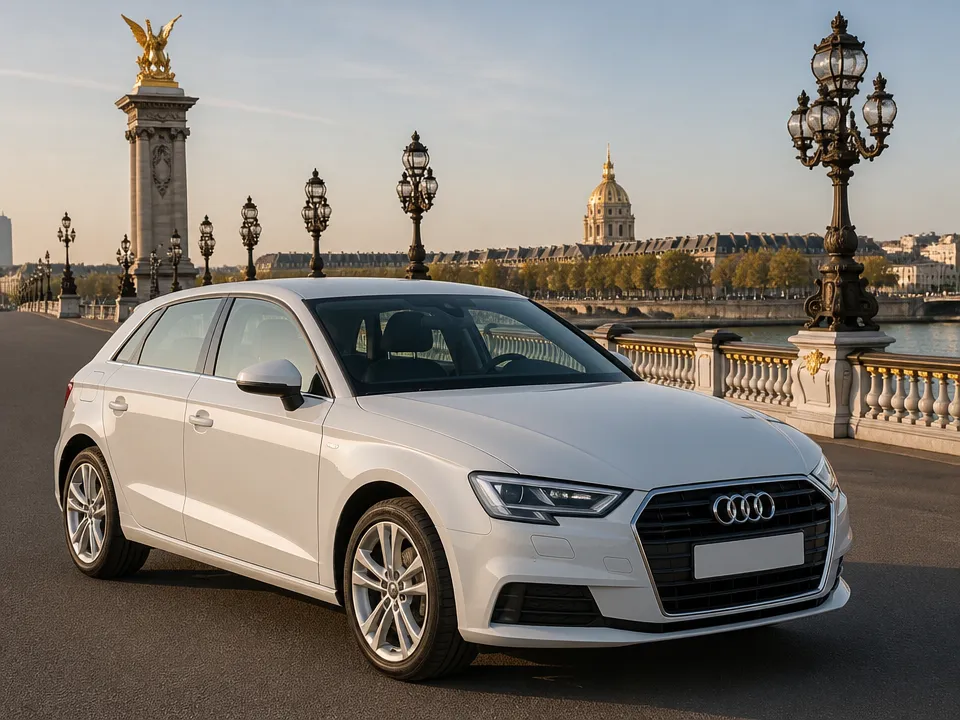
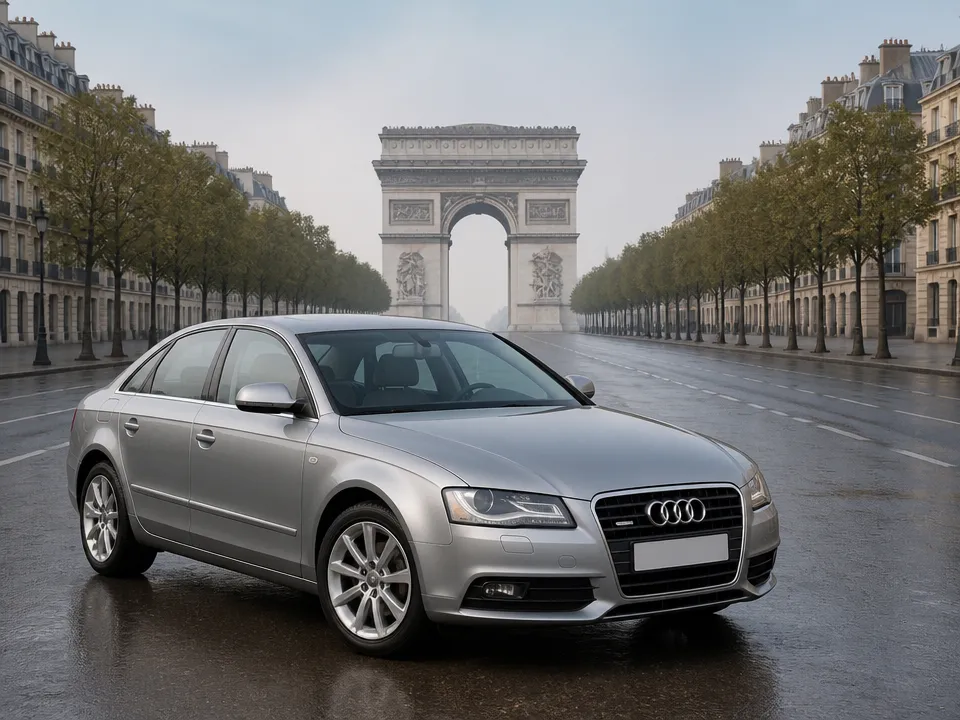
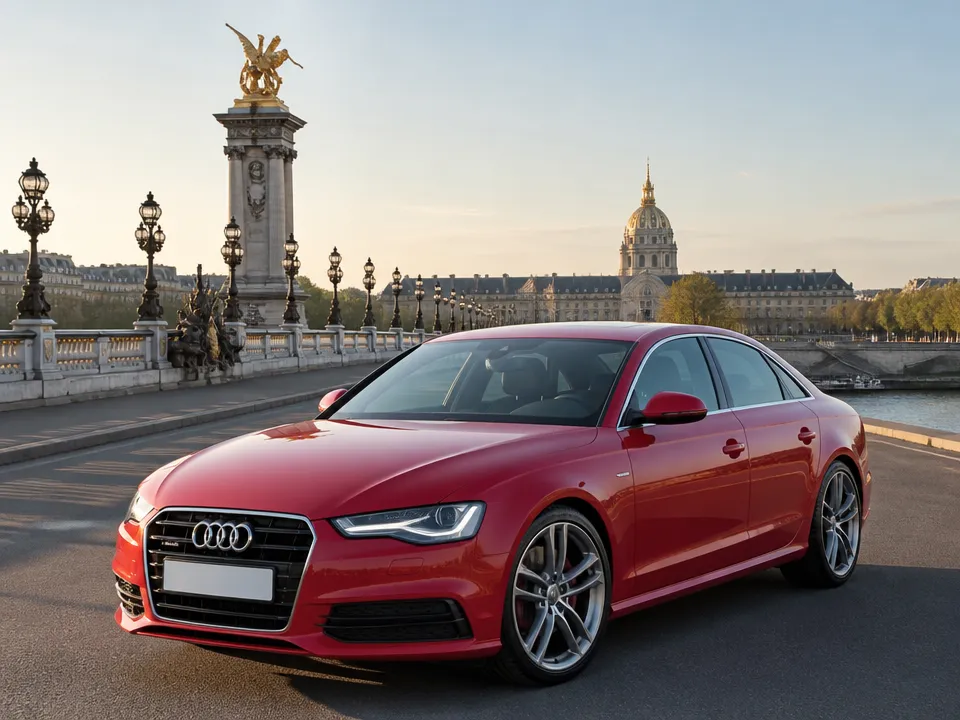
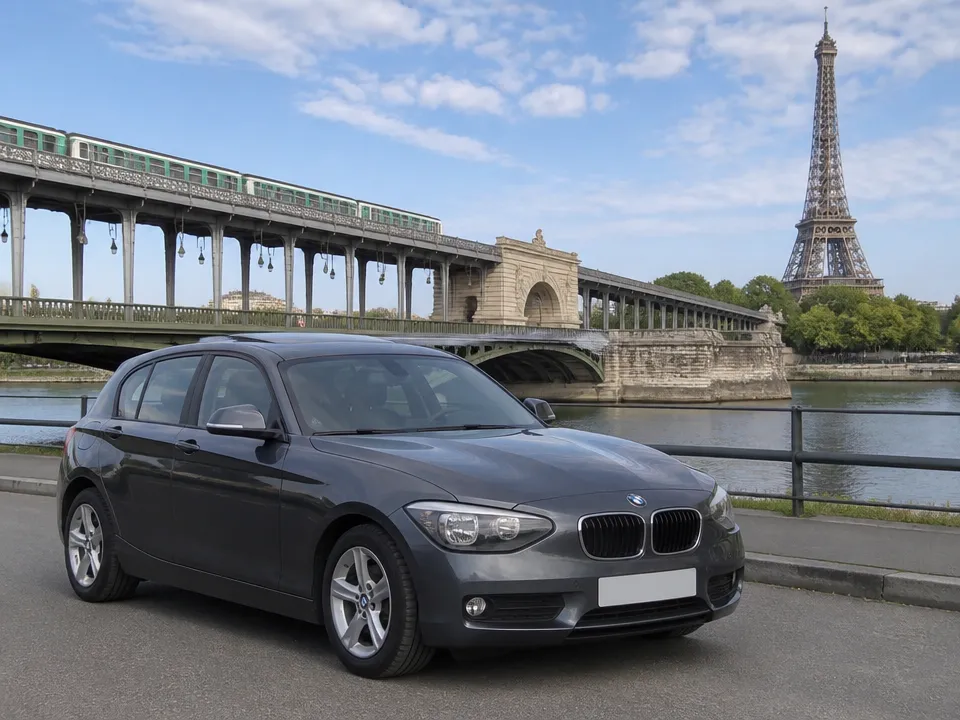
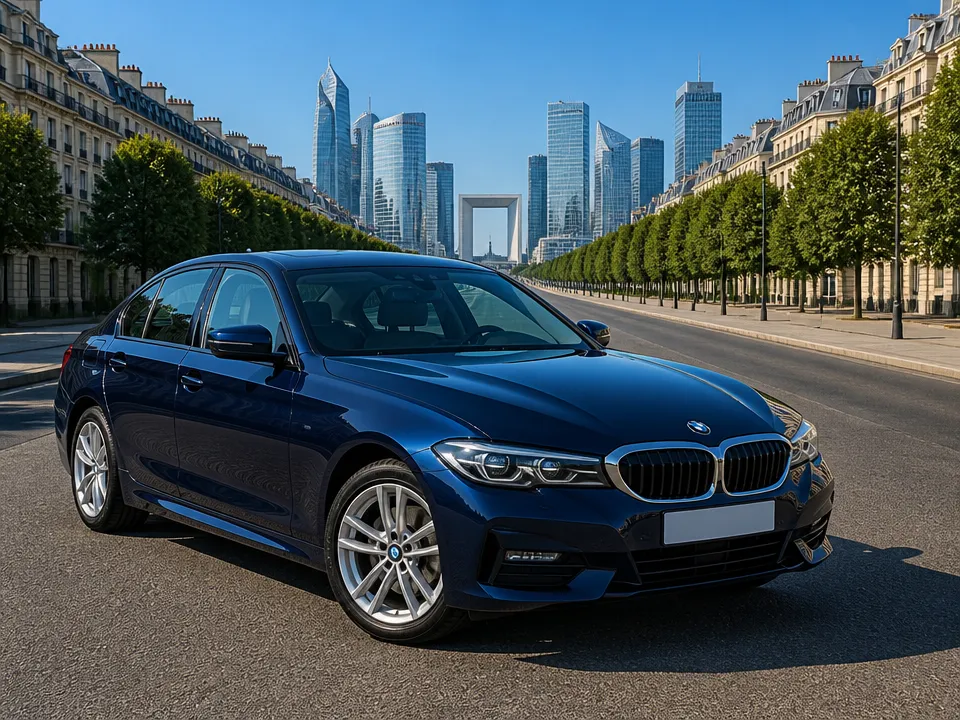
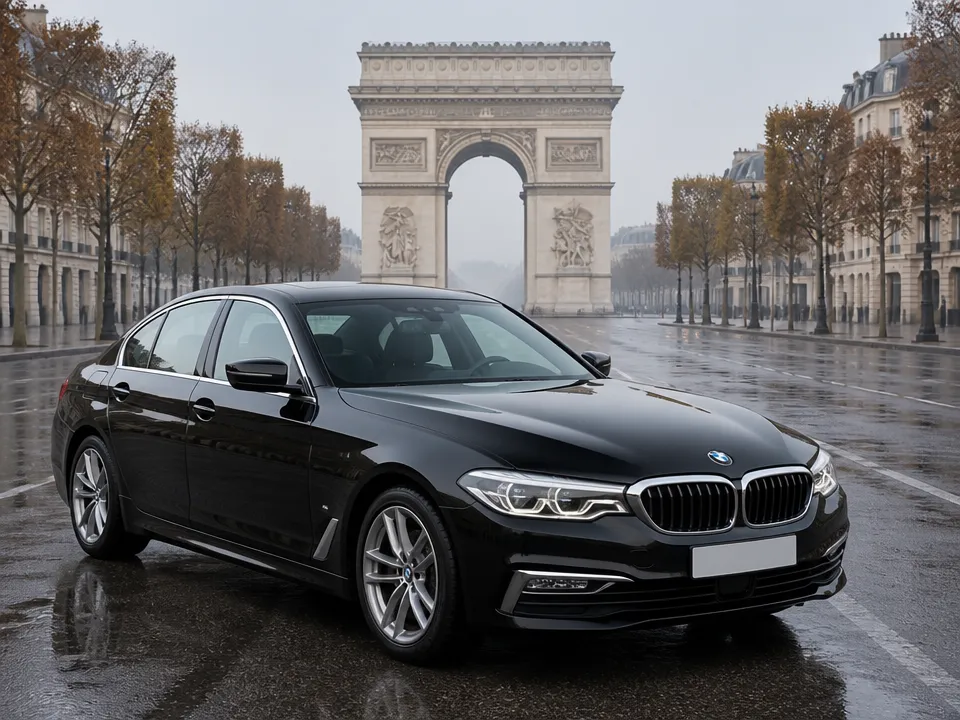
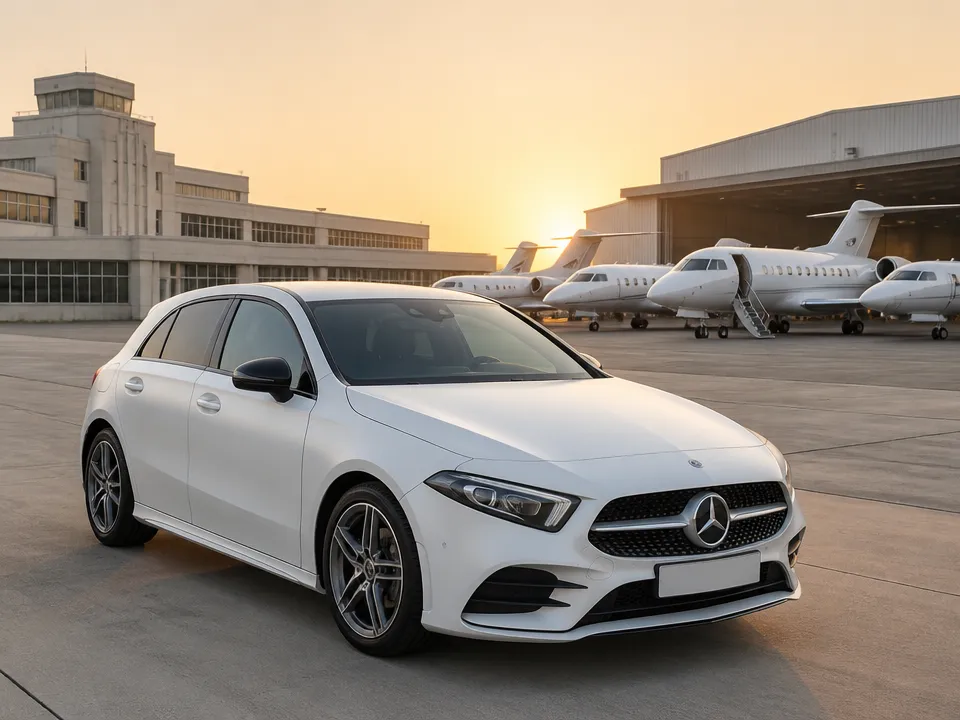
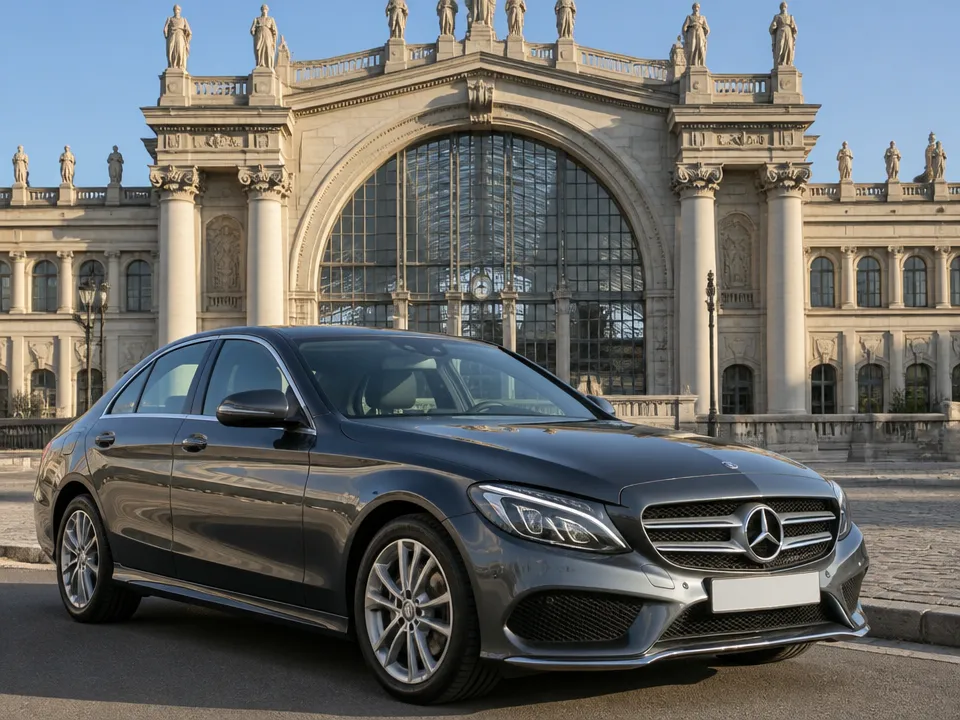
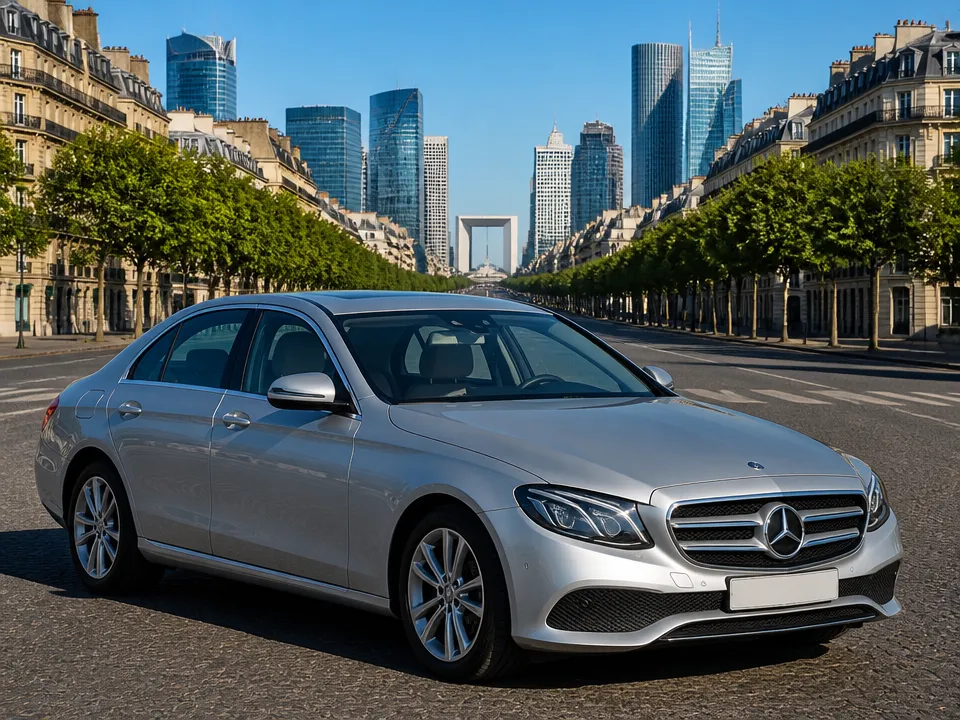
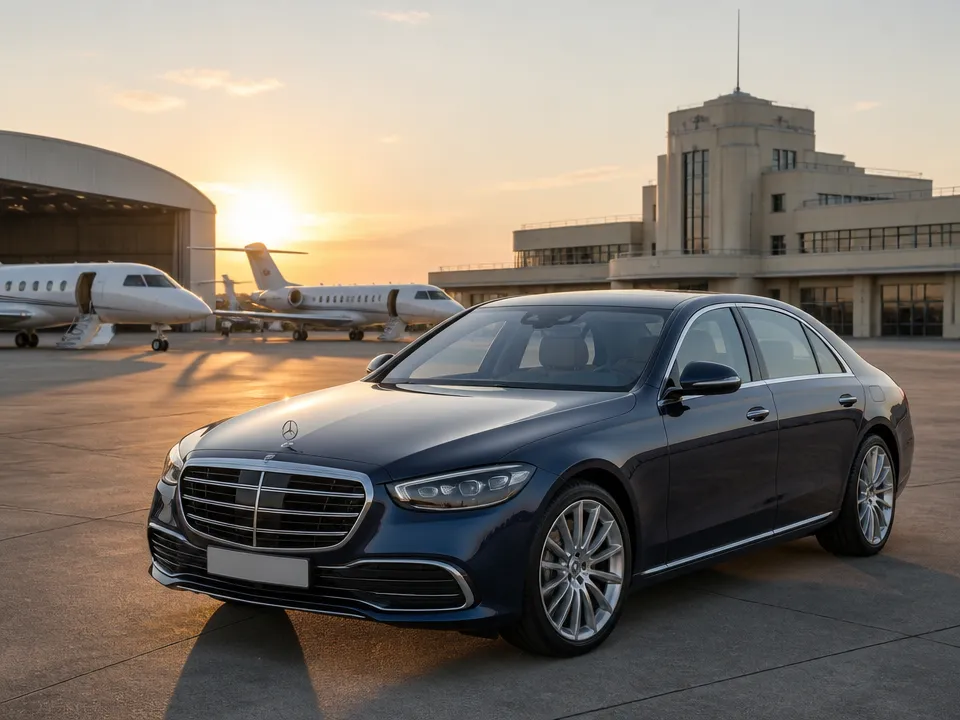
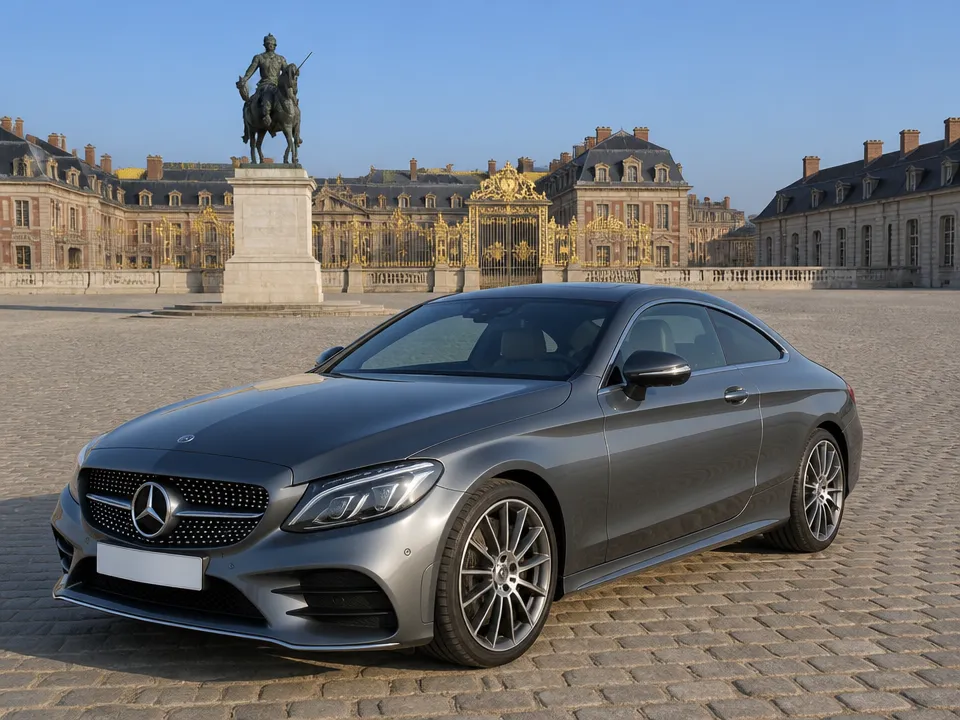
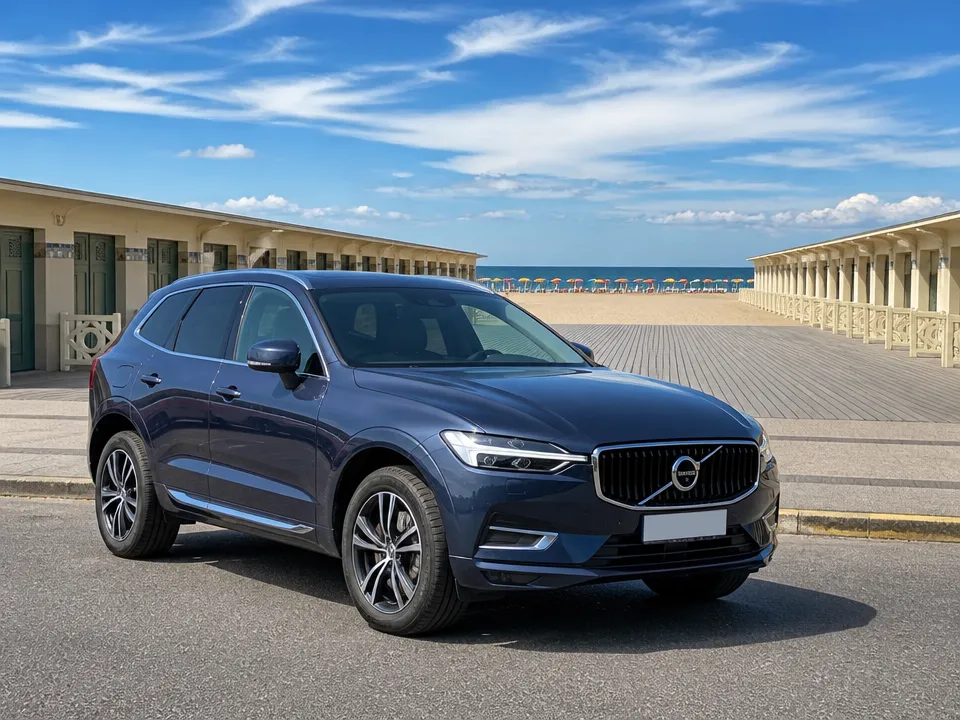
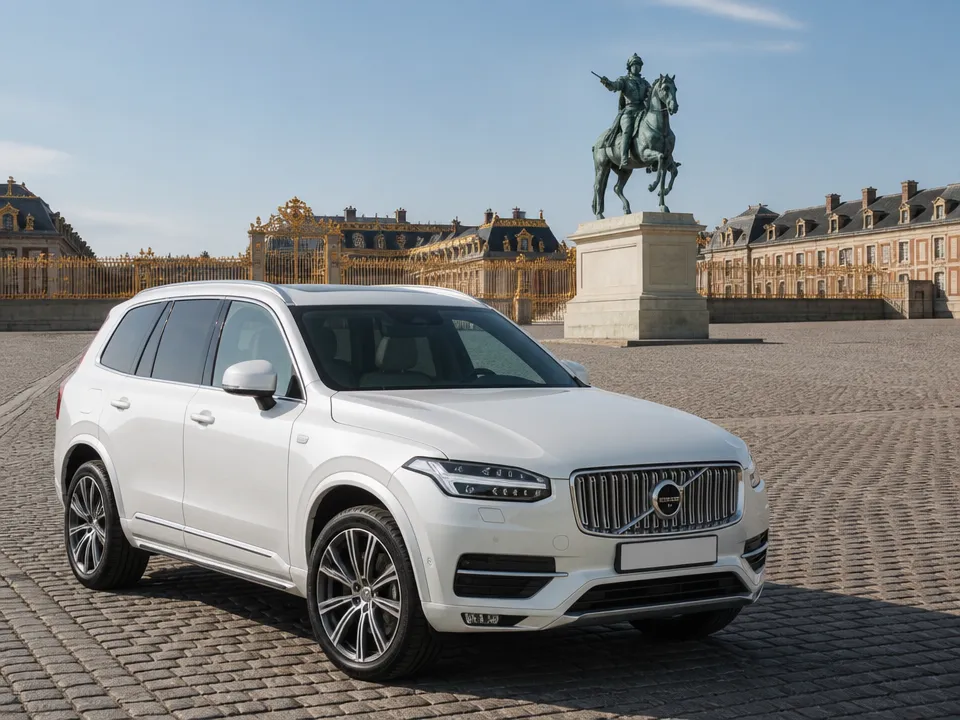
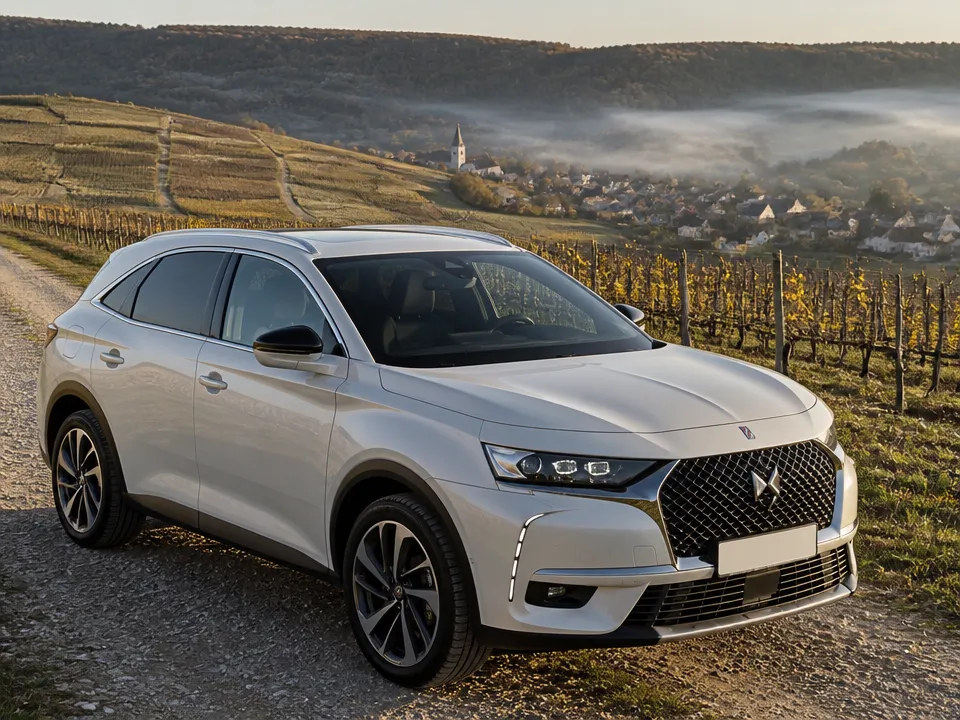
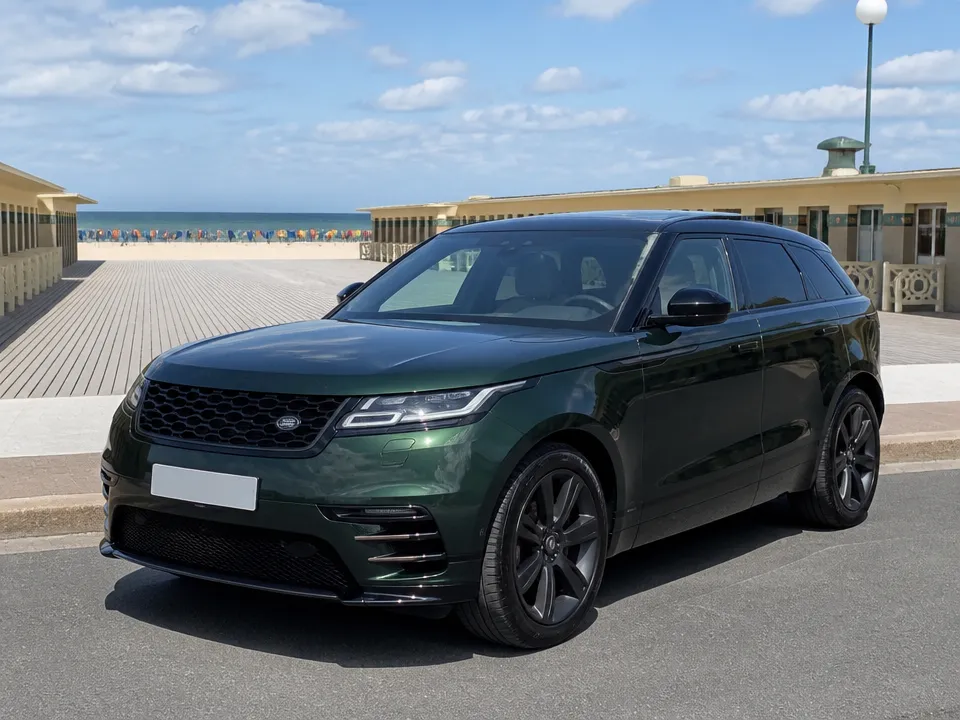
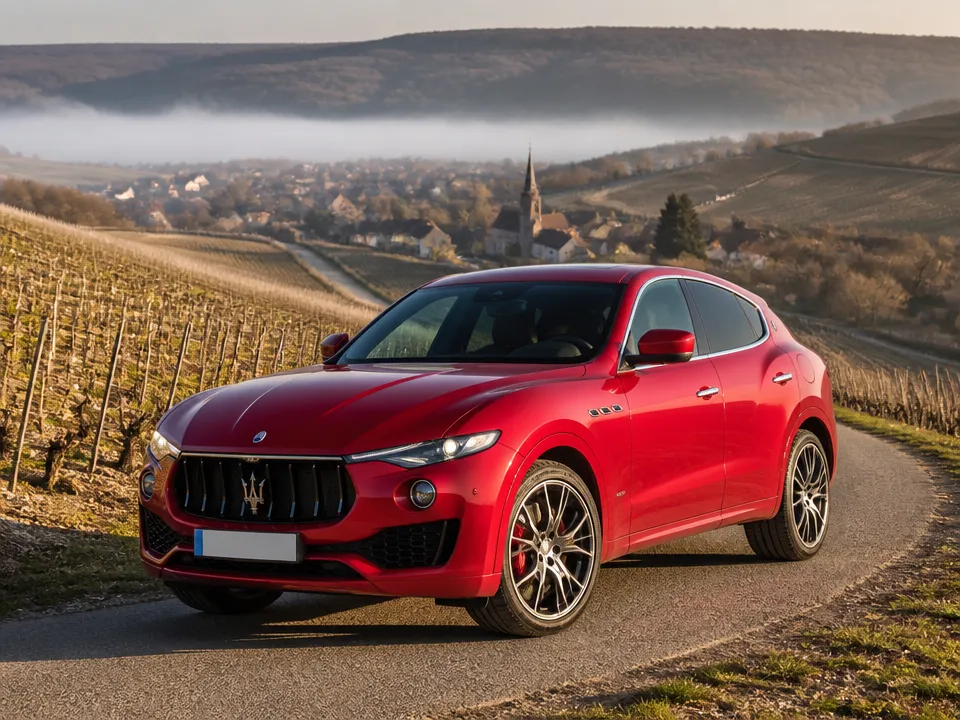
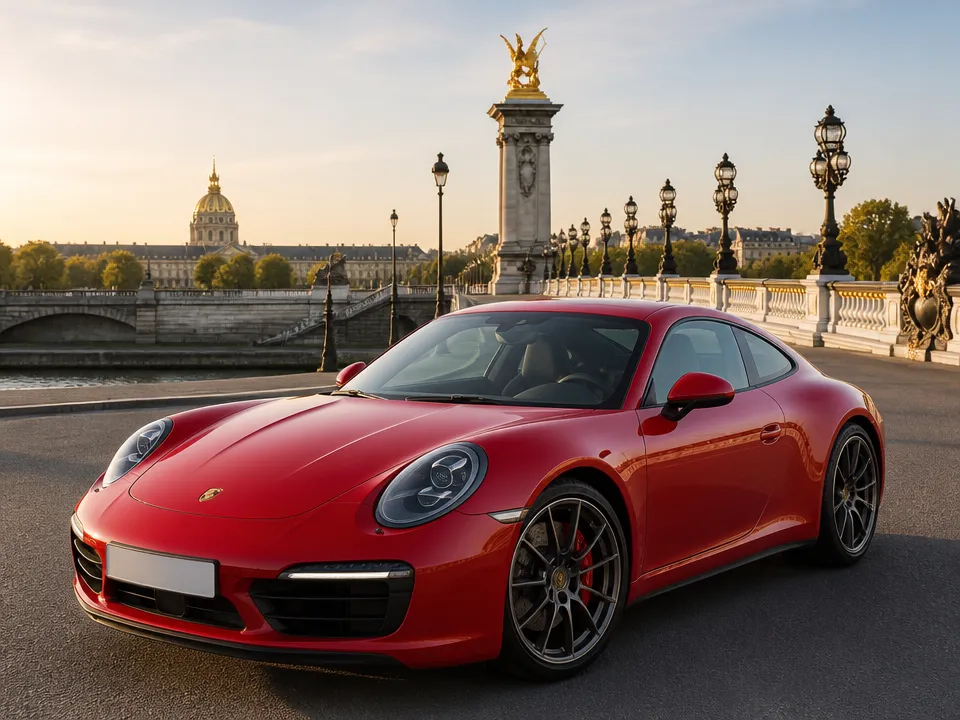
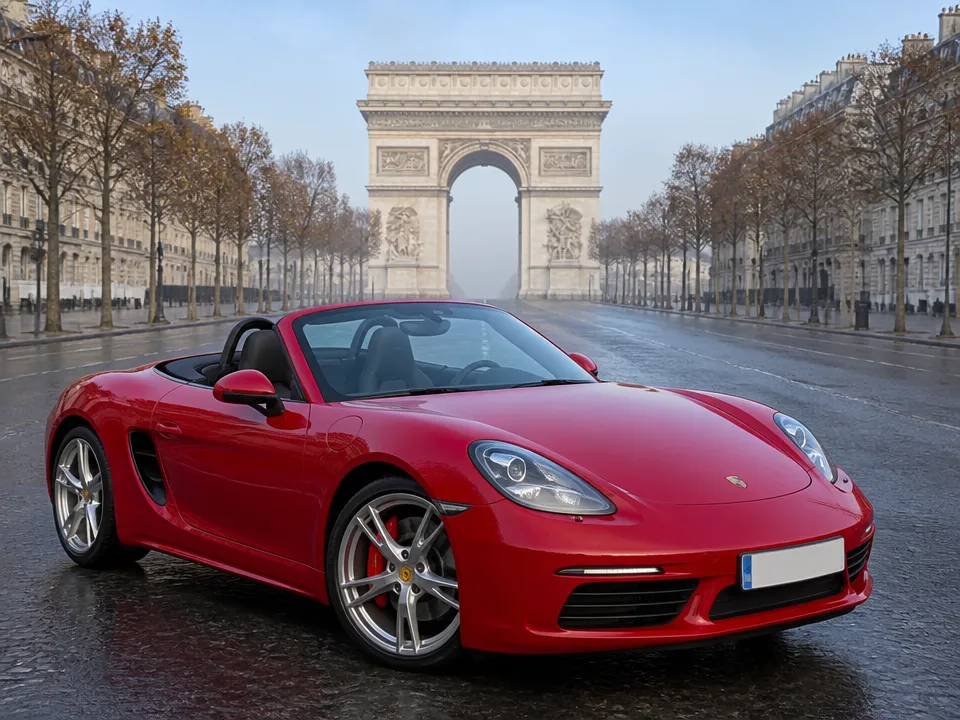
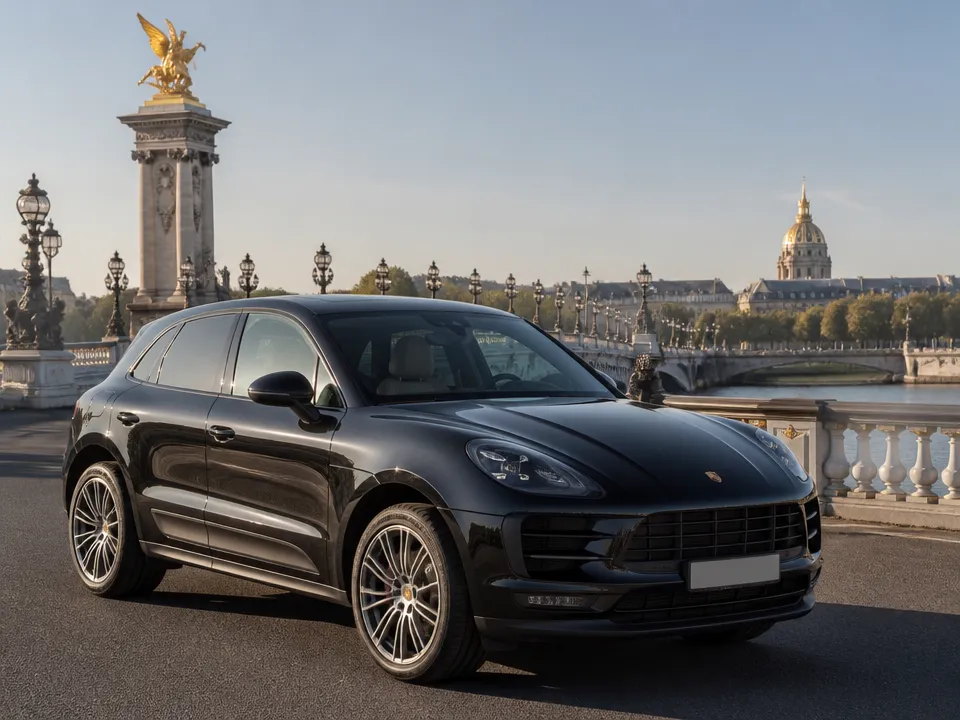
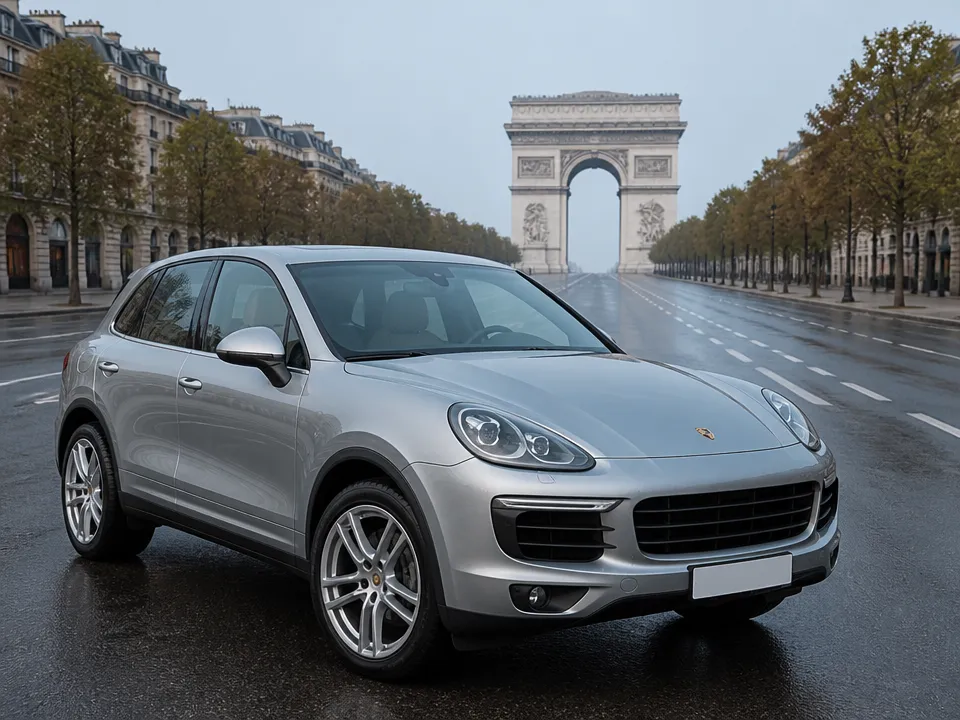
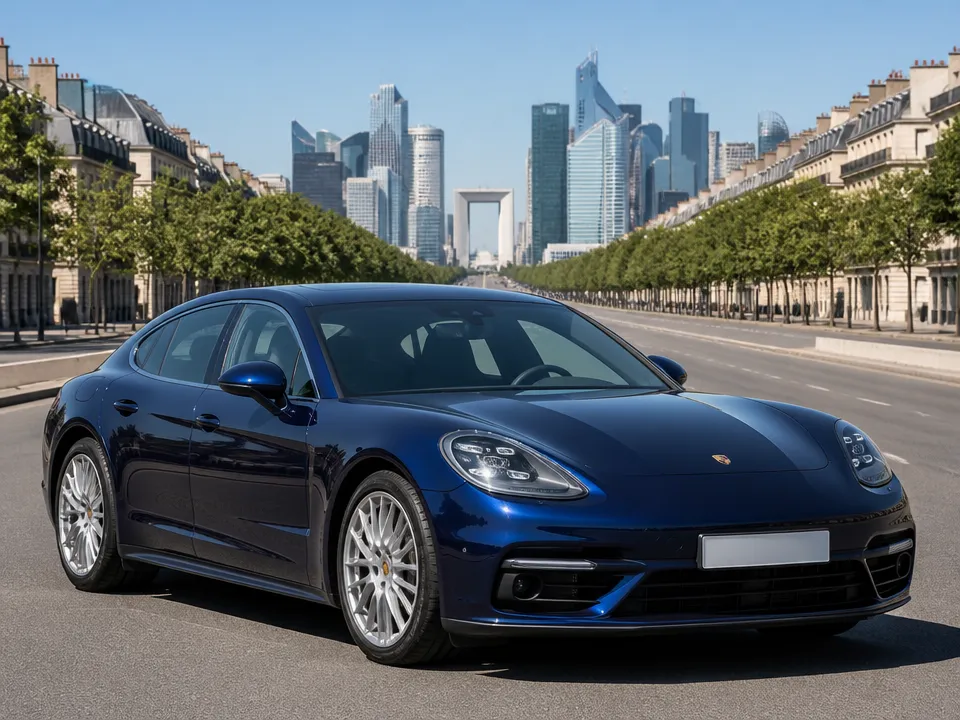
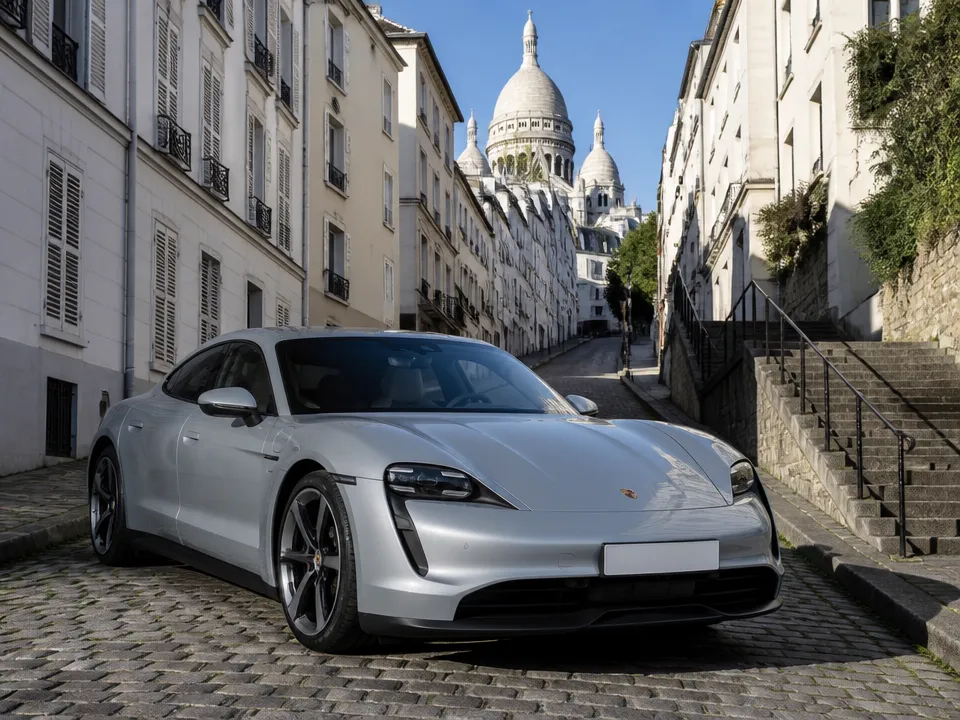
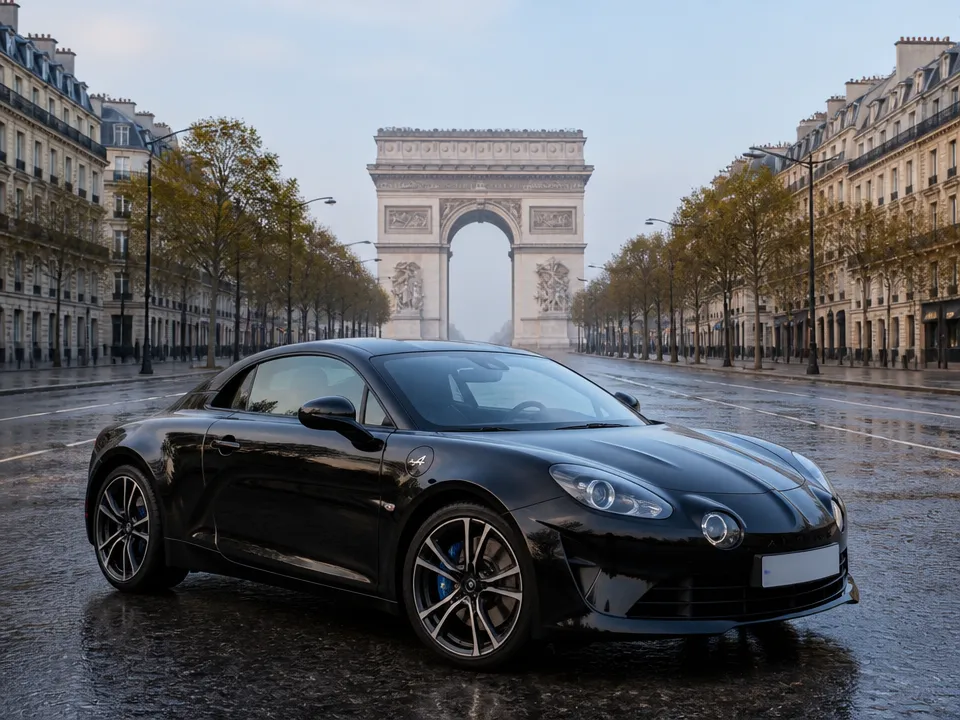
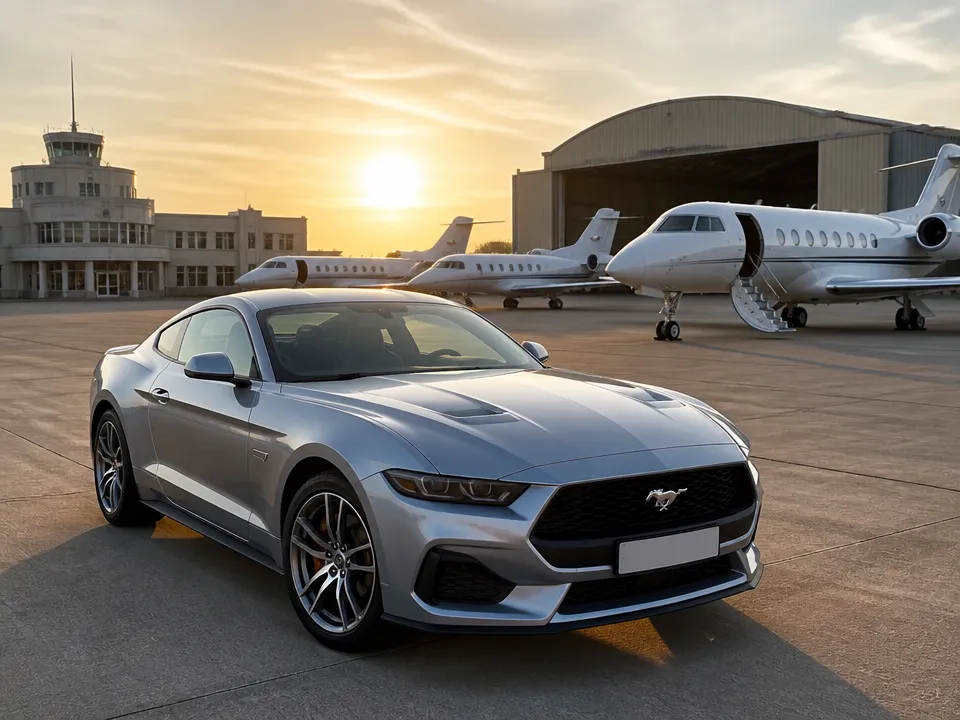
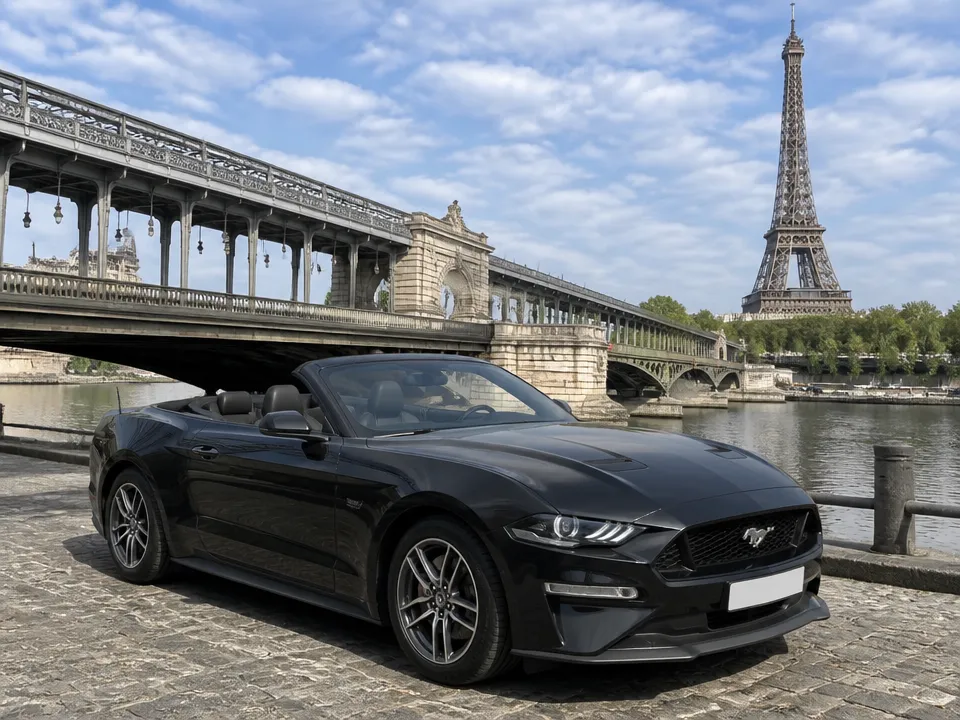
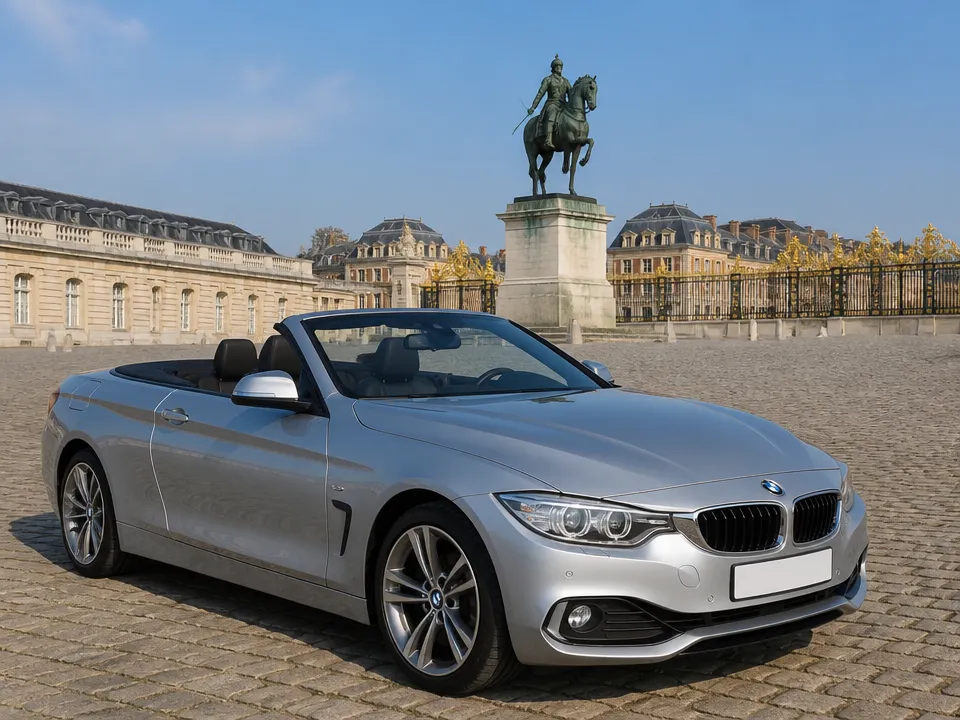
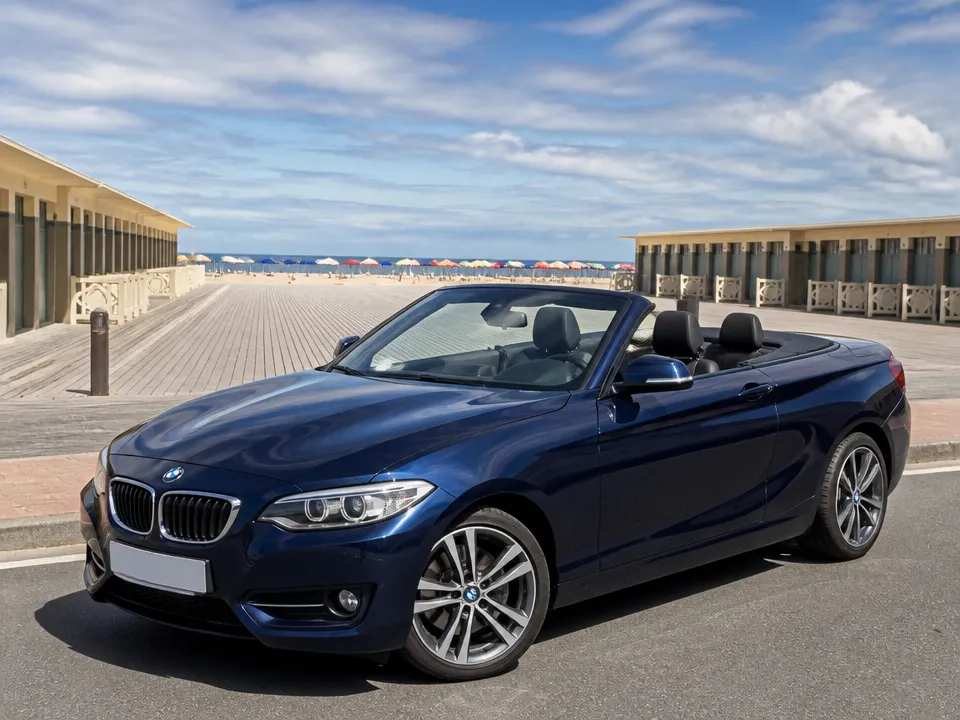
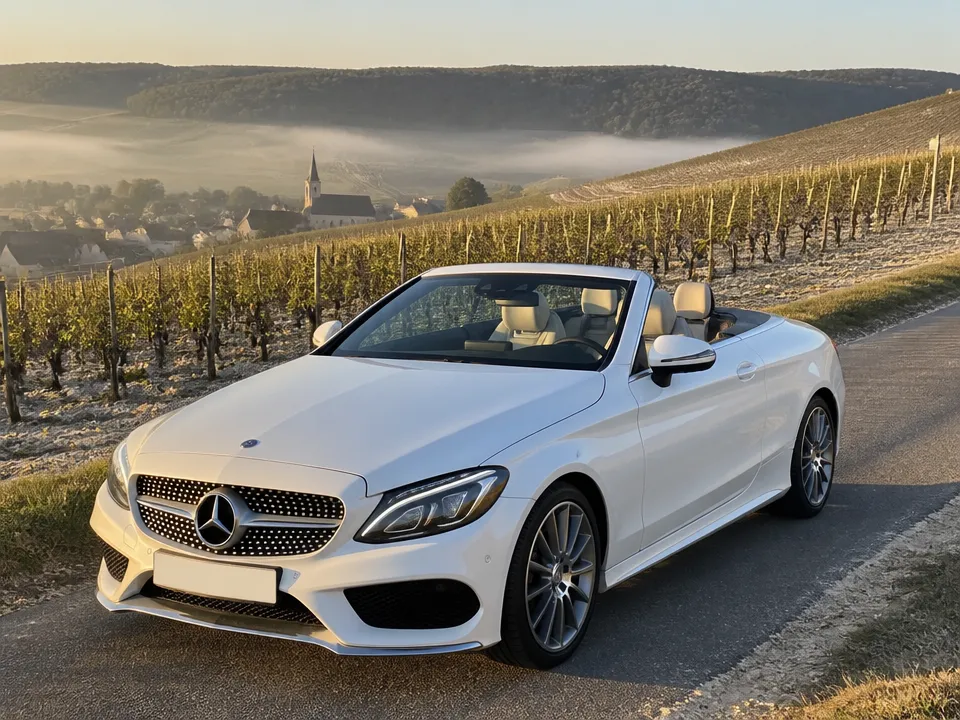
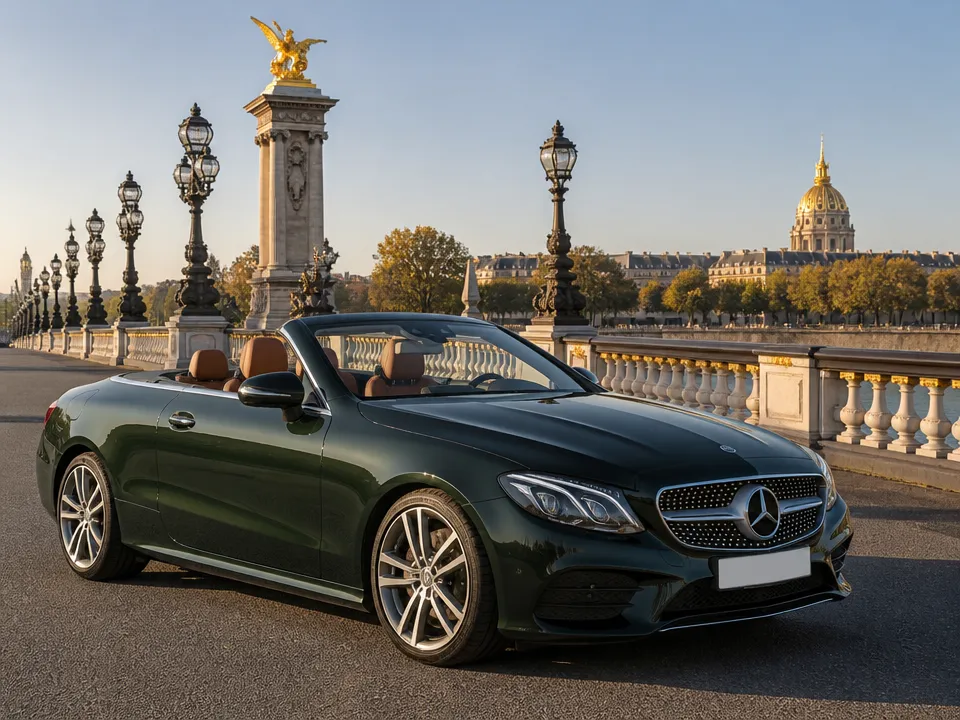
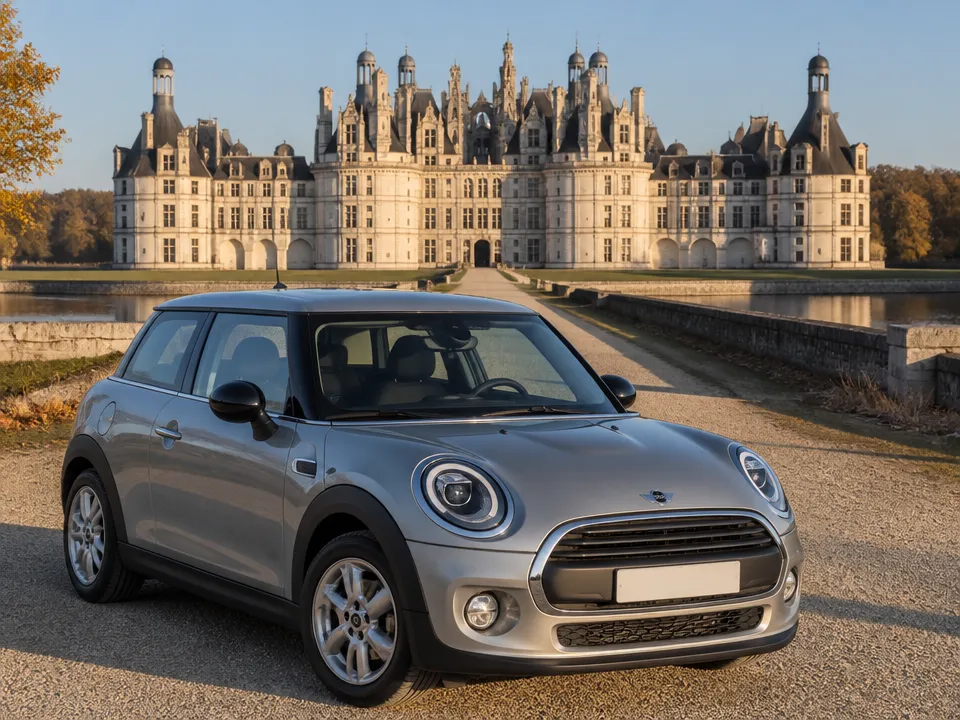
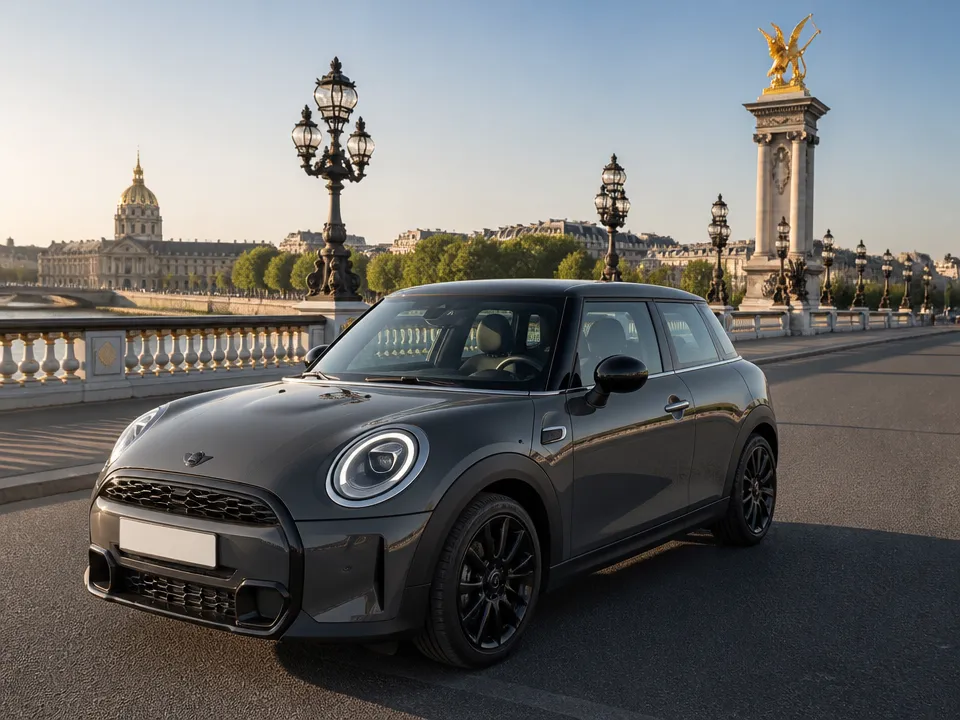
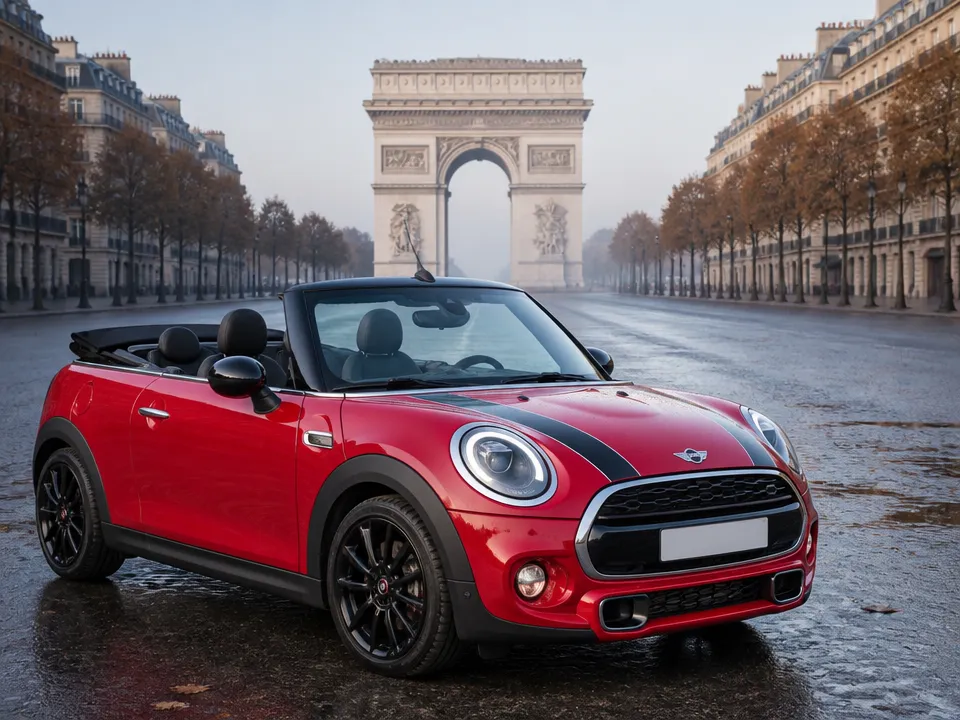
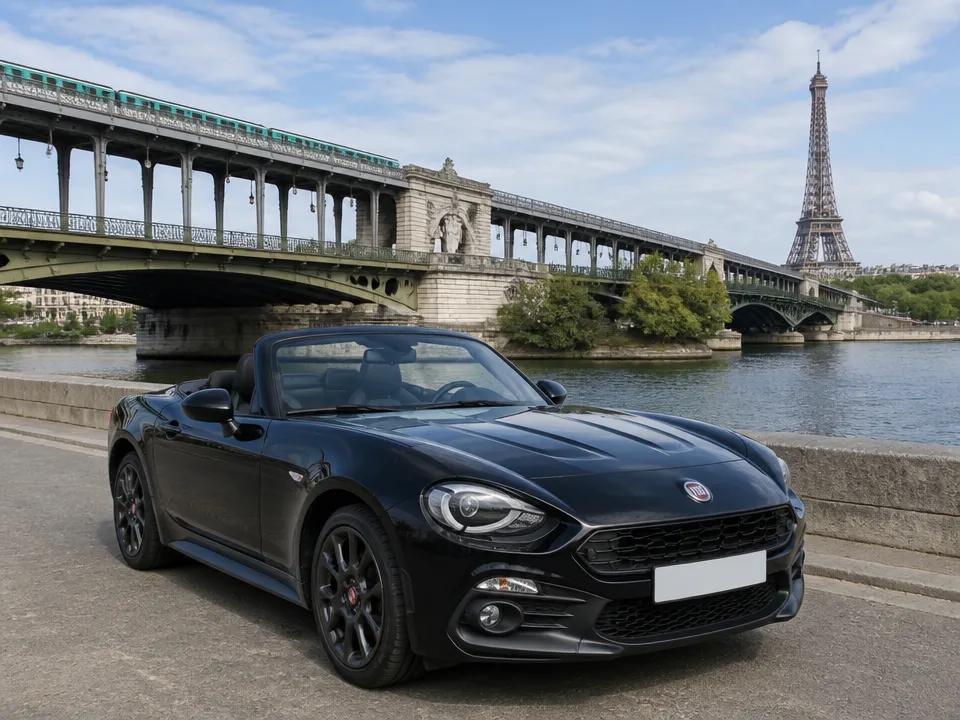
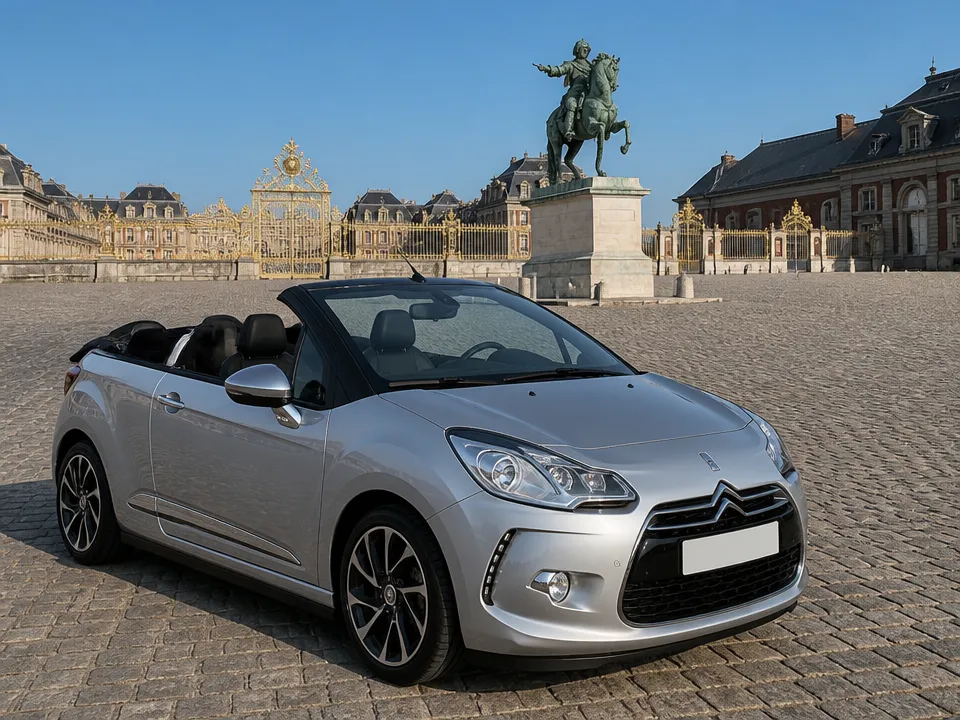
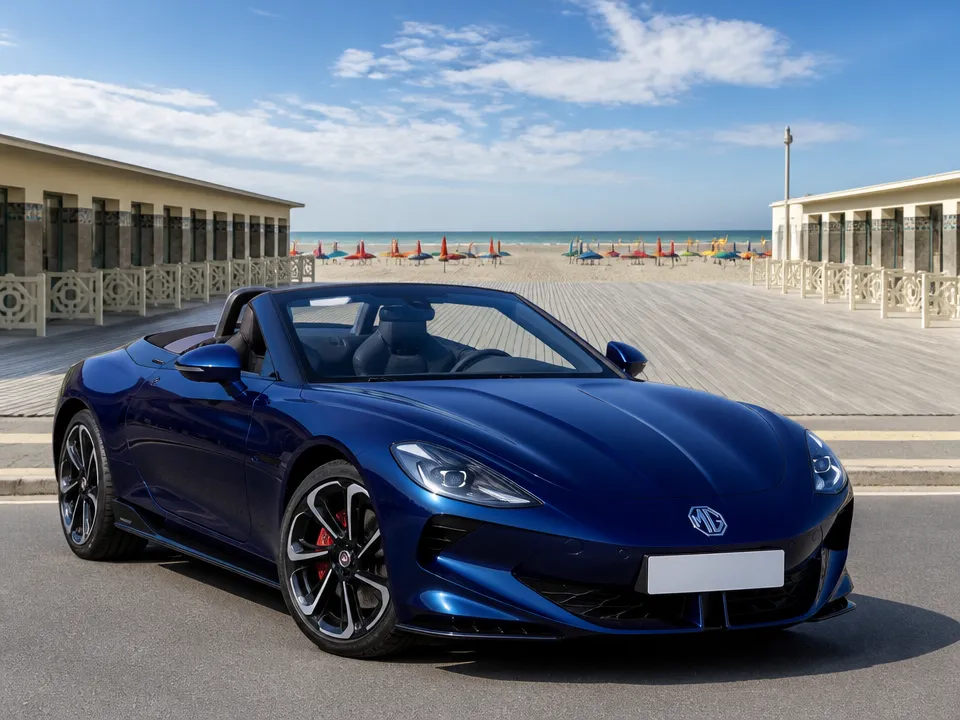
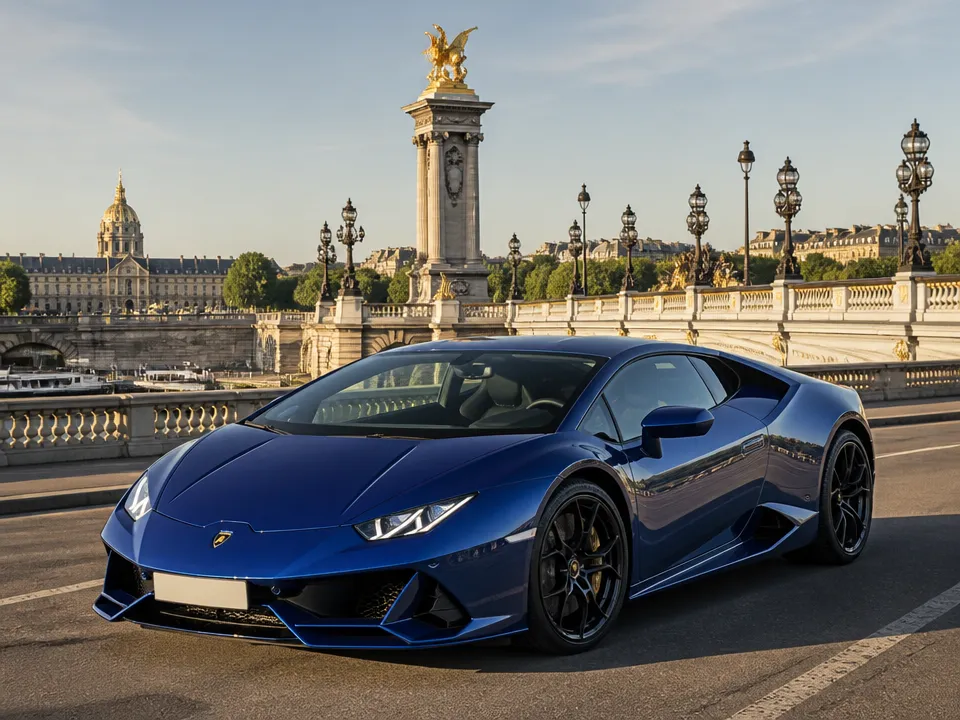
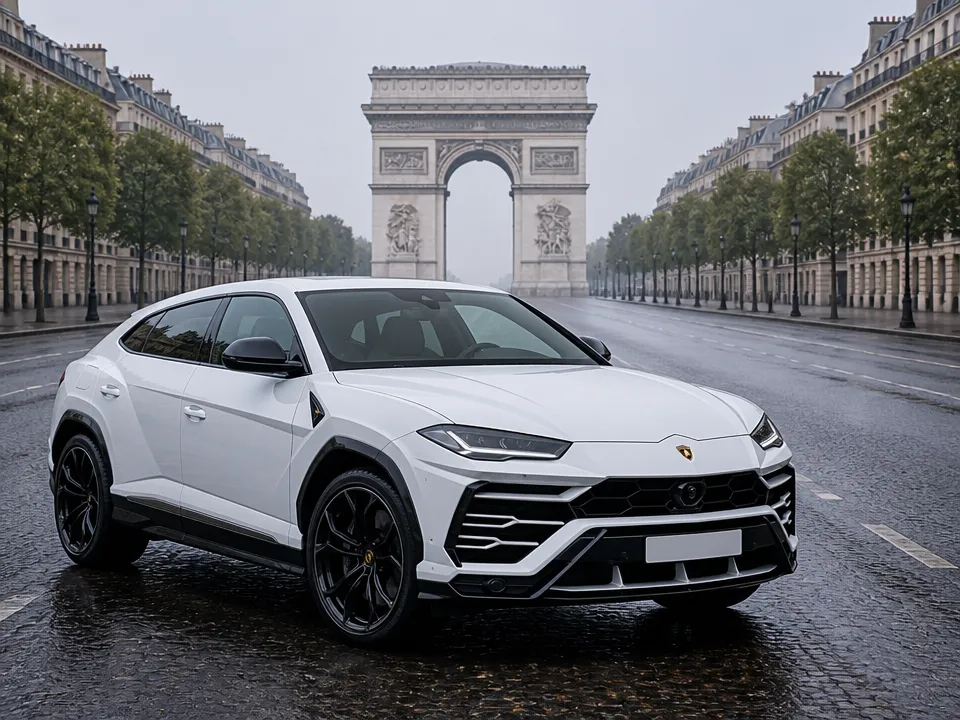
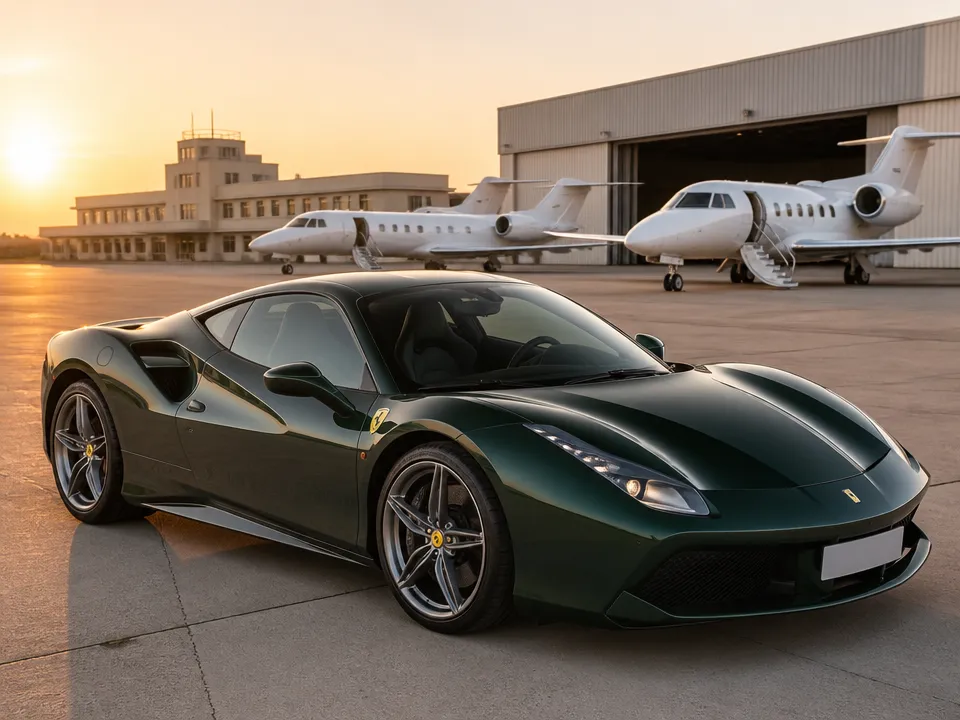
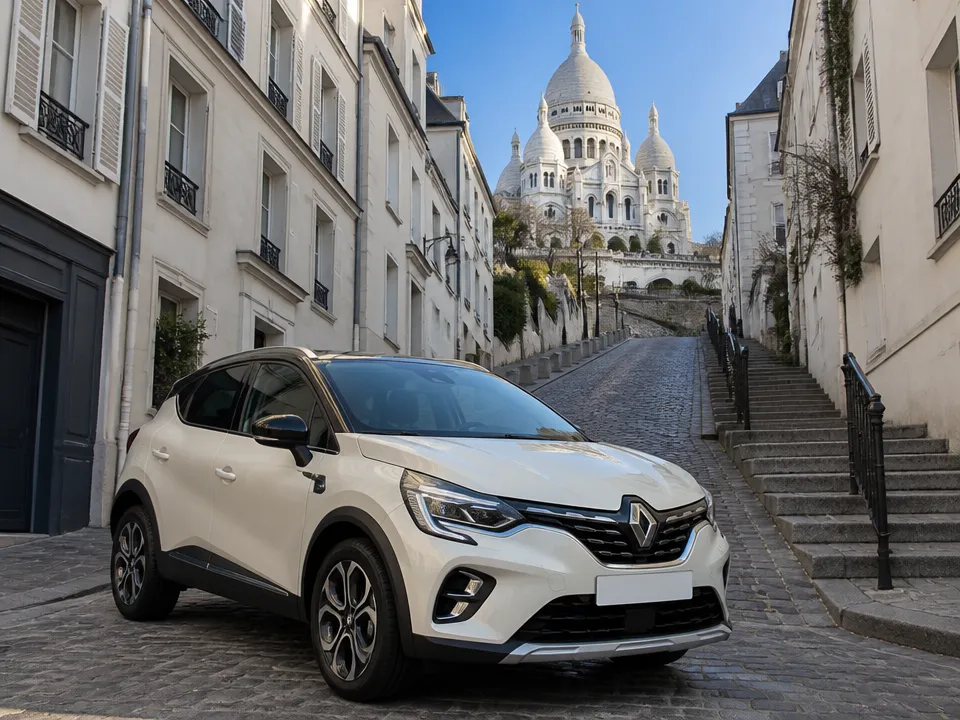
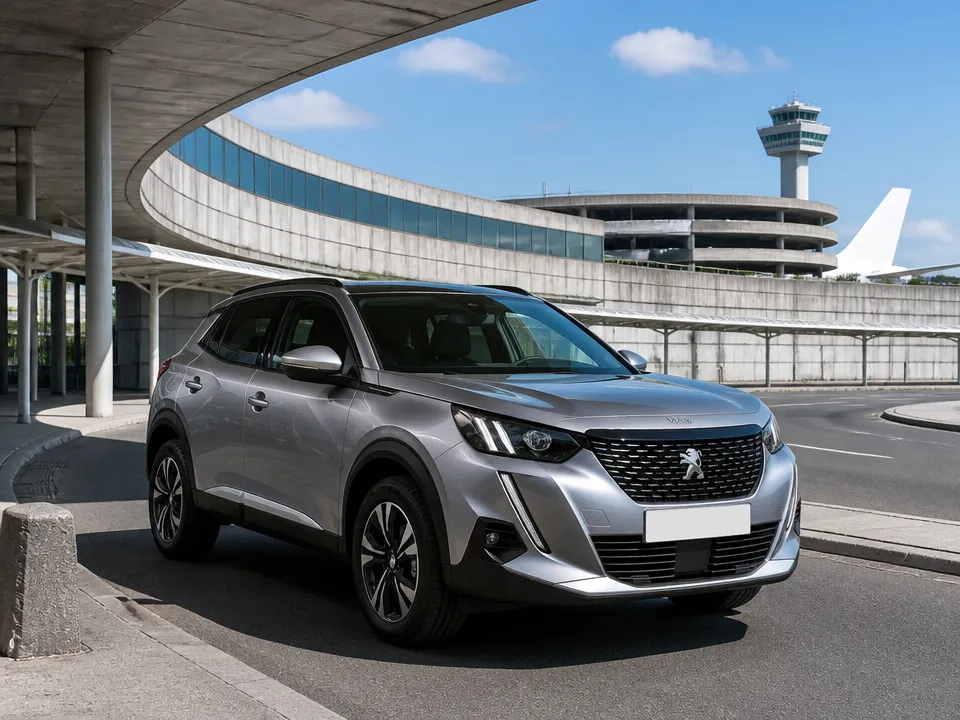
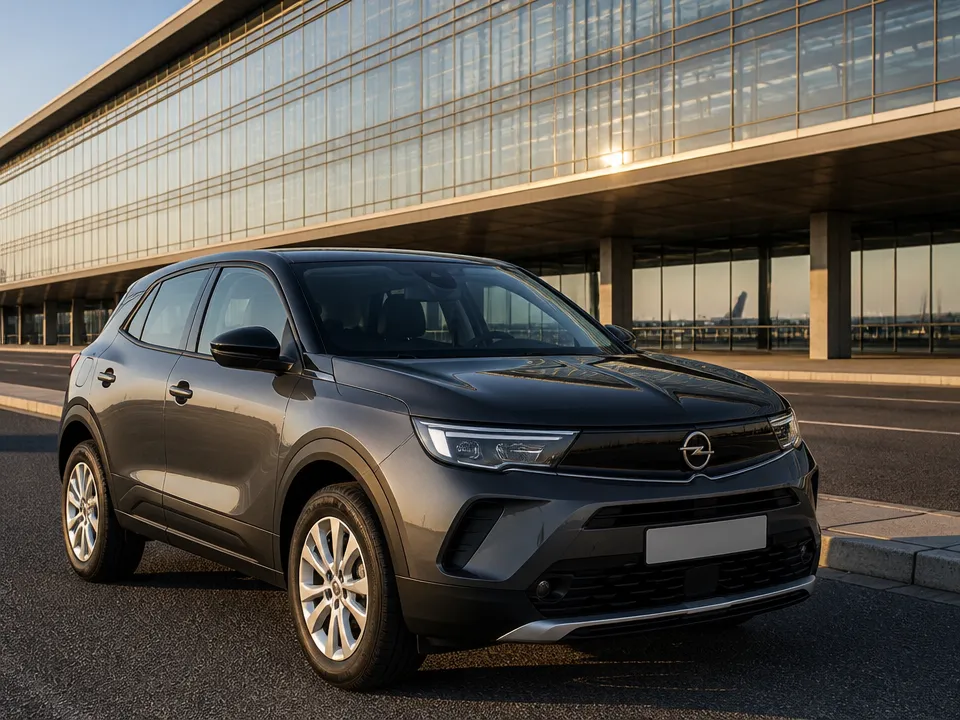
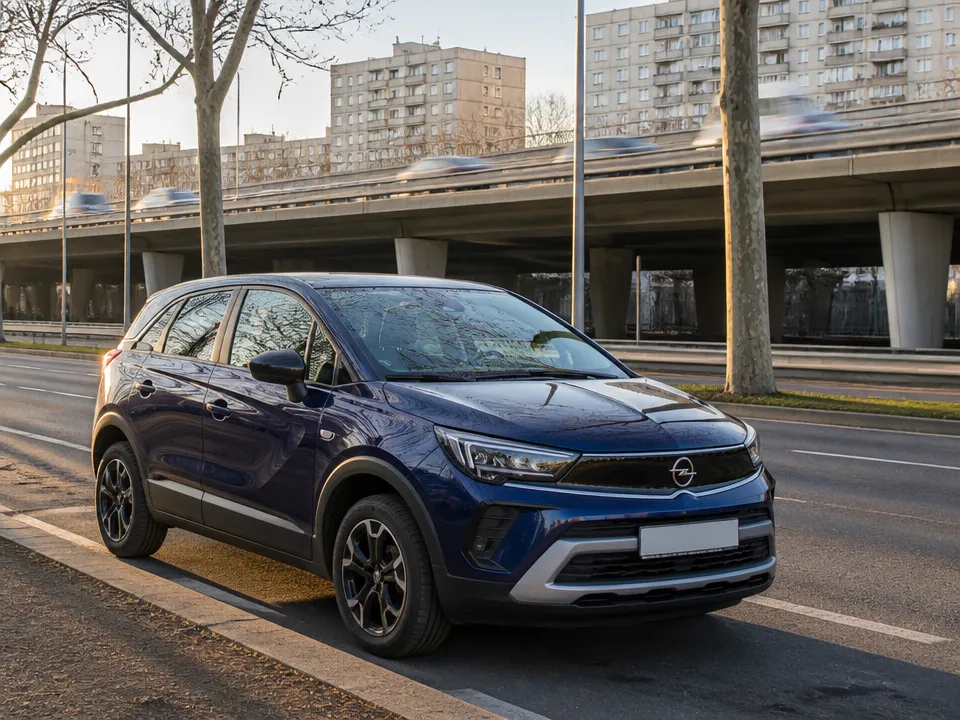
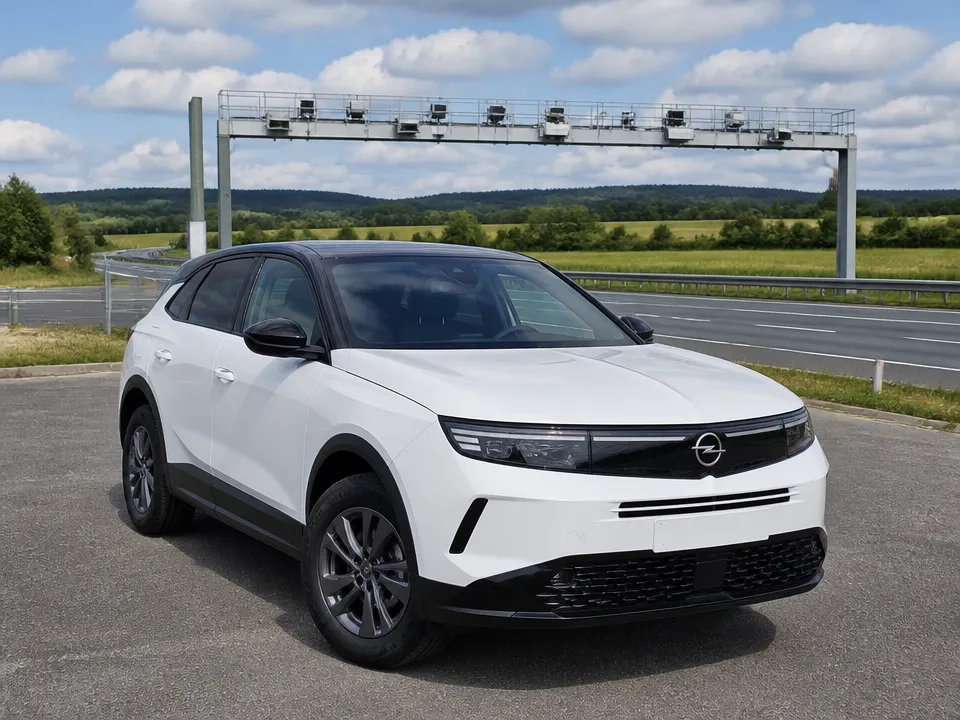
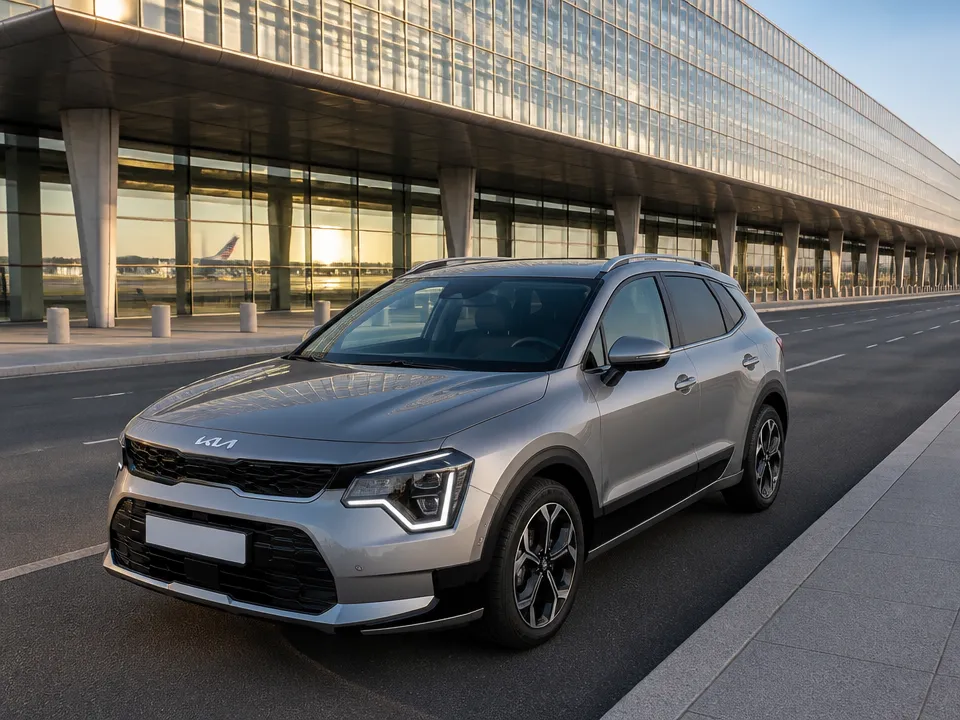
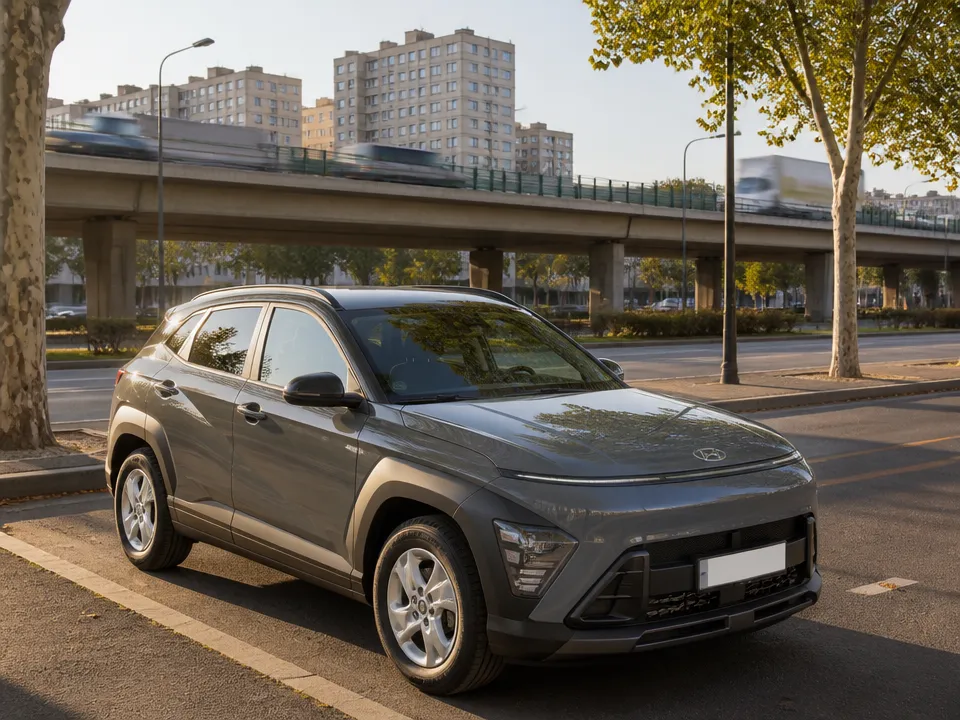
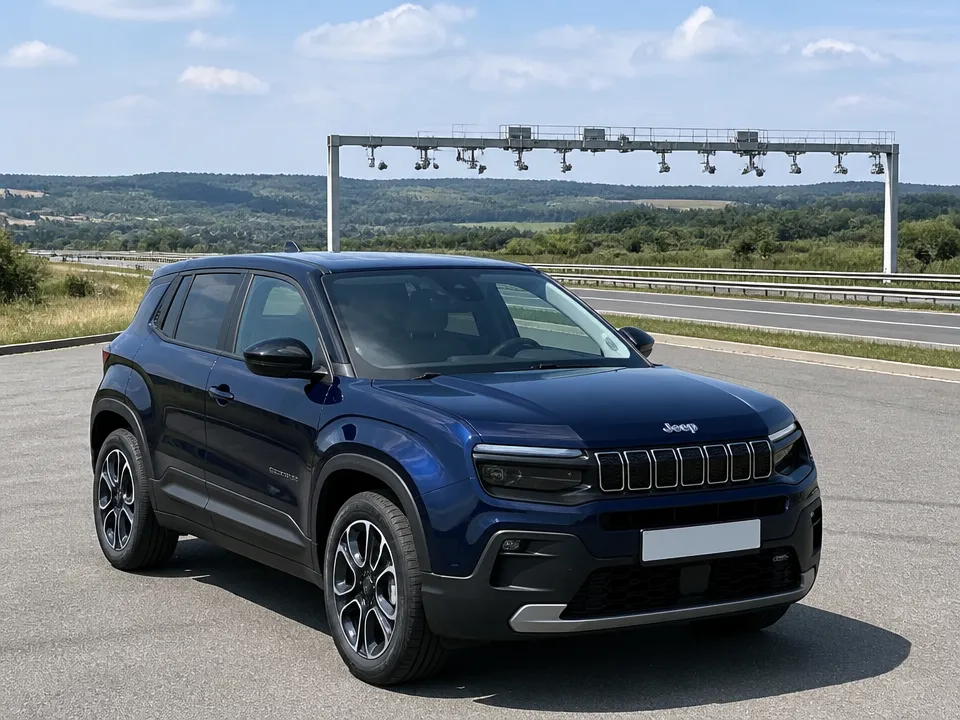
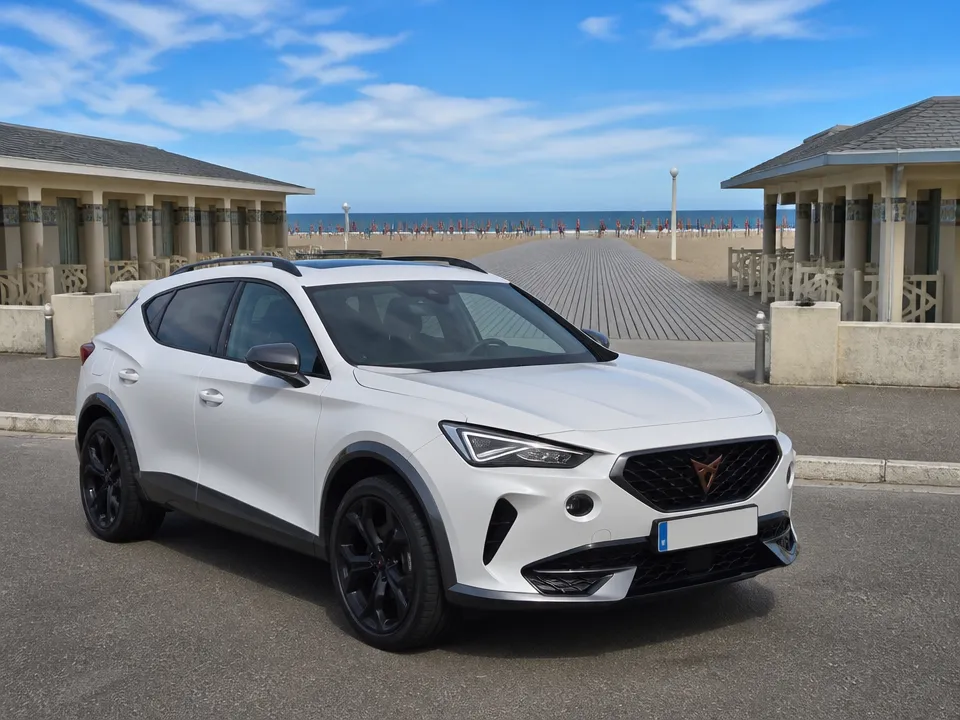
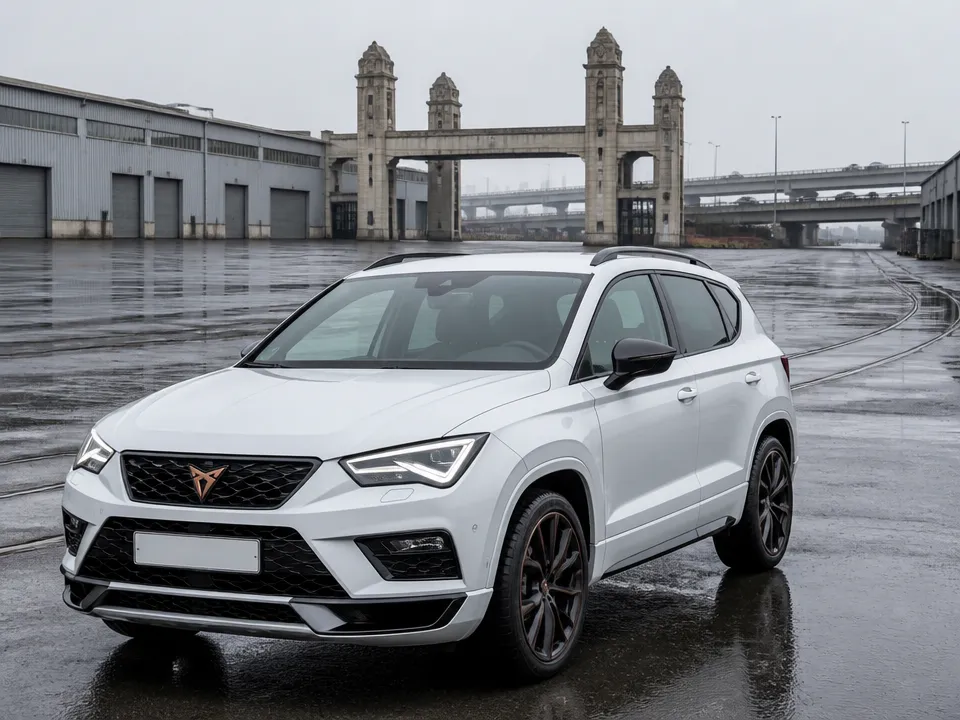
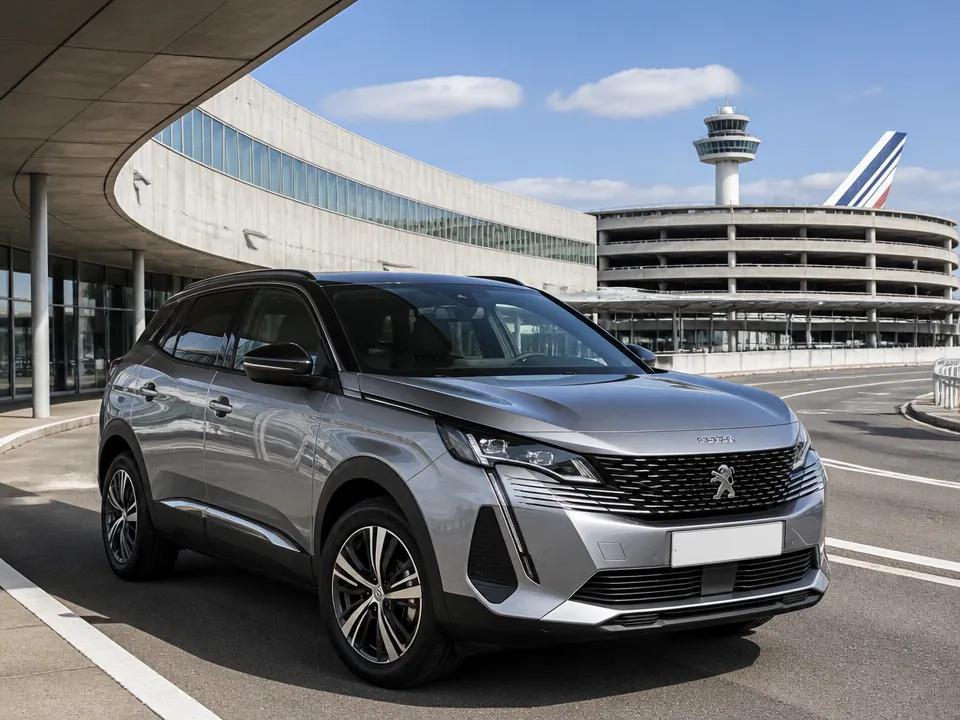
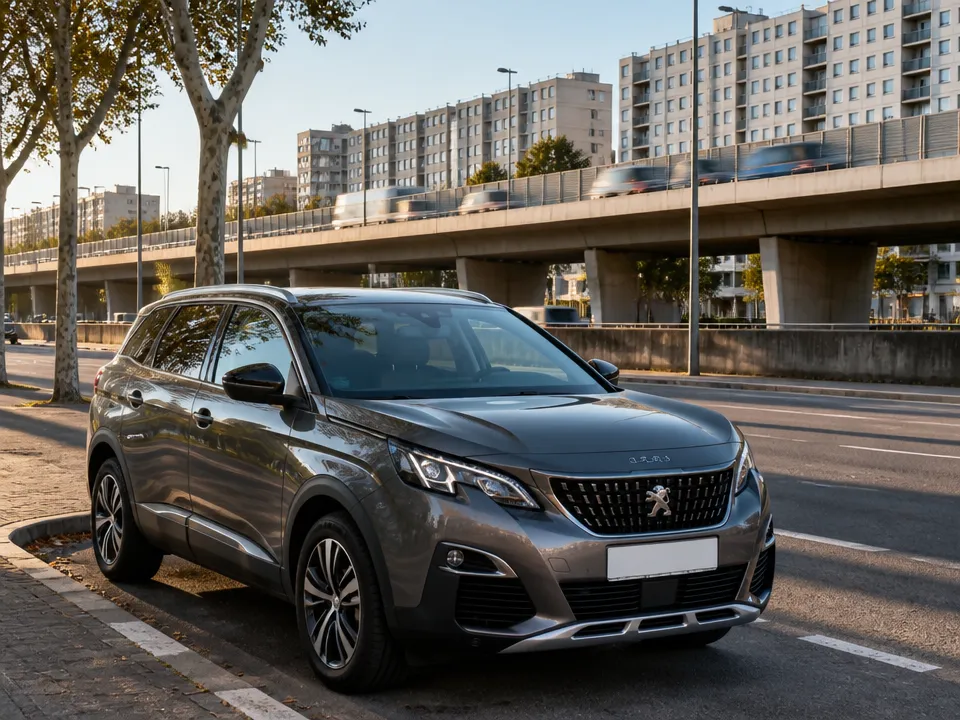
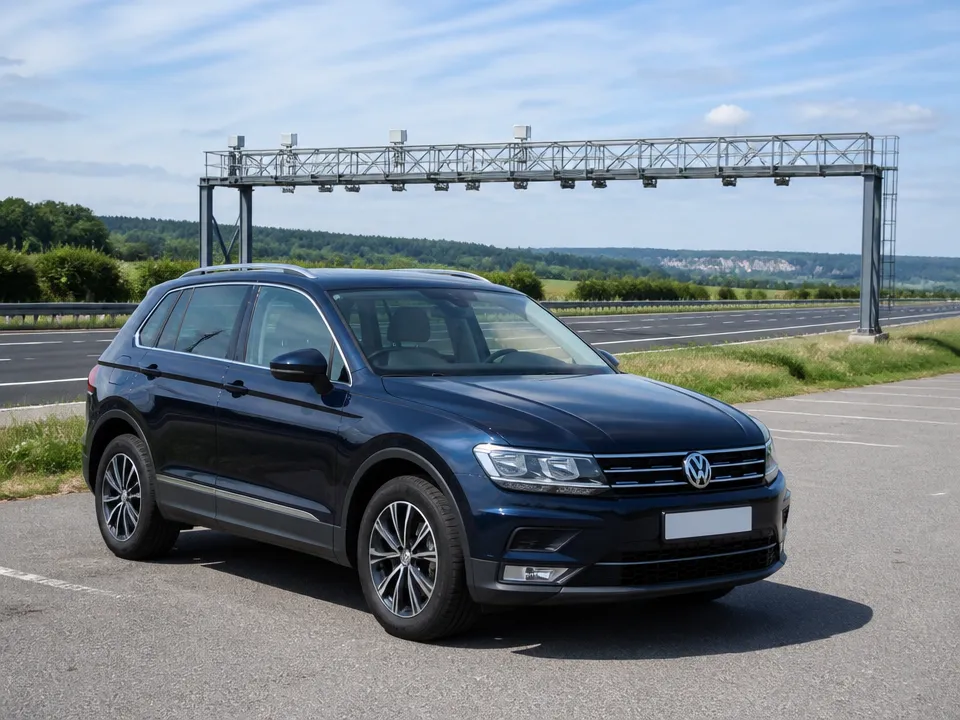
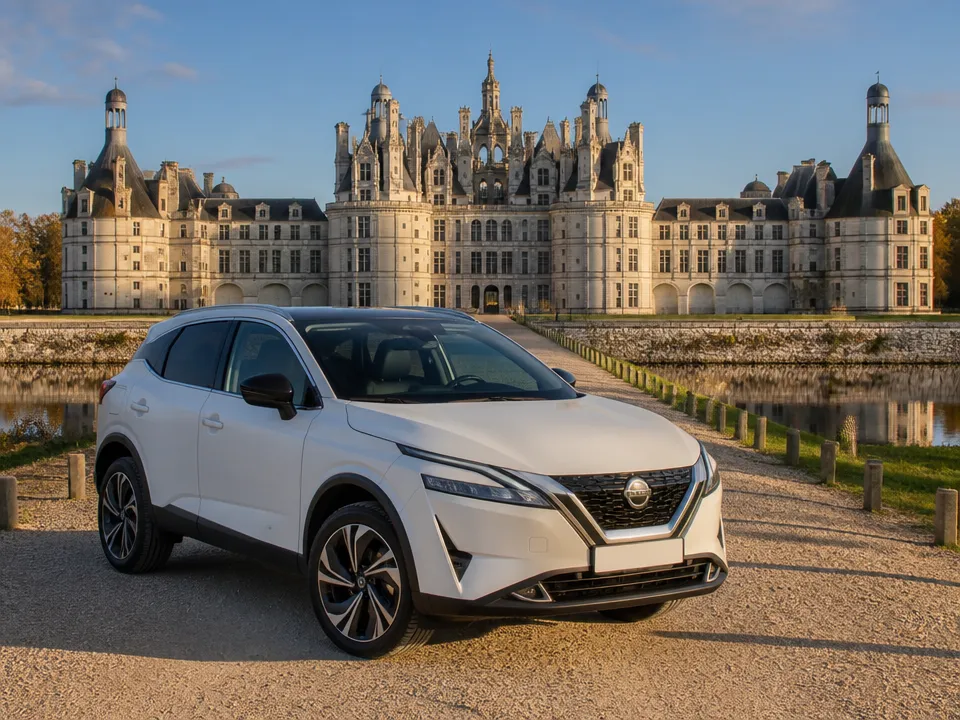
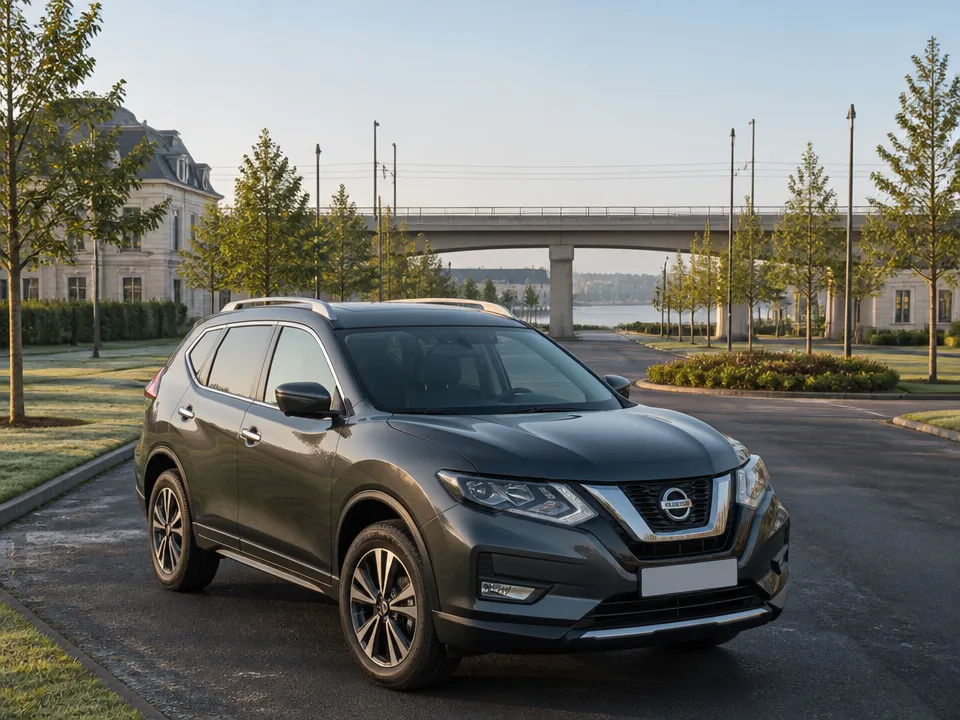
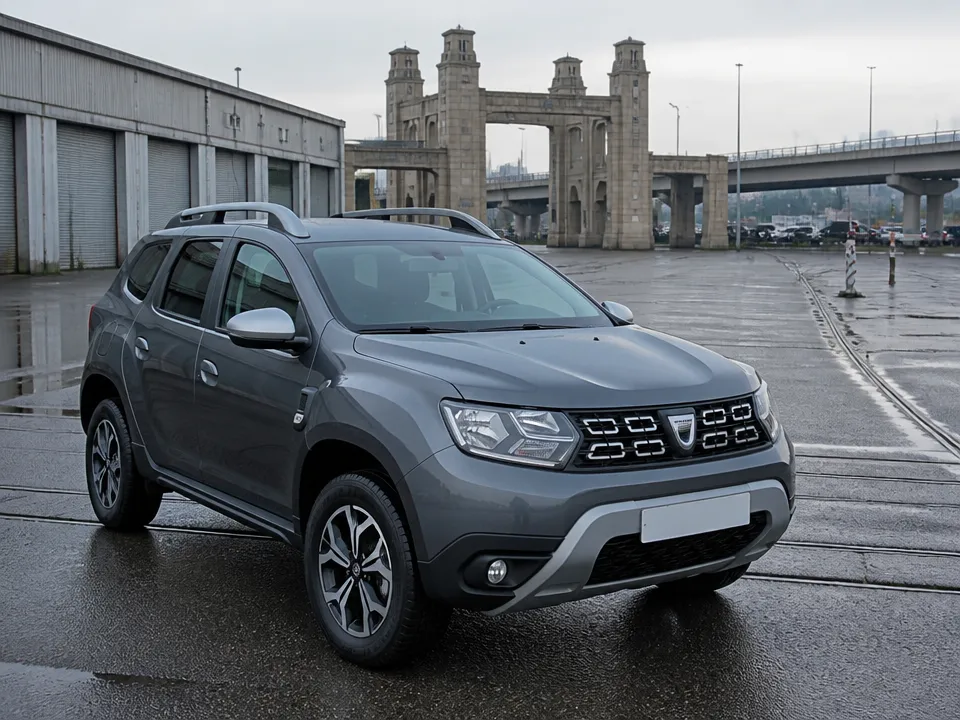
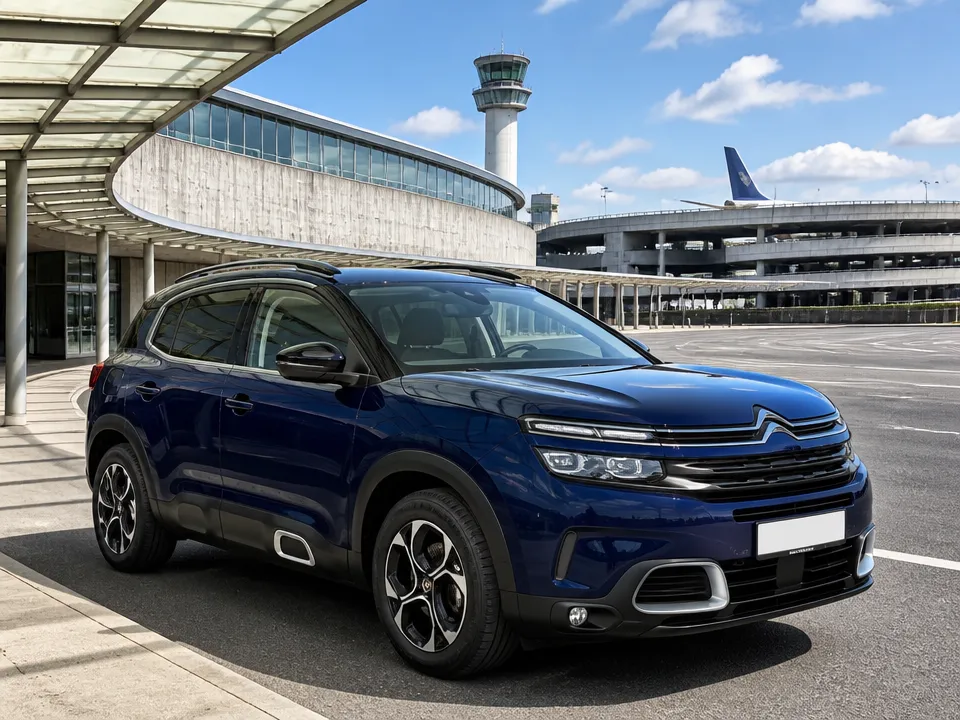
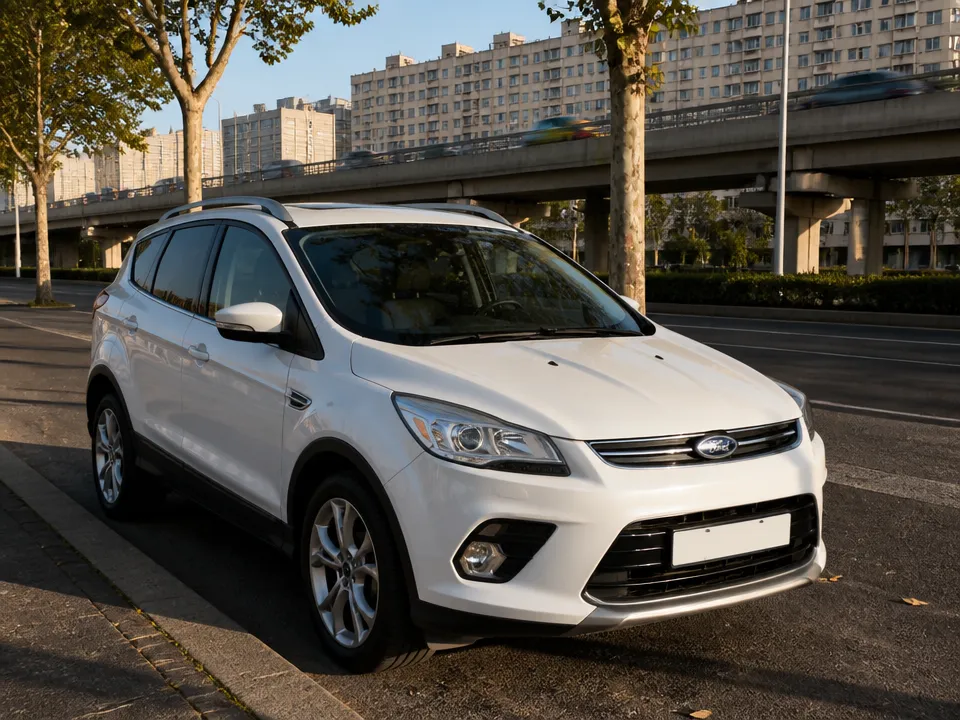

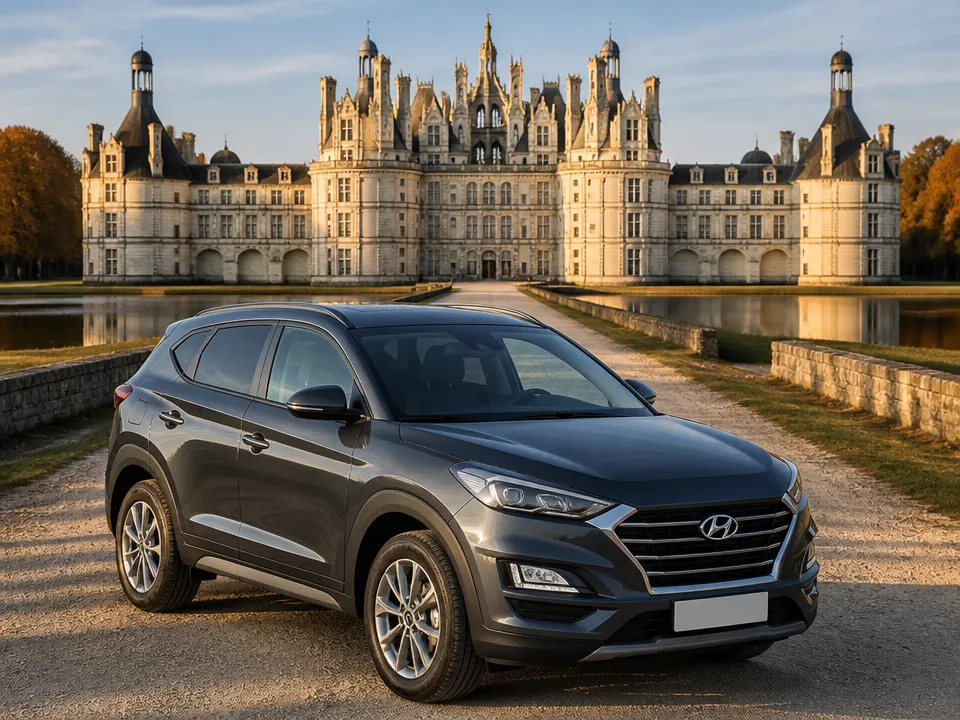
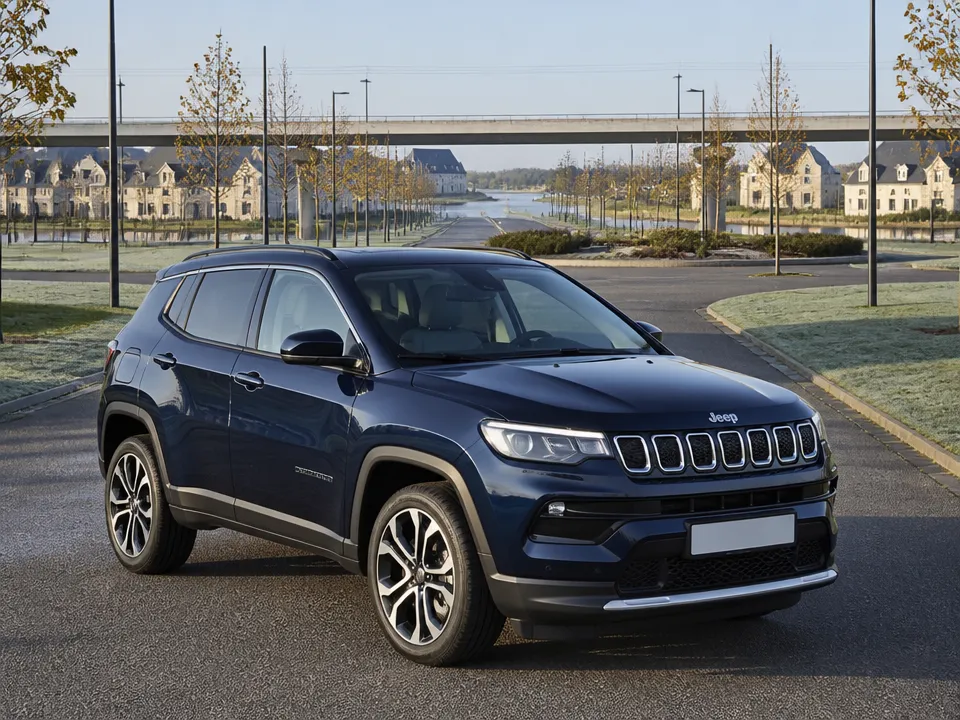
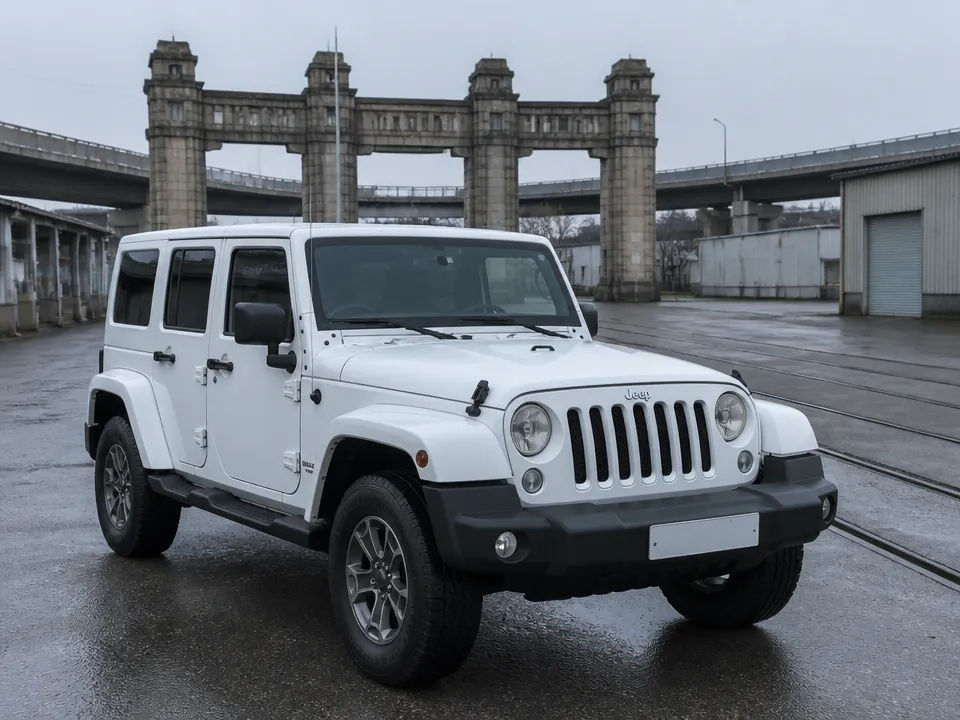
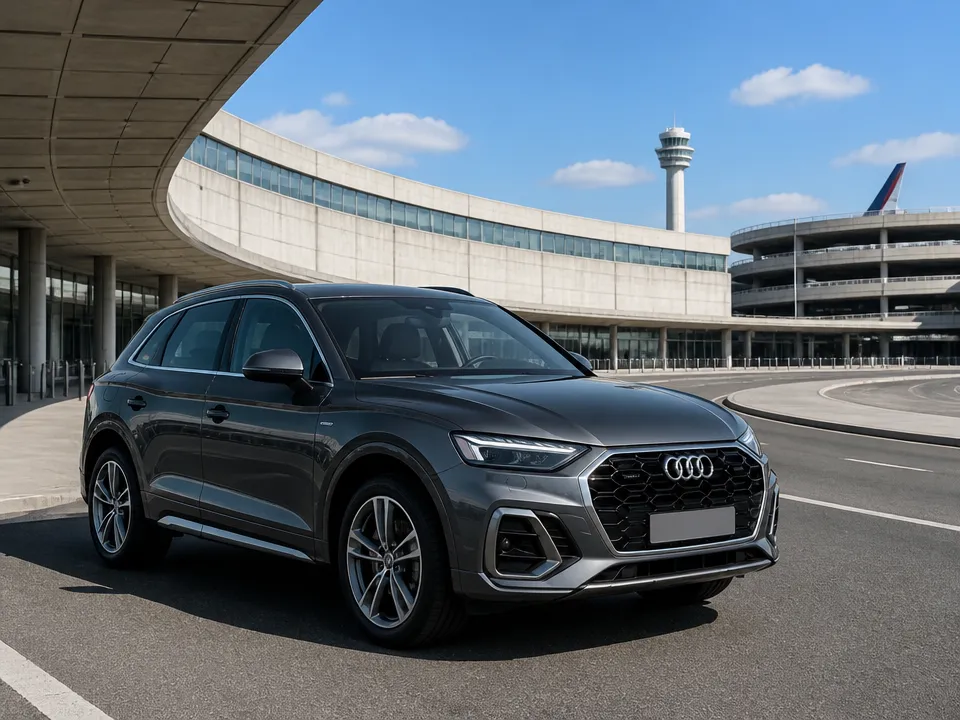
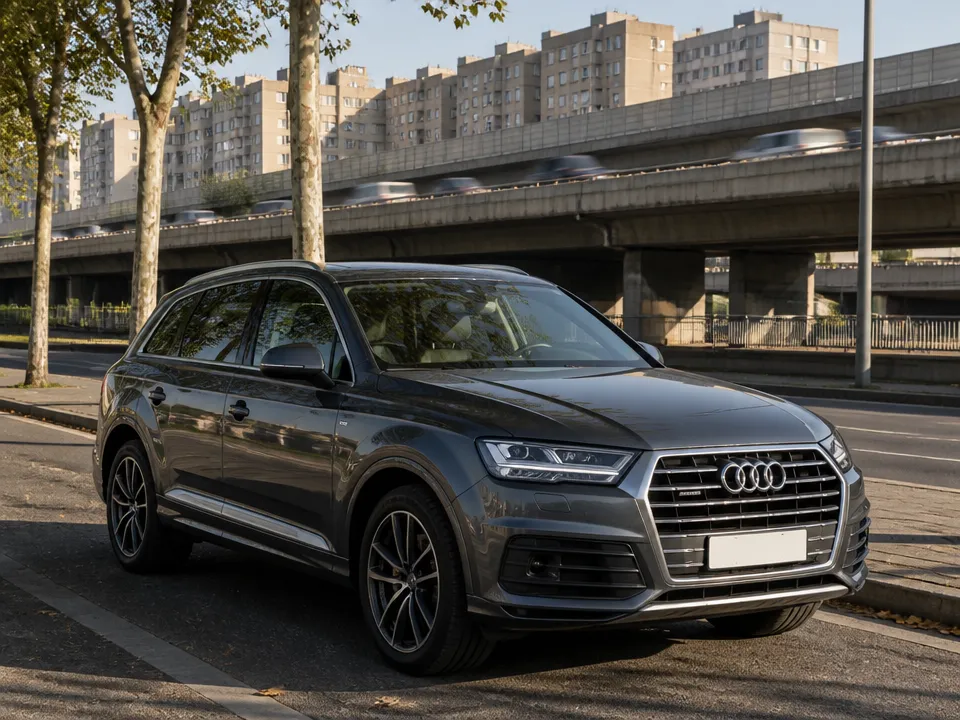
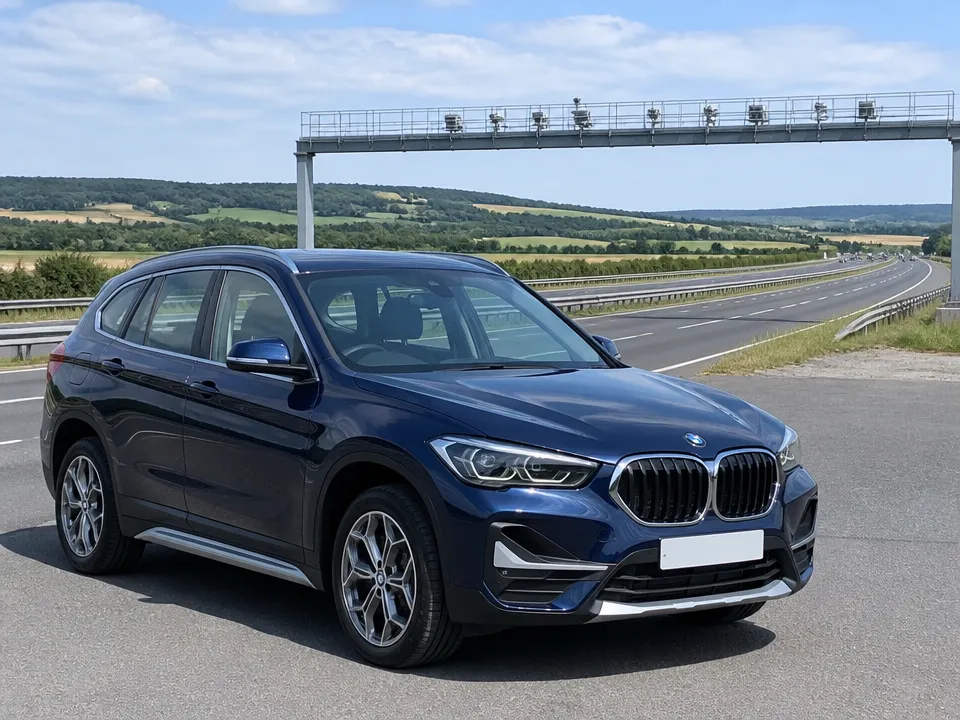
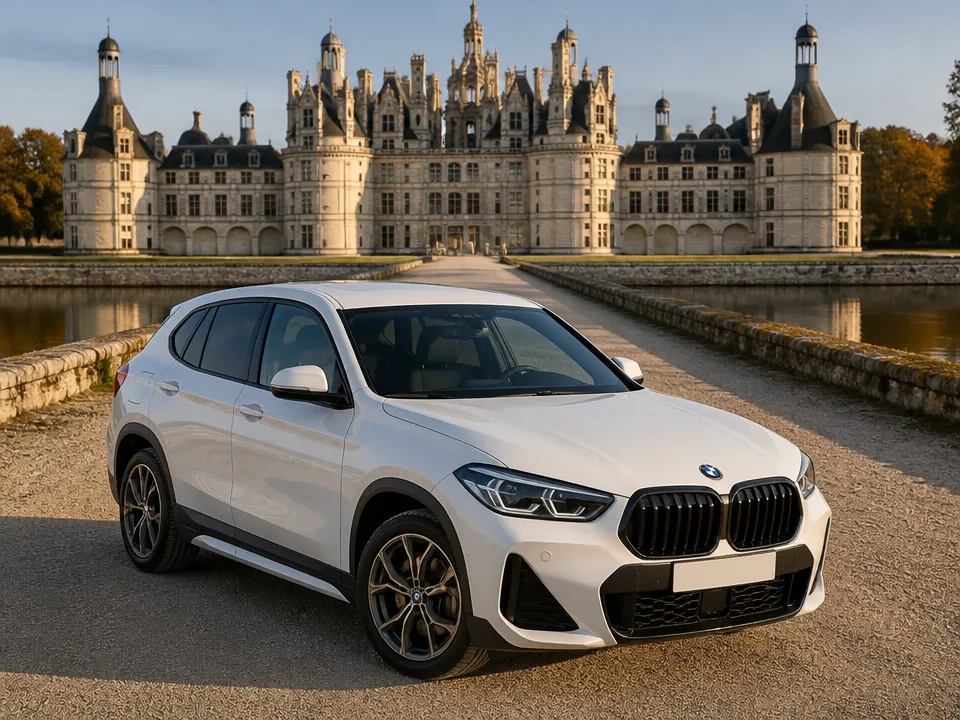
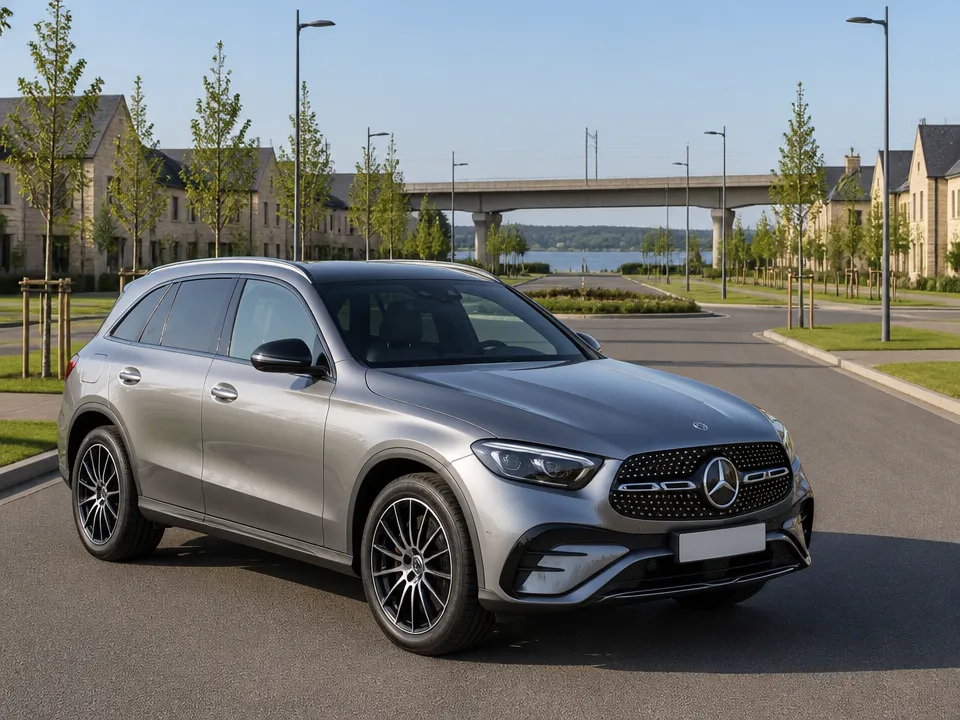
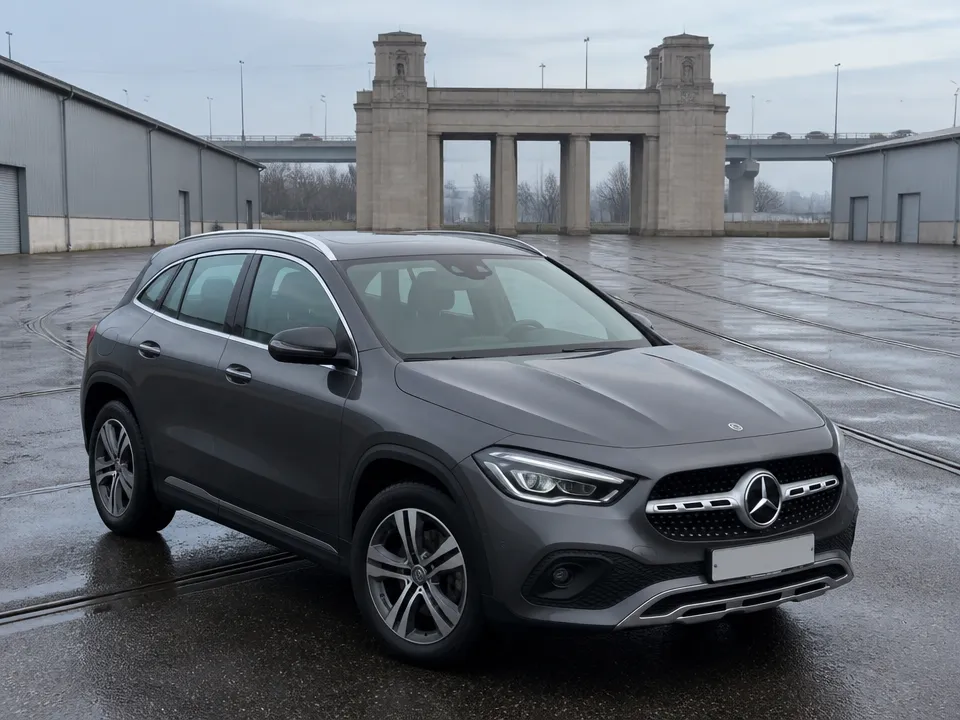
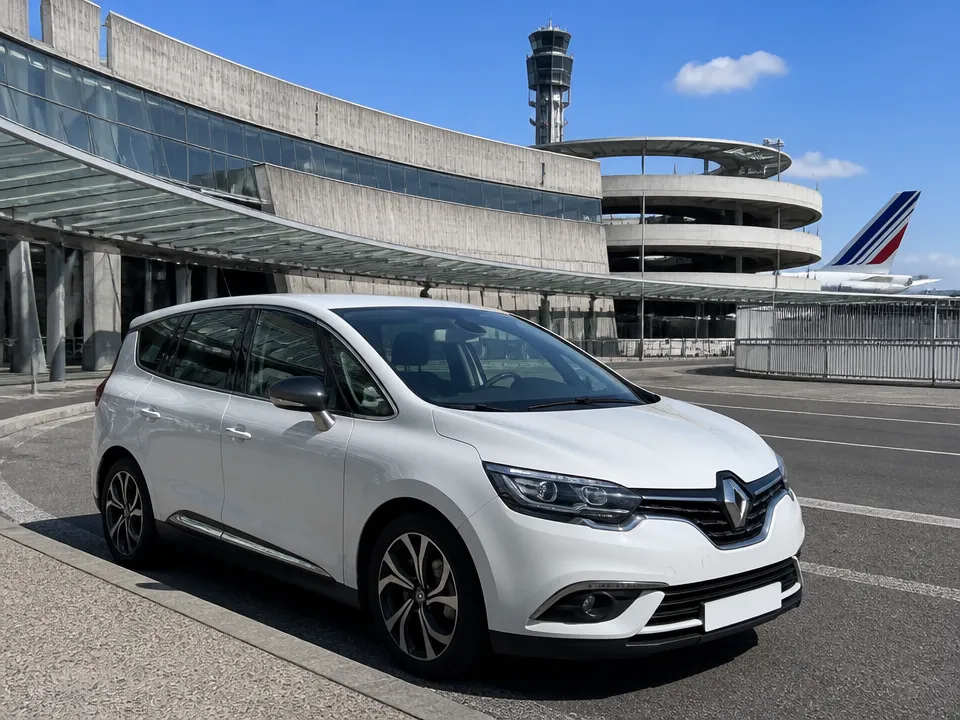
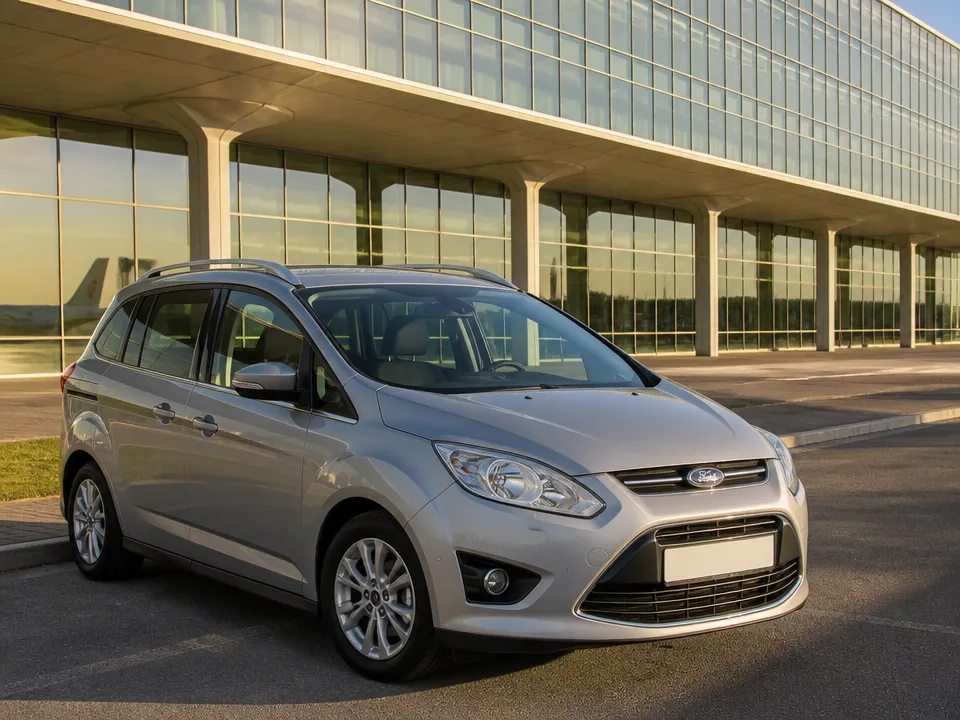
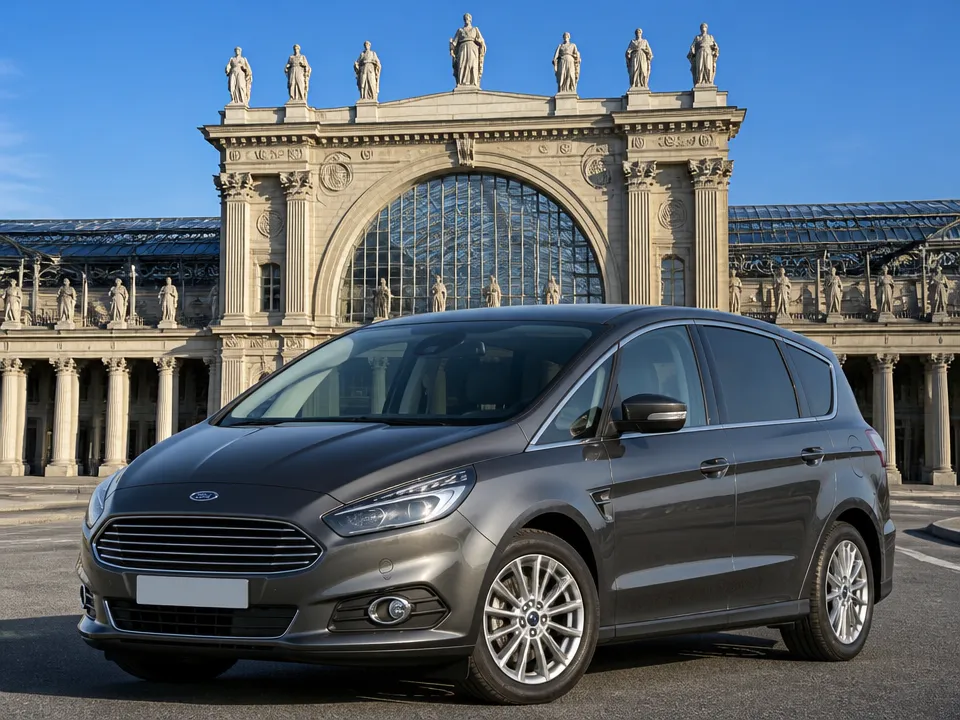
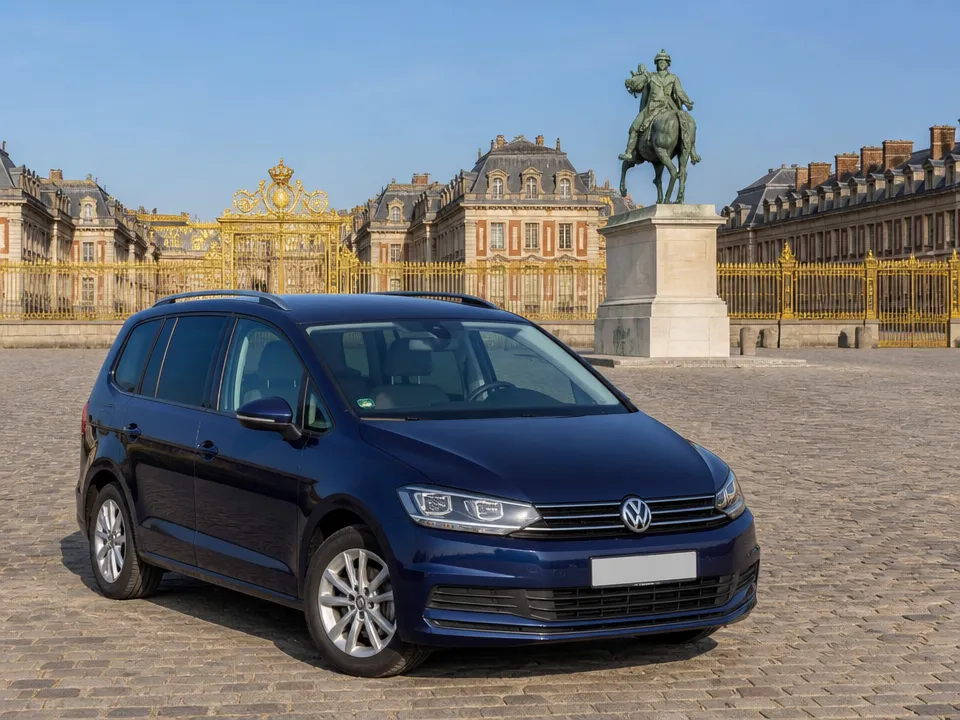
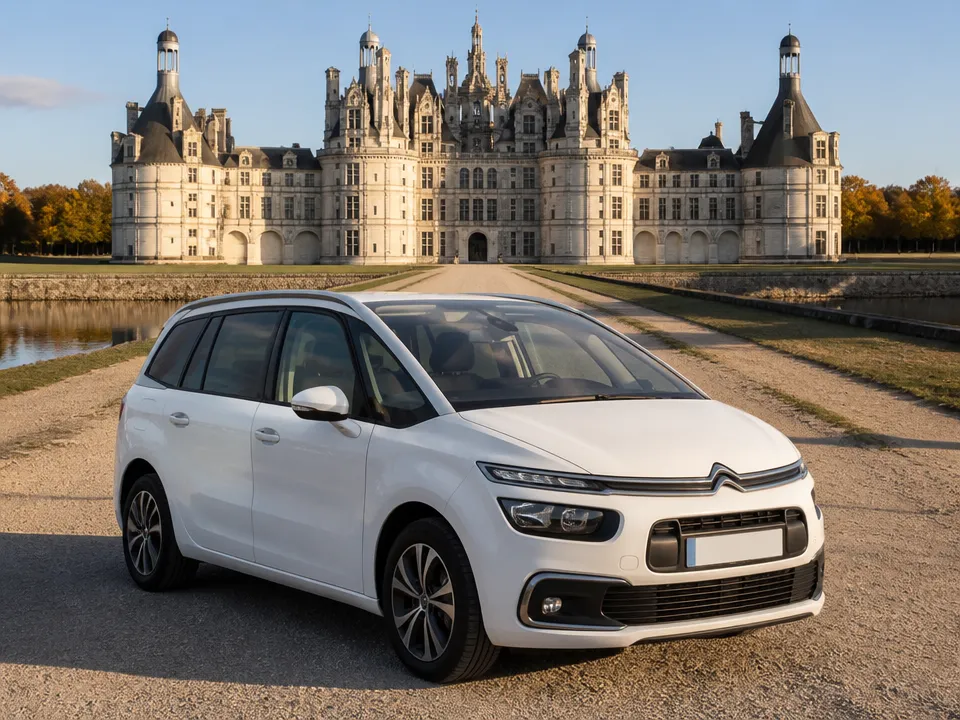
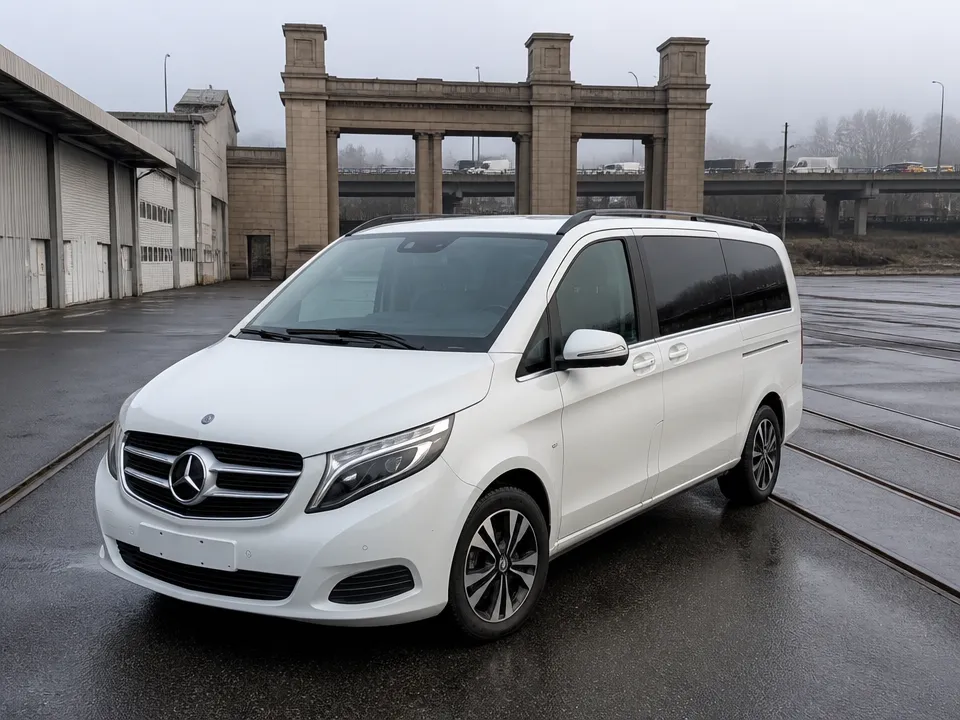
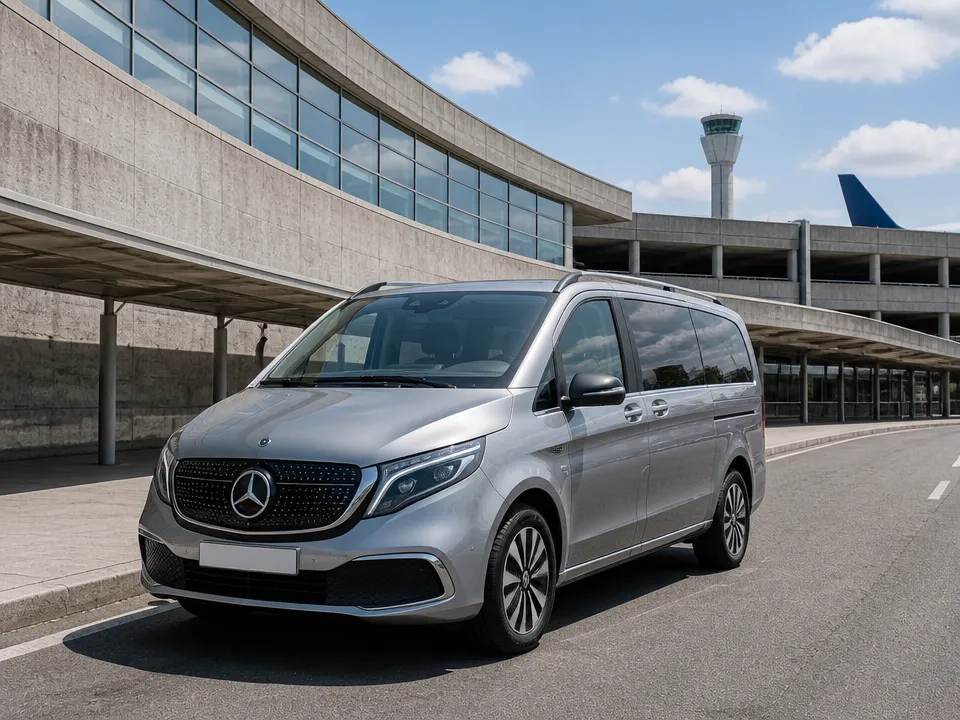
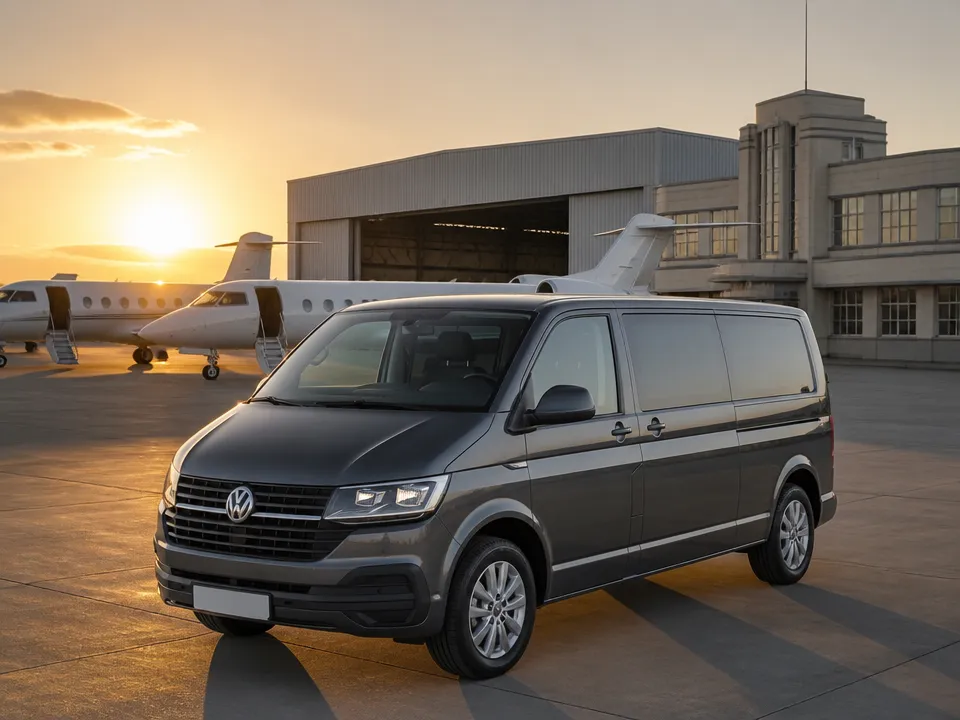
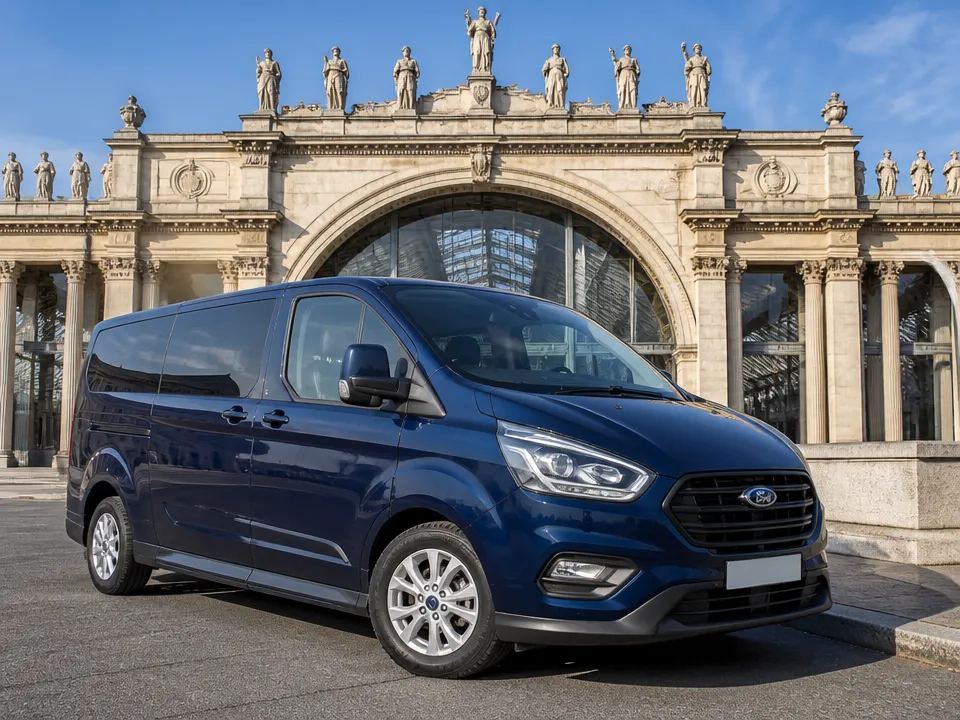
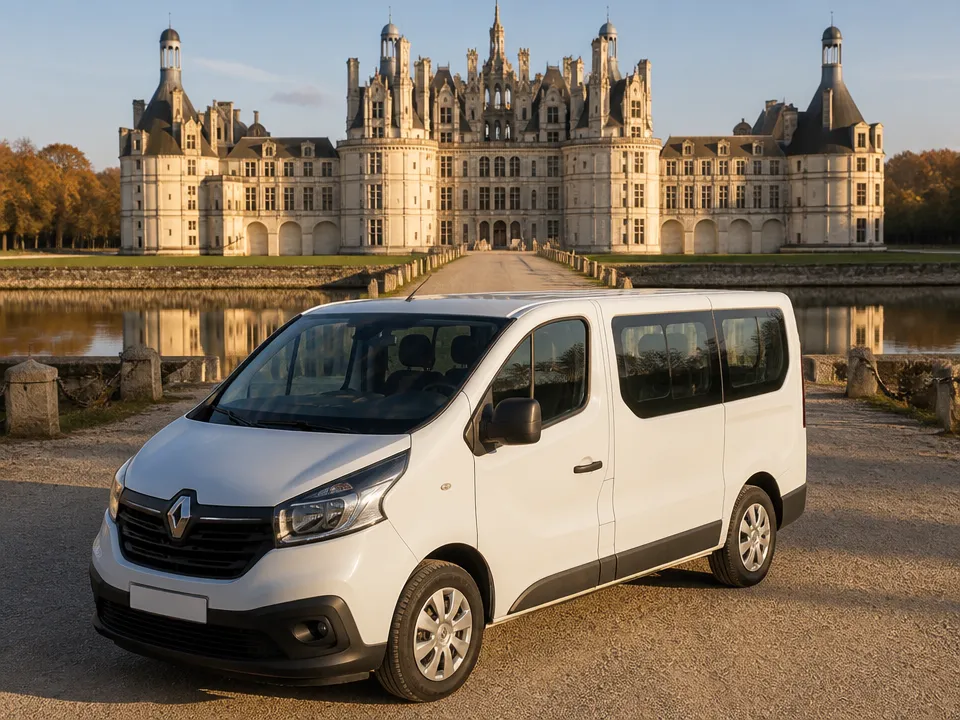
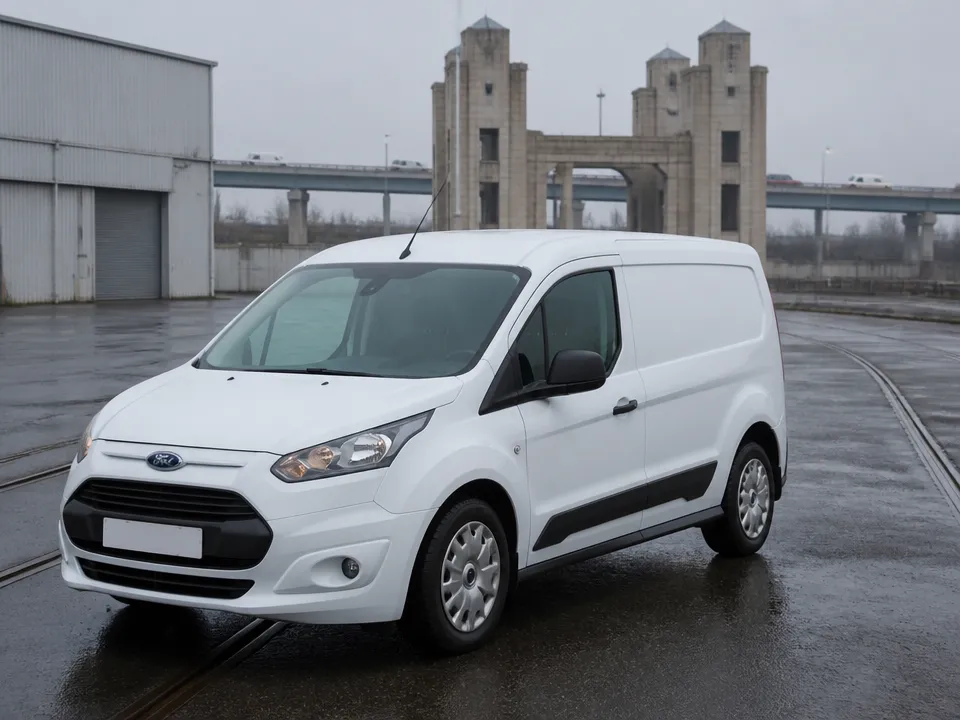
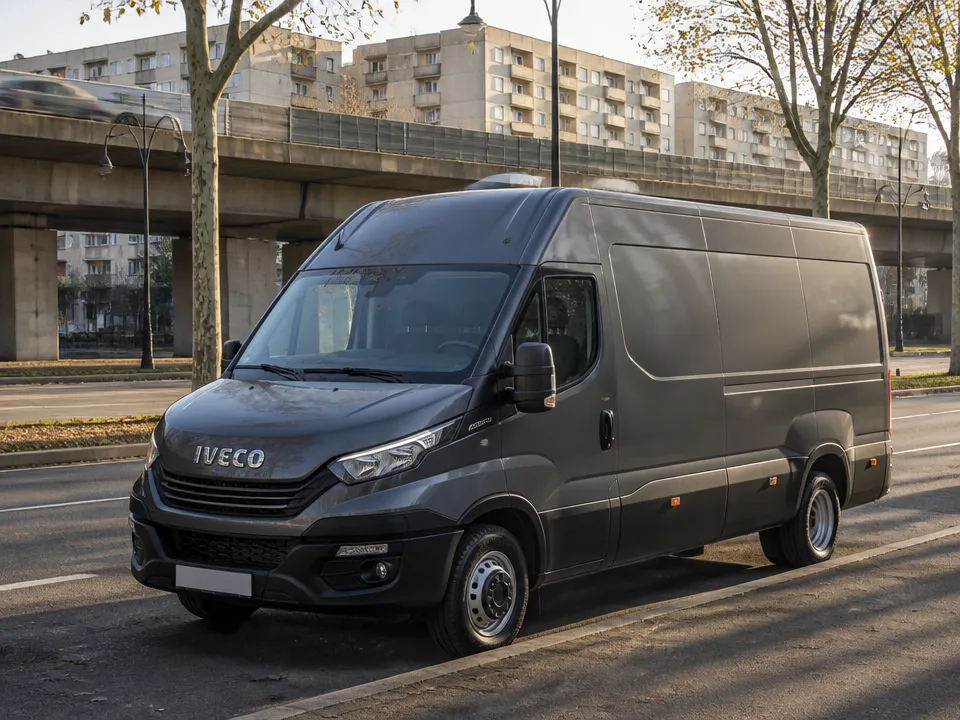
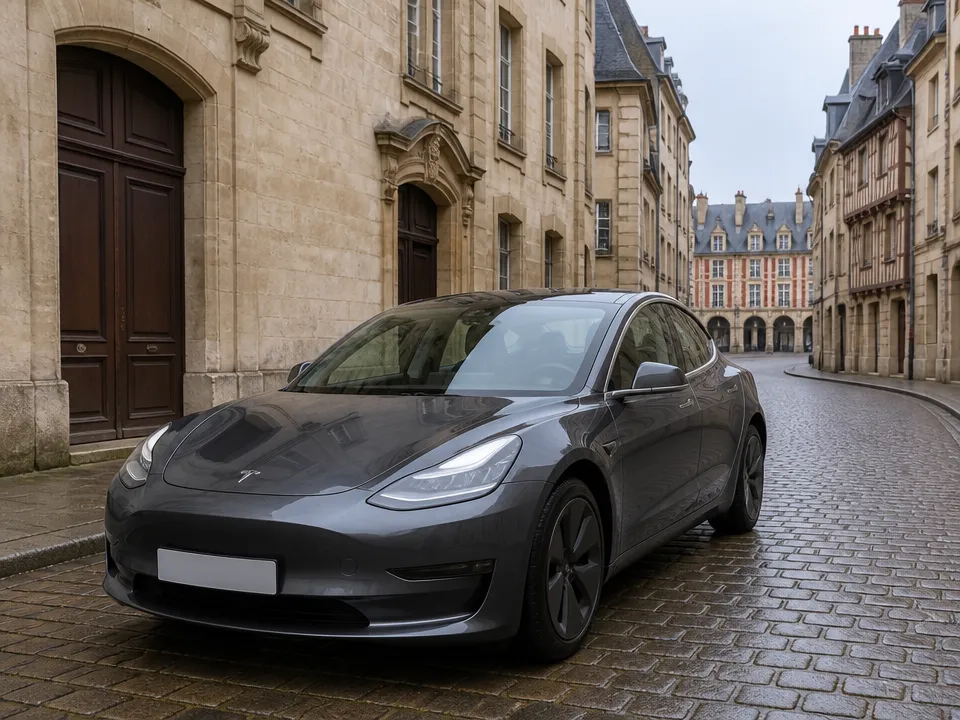
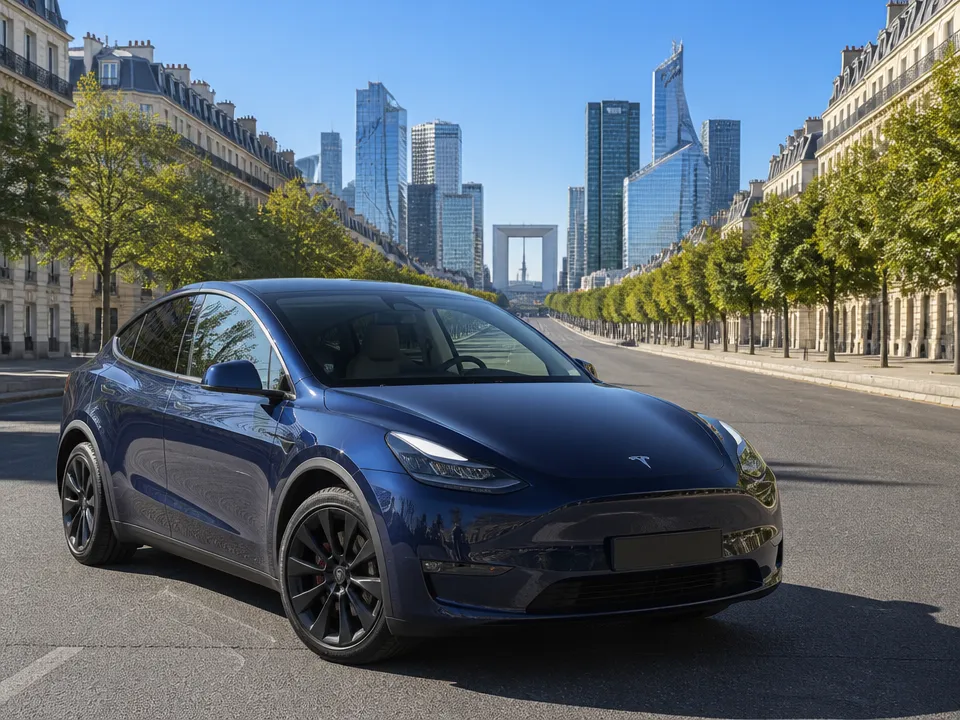
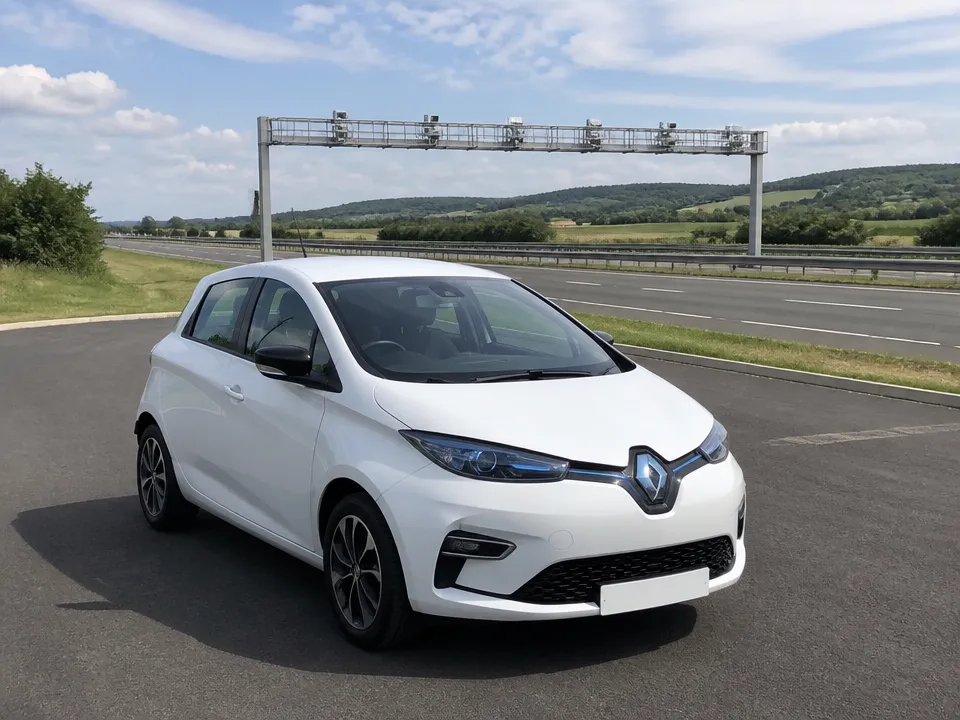
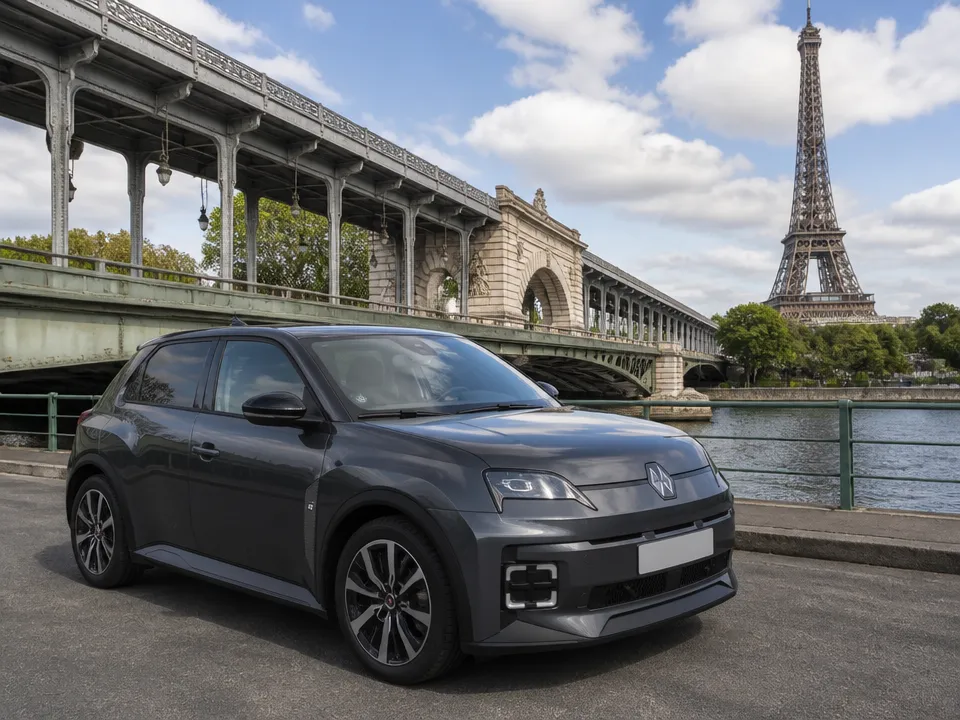
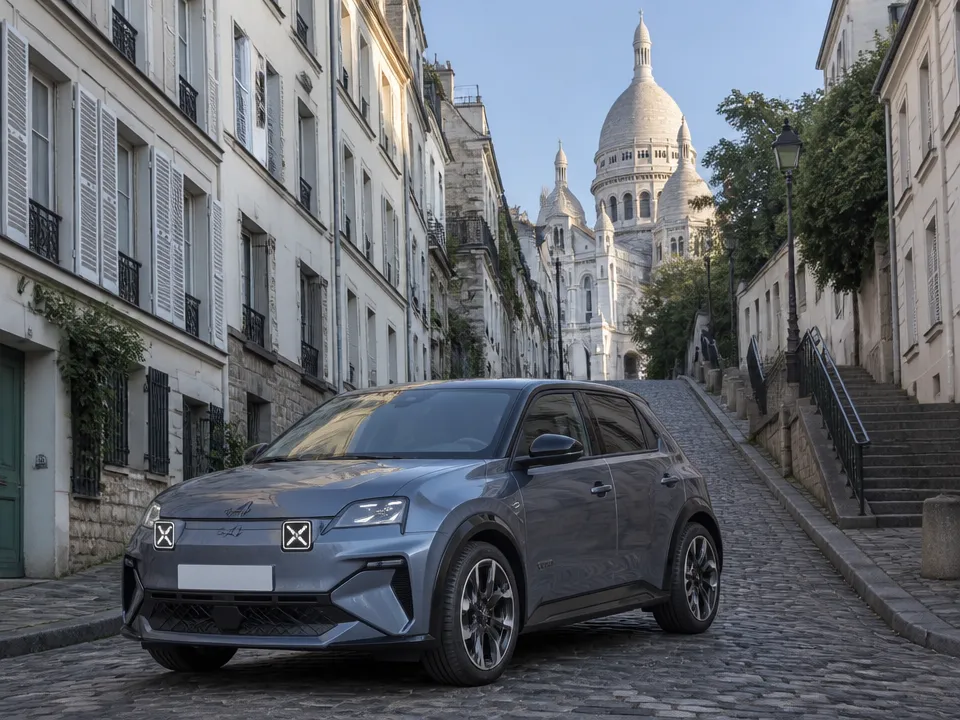
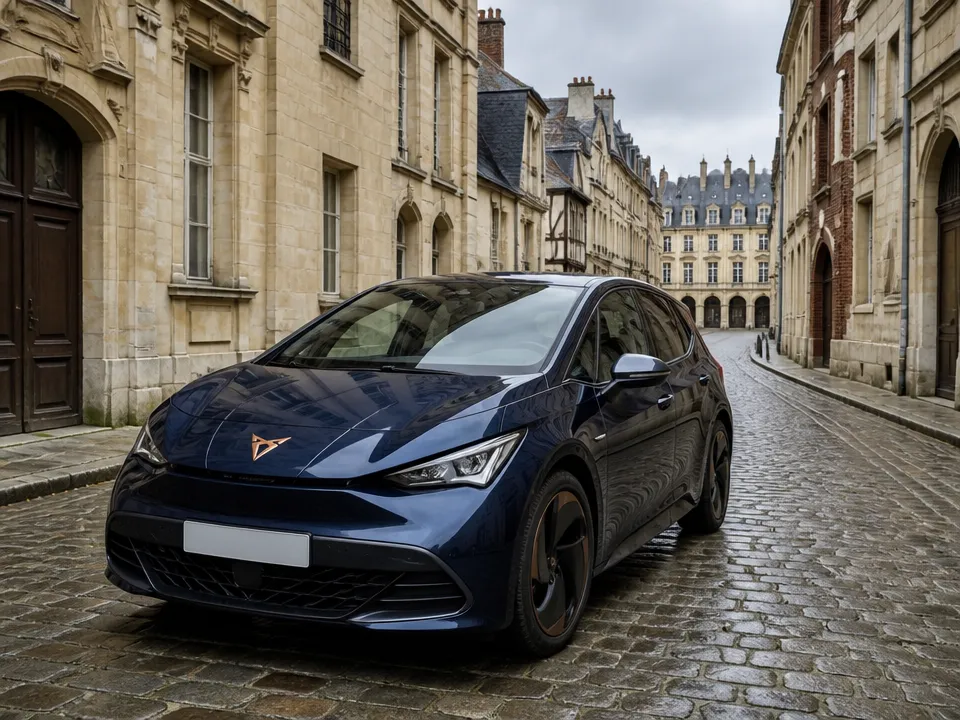
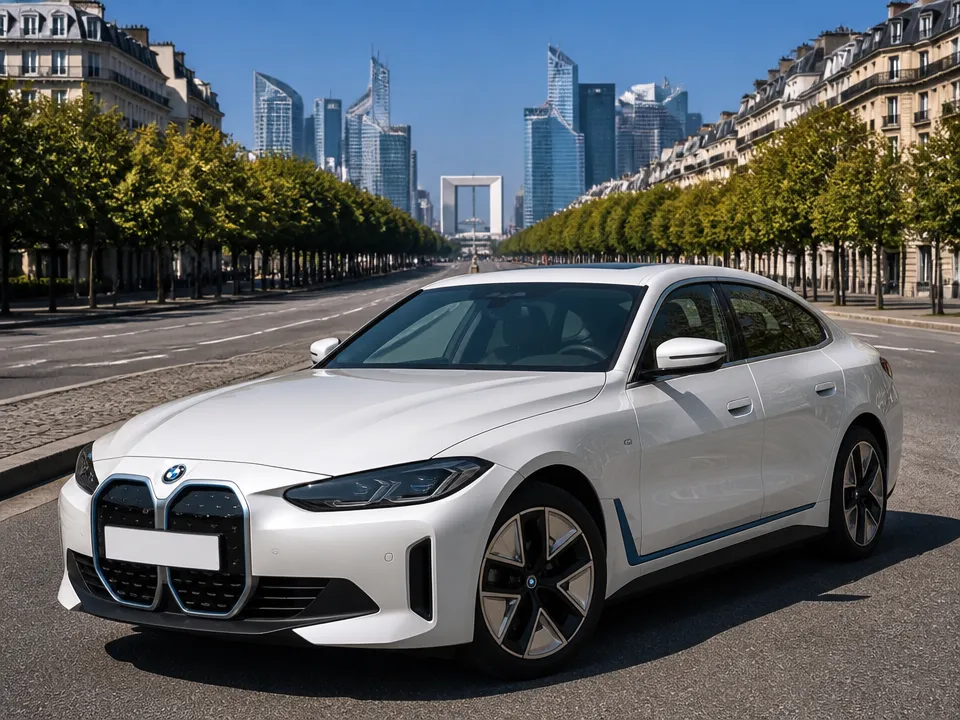
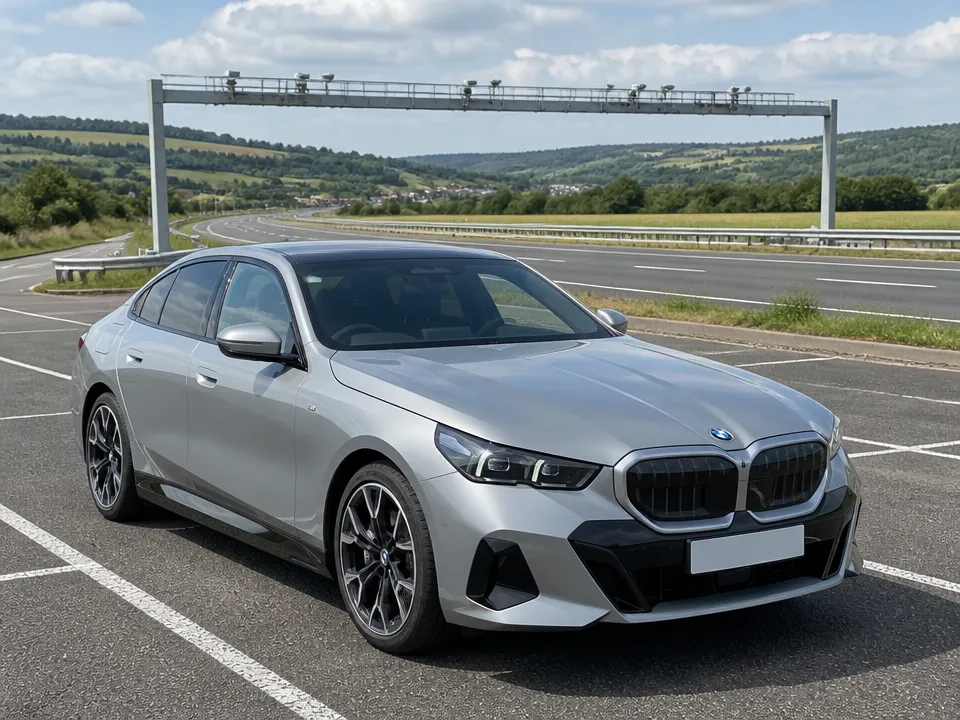
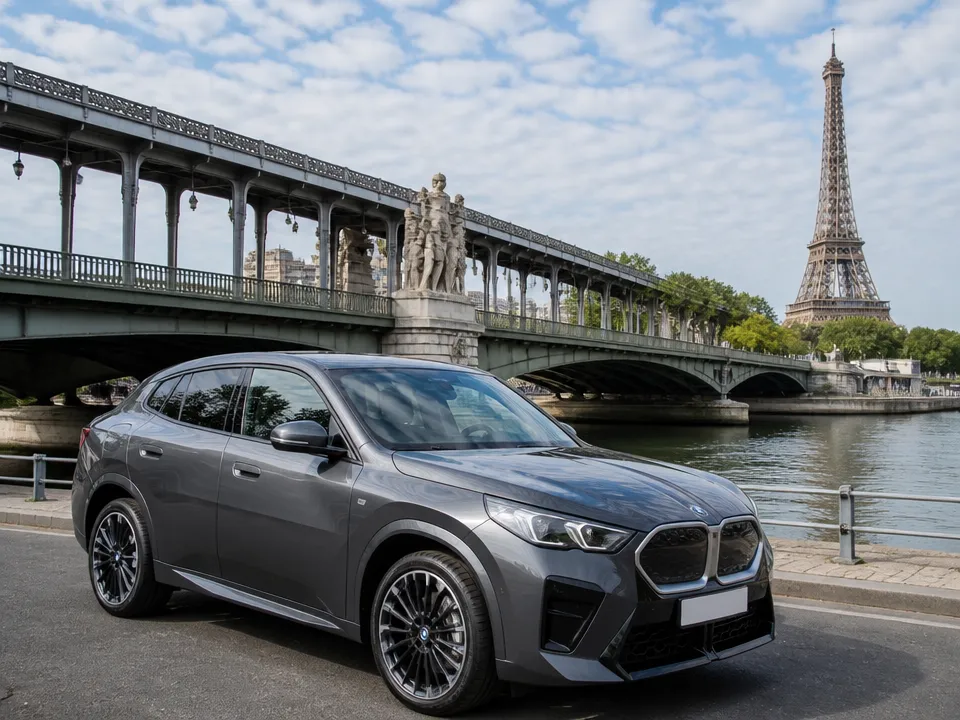
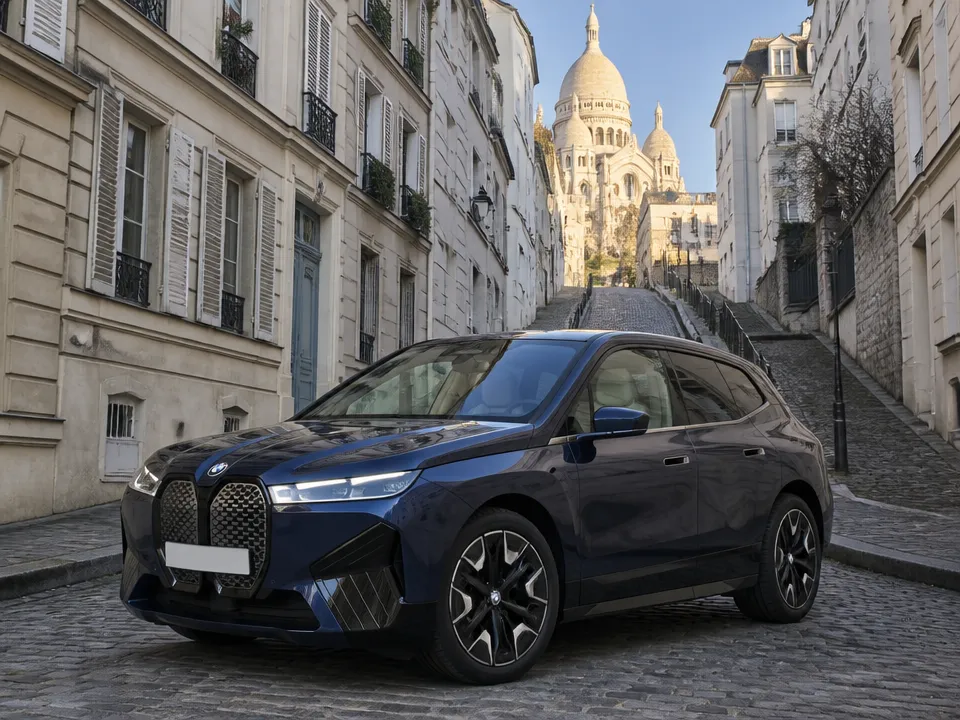
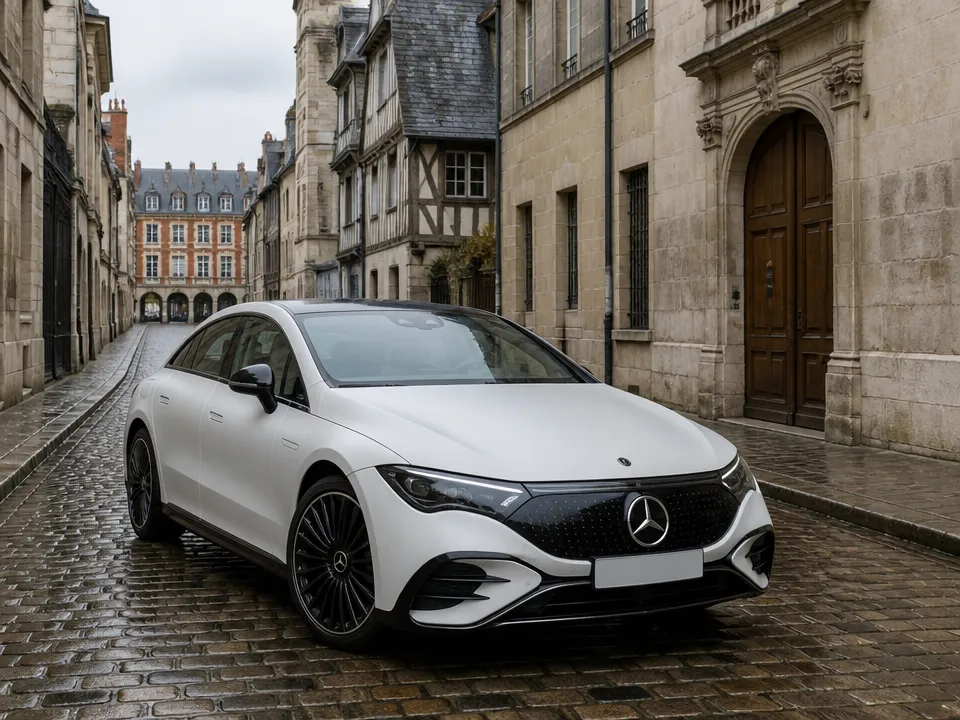
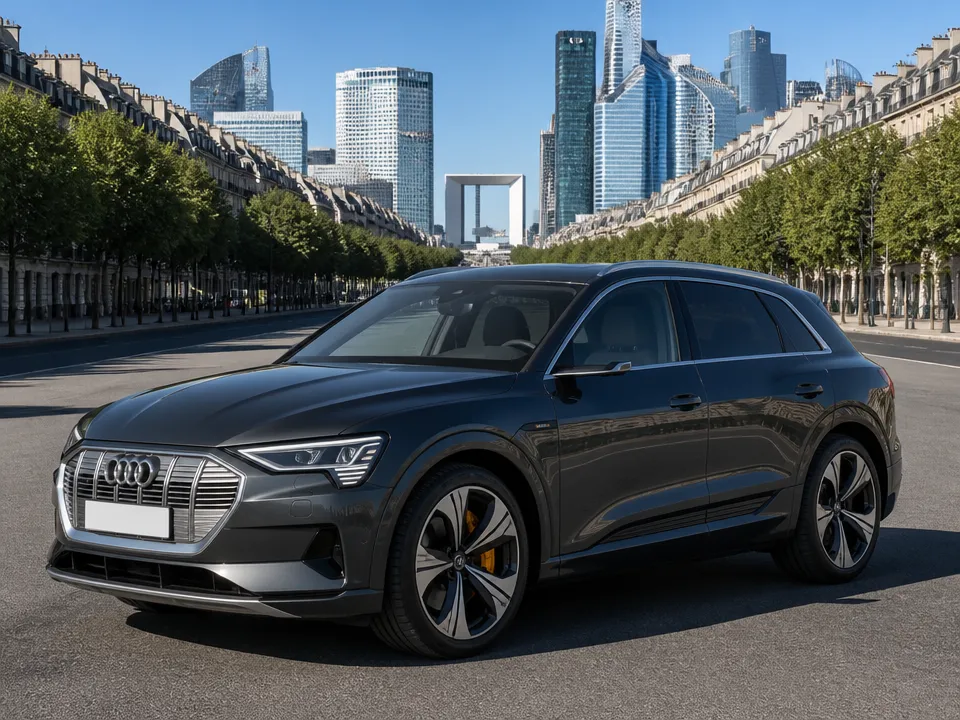
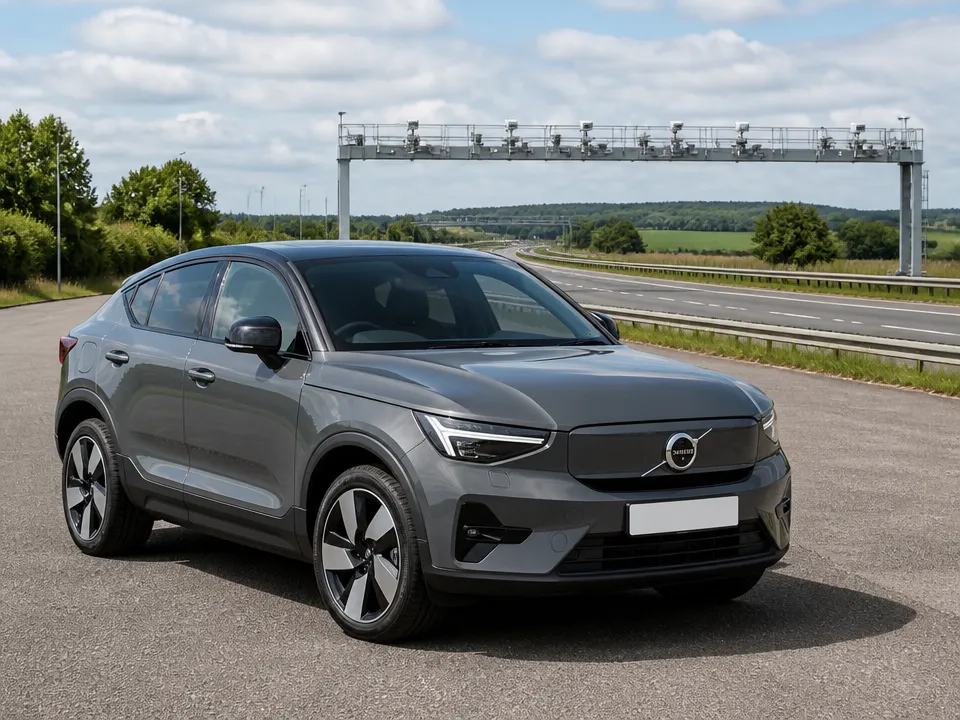
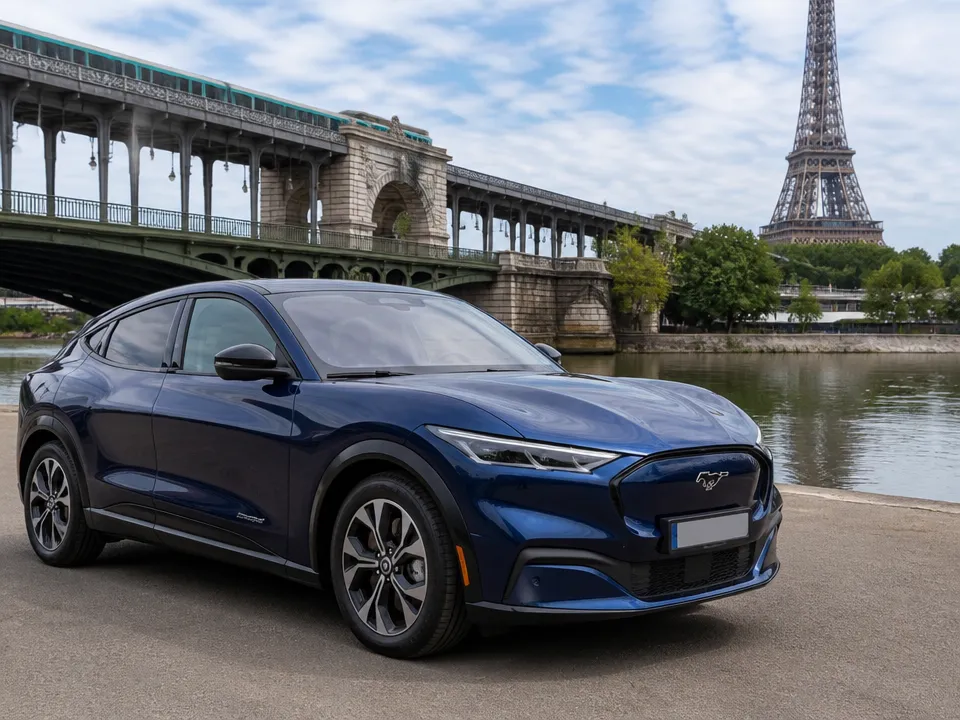
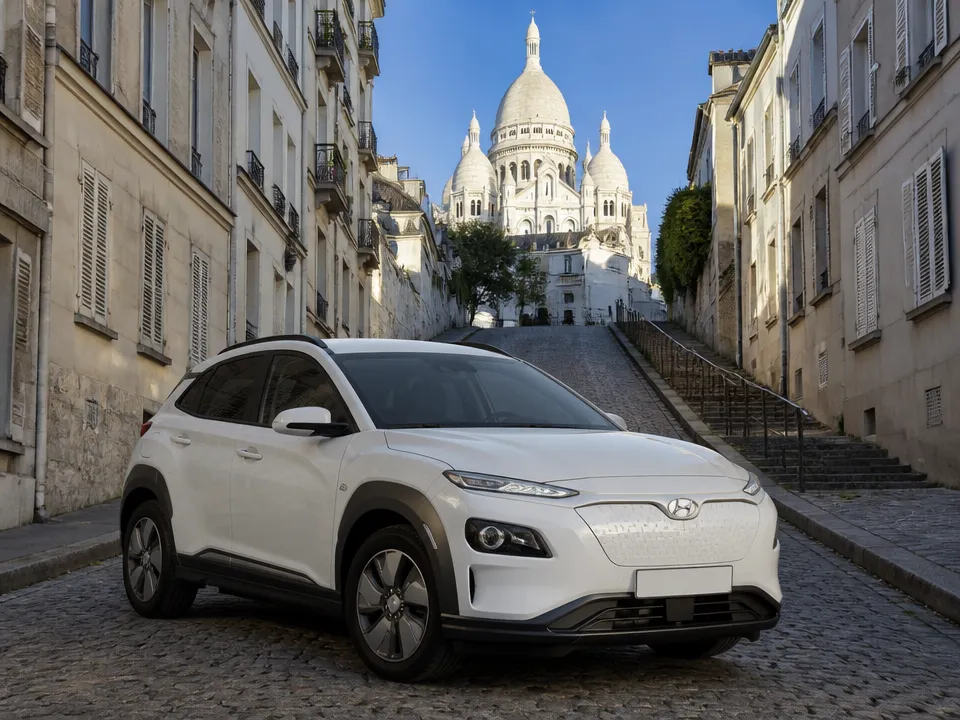
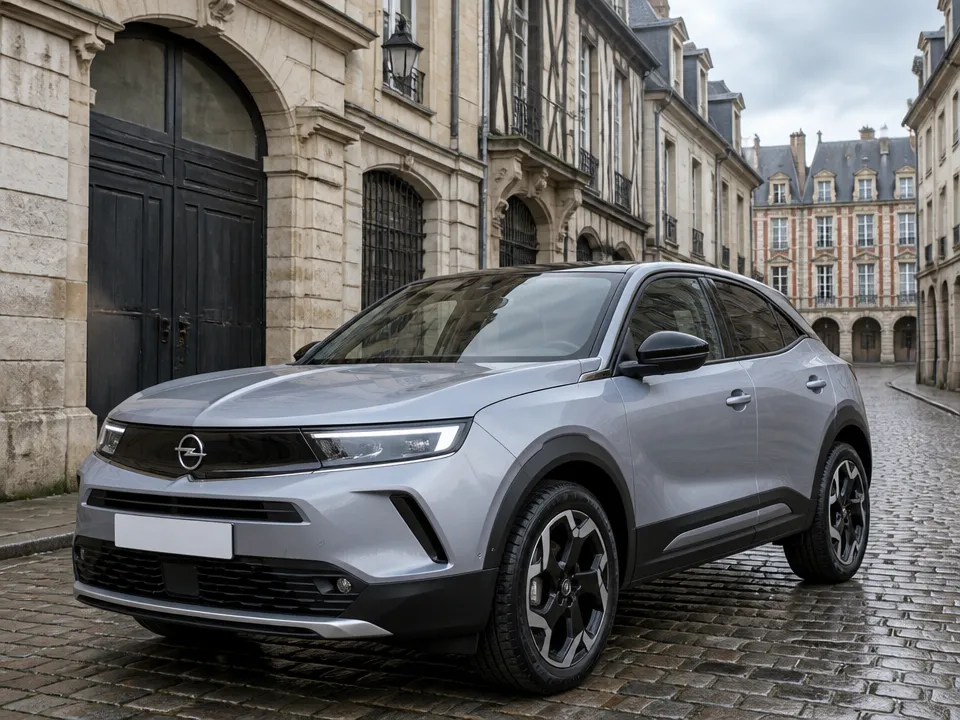


134 cars are ready for self-drive rental at Paris-Le Bourget Airport (LBG), from €29 per day, with weekly rates from €174 and monthly from €609. We deliver the car to you — the hand-over point, the time and the paperwork are agreed with a manager when you book. Choose from 13 classes, from an Economy Citroen Ami at €29 a day to a Sports model at €450, an SUV from €79 or an Electric from €55.
Rent-Trip is a self-drive service: the car comes to you, and the booking is agreed with a manager. Nothing is collected from a counter, and the hand-over happens without a chauffeur.
We hand the car over to you at the agreed point, and you drive it yourself — self-drive means the keys pass to you, and every kilometre after that is yours to plan. Our fleet on this page holds 134 cars, from a two-seat Citroen Ami at €29 a day to a nine-seat van for group transfers. The booking runs through a manager, not an automated queue: you state the class, the dates and the delivery point, and the manager confirms what is available. Because the car is delivered, your pick-up time depends on the manager's confirmation, not on a counter queue — so fix the hand-over window early on a Friday or before a public holiday, when demand across the region tightens.
Deposit, excess and delivery fees are set out in the rental agreement, so read it before you confirm the dates — the excess in particular moves with the protection level you pick, and that choice is easier to make before the trip than at hand-over.
We keep 134 cars for hire at Paris-Le Bourget Airport (LBG), split across 13 classes — from a two-seat microcar to a nine-seat van, and from €29 a day to €1,300 a day at the top of the range. Every car is self-drive: we hand over the keys, you drive. The class you see in the table is the class you get confirmed with a manager when you book.
| Class | Cars | From, per day |
|---|---|---|
| Economy | 15 | €29 |
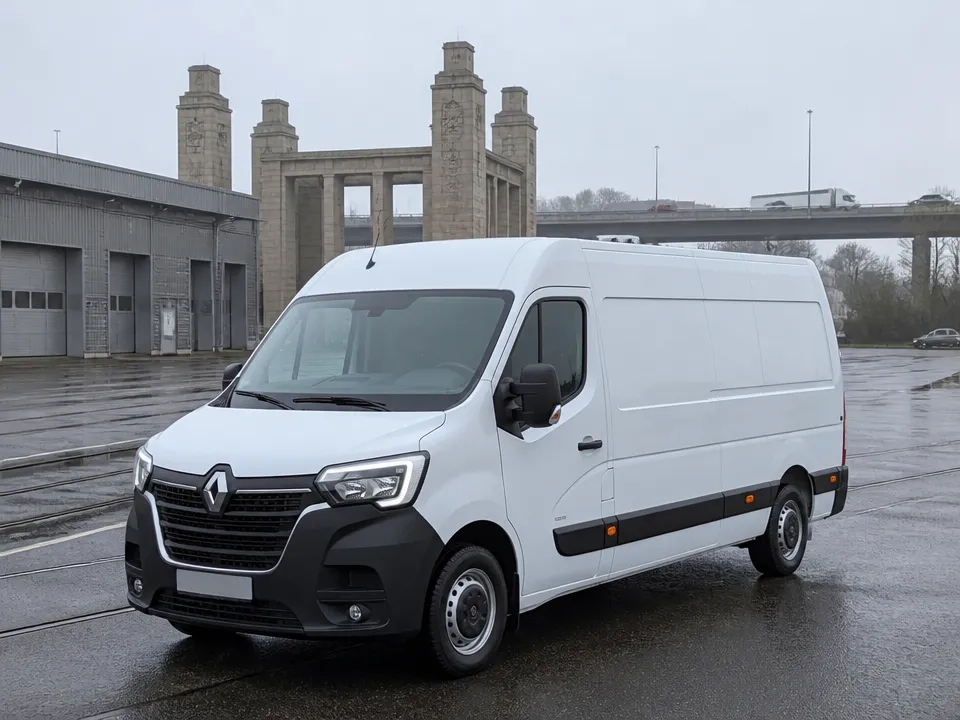
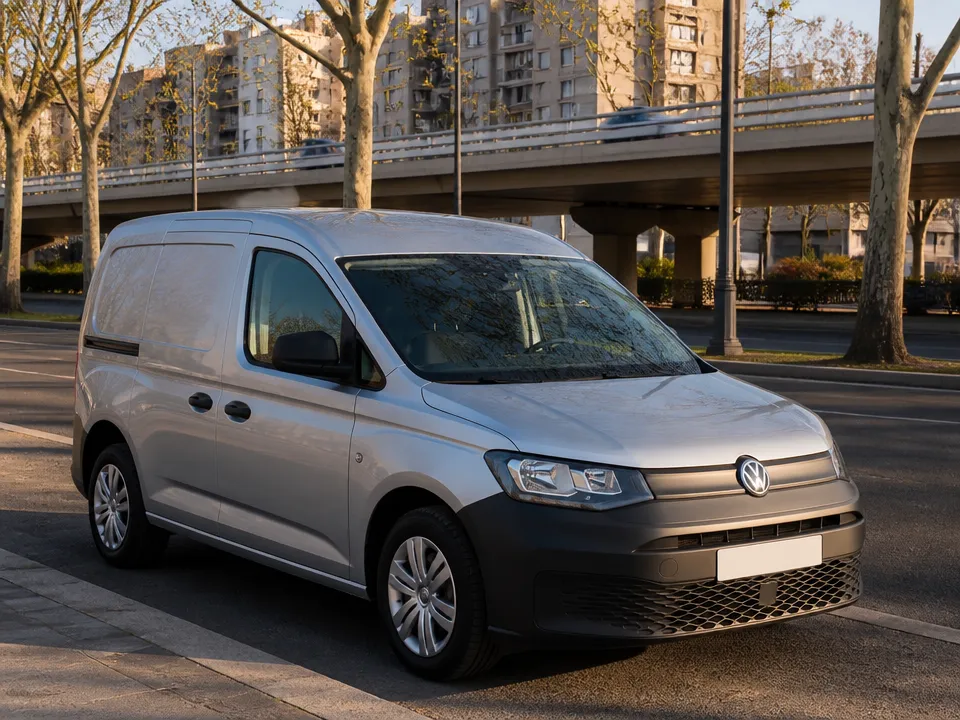
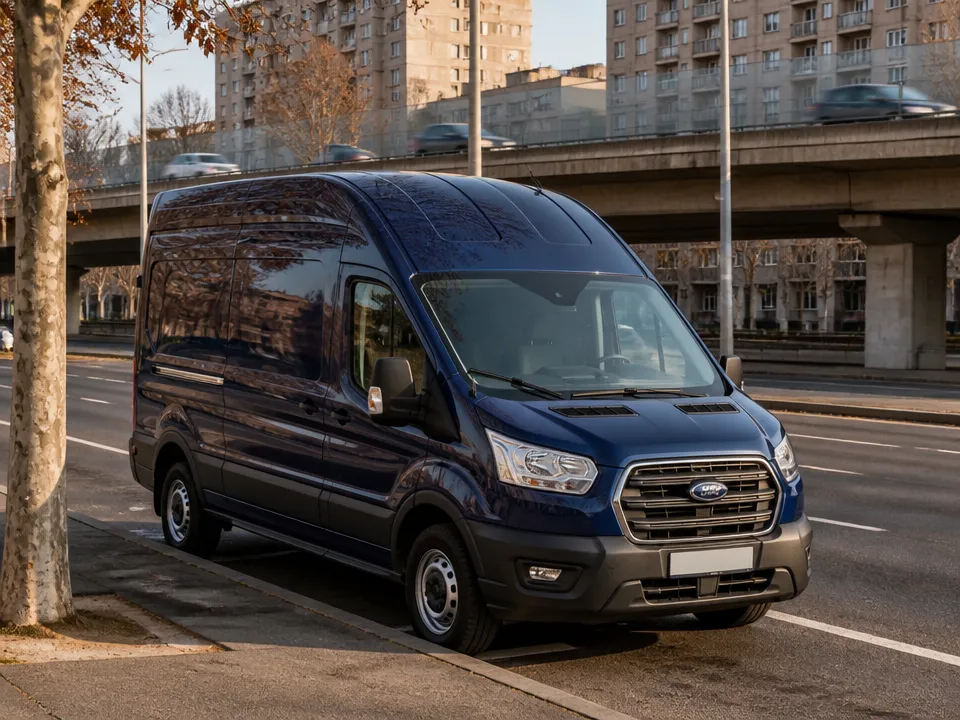
| Commercial | 6 | €47 |
| Electric | 18 | €55 |
| Crossover | 13 | €75 |
| SUV & 4x4 | 19 | €79 |
| Comfort | 13 | €79 |
| Convertibles | 10 | €99 |
| Premium | 11 | €105 |
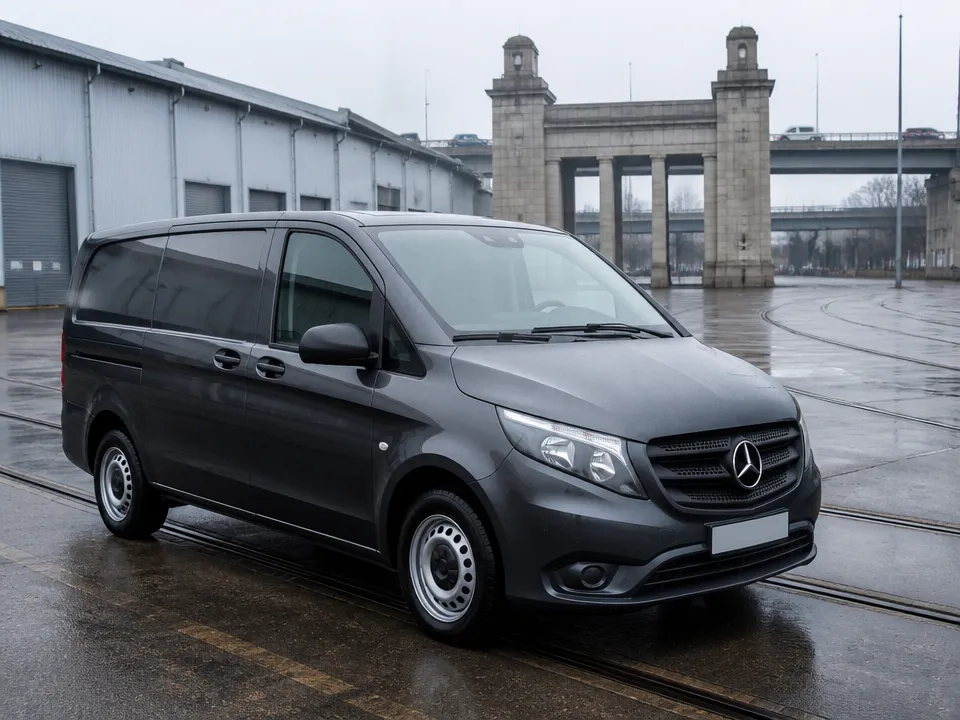
| Minivans | 5 | €119 |
| Sedan | 3 | €120 |
| Passenger vans | 5 | €155 |
| Luxury | 10 | €195 |
| Sports | 6 | €450 |
The largest single class is SUV & 4x4 with 19 cars, so all-wheel drive is the easiest to secure late; the smallest is Sedan with 3 cars, and those go first on weekends. If a specific model matters more than a class, tell the manager at booking — we confirm the exact car, not just the category.
Seat counts across the fleet run 2, 3, 4, 5, 7, 8 and 9, and fuel types cover diesel, electric, gasoline and hybrid. Match the seat number to your group before you pick a class: a five-seat hatchback cannot be stretched to seven, and a nine-seat passenger van books out earlier than the rest of the range. In our experience, the two mistakes that cost travellers the most time are booking a four-seat car for five people and assuming every automatic is electric — the Renault Clio E-Tech Hybrid is automatic on a 1.6 L hybrid, and it sits in Economy from €75 a day.
Daily rates for our fleet start at €29 and run to €1,300 at the top of the range. How long you keep the car changes the total, and the two multipliers below are the only ones we apply.
Weekly hire starts at €174 and monthly at €609, calculated as the daily rate times six and times twenty-one. A Renault Twingo at €35 a day comes to €210 for a week and €735 for a month; the Citroen Ami at €29 works out at €174 and €609. The multipliers are fixed, so the jump from three days to seven is not proportional to the extra time you get — and a car kept for a full month costs noticeably less than four separate weeks of the same model. If your trip is open-ended, price the monthly figure before you commit to a short booking, because the difference is already visible at the weekly step.
Deposit, insurance excess, delivery fees and any discounts are set out in the rental agreement, not quoted in advance. The French market works on a franchise — a fixed excess you carry yourself if the car is damaged or stolen, set by the protection level you pick. Base packages normally include CDW for collision damage and TW for theft, both capped by that excess; rachat de franchise is the paid option that reduces it. Which level you are booking is worth asking about before you confirm dates, since the excess follows the level and not the car.
None of these appear in the headline rate, and the exact amounts sit in the agreement rather than in a quote.
Rent-Trip keeps 134 cars on this page, and the choice comes down to three things: how many people travel, how far you drive and what you carry. Match those to a class before you look at the price.
Most of our French fleet is manual, and an automatic gearbox is a separate, more expensive class — the Renault Clio E-Tech Hybrid at €75 or the Citroen C4 at €82 are the easy picks. Fuel splits four ways: gasoline, diesel, hybrid and electric. Diesel suits long distances and the Commercial vans, while the 18 electric cars from €55 make sense if your driving stays inside the city and you can charge overnight at your hotel.
Seat counts run 2, 3, 4, 5, 7, 8 and 9, and luggage room does not grow with the seat count — a five-seat hatchback and a five-seat crossover differ by a whole suitcase. If your trip leaves the city for Versailles, Giverny or the Loire Valley châteaux, size up one class rather than pack tight. Tell the manager your group size and route when you book: that is what fixes the class, and the terms are then set out in the rental agreement.
Speed limits, the low-emission zone and parking tariffs shape how you drive a hire car collected at Paris-Le Bourget Airport (LBG). The rules below apply to the vehicle you pick up, wherever you take it.
Built-up areas run at 50 km/h under Code de la route, art. R413-3, and that limit can be raised to 70 km/h on certain stretches. Outside town the ordinary road limit is 80 km/h, rising to 90 km/h on two-lane sections where the department has decided so; a divided road takes 110 km/h and a motorway 130 km/h, both under Code de la route, art. R413-2. In rain those figures drop to 110 km/h on a motorway, 100 km/h on a divided road and 80 km/h elsewhere, and with visibility under 50 m every road is capped at 50 km/h by Code de la route, art. R413-4. Drivers holding a licence for under three years — permis probatoire — are held to 110, 100 and 80 km/h regardless of the road, under Code de la route, art. R413-5. The boulevard périphérique has run at 50 km/h since 1 October 2024 by decision of the Paris city hall, phased in from the inner ring between porte des Lilas and porte d'Orléans and extended to the whole périphérique by 10 October, even though Code de la route permits up to 70 km/h there. On the left lane reserved for covoiturage between Issy and porte de Bercy, both directions, cars need two or more occupants Monday to Friday 7:00–10:30 and 16:00–20:00; the penalty is €135, a contravention of the fourth class, issued since 2 May 2025.
The ZFE de la Métropole du Grand Paris (Zone à Faibles Émissions) covers the area inside the A86 motorway, the A86 itself excluded, and takes in the boulevard périphérique together with the Bois de Boulogne and the Bois de Vincennes. A Crit'Air sticker on the windscreen is the document that matters, and Crit'Air 5, Crit'Air 4, Crit'Air 3 and Non classé vehicles are barred from the zone. Because the sticker is tied to the individual car, not to the driver, ask the manager at booking whether the vehicle you have chosen carries the class you need for the trips you plan. Winter tyres are a separate case: from 1 November to 31 March they are compulsory in roughly 34 mountain departments — the Alps, the Pyrenees, the Massif Central, the Jura, the Vosges and Corsica — across more than 4,000 communes by prefect decision, as either four winter tyres or chains or socks on two driven wheels, under loi Montagne II, with a €135 fine and immobilisation of the car. Île-de-France is not covered by that requirement, so a vehicle collected here needs nothing extra for city driving, but an Alpine trip does.
Two things decide what you may drive and what you owe if something goes wrong: your licence and the level of protection in the agreement. We settle both with you at booking, because neither is a counter formality you can leave until the morning of collection.
An EU or EEA licence is valid in France with no time limit and needs no exchange while it stays valid. Drivers on a licence issued outside the EU or EEA may use their national permit as a tourist; if the script is non-Latin, an official translation or an International Driving Permit must travel with it, and the IDP only translates the national licence rather than replacing it. Anyone resident outside the EU or EEA may drive for 1 year from the entry date stamped in the visa, and must exchange the permit after moving permanently. Our own condition is a licence held for more than 1 year, and digital licences are not accepted. Minimum age, the young-driver surcharge, and the card and passport — a measured gap with no single national norm, so each company sets its own; we confirm ours when you book.
Third-party liability (responsabilité civile) is compulsory by law and comes with every booking automatically; it covers injury and property damage to others within the country's legal limits, but not the driver's own injuries. Collision damage protection (CDW) and theft protection (TW) are part of the standard French package, covering repairs, vehicle downtime, theft, attempted theft and vandalism on a car park — all within the excess. The excess (franchise) is a fixed amount you pay yourself after damage or theft, it does not burn down, and it follows the protection level you choose. Buying out the excess (rachat de franchise) is a paid option: Medium reduces it, Premium removes or substantially reduces it. The exact figure sits in the agreement for your particular booking, so ask the manager which level you are choosing before you confirm the dates.
Some Visa Premier and Gold Mastercard cards cover the CDW and TW excess if the booking was paid with that card and the holder is the main driver on the agreement — a market practice rather than an official bank rule, so check your own card conditions before you rely on it. Fuel policy, mileage, the additional driver and one-way return are all options we confirm with you at booking, and each of them changes what the agreement says. In our practice, most disputes at hand-over come from a protection level the client never asked about, not from the car itself.
A booking with Rent-Trip is agreed with a manager, not dropped into an instant checkout. You tell us the dates, the class and where you want the car brought, and a manager confirms the arrangement before anything is fixed. That conversation is also where the terms of the rental agreement are explained.
Booking is agreed with a manager because the car is delivered, and delivery has to be matched to a person, a place and a time. The manager checks the class you picked against availability, confirms the delivery point, and explains the terms of the rental agreement, with the deposit, the excess and the delivery fee set out in it. Everything about payment is agreed when booking. If you are hiring for a week or a month, the manager applies the fixed multipliers: weekly from €174, monthly from €609.
Île-de-France recorded 48.9 million overnight stays from April to September 2025, with July alone at 8.6 million — the peak of the year. Demand for cars tracks that curve, and the classes with the smallest fleets go first: Sedan has only 3 cars, Minivans 5, Passenger vans 5 and Commercial 6. In our experience, a request for a nine-seat van or an automatic placed a few days out is the one most likely to come back with a different class than the one you asked for. Book the exact model you need as soon as your travel dates are set, and keep the delivery window wide enough for the manager to slot it in.
The manager will ask for the driving licence and the dates; the rest of the paperwork belongs to the rental agreement, which is issued before hand-over. Minimum age, the young-driver surcharge, and which card and passport are accepted are not fixed by French law — each rental company sets its own condition, so ask the manager directly rather than assuming. If you hold a licence issued outside the EU or EEA and plan to stay, remember that driving is allowed for 1 year from the entry date on your visa, after which the licence has to be exchanged. Tell the manager which case applies to you and the booking is agreed around it.
Two practical points catch most first-time drivers here. Kerbside parking inside arrondissements 1–11 works on a progressive tarif visiteur, not by the hour: 1 hour is €6, 2 hours €12, 3 hours €24, 4 hours €39, 5 hours €57 and 6 hours €75, with a maximum of 6 consecutive hours in one spot. The charge splits into 15-minute blocks, so a short stop costs less than a full hour. If you overstay, the forfait post-stationnement applies — 75 € for a light vehicle, and it is a parking charge, not a driving fine.
Fuel is the other one. Gazole averaged 2.414 € a litre across France and 2.44 € in the département of Paris on the latest API data.economie.gouv.fr instant feed, taken across 9,803 French stations and 48 in the département. SP95-E10, the standard petrol grade, sits at 2.183 € a litre nationally.
Its left lane between the Issy embankment and porte de Bercy in both directions is reserved for cars with 2 or more occupants, Monday to Friday 7:00–10:30 and 16:00–20:00, on an experiment running since 3 March 2025, enforced from 2 May 2025 with a 135 € fourth-class fine. Alcohol limits are 0.5 g/l of blood or 0.25 mg/l of breath, dropping to 0.2 g/l and 0.10 mg/l for drivers within three years of passing.
One habit pays off before you confirm dates: ask the manager whether your card already covers the CDW and TW excess. Visa Premier and Gold Mastercard often do when the rental is paid with that card and the holder is the main driver on the agreement — it is industry practice, not a bank guarantee, so check the wording rather than assume it.
This page lists 134 cars. Daily prices run from €29 to €1300, with the Citroen Ami at €29 per day, the Renault Twingo at €35 per day and the Fiat Panda Hybrid at €39 per day.
In zone 1, districts 1 to 11, it is €6 for one hour, €12 for two, €24 for three, €39 for four, €57 for five and €75 for six. In zone 2, districts 12 to 20, it is €4, €8, €16, €26, €38 and €50. The maximum is six hours in one place.
A tourist may drive on a national licence from outside the EU or EEA. If the licence is not in the Latin alphabet, an official translation or an international driving permit is needed, shown together with the national licence.