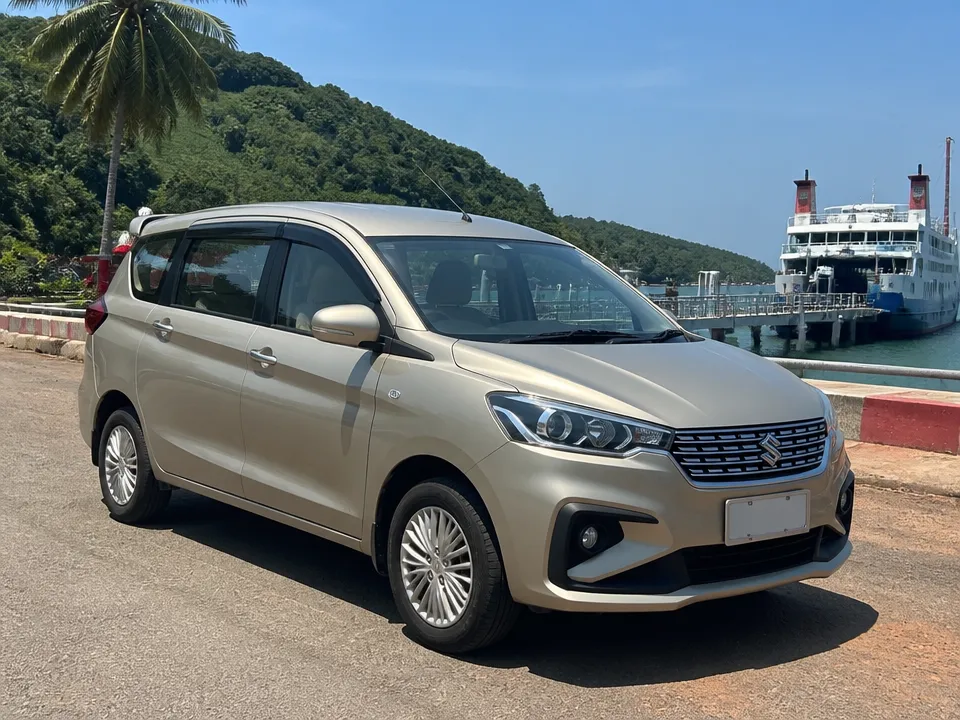
Suzuki Ertiga, Minivans
★4.5· 47Automatic1.5 L105 hpFront-wheel7 seats
฿1,300per day
Book nowVAT included




VAT included
VAT included
VAT included
VAT included
VAT included
VAT included
VAT included
VAT included
VAT included
VAT included
VAT included
VAT included
VAT included
No cars match the selected filters. Remove some of the conditions.







Yes, unless you hold a driving licence from an ASEAN country. You need your home licence plus an International Driving Permit issued under the 1949 Geneva Convention. Driving without one may lead to a fine of ฿500–1,000 and can void insurance cover.
The Suzuki Ertiga is the most affordable, at ฿1,300 per day. It seats 7, has a 1.5 L petrol engine and automatic transmission.
Yes, you can drive on asphalt roads to Khao Lak (about 100 km), Krabi (about 170 km) or Khao Sok (about 175 km). You may not take the car off-road or on beach tracks.
Yes, we deliver and collect cars free of charge across the island, including to Phuket Airport.
Every car has compulsory motor insurance (Por Ror Bor) for third-party injury. We also provide first-class insurance for damage to the car; the exact cover and any excess are stated in your rental agreement.
Deliver any of our 13 minivans across Phuket and to the airport free of charge, with prices from ฿1,300 daily for a Suzuki Ertiga, weekly from ฿7,800, and monthly from ฿27,300.
When you book a minivan hire with us, the price you see in the search covers the essentials: delivery to any address on the island or to Phuket Airport (HKT), a full tank of fuel, unlimited mileage while you stay on the island, and VAT at 7%. There is no physical office to visit — we agree on a meeting point when you book, bring the car there clean and fuelled, and handle the handover paperwork on the spot. Rental starts from one day, so a minivan makes sense even for a short family trip between Patong and the quieter beaches of the island’s south.
The 13 minivans in our fleet seat 7, 11 or 12 passengers, and the price range reflects the class rather than the number of seats. A Suzuki Ertiga at ฿1,300 per day seats seven, but so does a Toyota Alphard at ฿6,500 — the gap is in comfort, engine size and equipment. What stays the same across the fleet is the paperwork: a passport, a home driving licence, an International Driving Permit (unless you hold an ASEAN licence) and a bank card in the main driver’s name for the security hold. The hold amount, like the insurance excess, is stated in the rental agreement before you sign. Because the car comes to you, the first drive in a right-hand-drive vehicle happens on the route you already know — take the first five minutes in a quiet soi off the main road to get used to the left side before heading onto the beachfront streets of Patong or Kata.
The right minivan hire starts with two decisions: how many seats you actually need and how far you plan to drive. On Phuket, the practical choice is usually a 7-seater for a family or small group, while 11- and 12-seat vans suit larger parties or airport transfers. Fuel type matters less for island driving, but it shifts the daily rate noticeably.
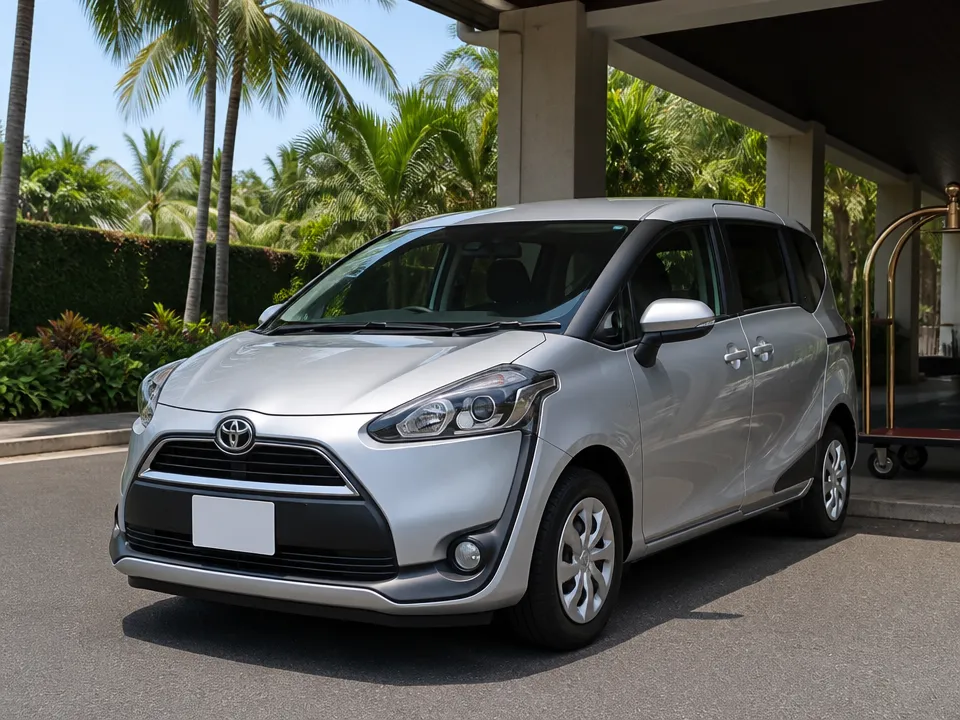
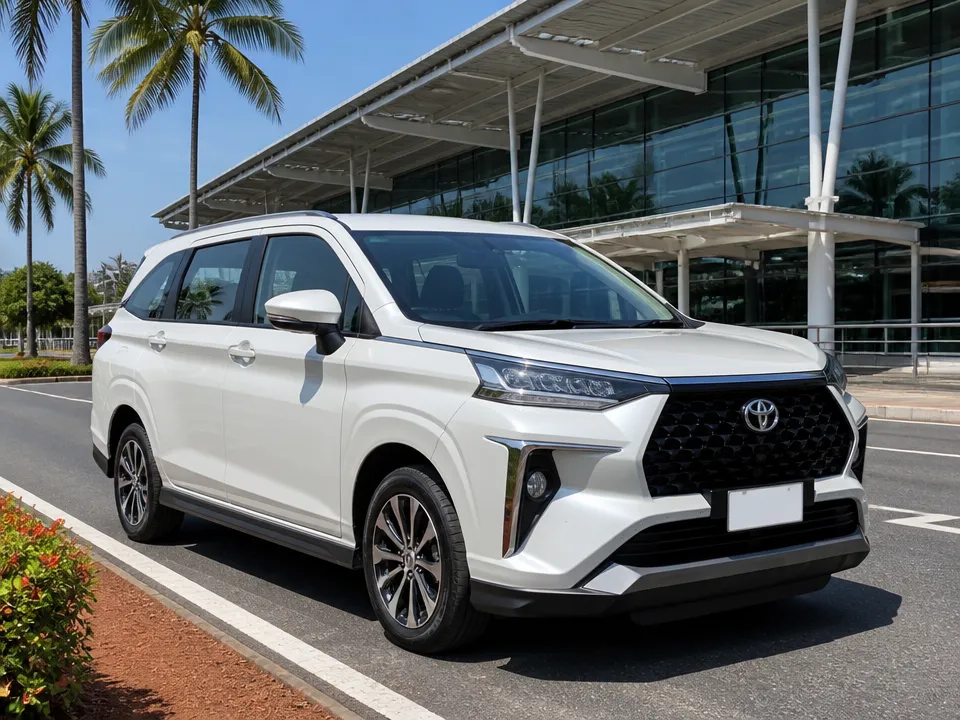
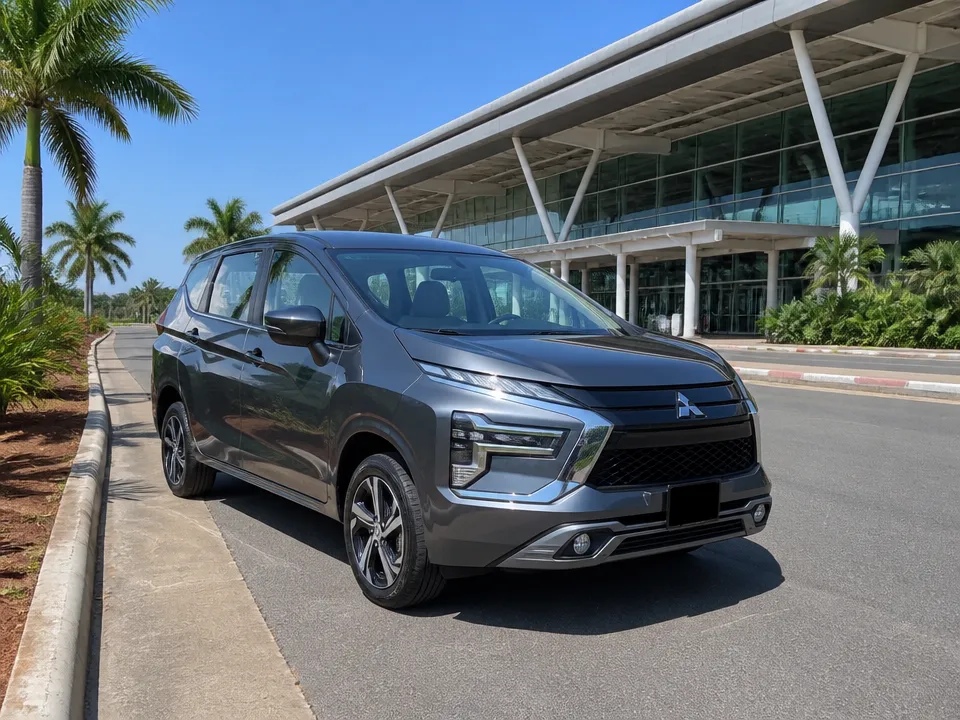
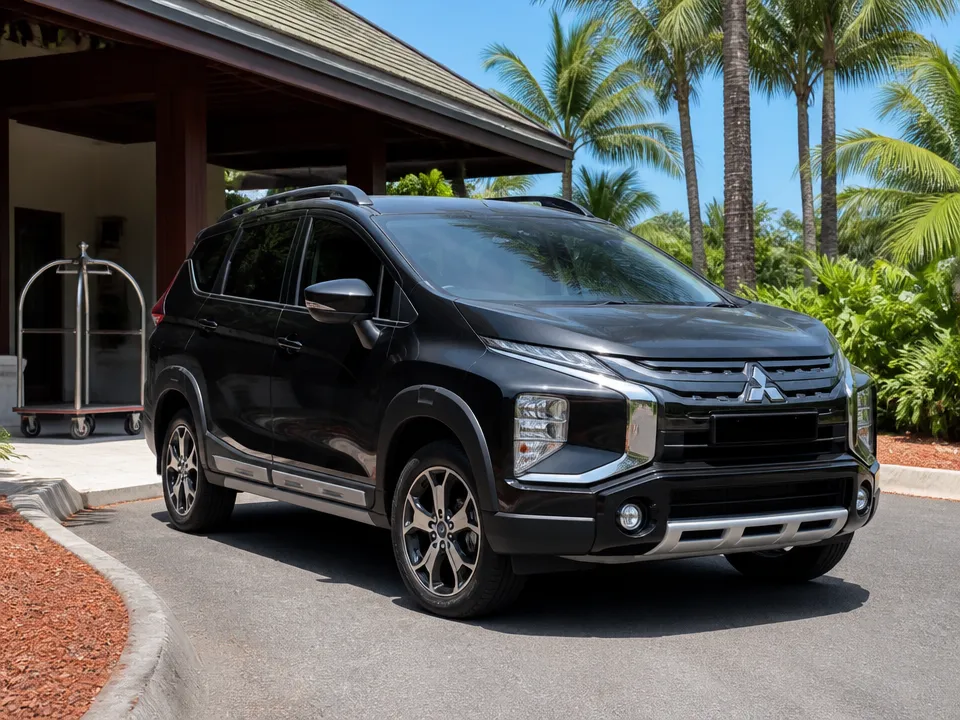
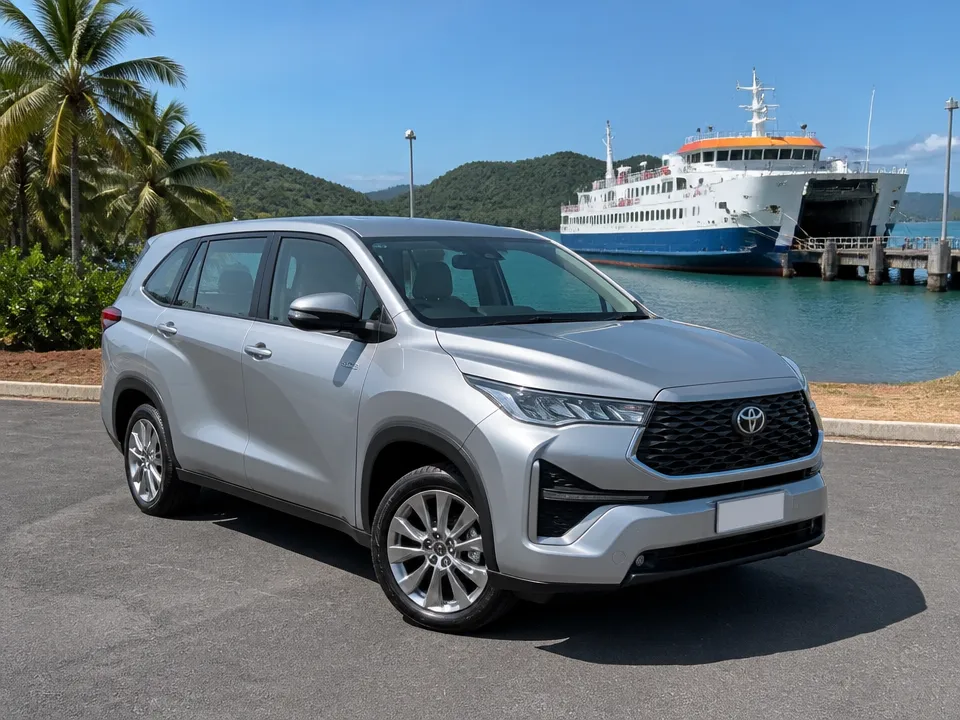
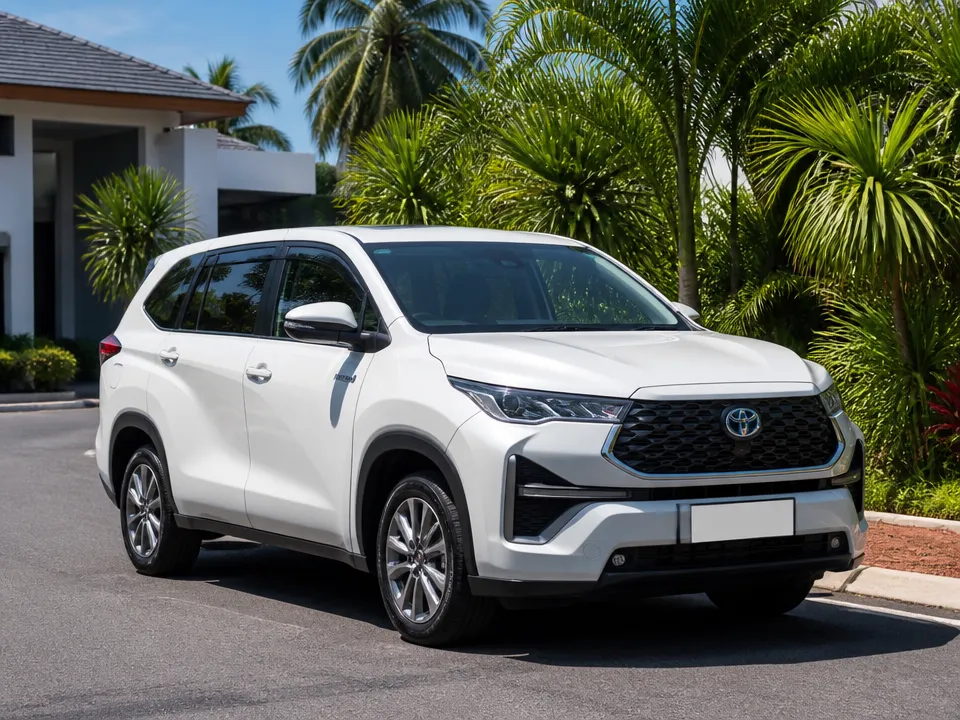
For most visitors, a 7-seat MPV is the sweet spot: easy to park on Patong's tight beach streets, frugal on fuel, and big enough for a family of five with luggage. Our 7-seat minivans on Phuket start at ฿1,300 per day for the Suzuki Ertiga and run to ฿1,600 for the Mitsubishi Xpander Cross. The Toyota Sienta, at ฿1,400, is the hybrid option in this group. If you want more power for the steeper roads around Kata and Rawai, the Honda BR-V (121 hp) and Toyota Veloz (106 hp) both sit at ฿1,500. Petrol engines dominate this class, and every 7-seater is automatic with front-wheel drive — simple for anyone used to a conventional car, apart from the right-hand steering.
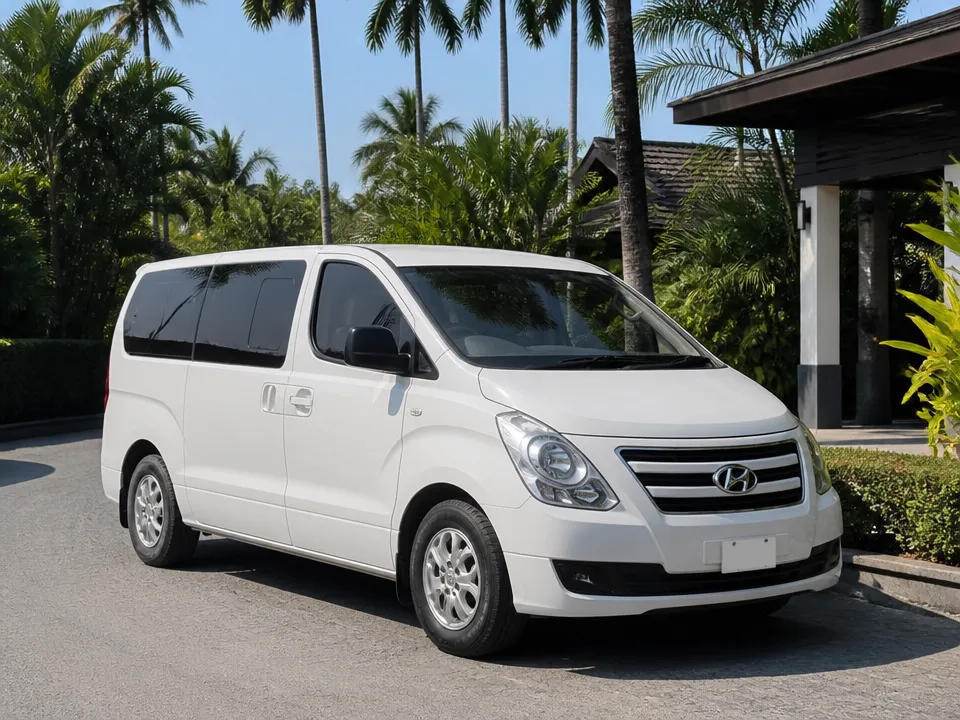
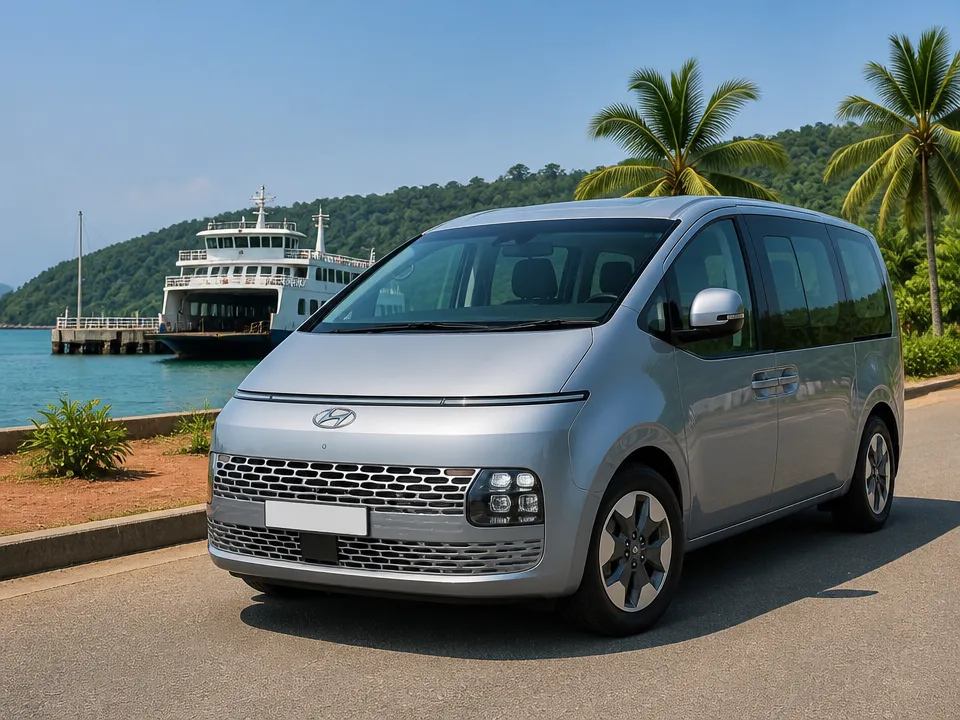
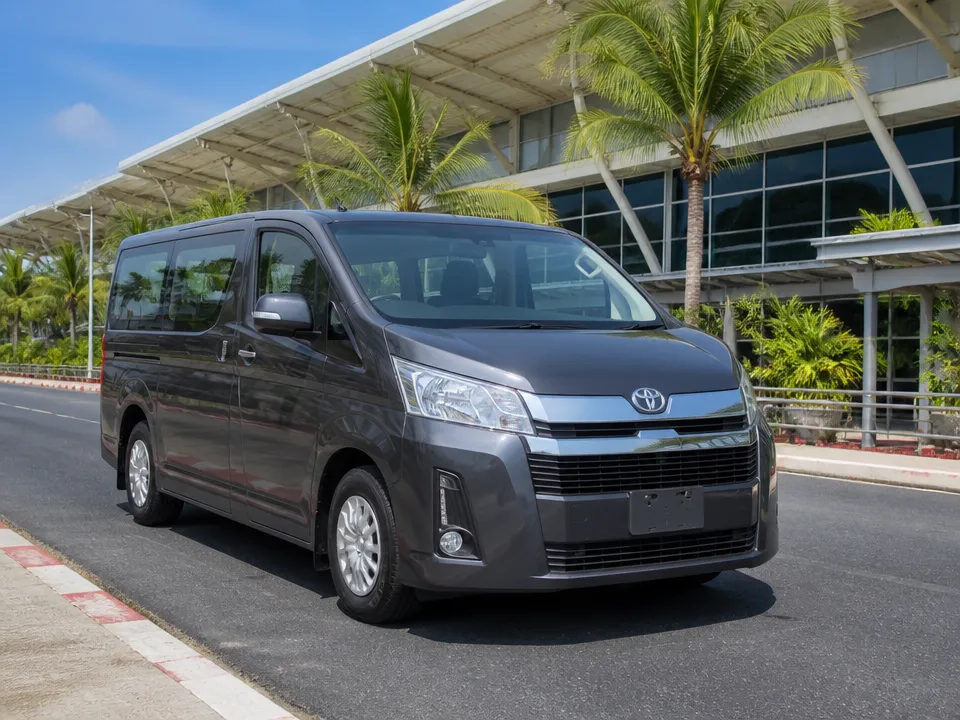
Once your group passes eight people, a van makes more sense than two cars. Our 11-seat Hyundai H1 (฿2,500/day, diesel, rear-wheel drive) is a proven workhorse for airport runs, while the Hyundai Staria (฿2,800/day, diesel, front-wheel drive) adds a more modern cabin. The 12-seat Toyota Commuter (฿2,800/day) is the largest option and the usual choice for wedding parties or full-day island tours. Diesel is the fuel here — cheaper per kilometre on longer runs to Krabi or Khao Sok, though these vans are heavier and need more care on Patong Hill. Rear-wheel-drive models like the H1 and Commuter handle a full load of passengers plus luggage without strain.
| Model | Seats | Fuel | Price per day |
|---|---|---|---|
| Suzuki Ertiga | 7 | Petrol | ฿1,300 |
| Toyota Sienta | 7 | Hybrid | ฿1,400 |
| Toyota Veloz | 7 | Petrol | ฿1,500 |
| Honda BR-V | 7 | Petrol | ฿1,500 |
| Mitsubishi Xpander | 7 | Petrol | ฿1,500 |
| Mitsubishi Xpander Cross | 7 | Petrol | ฿1,600 |
| Toyota Innova Zenix | 7 | Petrol | ฿2,000 |
| Toyota Innova Zenix Hybrid | 7 | Hybrid | ฿2,300 |
| Hyundai H1 | 11 | Diesel | ฿2,500 |
| Hyundai Staria | 11 | Diesel | ฿2,800 |
| Toyota Commuter | 12 | Diesel | ฿2,800 |
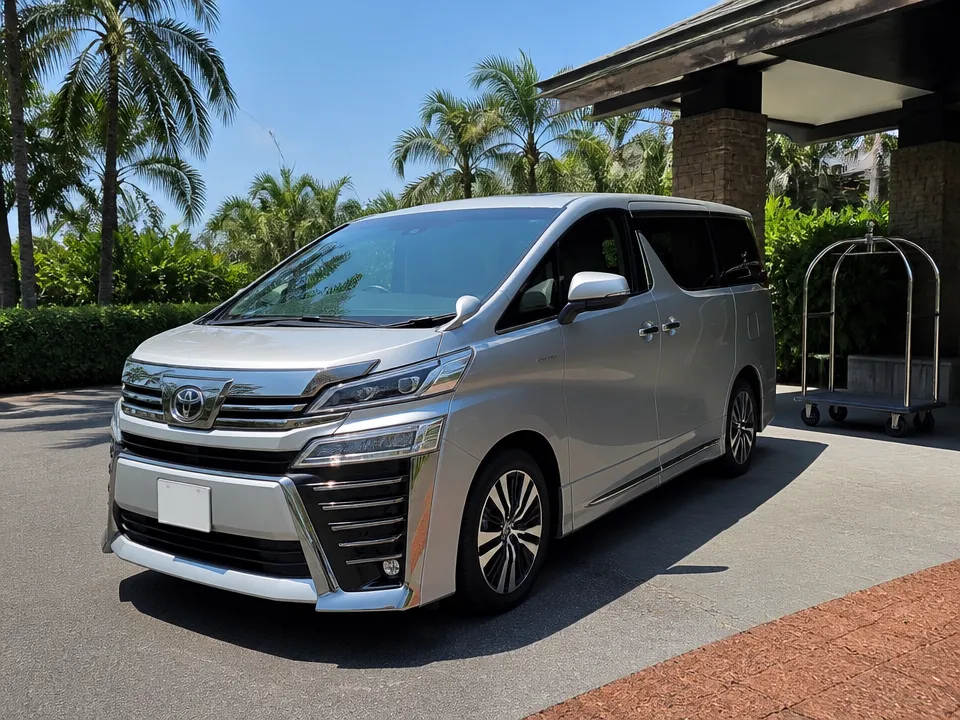
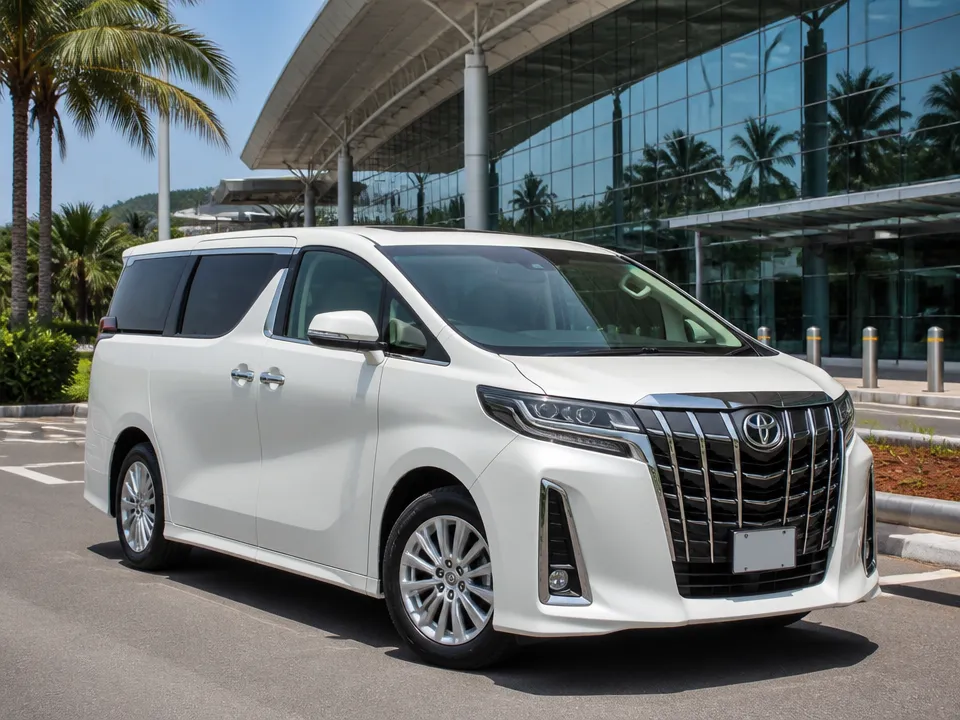
At the top of our minivan fleet sit the Toyota Vellfire (฿6,000/day) and Toyota Alphard (฿6,500/day) — both 7-seat hybrids with 250 hp and the sort of rear-seat comfort that makes a long drive to Khao Lak feel short. These are the models we recommend for VIP airport pick-ups or a special occasion, and their hybrid powertrains keep fuel costs reasonable despite the size. Book these early in the dry season from November to April; they are the first to go. If your dates are flexible, a weekday start often has more choice than a Friday or Saturday arrival at Phuket Airport.
Before you drive a minivan here, the paperwork matters more than the vehicle choice. The rules are straightforward for foreign visitors, but one missing document can end your trip at a police checkpoint with a fine. Here is exactly what you need and what the law requires.
Thailand requires every foreign visitor to carry a home driving licence plus an International Driving Permit issued under the 1949 Geneva Convention. This is set out in section 42 bis of the Motor Vehicle Act, and the police fine for driving without the permit is ฿500–1,000. More importantly, an insurer may refuse a claim if you cause an accident without it. Citizens of ASEAN countries may drive on their national licence alone. We check these documents when we deliver the minivan, and the requirements are set out in the rental agreement.
The minimum driver age is 21, and conditions for drivers under 25 are set out in the agreement. Remember that traffic keeps to the left and every minivan is right-hand drive — if you are used to driving on the right, spend the first hour in a quiet area such as Cherngtalay or Koh Kaew. Rental cars carry green plates, while private cars are white, so police can identify a hire vehicle instantly. Keep all documents in the glovebox; you will be asked for them at checkpoints, and the consequences of missing paperwork are set out in the rental agreement.
Every minivan we rent out carries the compulsory motor insurance (Por Ror Bor) attached to its registration, which covers injury to third parties. On top of that, each vehicle is insured under a first-class (Class 1) policy that covers damage to the car itself. The exact terms of that cover, including the excess you would pay in the event of a claim, are set out in the rental agreement rather than quoted as a flat figure — read that clause before you sign.
The contract itself is a controlled document under the Office of the Consumer Protection Board (OCPB), which means it is written in Thai and every fee and penalty must be disclosed in it. When you book a minivan from us, the agreement you sign covers the security hold on a bank card in the main driver's name, the driver-age conditions for anyone under 25, and the rules for premium classes such as the Toyota Alphard or Vellfire. If a clause is unclear, ask us on WhatsApp before you drive off — we would rather explain it twice than have you discover a condition mid-trip.
One practical point we repeat to every client: driving without an International Driving Permit is not a technicality. The police fine is ฿500–1,000, and an insurer may refuse a claim if you drive unlicensed — which turns a minor accident into a full repair bill. Keep the IDP in the glovebox next to your home licence for the whole trip.
Road conditions largely decide how easy a minivan rental on the island feels, and the terrain is generally forgiving: no toll roads and no payment barriers anywhere on the island.
There are no toll roads or payment barriers at all — the Sarasin and Thepkasattri bridges to the mainland are free, and the only tolled stretches in southern Thailand sit in the Bangkok metropolitan area, which you will not encounter on island driving. The main arteries — Chao Fa West Road, Thepkrasattri Road and the coastal route through Kamala and Patong — are paved and well lit, but traffic keeps to the left and every car is right-hand drive, so take the first hour to adjust before heading into Patong's one-way system. Rental cars carry green plates, which police recognise instantly; white plates mean a private car.
From May to October, short heavy showers leave the asphalt slick, especially on the Patong Hill descent and the Kamala curves; our advice for any minivan hire in these months is to add 10–15 minutes to every coastal transfer and switch headlights on during downpours, since spray cuts visibility sharply. Dry-season driving from November to April is straightforward, but the 16:00–19:00 window on Thepkrasattri Road between Phuket Town and the airport moves slowly.
Traffic-camera fines are issued to the car's owner and re-invoiced to the renter; an unpaid fine blocks the vehicle's registration renewal, and the terms for handling such charges are set out in the rental agreement. At Rent-Trip, our fleet of 13 minivans is delivered clean and with a full tank, and island mileage is unlimited, so the only real cost decisions you make are fuel and parking. Watch for one-way streets in Phuket Old Town and the no-parking red-and-white kerbs along Patong's beach road — both generate the bulk of camera and tow charges we see.
A minivan hired on Phuket is the practical way to reach the mainland sights of Southern Thailand, and Rent-Trip allows the 7-, 11- and 12-seat models on this page to cross the Sarasin and Thepkasattri bridges free of charge — the same asphalt roads continue all the way to Khao Lak, Krabi and Khao Sok. Out-of-town trips are a normal part of self-drive here, and the conditions for leaving the island are set out in the rental agreement. Just remember that traffic still keeps to the left once you cross the bridge, and a foreign visitor needs an International Driving Permit on the mainland just as on the island itself.
Khao Lak: about 100 km and 1.5 hours north — the easiest escape, with beach resorts and the Similan Islands boat pier; a Toyota Veloz or Mitsubishi Xpander is a comfortable match for the run.
Phang Nga Bay and Samet Nangshe: roughly 90 km to the viewpoint over the limestone karsts; the approach climbs steadily, so drop to a low gear on the way down.
Krabi and Ao Nang: about 170 km and 3 hours each way; a 7-seat hybrid like the Toyota Sienta keeps fuel costs low on the long run.
Khao Sok national park: around 175 km and 3 hours; the 11-seat Hyundai H1 makes sense if you are taking a full group for the lake tour.
For all of these, our minivans come with unlimited island mileage, and the weekly rate — daily × 6 — applies from ฿7,800, which suits a three-day Krabi loop plus time back on the beach. The tank is full on delivery, and diesel models such as the Toyota Commuter return the lowest cost per kilometre on the 430 km run to Hat Yai. Return the car with the same fuel level stated in the agreement; the crossing itself is free, and paid expressways only appear in the Bangkok metropolitan area. A useful habit: photograph the fuel gauge and the odometer at both pick-up and drop-off, because the fuel policy and any re-invoiced camera fines are tied to the figures in the rental agreement.
Renting a minivan for a week or a full month changes the daily price noticeably: weekly rates equal six daily rates, and monthly rates equal 21 daily rates. The longer you stay, the more the arithmetic works in your favour — but only if your trip actually needs the van for most of those days.
A weekly or monthly commitment pays off when you are basing yourself in one villa or condo and moving between beaches, supermarkets and excursions every day. Families with young children, wedding groups and remote workers on a long stay typically cover more kilometres than they expect. For a two-week holiday with a handful of day trips, the daily rate with a few short hires may suit you better — locking a van to the roadside while you fly to Krabi for three days wastes the per-day saving.
The 11- and 12-seat vans reward the longer commitment most clearly. A Hyundai H1 at ฿2,500 per day runs ฿52,500 for a month, against ฿78,000 at the daily rate. When you need to ferry a large group regularly, we can help you match the right van to the trip — the choice of model and the exact terms are agreed when booking. For a one-off airport transfer or a single day at the beach, a weekly or monthly hire is more van than the trip needs; match the term to how many days you will actually drive.