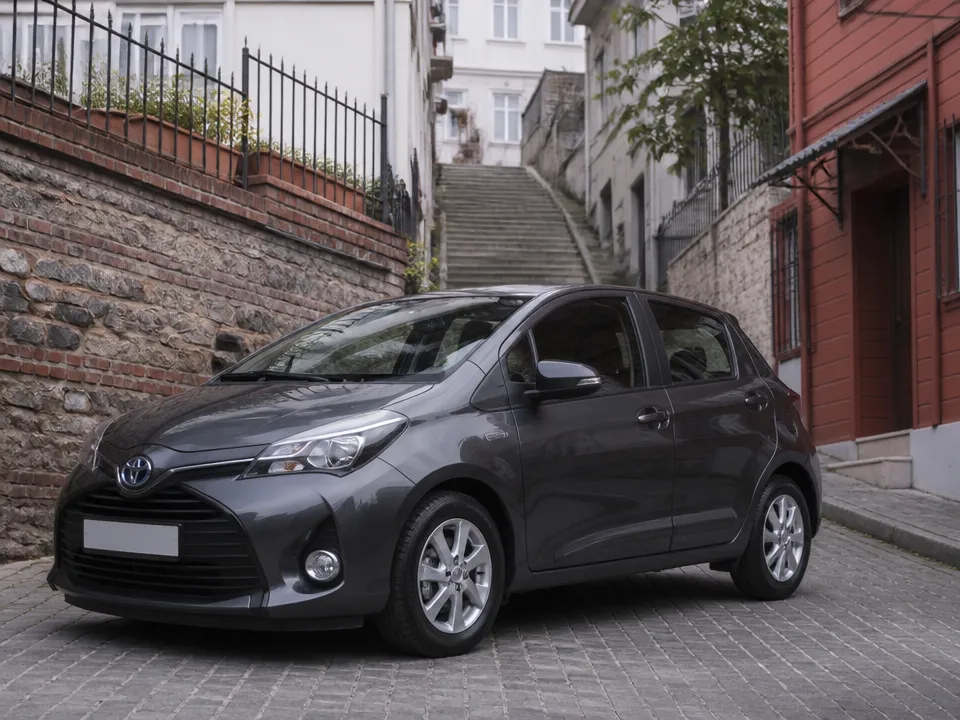
Toyota Yaris
★4.8· 103Automatic1.5 L116 hpFront-wheel5 seats
₺1,900per day
Book now






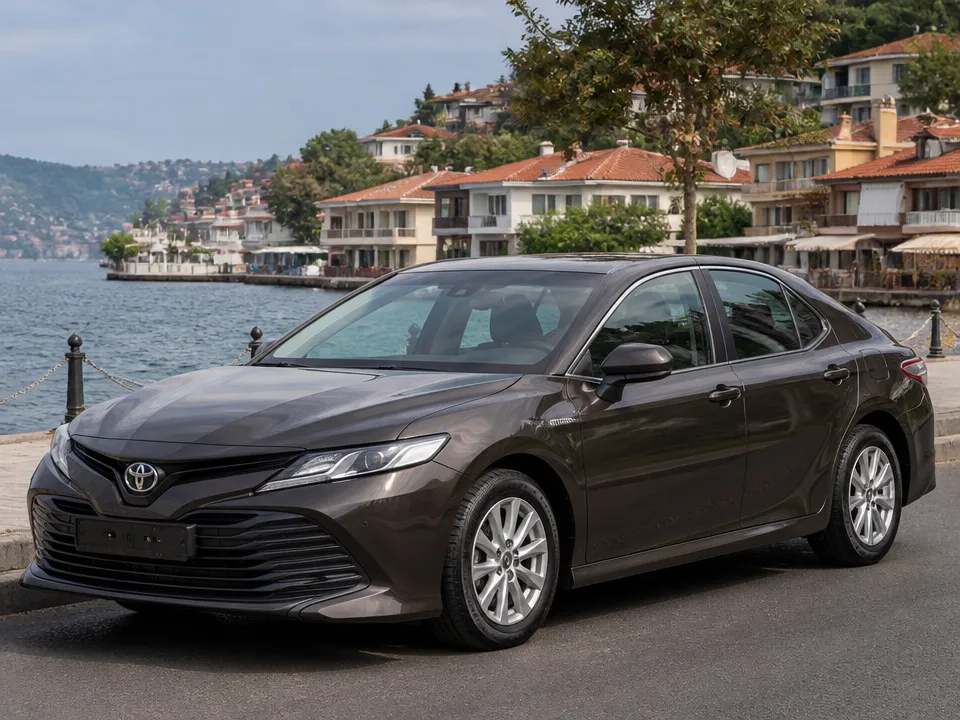
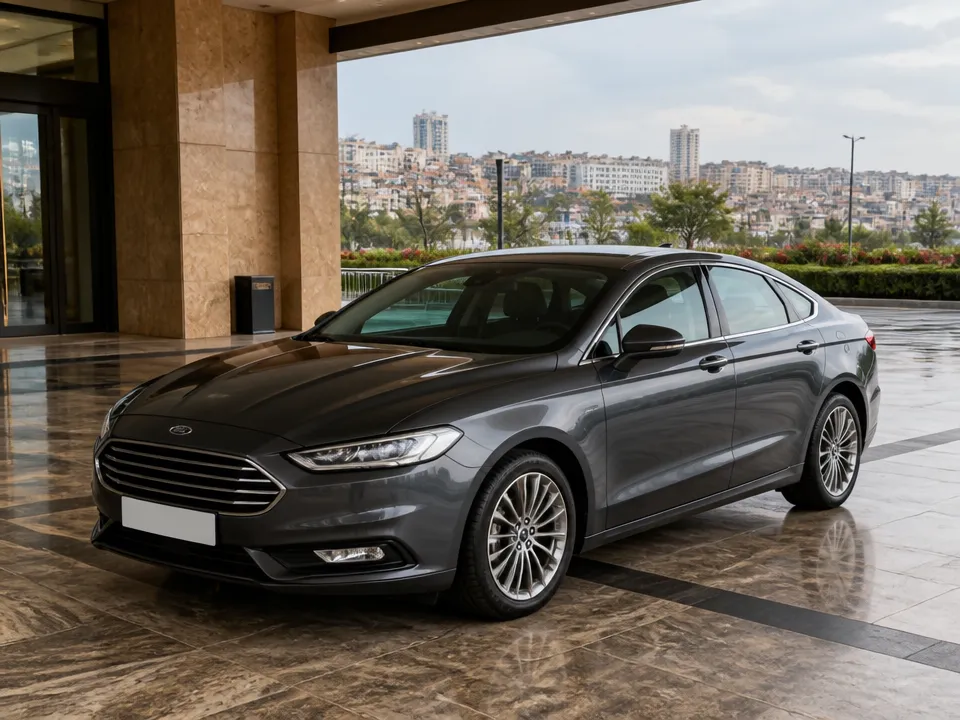
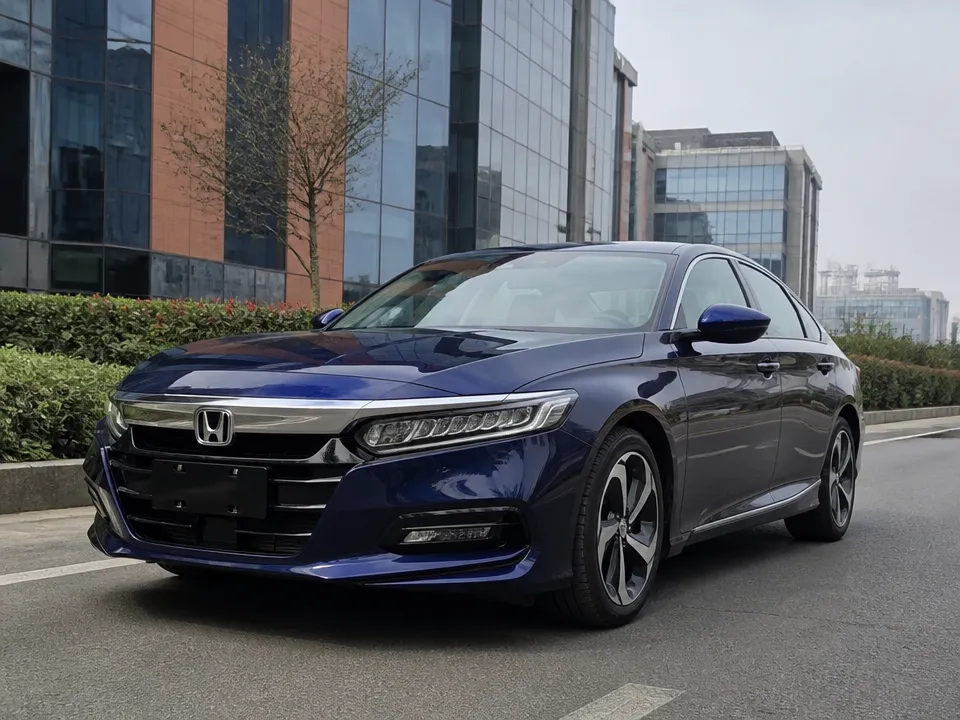
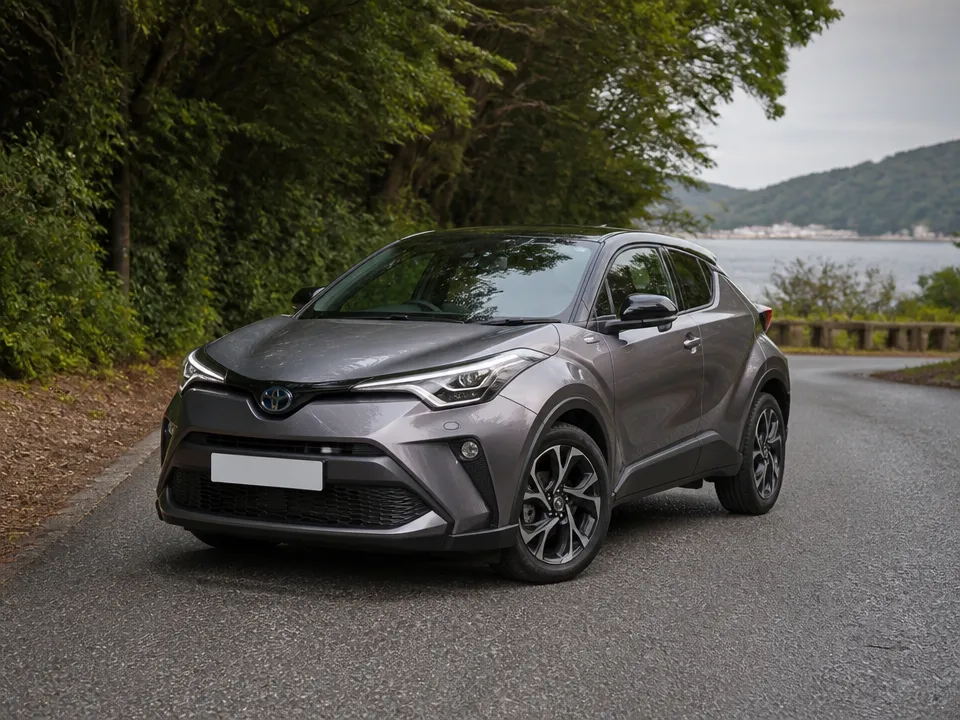
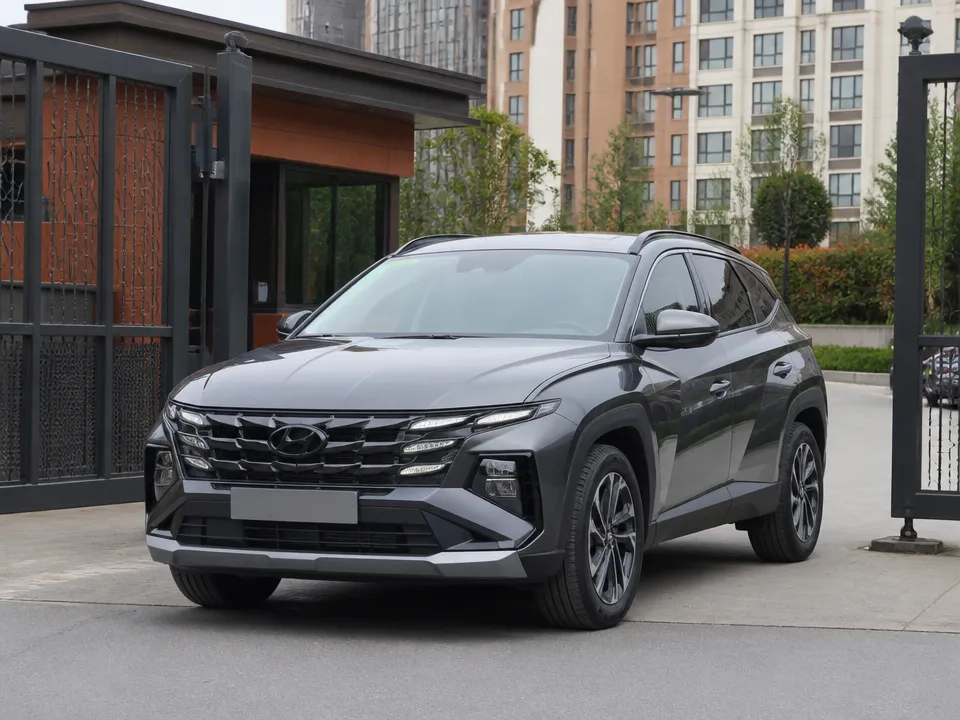
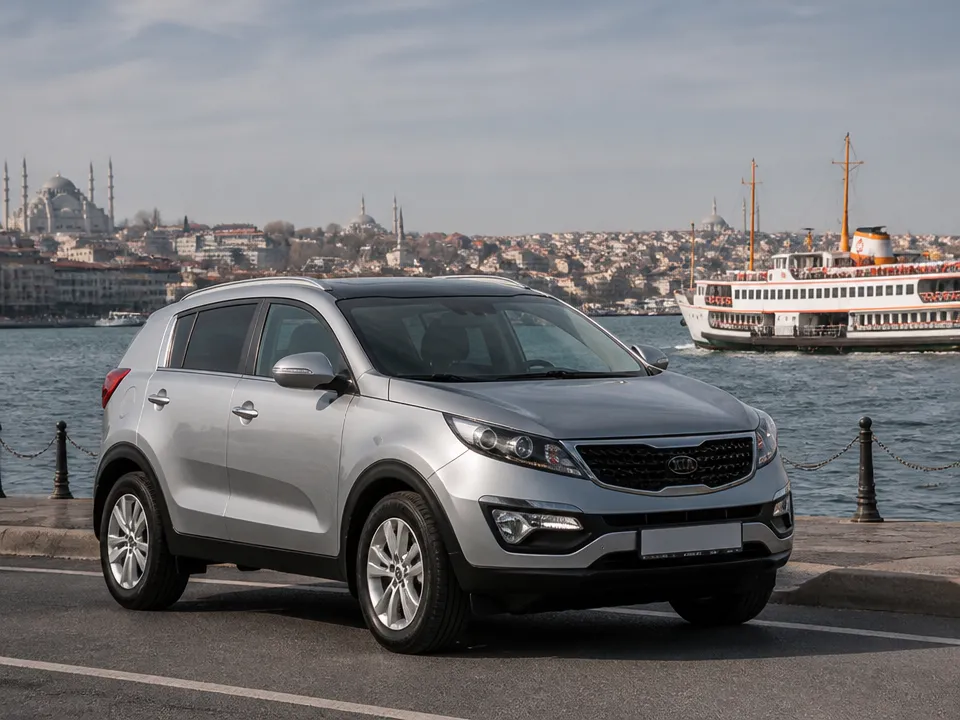
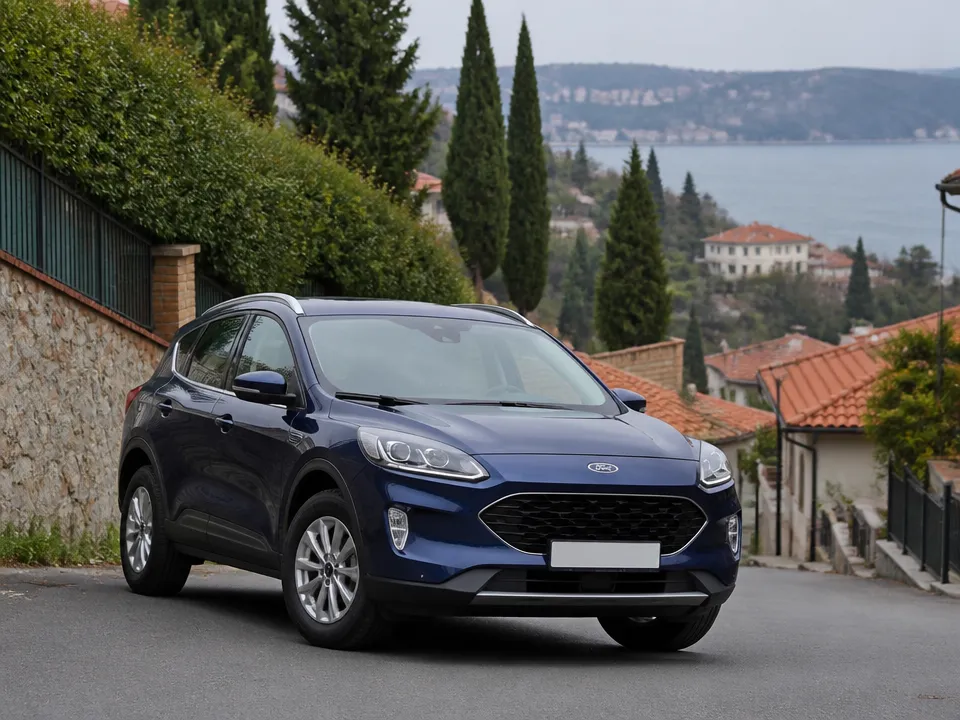




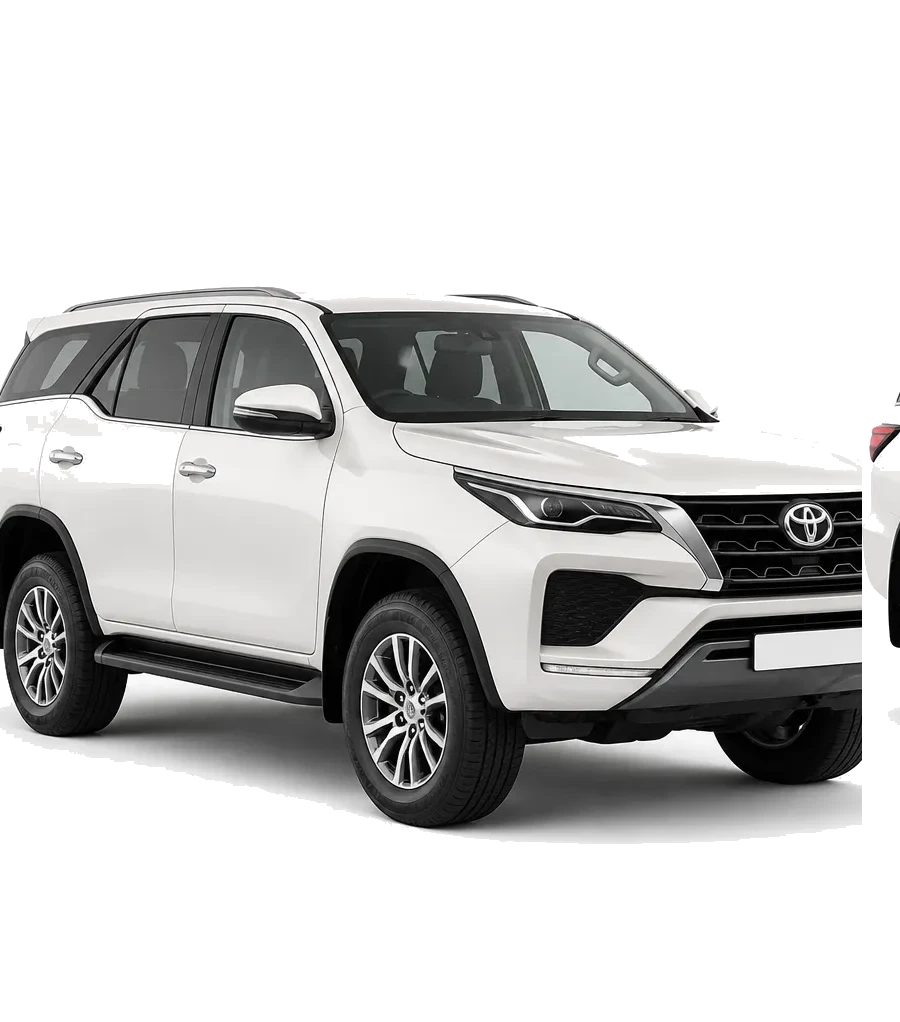
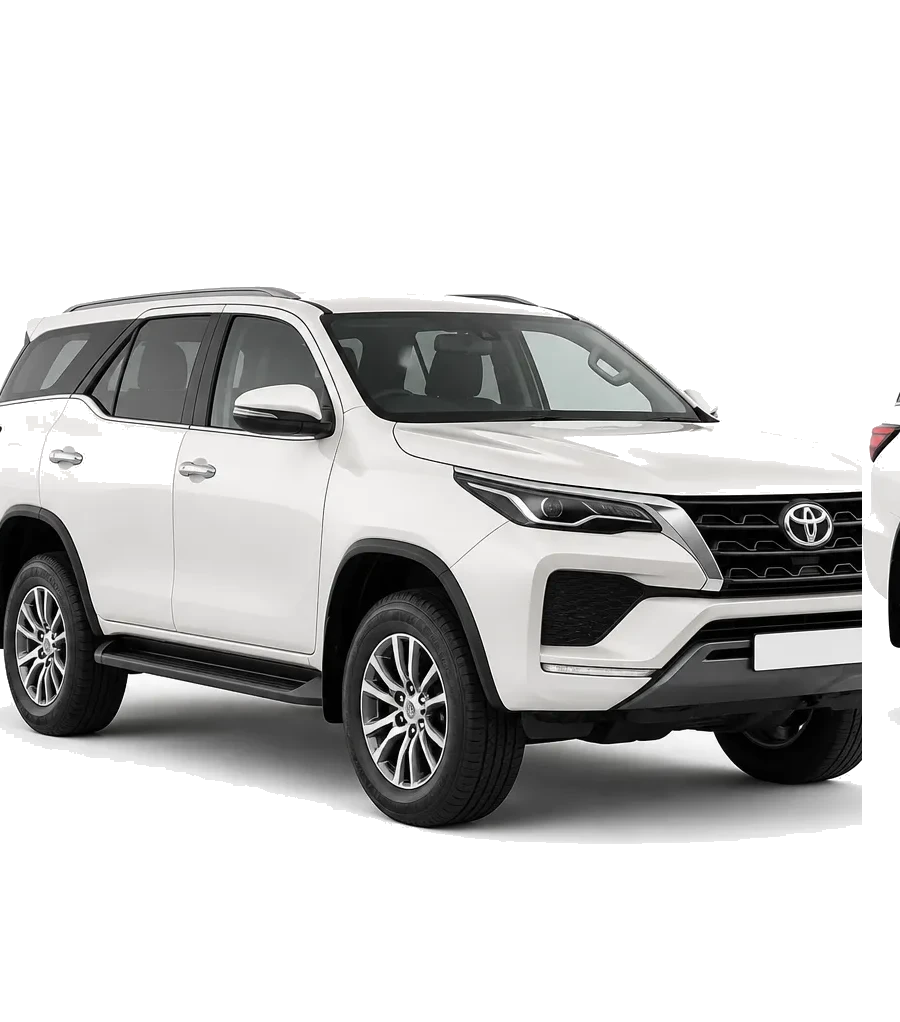

For those looking to save on weekly or monthly rentals, hybrid car rental options in Istanbul are at Rent-Trip: 10 different models starting from 1,900 TL per day, VAT included. With free delivery to Istanbul Airport, Sabiha Gökçen, or your in-city location.
A hybrid car is a type of automobile that combines a petrol engine with an electric motor and charges itself; in a traffic-heavy metropolis, this combination significantly reduces fuel consumption. All 10 hybrid models in the Rent-Trip fleet have automatic transmissions, and daily prices including VAT range between 1,900 TL and 3,600 TL. Below, we step by step examine how this technology works in the city and why it provides an advantage in this geography.
In stop-and-go traffic, the hybrid engine converts the kinetic energy released during braking into electricity, charging its battery, and uses this energy during acceleration. At signalized intersections in dense areas like Şişli, Beşiktaş, or Kadıköy, this cycle significantly reduces fuel consumption compared to a petrol engine. At low speeds the vehicle can run entirely on electricity, so the engine does not idle and waste fuel. However, on intercity roads, for instance on a trip to Sapanca, the engine runs continuously at high revs, so the contribution of regeneration decreases and the savings rate drops.
No, a hybrid vehicle does not need an external charging source; the battery is charged only by braking energy and excess power generated by the petrol engine. This means uninterrupted use in the city and on long journeys without having to search for charging stations. Unlike fully electric vehicles, you can move freely between the European and Asian sides of the city without range anxiety. Therefore, you don't need to ask whether your hotel or the airport has charging points; when you fill the tank, you can travel hundreds of kilometers.
As Rent-Trip, we clearly recommend hybrid vehicles to drivers who will travel on the E-5 highway on the European side or the D-100 on the Asian side during rush hours. On these routes where average speed drops during morning and evening peak hours, the hybrid system kicks in and saves fuel during acceleration and deceleration, when the most fuel is consumed. Low consumption also means fewer visits to gas stations, which saves time after a busy workday. On a holiday or business trip dominated by city driving, hybrid technology offers longer range per tank compared to a gasoline car.
In heavy traffic, the main savings of a hybrid engine occur during stop-and-go: when you brake, the electric motor charges the battery. Thanks to this regenerative system, fuel consumed in the city is significantly lower than its petrol counterpart. Especially on the European side, where traffic is heavy, a stationary vehicle consumes zero fuel because the electric motor engages over short distances.
This advantage within the city does not apply to the same extent on long journeys. When cruising at a constant speed, the electric motor is not engaged, so the savings gap narrows. Therefore, hybrid cars are the most rewarding option in a heavy-traffic environment like this metropolis. Low fuel consumption provides a practical advantage for those who need to visit multiple districts in a day; you'll make fewer trips to the gas station.
No, a hybrid vehicle does not require charging. The hybrid you rent uses a system that combines a petrol engine and an electric motor; its battery recharges itself while driving. So you don't need to look for charging stations or plan overnight charging at the hotel. You use the vehicle just as you received it.
Unlike fully electric vehicles, a hybrid does not require you to plan your route around charging stations. With a Toyota Corolla picked up from Istanbul Airport (IST), you can go directly to your hotel on the Asian side or to Sapanca. All hybrid models in the Rent-Trip fleet — from the Toyota Yaris to the Ford Kuga — work on the same principle: as long as the fuel tank is full, the vehicle moves in all conditions.
If you are planning a long trip to Cappadocia, this feature of the hybrid gives you flexibility. You just need to stop at any gas station on the way and top up the tank; the battery status does not affect the drive. Low consumption in the city, trouble-free range on the highway—the hybrid's advantage is precisely combining these two.
Yes, driving a hybrid is advantageous in Istanbul traffic. During peak hours on the European and Asian sides, vehicles constantly stop and go; the hybrid engine comes into play exactly in this scenario. At low speeds where the petrol engine is least efficient, the electric motor takes over, and energy recovered during braking charges the battery. All hybrid models in our fleet — from the Toyota Yaris to the Ford Kuga — operate on this logic.
Rent-Trip's rental hybrid vehicles consume significantly less fuel in city driving compared to their petrol counterparts; this provides savings on fuel budget in addition to the rental fee ranging from 1,900 to 3,600 TL per day. The difference is noticeable especially for drivers traveling multiple times a day between dense districts like Beşiktaş, Şişli, and Kadıköy. Low consumption also means fewer petrol station breaks; someone spending the whole day on the European side does not have to plan refueling.
Rent-Trip's hybrid fleet consists of 10 models, all with 5 seats, automatic transmission, and hybrid engine. Prices start from 1,900 TL/day and go up to 3,600 TL/day, VAT included. In the table below, you can compare all models with their technical specifications.
| Model | Class | Engine | Power | Price (TL/day) |
|---|---|---|---|---|
| Toyota Yaris | Economy | 1.5 L | 116 hp | 1,900 |
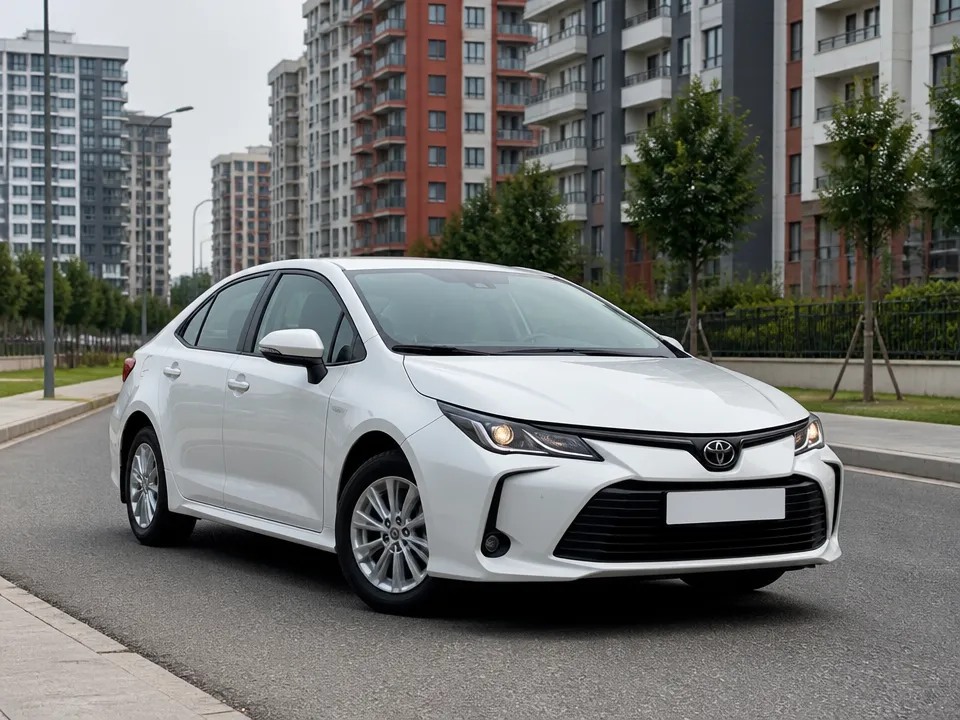
| Toyota Corolla | Comfort | 1.8 L | 140 hp | 2,200 |
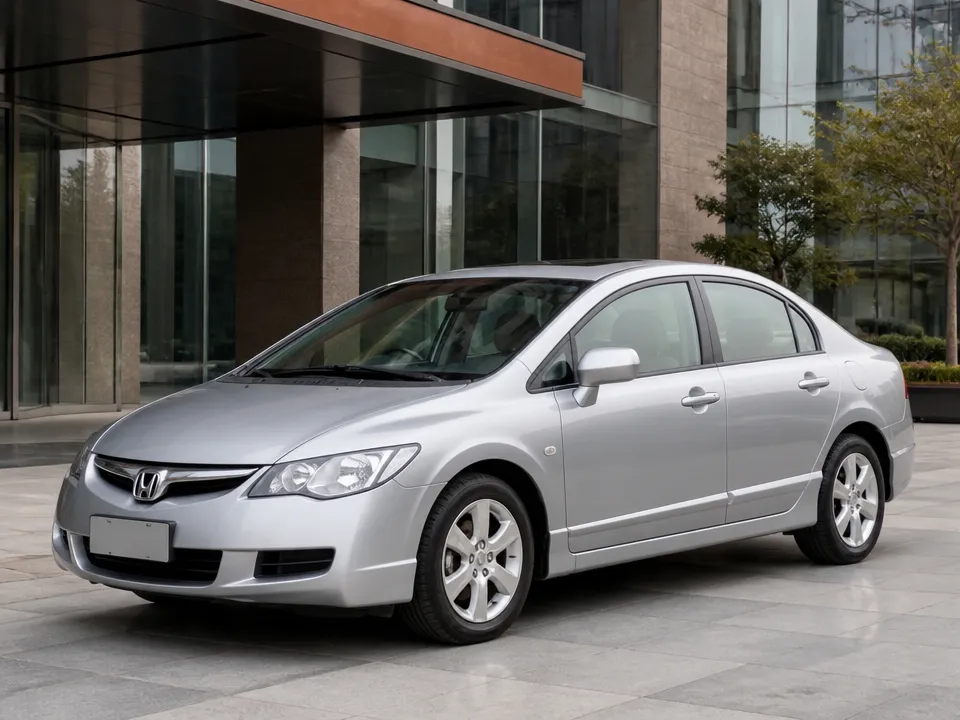
| Honda Civic | Comfort | 2.0 L | 184 hp | 2,600 |
| Toyota Camry | Sedan | 2.5 L | 218 hp | 3,600 |
| Ford Mondeo | Sedan | 2.0 L | 187 hp | 3,100 |
| Honda Accord | Sedan | 2.0 L | 184 hp | 3,400 |
| Toyota C-HR | SUV | 1.8 L | 140 hp | 2,900 |
| Hyundai Tucson | SUV | 1.6 L | 180 hp | 3,200 |
| Kia Sportage | SUV | 1.6 L | 180 hp | 3,200 |
| Ford Kuga | SUV | 2.5 L | 190 hp | 3,300 |
The Toyota Yaris, with its hatchback body, is the most practical option for city parking and narrow streets; its daily rate is 1,900 TL. The Toyota Corolla at 2,200 TL/day balances comfort and fuel economy; its 1.8 L engine produces 140 hp. The Honda Civic, with its 2.0 L engine and 184 hp, starts from 2,600 TL/day. All three models have automatic transmission and, being hybrids, consume significantly less fuel than petrol counterparts in metropolitan traffic. The Corolla is the most balanced choice for city use and weekend trips to nearby routes like Sapanca — its boot space and rear legroom are larger than the Civic's.
The Toyota Camry, with 218 hp, is the fleet's most powerful sedan; its price of 3,600 TL/day appeals to those seeking upper-class comfort. The Honda Accord at 3,400 TL and Ford Mondeo at 3,100 TL/day are in a similar segment; driving stability stands out on long journeys. On the SUV side, the Hyundai Tucson and Kia Sportage offer 180 hp with a 1.6 L engine, both at 3,200 TL/day. The Ford Kuga can be rented for 3,300 TL with its 2.5 L engine and 190 hp; the Toyota C-HR, at 2,900 TL, forms the entry level for SUVs. The high driving position and spacious interior are more comfortable for families on weekend getaways to Şile and Ağva — the trunk fits a stroller or picnic set.
Rent-Trip's hybrid fleet in Istanbul includes 10 models; daily prices range from 1,900 TL to 3,600 TL, VAT included. All vehicles have 5 seats, hybrid engine, and automatic transmission. The price rises with the vehicle class: moving from economy to SUV segment, both engine size and daily rate increase.
Weekly rental is calculated as 6 times the daily rate, and monthly as 21 times; that is, for the Corolla, weekly costs 13,200 TRY, and monthly 46,200 TRY. For long-term rentals, the daily cost decreases, making SUV models more affordable for weekend routes like Şile and Ağva.
The three hybrid models in the Economy and Comfort classes—Toyota Yaris, Toyota Corolla, and Honda Civic—offer the most balanced options for daily traffic and intercity trips. All have 5 seats, automatic transmission, and are available for rent with VAT included.
The Corolla stands out with its price-performance balance for use covering both heavy city traffic and weekend routes to Bursa or Sapanca. The Civic, on the other hand, is worth the difference for drivers seeking a sportier character; especially on the D-100 highway and TEM motorway, the 184 hp engine provides extra confidence during overtaking. The Yaris is a practical choice for those who want to keep their budget balanced and will mainly move within the city, in busy areas like Beşiktaş or Kadıköy.
At Rent-Trip, delivery of all three models is free citywide and to both airports; if you pick up the car at Sabiha Gökçen and use it on the Asian side, the Yaris's compact size is an advantage in tight parking lots. For a weekly rental, you pay 11,400 TL for the Yaris, 13,200 TL for the Corolla, and 15,600 TL for the Civic — the daily price multiplied by six days, VAT included. For long-term use, the Corolla, with its low fuel consumption and large trunk, appears to be the most sensible choice for families on routes to Sapanca or Şile.
When crossing the bridges and tunnels that connect Istanbul's two sides, the HGS system comes into play; how these payments work with your rental hybrid and how they are regulated in the contract—we explain below.
| Toll Point | Route | Daytime Fee |
|---|---|---|
| Yavuz Sultan Selim Bridge | European Side – Asian Side | TRY 110 |
| Eurasia Tunnel | Gayrettepe – Göztepe | TRY 280 |
| Osmangazi Bridge | Istanbul – Bursa route | 1,170 TL |
HGS tolls at bridge and highway toll booths are charged to the vehicle's license plate; how these crossings are collected for rental cars is set out in the rental agreement. For unpaid crossings, a penalty for violation crossing is applied, and this amount can be up to four times the normal fee. For short distances within the city, preferring the Bosphorus bridges over the Eurasia Tunnel balances the budget.
Şile and Ağva are the closest options for weekend getaways at about a 1.5-hour distance; both routes are reached from the Asian side via the TEM highway. Sapanca takes about 2 hours and offers a comfortable route with the hybrid engine's balanced consumption outside the city. To reach Bursa and Uludağ, you cross the Osmangazi Bridge; since this crossing costs 1,170 TL in HGS fees, it adds 2,340 TL to the round-trip budget. For weekend rentals, a two-day short rental may be more economical than the weekly rate where the daily fee is multiplied by six days—in monthly rentals, the daily cost is reduced over 21 days.
At Rent-Trip, which has no physical office, the car is brought to the address you specify, and return is handled with the same flexibility; there are a few points to consider in this process.
During return, the contract and keys are handed over with the vehicle; the tank and damage condition are mutually checked. The rental period is daily, weekly, or monthly according to the provisions in the contract; if you need an extension, you must notify in advance. A vehicle received with a full tank must be returned at the same level — thanks to low city fuel consumption in hybrid models, this cost is more advantageous compared to petrol vehicles.
During the hybrid rental process, some mistakes cause both loss of time and extra cost; the following points ensure you manage the process smoothly from delivery to return.
When receiving the car, check the body for scratches and dents; record existing damages in the contract. For hybrid models, note the battery level and fuel tank together—the same level is expected at return. If you plan to cross the Yavuz Sultan Selim Bridge or the Eurasia Tunnel, clarify at delivery how HGS crossings are tolled; unpaid crossings can result in a fourfold fine.
For foreign drivers: passport, Turkey entry stamp, valid driver's license from their own country, and an international driving permit if the license is not in Latin script. A credit card in the main driver's name is also required.
Hybrid cars consume less fuel than gasoline cars, especially because they use the electric motor at low speeds in the city. However, exact values vary by model; you will be informed when picking up the vehicle.
Yes, HGS is mandatory for bridge and highway crossings in Turkey. Vehicles have an HGS sticker, and tolls are collected as set out in the agreement.