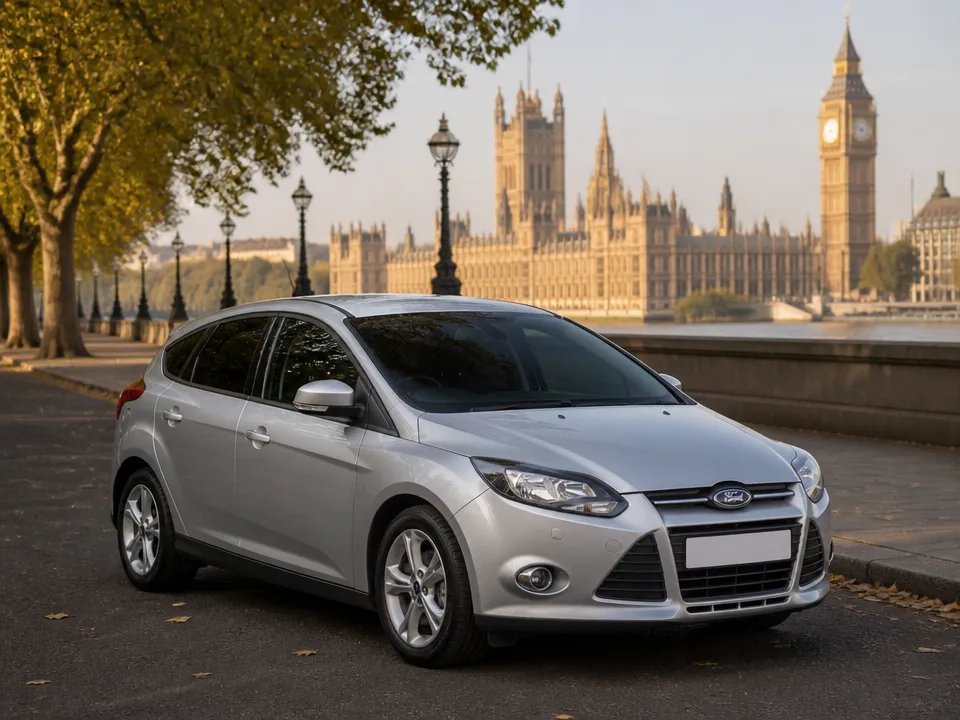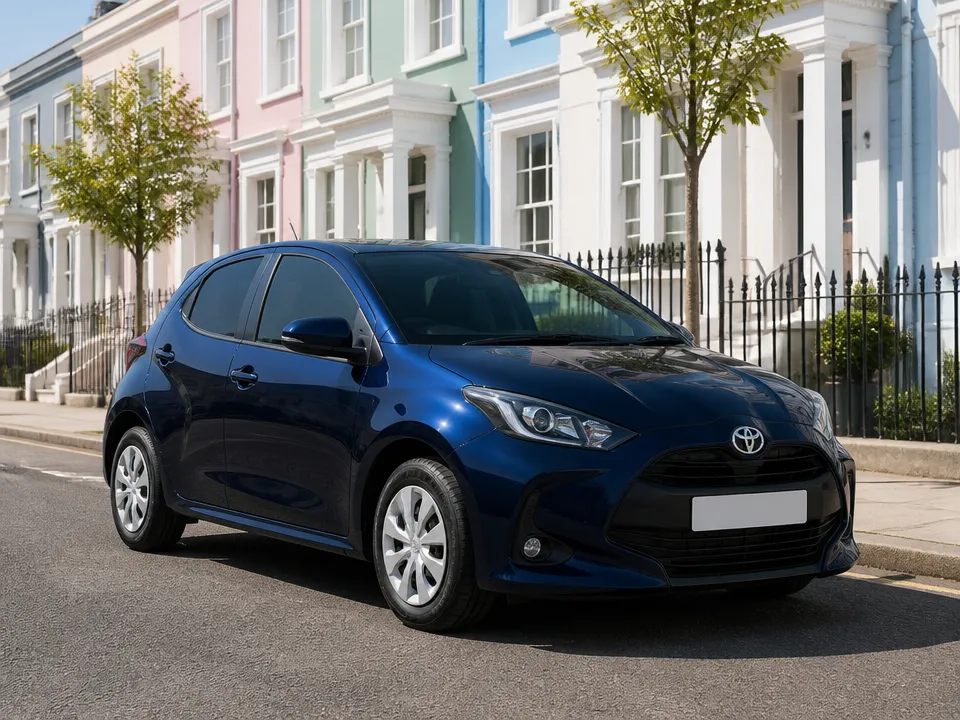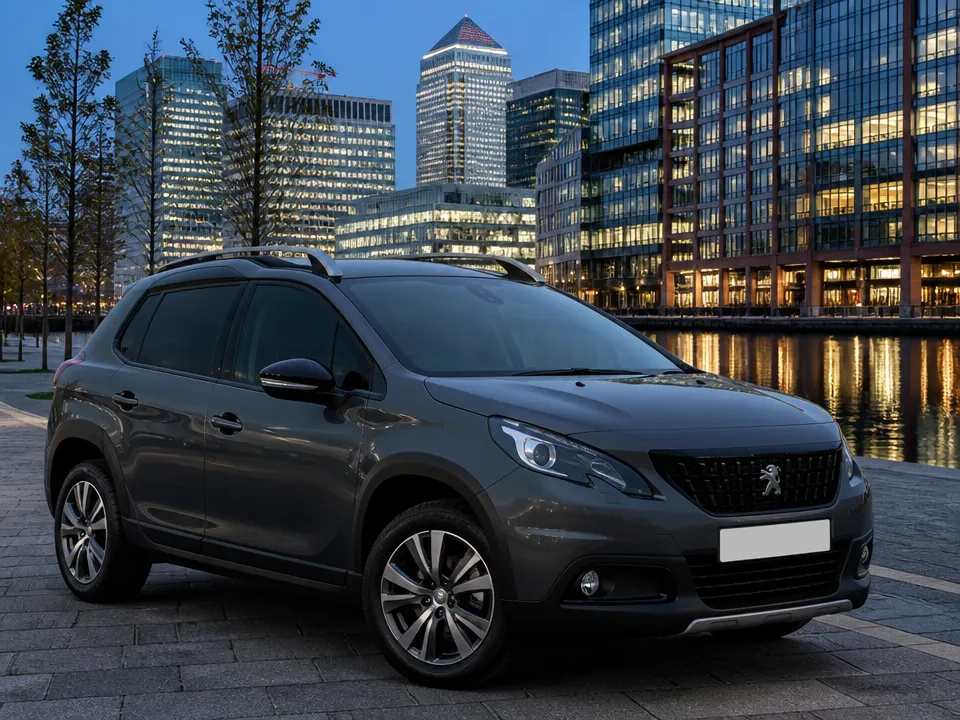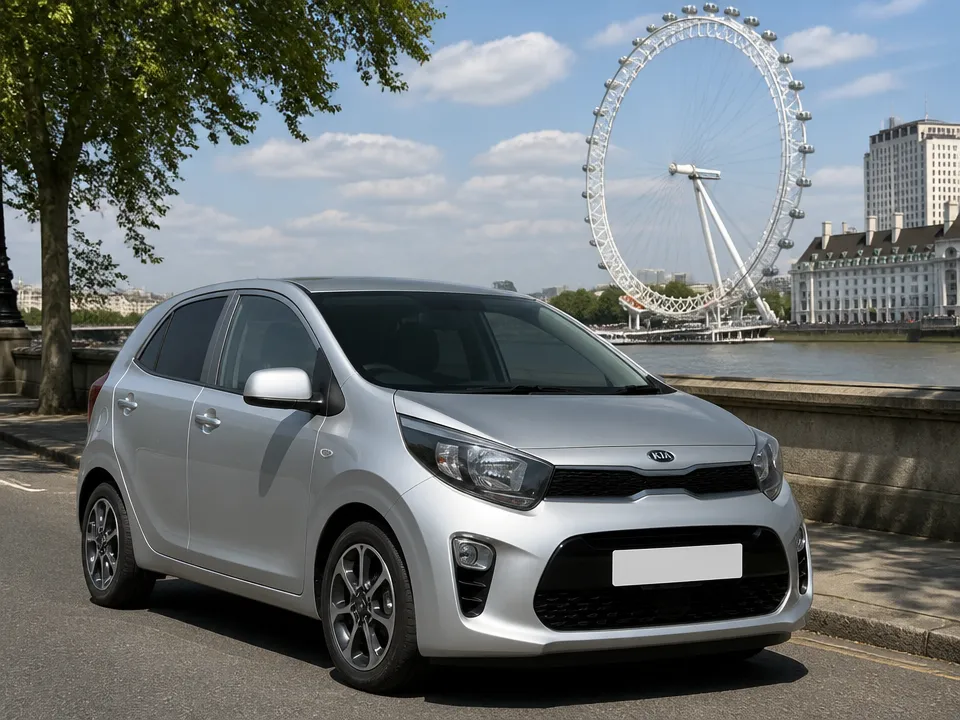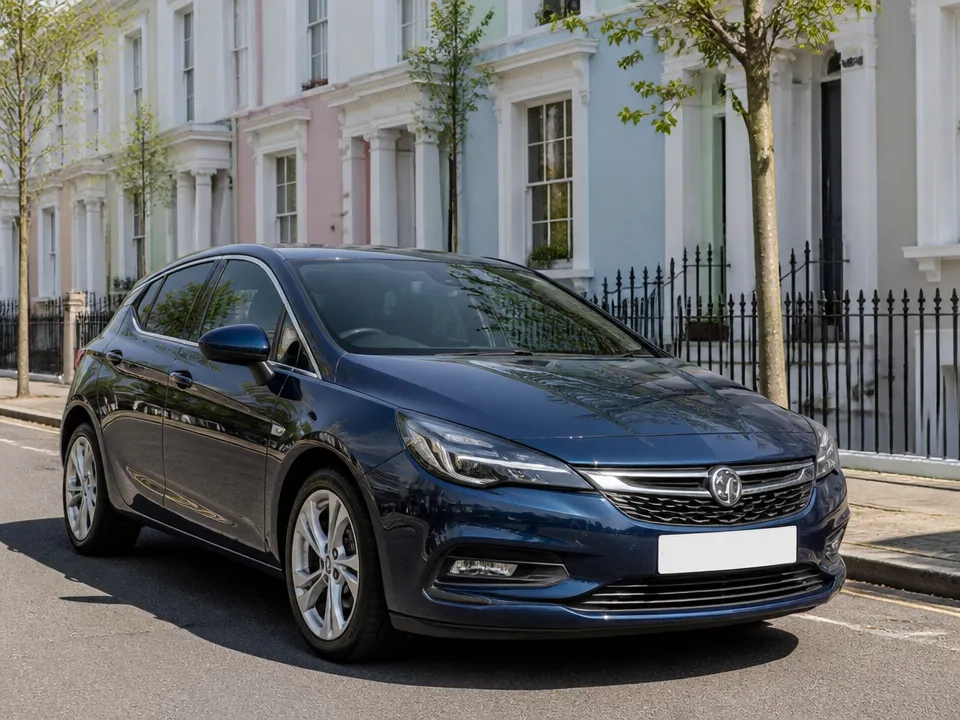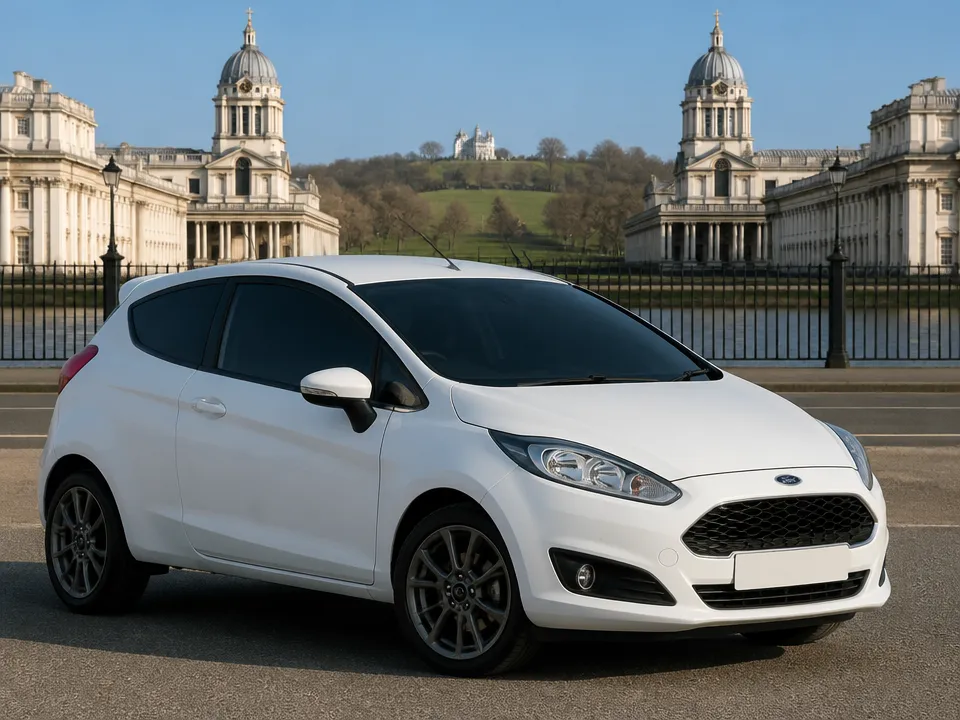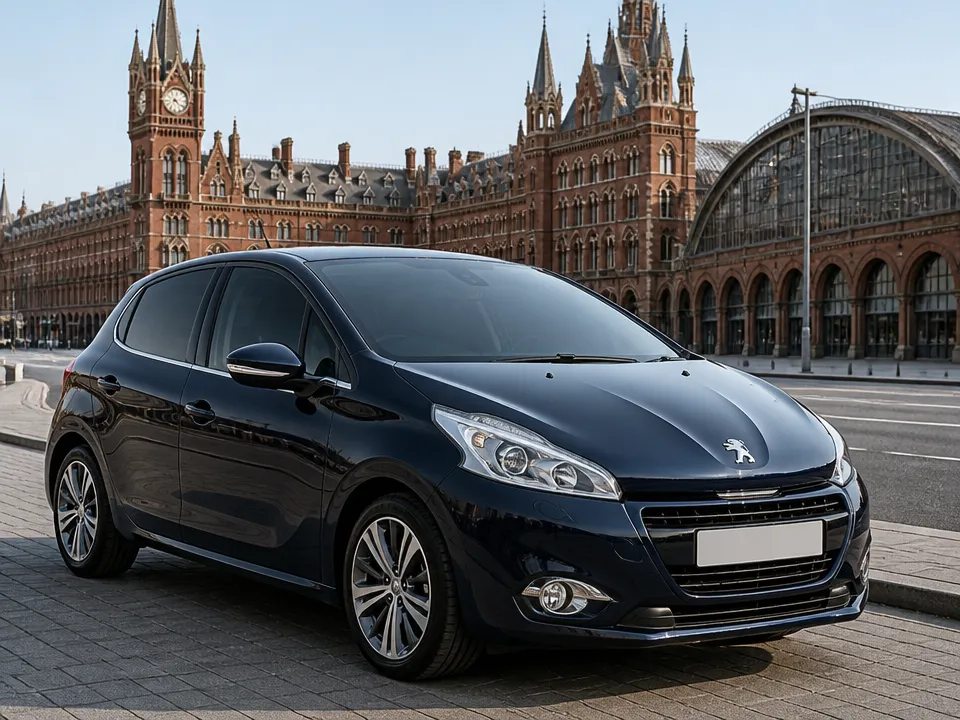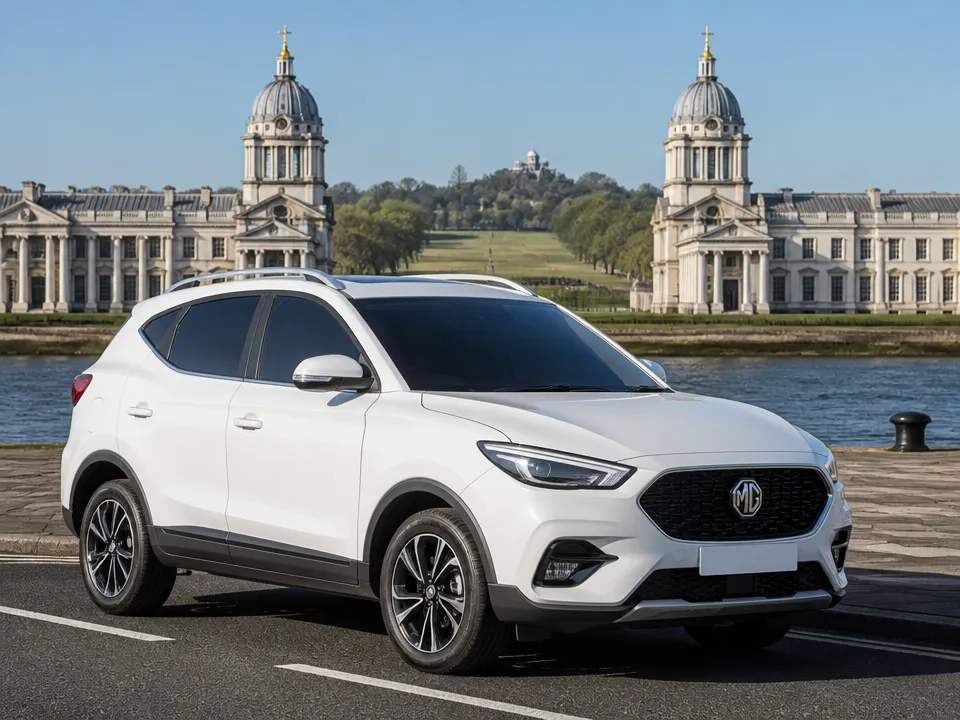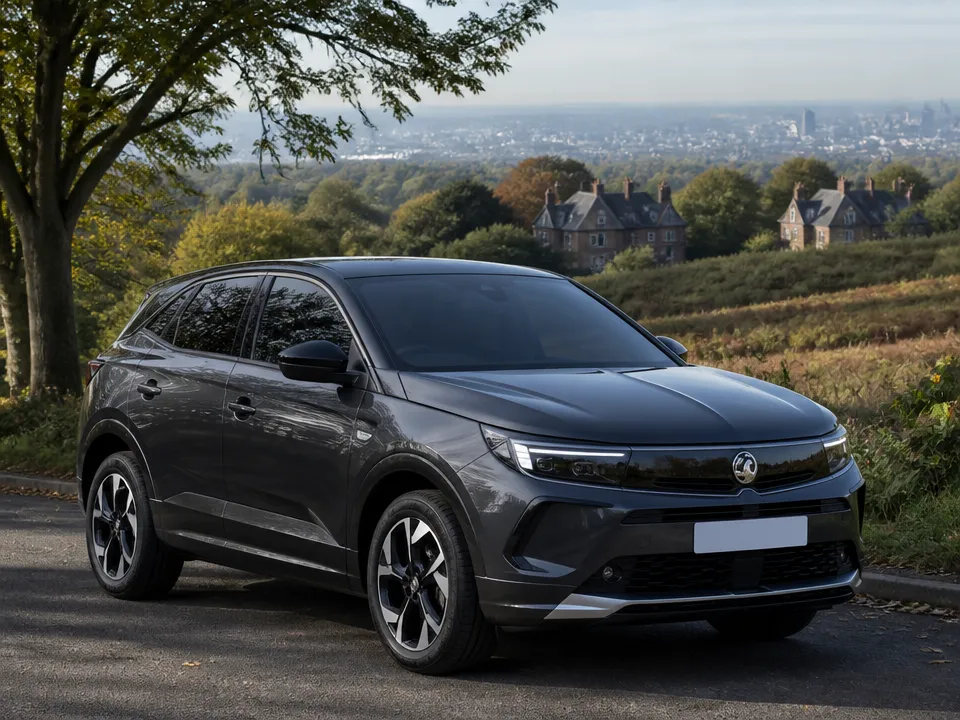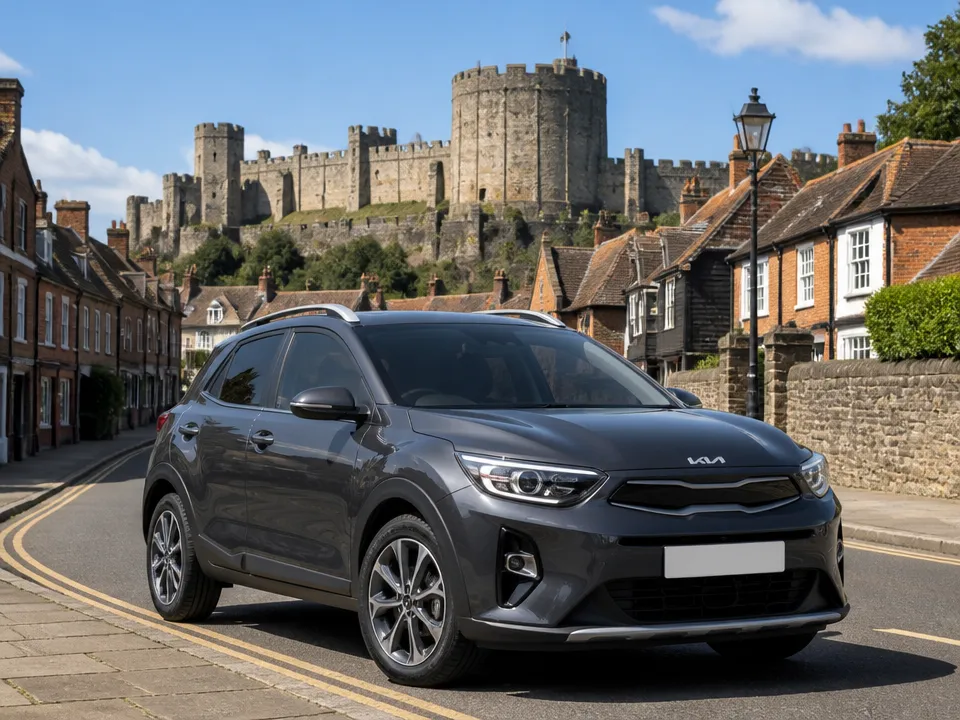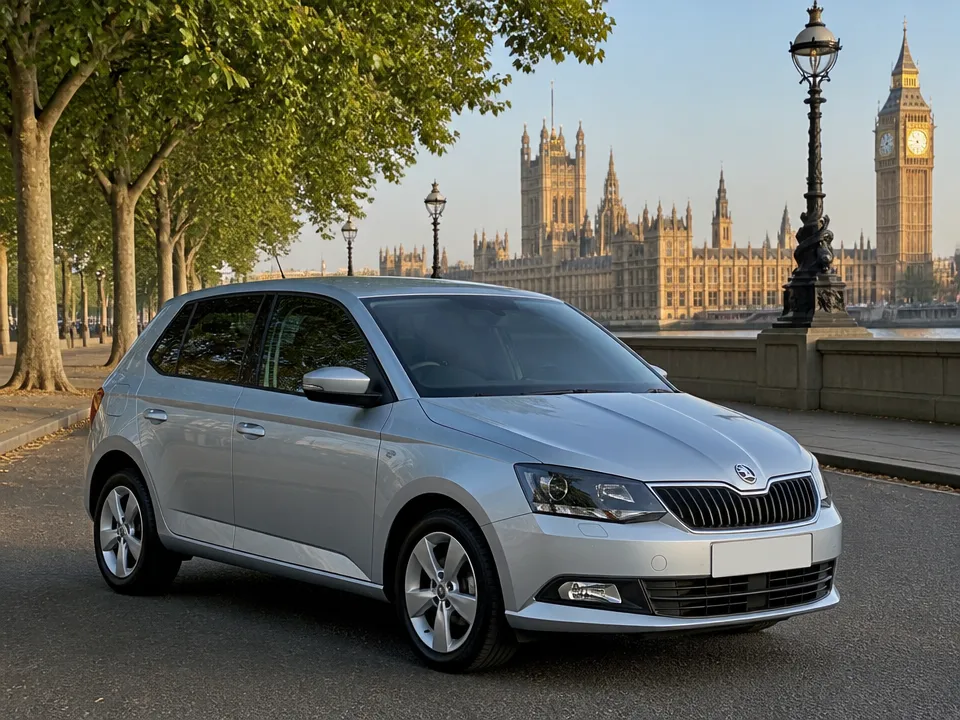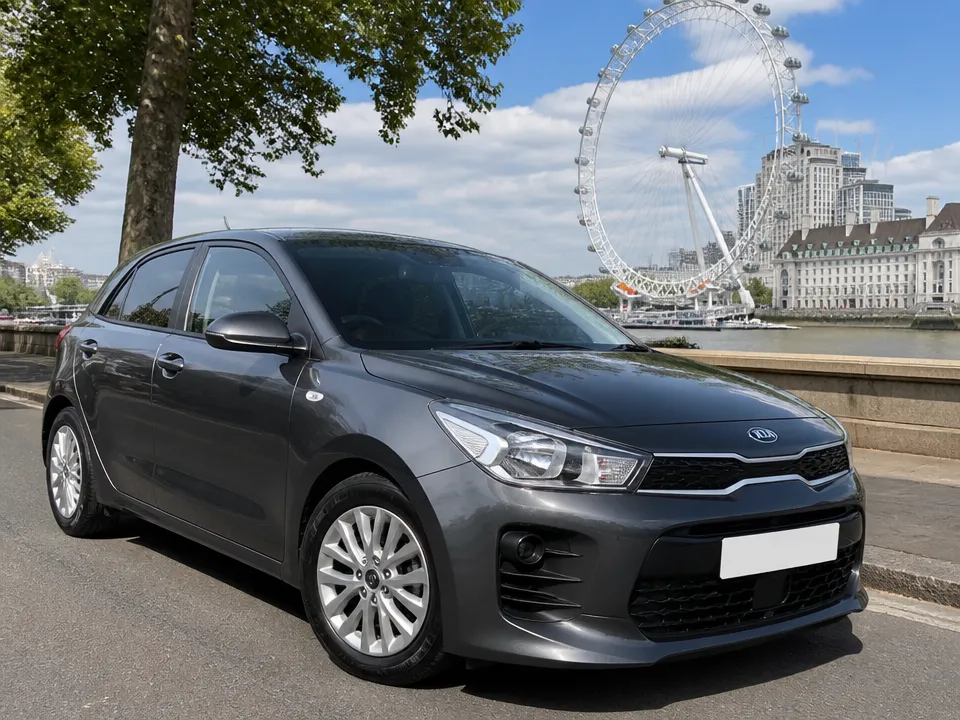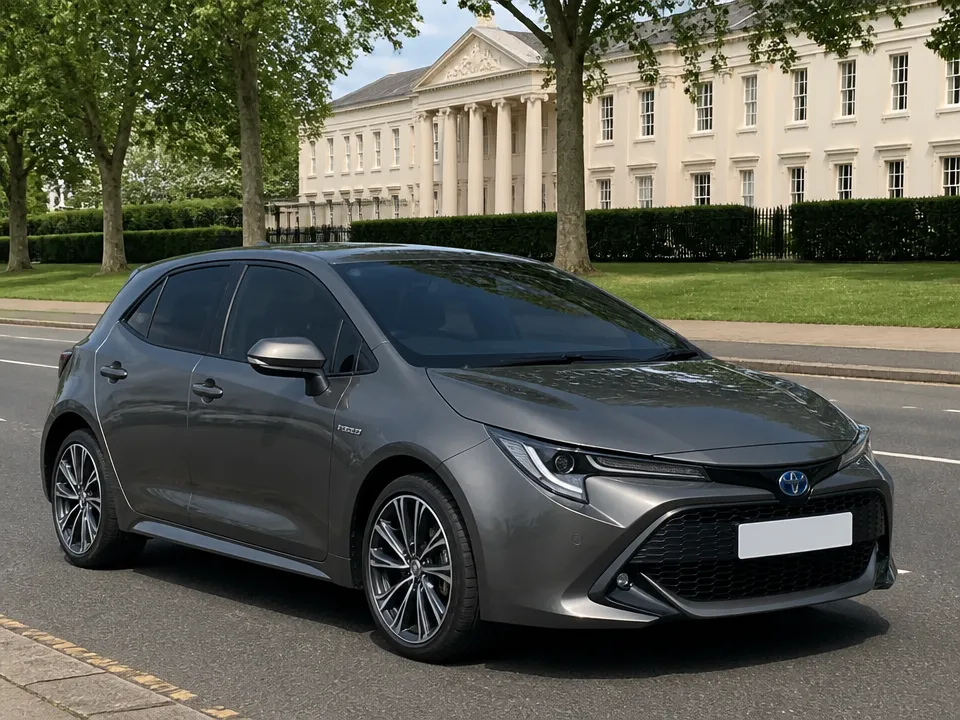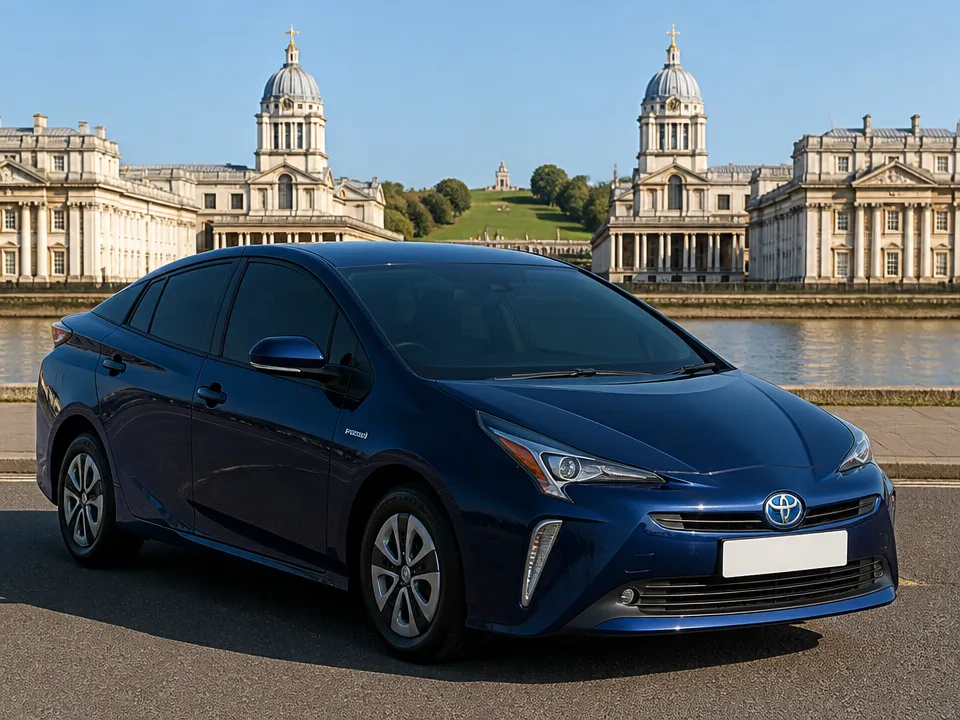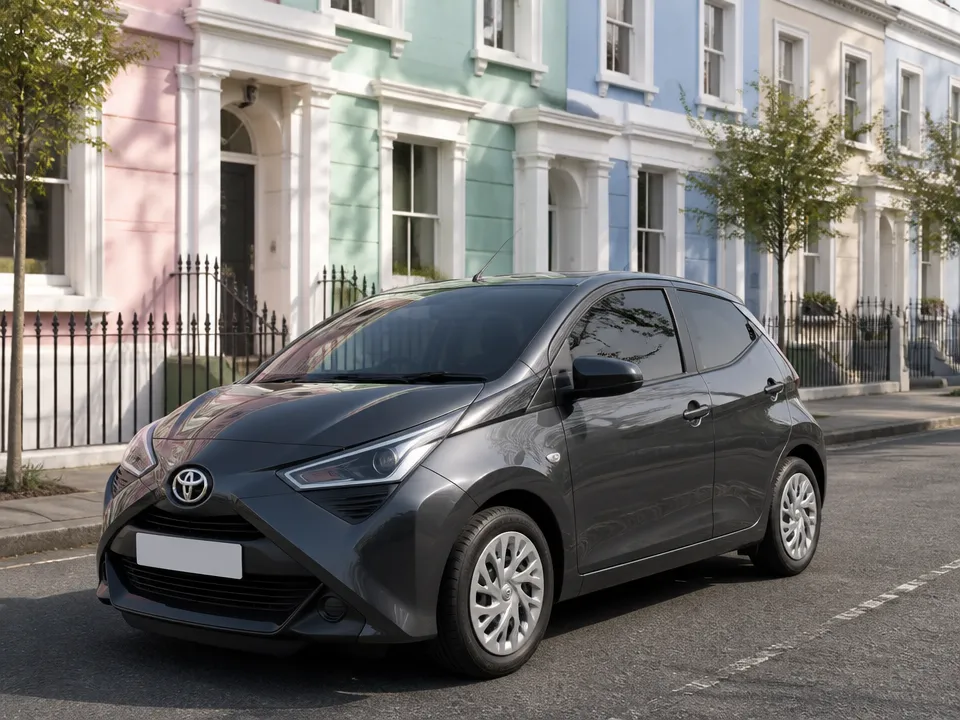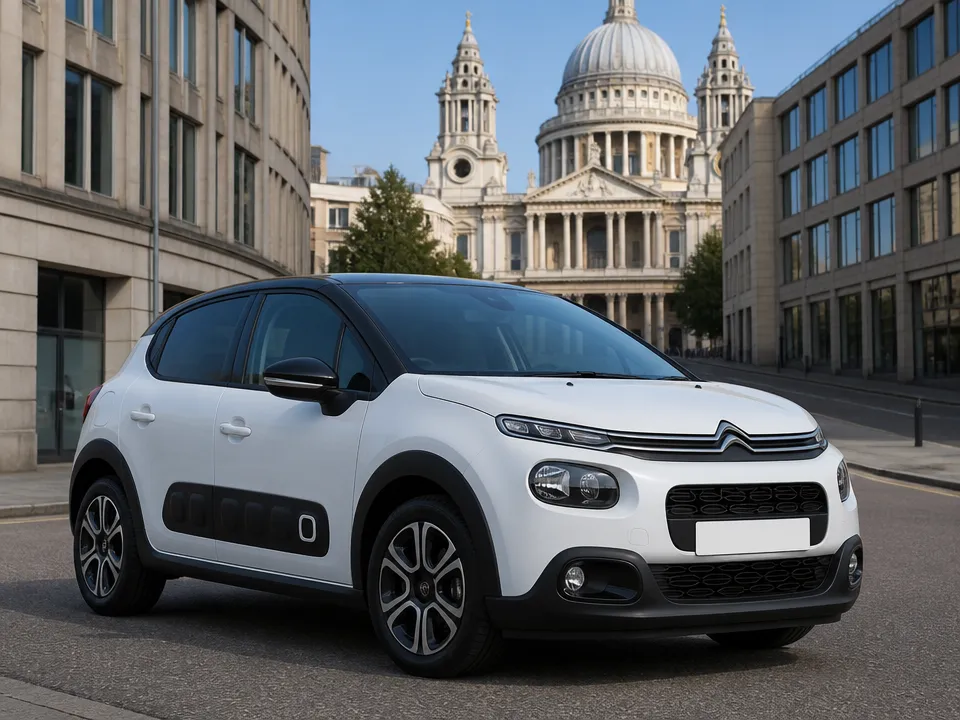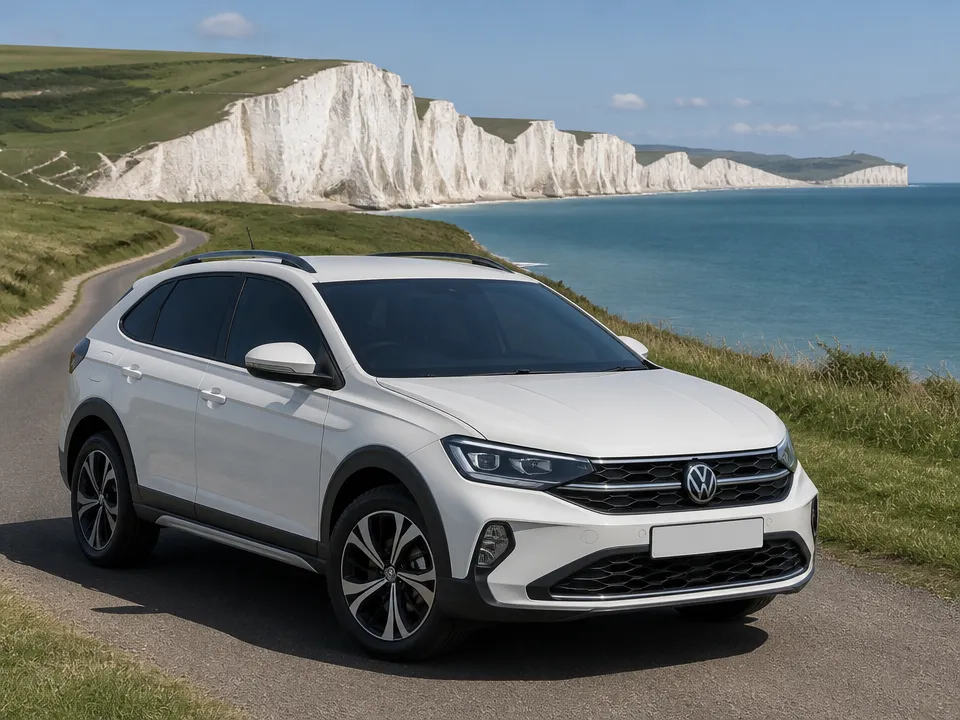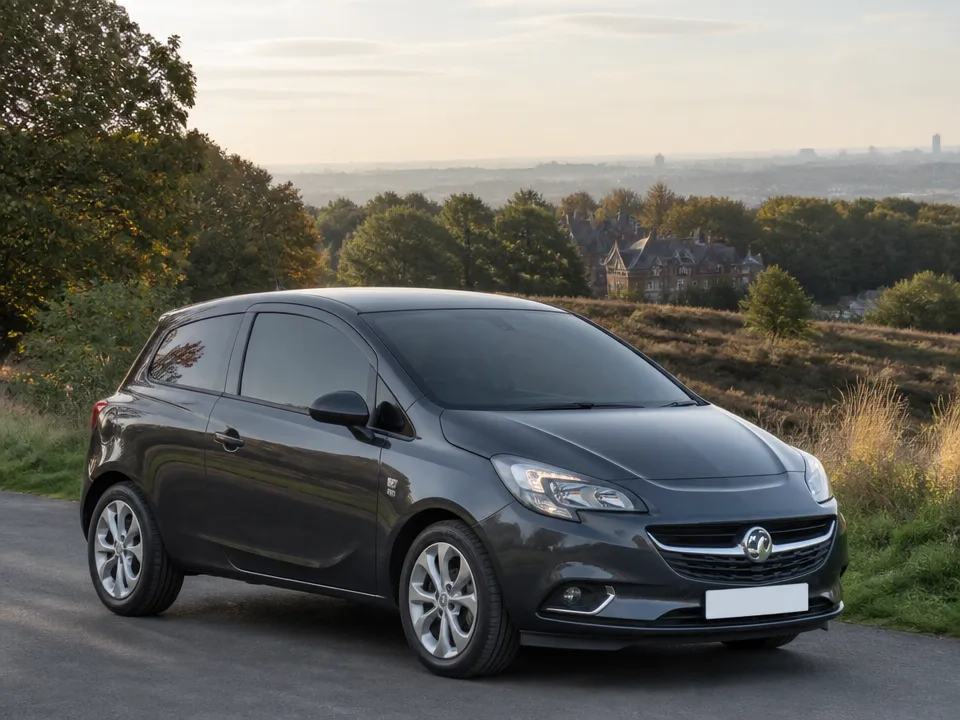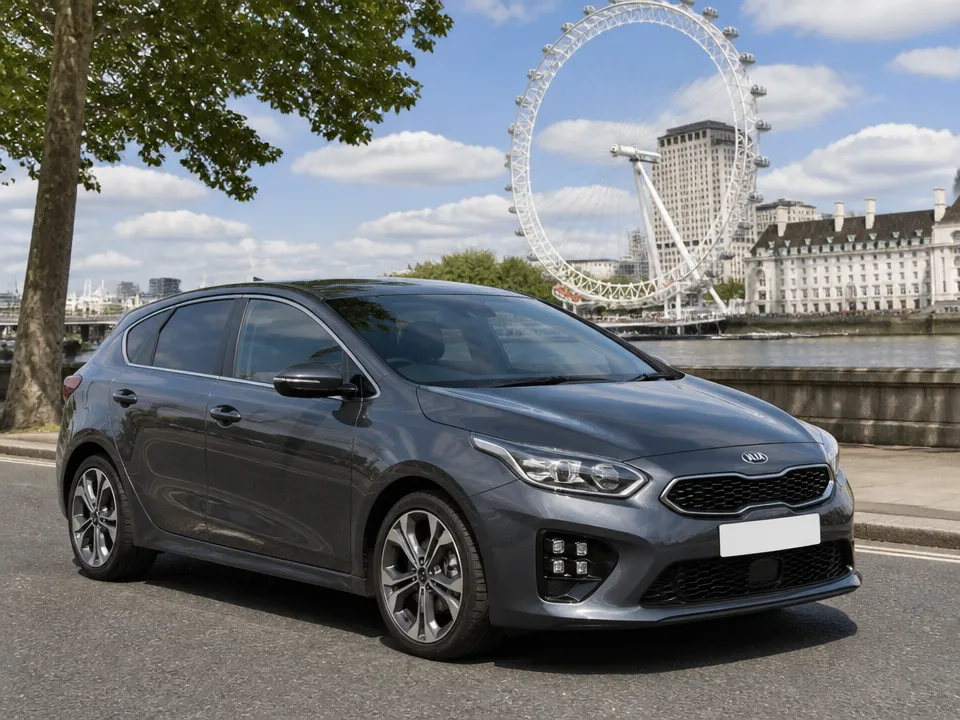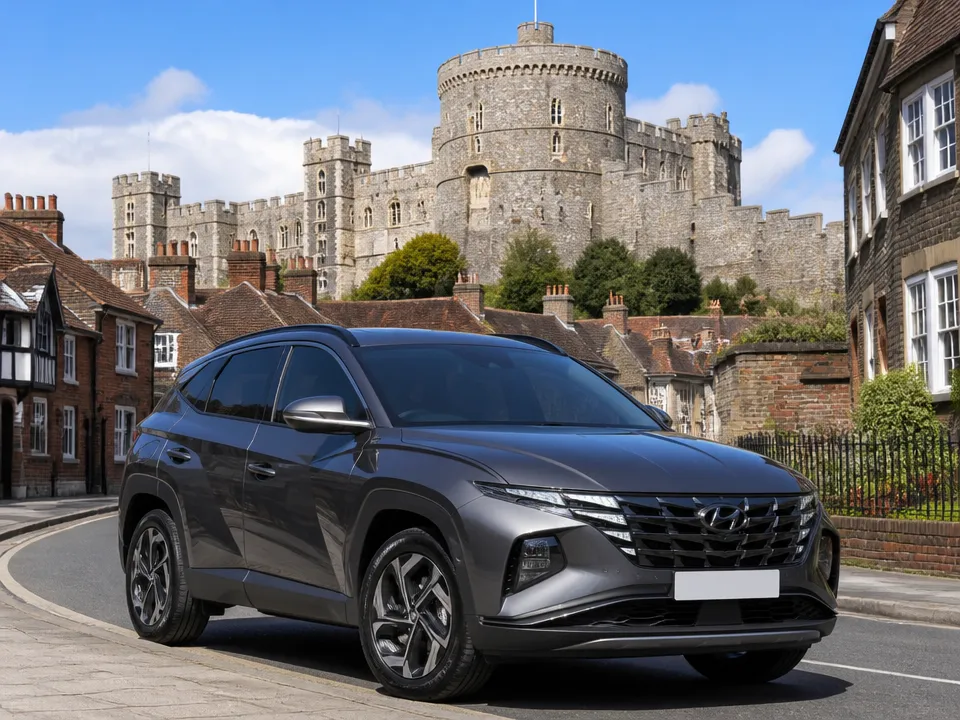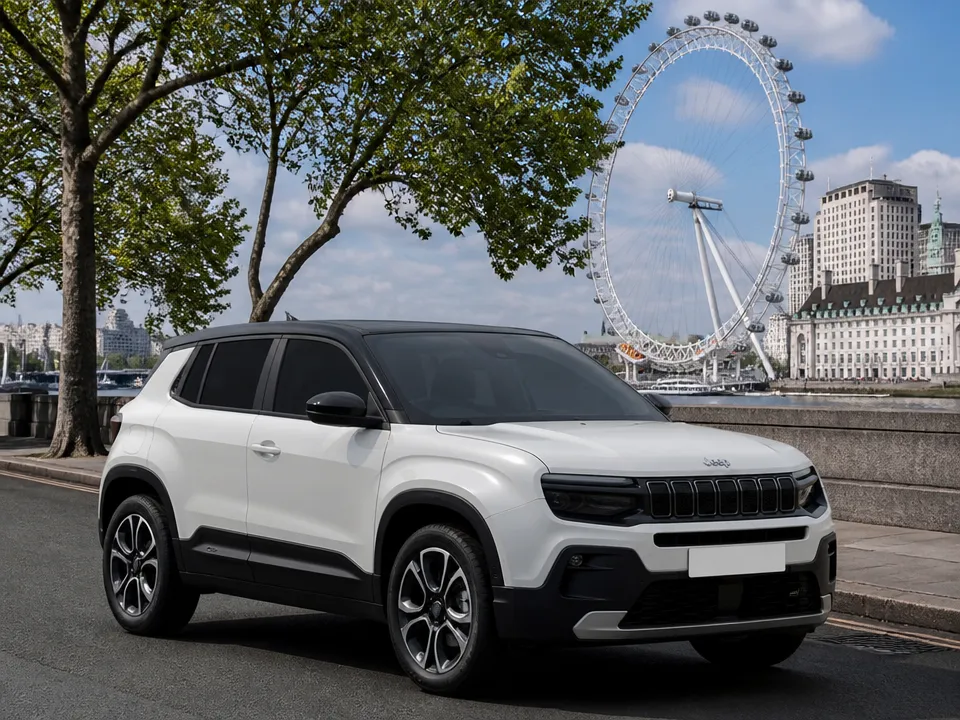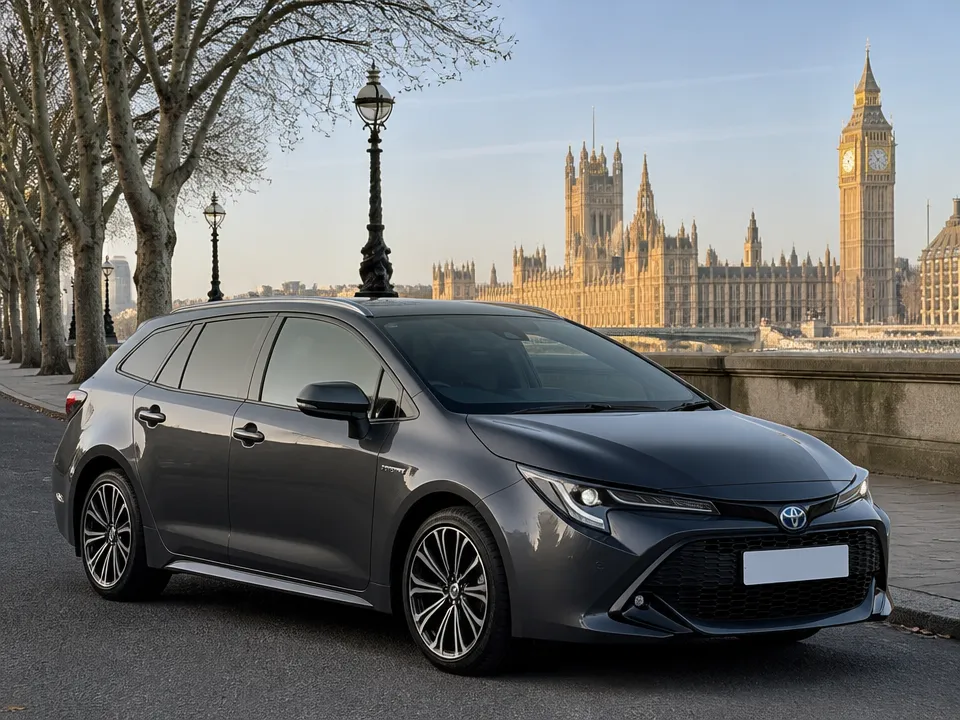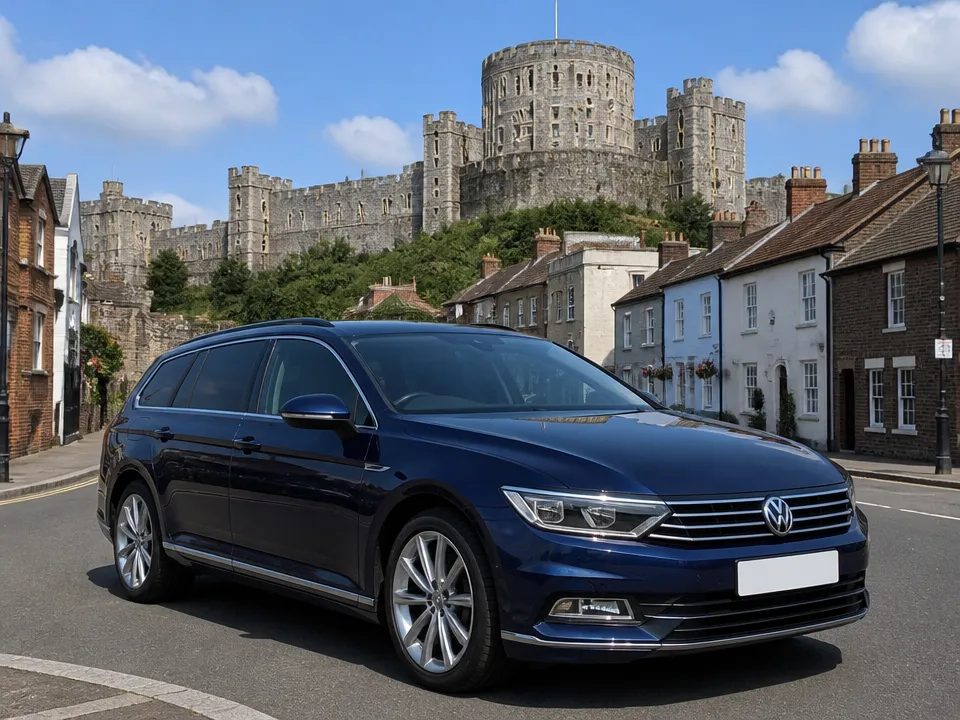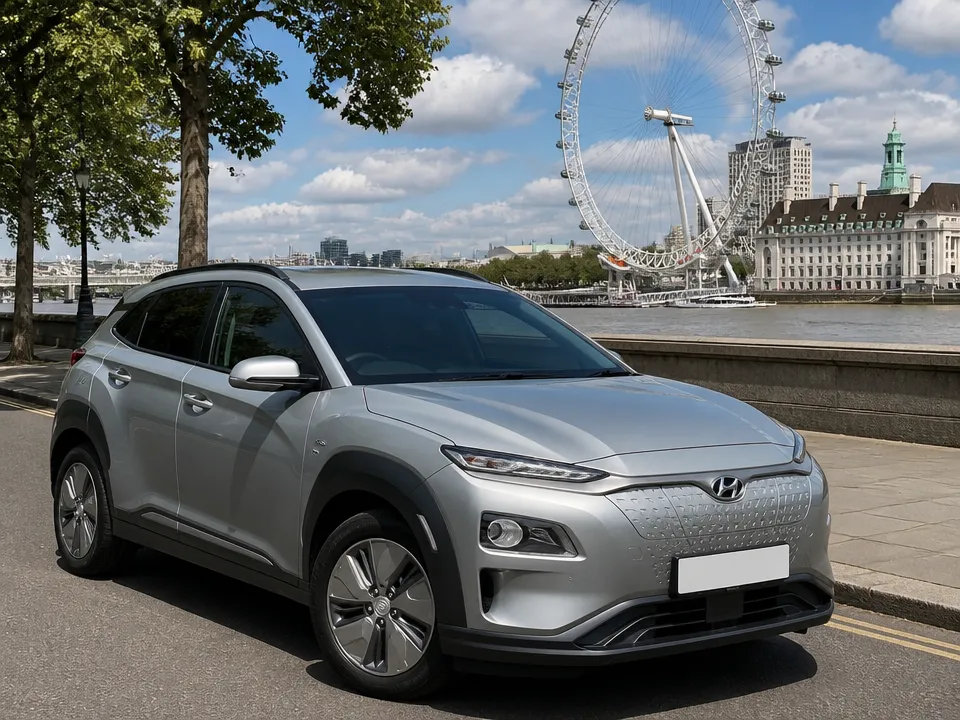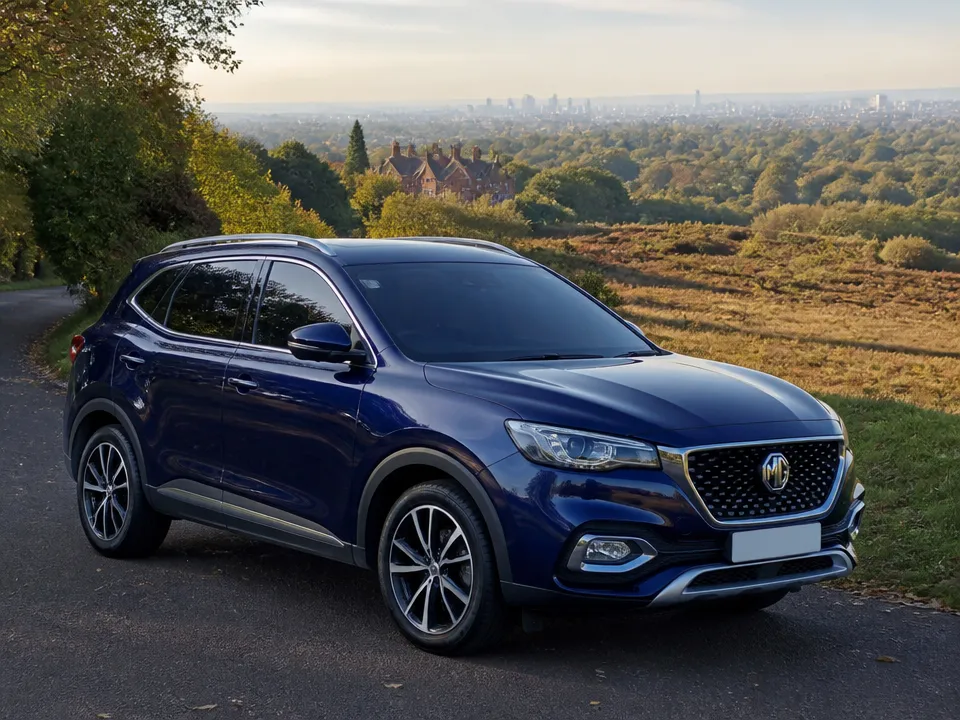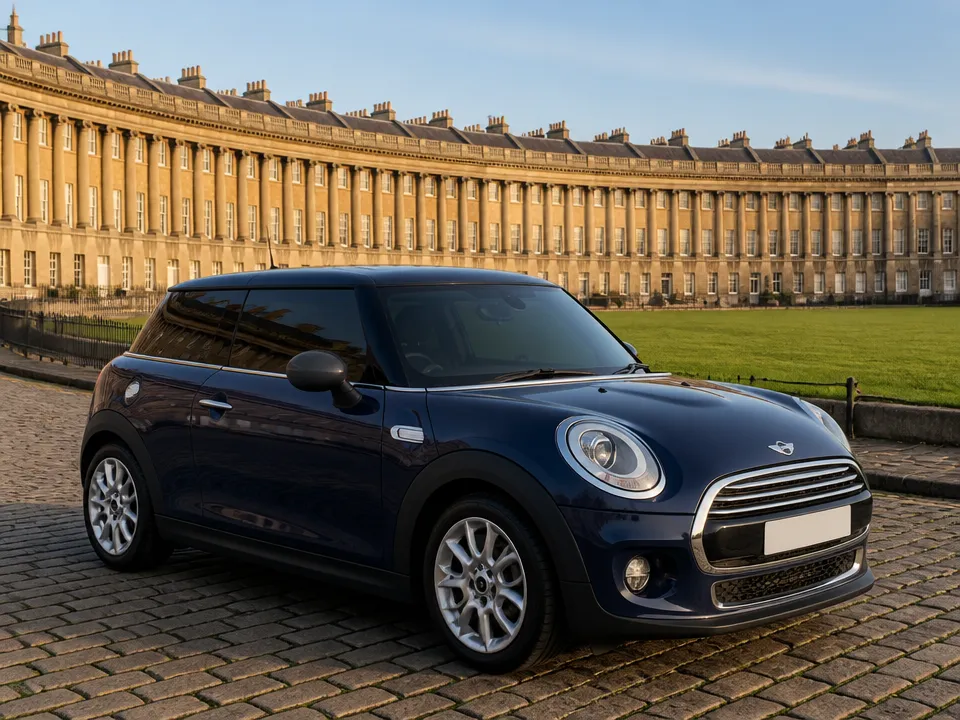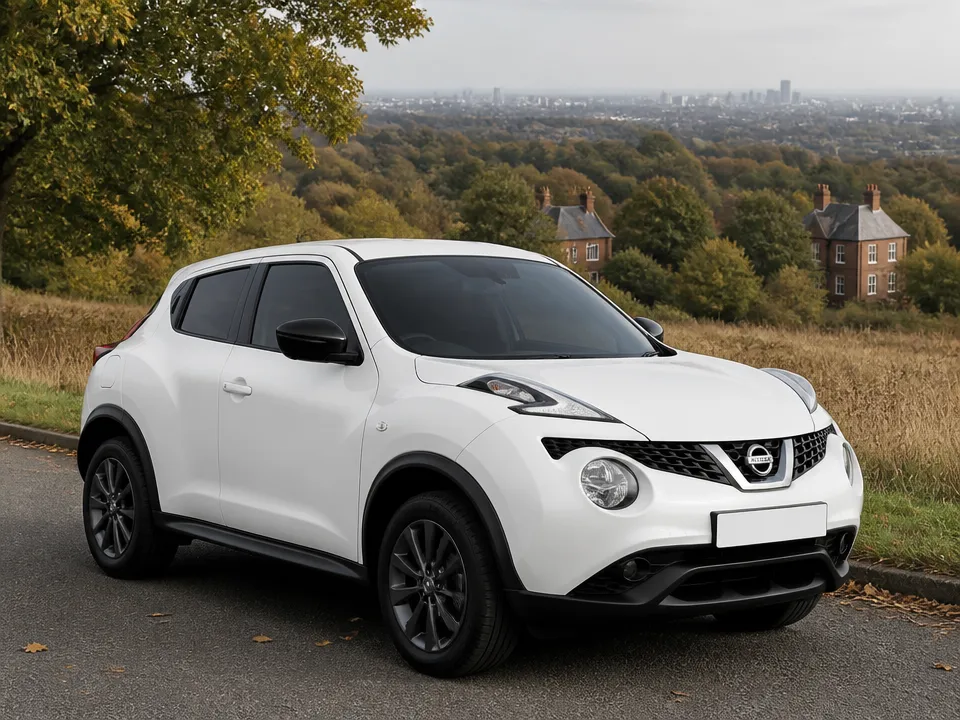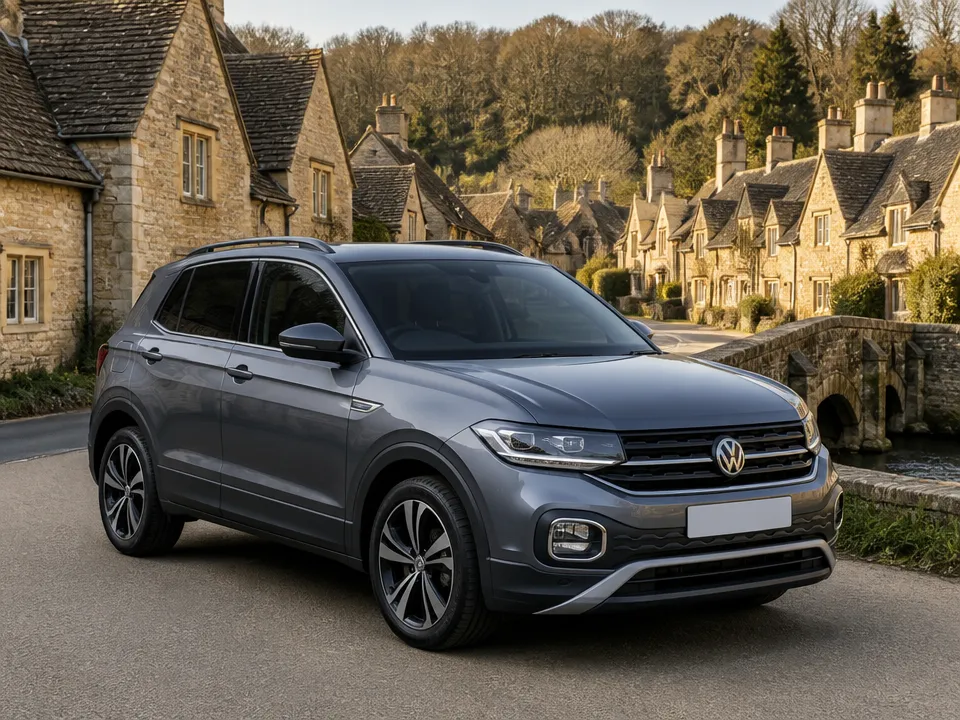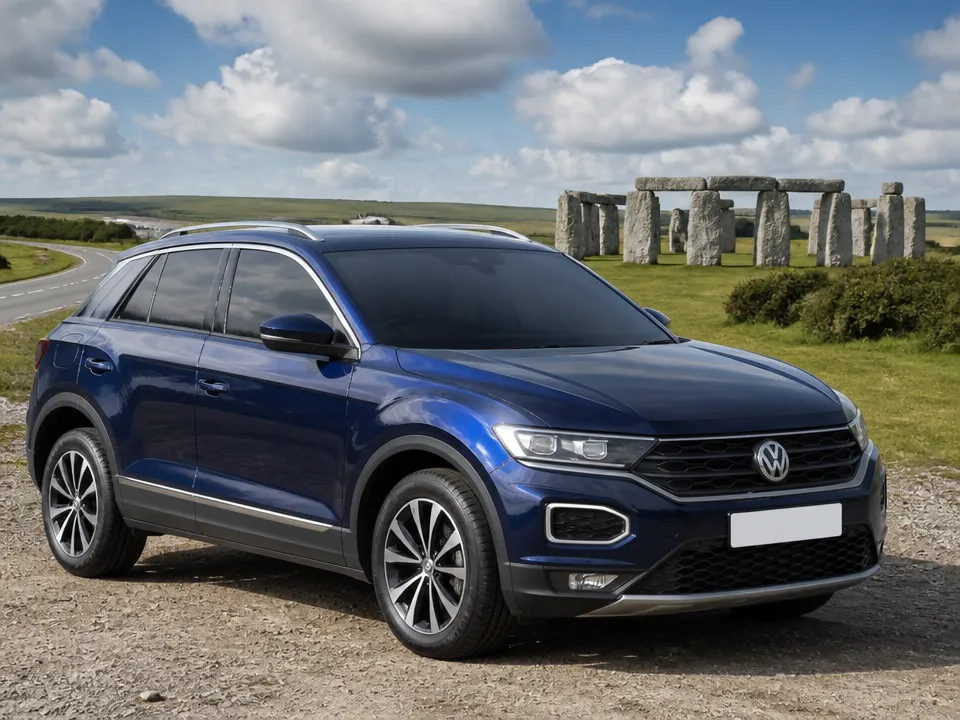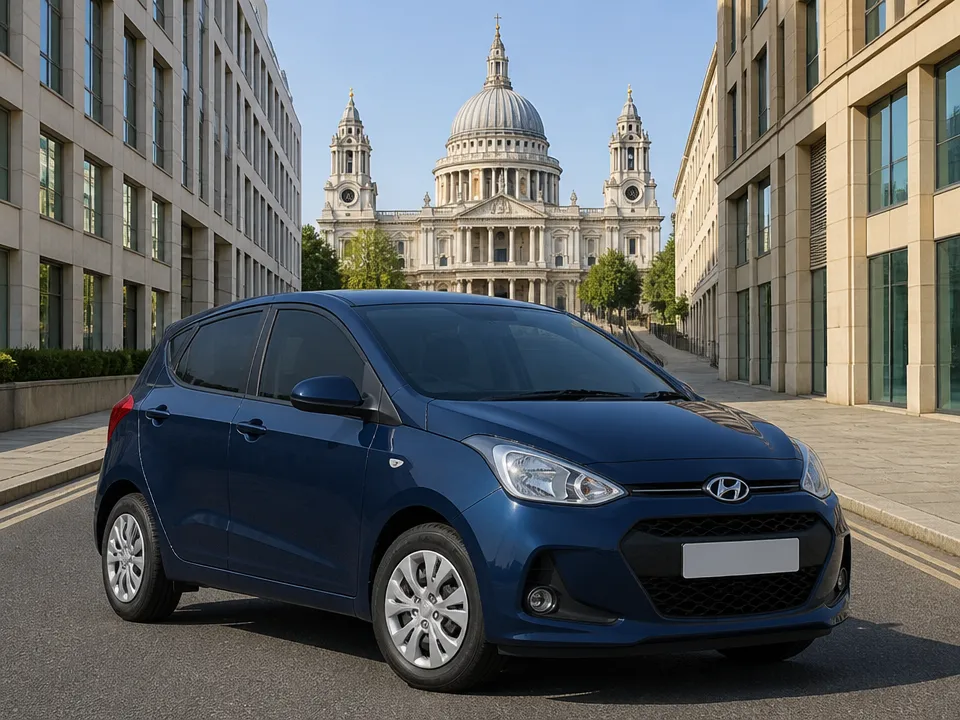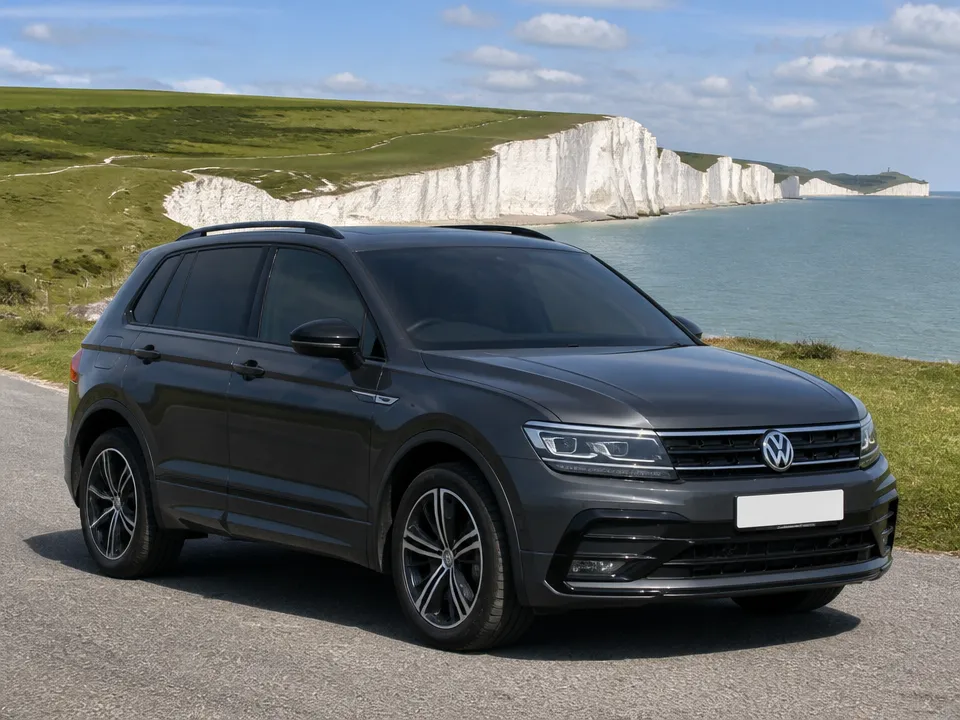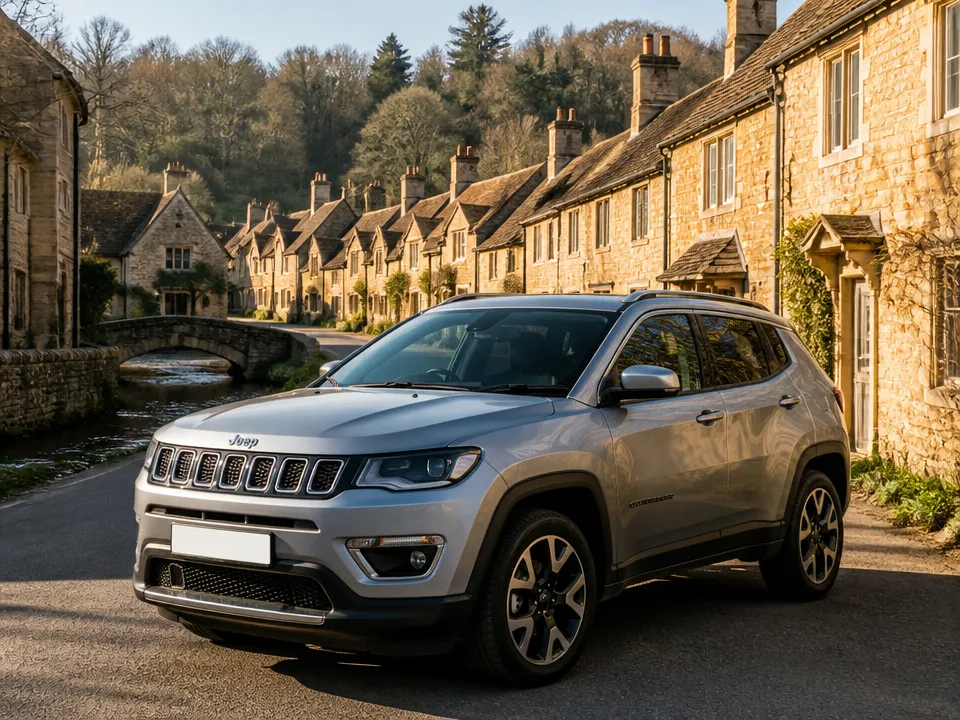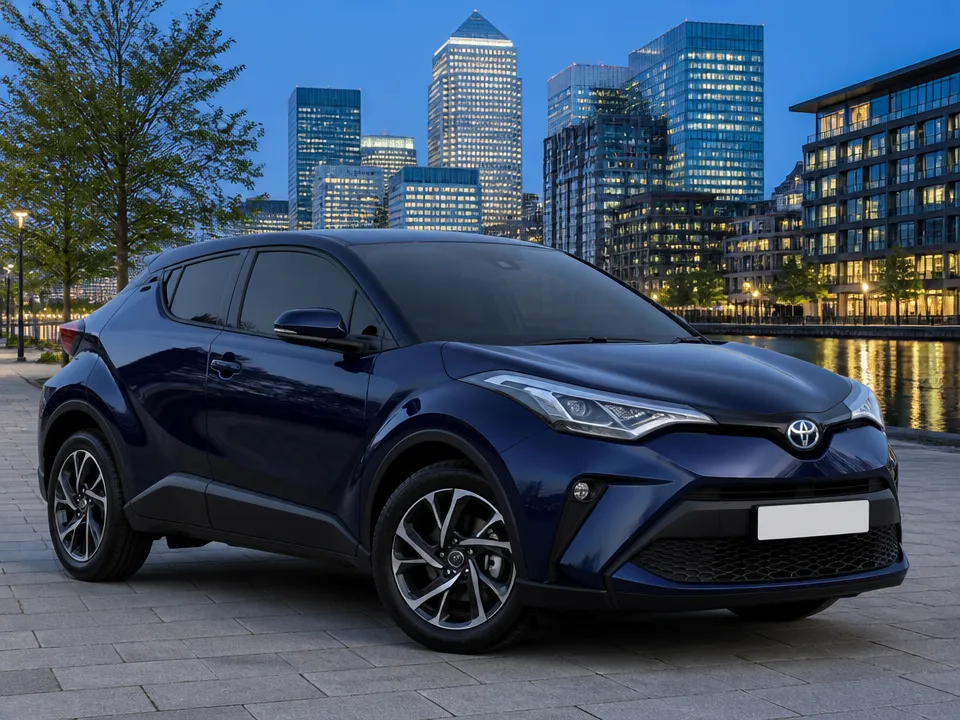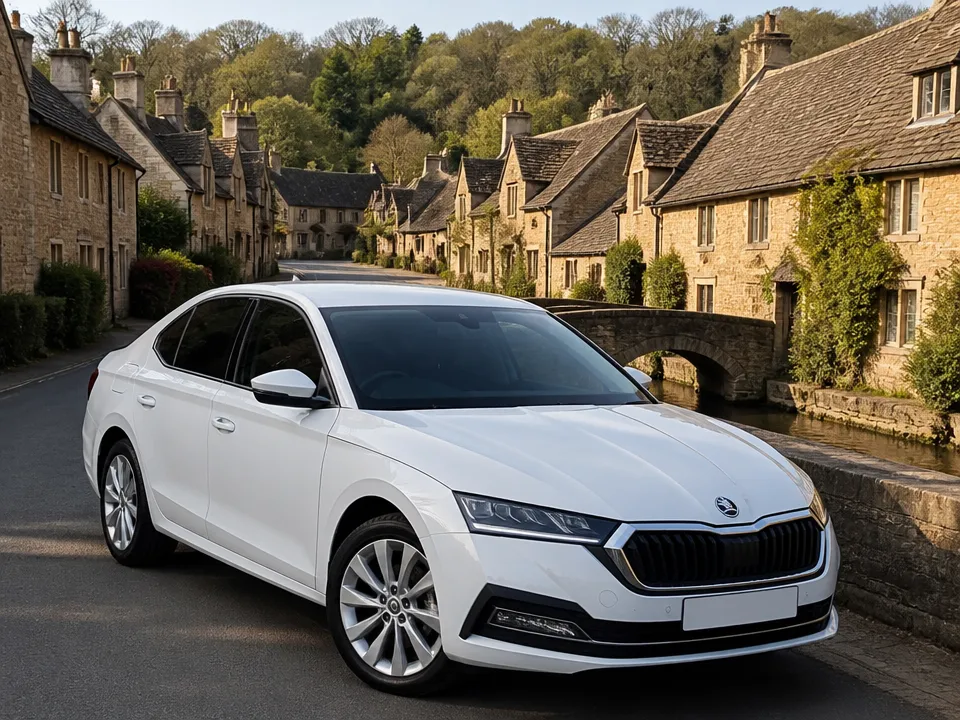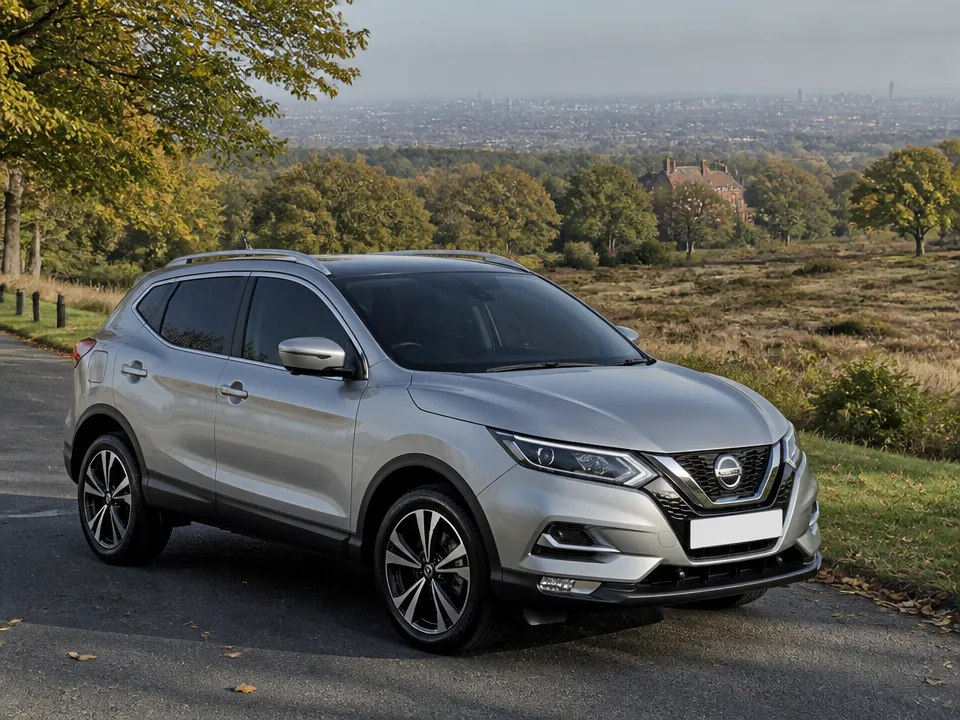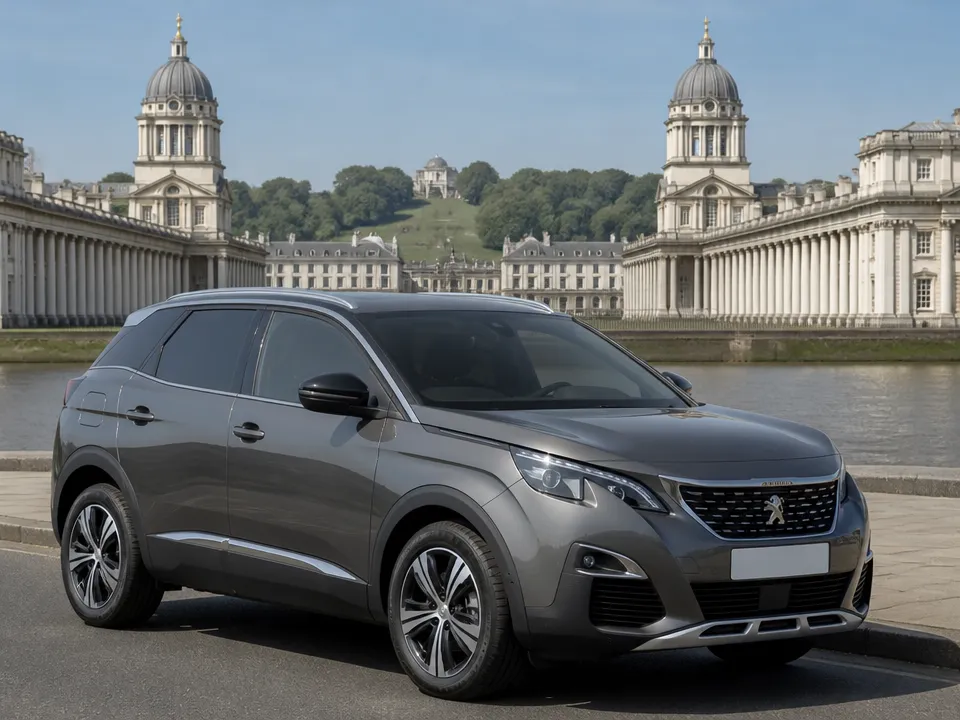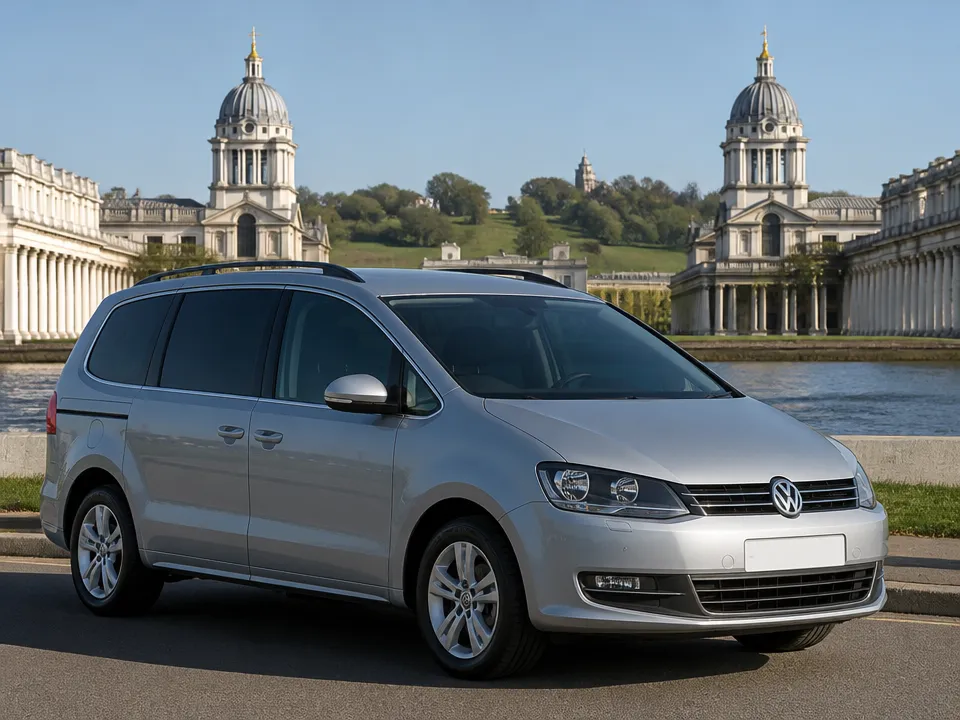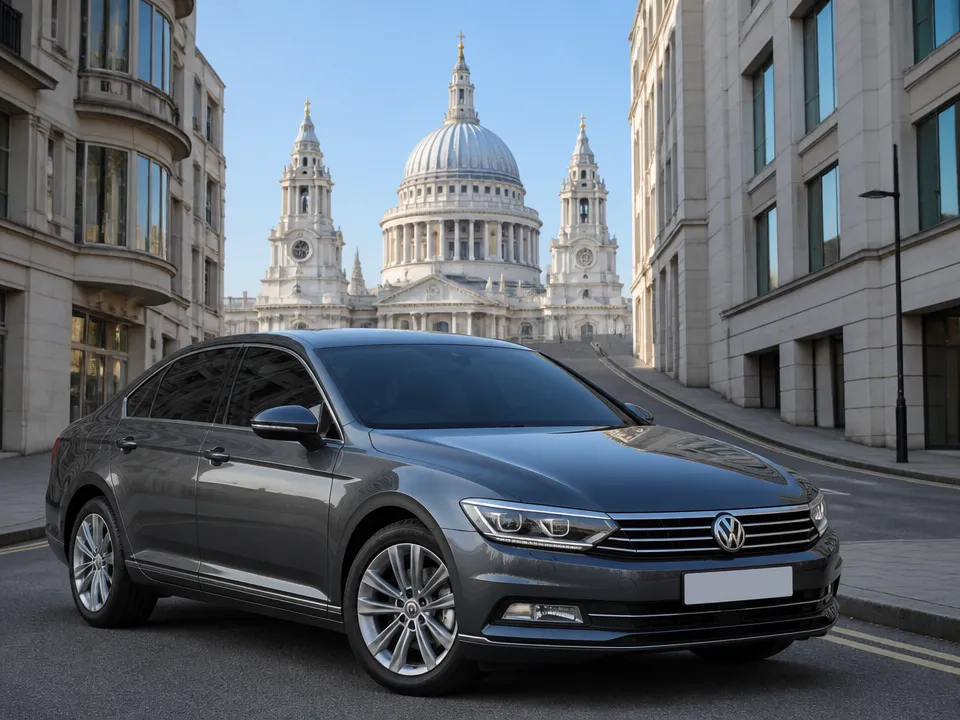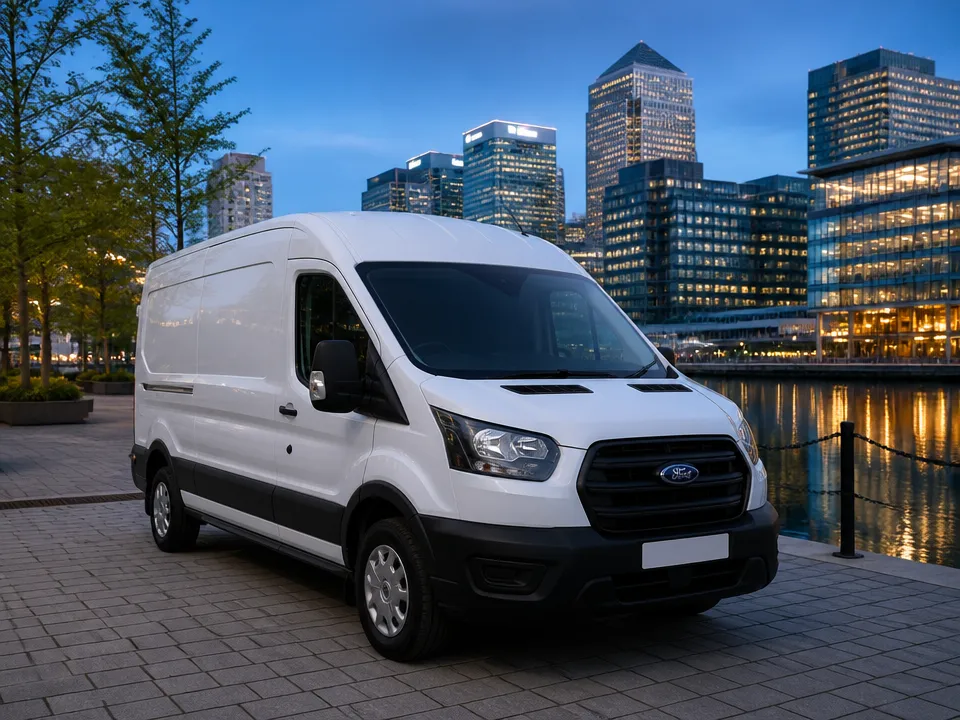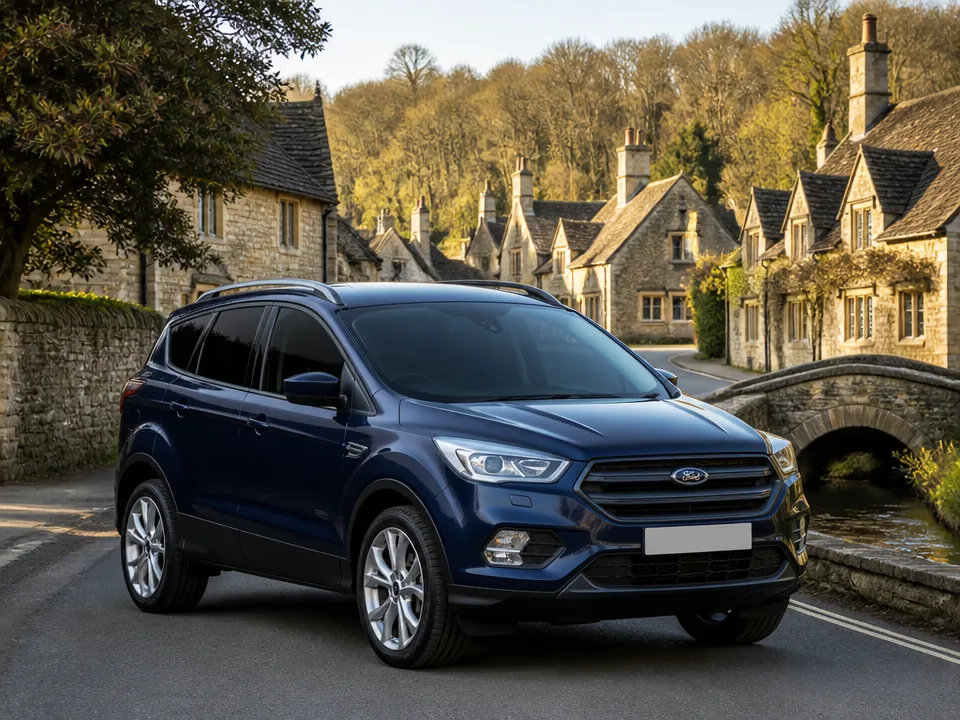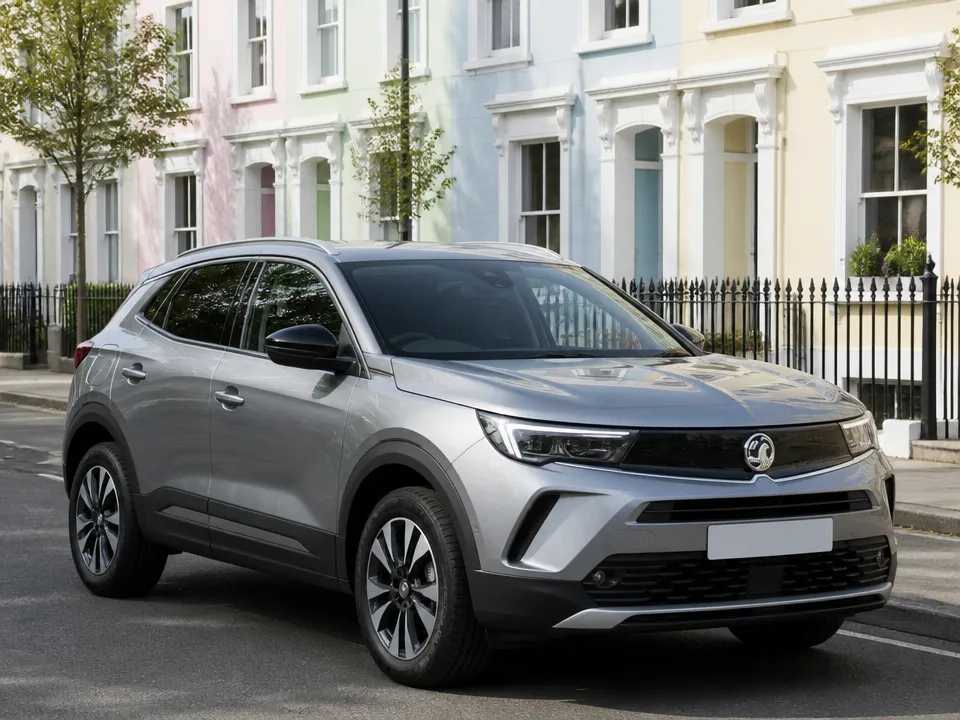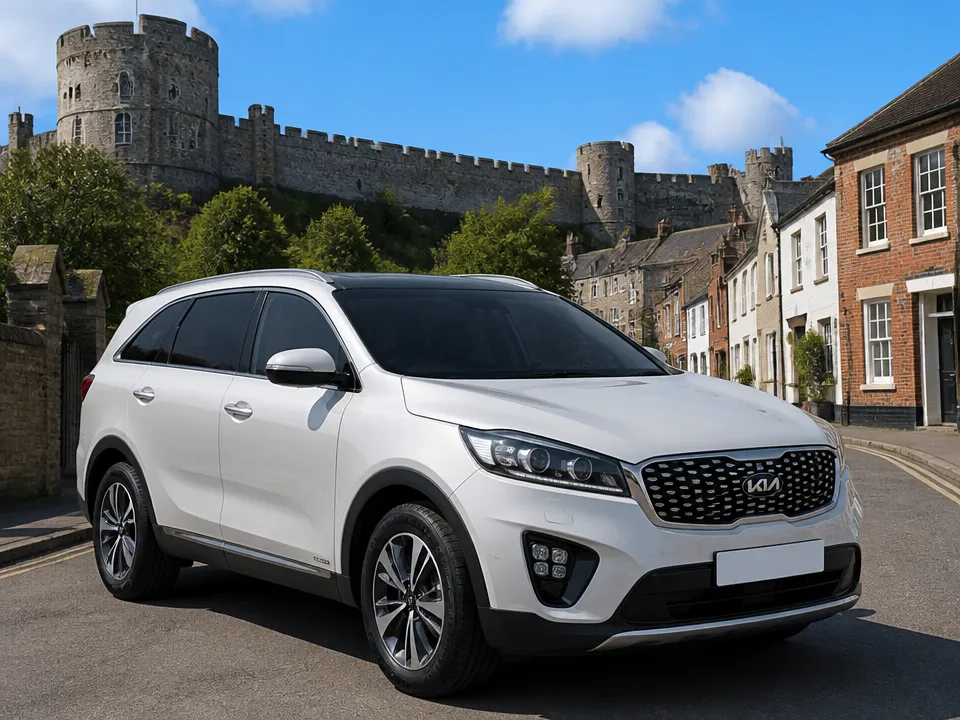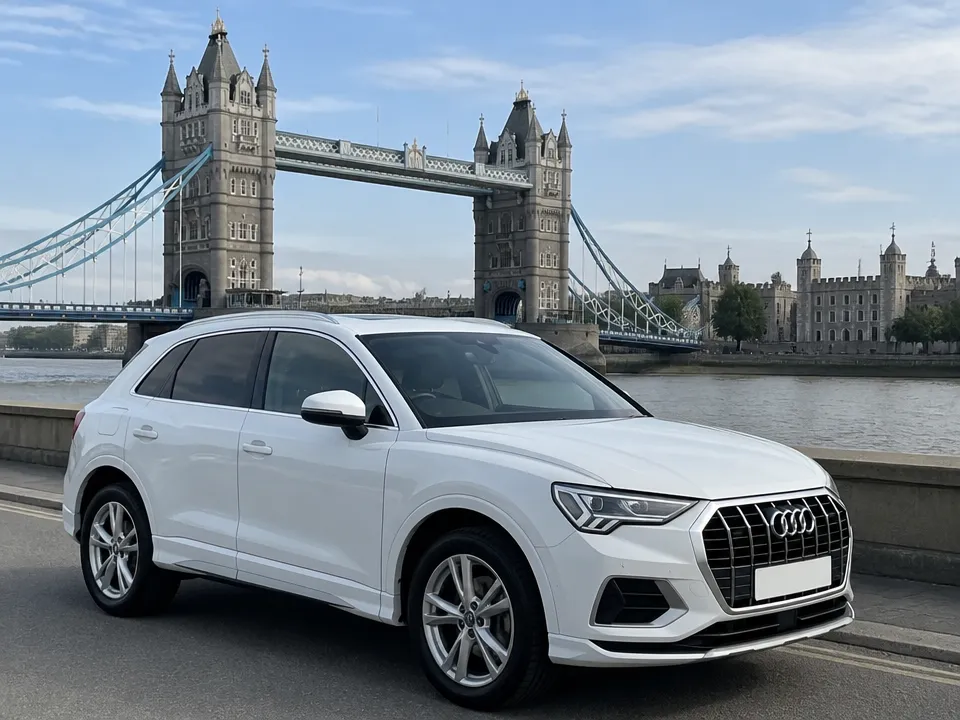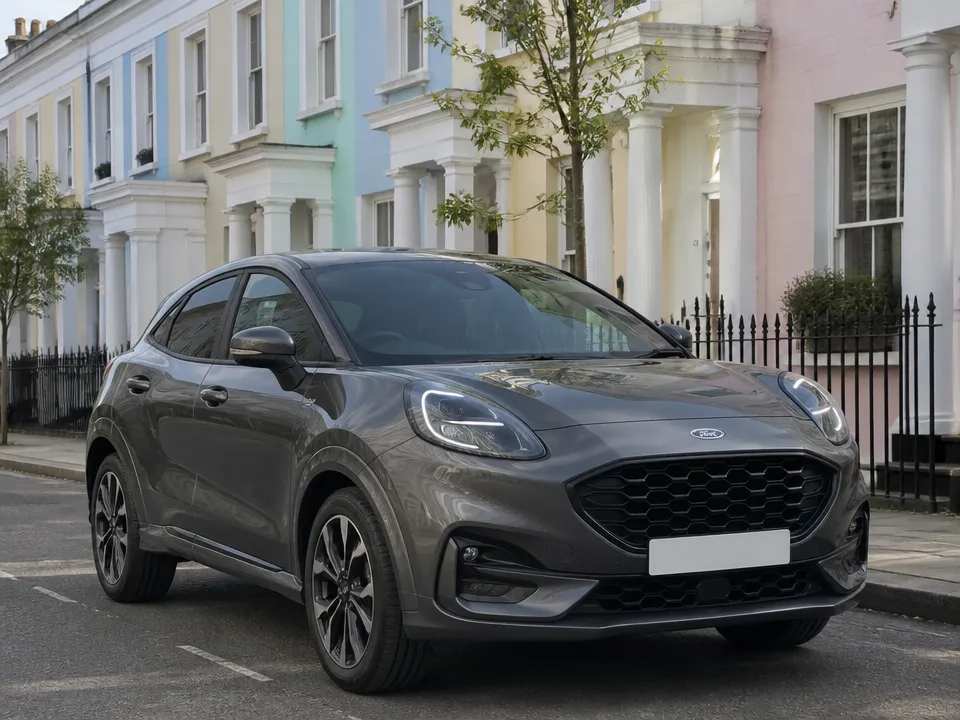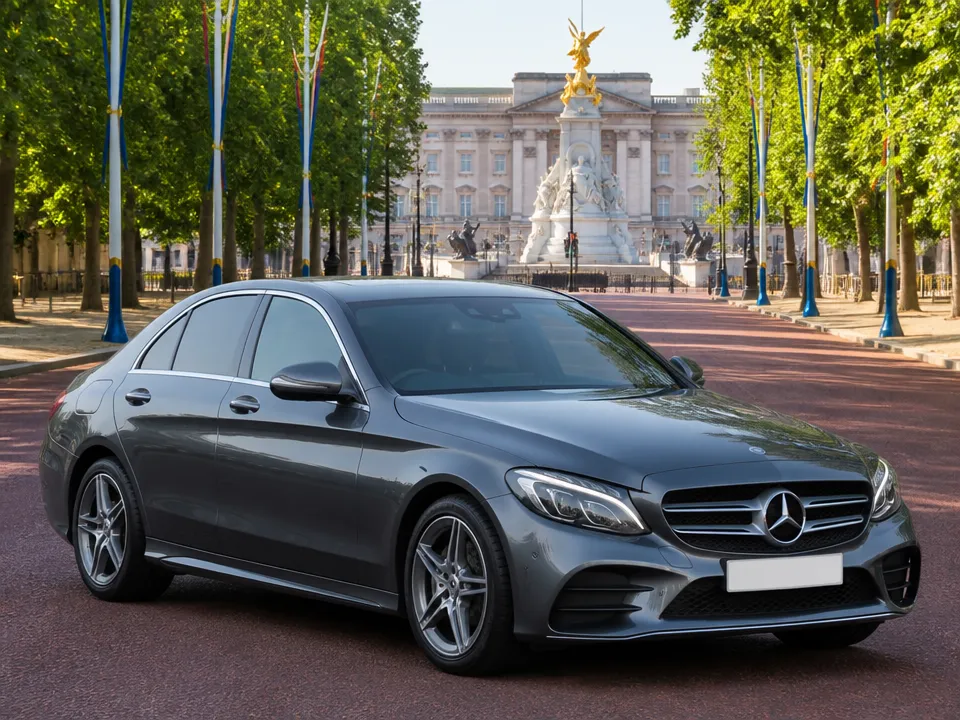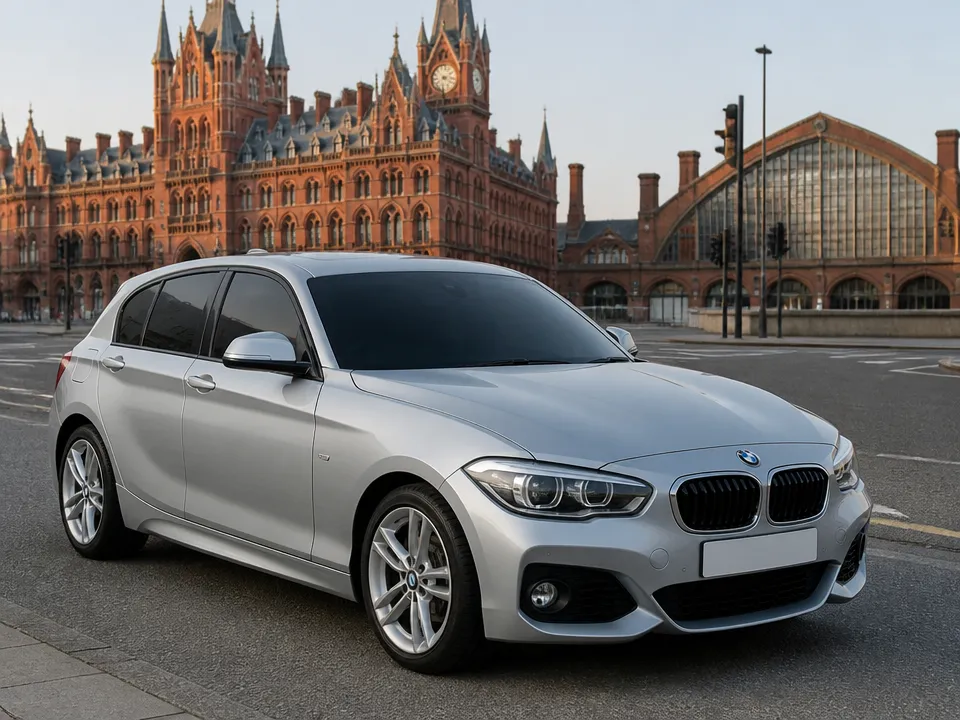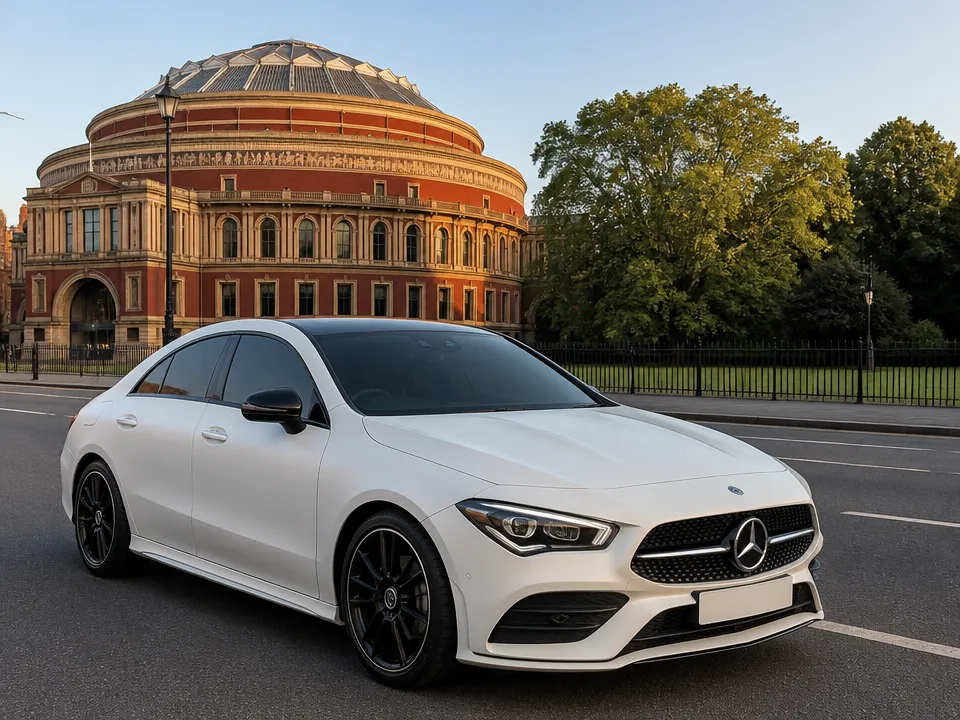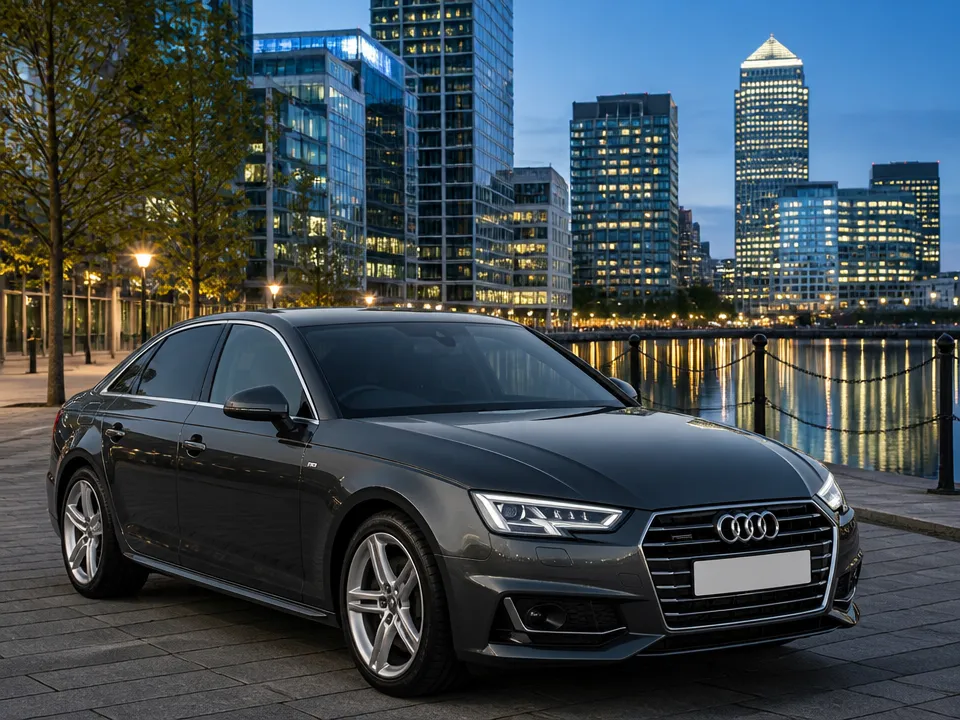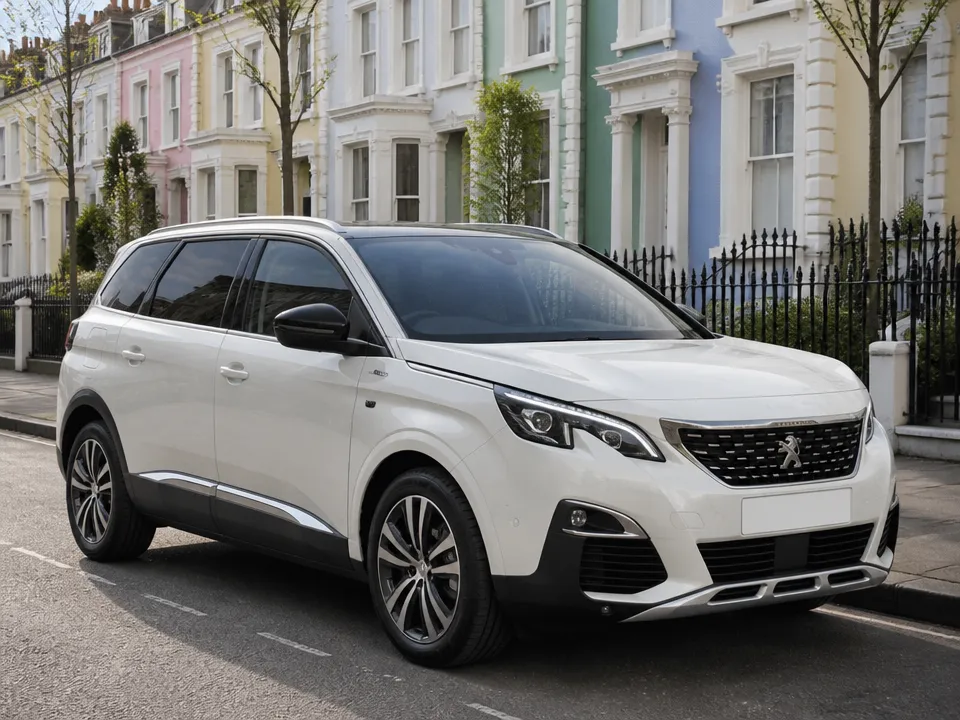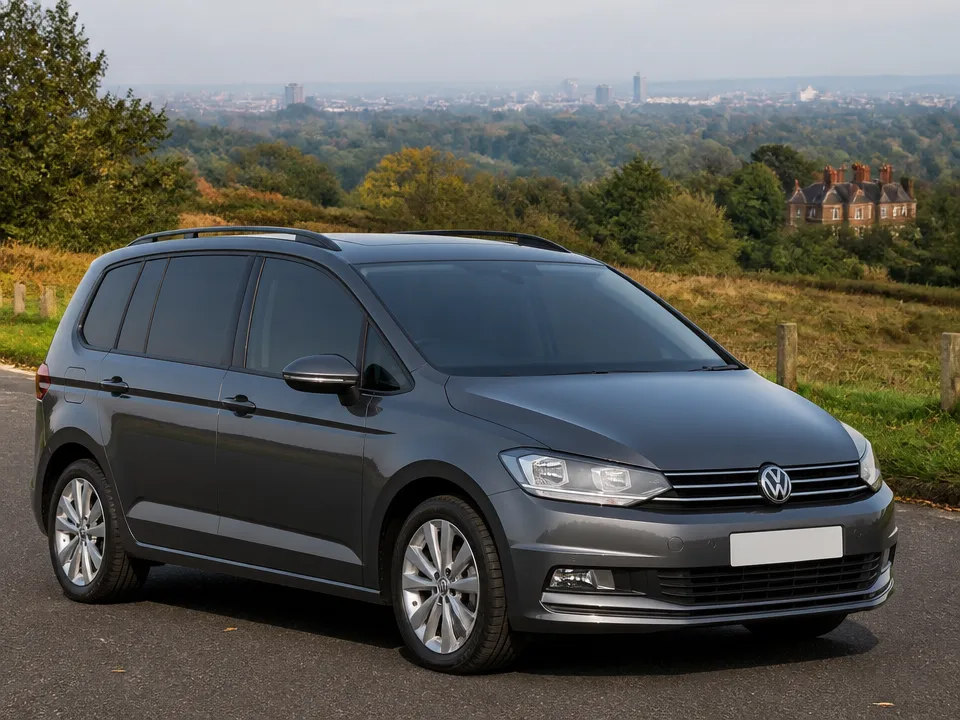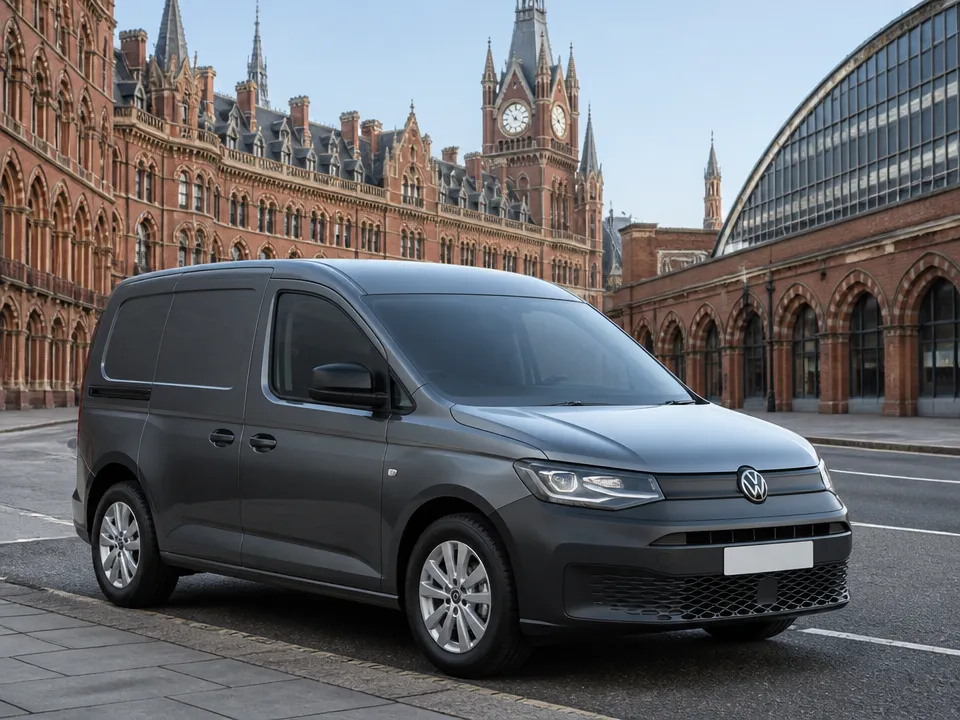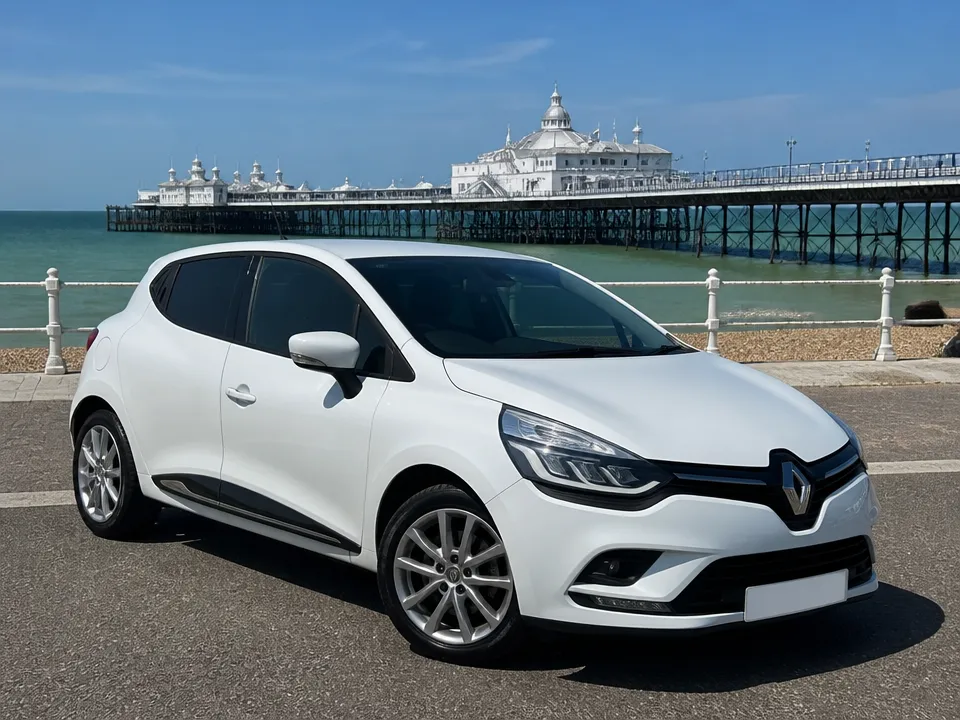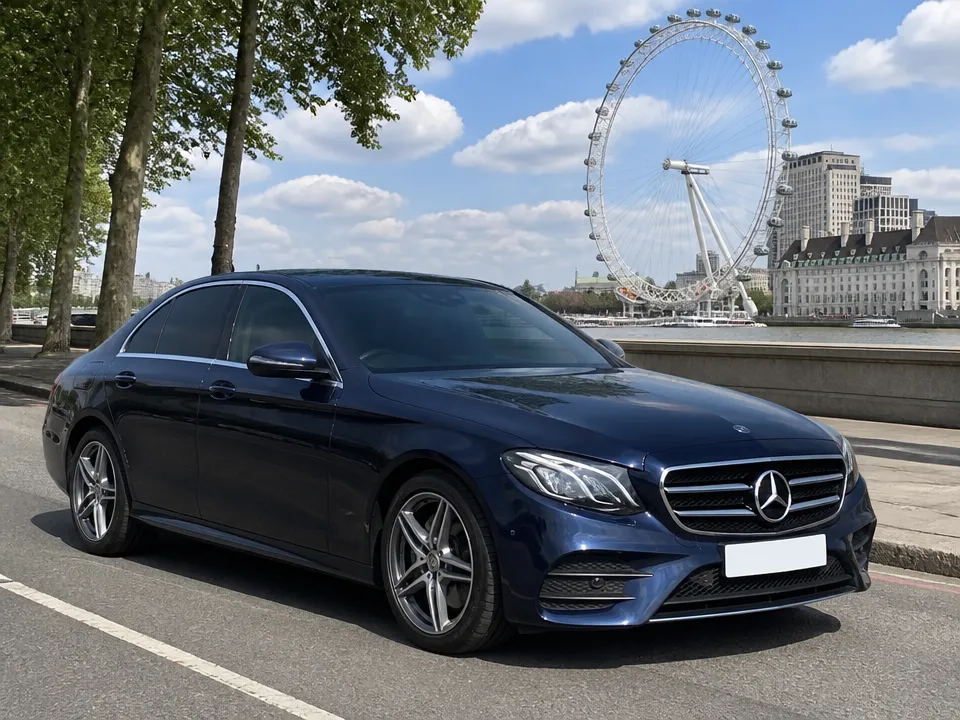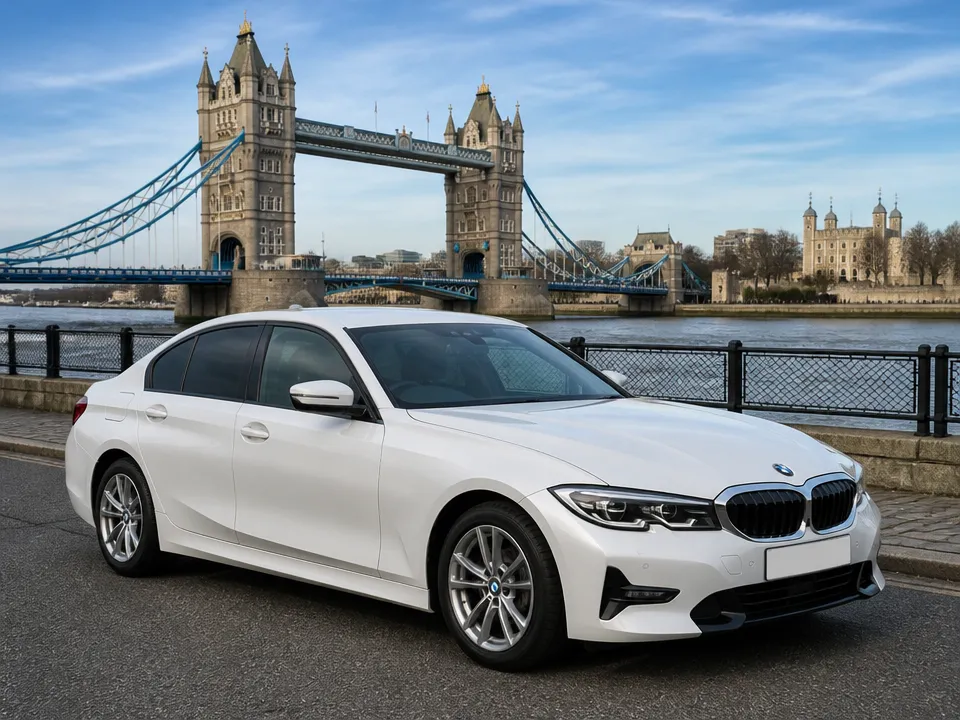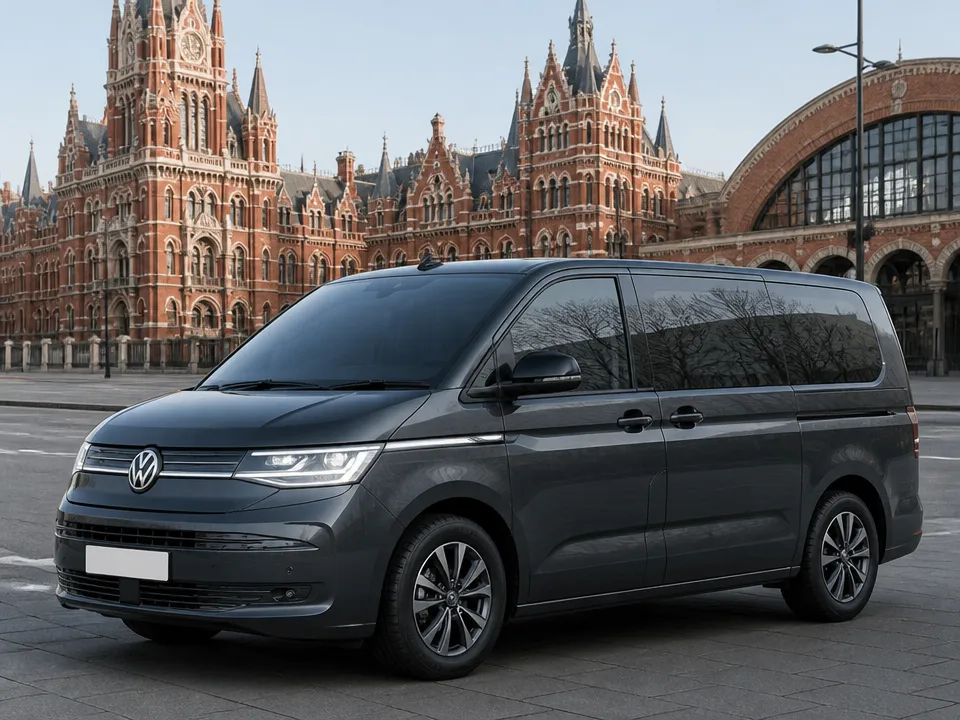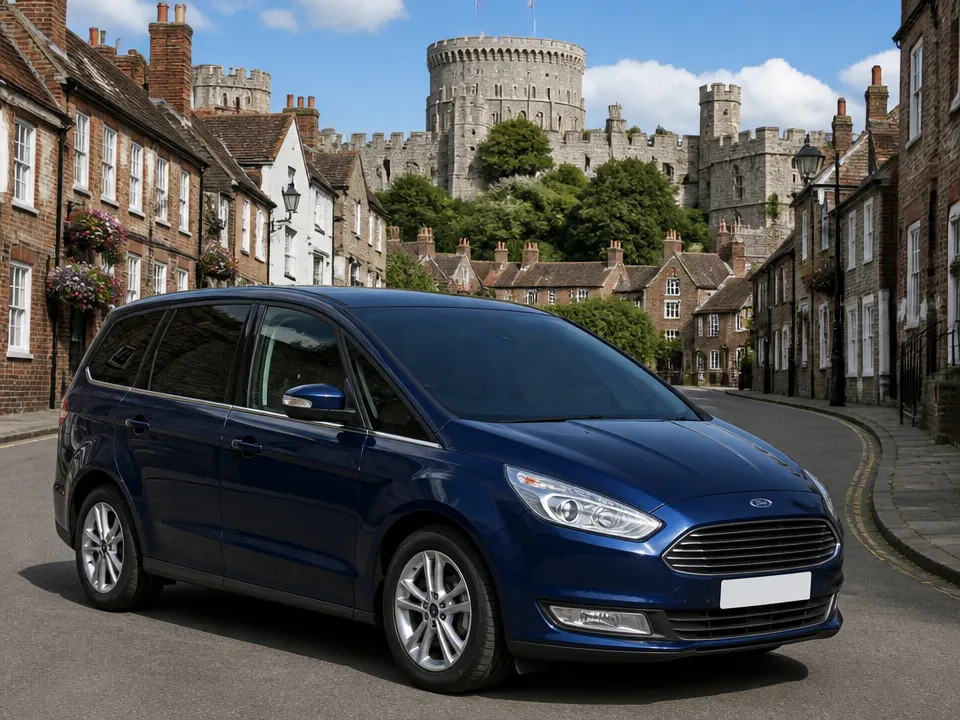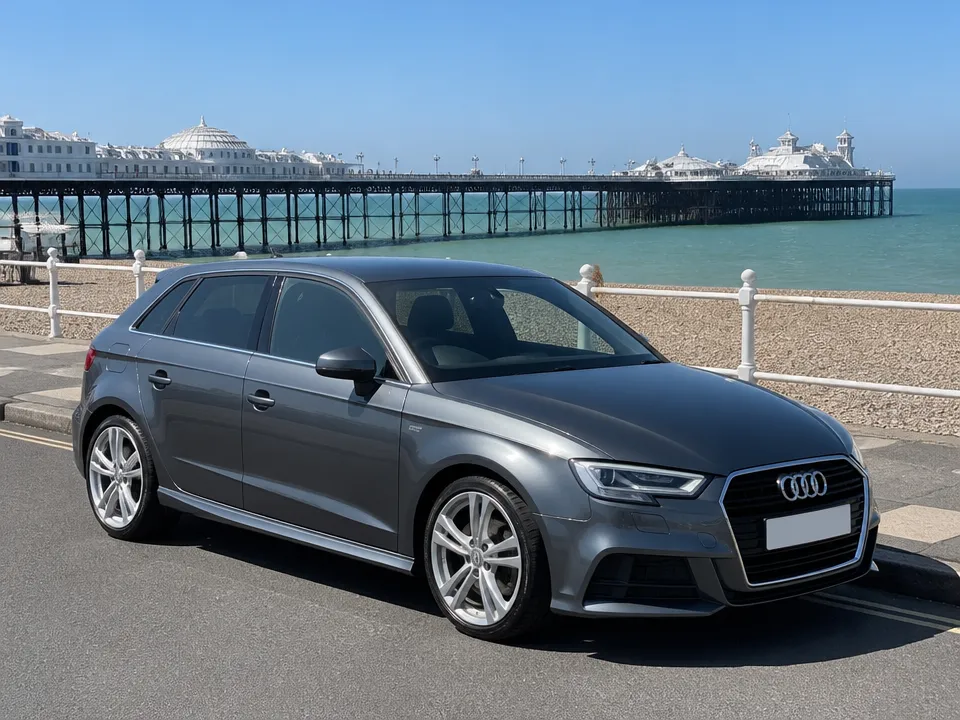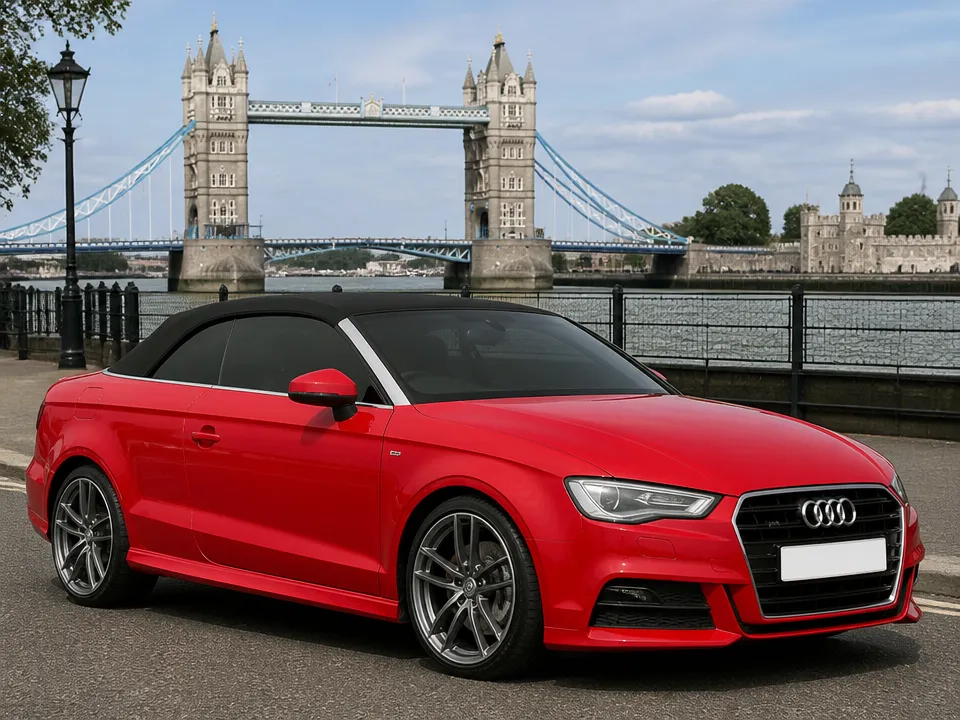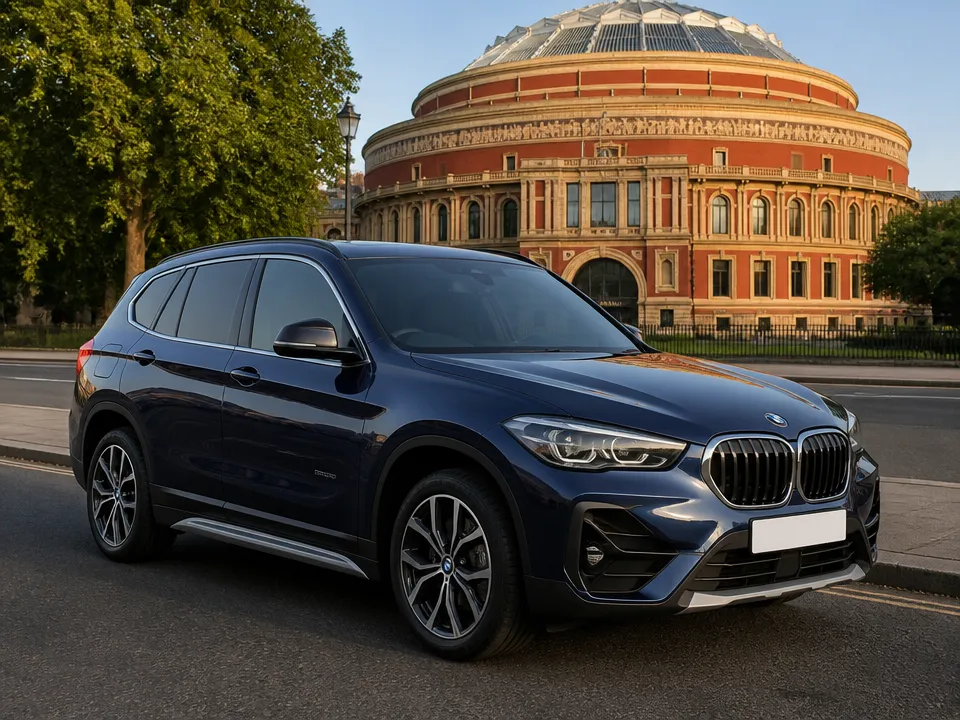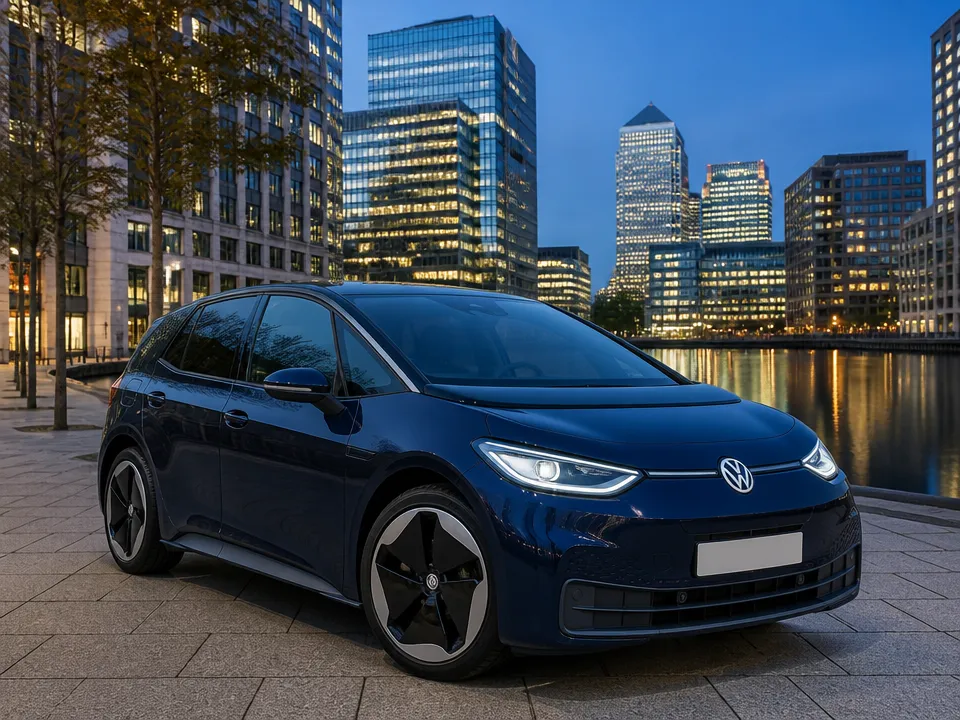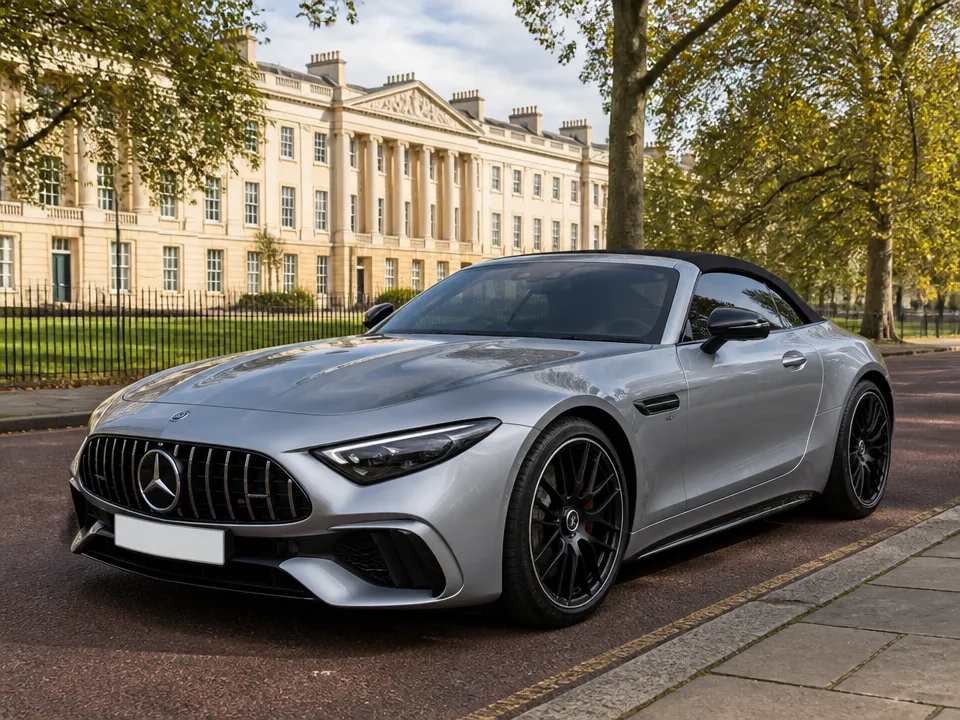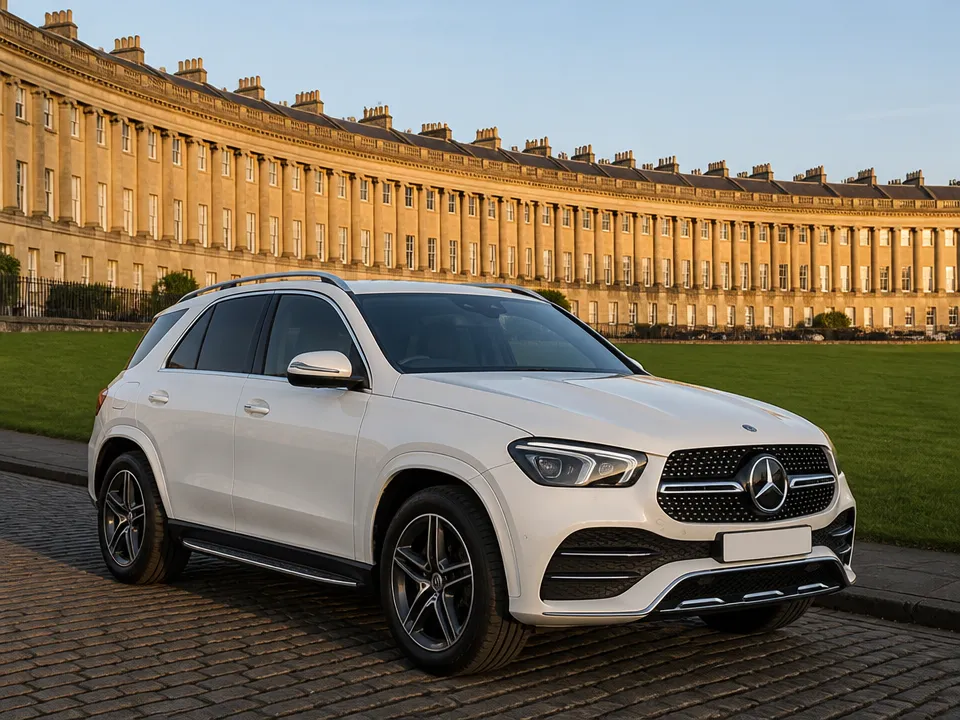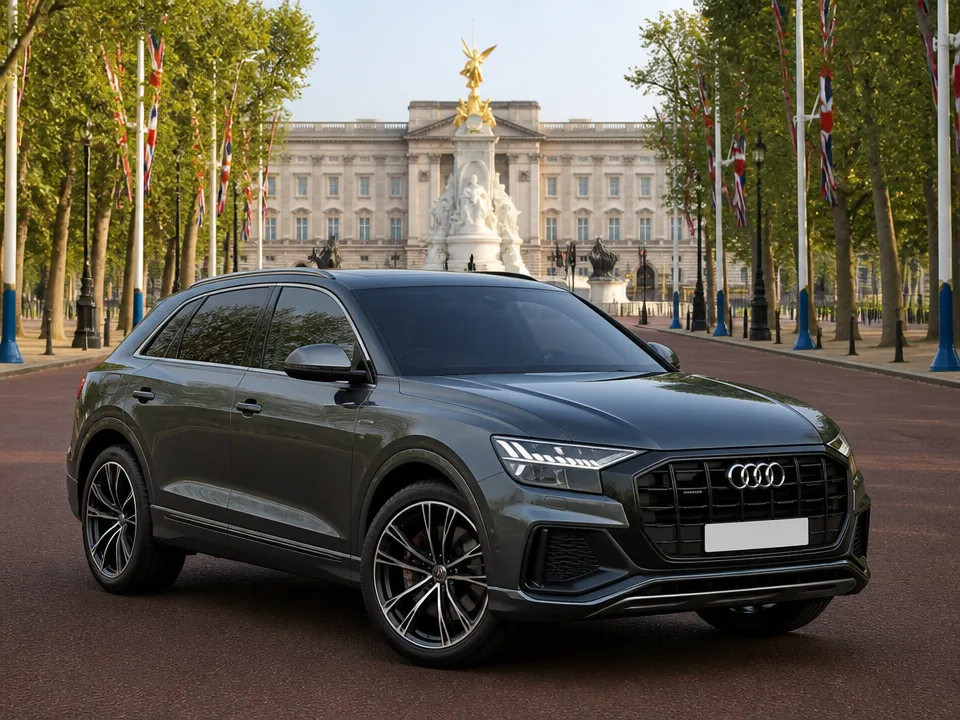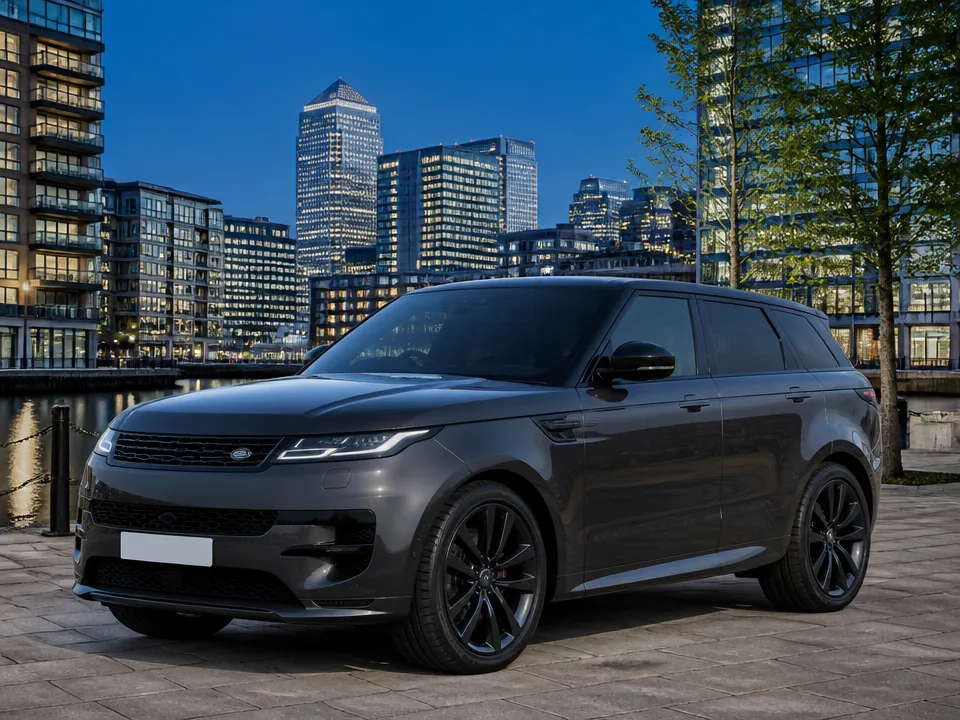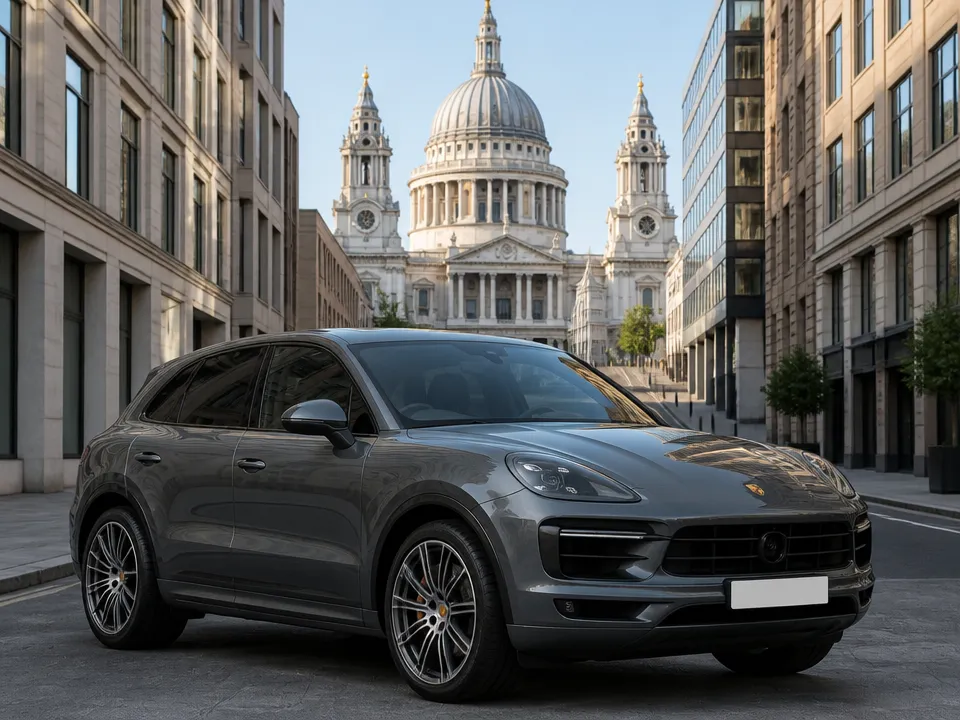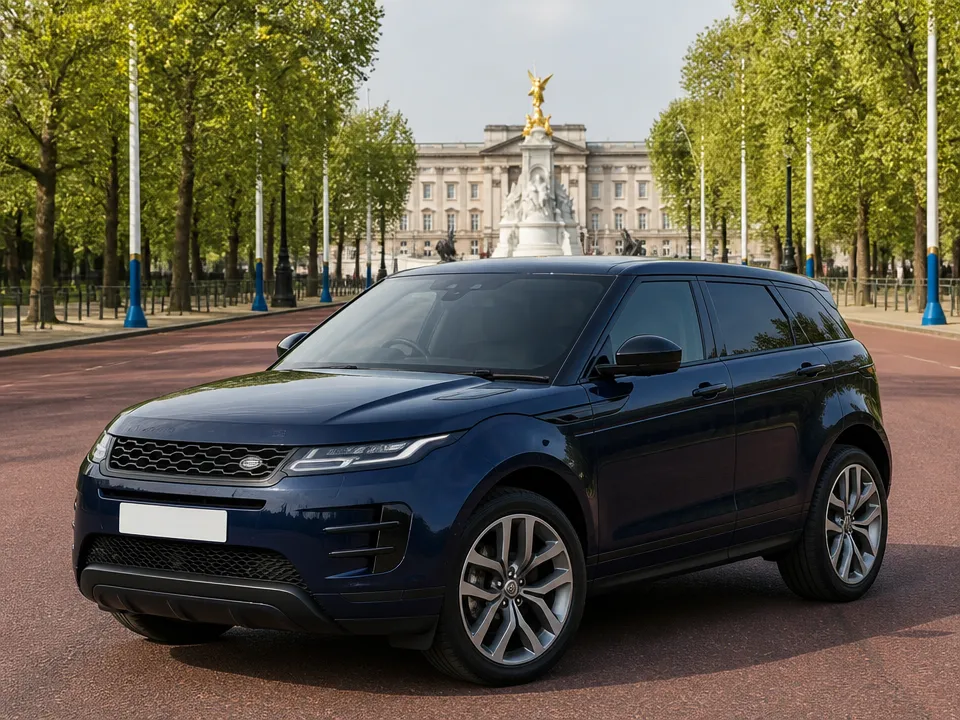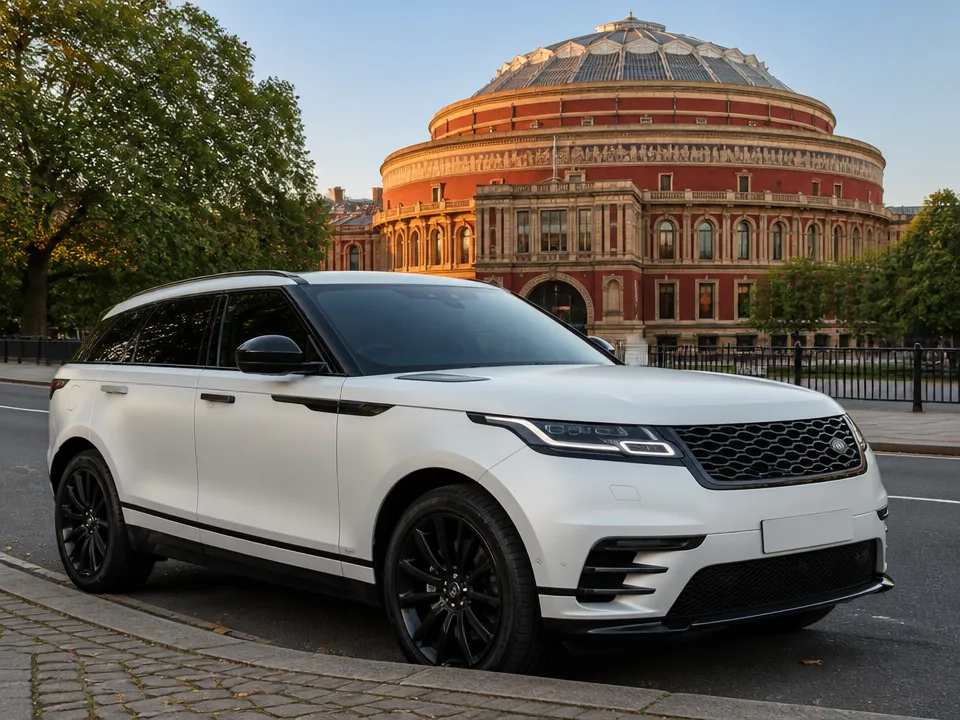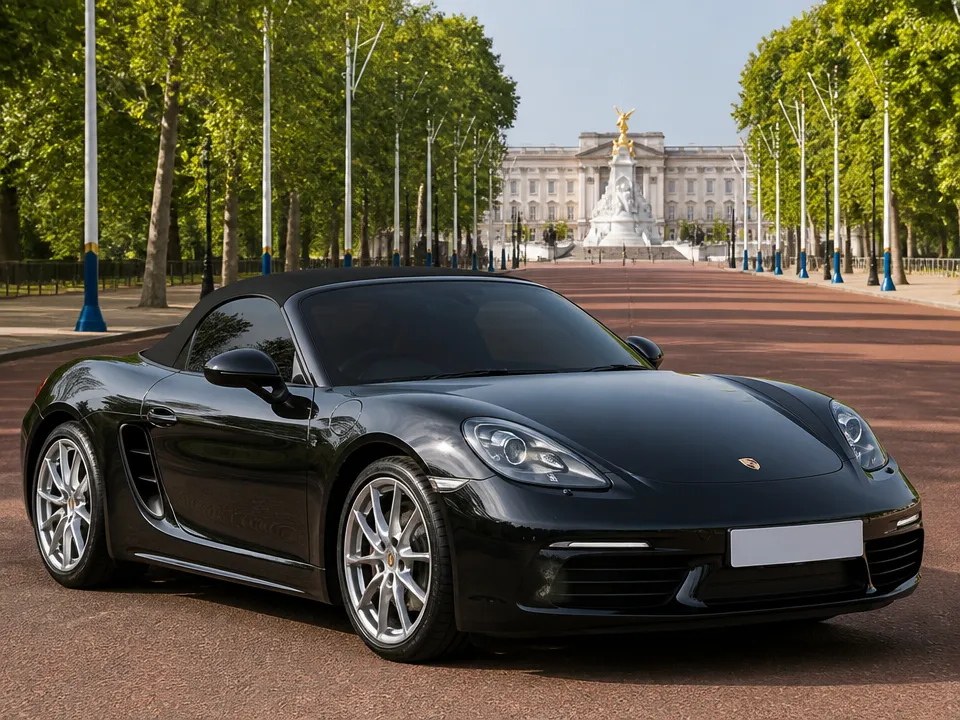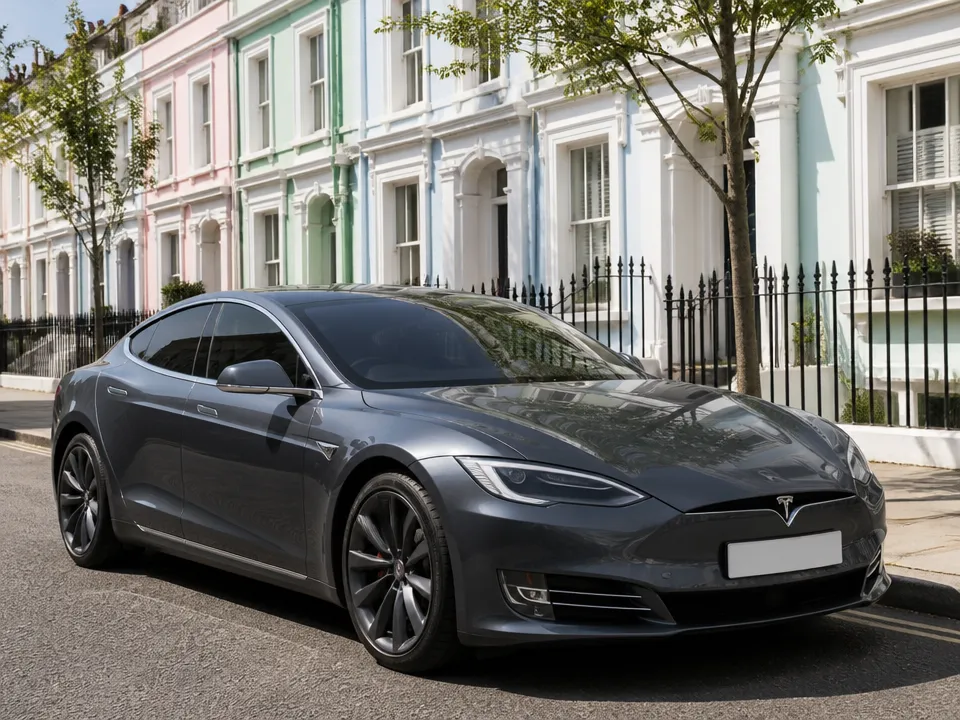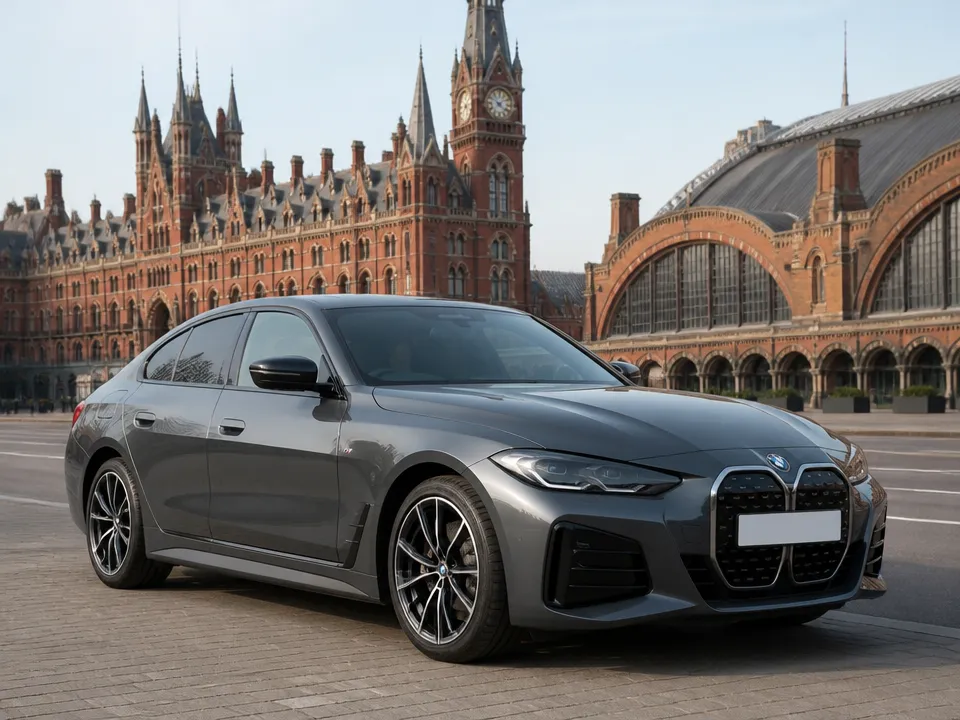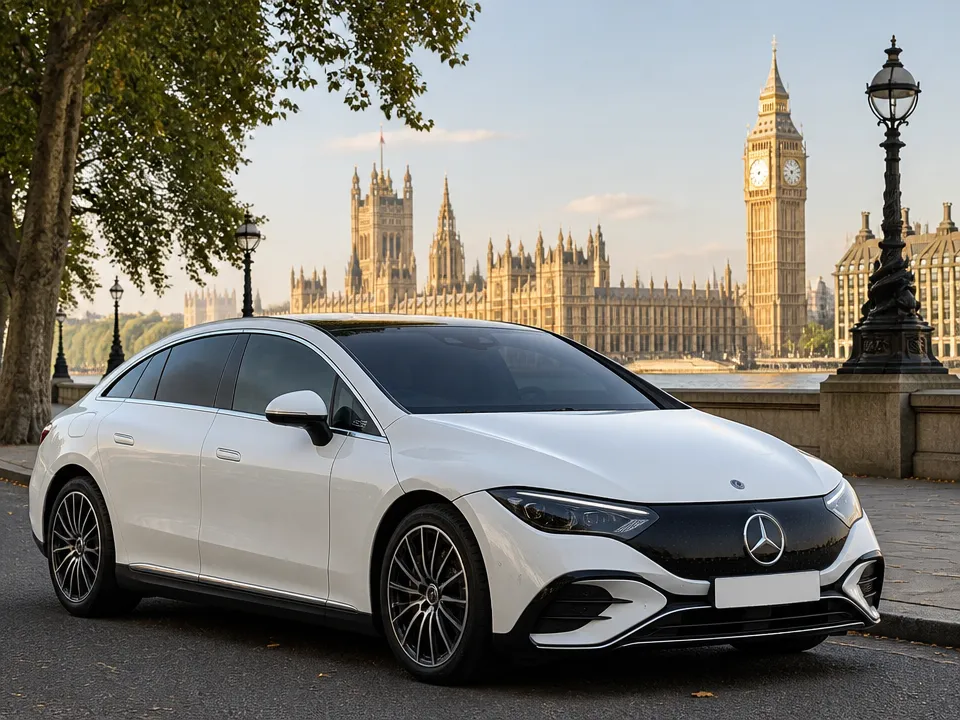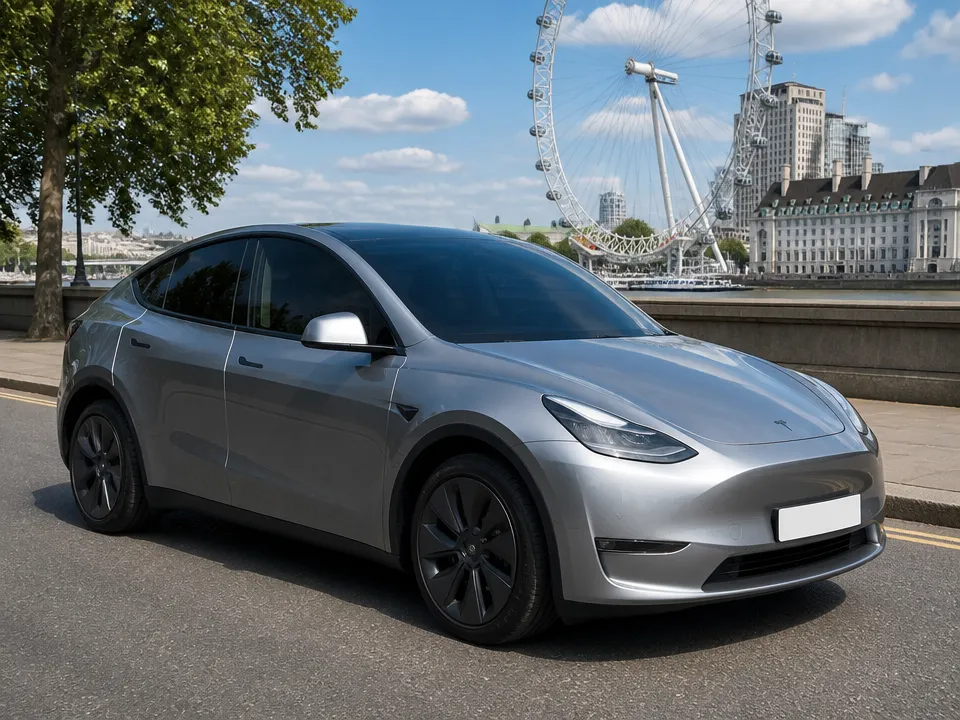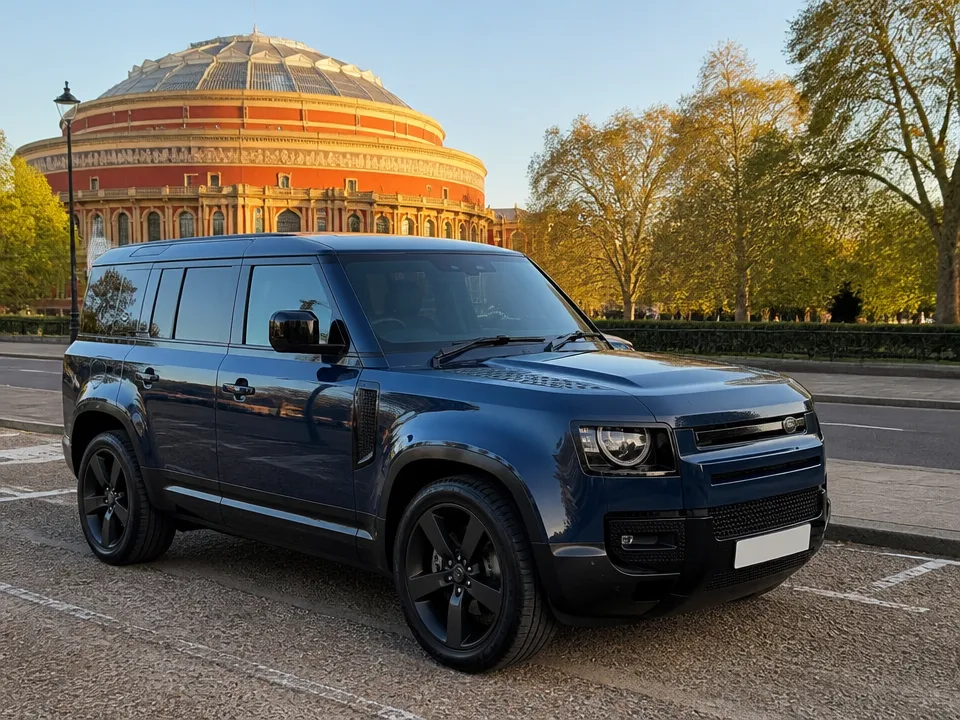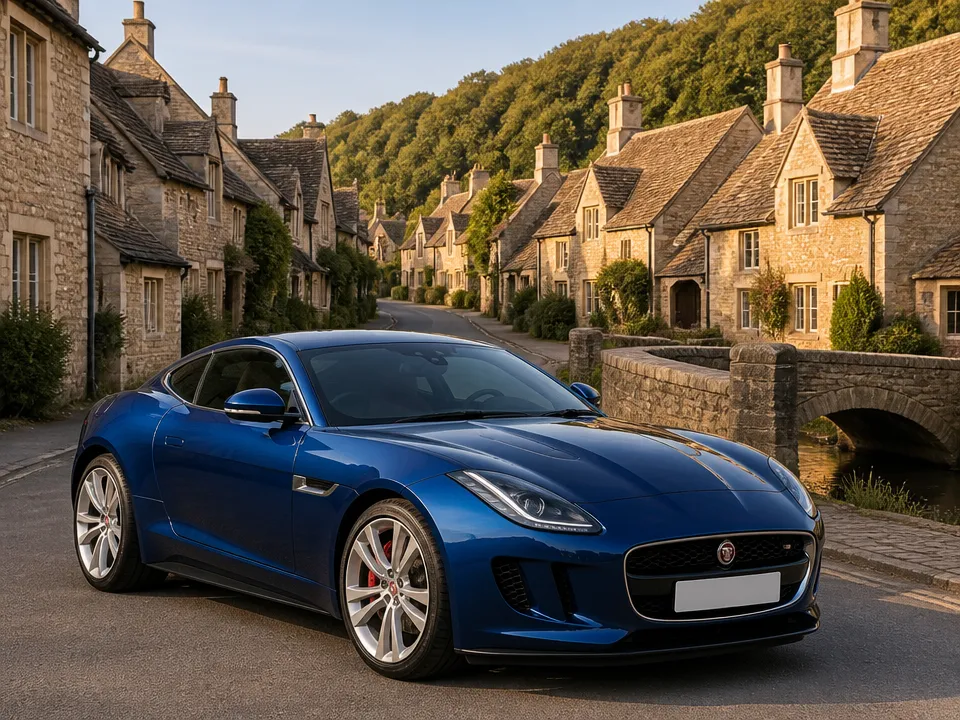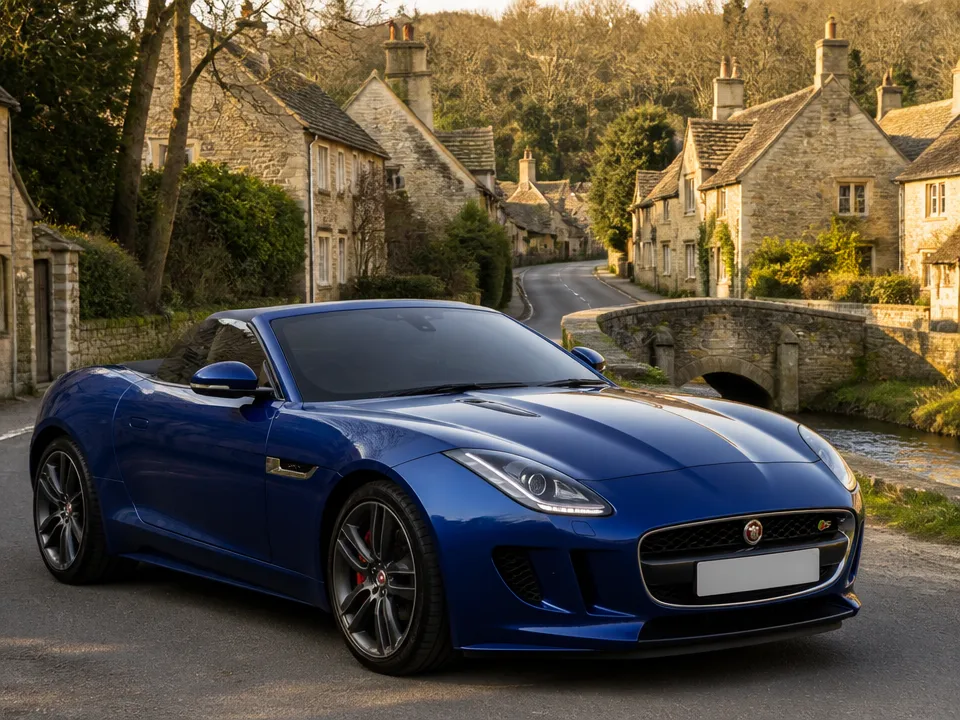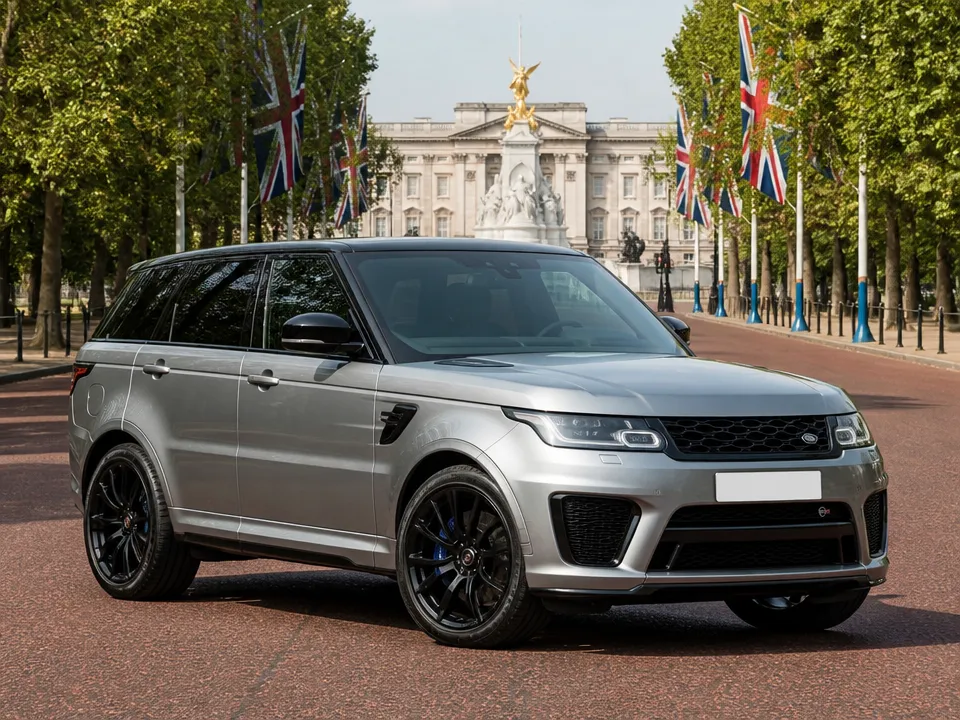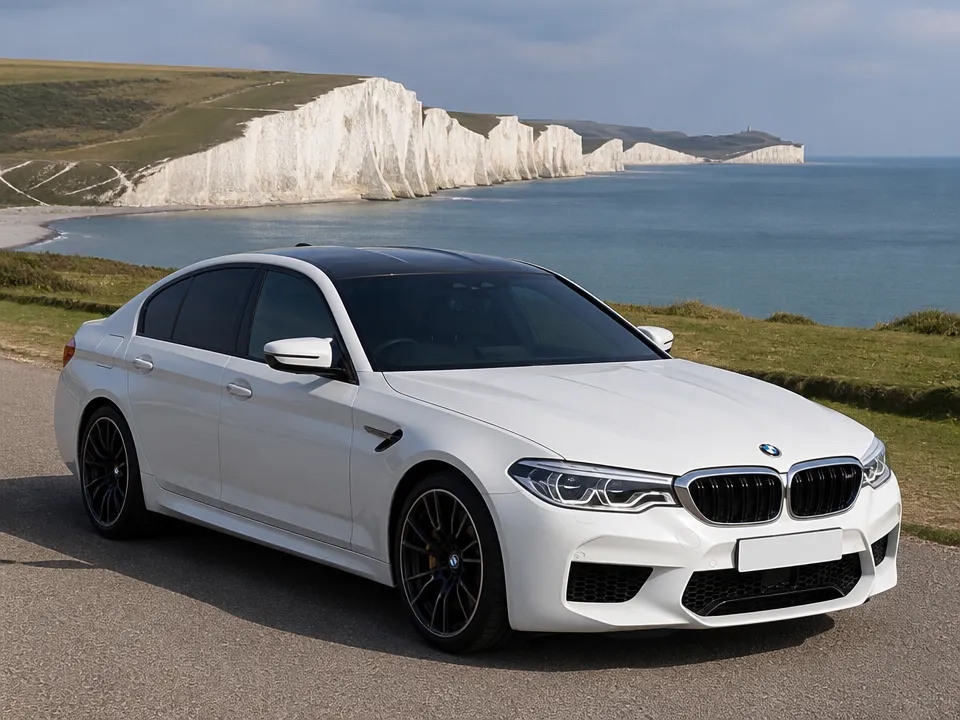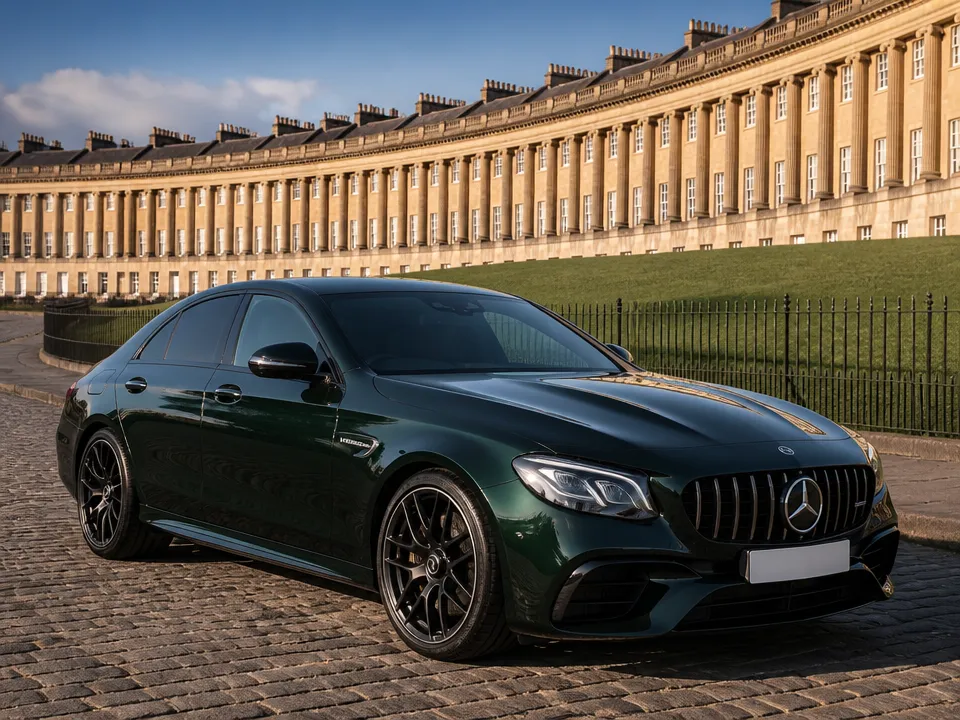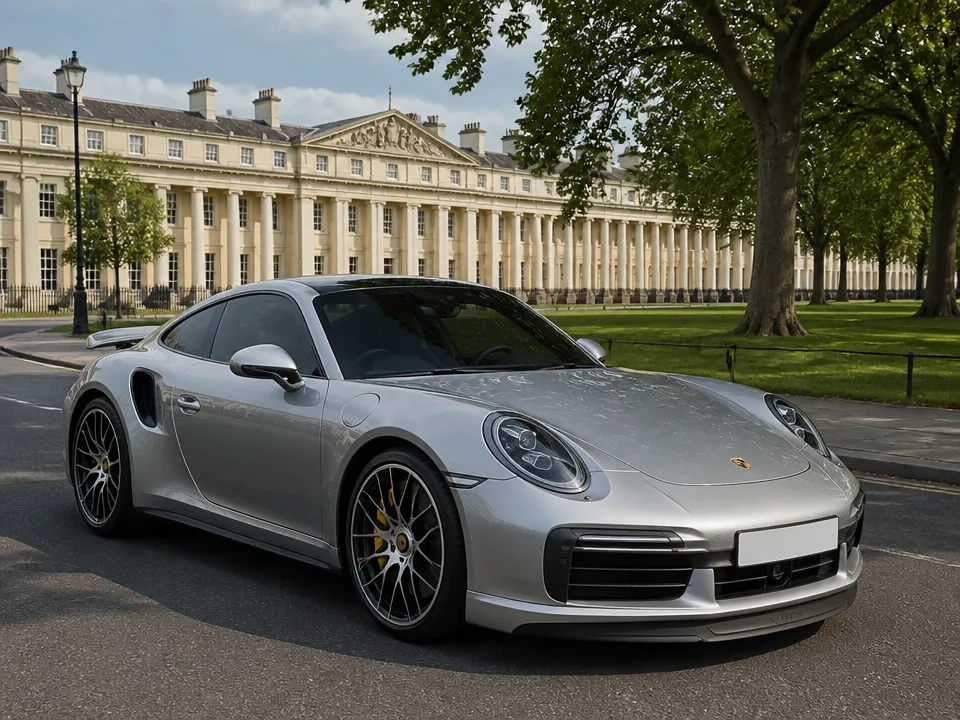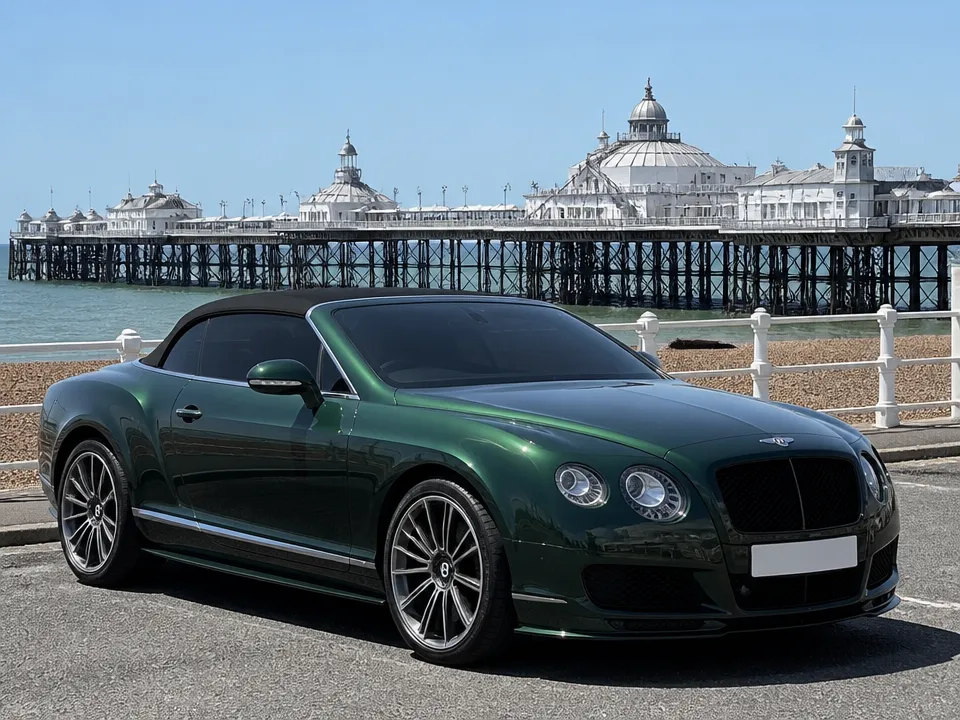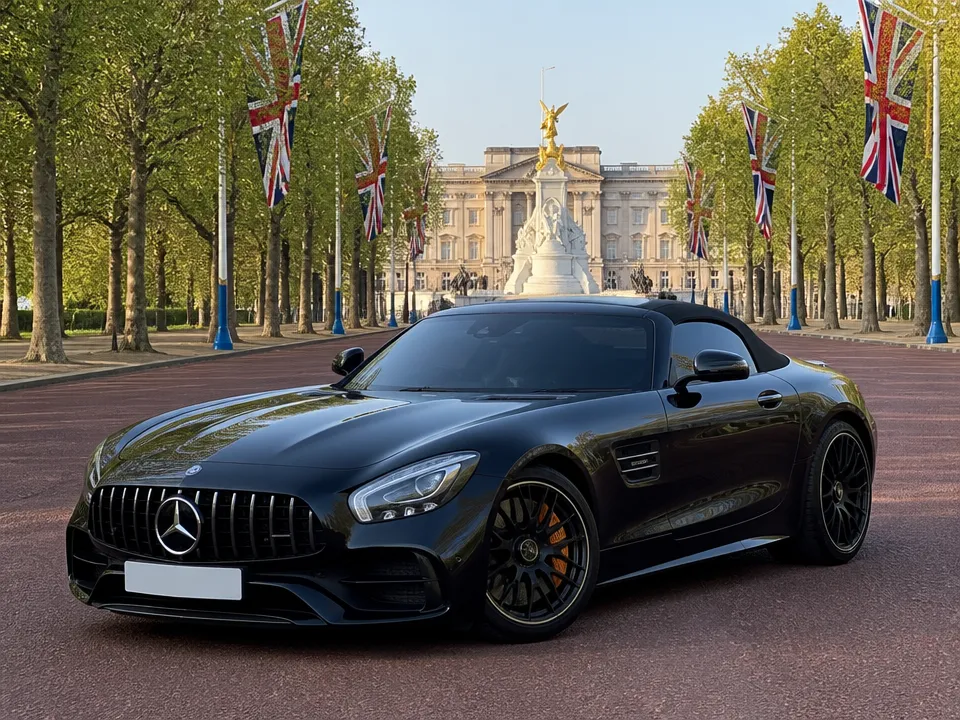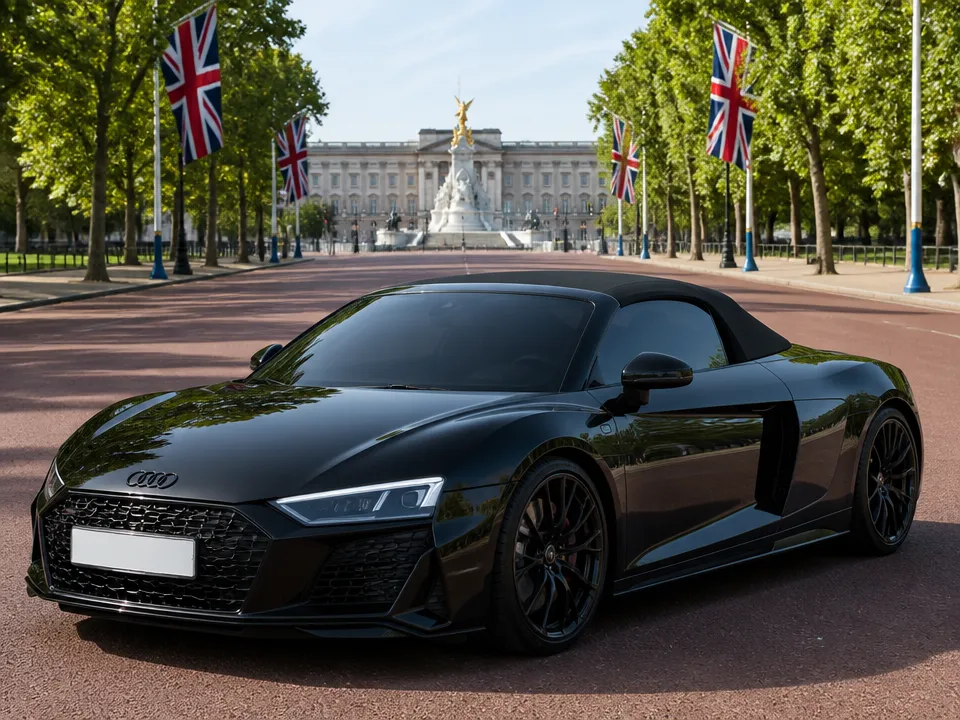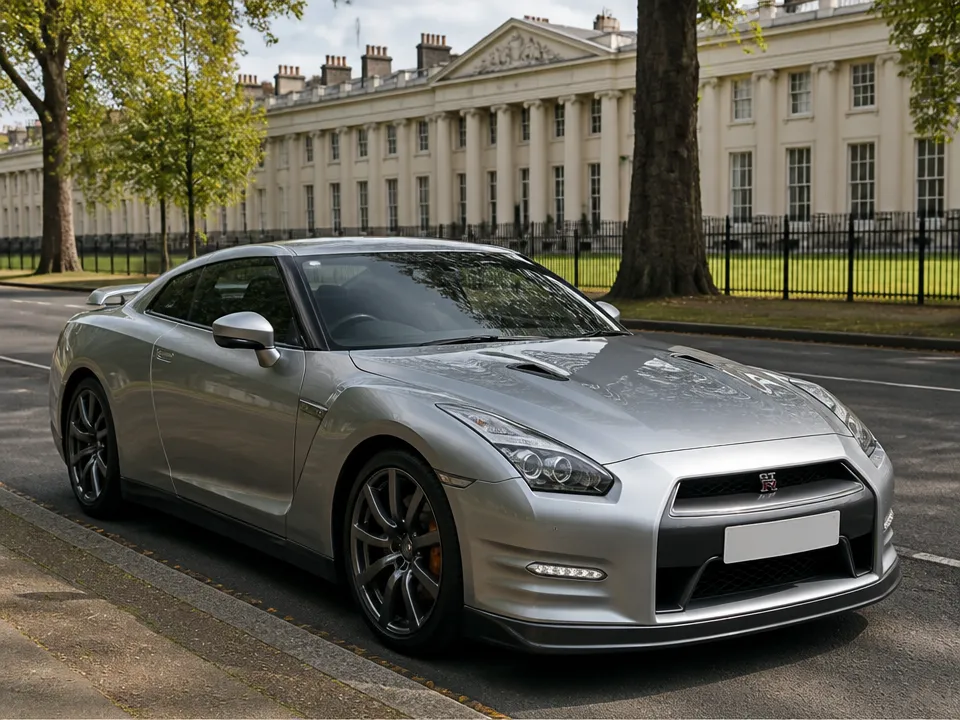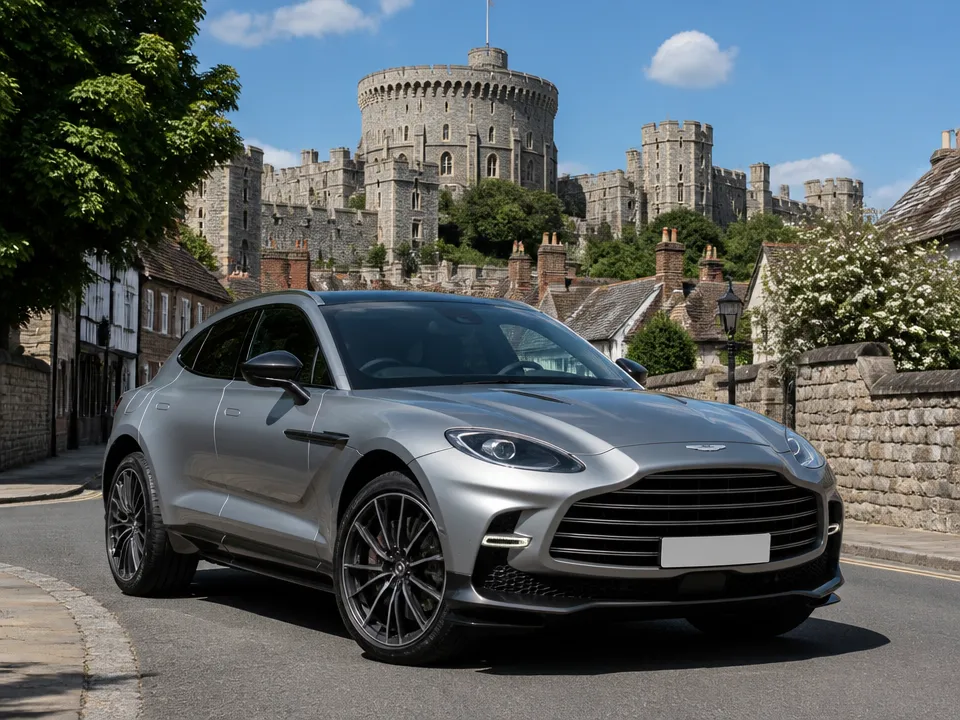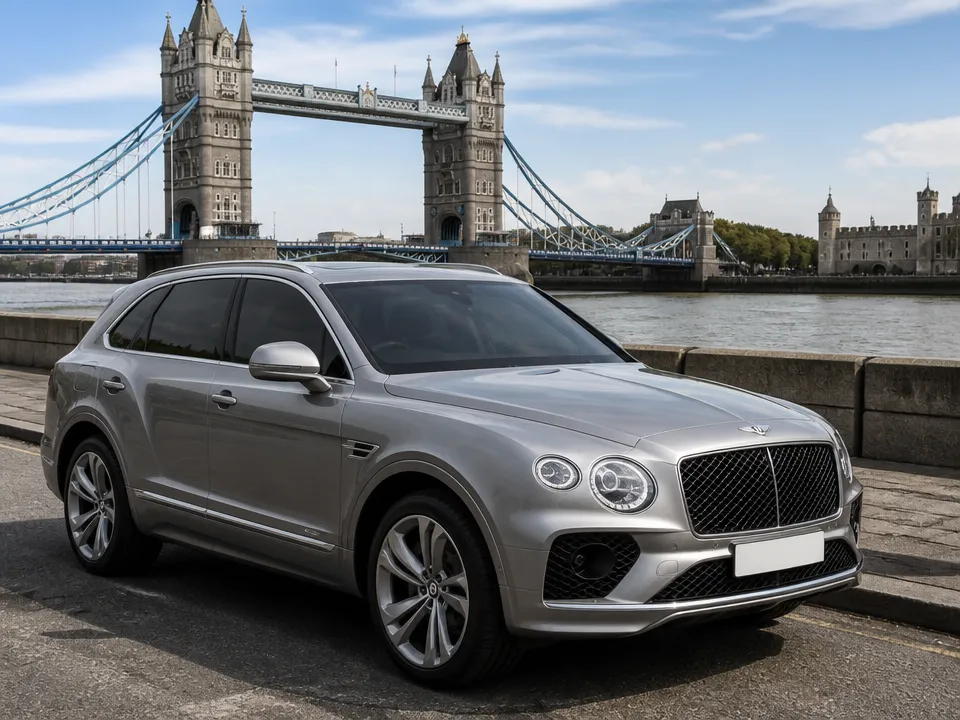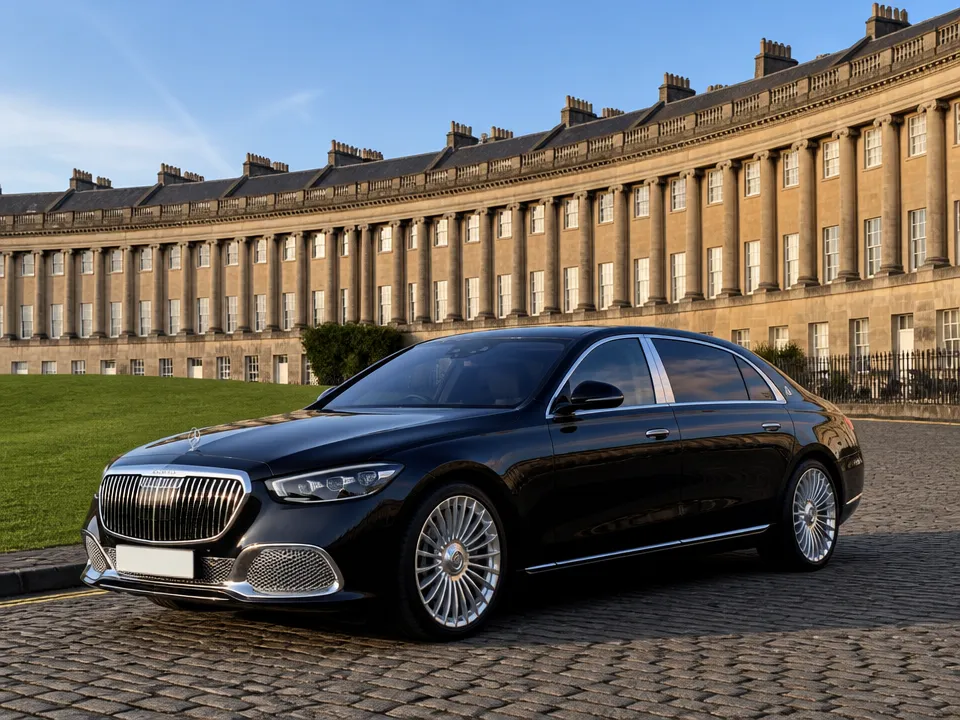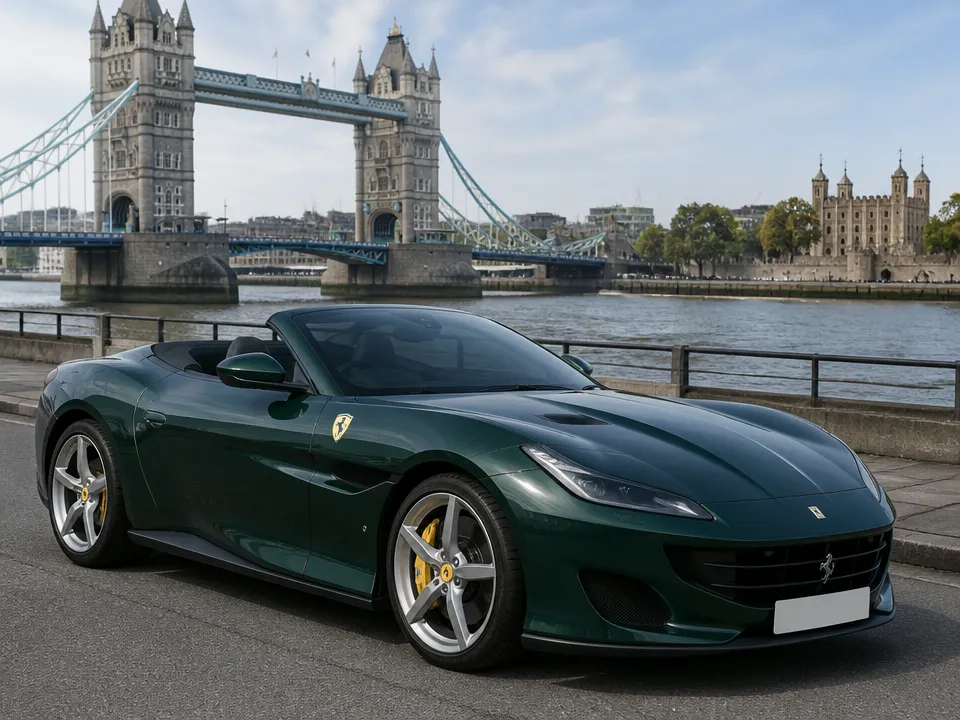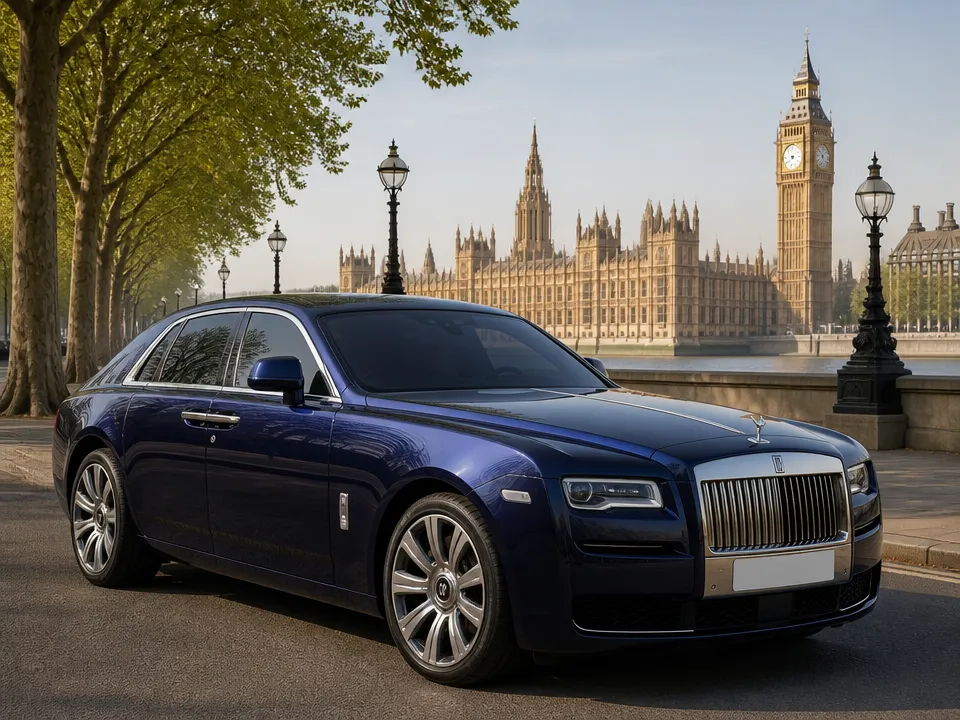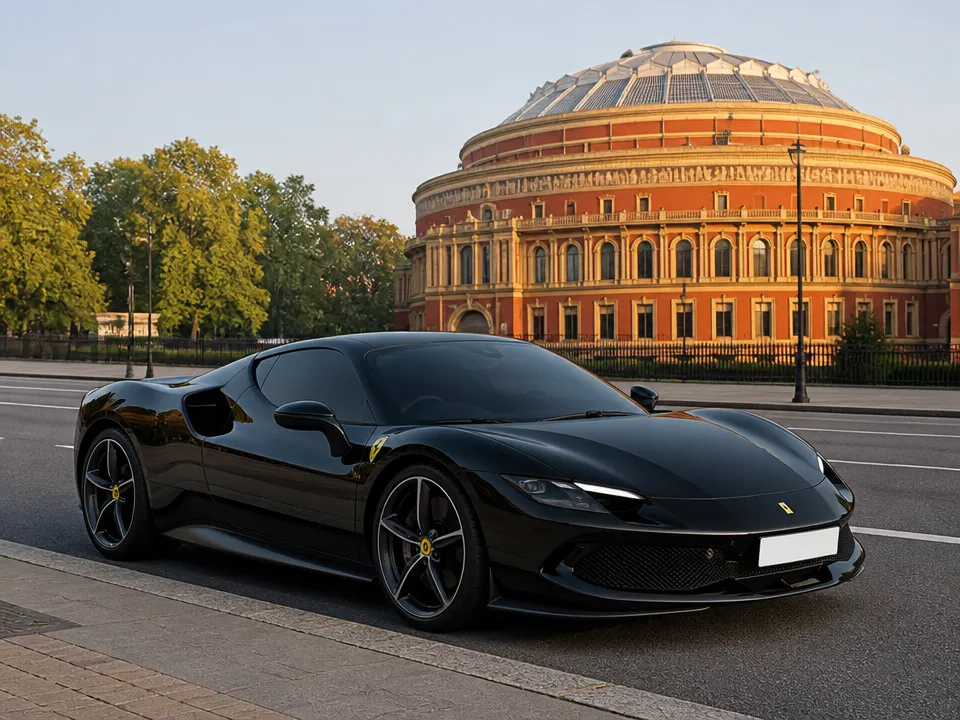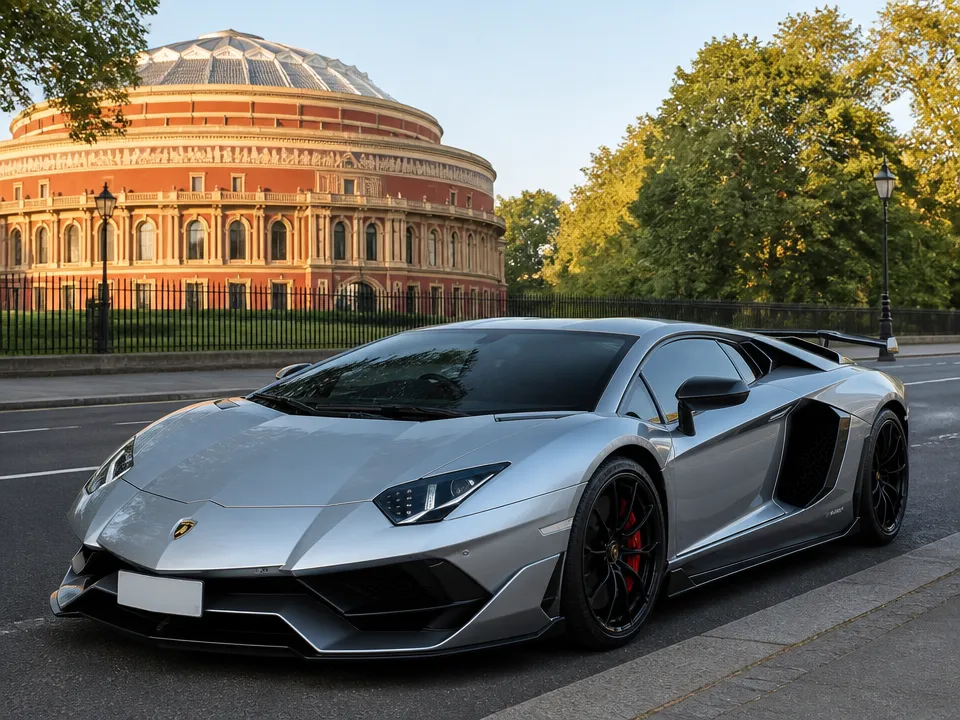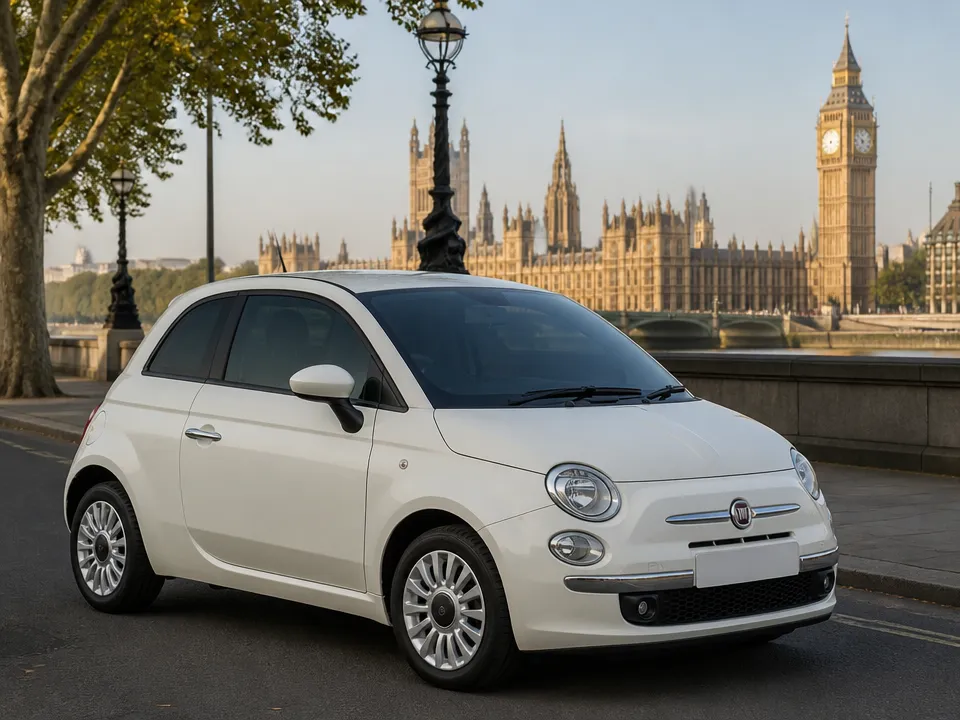
Fiat 500, Economy
★4.9· 43Manual1.0 L70 hpFront-wheel4 seats
£22per day
Book now




No cars match the selected filters. Remove some of the conditions.






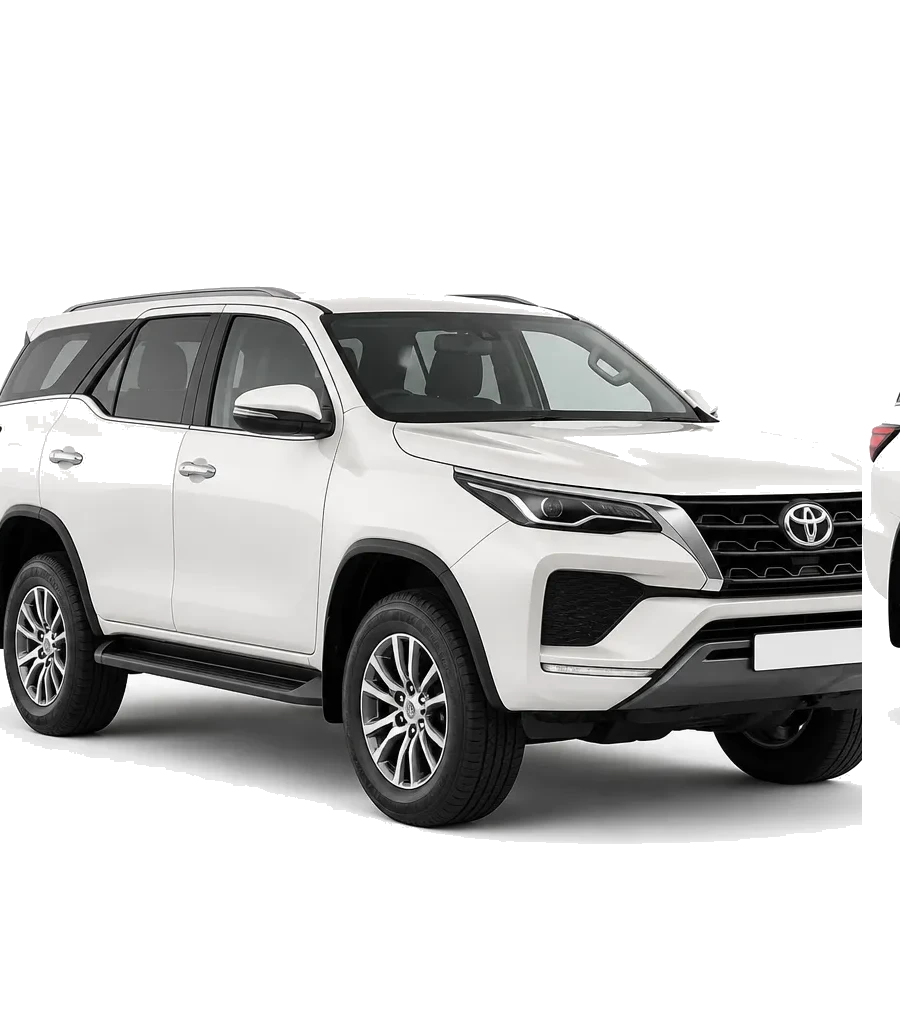

This London self-drive page lists 147 cars, with daily prices from £22 to £3300. Seat counts run from 2 to 17, and transmissions are Automatic and Manual. Classes range from Economy and Comfort to Luxury, Sports and Passenger vans.
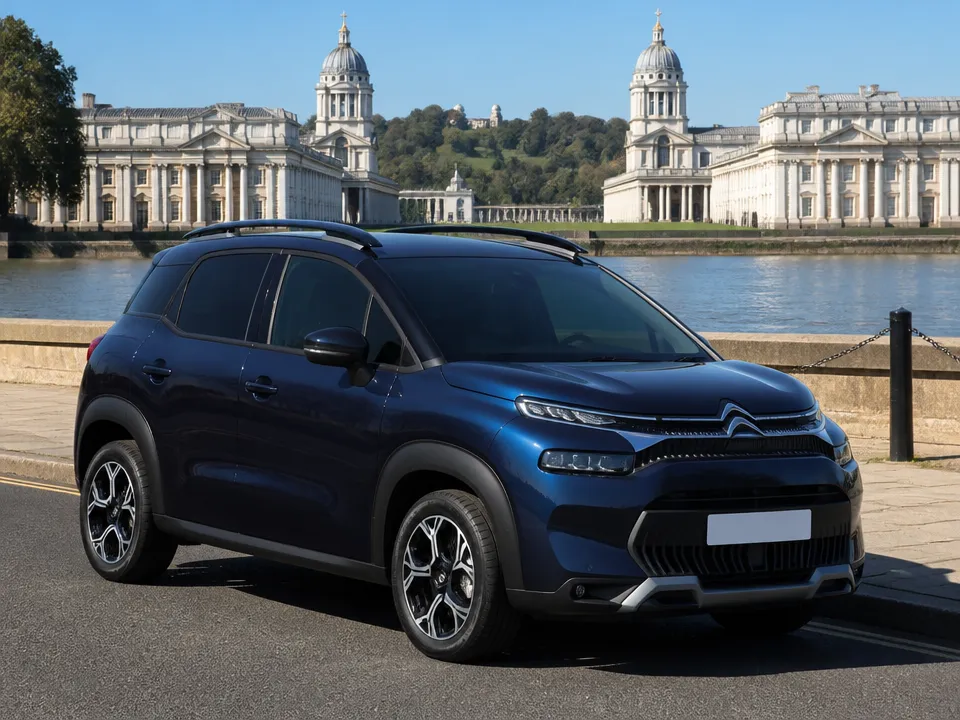
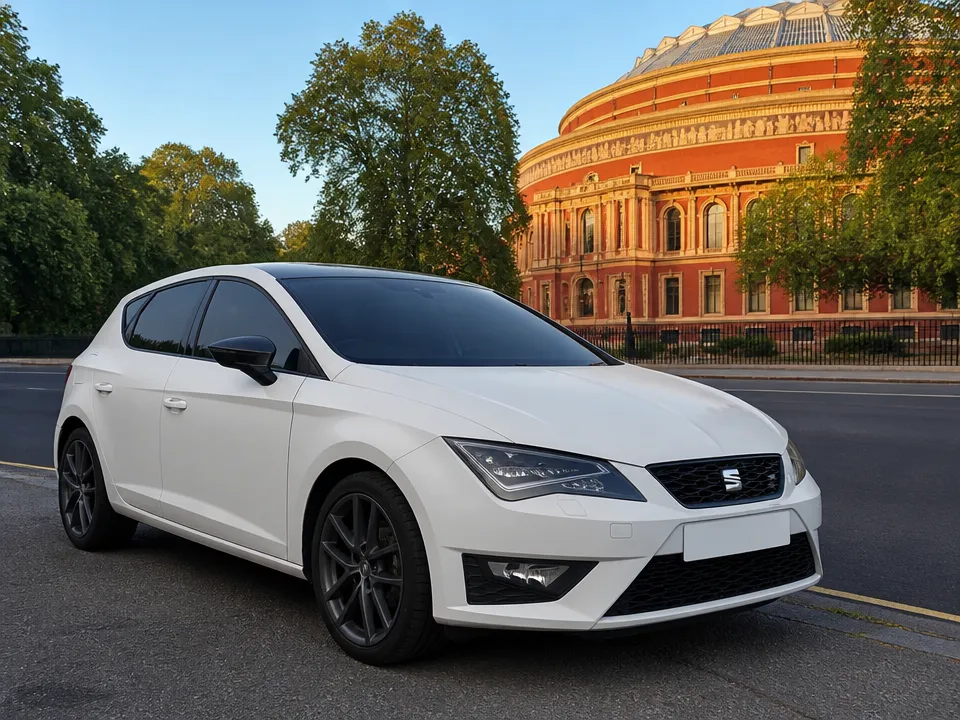
On this London page the Citroen C3 Aircross and the Fiat 500 are at £22 per day, and the Seat Leon is at £23 per day. Daily prices across the page run from £22 to £3300.
The London ULEZ covers all 32 boroughs, 24 hours a day, 7 days a week except 25 December. Non-compliant cars pay £12.50 per day. Petrol cars must meet Euro 4 and diesel cars Euro 6; you can check a vehicle on the TfL vehicle checker.
Self-drive car rental in London puts 147 cars at your disposal, from £22 a day, delivered to any address in the capital and to Heathrow, Gatwick, Stansted, Luton, London City and Southend airports. A week of errands across the city or a run out to the Cotswolds starts with one call: you agree the delivery address, date and time with a manager, and the car arrives clean with a full tank.
Rent-Trip brings the car to you instead of asking you to collect it from a depot, and the delivery address, date and time are agreed with a manager before the booking is fixed. We deliver the car to any address in the city and to Heathrow (LHR), Gatwick (LGW), Stansted (STN), Luton (LTN), London City (LCY) and Southend (SEN). That covers a hotel in Mayfair, a flat near Canary Wharf, a terminal meet at Heathrow or a venue drop at ExCeL London — the same car, handed over where you already are. Delivery outside these places is arranged case by case and is not promised on the site — so name your address early in the conversation, before dates get locked in, and you will know within that first exchange whether it can be done. Our fleet is 147 cars on this page, all right-hand drive for left-hand traffic, supplied clean with a full tank.
Nothing is automatic: you tell us where the car should appear and when, we confirm what is possible, and only then does the reservation become final. The delivery address, the date and the time are agreed with a manager before the booking is fixed. The same conversation settles the things that carry a figure — the deposit, the insurance excess, delivery fees and any discount are set out in the rental agreement, not quoted on this page. Read them at that stage rather than at hand-over, because the agreement is the document that governs the whole rental.
Drivers holding a full, valid foreign licence may drive in Great Britain for 12 months from their last entry into Great Britain, and that 12-month window is the one thing to check before you book a long stay. Traffic keeps left and roundabouts run clockwise, so give way to traffic approaching from the right — Highway Code rules 160, 183 and 185 cover the mechanics. Speed limits are 30 mph in built-up areas, 60 mph on single carriageways and 70 mph on dual carriageways and motorways, though many city zones post 20 mph and the signs always win over the default. The minimum rental age, the young-driver surcharge and the cards accepted are agreed when booking.
In our practice, the drivers who enjoy this most are the ones who book the car for the awkward middle of the trip — the airport run at 05:00, the Saturday out to Oxford or the Cotswolds — and leave the centre to the train. Tell the manager your address and your dates first; the rest of the booking follows from those two facts.
For self-drive car rental in London the page lists 147 cars across 14 classes and 32 brands, and the choice comes down to three questions: how many seats you need, whether you want an automatic or a manual, and what fuel you are comfortable with. Everything below is drawn from those three numbers.
| Class | Cars | From, per day | Best for |
|---|---|---|---|
| Economy | 14 | £22 | Solo trips, tight parking, short hops |
| Crossover | 14 | £22 | Raised seating without SUV bulk |
| Comfort | 15 | £23 | Longer motorway runs, luggage |
| SUV | 10 | £34 | Families, boot space |
| Electric | 10 | £71 | Clean-air zone driving, low running cost |
| Sedan | 8 | £36 | Four adults with cases |
| Convertibles | 8 | £80 | Weekend drives out of the city |
| Minivans | 6 | £44 | Seven seats, family groups |
| Premium | 16 | £55 | Business travel, badge and comfort |
| Commercial | 3 | £47 | Cargo, equipment, moving kit |
| Passenger vans | 5 | £90 | Groups of 8 to 17 |
| Luxury | 15 | £294 | Occasions, chauffeur-free prestige |
| Sports | 11 | £404 | Performance on open roads |
| Exotic | 12 | £954 | The top of the range |
A category's «from» price is its entry car, not the ceiling of the category — the spread inside one category can be wide, so read the model line, not the category line.
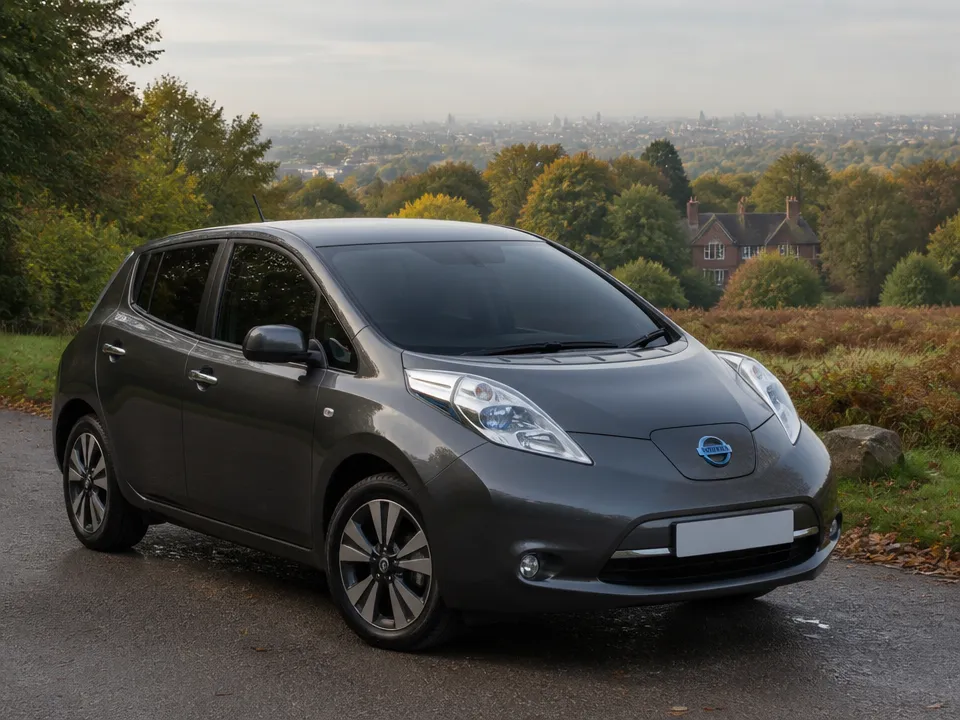
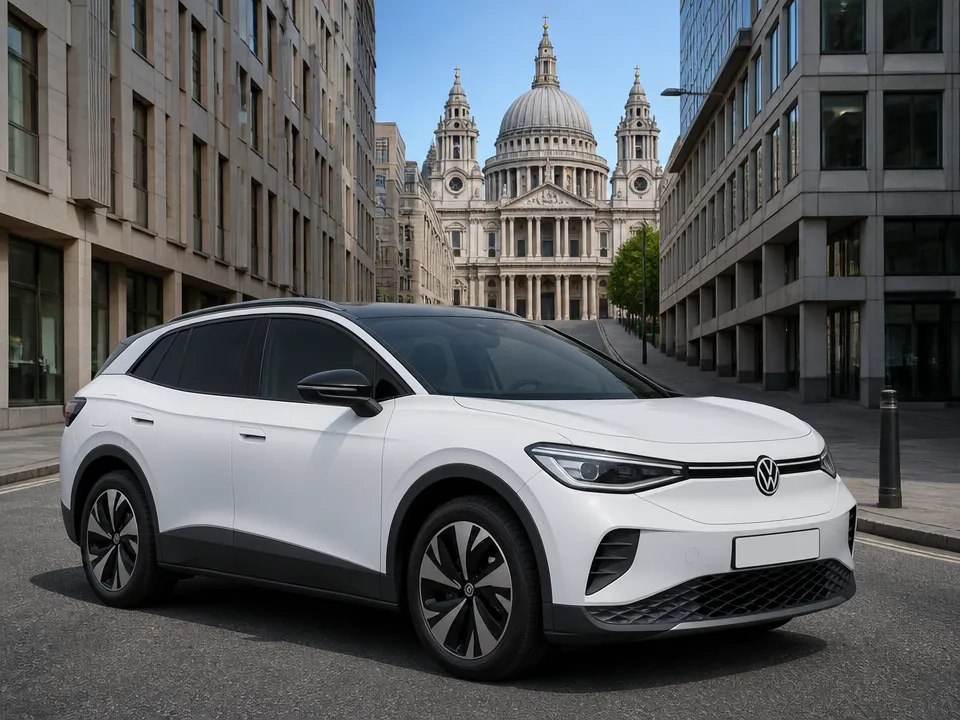
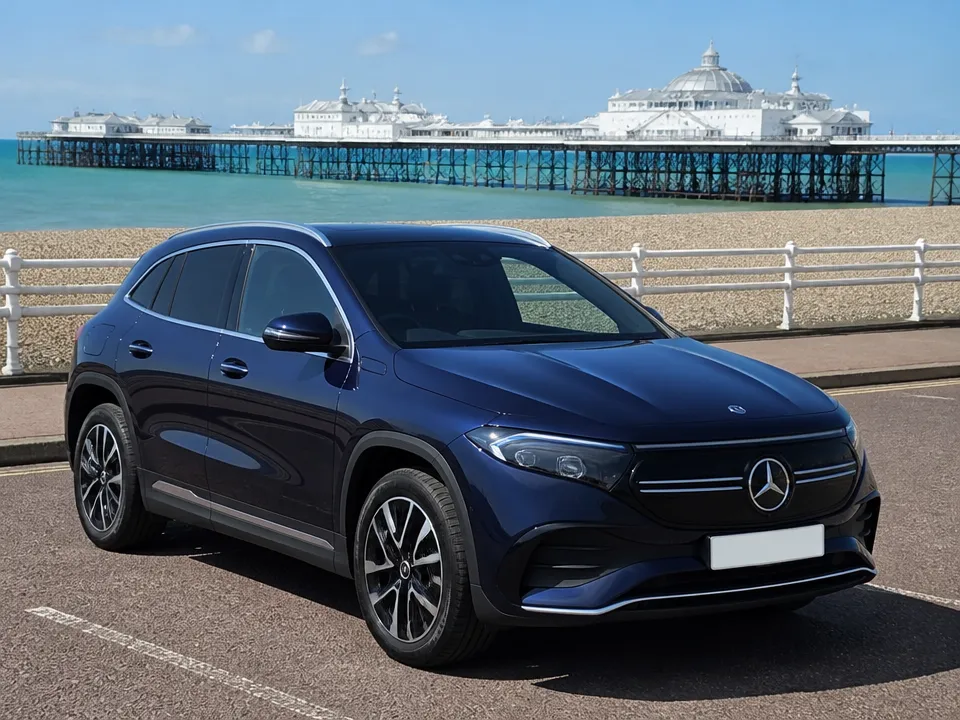
101 of the 147 cars are automatic and 46 are manual; 100 run on petrol, 24 on diesel, 13 are hybrid and 10 electric. Electric is the smallest group at 10 cars — from the Nissan Leaf at £71 a day, with the Volkswagen ID.4 and Mercedes-Benz EQA at £171, the BMW i4 and Mercedes-Benz EQE at £309, and the Tesla range alongside them. Petrol dominates for a reason: it is the easiest fuel to refill on a full-to-full policy, since the car goes out with a full tank and comes back with one. Weekly is daily × 6 and monthly is daily × 21, so a longer booking is the lever on cost, not the gearbox.
Children need a child seat until they reach 135 cm or turn 12, whichever comes first, and the fine for getting that wrong runs to £500. Tell us the ages when you book, because the seat has to match the child, not the car.
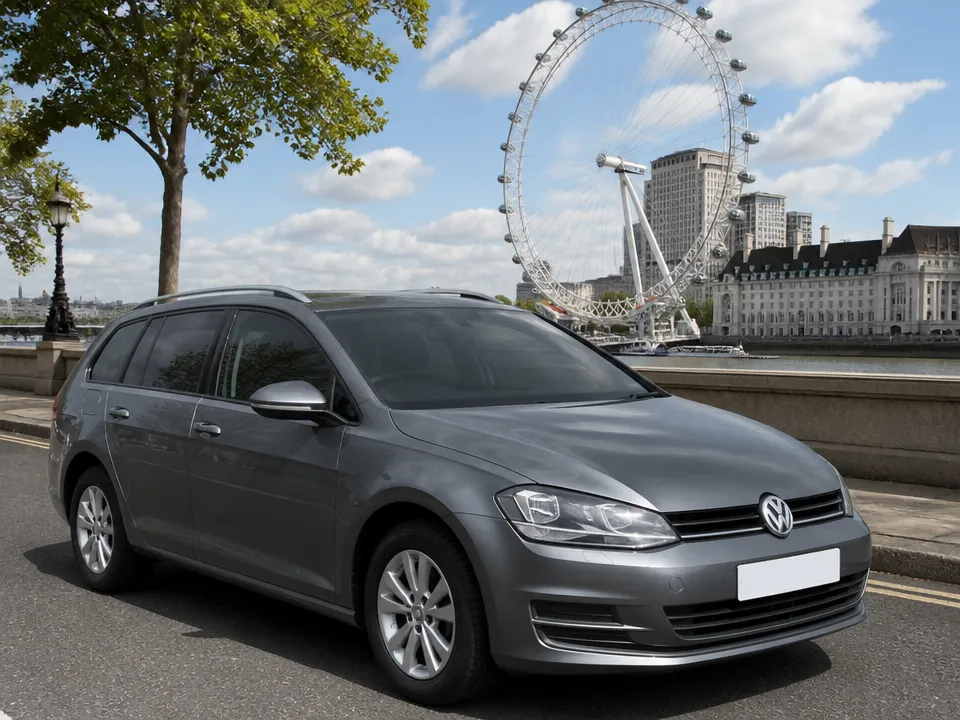
For two people doing the museums and a couple of day trips, the Kia Rio or Hyundai Kona at £31 and £36 a day is hard to argue with — both five-seat petrol manuals, one an Economy hatchback and one a Crossover, so the difference is body style rather than budget. Add a third passenger and a suitcase each, and the Volkswagen Golf Estate at £31 a day earns its keep on boot space alone. Groups of six or seven should look at the minivans from £44 rather than squeezing into an SUV, and anyone planning to spend the week inside the Ultra Low Emission Zone should check the car against the standard — the zone charges £12.50 a day for non-compliant vehicles, and petrol cars meeting Euro 4, diesels meeting Euro 6 and electric models do not pay it. At Rent-Trip the exact car is confirmed when the booking is agreed with a manager, so if one model matters to you, say so then.
The range on this page runs from £22 a day to £3,300 daily. Both ends are real cars in our fleet, bookable the same way, and neither is a placeholder for a "from" figure that nobody can actually get.
The cheapest cars on this page are the Citroen C3 Aircross and the Fiat 500, both at £22 a day; the Hyundai Kona and the Kia Rio sit at £36 and £31. The Kona is a five-seat Crossover with a 1.0 L petrol engine, 120 hp and a manual gearbox; the Rio is an Economy hatchback with 99 hp from the same 1.0 L manual setup. Both are front-wheel drive, so the choice between them is body style and ride height, not budget. Economy runs from £22 to £72, Crossover from £22 to £58 — the entry car in a class is never the ceiling of it. One class up, the Volkswagen Golf Estate at £31 a day adds an estate boot and 130 hp, and the Comfort class as a whole starts at £23. In our experience most people who ask for "the cheapest" end up in the Golf Estate once they see how little the step costs over a week.
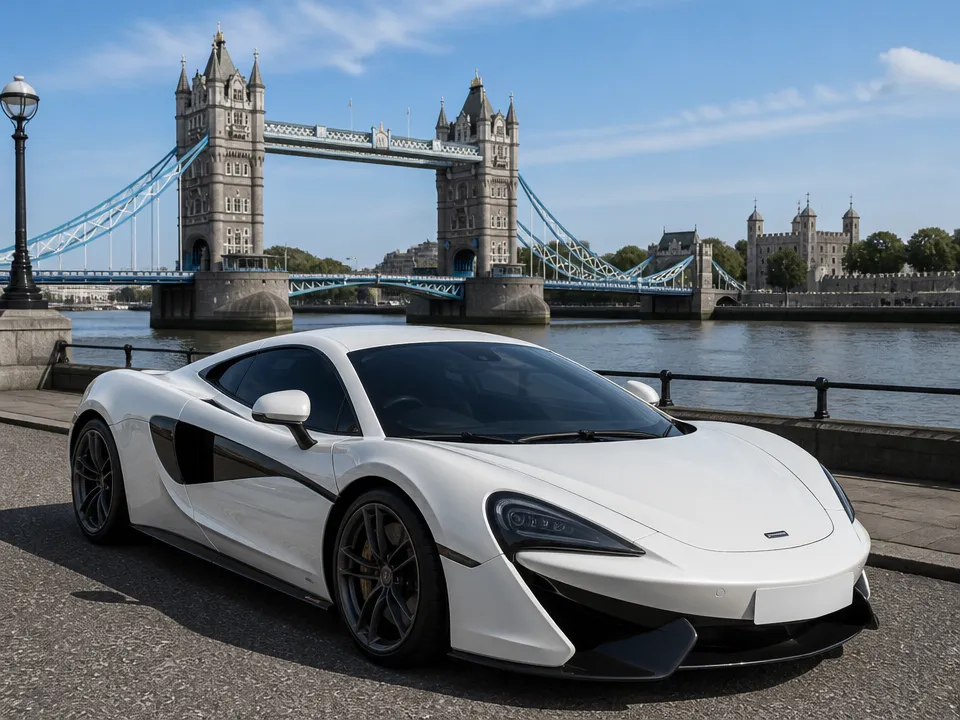
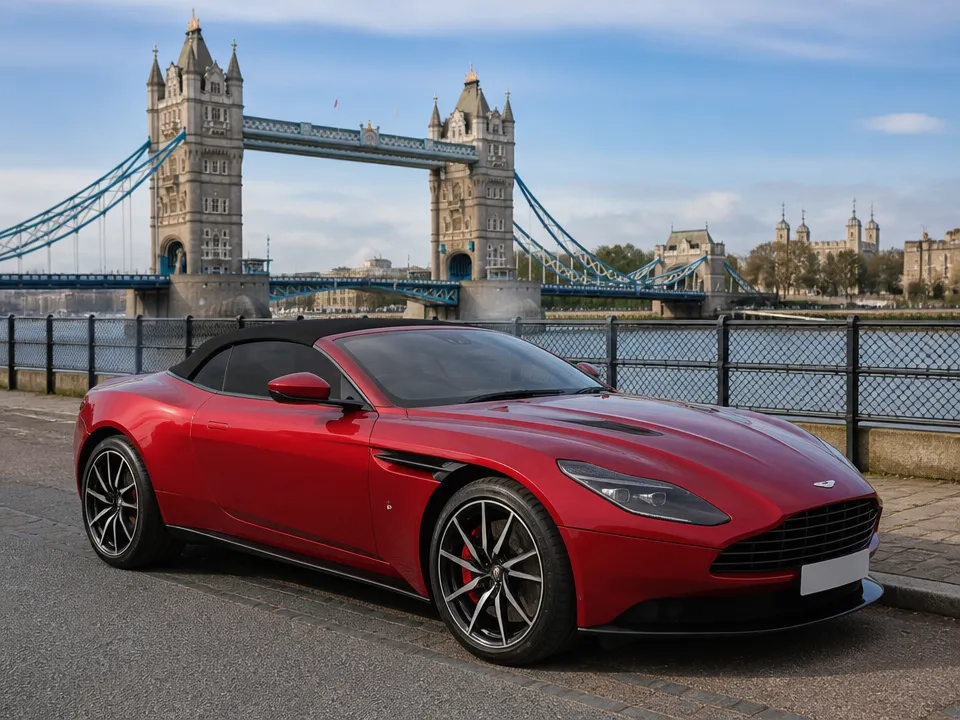
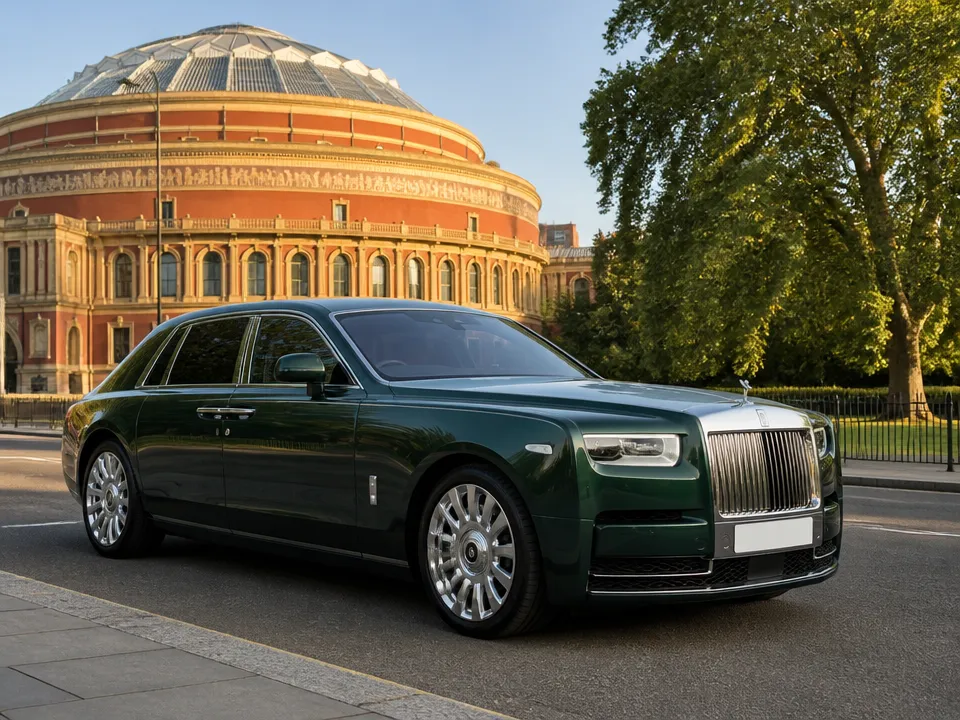
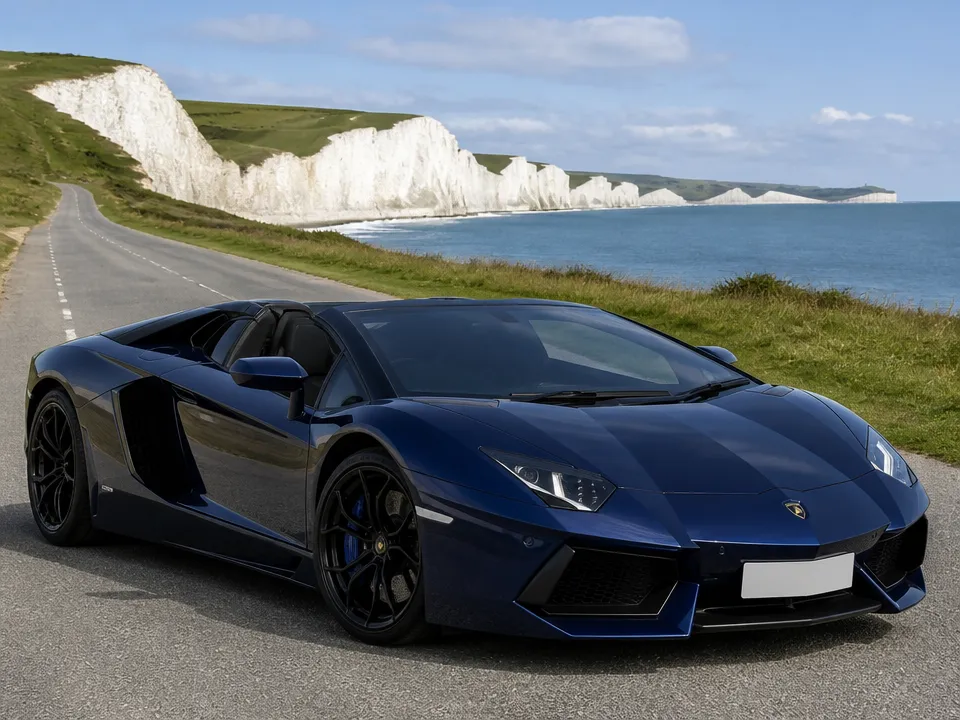
The most expensive car on this page is the Lamborghini Aventador SVJ at £3,300 a day. Luxury starts at £294 with the Mercedes-Benz S-Class, Exotic at £954 with the McLaren 570S, Sports at £404 with the Jaguar F-Type, and Convertibles at £80 with the Audi A3 Cabriolet — four very different entry points into the top of the range. At this level the class "from" price tells you almost nothing: a Rolls-Royce Phantom VIII at £2,000 and a Ferrari 296 GTB at £1,100 sit in different classes but the same conversation. The same holds lower down — the Mercedes-Benz GLC at £299 is a Premium car, while the S-Class at £294 is Luxury, so read the model, not the label. If a specific car is the reason for the booking, name it when you first speak to a manager rather than picking a class and hoping.
Weekly pricing is daily × 6 and monthly is daily × 21. A £31 Comfort estate over a month costs less per day than a £22 city car hired for a single day — work out the days first, then the car.
Driving here means you drive on the left, in a right-hand-drive car, under the Congestion Charge and the Ultra Low Emission Zone. The 147 cars on this page are right-hand drive throughout, so the layout matches the road from the first minute.
Traffic keeps to the left, in line with rule 160 of the Highway Code, and you turn closer to the left kerb under rule 183. Roundabouts run clockwise and you give way to traffic approaching from the right, which is rule 185. The habit that catches people out is not the motorway — it is the quiet residential street after a junction. Keep the centre line on your right and the kerb on your left, and the position resolves itself. In our experience the first 20 minutes are the adjustment; after that the mirror check settles into the new geometry.
The Congestion Charge is £18 a day when paid on the day or in advance, and £21 if paid by midnight on the third day after the trip. It runs 07:00–18:00 Monday to Friday and 12:00–18:00 at weekends and on bank holidays, and is not charged from 25 December to the New Year bank holiday inclusive. The zone sits inside the Inner Ring Road — Pentonville Road, City Road, Old Street, Commercial Street, Mansell Street, Tower Bridge Road, New Kent Road, Elephant & Castle, Kennington Lane, Vauxhall Bridge Road, Park Lane, Edgware Road, Marylebone Road and Euston Road — and those roads themselves are outside or on the boundary. A PCN is £180, reduced to £90 if paid within 14 days, and £270 after a charge certificate, with 28 days to pay.
The ULEZ charges £12.50 a day for non-compliant vehicles, 24 hours a day, seven days a week, except 25 December, across all 32 boroughs; the M25 is outside it. Petrol cars and vans must meet Euro 4 (roughly 2006 onwards) and diesel Euro 6 (September 2016 onwards), and you can check any registration on the TfL vehicle checker before you set off. Dartford Crossing is £3.50 per crossing for cars, or £2.80 prepaid, usually 6:00–22:00 every day, payable by midnight the following day. Blackwall and Silvertown tunnels are £4.20 at peak and £1.55 off-peak with Auto Pay from 21 September 2026.
Who pays road charges, tolls and penalty notices on a rental car is agreed when booking — we do not assume it either way. Ask the manager to confirm it alongside the delivery address and time, and check the ULEZ status of the exact model you are given, not the class.
A full, valid foreign licence can be used to drive for 12 months from your last entry into Great Britain (England, Wales and Scotland). The minimum age, the young-driver surcharge and the cards accepted are agreed when booking, as is the territory limit. Fuel is full-to-full: the car comes clean with a full tank and goes back full, otherwise the missing fuel and a refuelling service fee are charged as set out in the rental agreement. Petrol was £1.75 a litre and diesel £1.99 on 19.10.2026, so filling up before return is the cheaper habit.
Two daily charges apply in this city, and both are set by Transport for London rather than by us: the Congestion Charge and the ULEZ charge. A third, the Dartford Crossing toll, applies only if your route crosses the Thames east of the city.
The Ultra Low Emission Zone covers all 32 boroughs, runs 24 hours a day, seven days a week except 25 December, and costs £12.50 a day for a vehicle that does not meet the standard — petrol cars and vans from Euro 4, diesel from Euro 6, motorcycles Euro 3. The M25 is outside the zone. A PCN here is also £180, £90 within 14 days, and you can check a vehicle on the TfL vehicle checker by its number plate. The Dartford Crossing (Dart Charge) on the M25 is £3.50 for a car per crossing, or £2.80 with pre-payment, charged 6:00–22:00 every day including weekends and holidays; pay by midnight the following day. The PCN is £70, £35 if paid within 14 days, £105 if unpaid. Blackwall and Silvertown tunnels charge £4.20 at peak — northbound 06:00–10:00 and southbound 16:00–19:00 on weekdays — and £1.55 off-peak with Auto Pay, from 6:00 to 22:00 on weekdays and all day at weekends. Who pays these charges on a rental car is agreed when booking, not assumed.
The car is supplied with a full tank and must be returned with a full tank — full-to-full, with no other fuel option on the site. Fuel itself, at the time of writing, runs at £1.75 a litre for petrol and £1.99 for diesel. The deposit, insurance excess, delivery fees and any discounts are also set out in the rental agreement — read those lines at the booking stage rather than at hand-over, because that is where the final figure for your trip is fixed. Parking penalties and traffic fines are not something we can price for you in advance either; who pays them on a rental car is agreed when booking, and the manager confirms the detail then.
Heathrow sits 30.3 km by road from the centre and takes about 45 minutes without traffic; Gatwick is 48.6 km and 70 minutes, Stansted 57.9 km and 63 minutes, Luton 56.9 km and 63 minutes, London City 14.5 km and 33 minutes, Southend 67.4 km and 74 minutes. Those are the numbers a self-drive rental actually turns on: you leave when you like, with your own boot packed, and nobody is watching a clock but you.
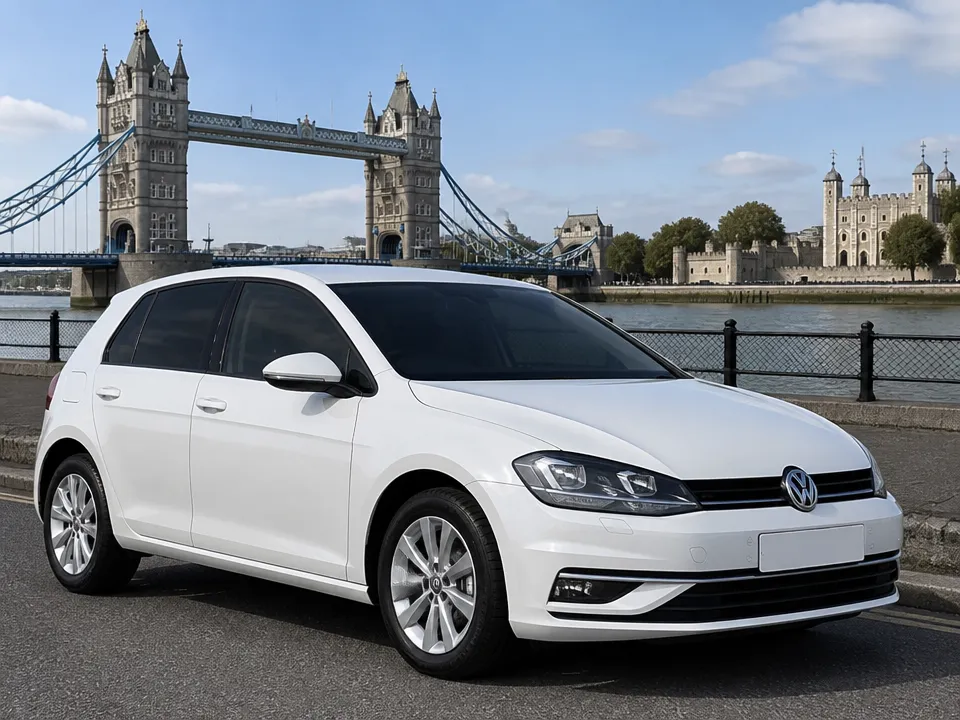
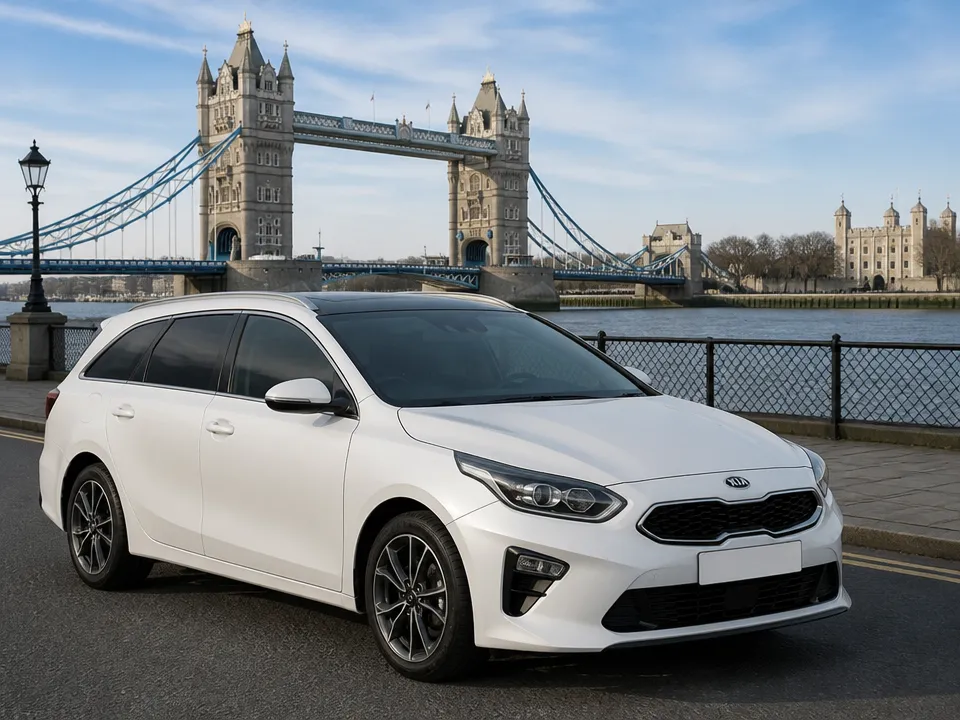
Oxford, Cambridge, Stonehenge, The Cotswolds, Bath, Brighton, Windsor and Canterbury all sit within a day's drive, and the return leg is where the class matters most. A five-seat Comfort hatchback such as the Ford Focus at £24 or Volkswagen Golf at £24 covers two adults and a picnic without strain; add two children and the boot fills fast, so the Kia Ceed Sportswagon at £31 or Toyota Corolla Touring Sports at £36 is the better arithmetic. For a group of six heading to the Cotswolds, the seven-seat minivans from £44 beat two separate cars on both seats and parking. Plan the day around the full 24 hours of the hire rather than half of it — the return leg after a full afternoon out is the part people underestimate.
Tell the manager the flight time and the terminal, and the pickup time follows from the check-in window you need. The delivery address, date and time are agreed with a manager before the booking is fixed, so a 05:00 hand-over is a conversation to have early rather than an assumption. The 147 cars on this page are all right-hand drive and supplied clean with a full tank — one less stop on the way to the terminal. In our practice the drivers who book the awkward hours are the ones who confirm the address and the time in the same message, so nothing is left to the morning itself.
Fourteen classes and 32 brands on one page make the choice look harder than it is.
The comparison that matters is not badge against badge but seats, gearbox and fuel against the trip you have planned — and the counts below settle most of it before you open a single model page.
| What you need | Count on this page | Where it sits |
|---|---|---|
| Five seats | 98 cars | Every class from Economy to Premium |
| Automatic gears | 101 cars | Comfort, Premium, larger SUVs |
| Petrol fuel | 100 cars | Full-to-full refuelling anywhere |
| Hybrid or electric | 23 cars | Economy to Luxury |
The manual units number 46 and cluster in Economy and Crossover; the diesel units number 24 and sit mostly in the larger SUVs, minivans and commercial vans. If you have only ever driven an automatic, filter on gearbox first — it removes more cars from the list than any other single choice.
Economy runs from £22 to £72 across 14 cars, Comfort from £23 to £80 across 15, and the overlap is the whole story: the Seat Leon at £23 is a Comfort car cheaper than the Kia Picanto at £27 in Economy. Crossover starts at £22 with the Citroen C3 Aircross and reaches £58 with the Ford Puma; SUV starts at £34 with the Hyundai Tucson and stops at £49 with the Kia Sorento, so the two bands cross rather than stack. What you buy with the step up is boot volume, ride height and sound insulation on motorway miles — not seats, since almost every car in both is a five-seater. Read the model line and the daily figure together, and the class label stops mattering.
Say which gearbox you need when the booking is agreed with a manager, because the exact car is confirmed at that stage.
The rental agreement is the document that fixes the figures this page deliberately leaves open: the deposit, the insurance excess, delivery fees and any discount. Read those lines at the reservation stage rather than at hand-over, because that is where the total for your trip is settled.
The Congestion Charge, the ULEZ charge, the Dartford Crossing toll and the Blackwall and Silvertown tunnel charges are set by Transport for London and the government, not by us, and who pays them on a rental car is agreed when booking. Who pays parking penalties and traffic fines on a rental car is agreed when booking too, and the manager confirms the detail at that stage. Ask about all of it in the same conversation as the delivery address — one exchange, one set of answers, nothing left to discover at the kerb.
The minimum rental age, the young-driver surcharge, the cards accepted and the territory limit are agreed when booking; none of them is a figure on this page. A full, valid foreign licence can be used to drive for 12 months from your last entry into Great Britain, and that window is the one date to check before committing to a long stay. Bring the licence question up first if your stay runs past the 12-month mark, since it changes what you can book rather than how much you pay.
With self-drive car rental in London the car arrives where you already are and goes back the same way: the drop-off point, the day and the hour are settled with a manager before the reservation is locked, and the collection is booked in that same exchange. Nothing about the hand-over runs on autopilot, which is why naming your drop-off point early is the single most useful thing you can do.
We bring the car to any address across the capital and to six airports — Heathrow (LHR), Gatwick (LGW), Stansted (STN), Luton (LTN), London City (LCY) and Southend (SEN). In practice that means a hotel in Mayfair, a flat near Canary Wharf, a terminal meet at Heathrow, a venue drop at ExCeL London, a match at Wembley, and the stations at St Pancras & King's Cross, Euston, Paddington, Victoria and Waterloo.
The car is supplied clean with a full tank and must be returned with a full tank; there is no other fuel option on the site. Petrol was £1.75 a litre and diesel £1.99 on 19.10.2026, so the fill-up before return is worth planning into the last hour rather than leaving to the morning of the flight. The 147 cars on this page are all right-hand drive for left-hand traffic, so the layout matches the road from the first minute of the return leg as well.
Work backwards from the flight rather than forwards from the trip: the return time is agreed with a manager alongside the delivery, and the fuel stop and the drive to the terminal both sit inside it. For an early departure, returning the car the evening before removes the 05:00 risk entirely; for an afternoon flight, the morning return leaves room for the refuel. In our practice the bookings that go smoothly are the ones where the return time was named in the same message as the delivery address — the two halves of the rental are one arrangement, not two.
A month changes the arithmetic. Monthly is daily × 21, so a Comfort car at £23 a day works out at £483 for the month against £690 for thirty separate 24-hour hires — and the longer the booking, the less the daily rate matters and the more the fuel and the charges do.
Weekly is daily × 6 and monthly is daily × 21; those are the only longer-booking rules on the site, and they do the work that a discount would otherwise do. Take the Hyundai Kona or Kia Rio at £36 and £31 a day: a month at × 21 is a different proposition from thirty days at the daily rate, and the gap widens as the class goes up. The practical consequence is that a slightly dearer car over a month can cost less in total than a cheaper one hired day by day — work out the days first, then the class, then the model.
A long stay in the capital means the Congestion Charge and the ULEZ become a weekly line rather than a one-off. The Congestion Charge is £18 a day paid on the day or in advance, £21 if paid by midnight on the third day after the trip, and it does not apply from 25 December to the New Year bank holiday inclusive. The ULEZ is £12.50 a day for a non-compliant vehicle, 24 hours a day except 25 December, across all 32 boroughs. Electric cars pay £13.50 instead of £18 on the Congestion Charge with Auto Pay from 02.01.2026, and there is no discount without it — which is why the 10 electric cars on this page matter more on a month than on a weekend.
Most of the trouble on a self-drive rental comes from four habits, and none of them is about the car. They are about the order in which things get decided — address, dates, class, charges — and getting that order right removes the friction before it starts.
Name the address in the first exchange and the rest of the booking follows from it; leave it until the eve of collection and you may find the answer is no. Where the car should appear, on which day and at what hour — all three are settled with a manager before anything is locked in, and a drop outside the covered places is arranged case by case and is not promised on the site. The same applies to a terminal meet: say Heathrow, Gatwick, Stansted, Luton, London City or Southend by name, not "the airport", because the six sit at very different distances and the timing differs accordingly.
At Rent-Trip the exact car is confirmed with a manager at booking, so a request for Comfort alone leaves open whether it is the Volkswagen Golf, the Ford Focus or the Vauxhall Astra. The same goes for the gearbox: 46 of the 147 cars are manual, and they cluster in Economy and Crossover, so an automatic request narrows the list sharply. If one model is the reason for the trip — a convertible for an anniversary, an estate for the boot — say so when the reservation is agreed with a manager rather than picking a class and hoping.
The Congestion Charge, the ULEZ charge, the Dartford Crossing toll and the Blackwall and Silvertown tunnel charges are set by Transport for London and the government. Who pays them on a rental car is agreed when booking, so ask in the same conversation as the address rather than discovering it afterwards. The ULEZ standard is worth checking against the exact model you are given — petrol cars and vans from Euro 4, diesel from Euro 6 — and the TfL vehicle checker does that by number plate before you set off.
The habit that catches people is not the motorway but the quiet residential street after a junction, where the centre line belongs on your right and the kerb on your left. Keep left, take roundabouts clockwise and give way to traffic approaching from the right under Highway Code rules 160, 183 and 185. Built-up areas run at 30 mph, single carriageways at 60 mph, and dual carriageways and motorways at 70 mph, though many zones post 20 mph and the signs always win. Give the first 20 minutes your full attention and the geometry settles.