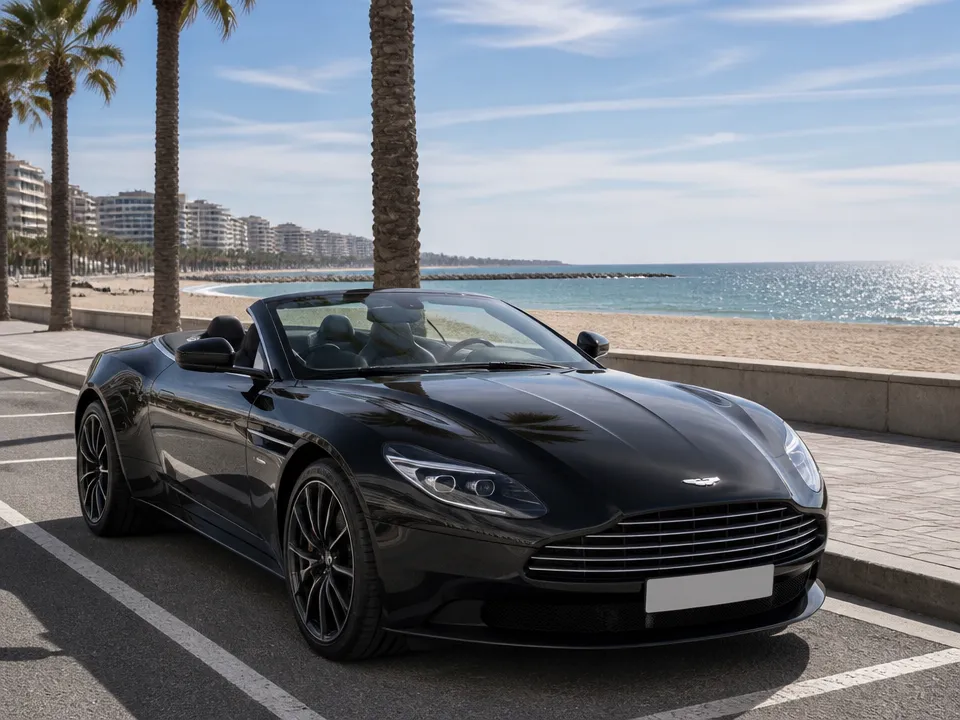
Aston Martin DB11 Volante
★4.7· 24Automatic4.0 L510 hpRear-wheel4 seats
€1,310per day
Book now






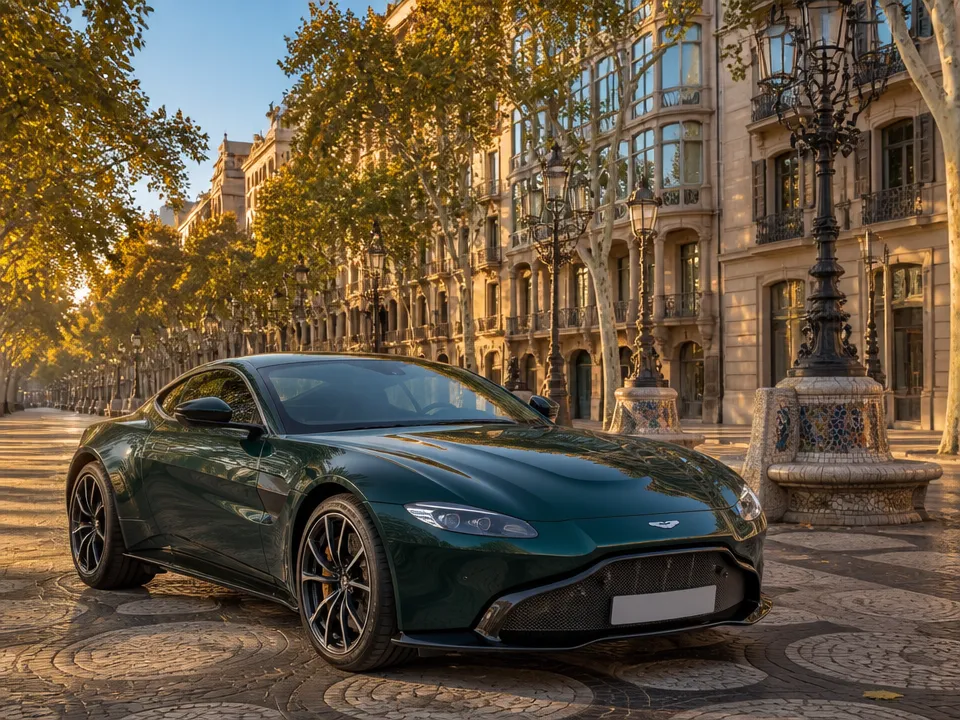
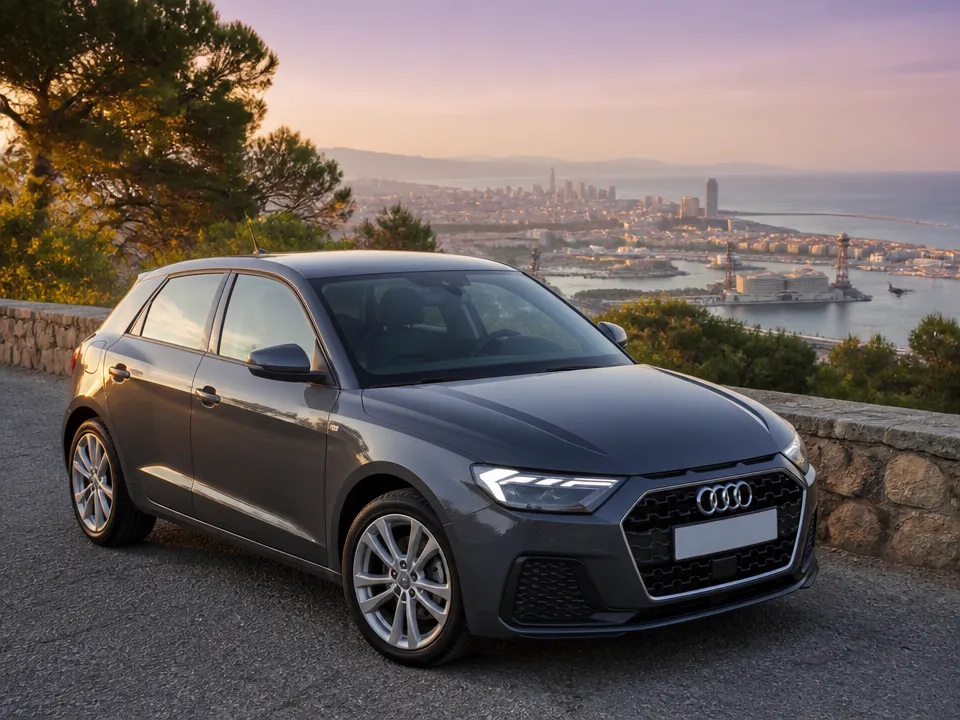
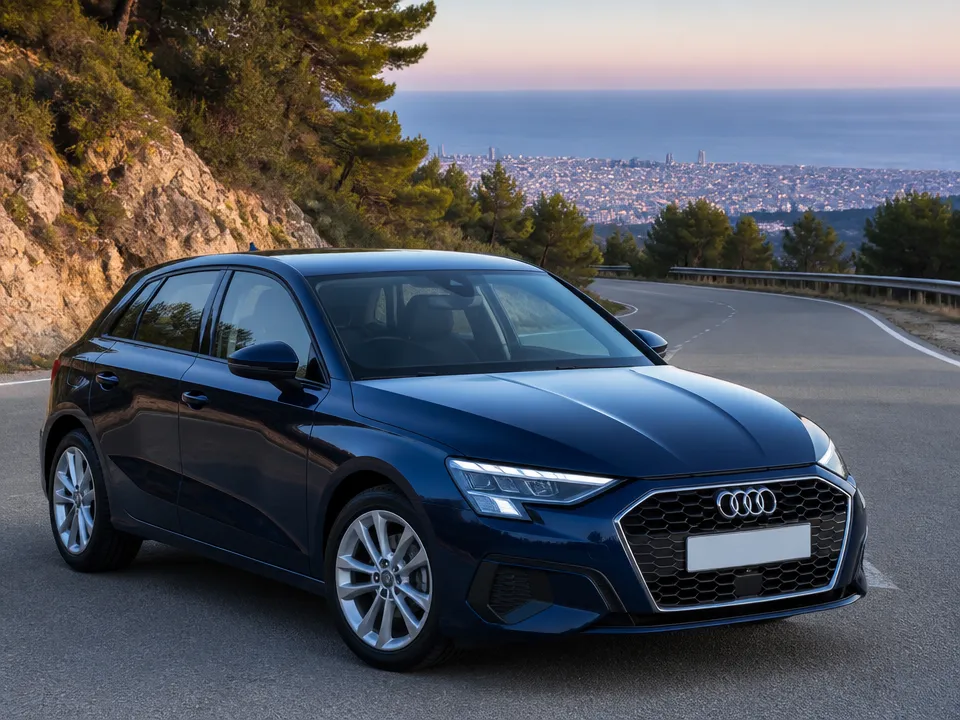
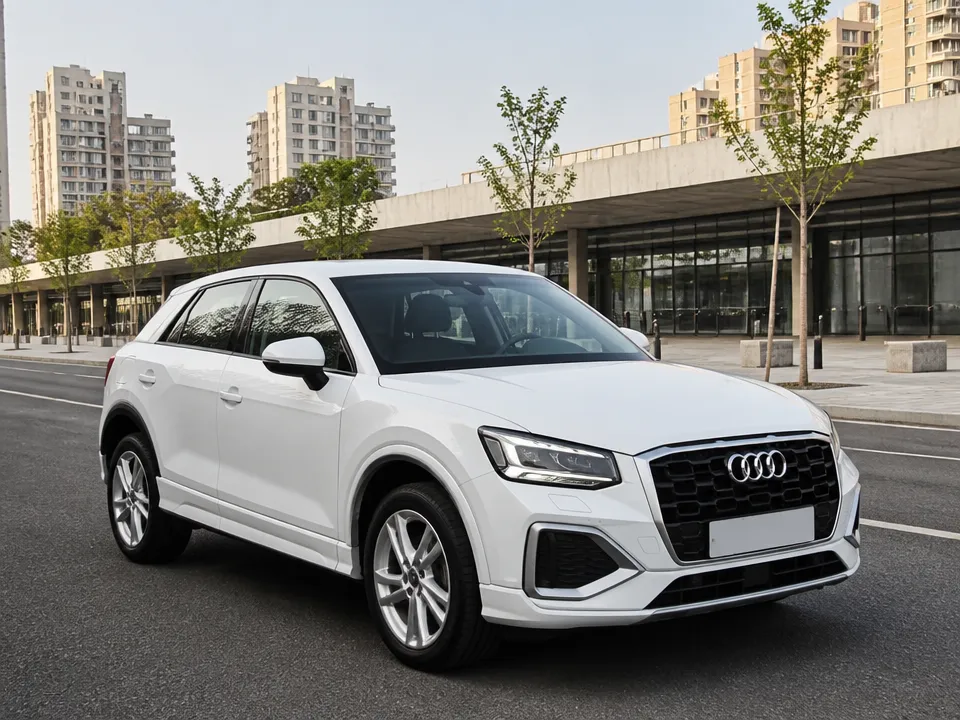
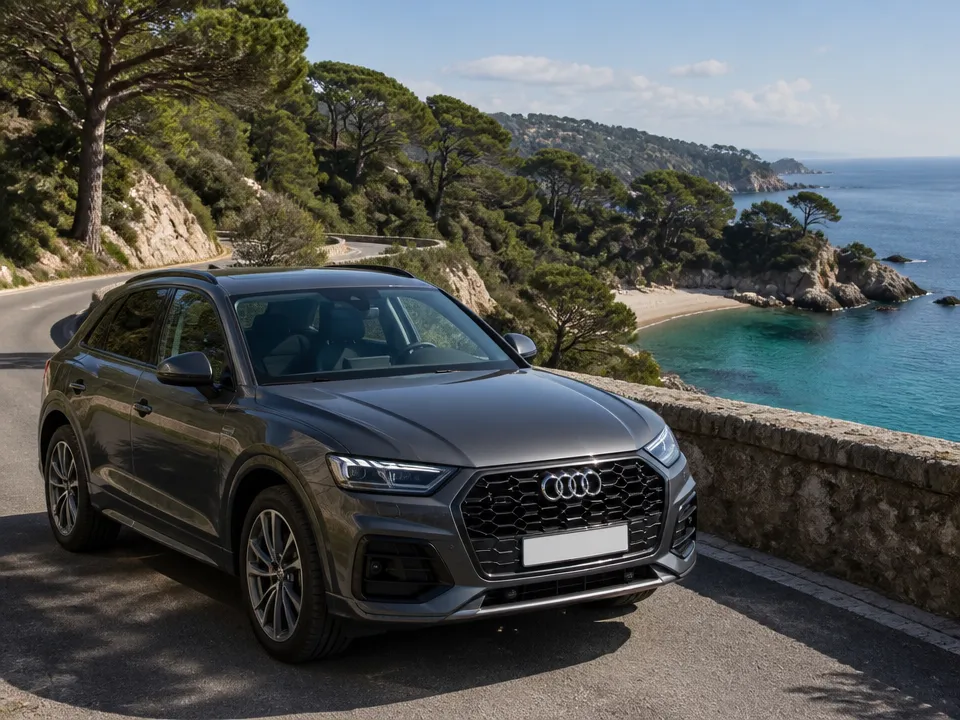
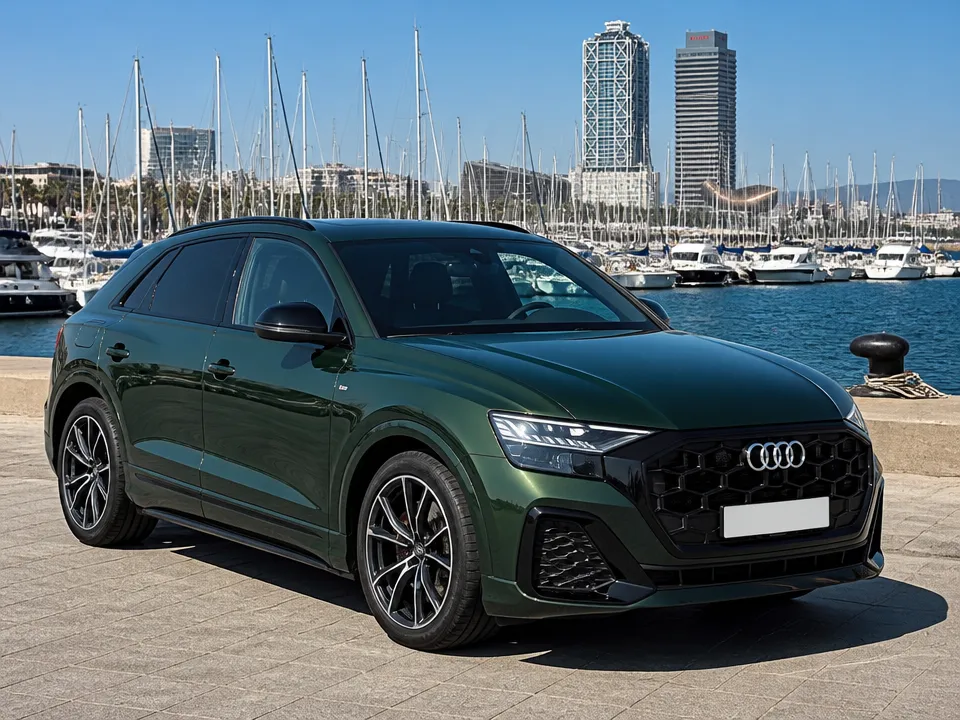
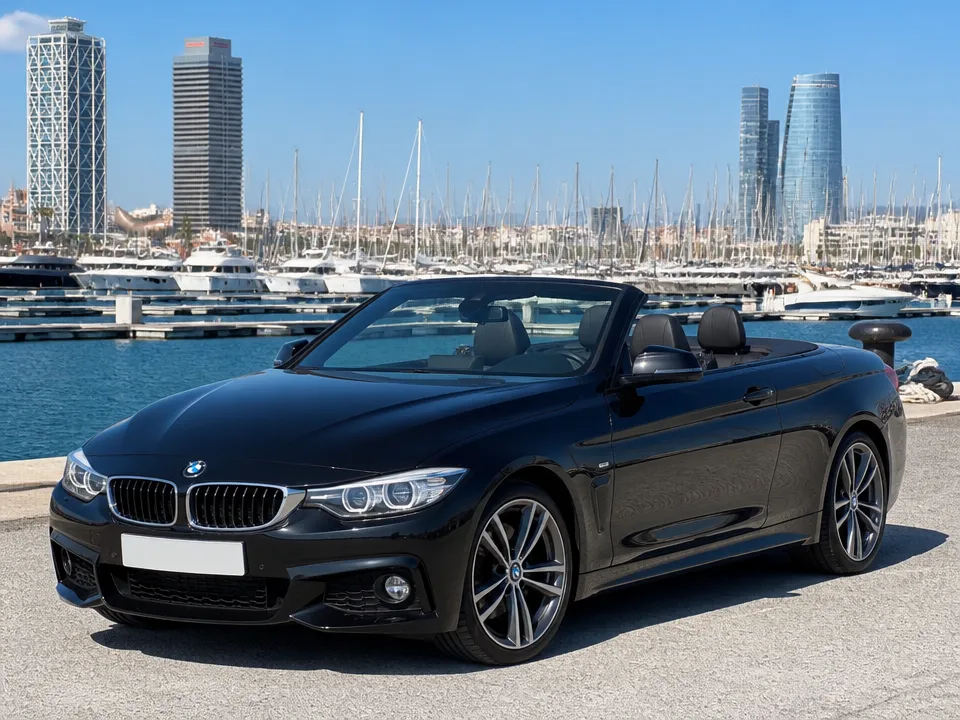
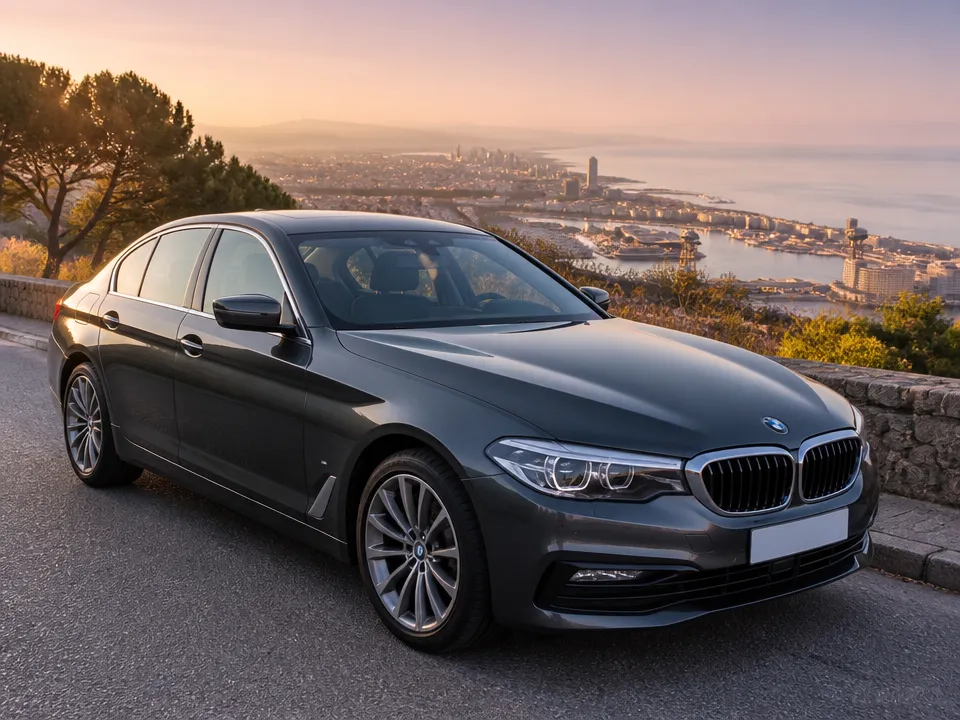
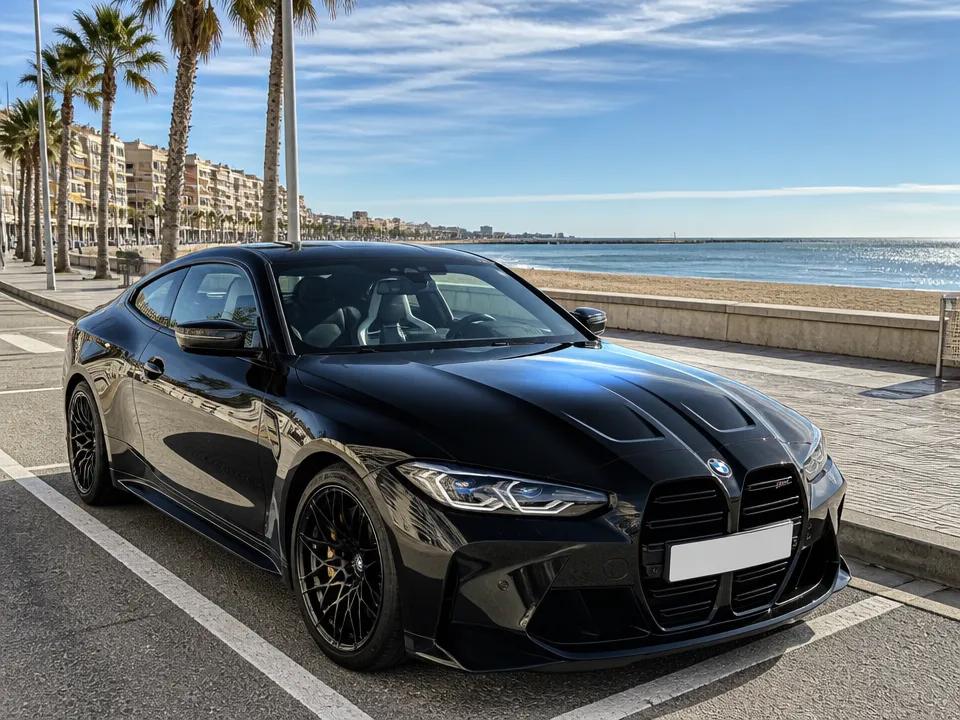
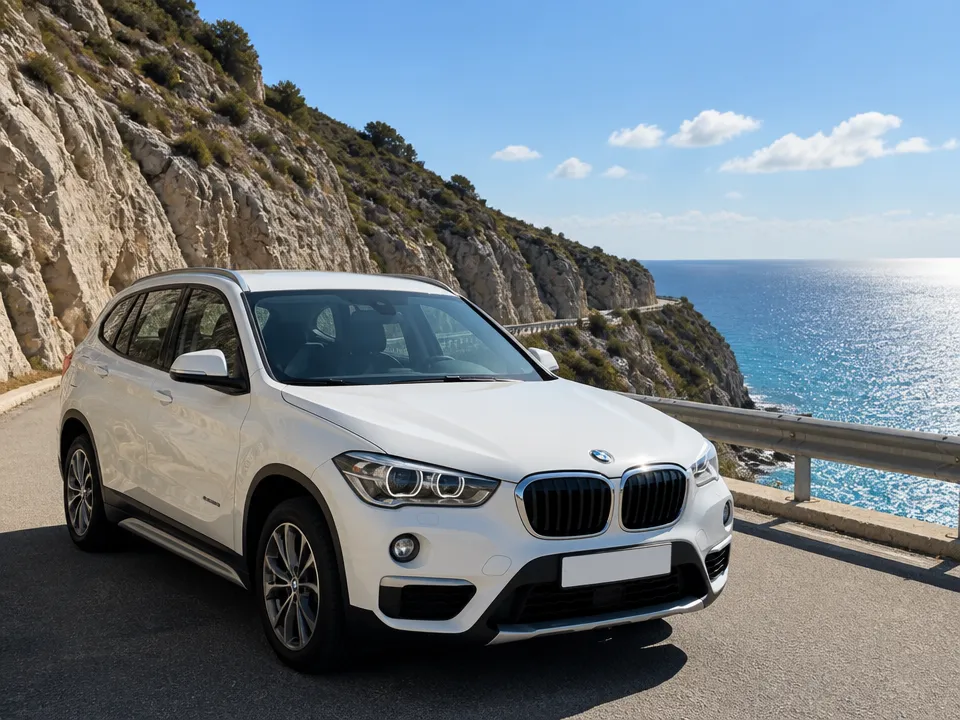
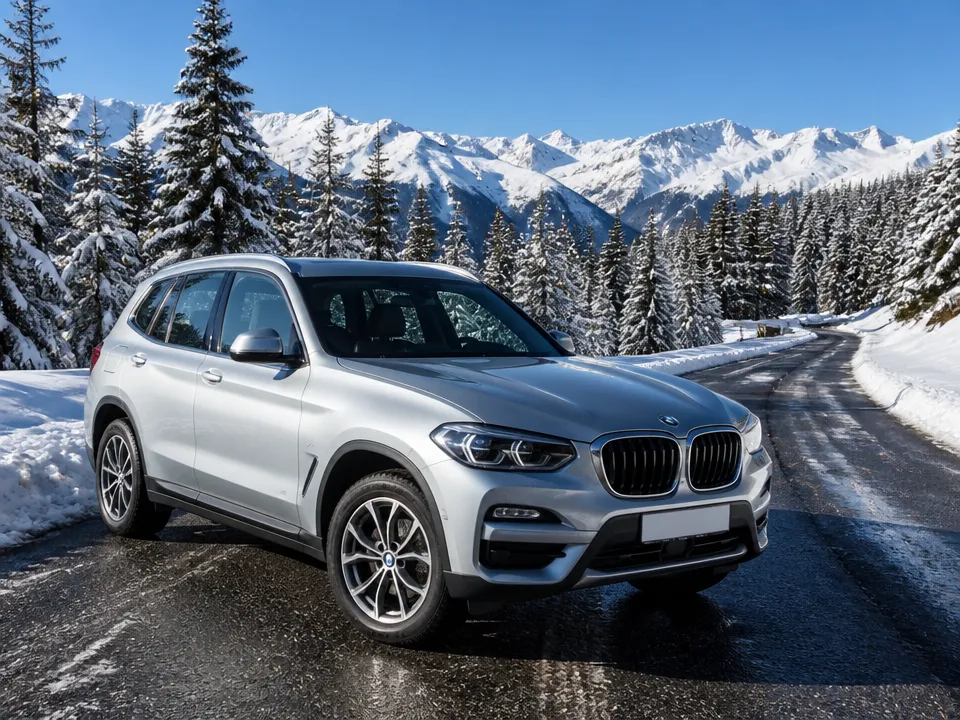
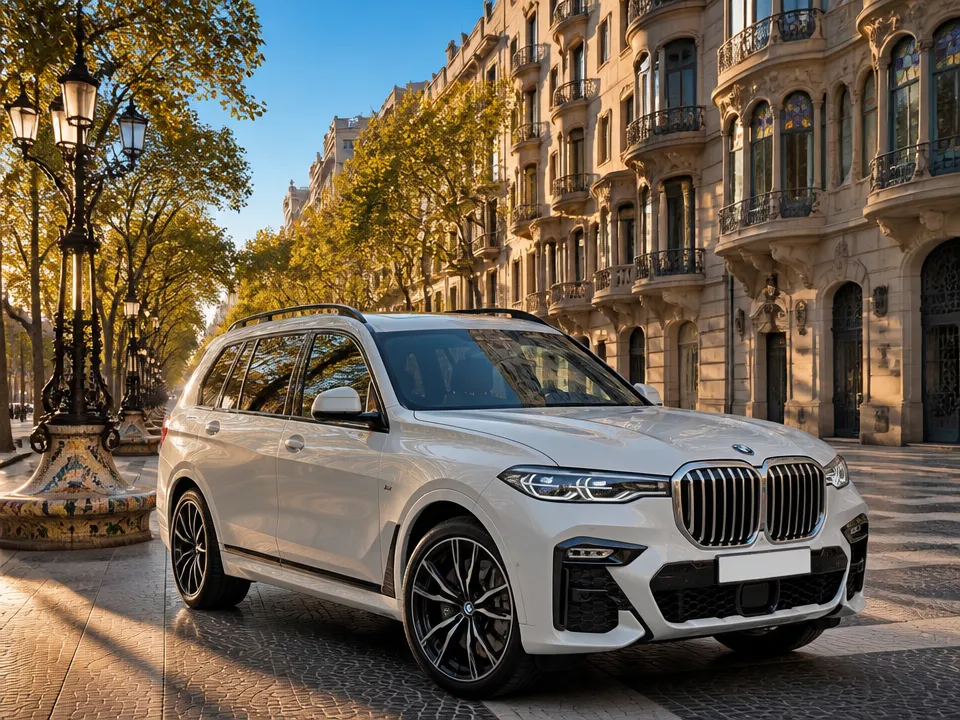
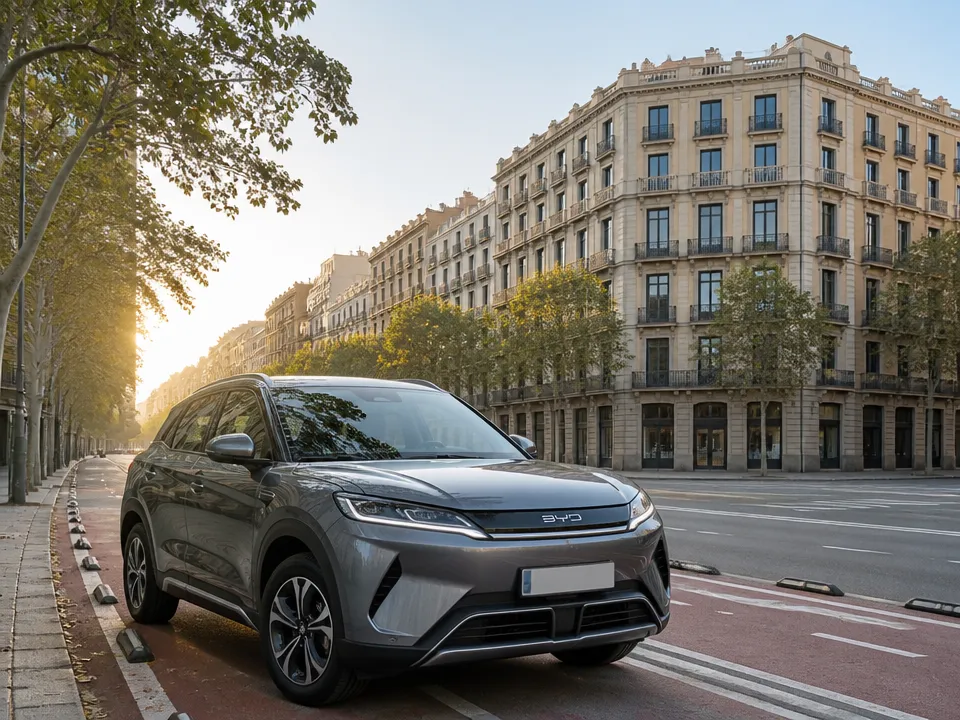
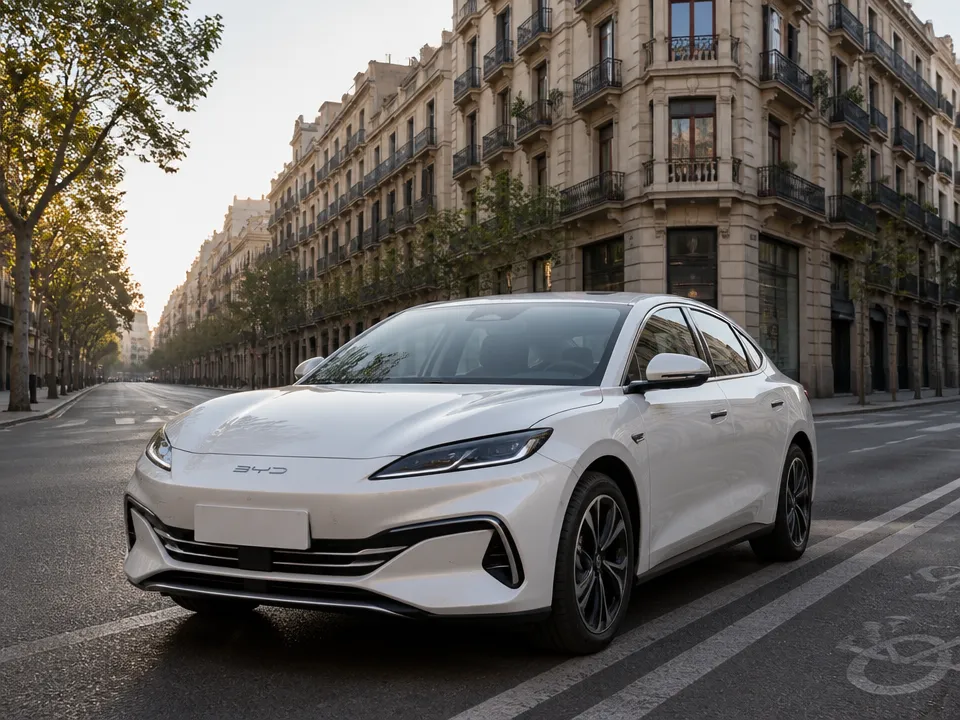
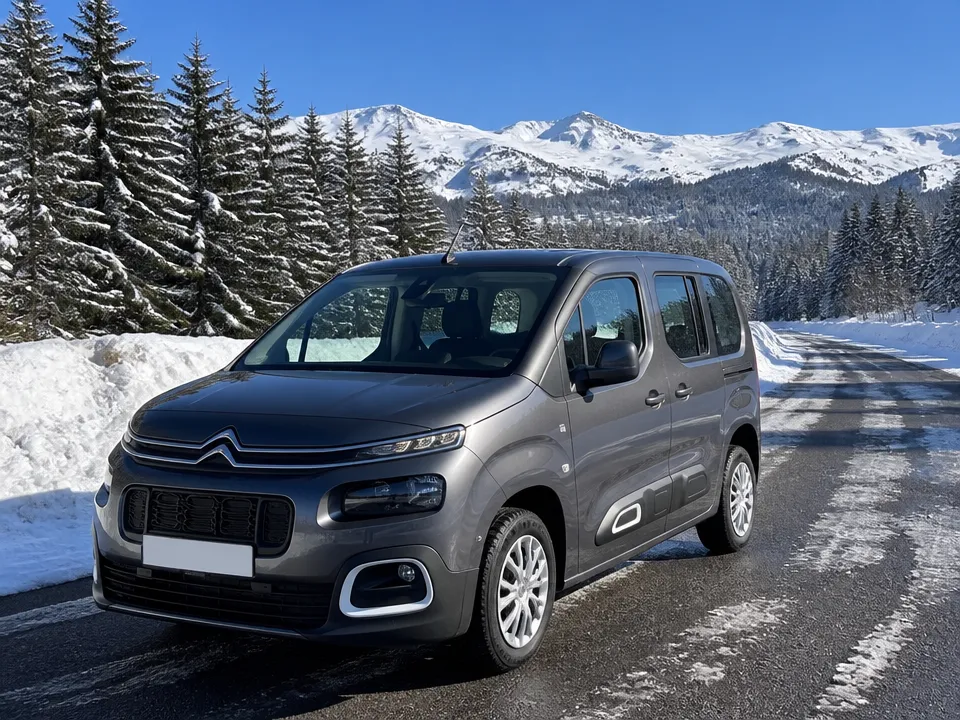
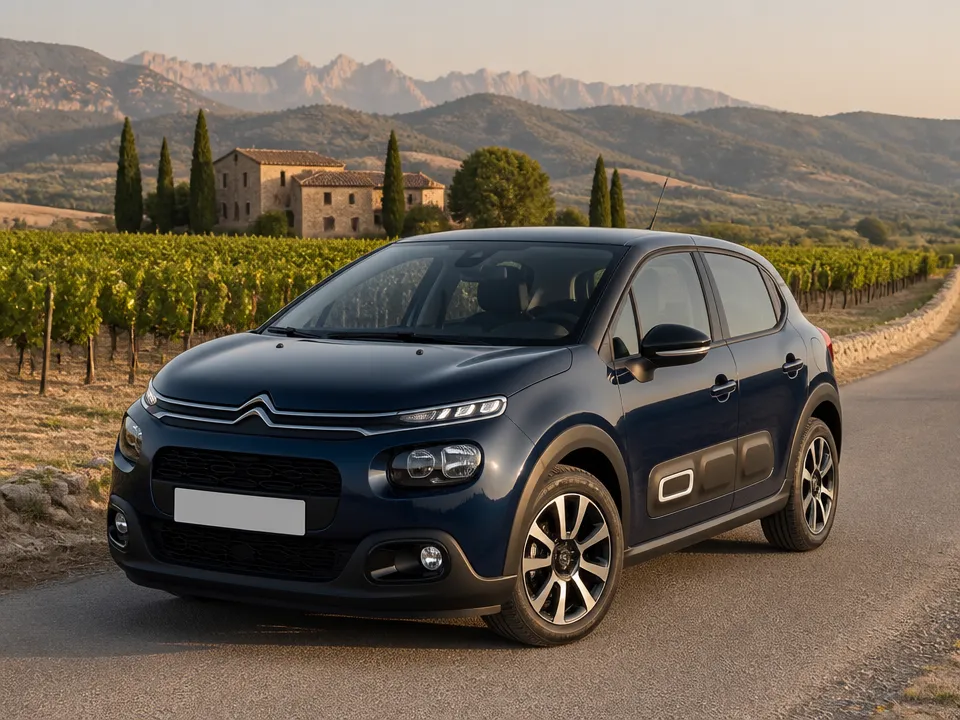
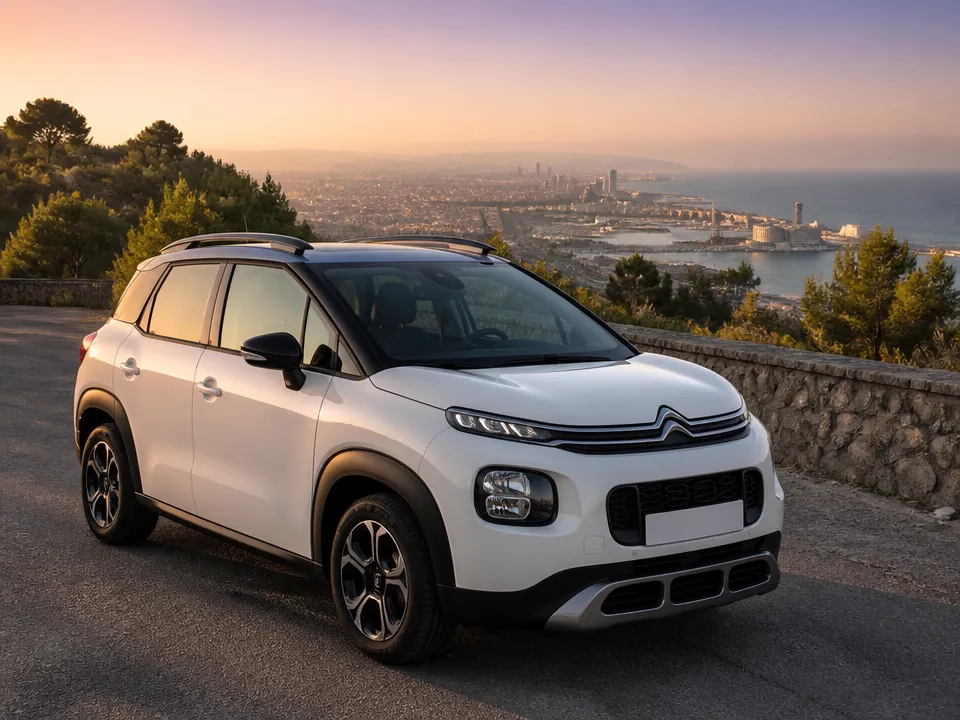
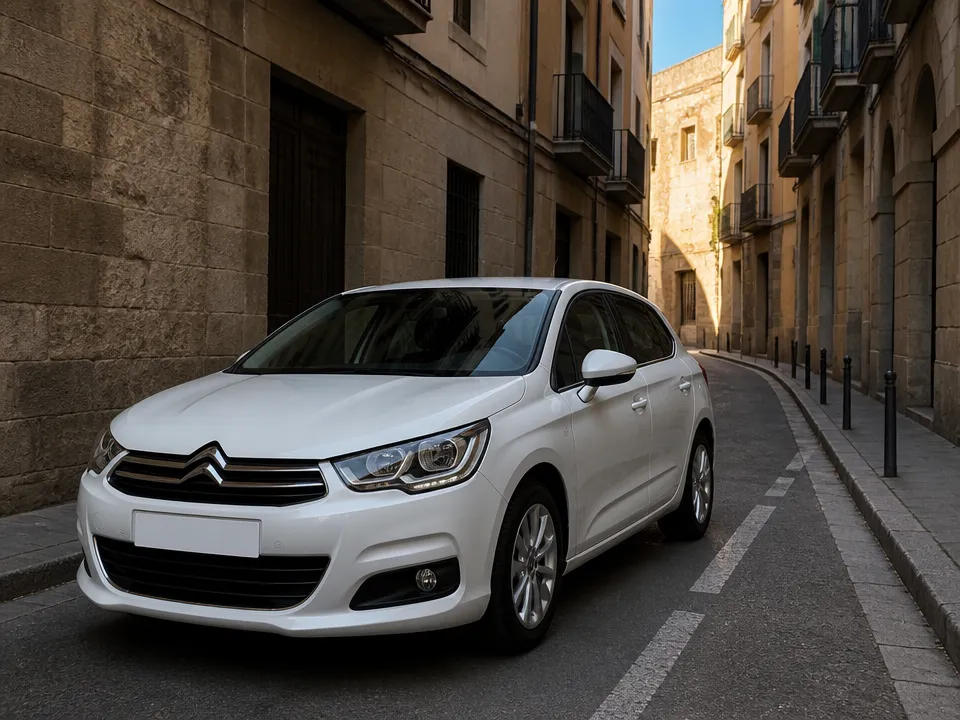
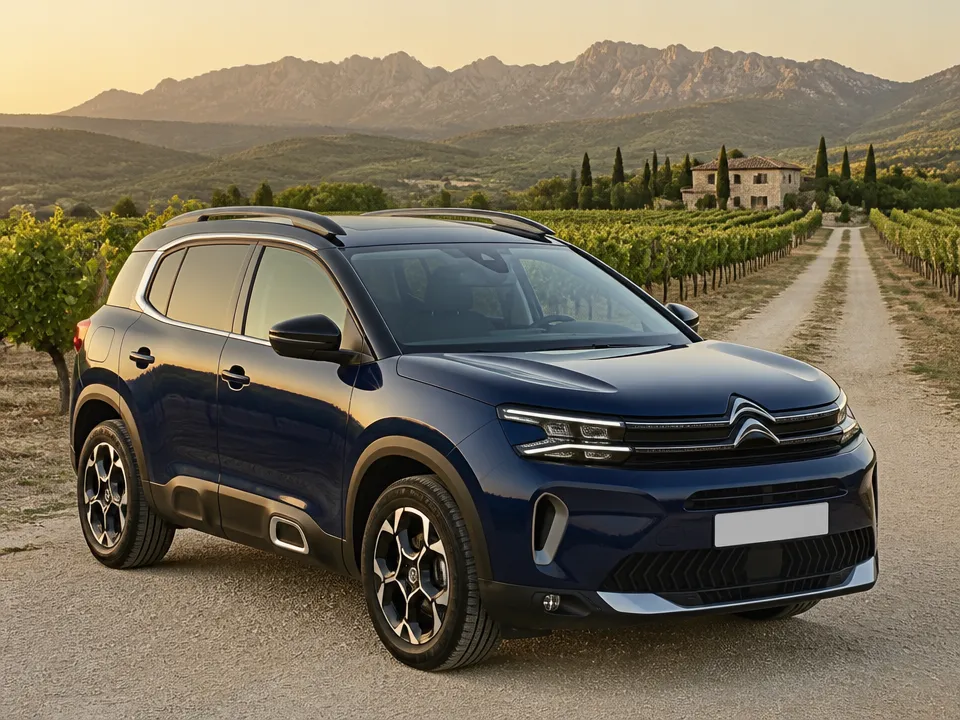
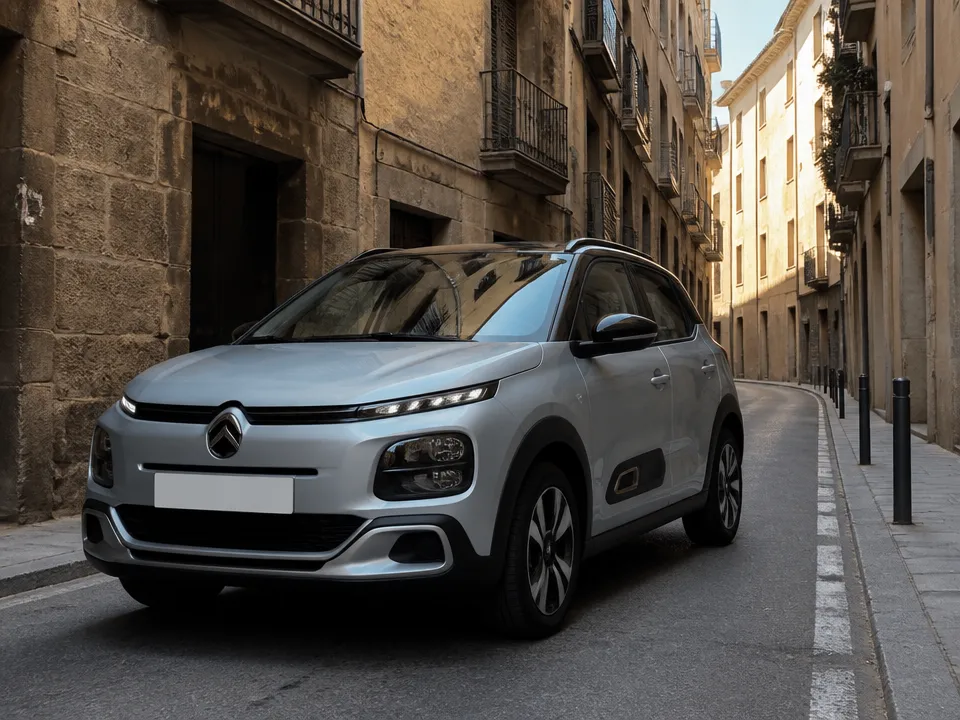
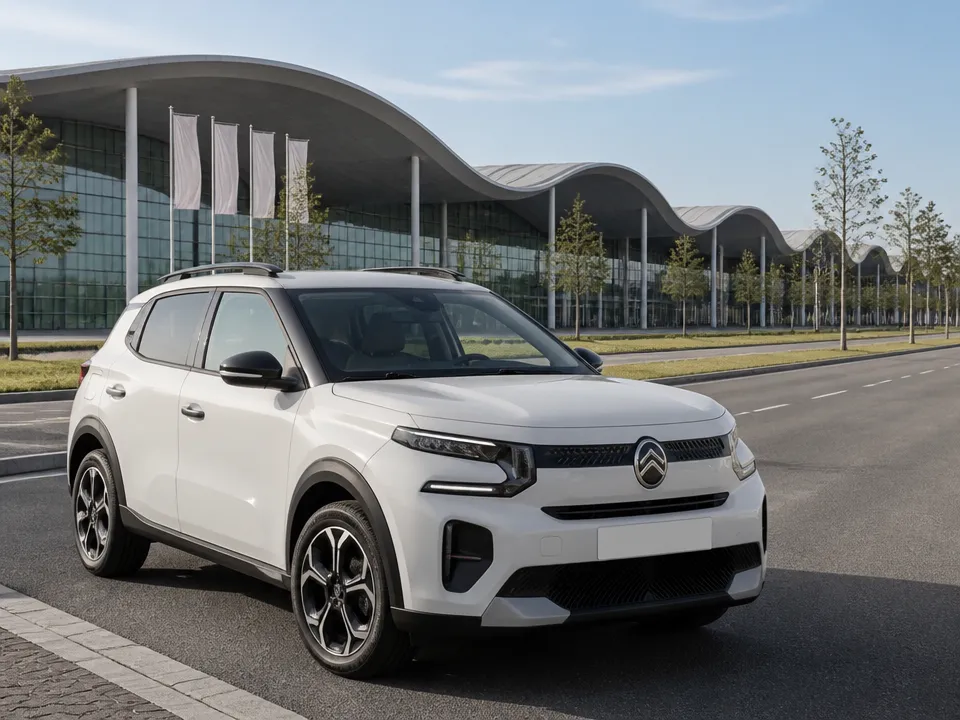
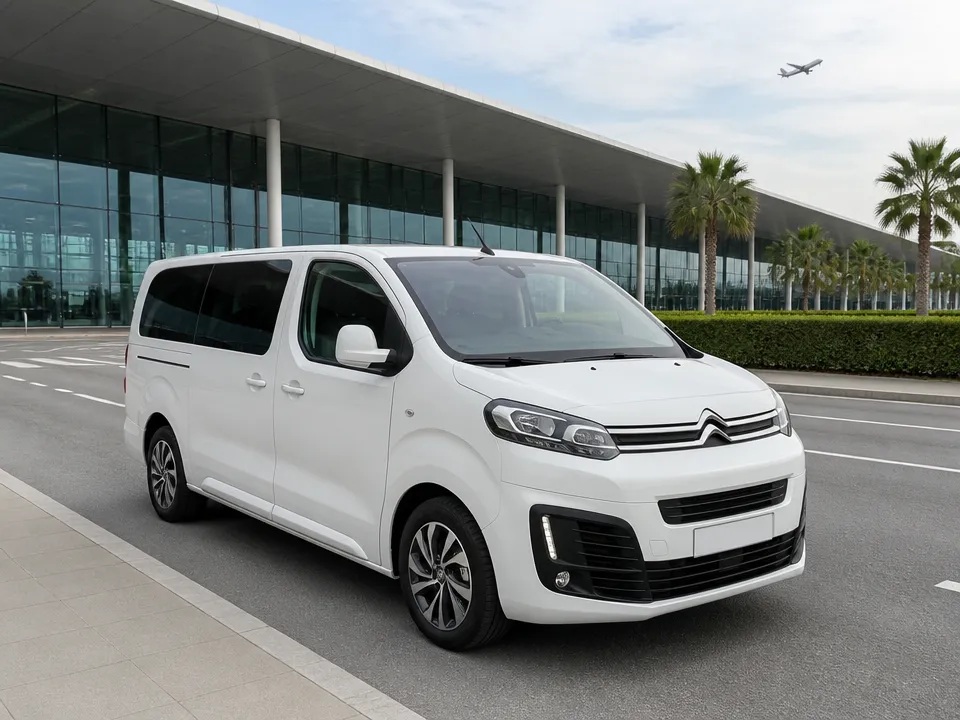
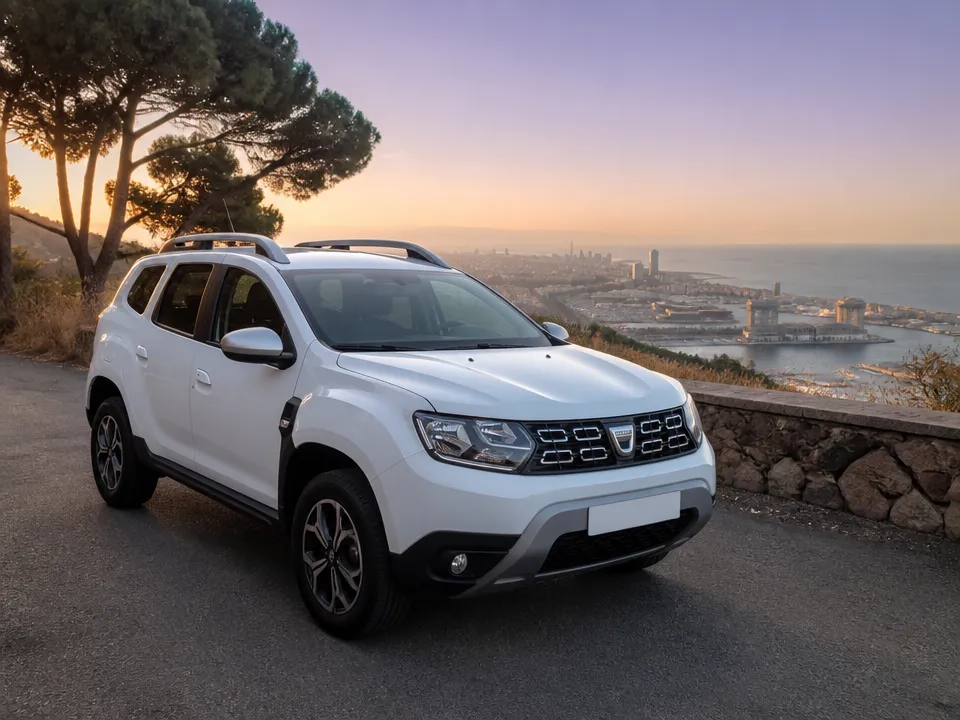
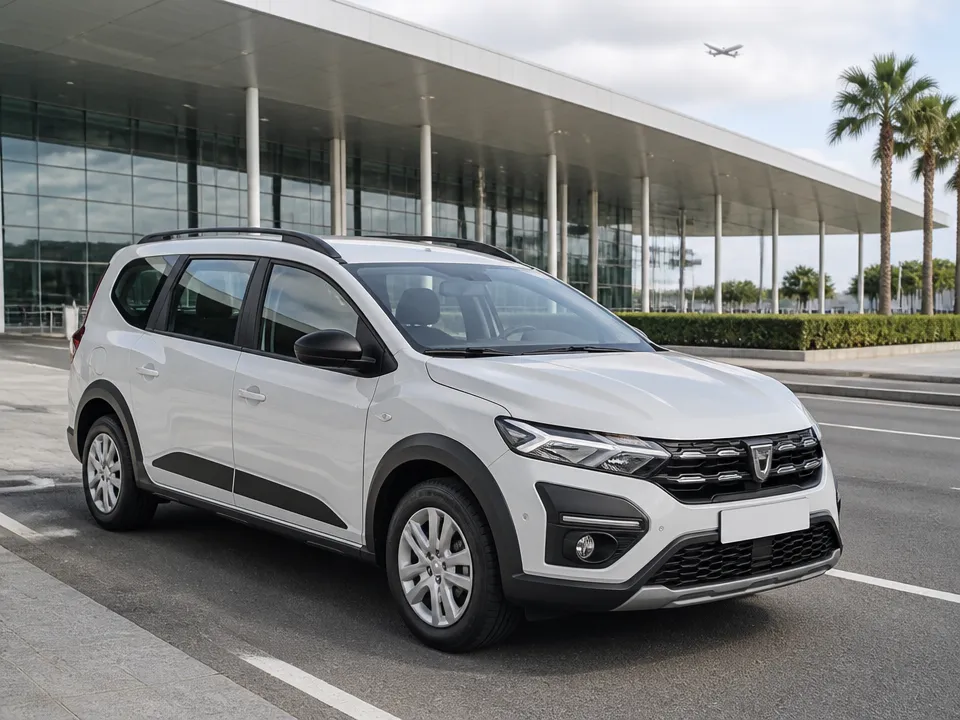
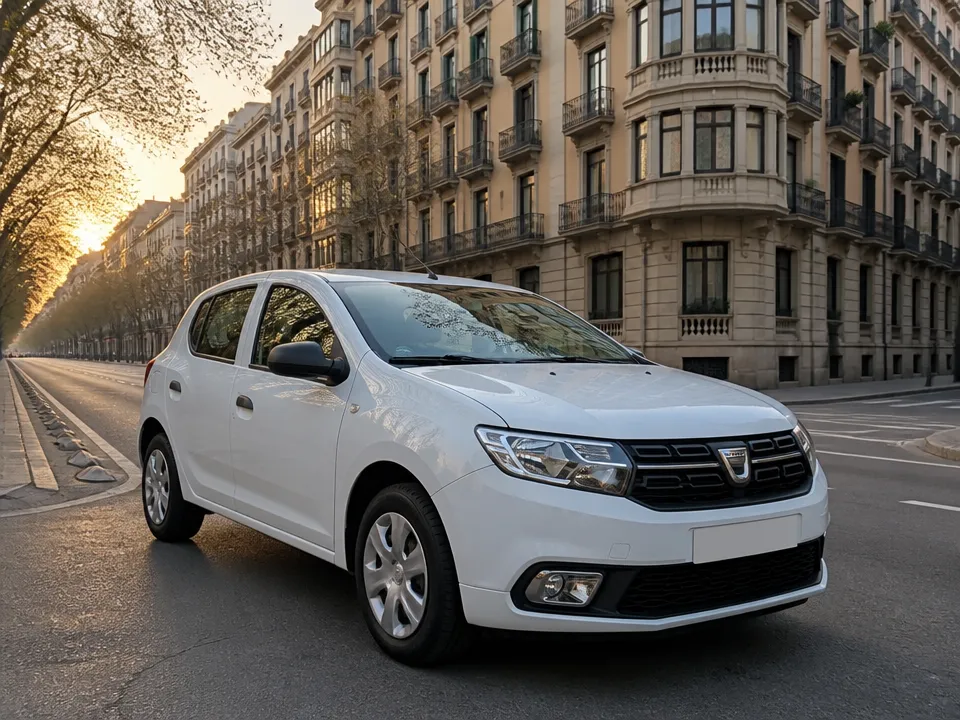
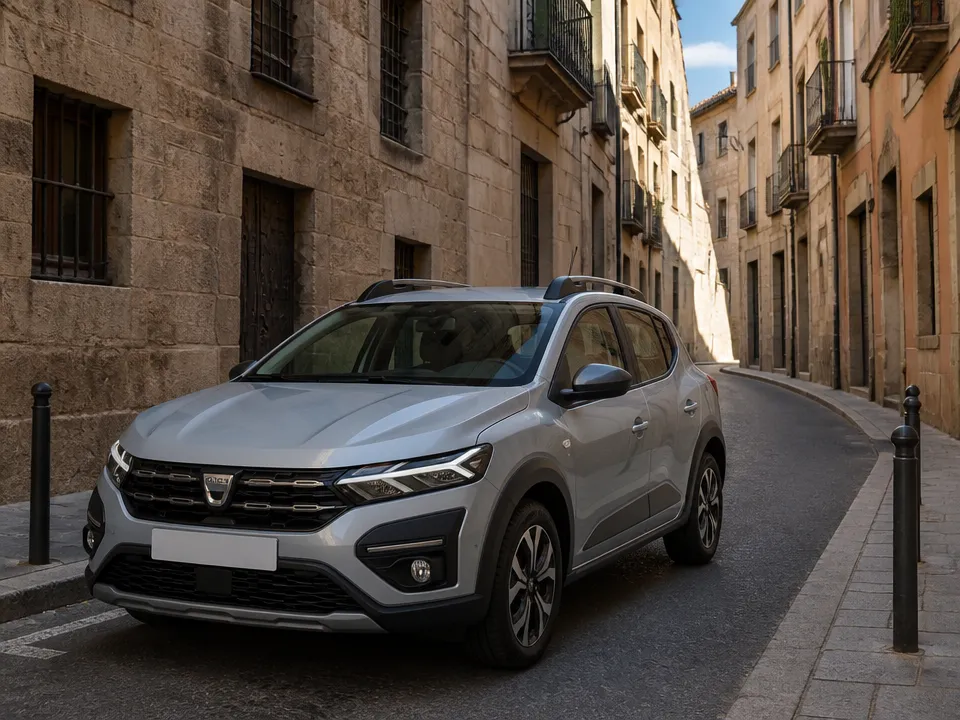
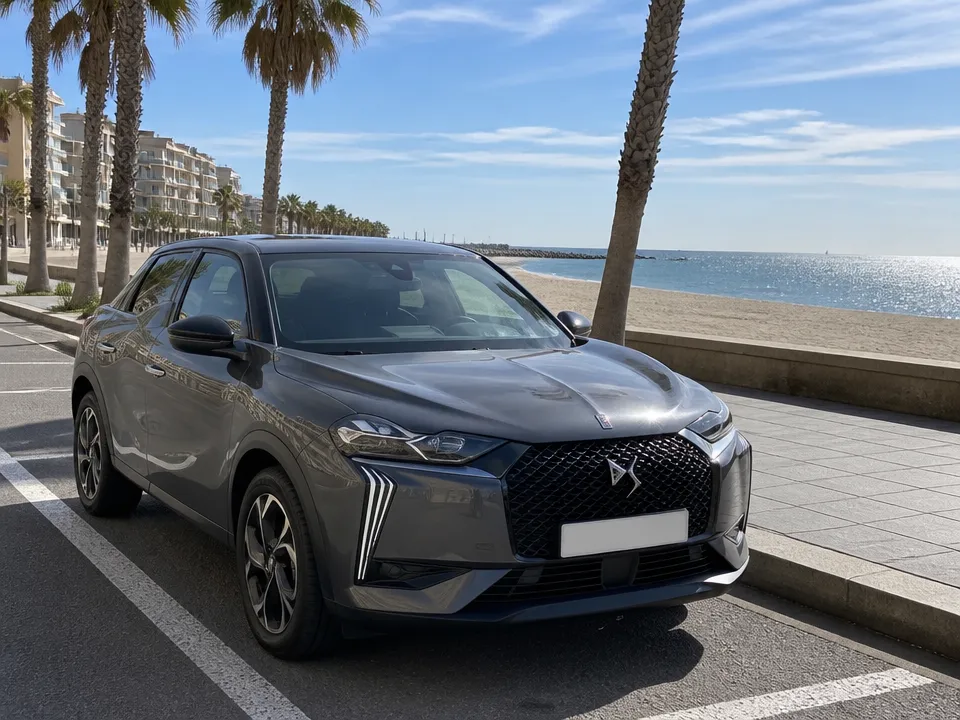
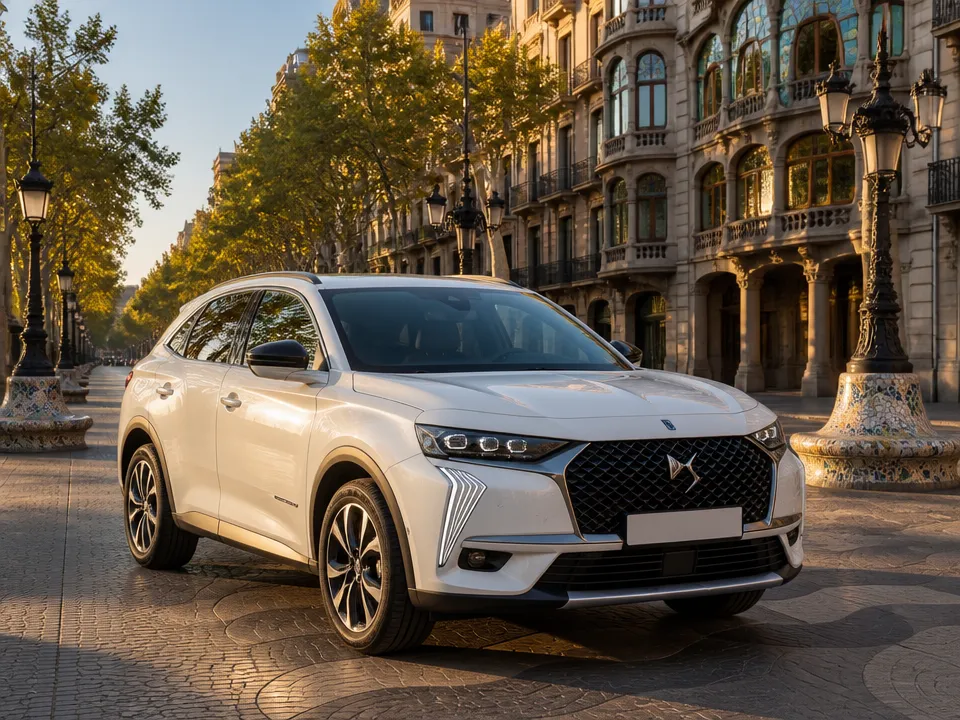
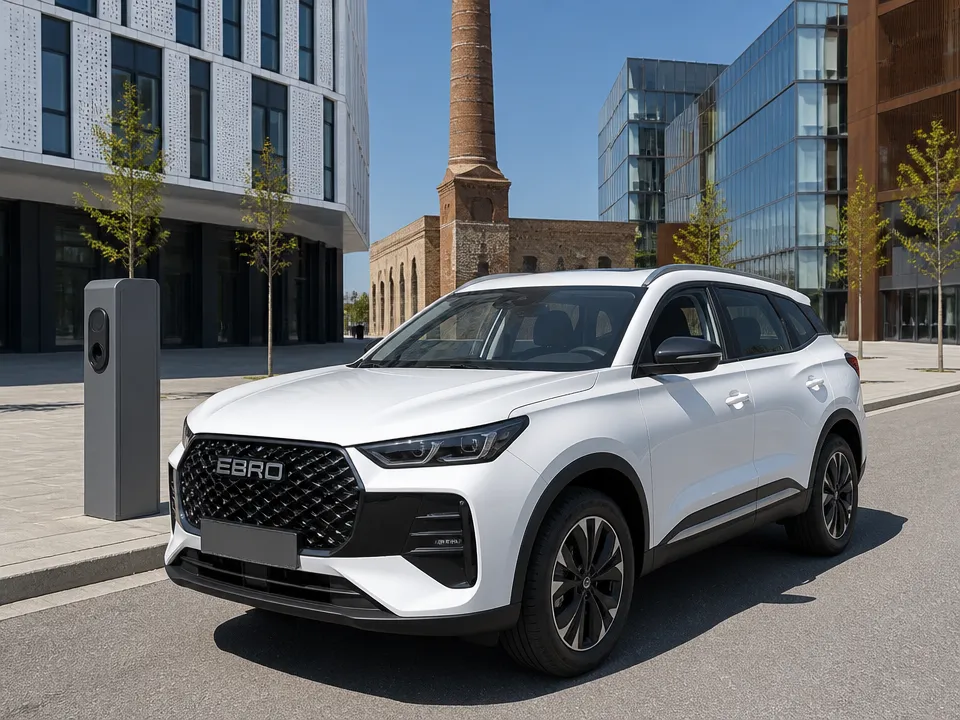
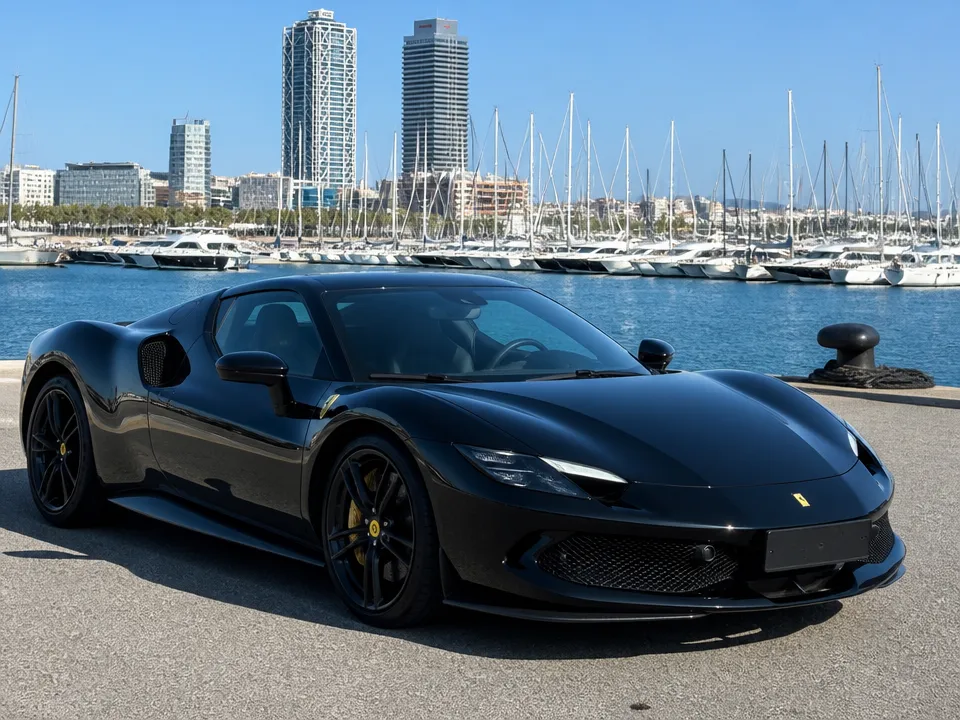
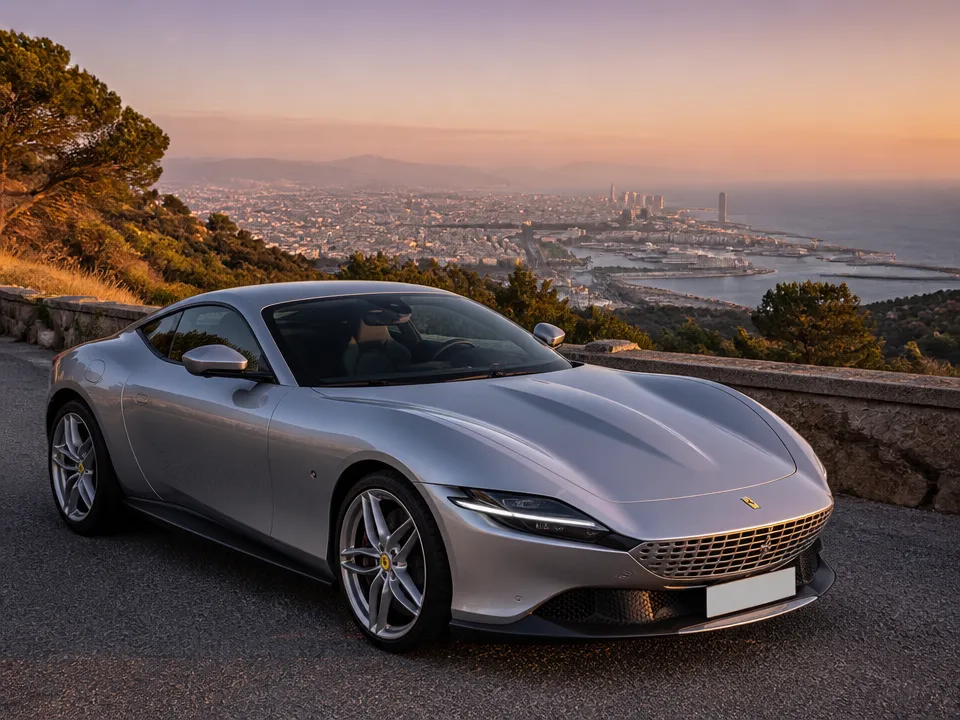
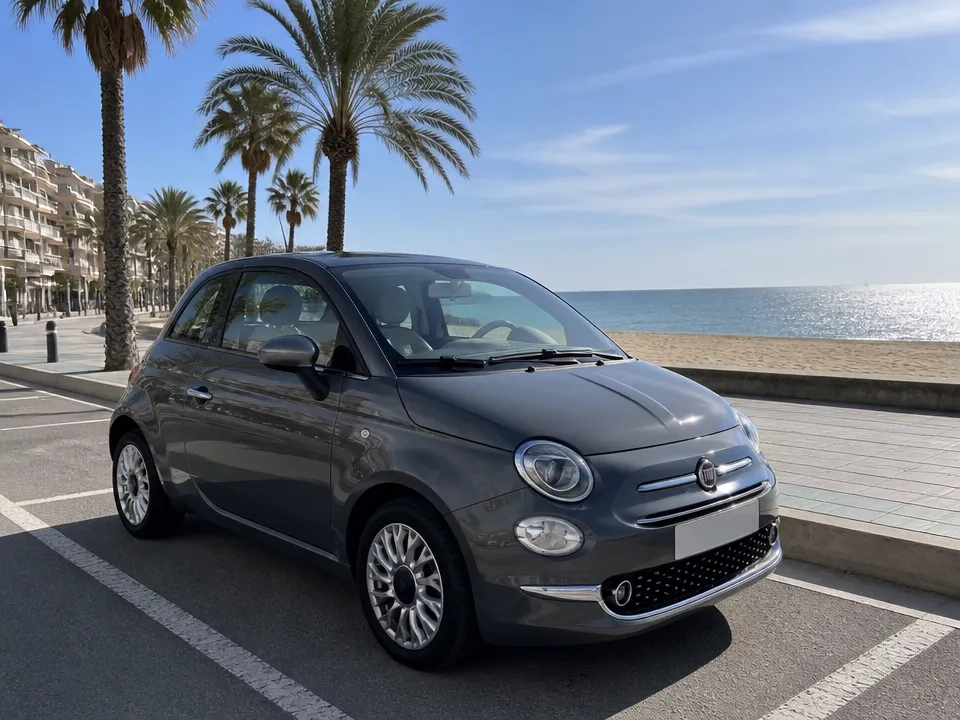
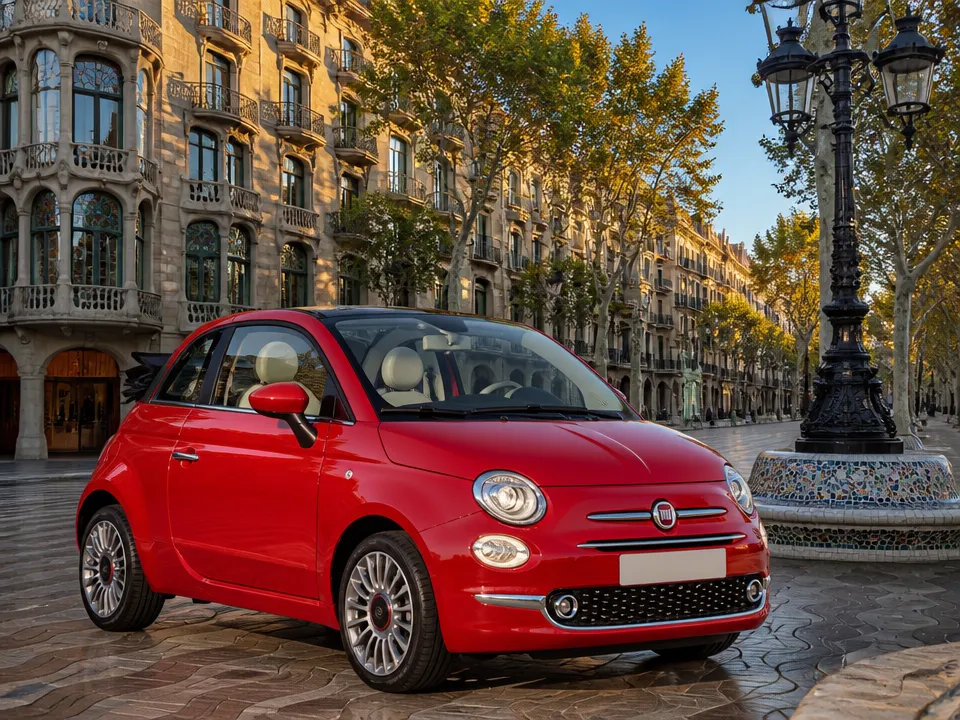
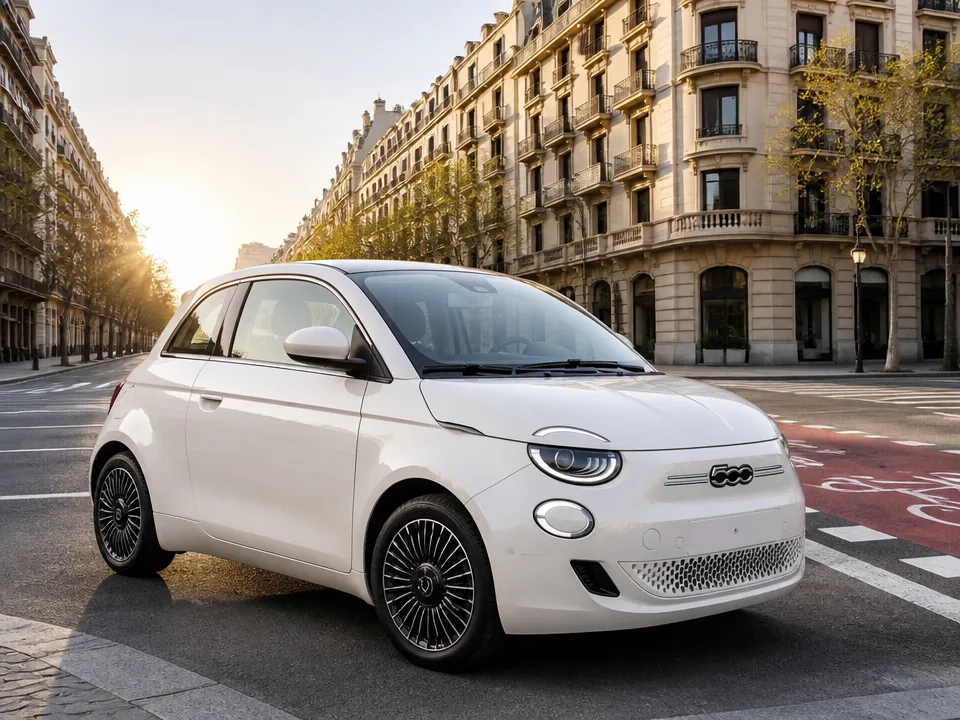
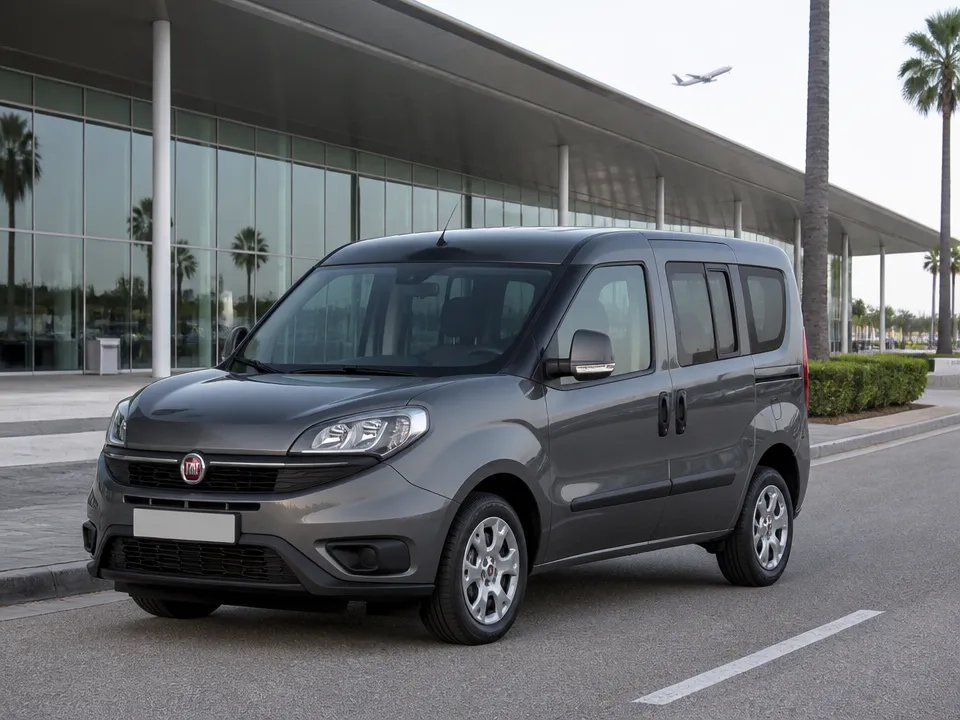
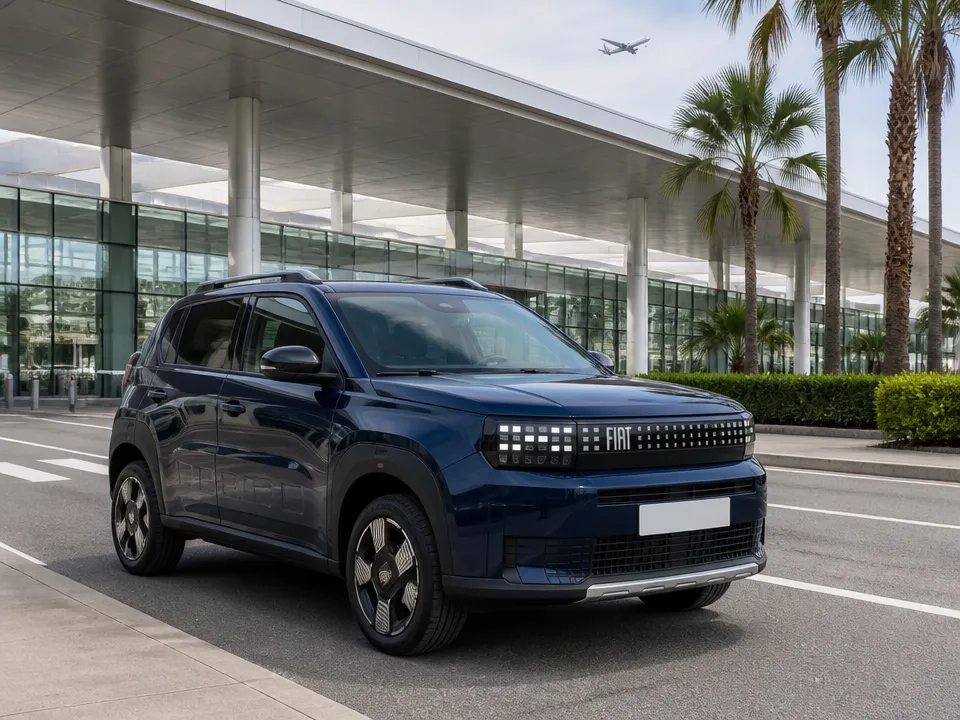
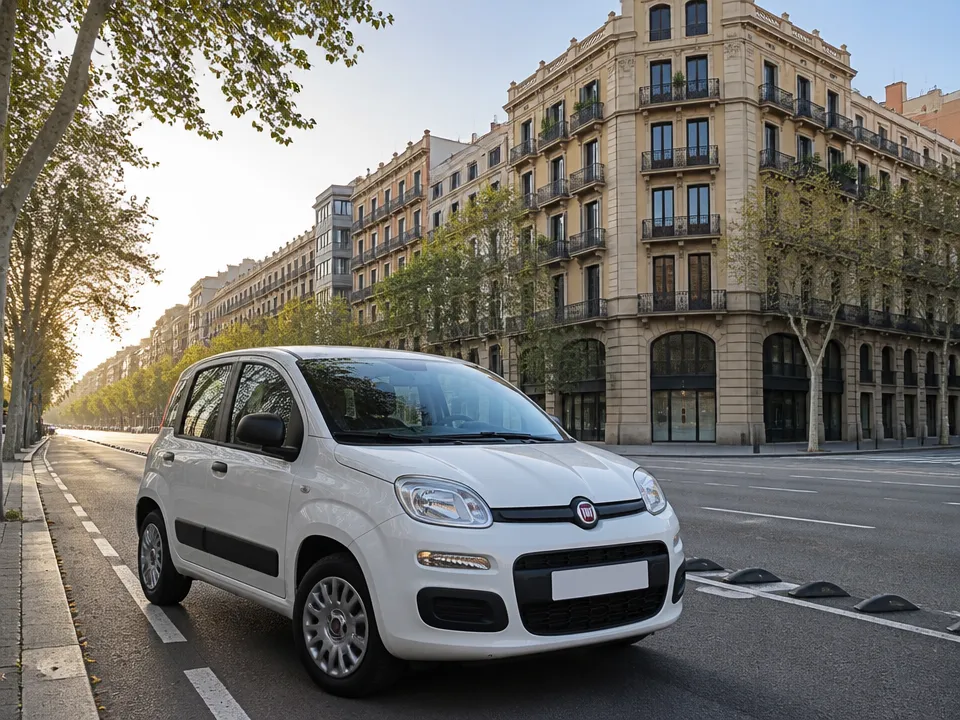
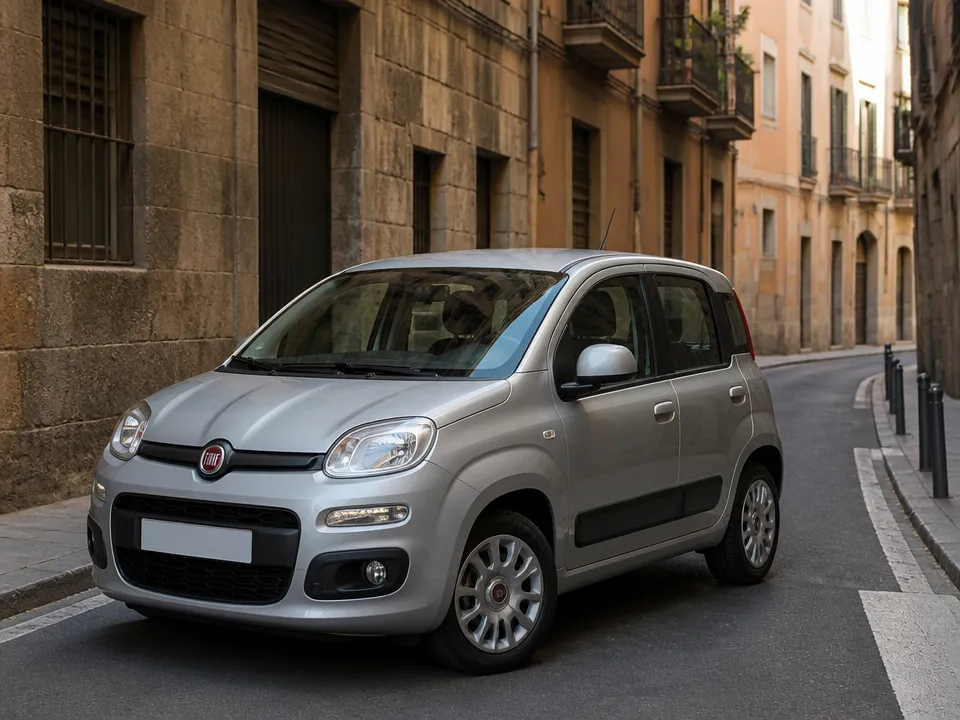
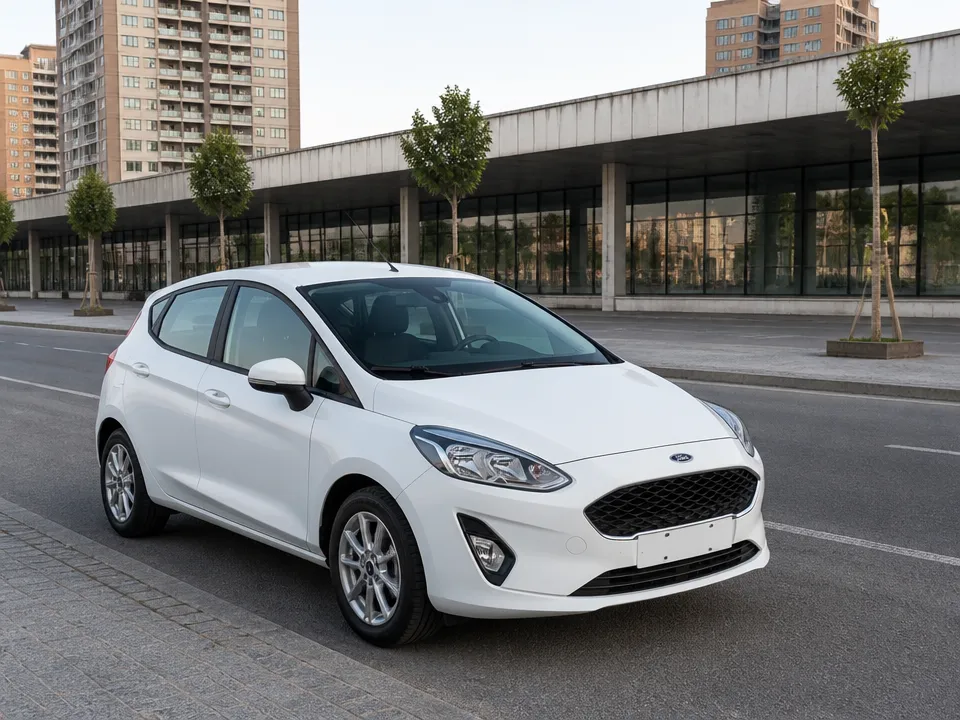
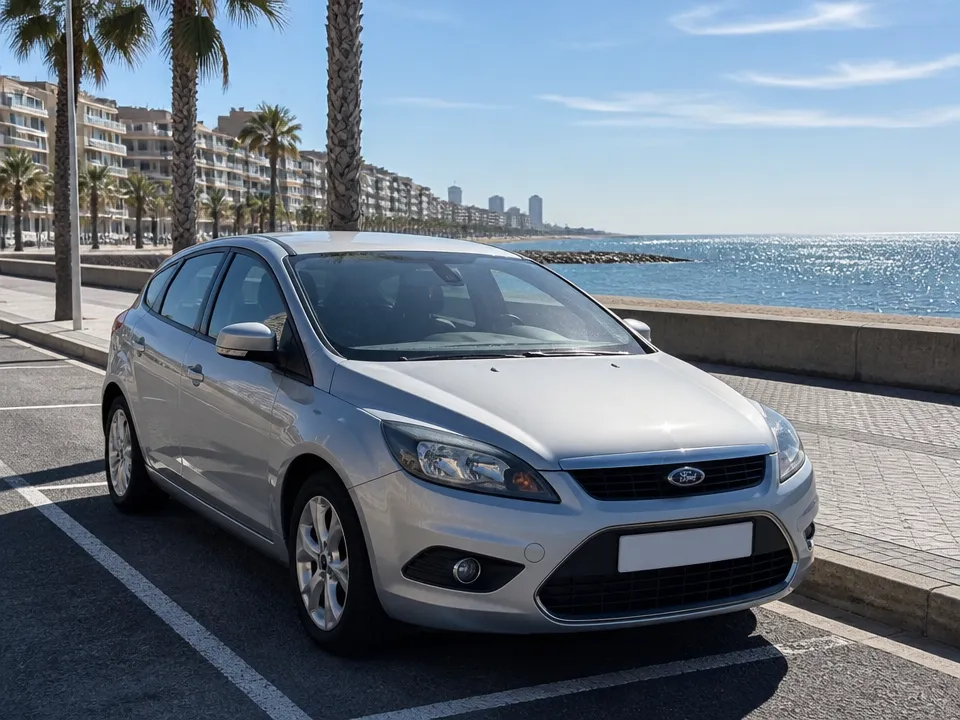
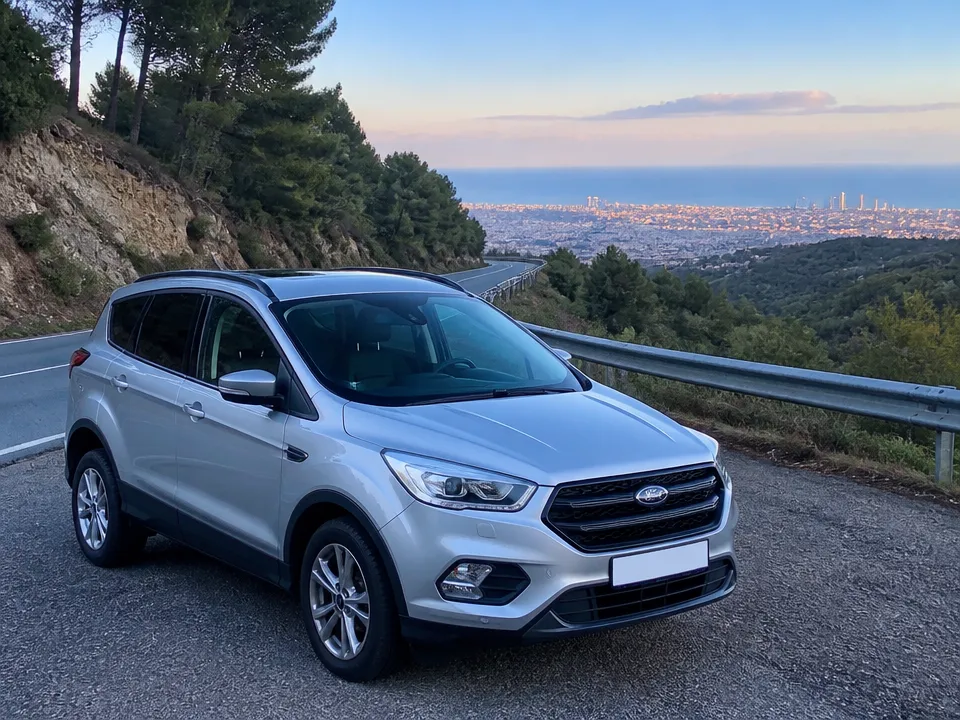
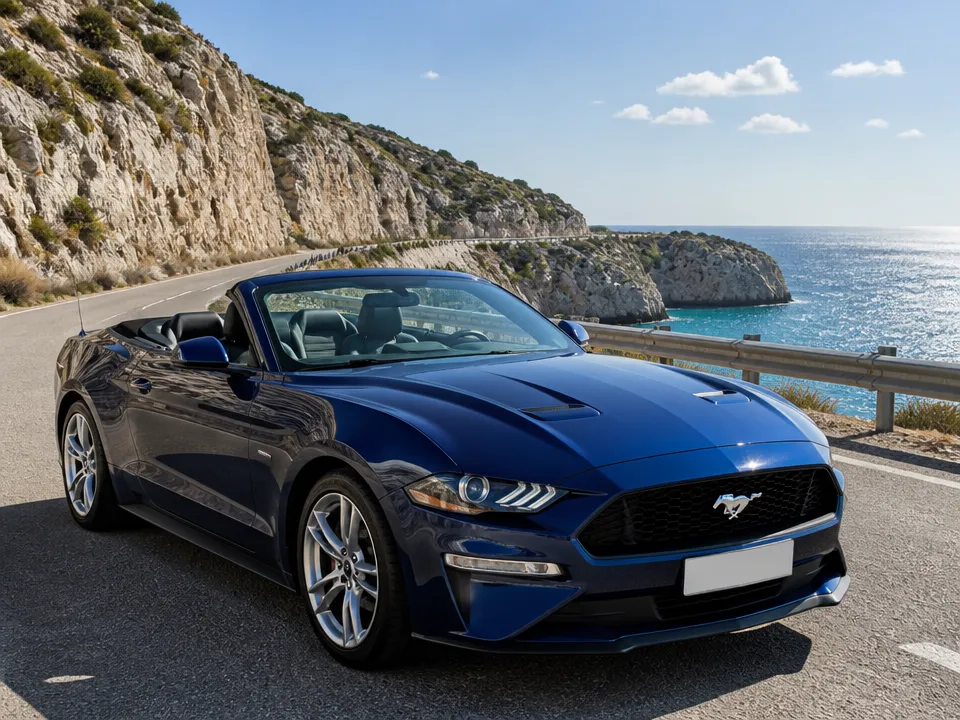
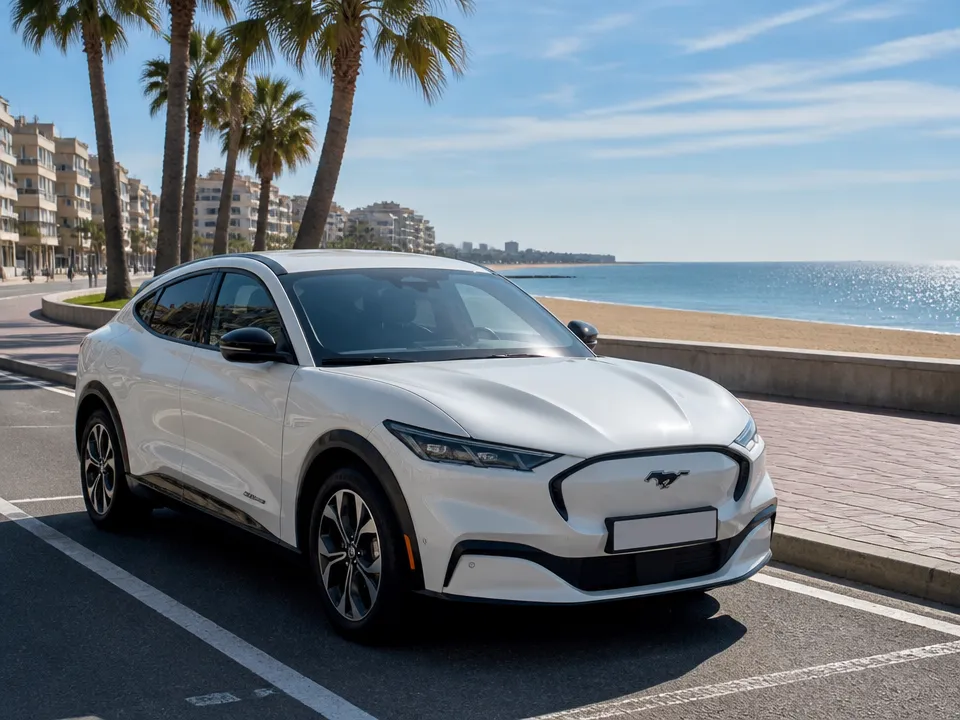
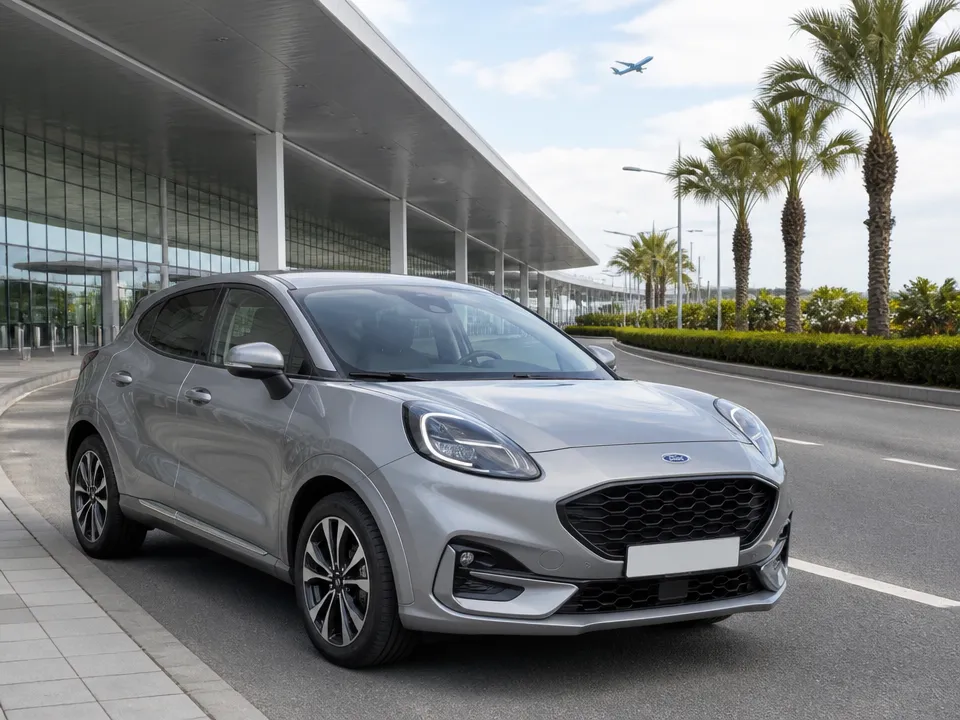
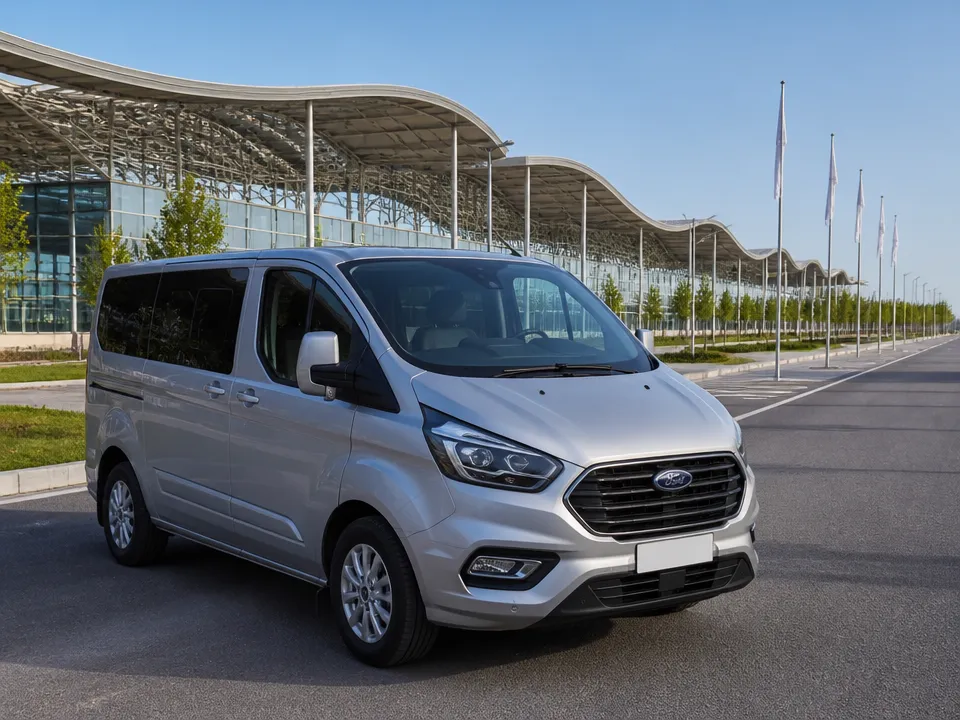
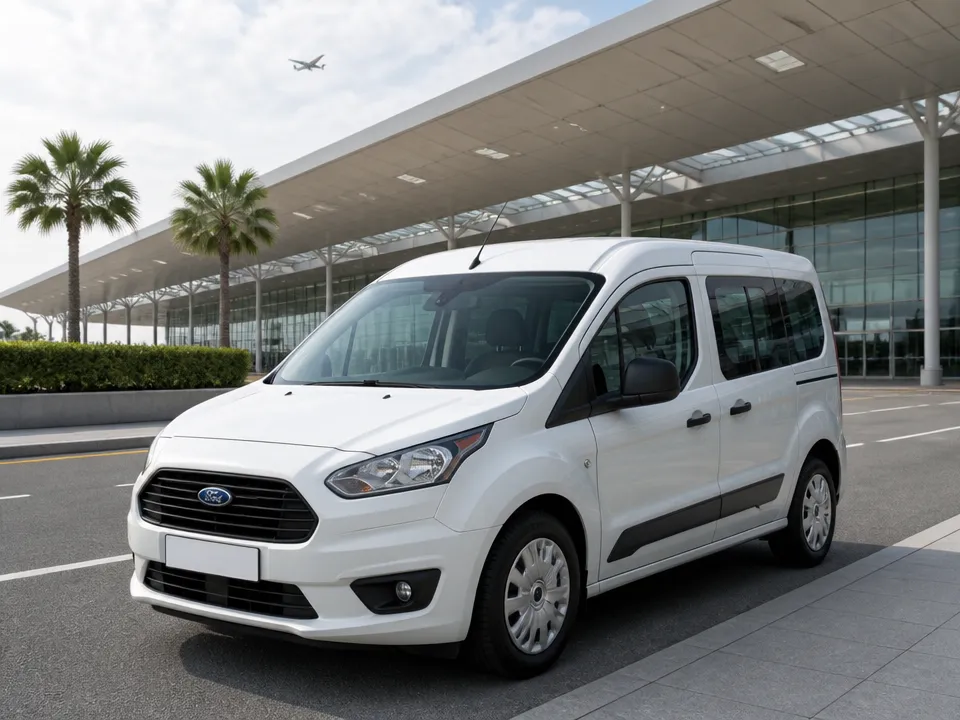
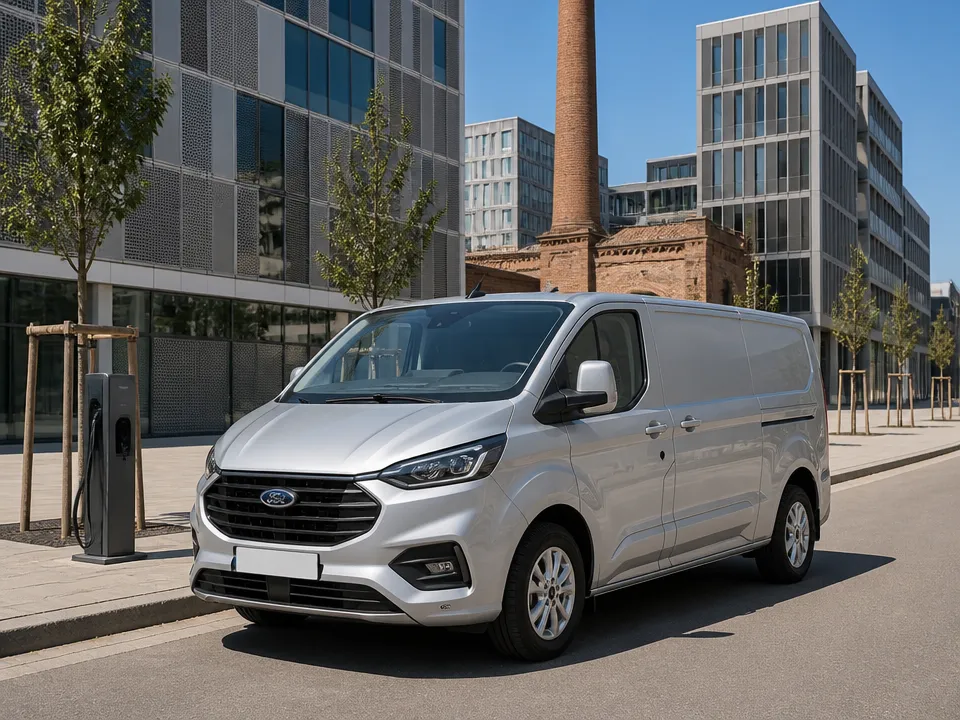
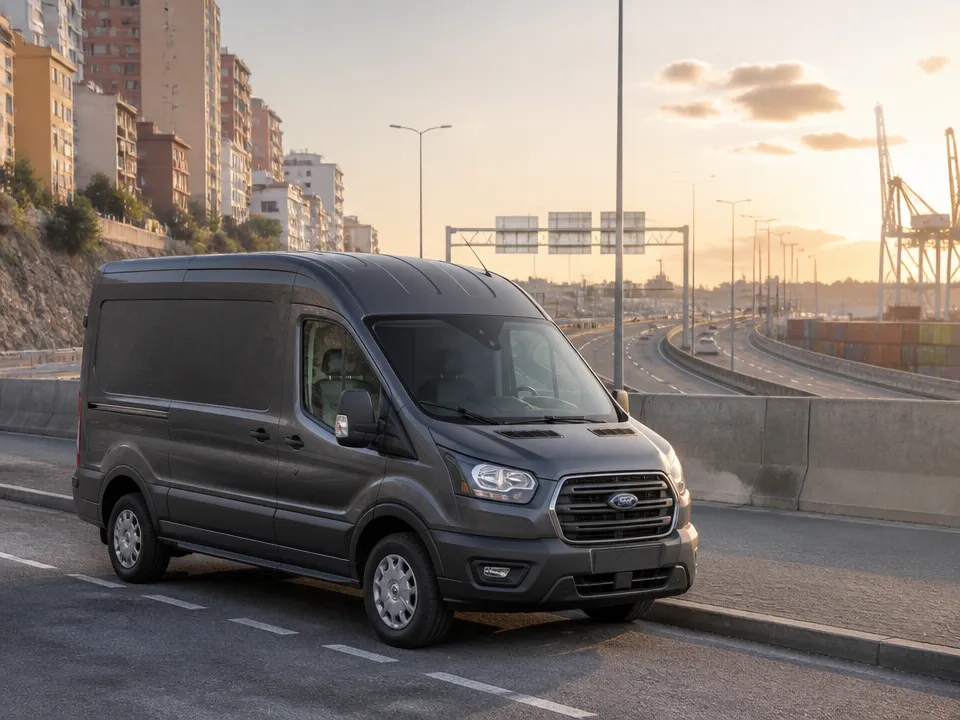
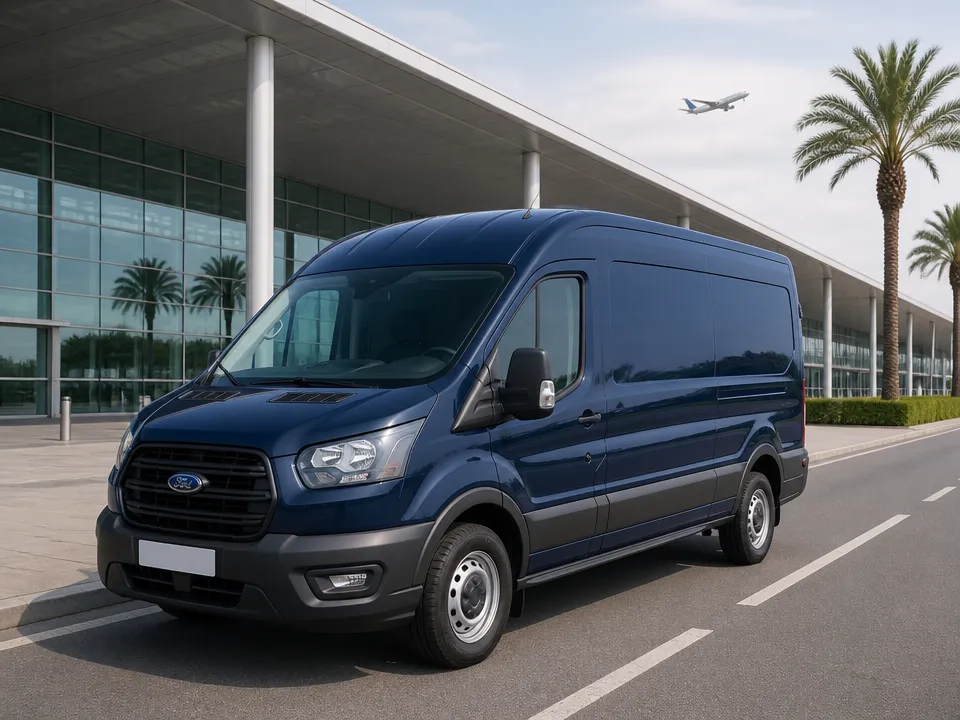
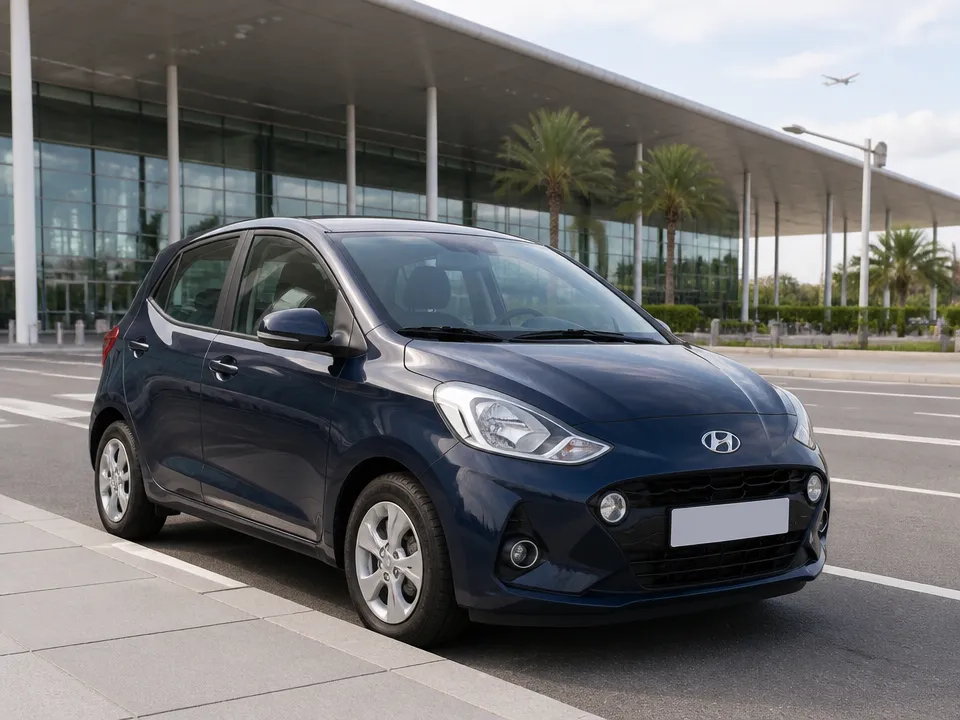
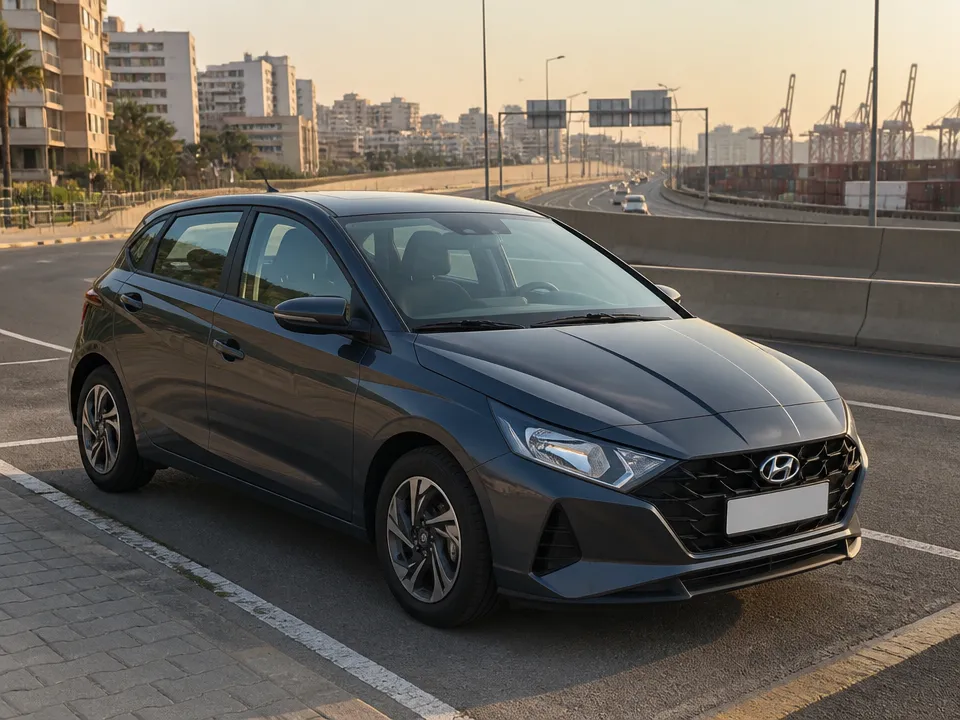
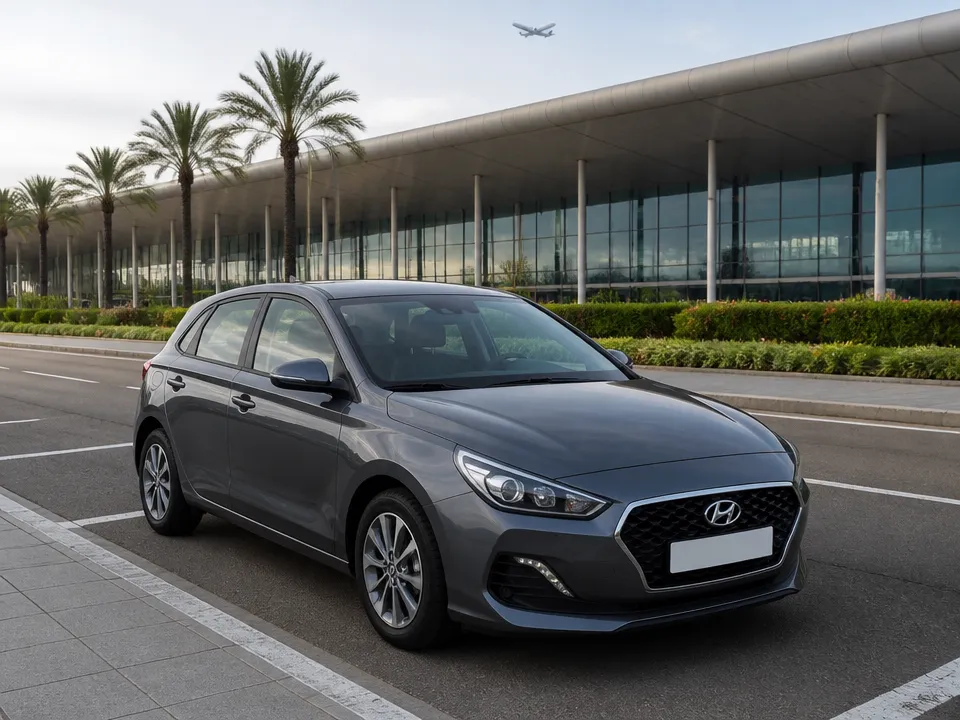
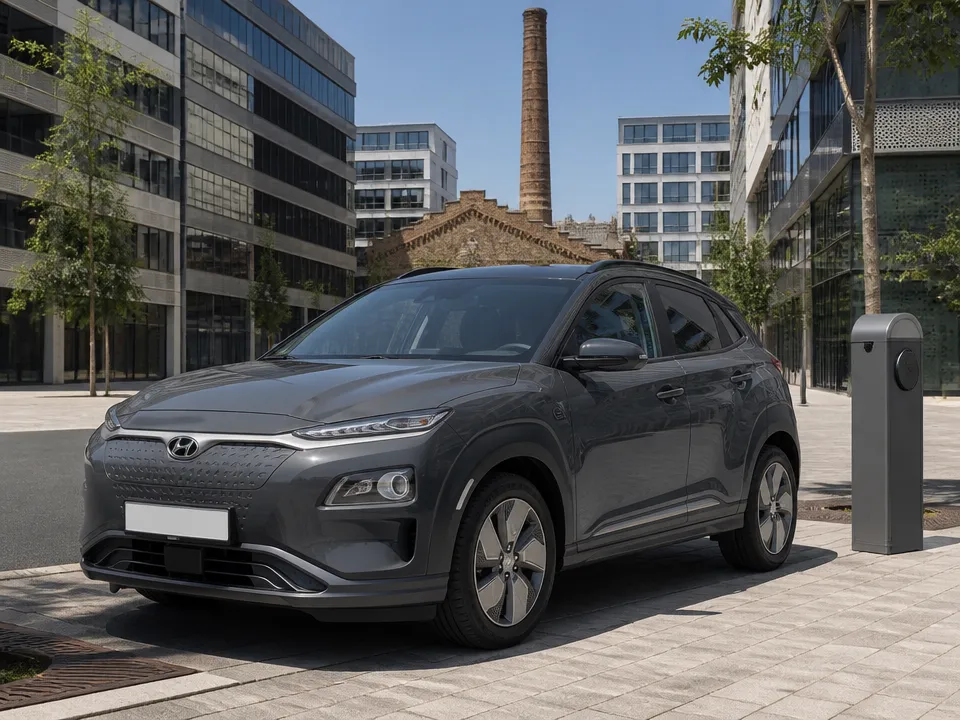
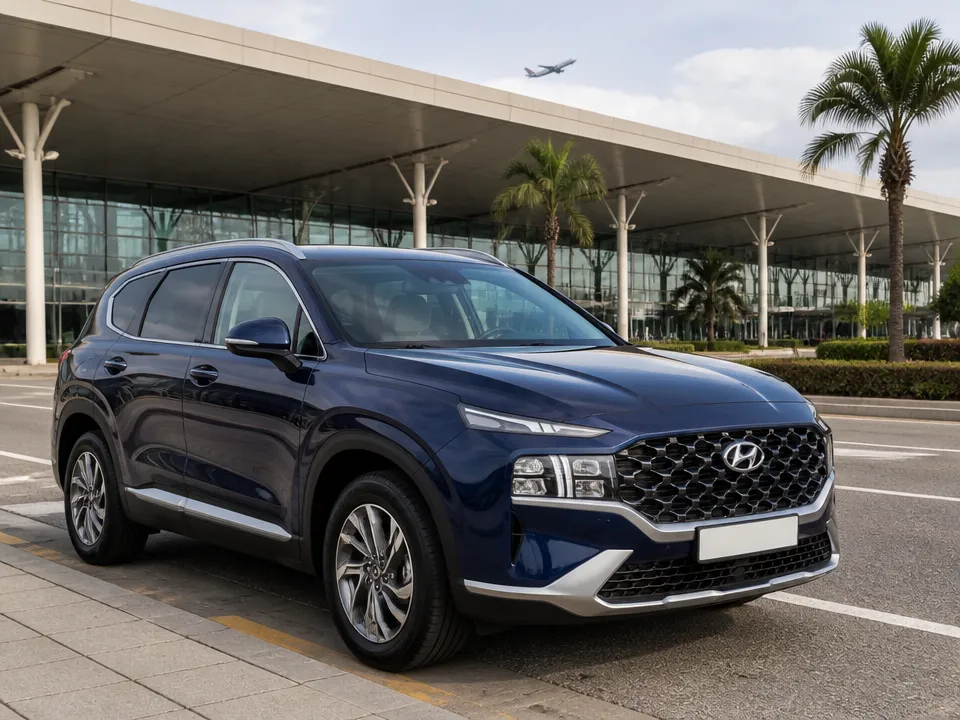
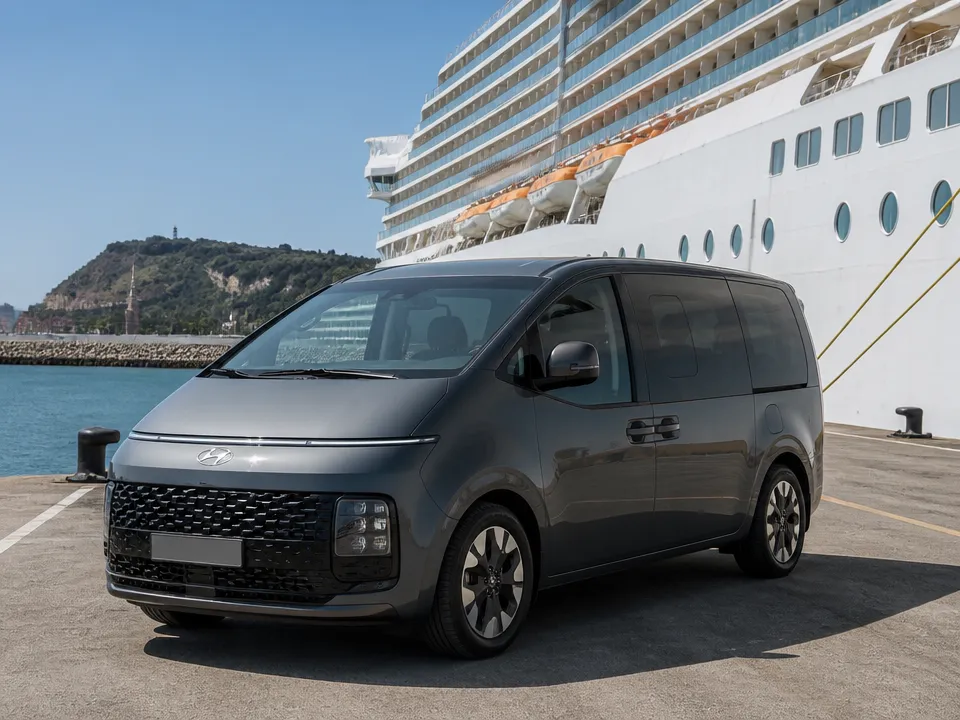
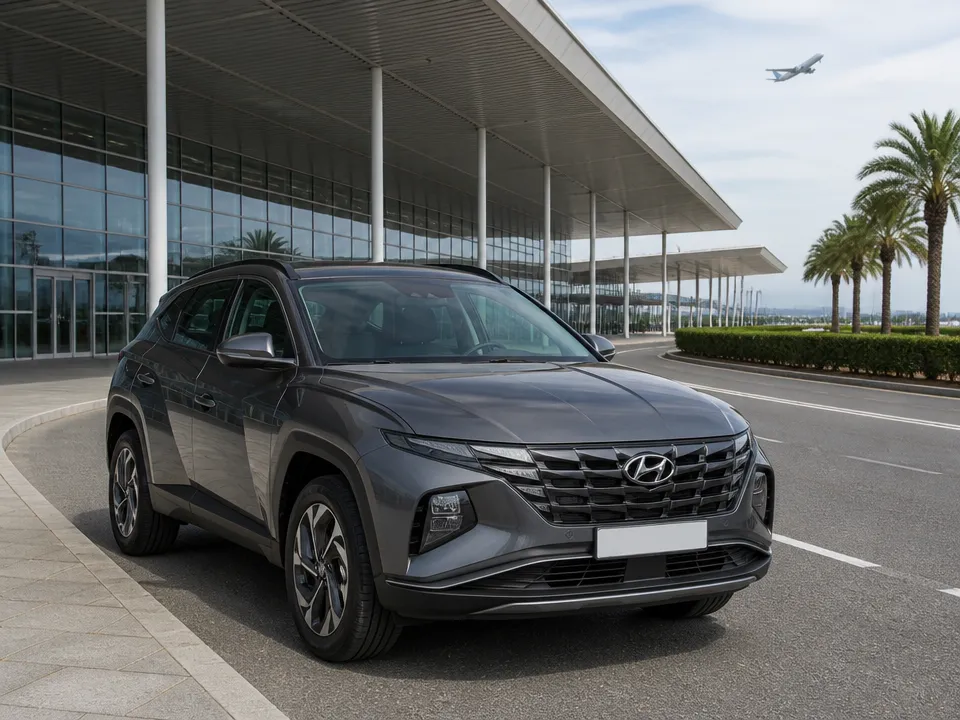
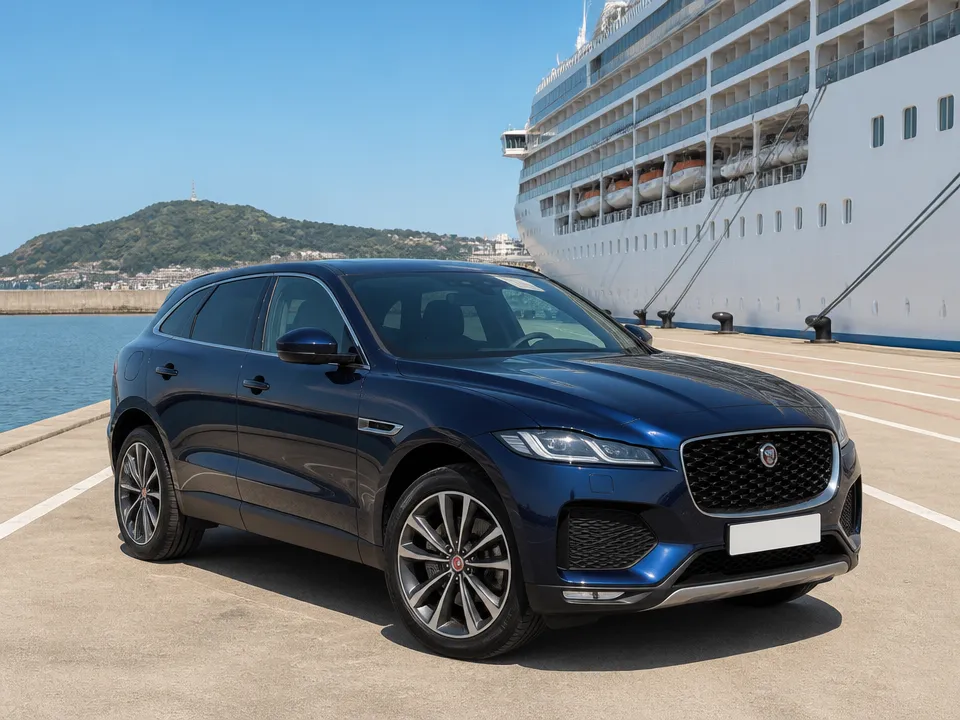
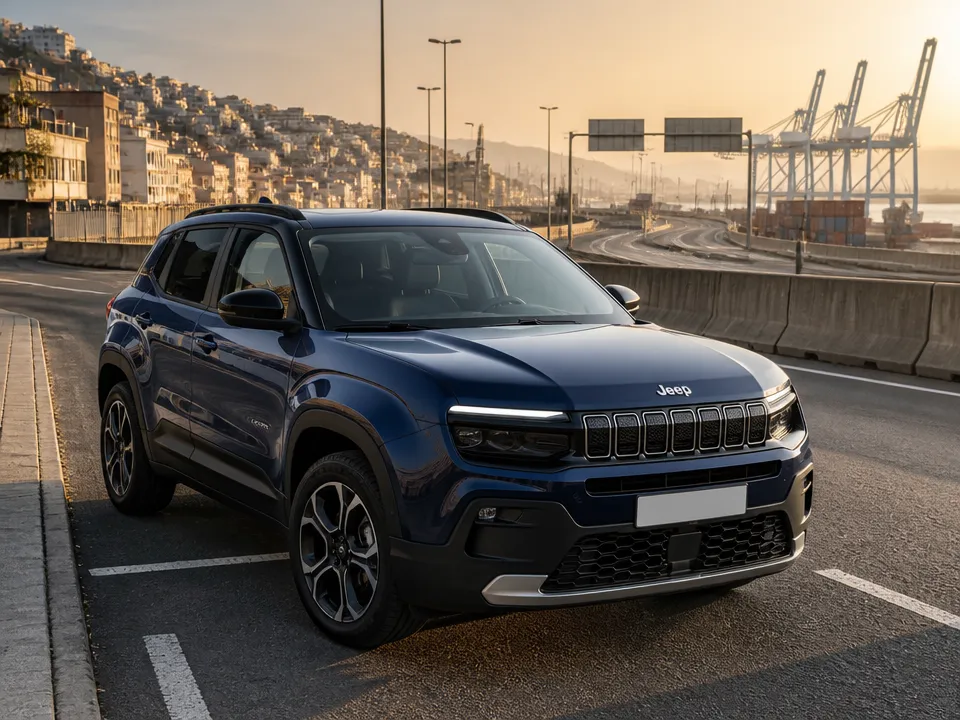
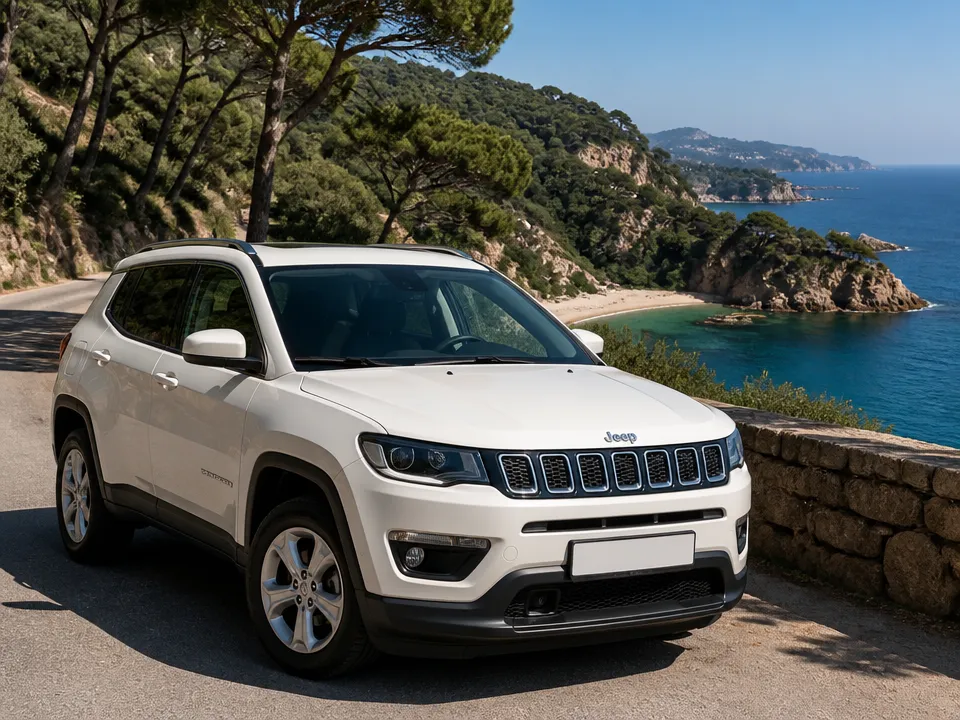
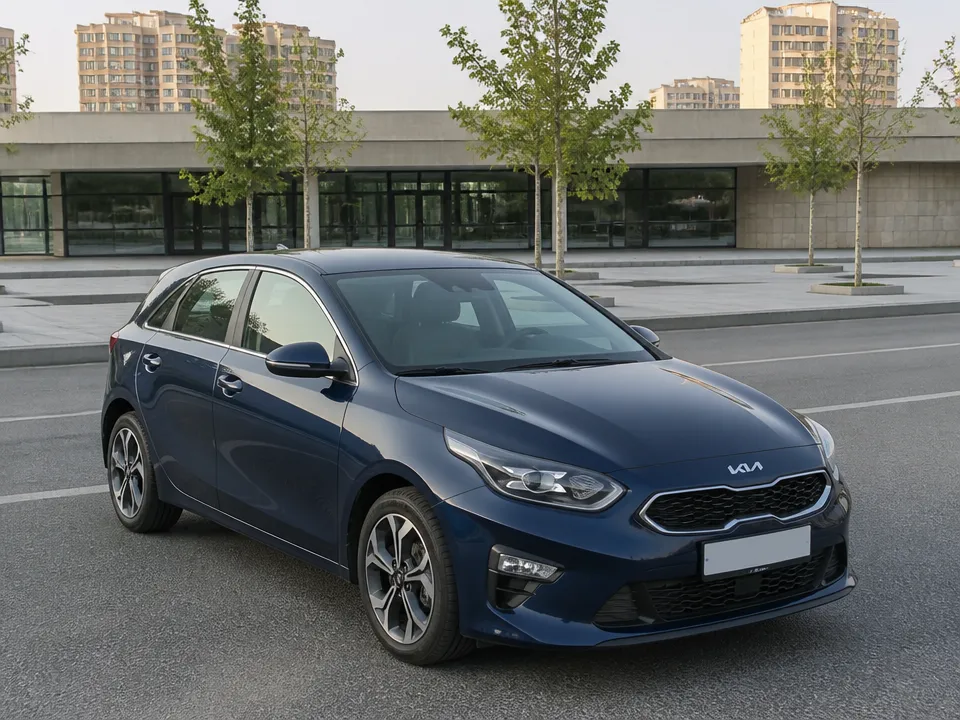
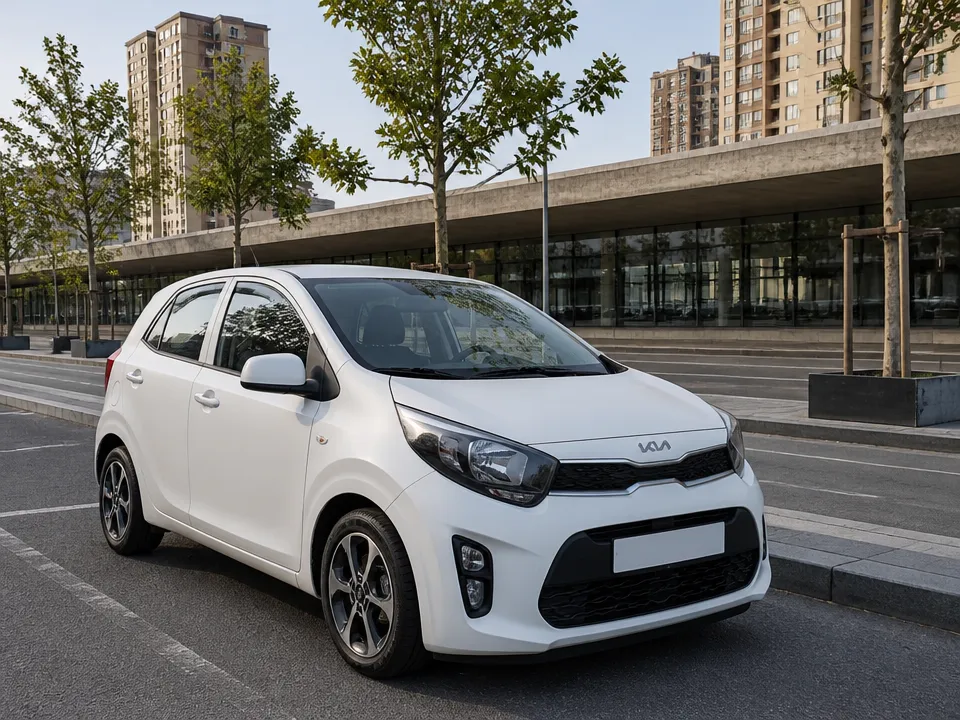
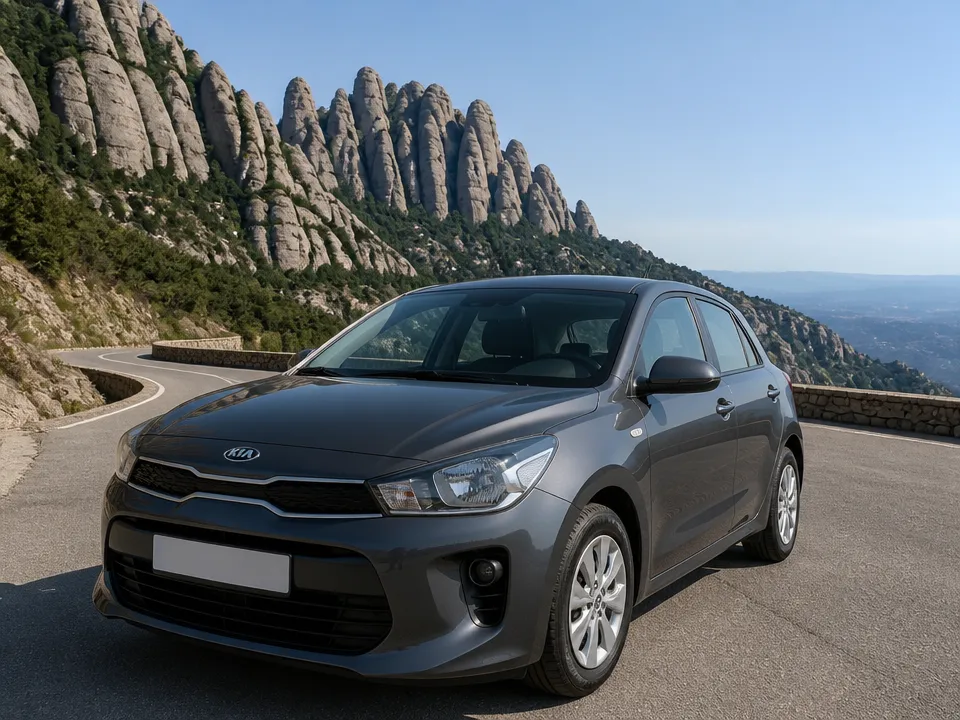
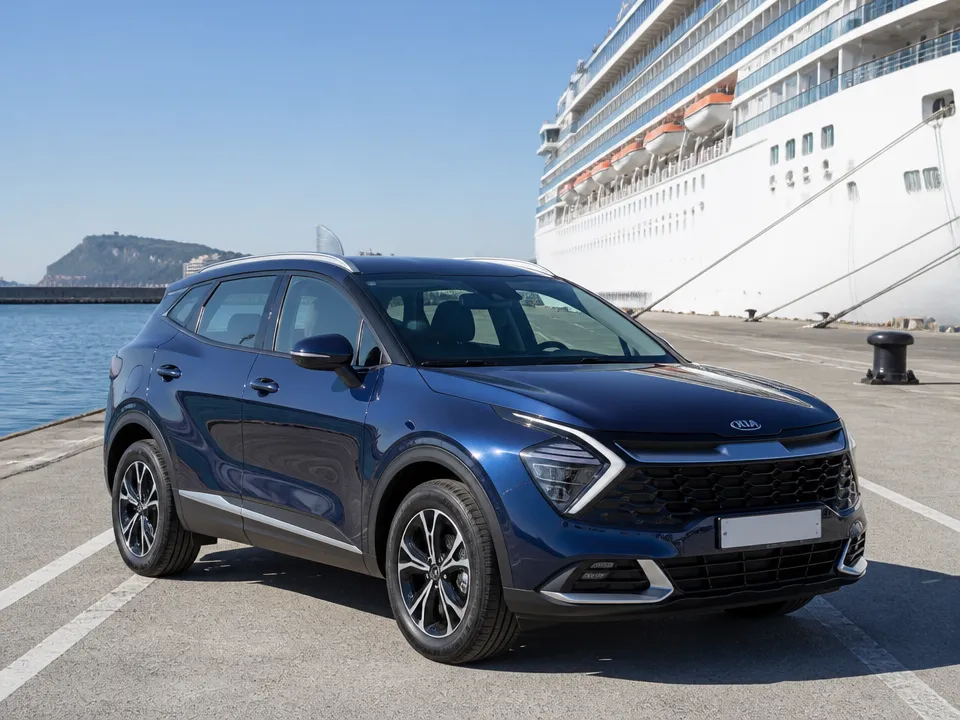
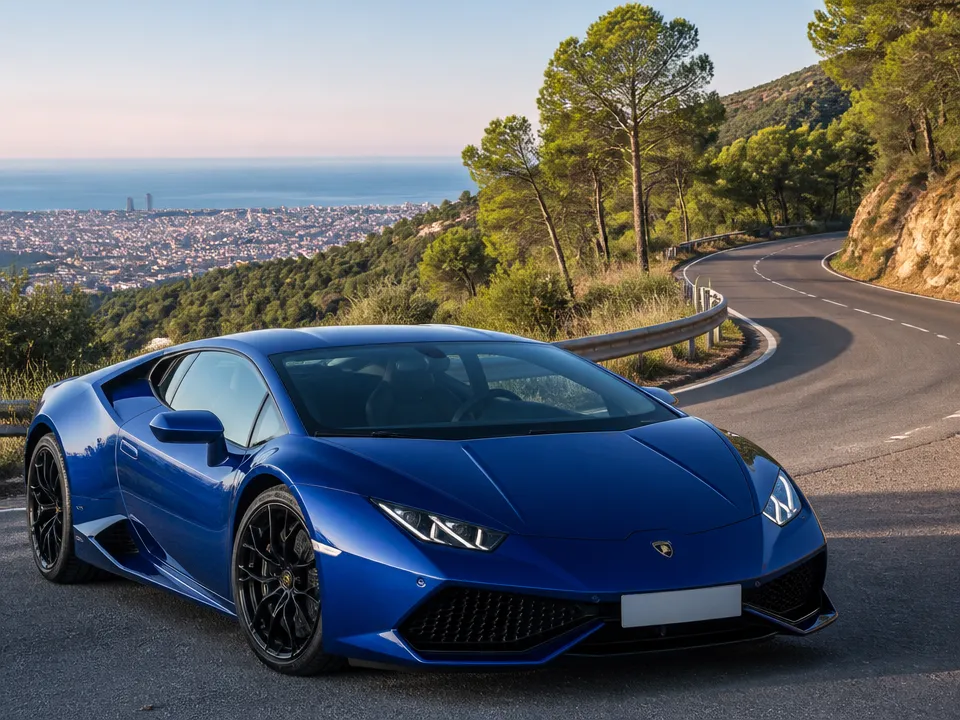
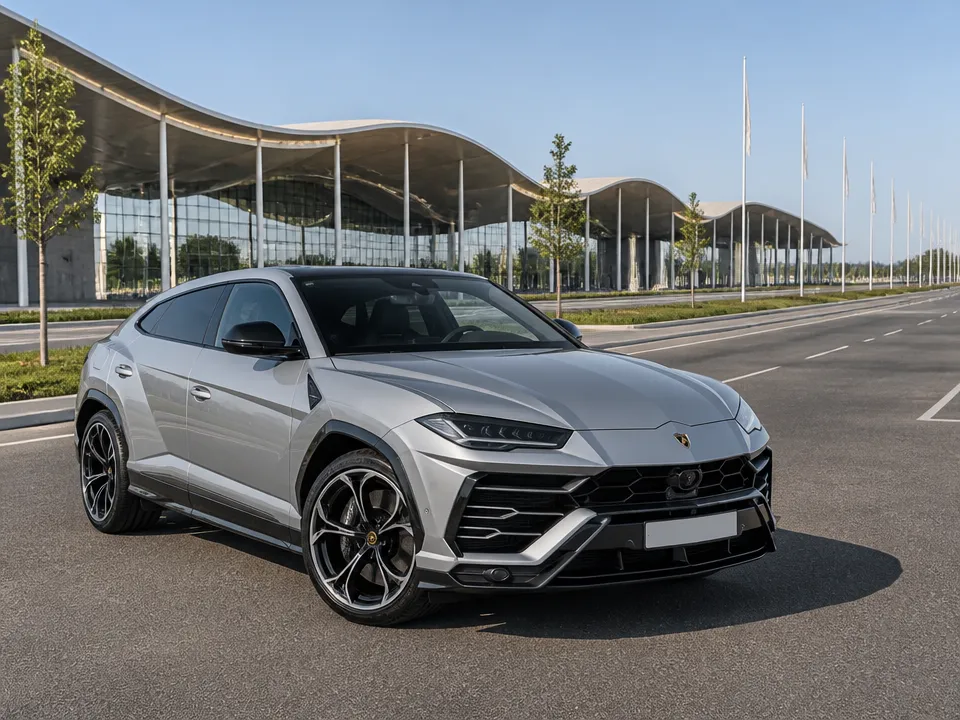
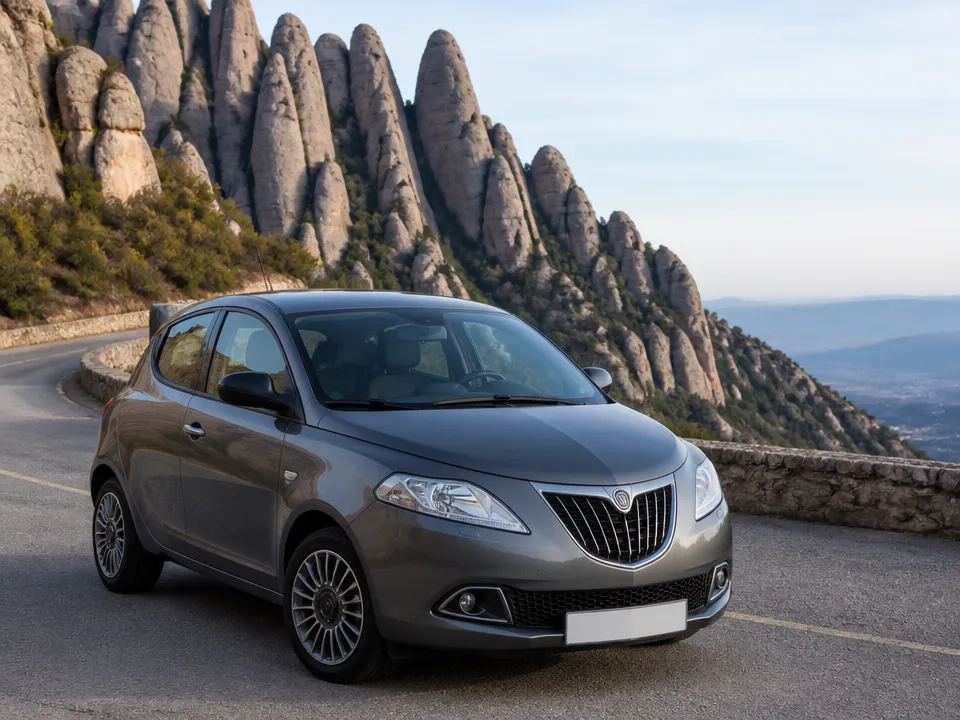
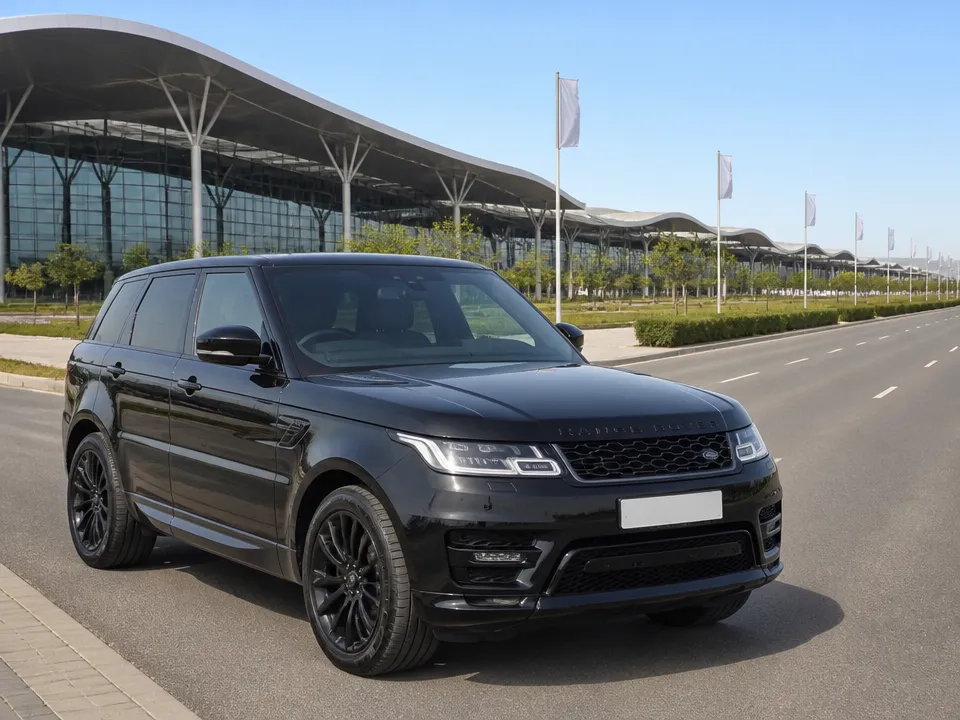
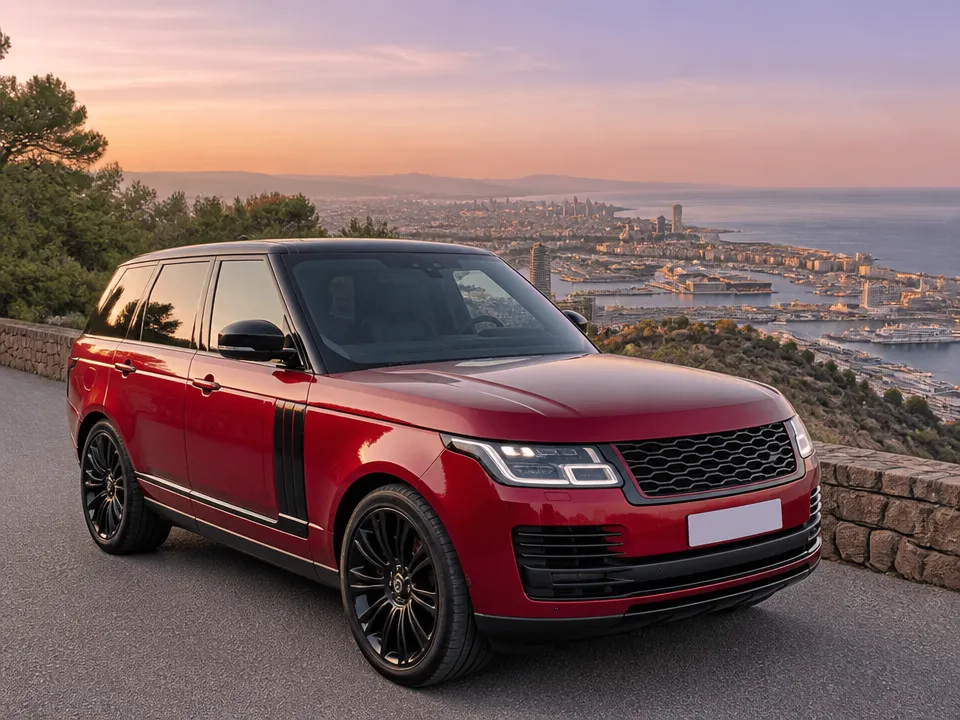
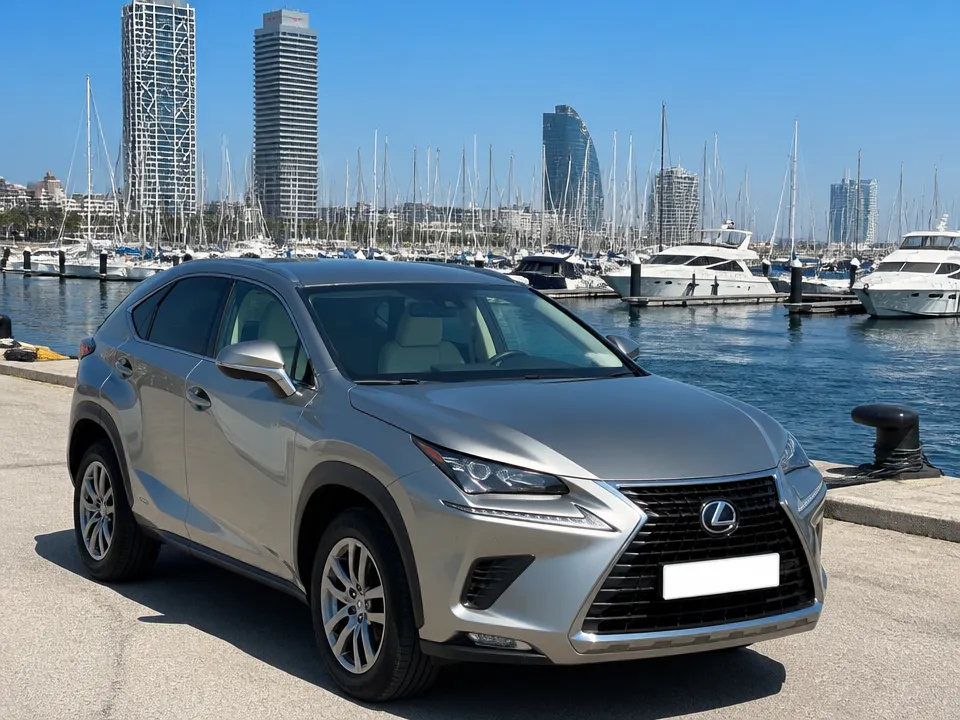
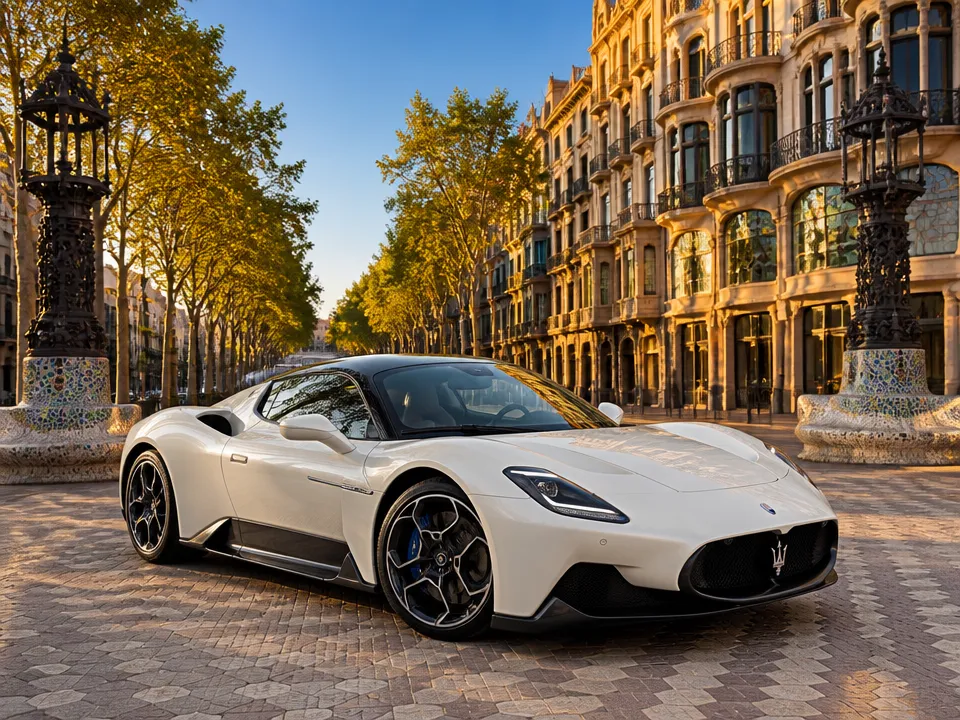
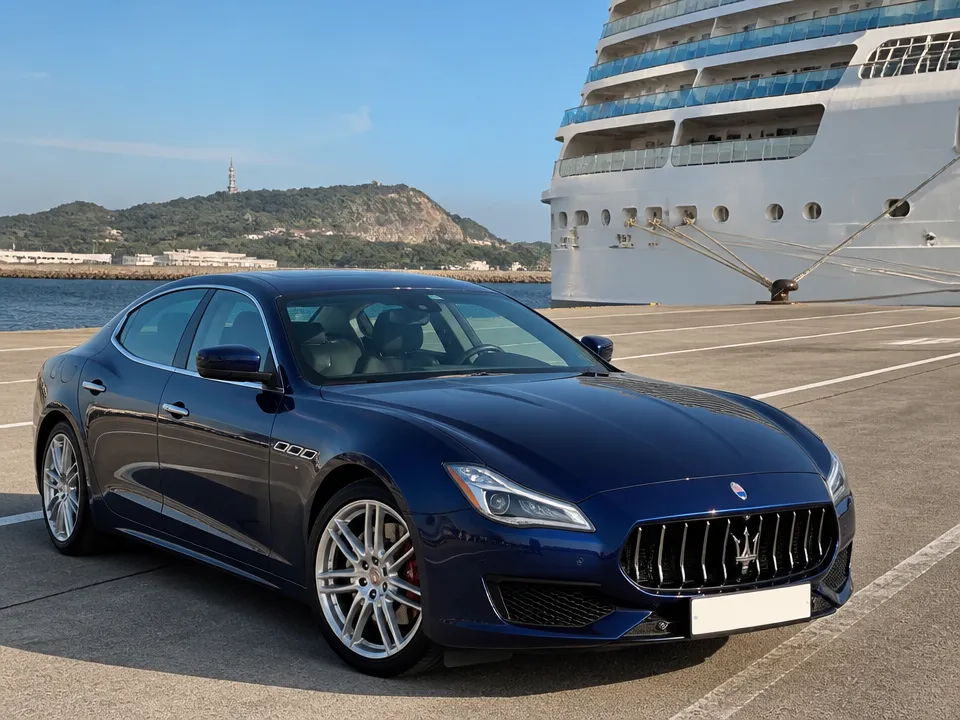
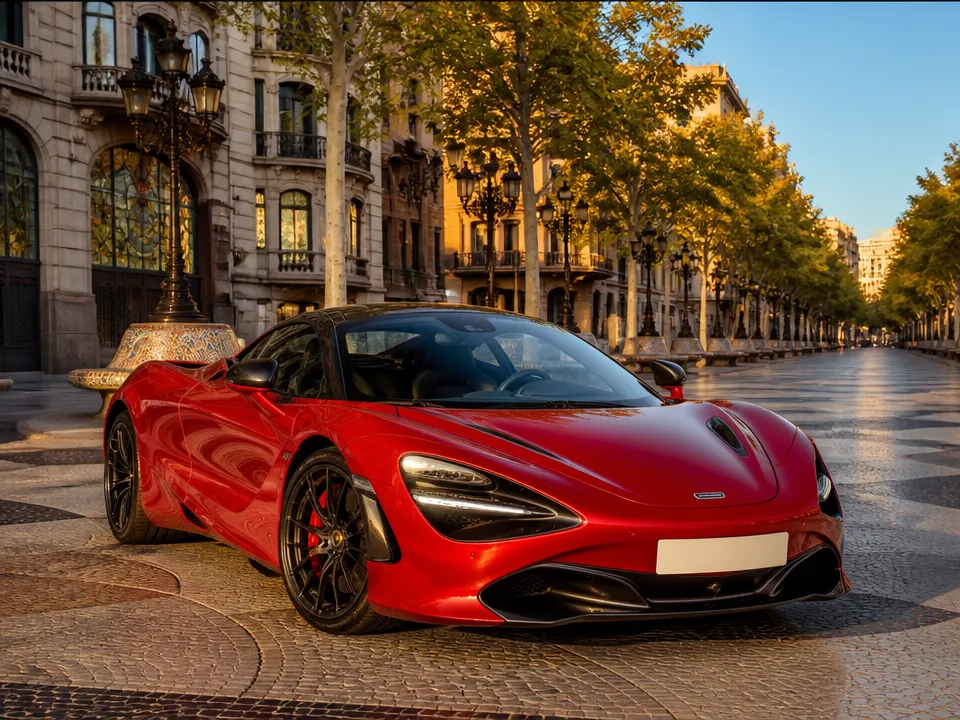
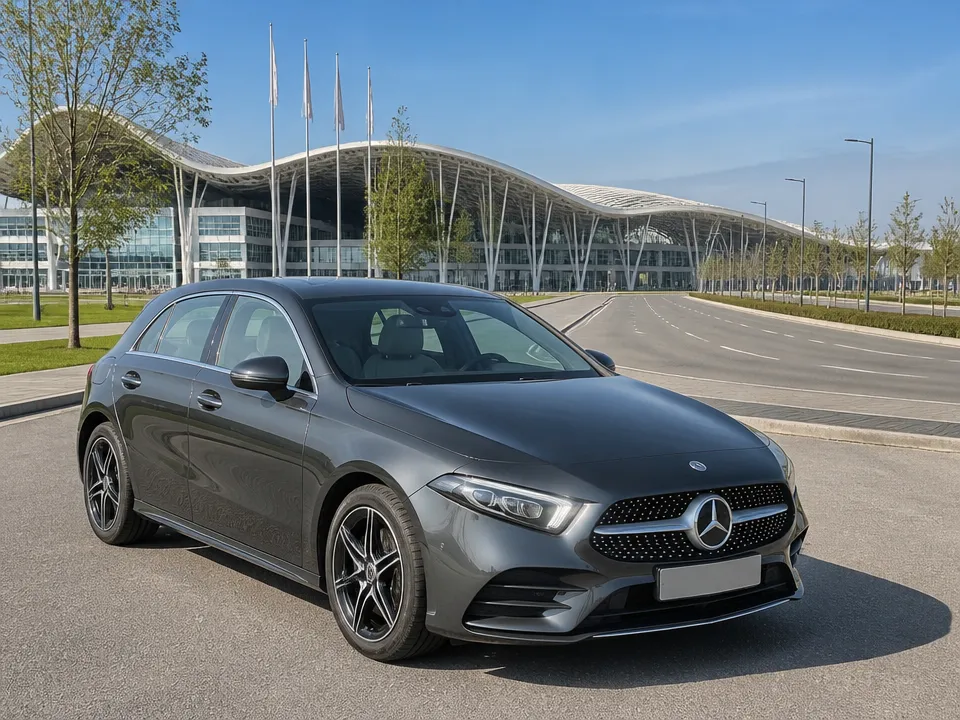
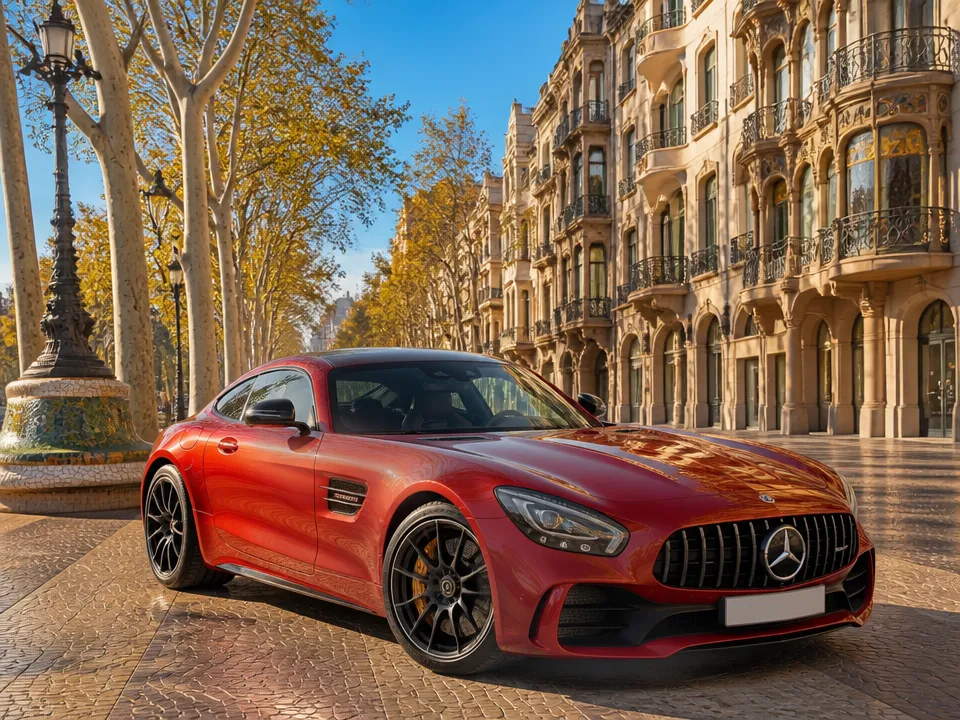
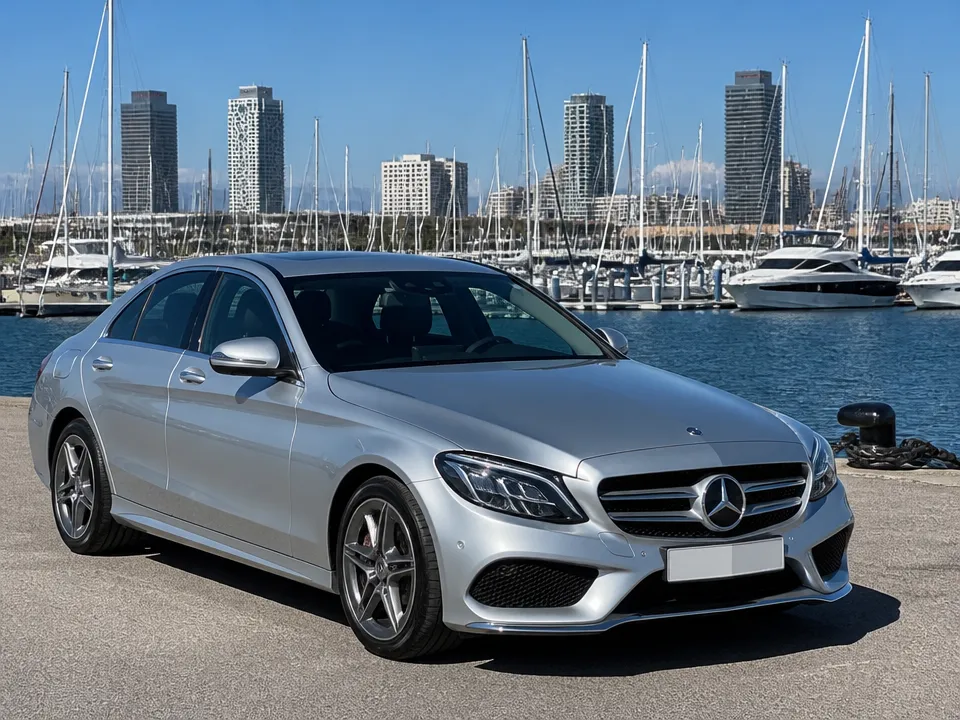
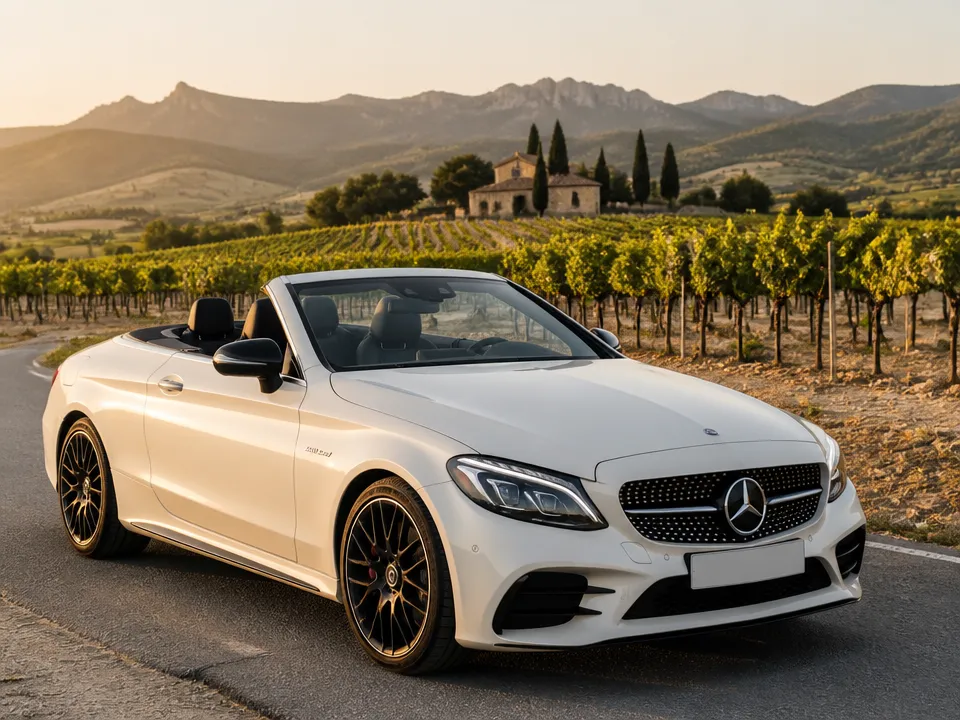
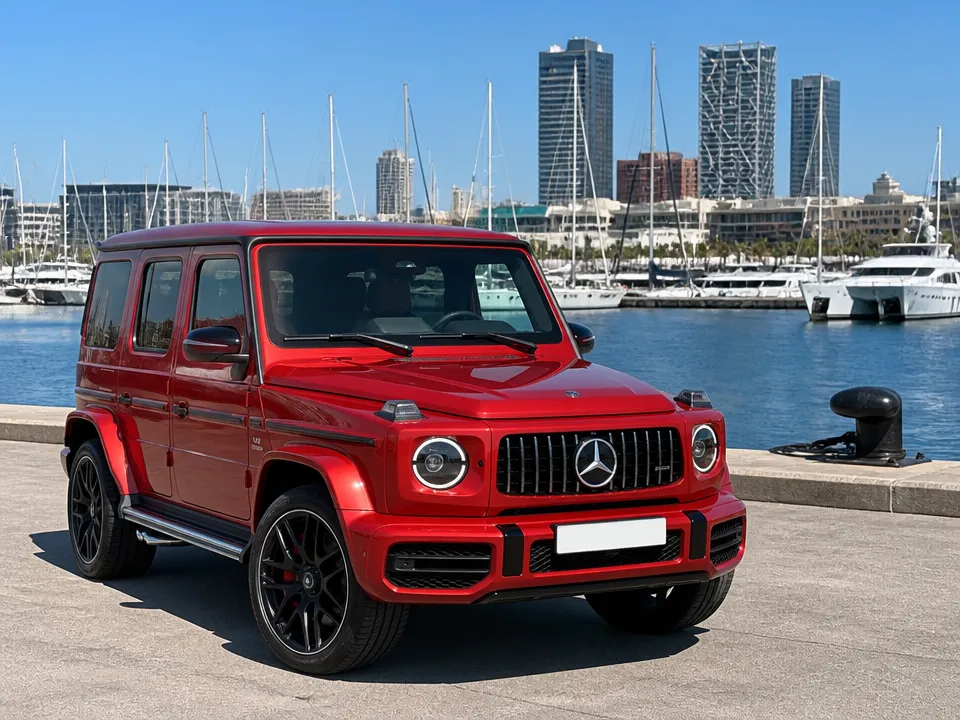
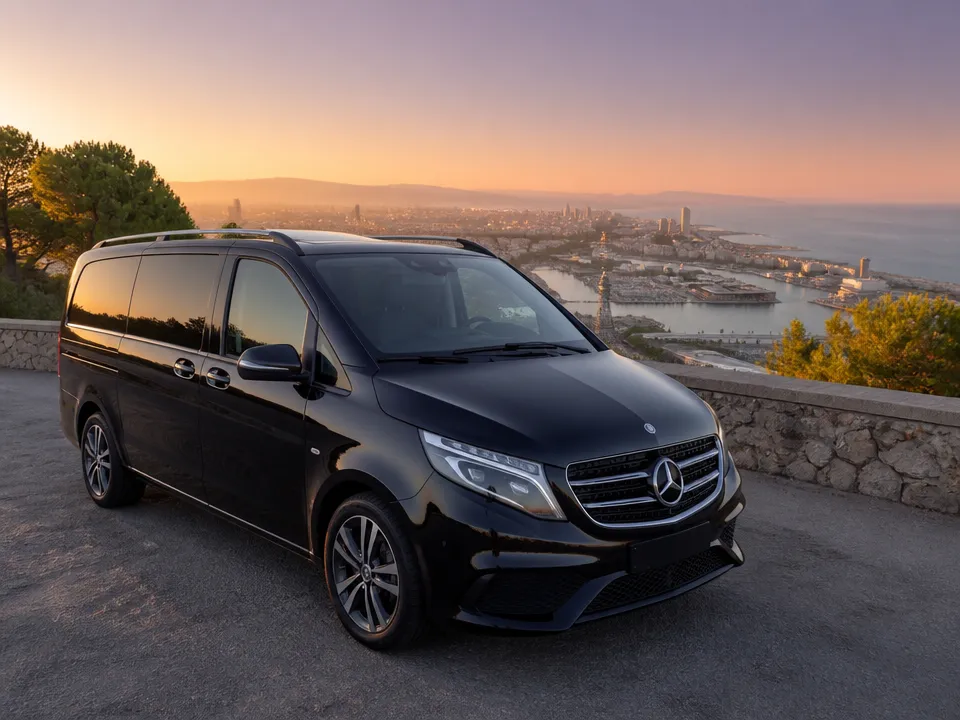
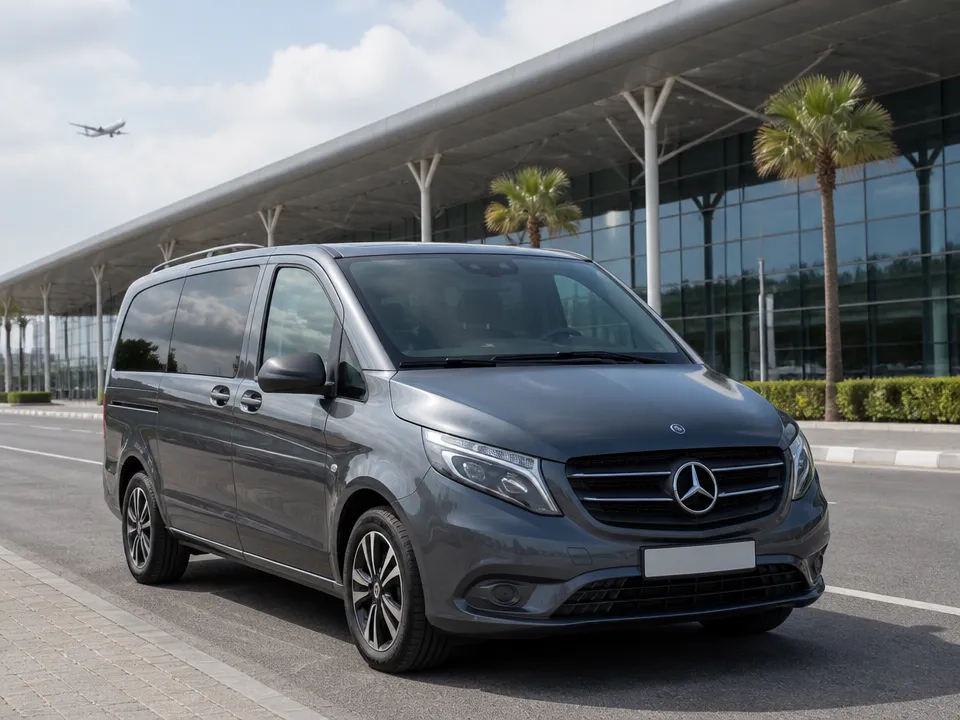
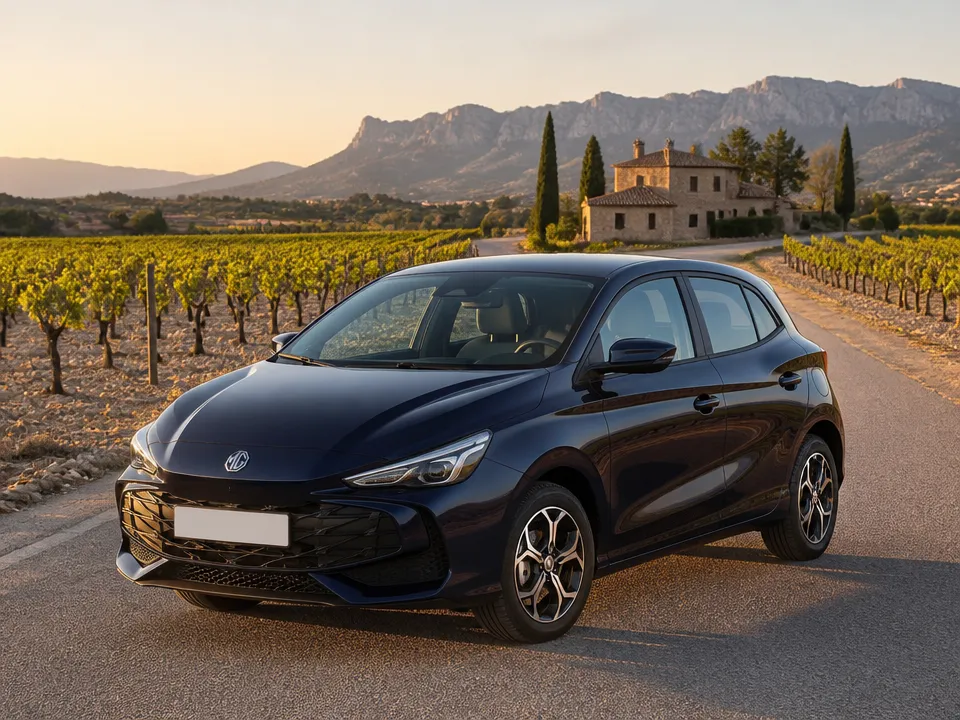
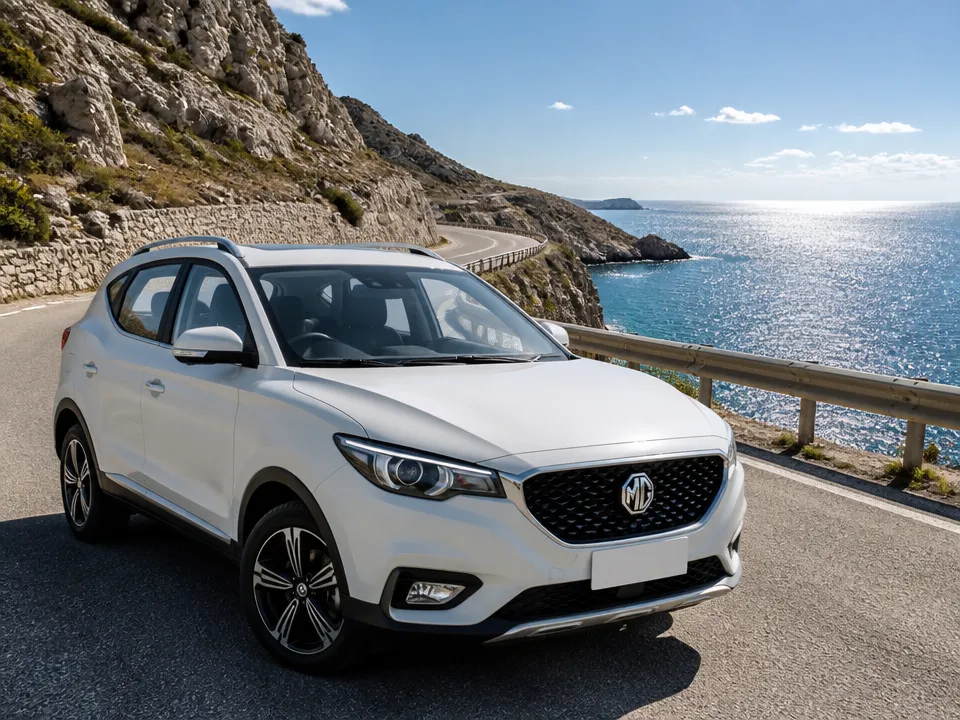
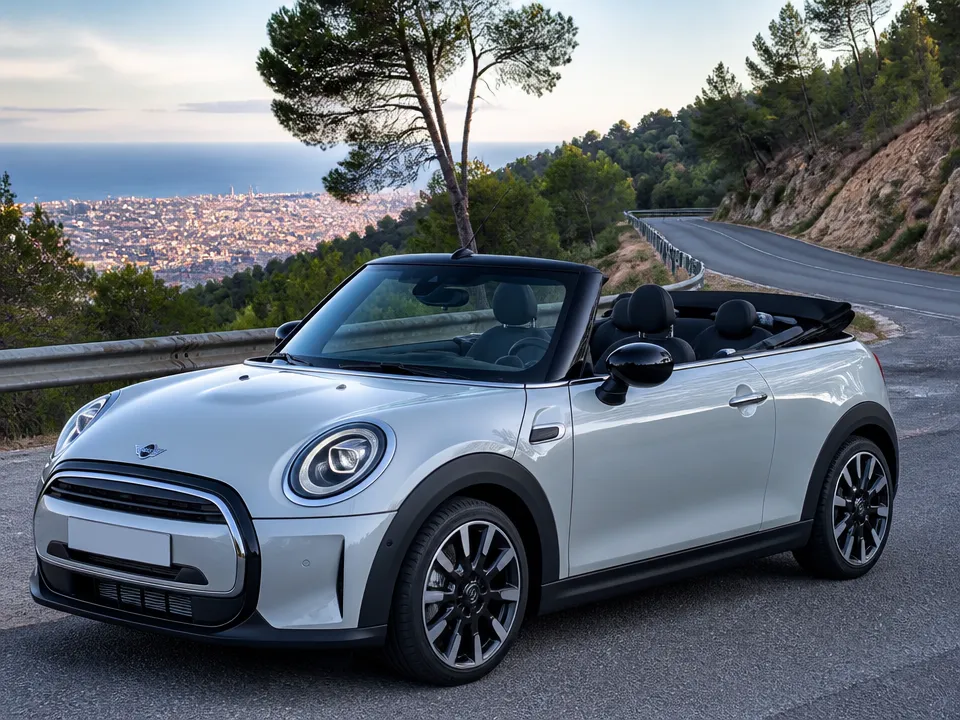
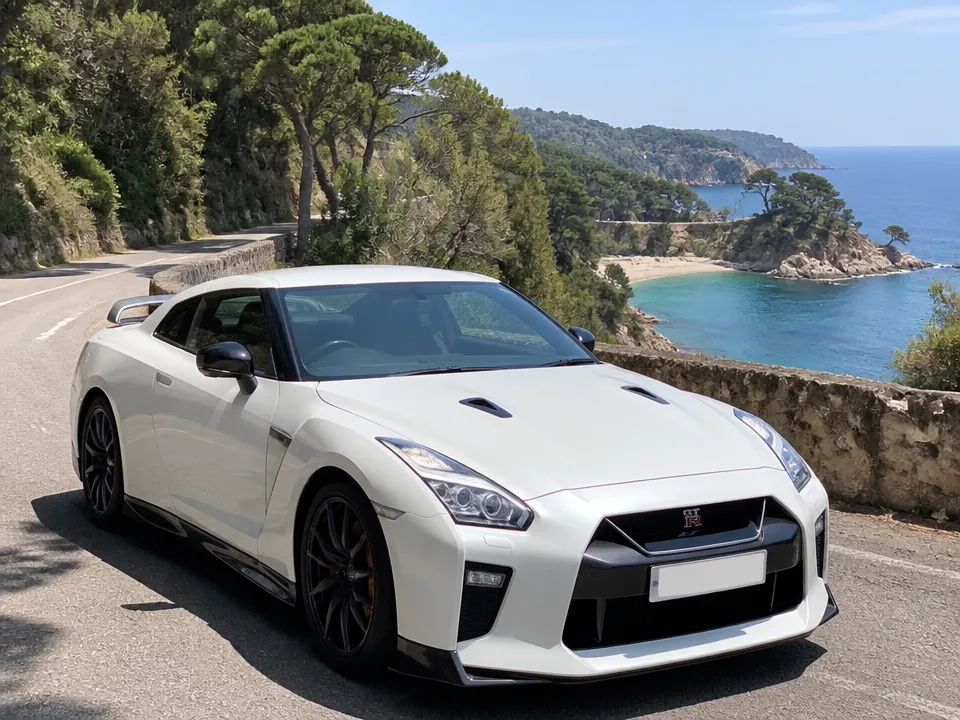
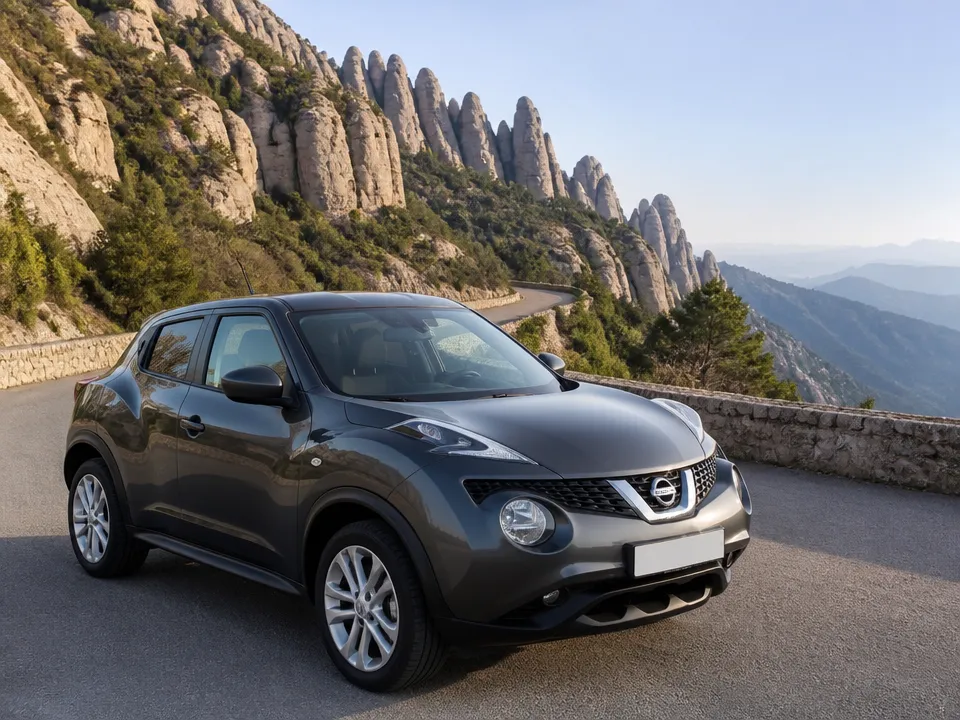
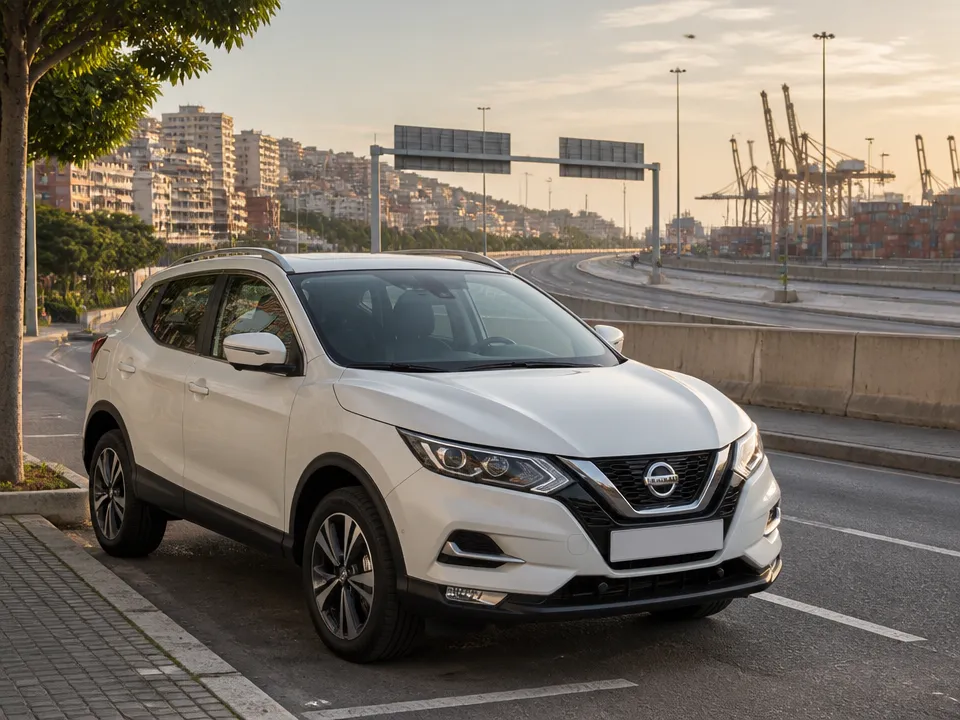
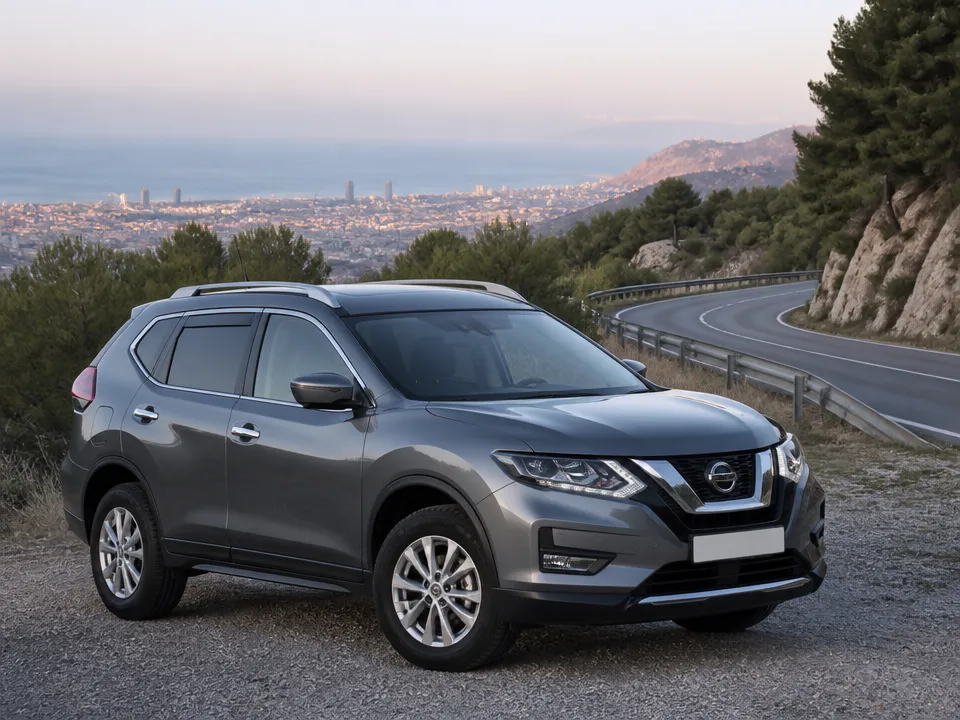
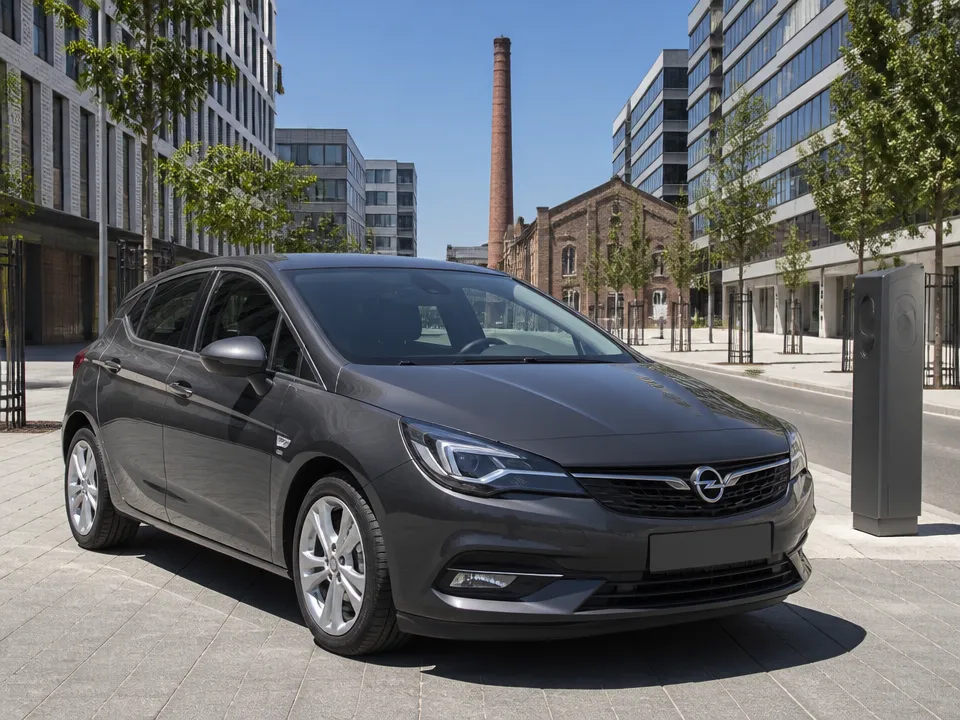
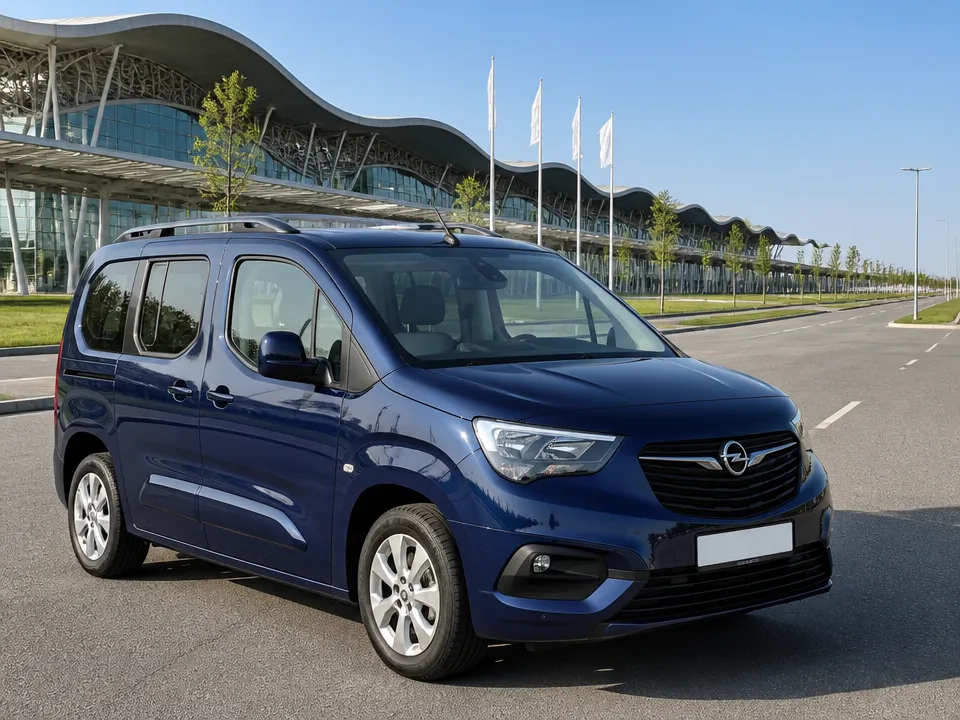
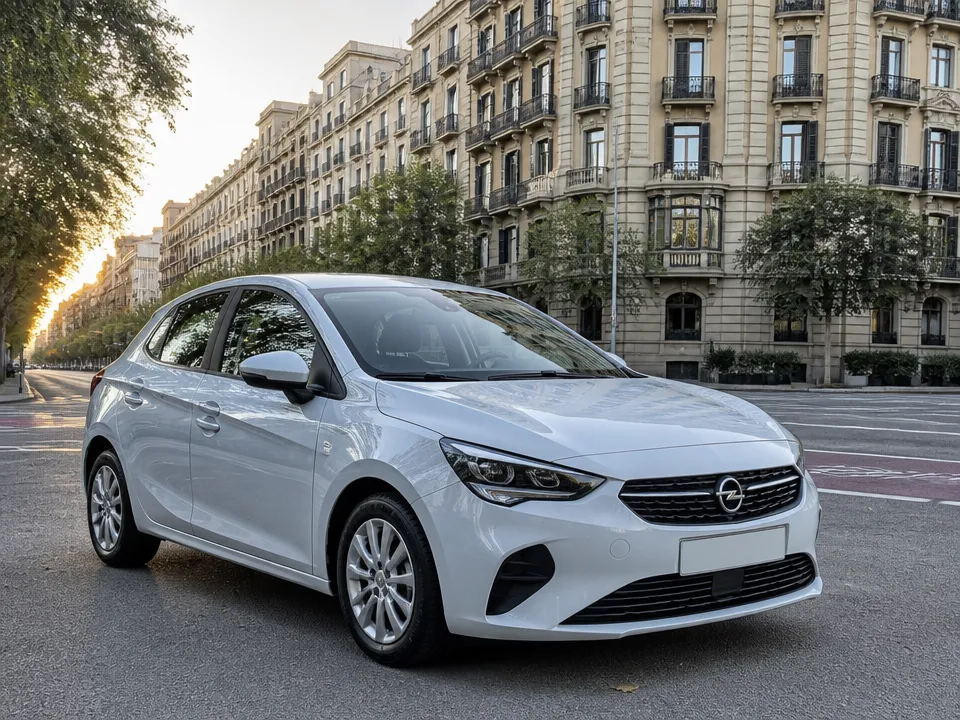
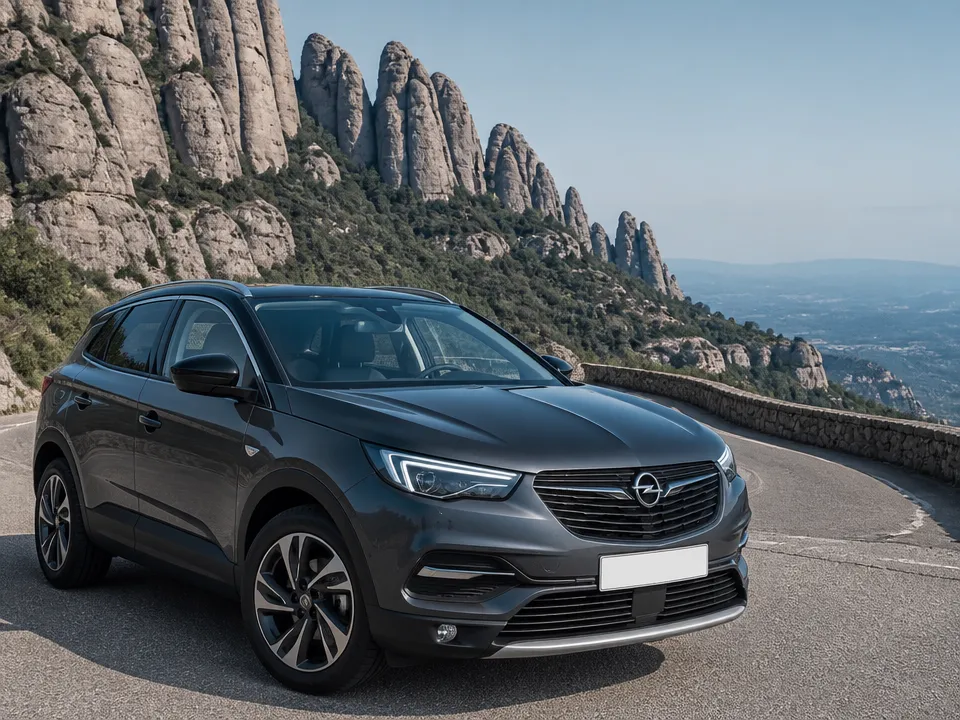
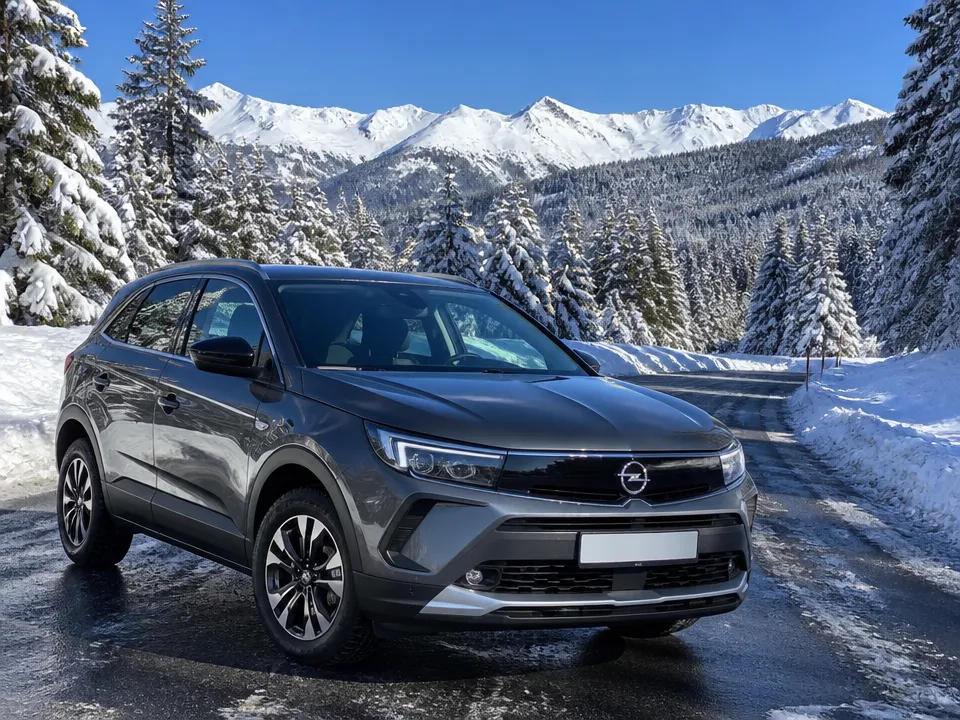
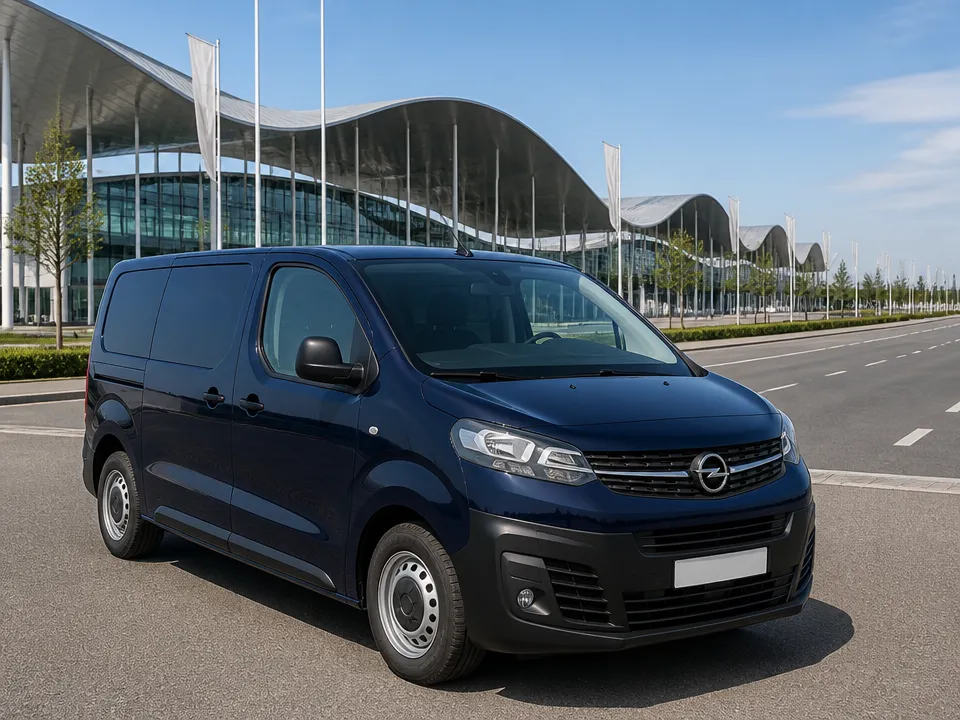
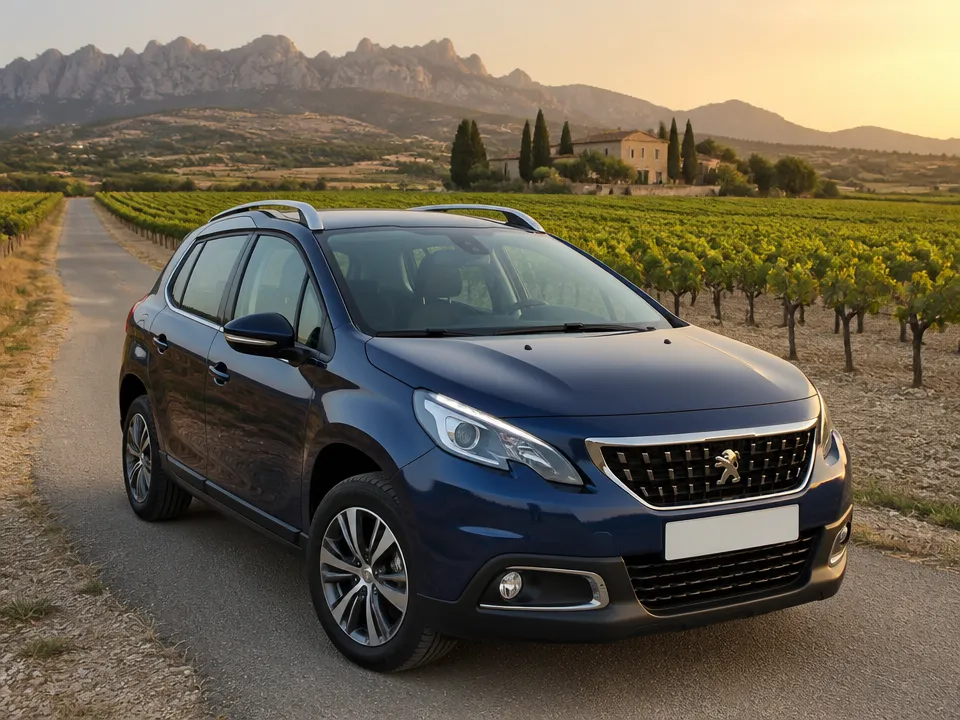
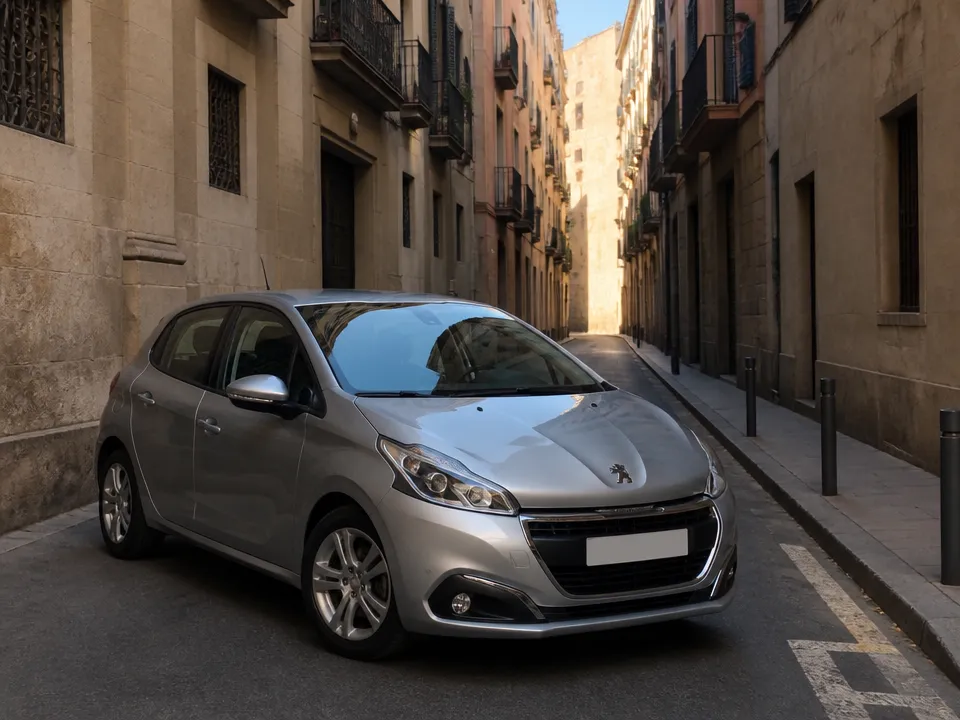
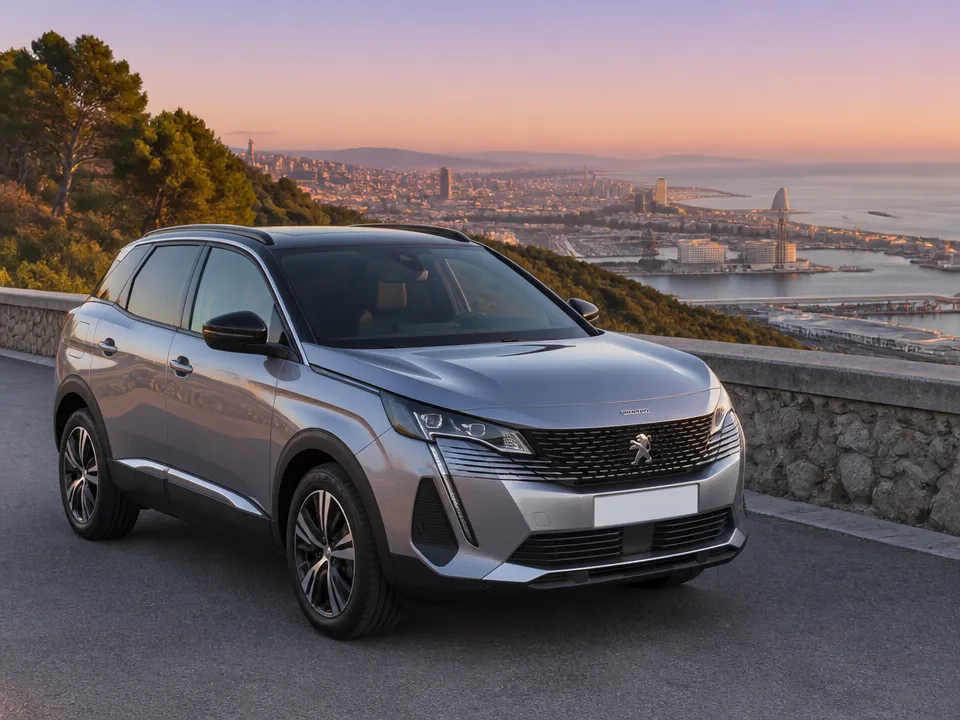
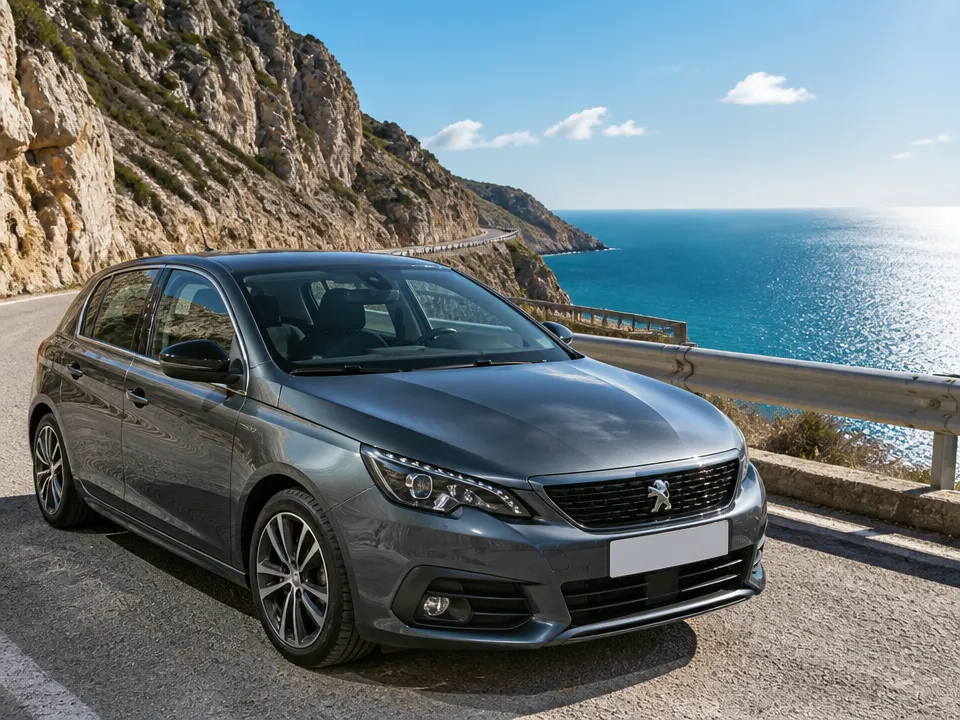
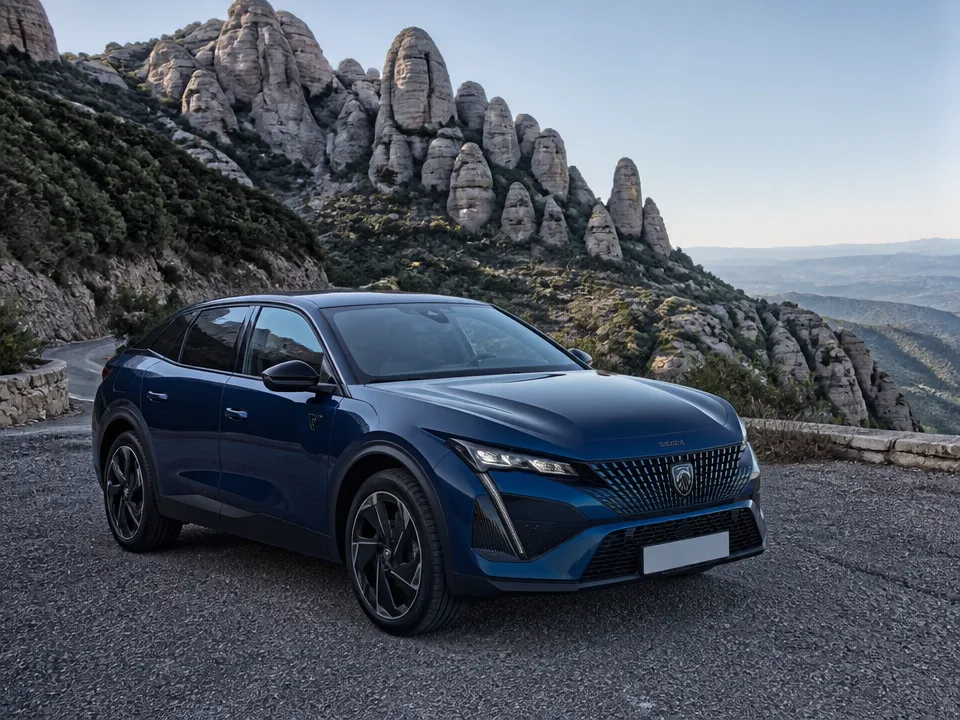
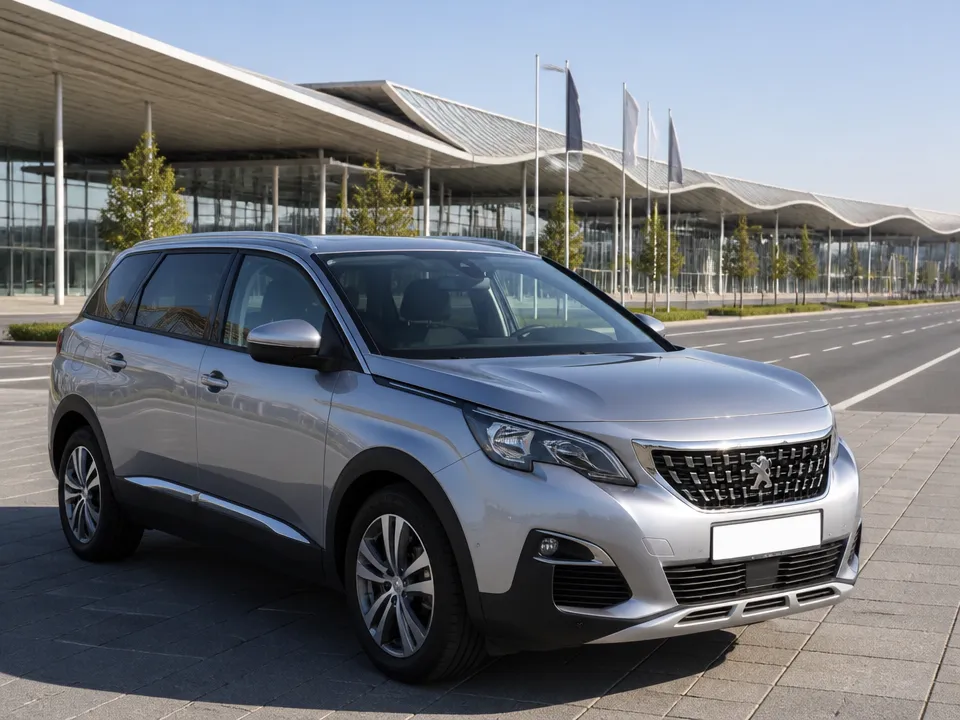
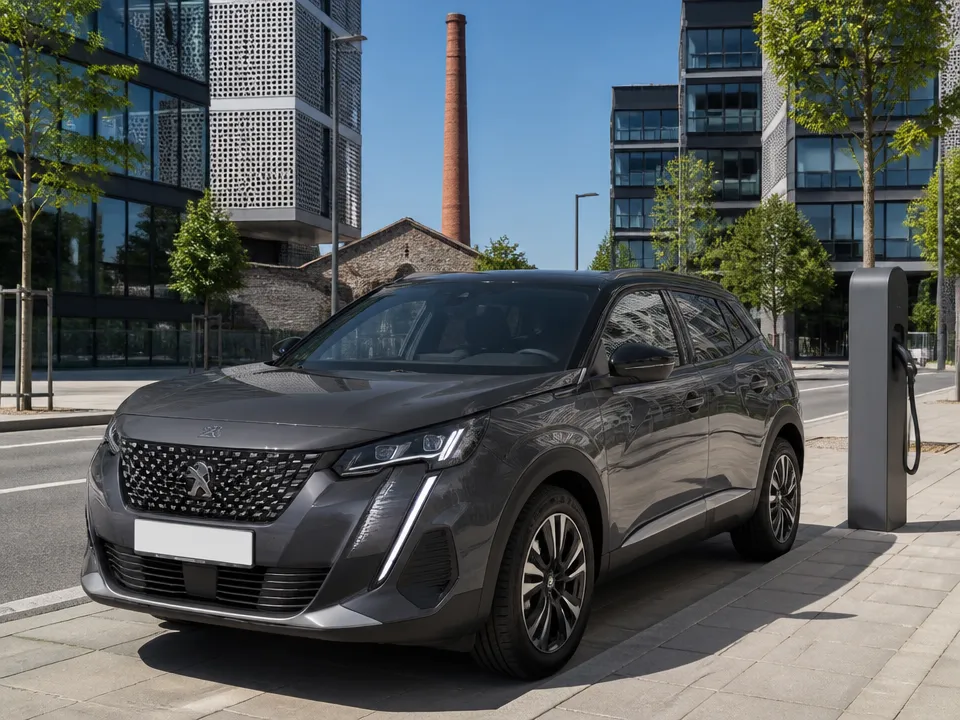
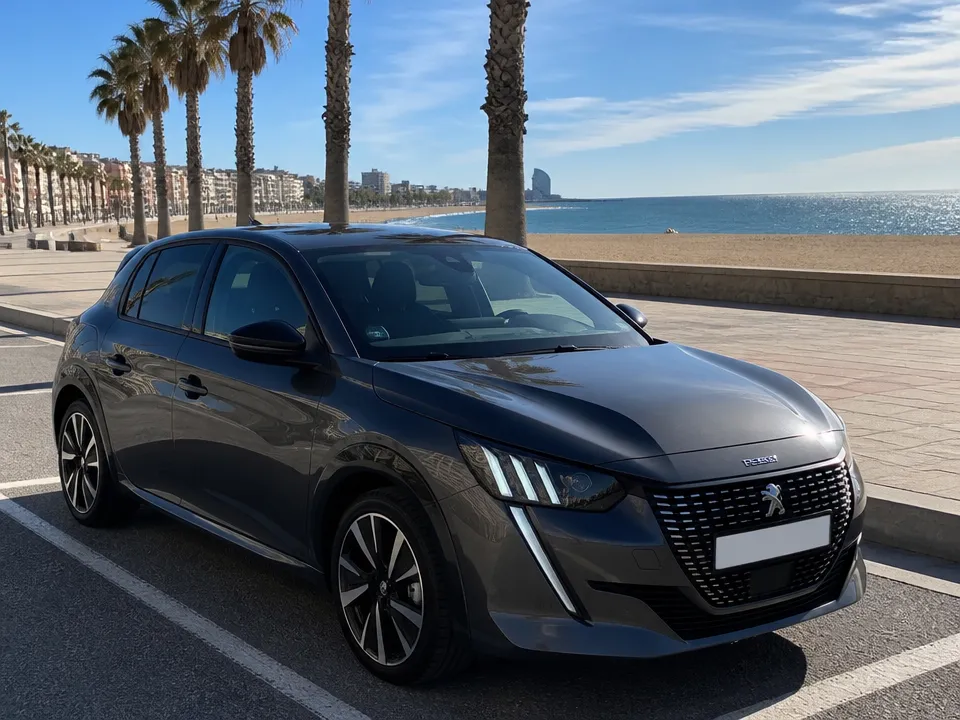
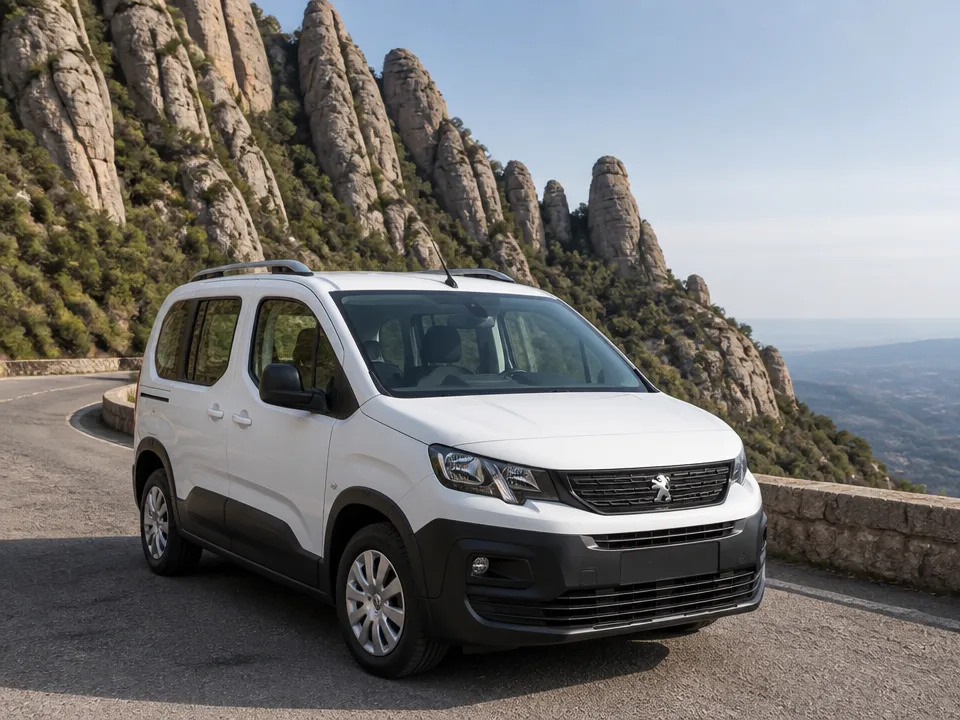
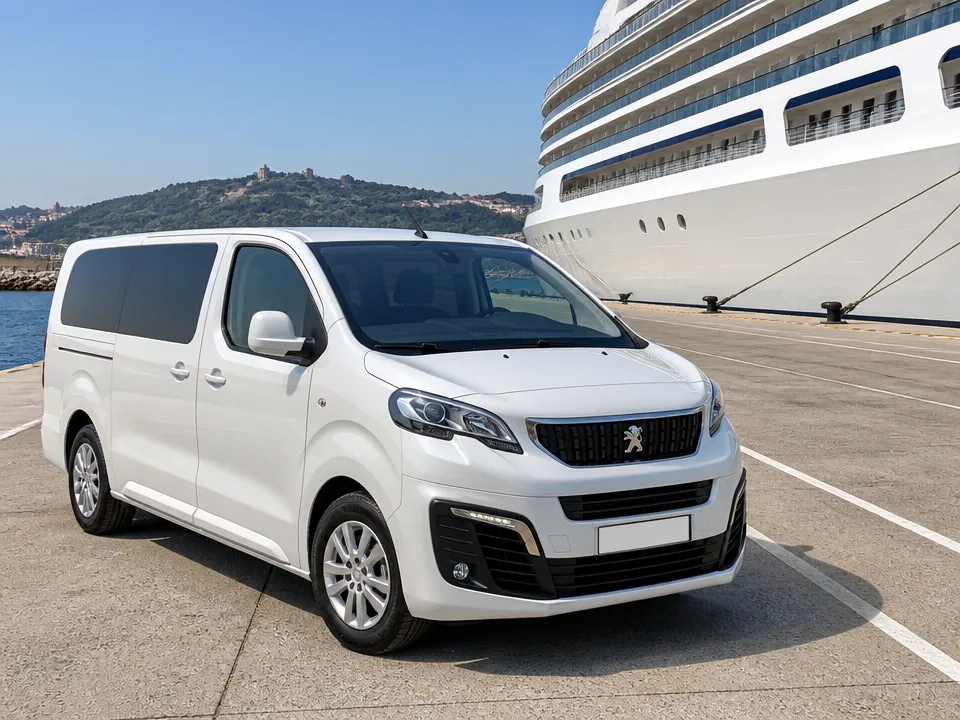
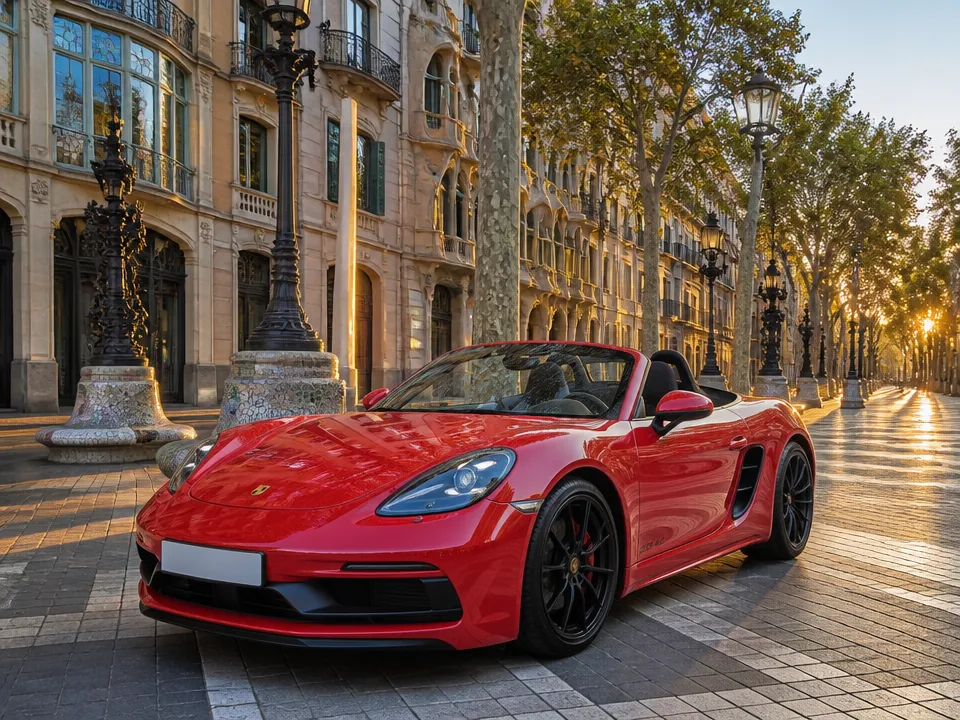
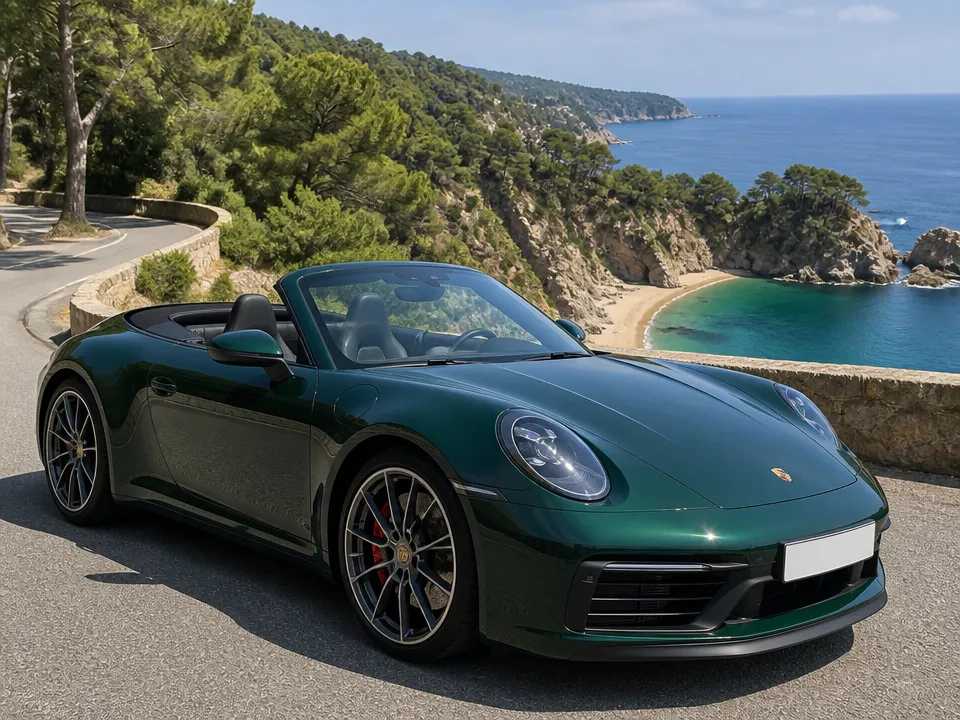
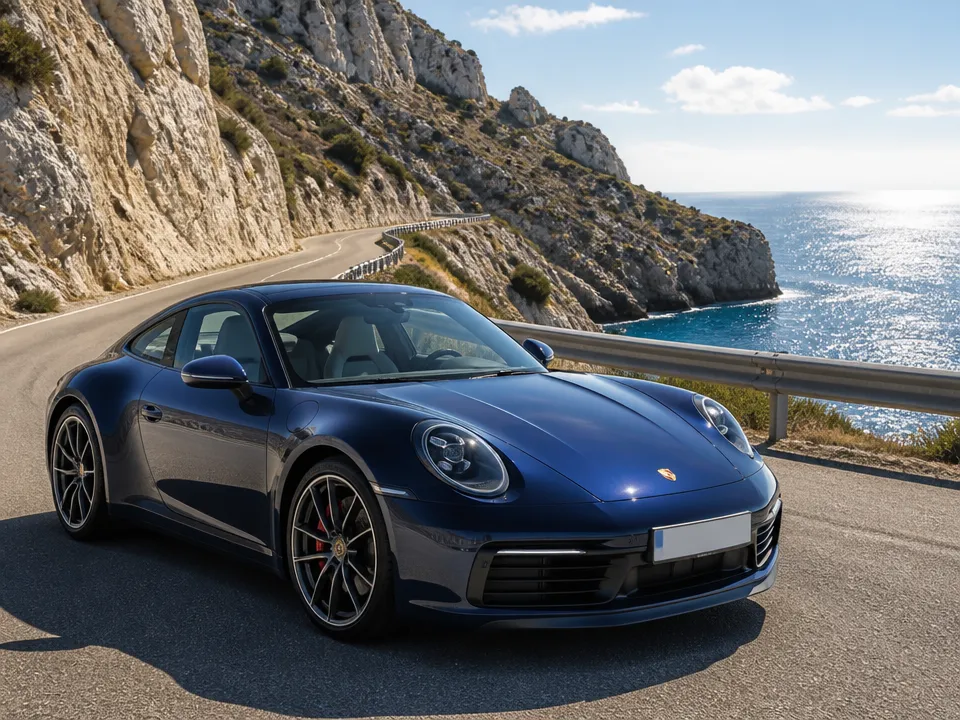
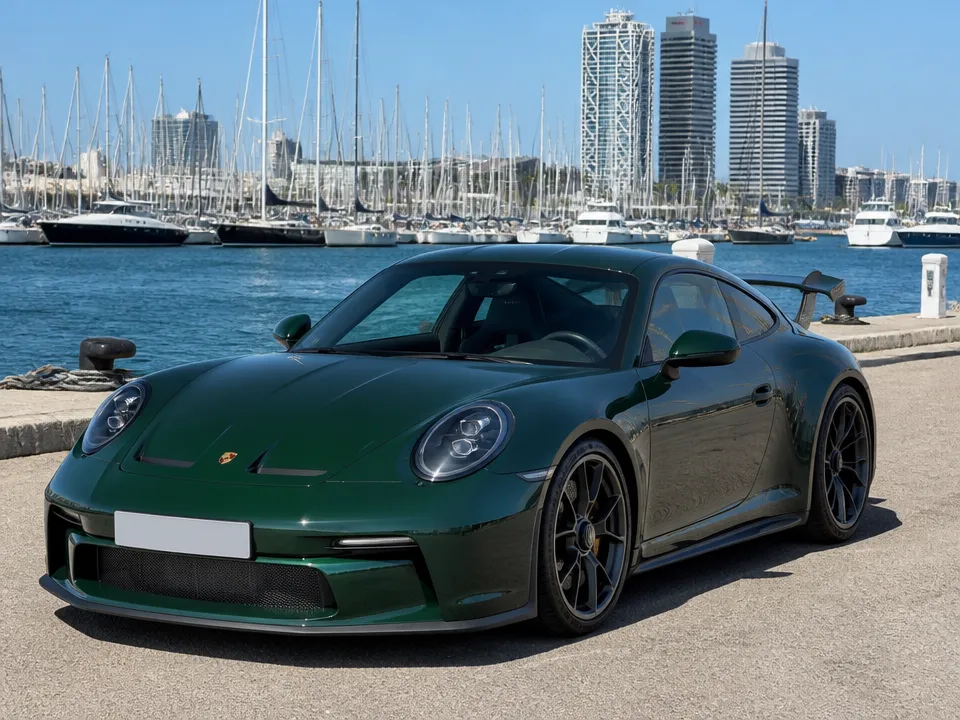
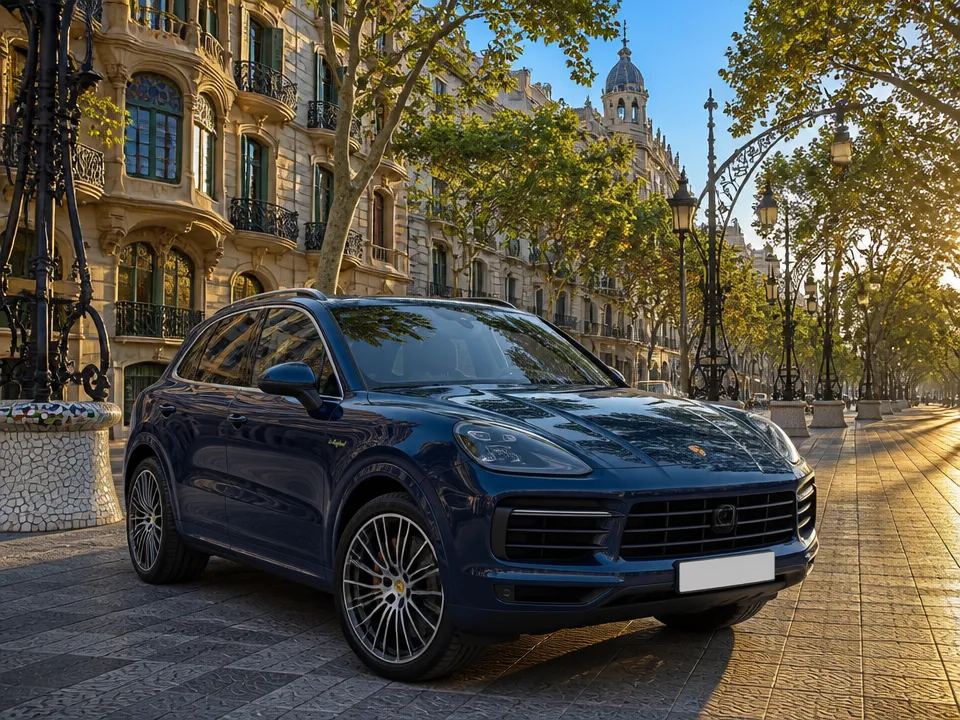
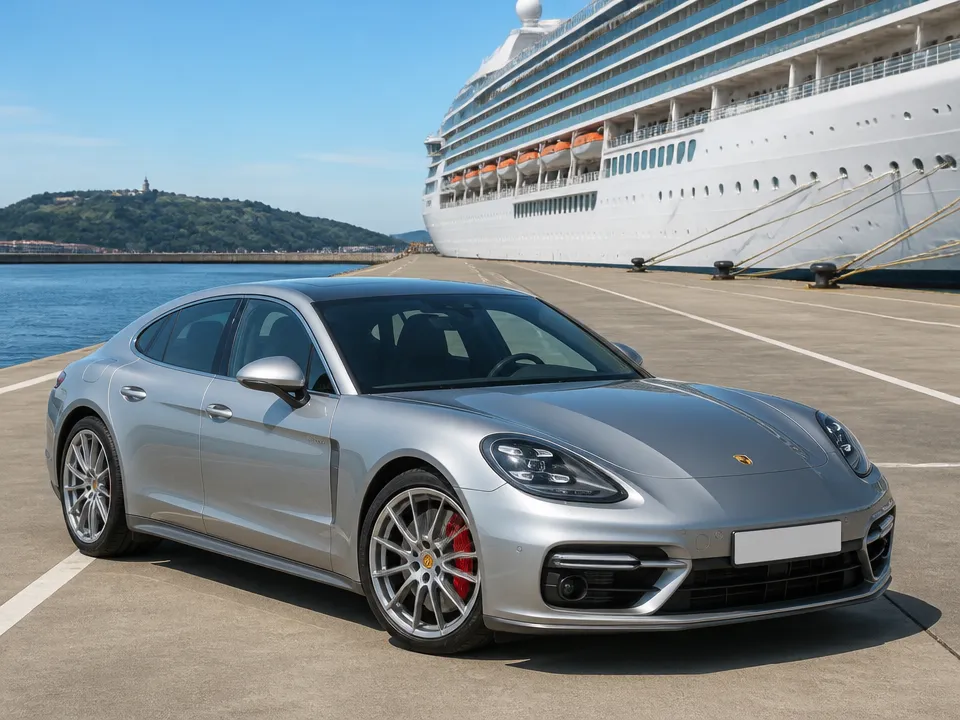
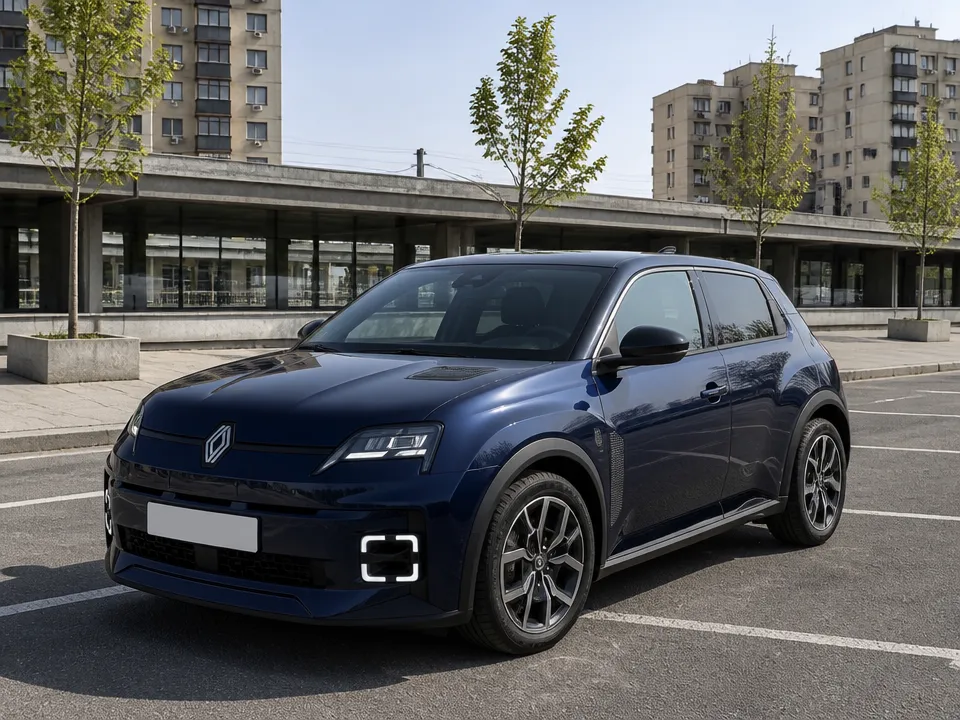
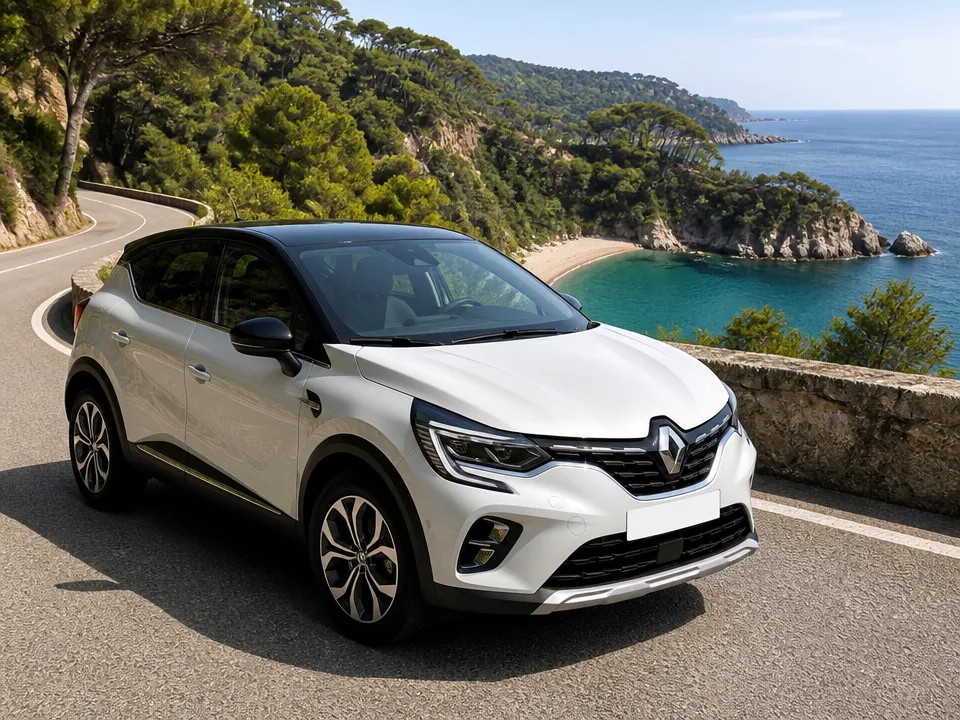
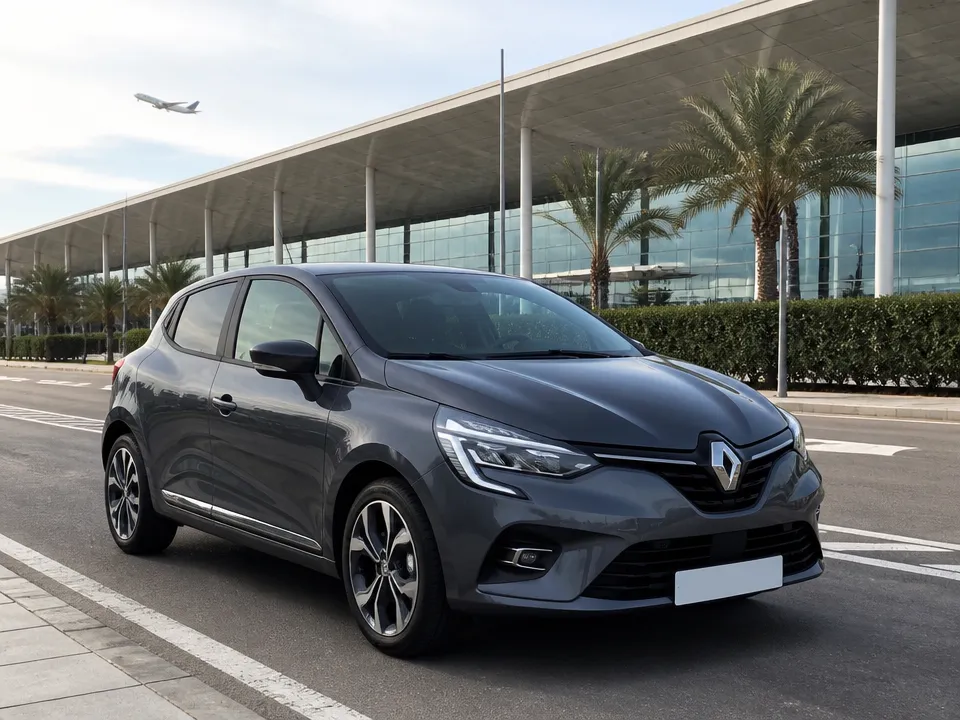
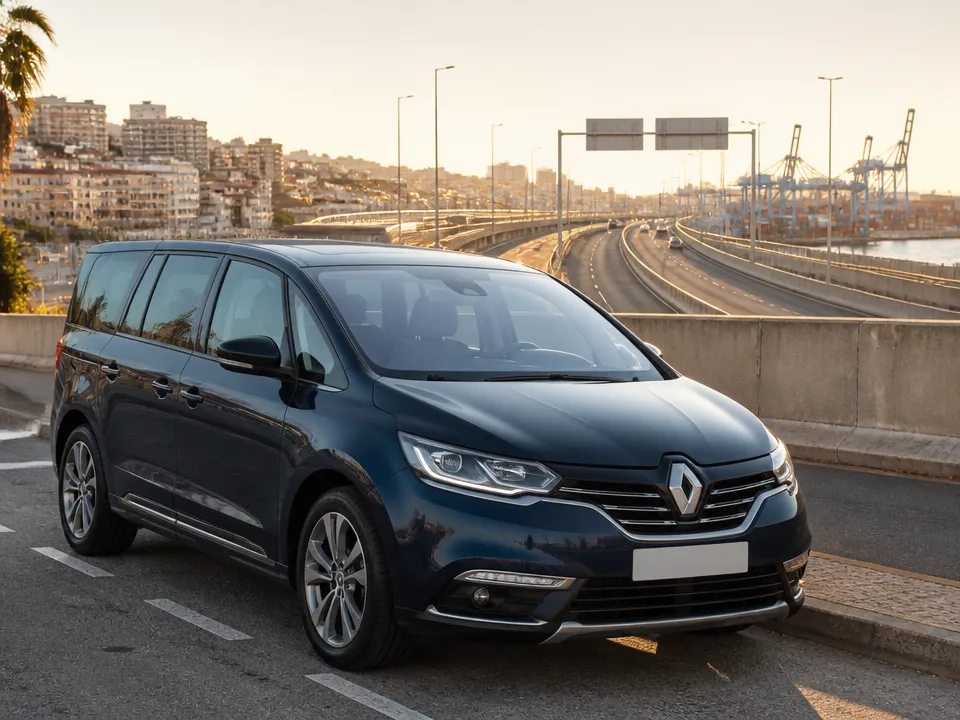
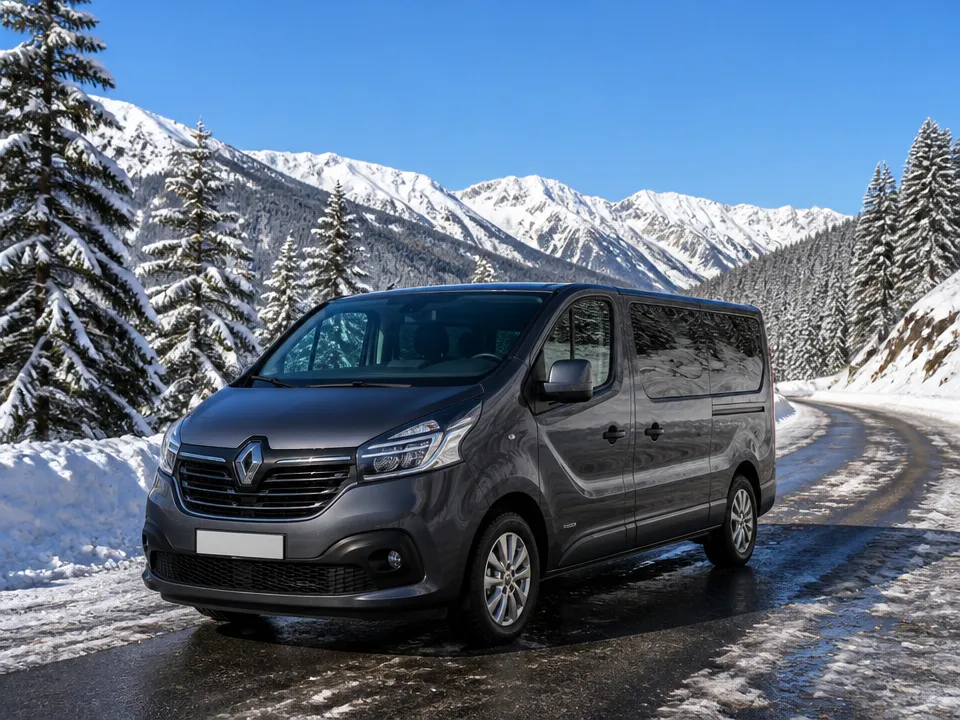
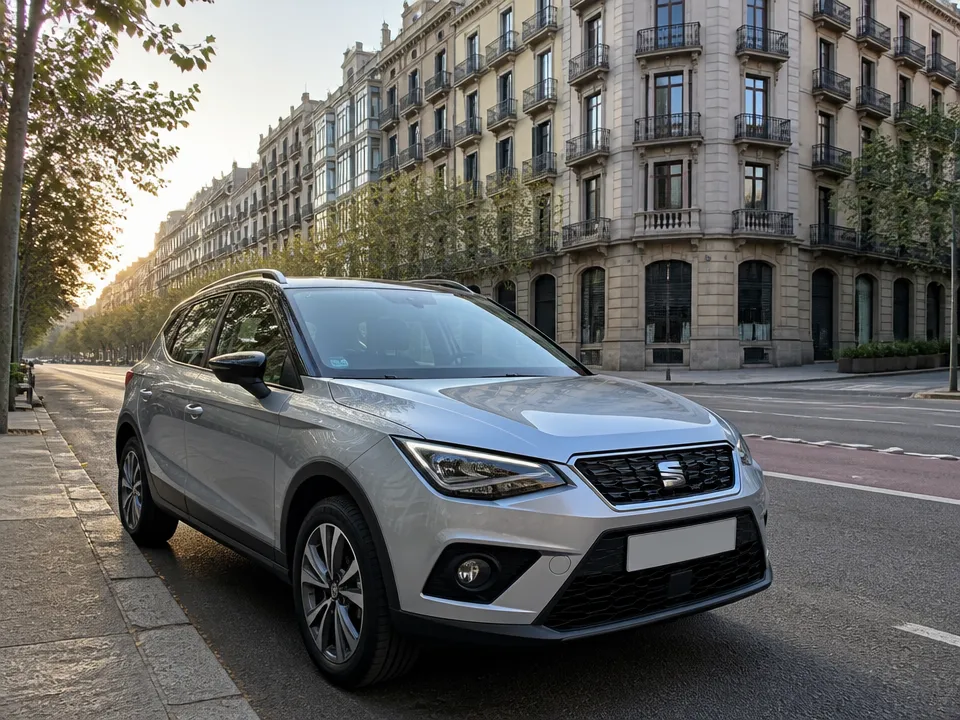
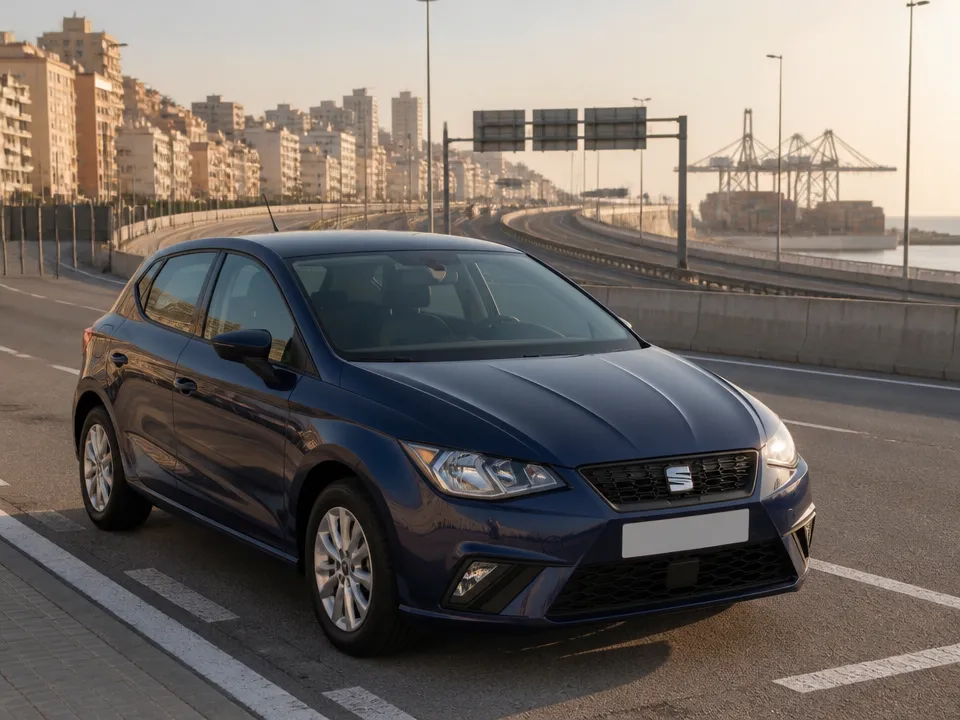
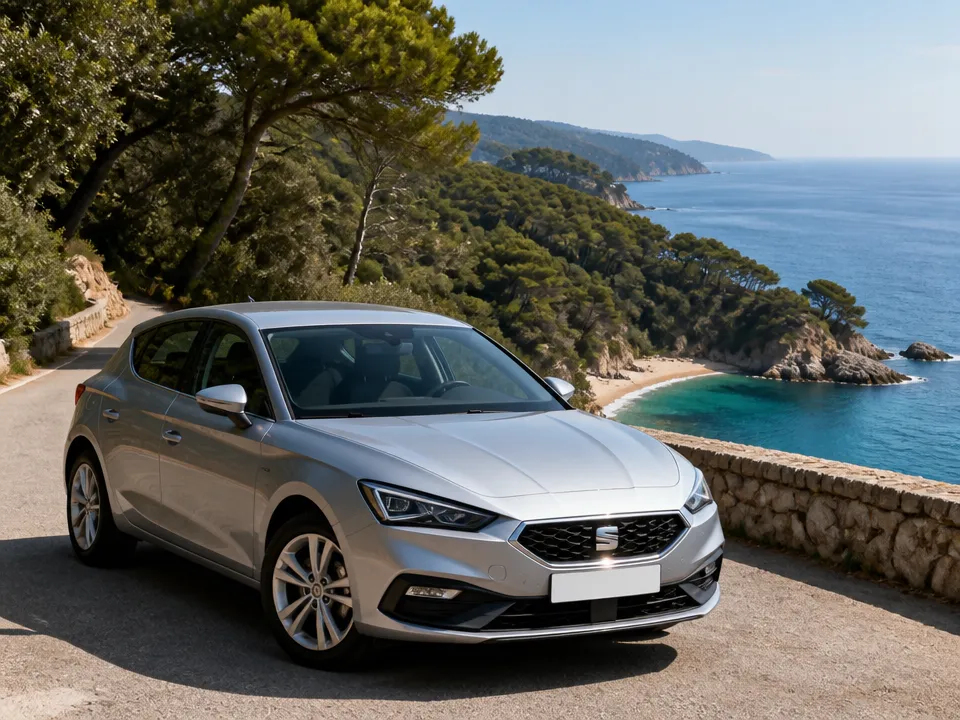
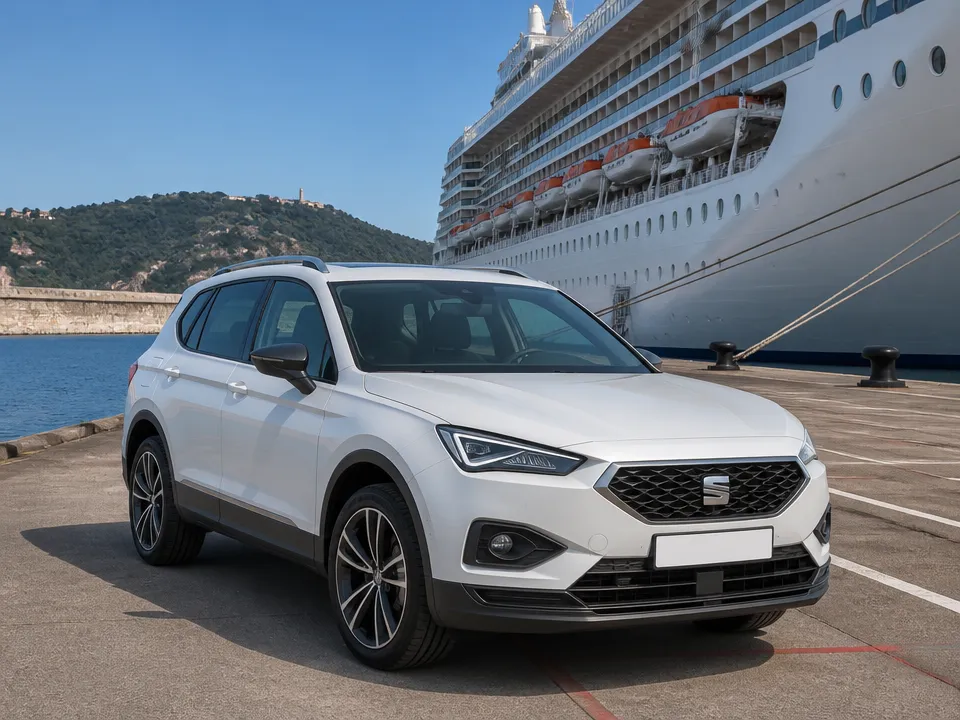
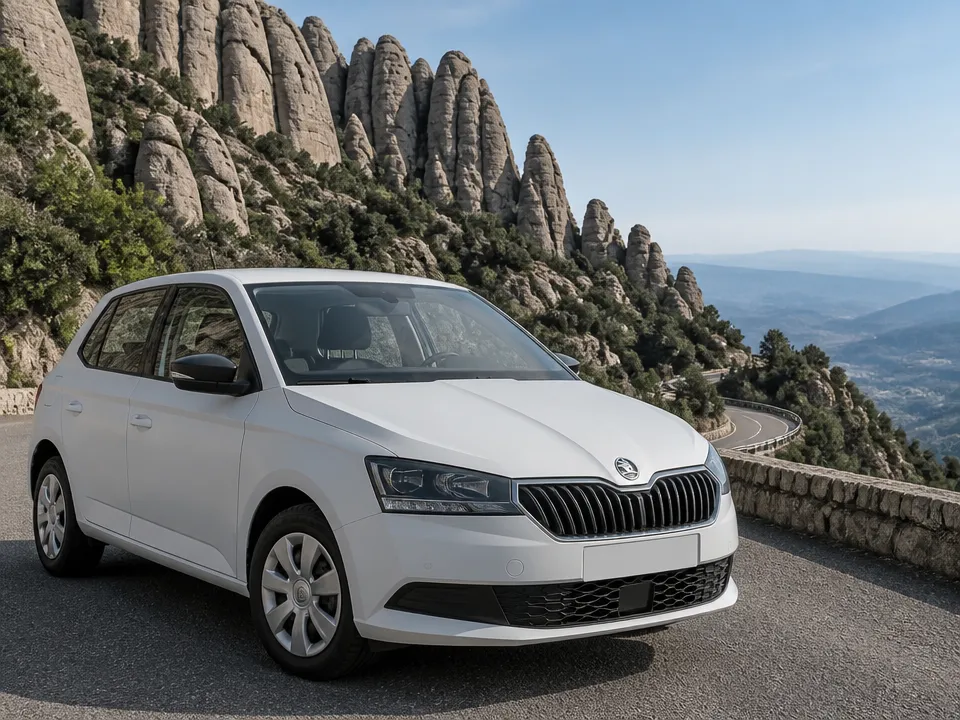
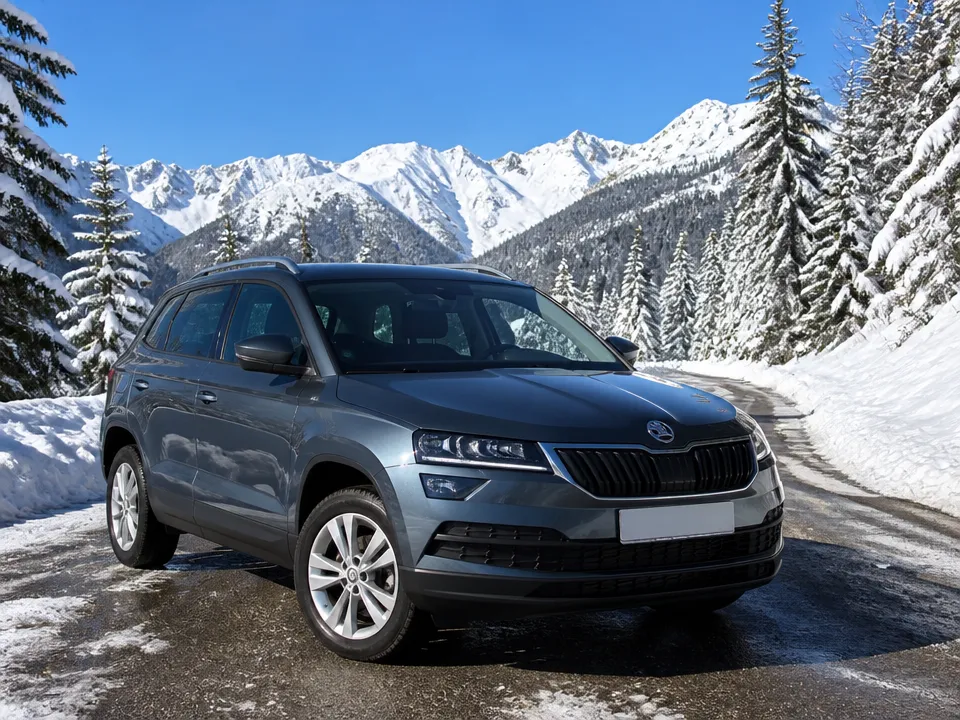
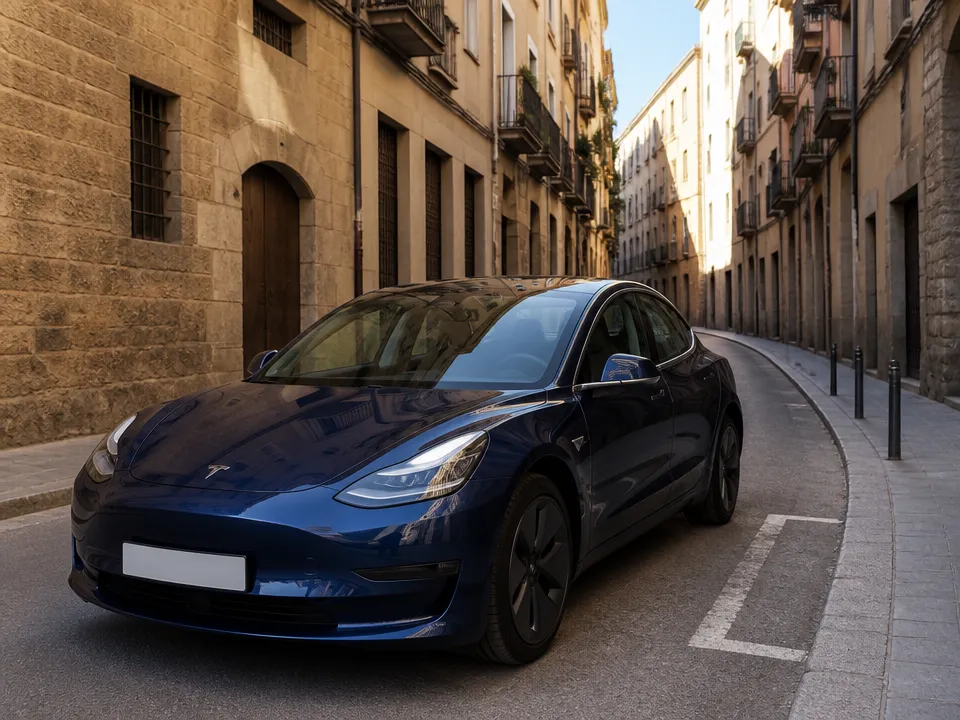
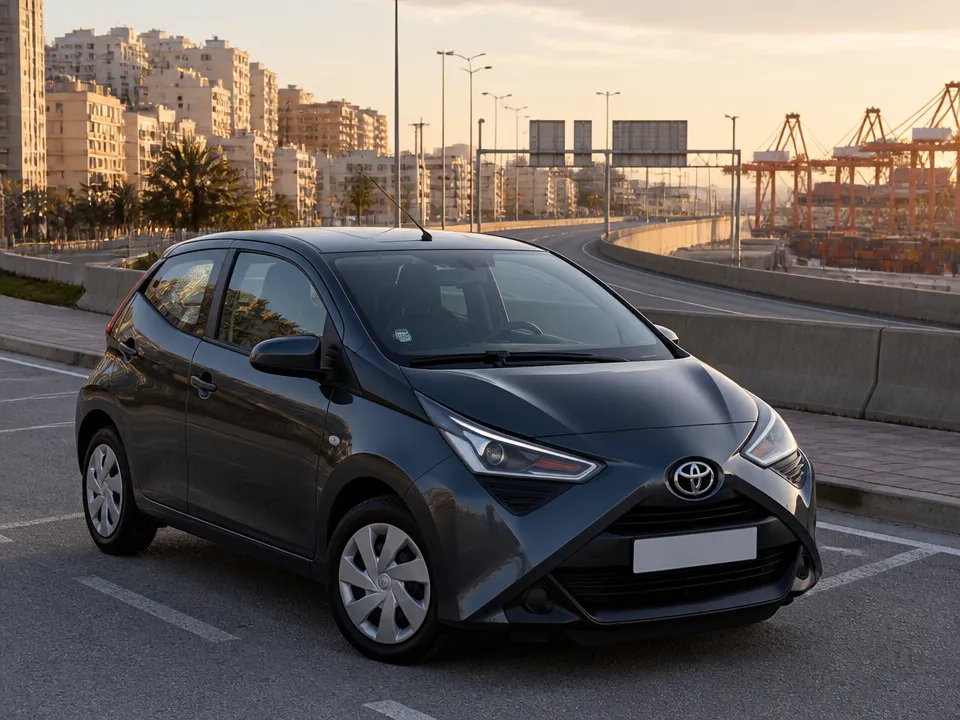
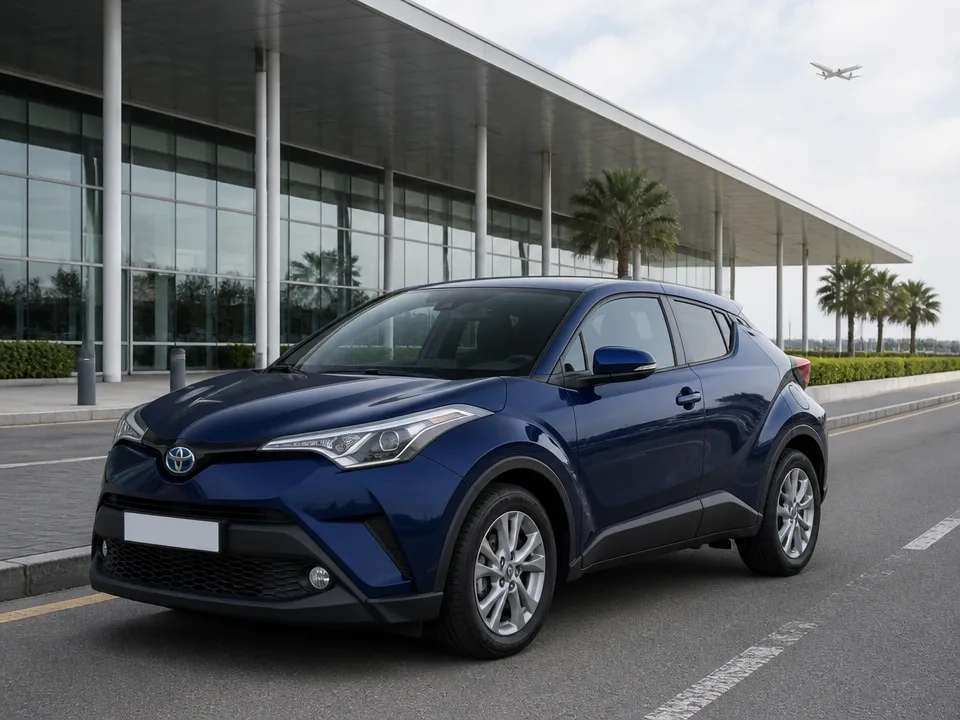
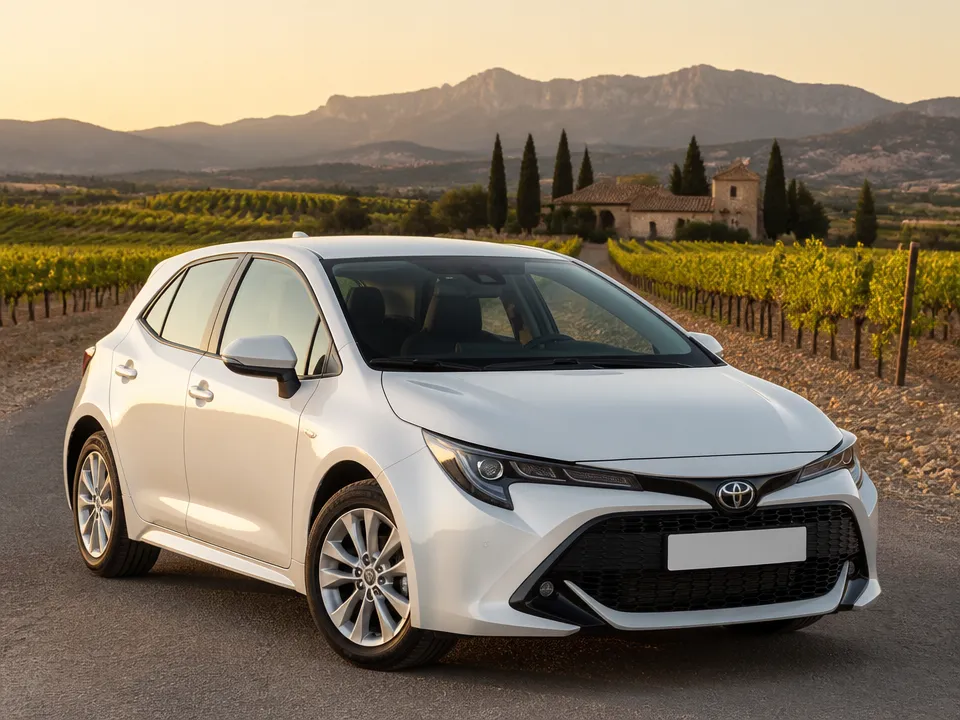
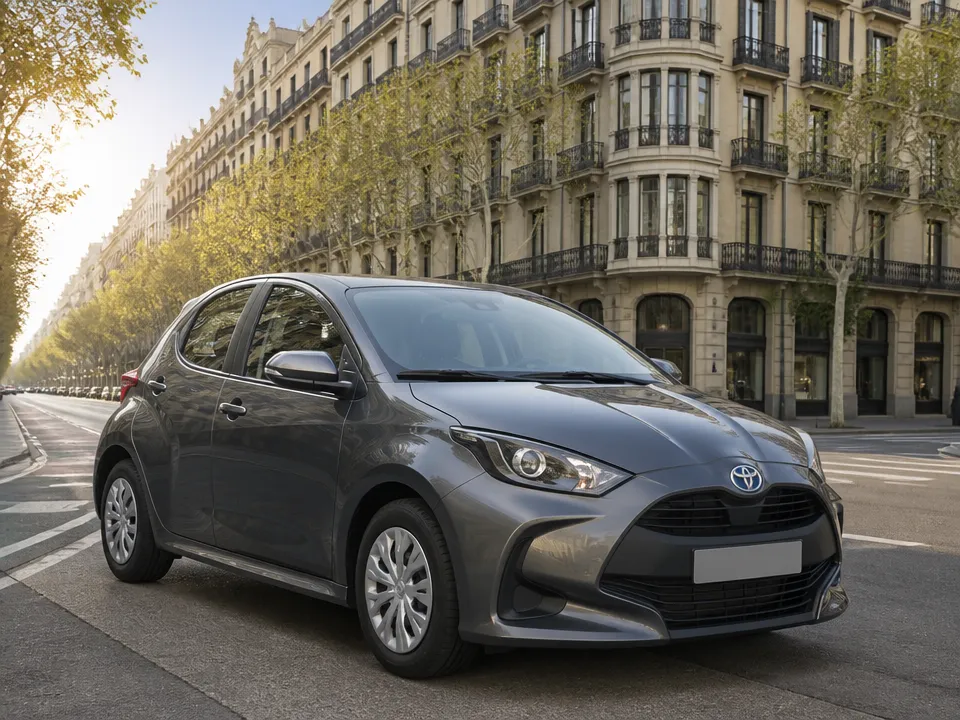
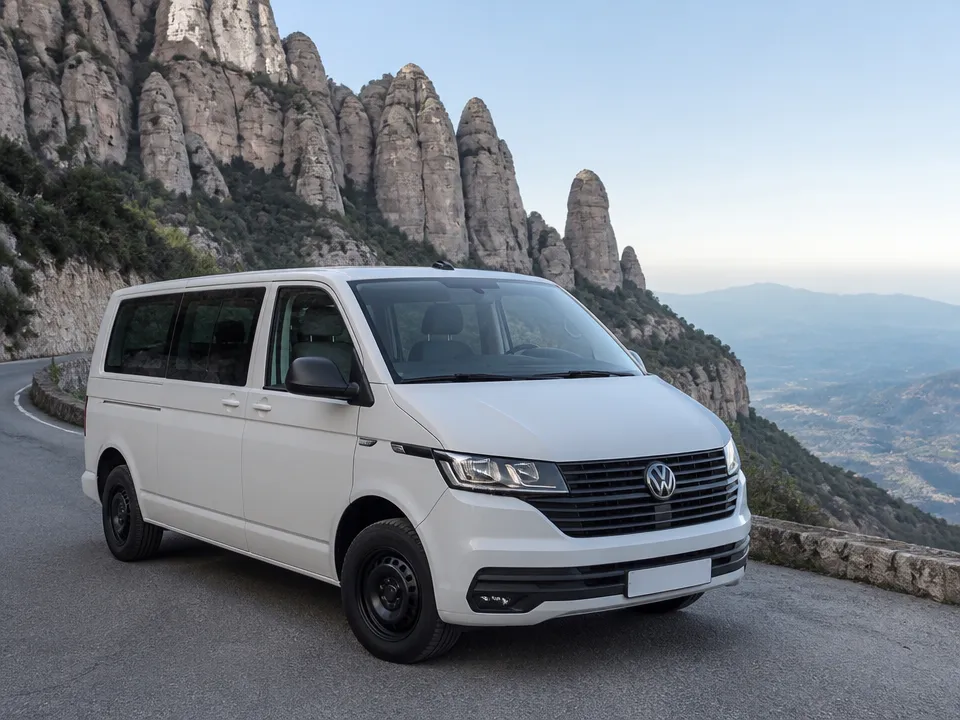
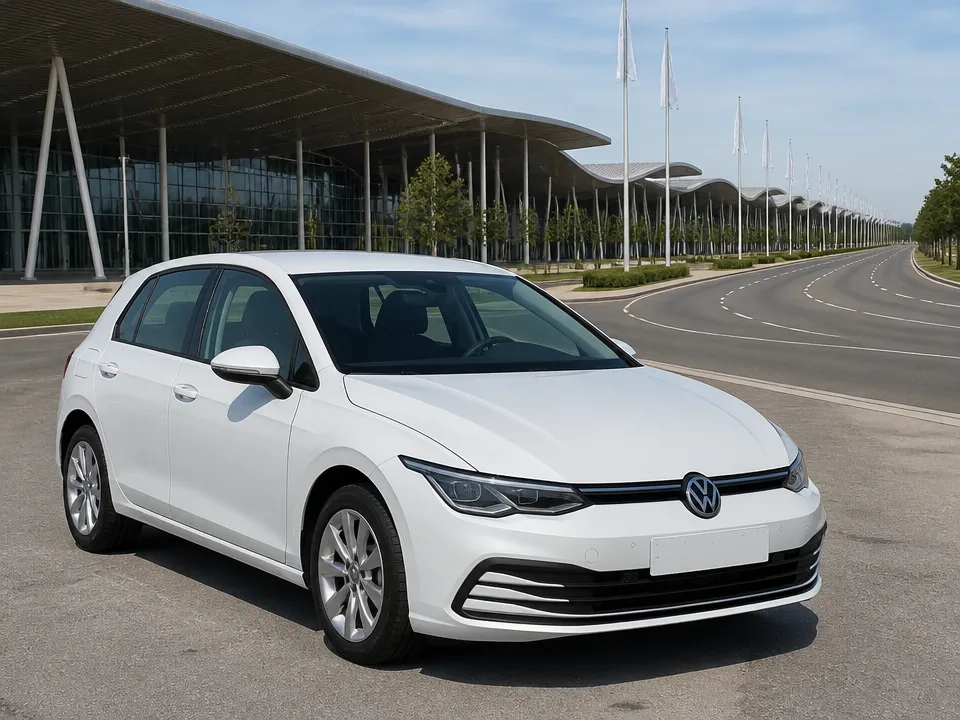
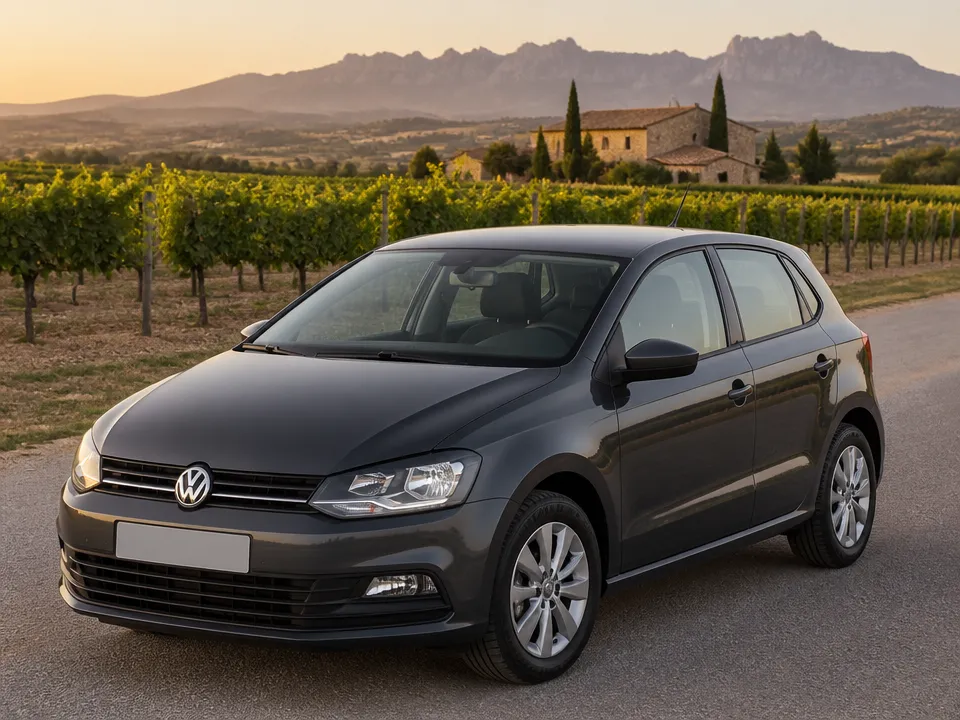
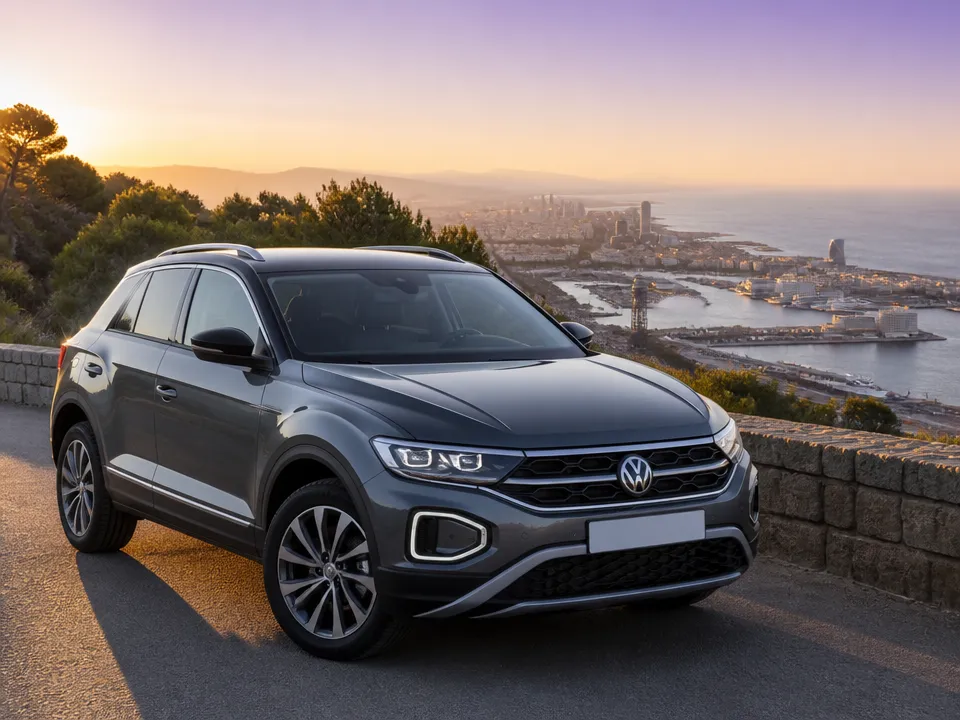
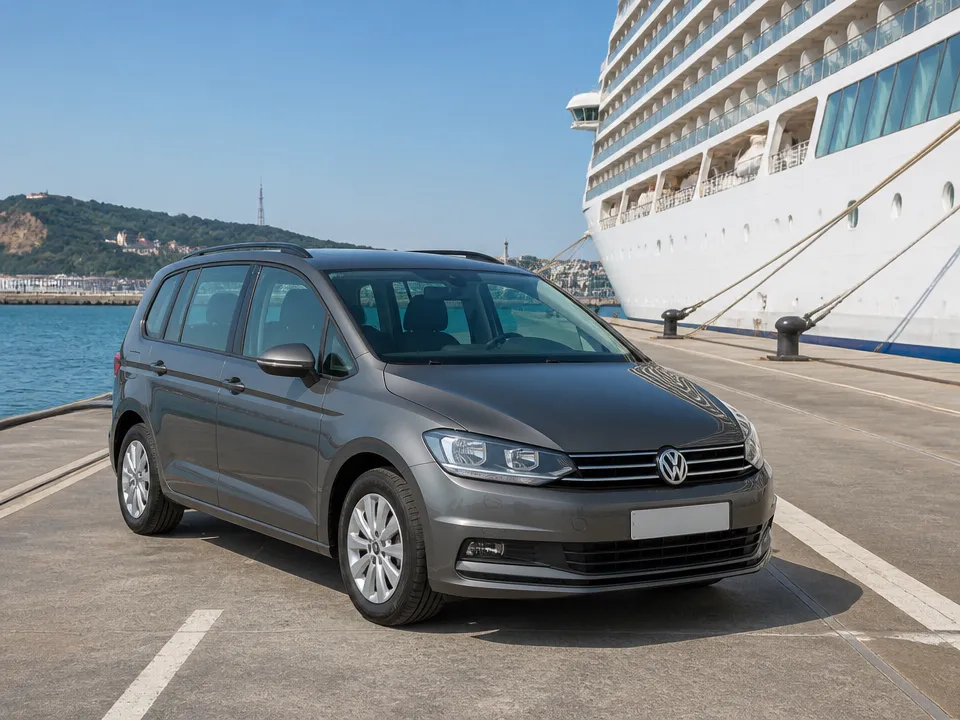
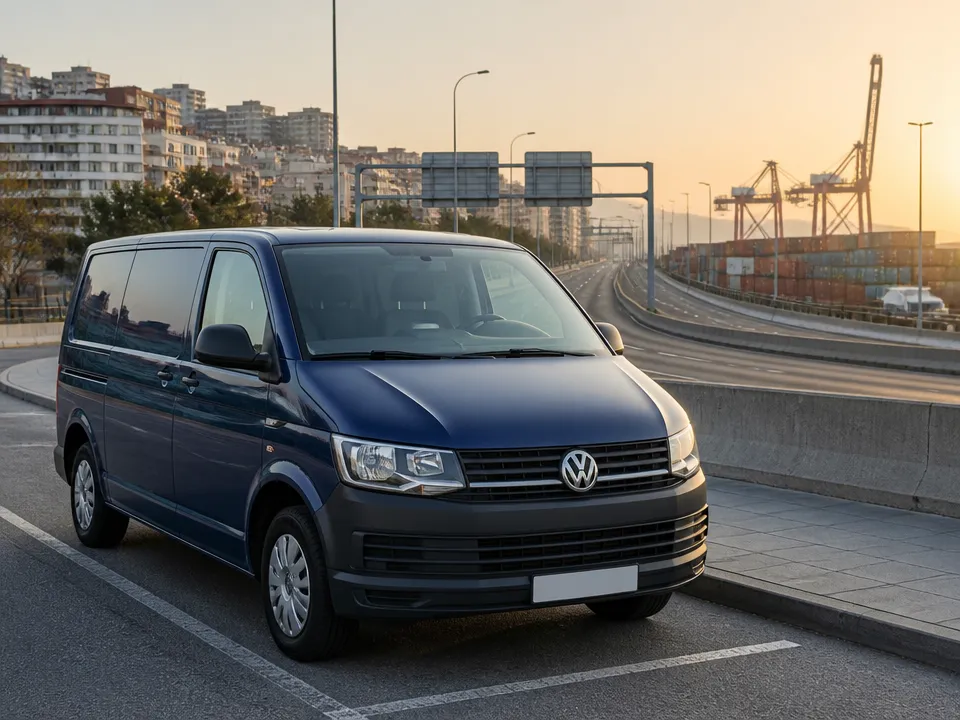
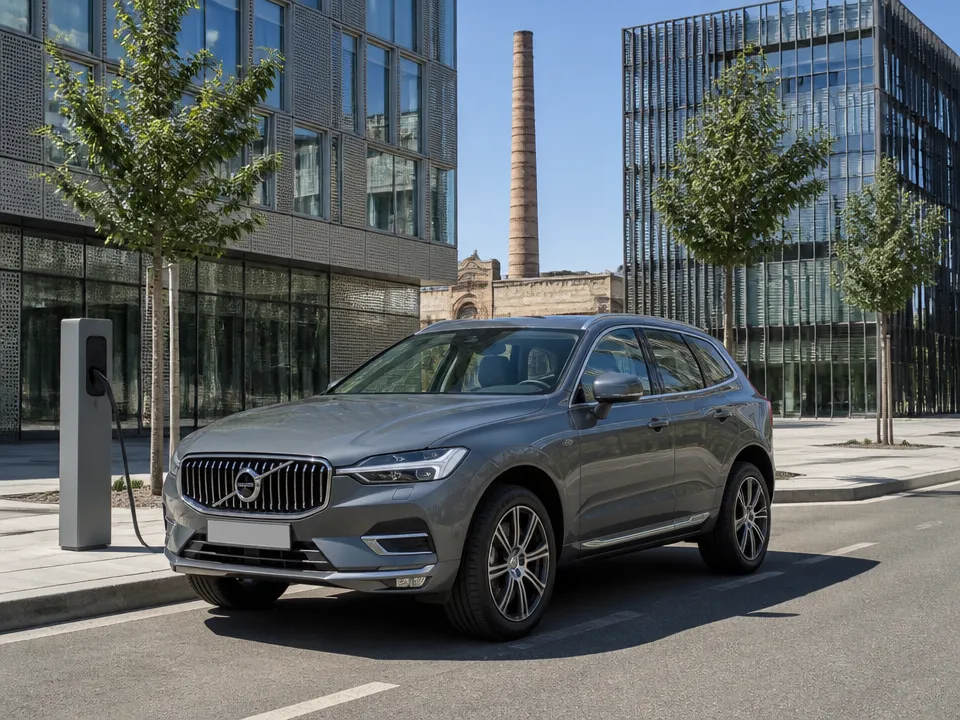

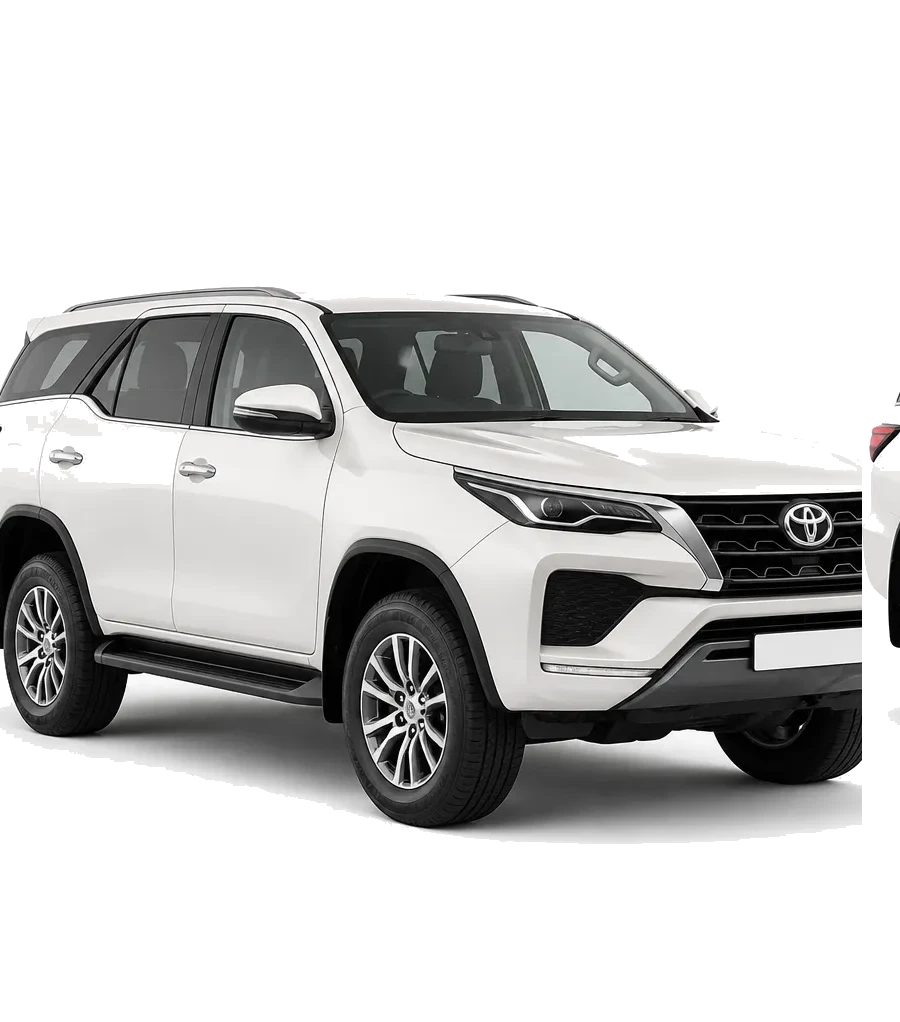

Car rental in Barcelona starts at €19 per day for an Economy hatchback, and our Barcelona fleet holds 136 cars across 14 classes — from a Fiat Panda to Exotic models at €896 per day. We deliver the car to you anywhere in the city, and the meeting point, the time and the paperwork are agreed with a manager when you book.
Rent-Trip is a self-drive car rental in Barcelona built around two things: the car comes to you, and a manager agrees the booking with you before anything is confirmed.
We deliver the car to the client and agree the booking with a manager — that is the whole shape of the service. You tell us where you will be, and the vehicle arrives there. The manager handles the booking itself: which class, which dates, which delivery point, and what the rental agreement sets out. Nothing about the hand-over is fixed until those details are settled between you and the manager, so treat the agreement as the document that decides the terms, not the listing page. In our practice the delivery time is the detail people leave to the last minute, and it is the one that decides whether the car is there when your flight lands. Delivery point, time and the agreement details are settled when booking, so confirm them before you pay.
We keep 136 cars in Barcelona, out of 754 across the whole site. Those 136 are spread over 14 classes — Economy, Crossover, SUV, Premium, Luxury, Comfort, Electric, Convertibles, Passenger vans, Minivans, Sports, Exotic, Sedan and Commercial — with daily prices running from €19 to €1,490. Fuel types across the fleet include Petrol, Diesel, Electric, Hybrid, Petrol/Hybrid, Petrol/LPG, Plug-in Hybrid and Mild Hybrid variants, and both Automatic and Manual transmissions are represented. A fleet this size means a class you booked is more likely to be matched on the day. It also means the cheap end of the range is not a single token car: Economy alone accounts for 23 vehicles, from a Fiat Panda at €19 a day up to a Toyota Yaris Hybrid at €29.
Fourteen classes sit on this page, from Economy at €19 a day to Exotic at €896, with weekly rates from €114 and monthly from €399.
| Class | Cars | From, per day |
|---|---|---|
| Economy | 23 | €19 |
| Crossover | 13 | €38 |
| SUV | 13 | €42 |
| Premium | 11 | €46 |
| Luxury | 11 | €302 |
| Comfort | 10 | €40 |
| Electric | 9 | €34 |
| Convertibles | 9 | €35 |
| Passenger vans | 9 | €90 |
| Minivans | 8 | €52 |
| Sports | 6 | €588 |
| Exotic | 6 | €896 |
| Sedan | 4 | €55 |
| Commercial | 4 | €84 |
Weekly rates start at €114 and monthly at €399, and both follow the same arithmetic: weekly is daily × 6, monthly is daily × 21. So a car at €19 a day lands at €114 for a week and €399 for a month, while the same two multipliers applied to a €46 Premium come out at €276 and €966. Those figures follow daily × 6 and daily × 21 — check the class you want against both before you decide how long to keep it. In our experience the weekly figure is where most local bookings land, because a city break rarely stretches past seven days and the class you pick for the airport run is usually the class you keep for the coast. What the multipliers do not cover is the deposit, the excess or any delivery fee — those are set out in the rental agreement, and a manager confirms them with you when the booking is agreed.
The gap between €19 and €896 is not a gap in quality so much as a gap in what a car is for. Economy, Comfort and Crossover cover the everyday work: Kia Picanto, Hyundai i10 and Fiat Panda at the bottom, Citroen C4 and Ford Focus a step up, Dacia Duster and Jeep Avenger for the hills. Electric sits at €34 with nine cars, including Citroen e-C3, Fiat 500e and Renault 5 E-Tech. Sports and Exotic are a different purchase entirely — six cars each, from €588 and €896 a day — and they are booked for the drive, not the destination. Pick the cheapest class that genuinely fits your group and your route, then put the difference into a longer booking: at daily × 21 the monthly rate on an Economy car is €399, which is the same money as three weeks of the daily figure.
Two things decide the class more often than price: how many people are travelling and what is under the bonnet. Seat counts across our fleet run from 2 to 9, and fuel types from straight Petrol through Hybrid and Plug-in Hybrid to full Electric, so the same daily budget can buy very different cars.
Seat counts run from 2 to 9, so a family of five fits an Economy hatchback and a group of nine needs a passenger van. Economy covers 23 cars from €19 a day — Fiat Panda with 4 seats, Hyundai i10, Kia Picanto and Dacia Sandero with 5. Minivans add 8 cars from €52, passenger vans 9 cars from €90, and the 7-seat options sit inside those two classes rather than in the hatchback range. Luggage is not counted in the seat figure: a five-seat car carrying five adults leaves roughly one cabin bag of boot space, so a group of five with hold luggage should look at a Crossover or SUV instead. In our practice the mismatch we see most is four adults plus four large suitcases booked into an Economy car — the seats fit, the bags do not.
In Spain a manual gearbox is the standard specification and automatic is a separate, pricier class, so if you need an automatic, book it early rather than assume one will be free on the day. The same logic applies to electric: 9 cars from €34 is a real choice, but it is a ninth of the fleet, not half of it.
We hand the car over where your trip actually begins: at the airport, at the station, at the cruise terminal, or at your address in the city. Every delivery point is agreed when booking, together with the time.
Flight and ship timetables move. In our practice, the delivery time is worth confirming once more the day before hand-over rather than leaving the original slot untouched.
One thing we tell every client: name the exact entrance, not just the street. A district can be a fifteen-minute drive across, and an agreed corner turns that into a two-minute hand-over.
Spain drives on the right and every car in our fleet is left-hand drive, so the first ten minutes behind the wheel are the ones that catch visitors out. Speed limits, alcohol thresholds and the low-emission zone all apply to a hired car exactly as they apply to a local one.
Speeding fines follow the DGT table by limit and by how far over you went: 100 EUR with no points, 300 EUR with 2 points, 400 EUR with 4, 500 EUR with 6, and 600 EUR with 6 for the most serious band. Above 60 km/h over the limit in town or 80 km/h outside it, the offence stops being administrative. The 80 km/h limit on the Rondes reads like a motorway, and the traffic does not.
Fines are graded leve up to 100 EUR without points, grave at 200 EUR, and muy grave at 500 EUR always with points — and paying within 20 calendar days cuts the amount by 50%. Set the child seat up before you leave the delivery point, not at the first service station.
Parking, tolls and charging are the three costs that surprise drivers most often, because they are paid locally and separately from the rental. Below are the rules that apply to car rental in Barcelona — the zone tariffs, the toll road out of the city and the rate you pay for electricity at a public charger.
The C-16 and the Túnels de Vallvidrera, the tunnel route leaving the city towards Sant Cugat and the Vallès, charge €4.7 for a passenger car. The rate is a peaje — a toll — and it is paid per crossing, not per day. Rates move between hora punta and hora vall, so the same tunnel costs less outside the rush hour. If your route runs inland towards the Pyrenees, the C-16 and the Túnel del Cadí are the two tolled stretches you will meet. Keep the receipt: it is the only proof of the crossing if the barrier camera misreads the plate.
Public charging is paid per kWh drawn, and the exact rate is set out in the rental agreement. The city network, Endolla Barcelona, uses the punto de recàrrega model: you pay for the electricity drawn, not for the time parked, so a full charge on a Citroen e-C3 or Fiat 500e costs a few euros rather than a tank of petrol. We hand electric cars over with the charging cable in the boot; the deposit and the excess are agreed when booking. Plan a charge at your hotel or a car park rather than hunting a street point at the end of the day.
Barcelona sits within an hour or two of the Costa Brava, the Penedès wine country, Montserrat and the Pyrenees, so a car turns a city break into a region. We hand over the keys with a full tank on the lleno a lleno policy, which matters more on a long loop than on a short hop — you collect it full and return it full.
The C-16 through the Túnels de Vallvidrera is the standard exit towards Sant Cugat and the Vallès, and a car pays €4.7 for the tunnel — the same road continues north towards the Pyrenees and the Túnel del Cadí. Winter tyres are not a seasonal requirement in Spain; restrictions appear only point by point, on signs and overhead boards, when snow affects driving, which in practice means the mountain roads heading inland from Barcelona towards the Pyrenees rather than the coast.
The ZBE Rondes de Barcelona covers more than 95 km² — the whole municipality apart from the Zona Franca industrial area and the Vallvidrera – el Tibidabo i les Planes neighbourhood, plus L'Hospitalet de Llobregat, Sant Adrià de Besòs and parts of Esplugues de Llobregat and Cornellà de Llobregat. It runs on working days, Monday to Friday, and a foreign-plated car needs prior registration in the Registre metropolità de vehicles estrangers i altres vehicles autoritzats a les zones de baixes emissions before it enters. Plan your departure route before you leave the city rather than after you have already crossed the Rondes — the registration is not something you can arrange at the roadside.
Spanish paperwork is built around the driving licence, and the rules differ sharply depending on where yours was issued. We agree the document set with the manager when booking, so nothing is a surprise at hand-over.
The DGT advises third-country drivers to obtain the international permit before travelling rather than at the desk, since a translation takes longer to arrange than a permit issued at home.
A Spanish consumer rule works in your favour at hand-over: every scratch and dent must be written into the contract or the inspection sheet before you drive away, both sides sign it, and you keep a copy — otherwise the damage is pinned on you. The advertised price is also required to include all compulsory charges you cannot legally drive without, mandatory third-party cover among them.
The deposit, the excess and any delivery fee are set out in the rental agreement, and the manager confirms the figure with you before signing. Minimum rental age, the young-driver surcharge, which cards are accepted and the fuel policy are agreed when booking as well — they are the company's conditions, not a rule of Spanish law.
Every car we hand over carries compulsory third-party cover, and the damage waiver sits on top of it as an option. What matters for your budget is not the daily rate but the excess — the amount you pay yourself if the car comes back damaged.
Third-party liability insurance is part of Spanish law and comes with any car legally on the road, so it is already inside your rate. The statutory limits are €70,000,000 per incident for personal injury, however many people are hurt, and €15,000,000 per incident for property damage. Under Real Decreto Legislativo 8/2004, article 4.2, as amended by Ley 5/2025, those sums have applied since 26.07.2025. This cover protects the people and property you hit — not the vehicle you are driving and not you as the driver. That distinction decides everything else you buy at the desk, so read the waiver options before you agree the booking.
The franquicia, or excess, is the amount you pay yourself when there is damage, and it is printed in the rental agreement whether or not you bought a buy-out. Its size depends on the company and the class of car, and there is no single official figure for it in Spain. Ask for it in writing before you sign, and photograph nothing on trust — the condition of the vehicle at hand-over is recorded in the agreement or the inspection sheet, signed by both sides, with your copy staying with you. Without that record, damage found later is charged to you.
The city rewards a car that matches the trip you actually booked, not the biggest one on the page. The fleet on this page is 136 cars across 14 classes, and the spread between €19 and €1,490 a day is far wider than most travellers expect — the choice is about seats, gearbox and fuel, not about status.
One thing to keep in mind: the ZBE Rondes BCN low-emission zone covers more than 95 km² — the whole municipality apart from the Zona Franca industrial area and the Vallvidrera – el Tibidabo i les Planes neighbourhood — and operates on working days, Monday to Friday. A hired car needs the right DGT environmental sticker to enter, and foreign plates must be pre-registered in the Registre metropolità de vehicles estrangers.
In our experience the trips that go wrong are the ones where the group size and the luggage were counted as one thing. Count them separately, pick the class that fits the larger of the two, and the rest of the booking — delivery, agreement, hand-over — is straightforward.
Our fleet here has 136 cars across 14 classes, from Economy and Crossover to SUV, Premium, Luxury, Electric, Convertibles, Minivans, Passenger vans, Sports, Exotic, Sedan and Commercial. Economy is the largest group with 23 cars, and the smallest models seat 2 to 5 people. Larger options seat 7 or 9.
Prices start at €19 per day, and the range across the whole fleet runs from €19 to €1,490 per day. Economy cars begin at €19, Crossover at €38, SUV at €42, Premium at €46, Comfort at €40 and Electric at €34. Longer bookings are worked out as weekly from €114 and monthly from €399.
The Fiat Panda, Hyundai i10 and Kia Picanto all start at €19 per day, with the Fiat Pandina and Toyota Aygo at €20. All are Economy hatchbacks with manual transmission and front-wheel drive. The Fiat Panda and Fiat Pandina have 4 seats, while the Hyundai i10 and Kia Picanto have 5.
The daily rate covers the car itself, and the deposit, insurance excess, delivery fees and any discounts are set out in the rental agreement. Compulsory third-party liability cover is part of any rental in Spain by law. Extra protection options and their terms are agreed with the manager when booking.
You need a driving licence that is valid in Spain, plus your passport or identity document in the original. EU and EEA licences are fully valid until they expire, and licences from other countries are valid under the conditions in Spanish rules. The DGT advises getting an international driving permit before the trip. What is checked at hand-over is agreed when booking.
We deliver the car to the client, and the exact hand-over point is agreed with the manager when booking. Barcelona has several arrival points, including the airport, the Sants railway station and the cruise terminals. Tell us where you are staying and we will arrange the details with you.
Yes. A week is charged as the daily rate multiplied by six, which works out from €114, and a month as the daily rate multiplied by 21, from €399. These longer rates apply across the classes on this page. The exact total for your dates is confirmed when booking.
Beyond the standard classes you can choose from Crossover, SUV, Premium, Luxury, Sports, Exotic, Convertibles, Minivans, Passenger vans, Sedan and Commercial. Electric cars start at €34 per day and Convertibles at €35. Child seats, additional drivers and protection options are agreed with the manager when booking.