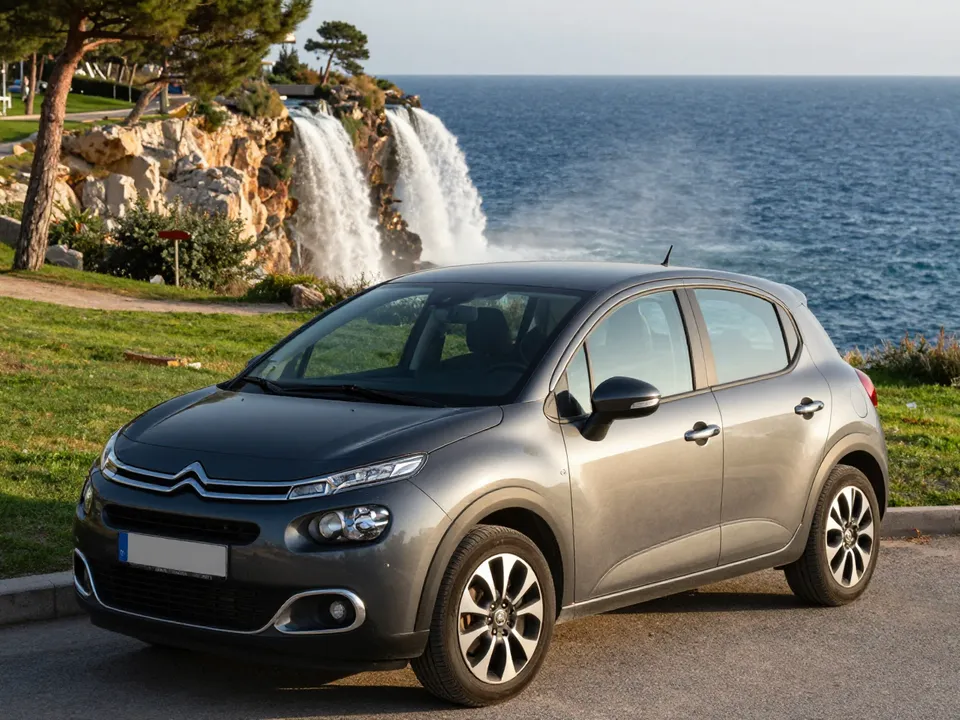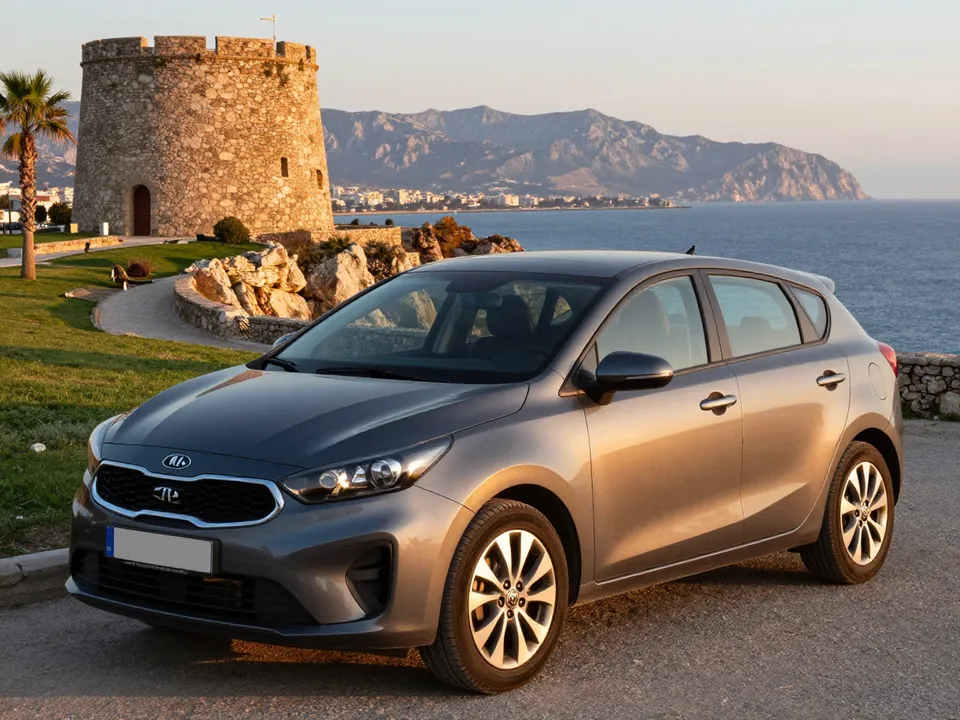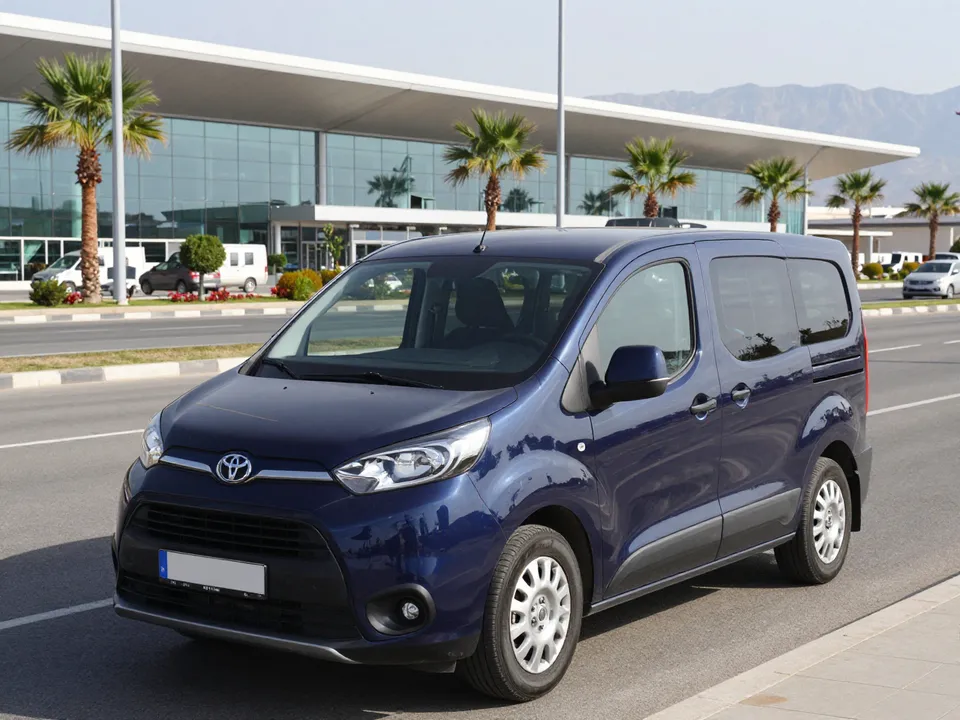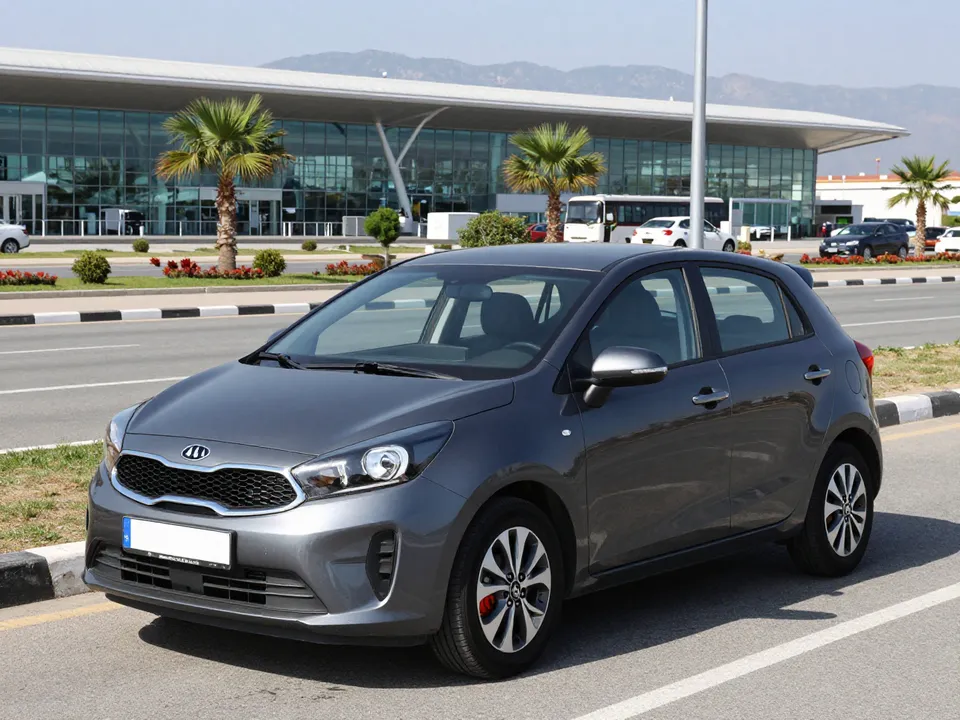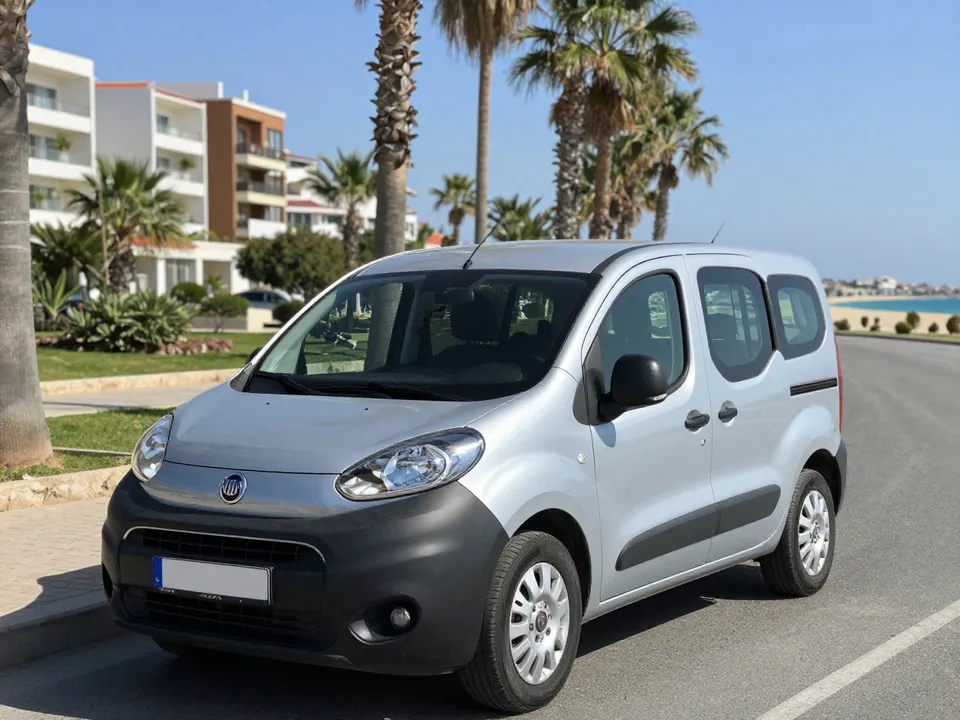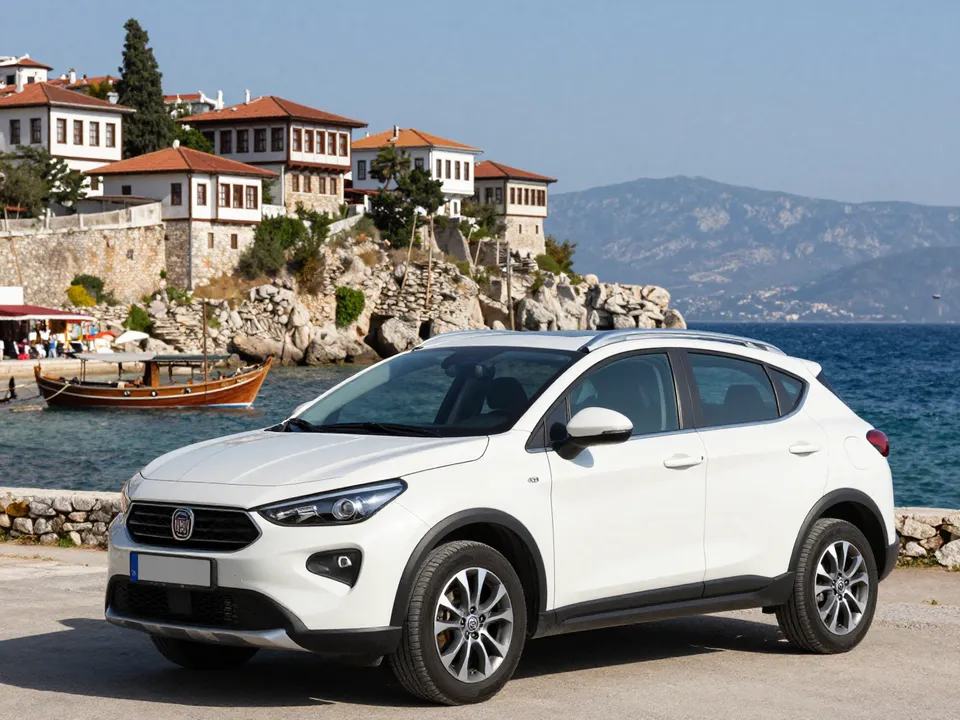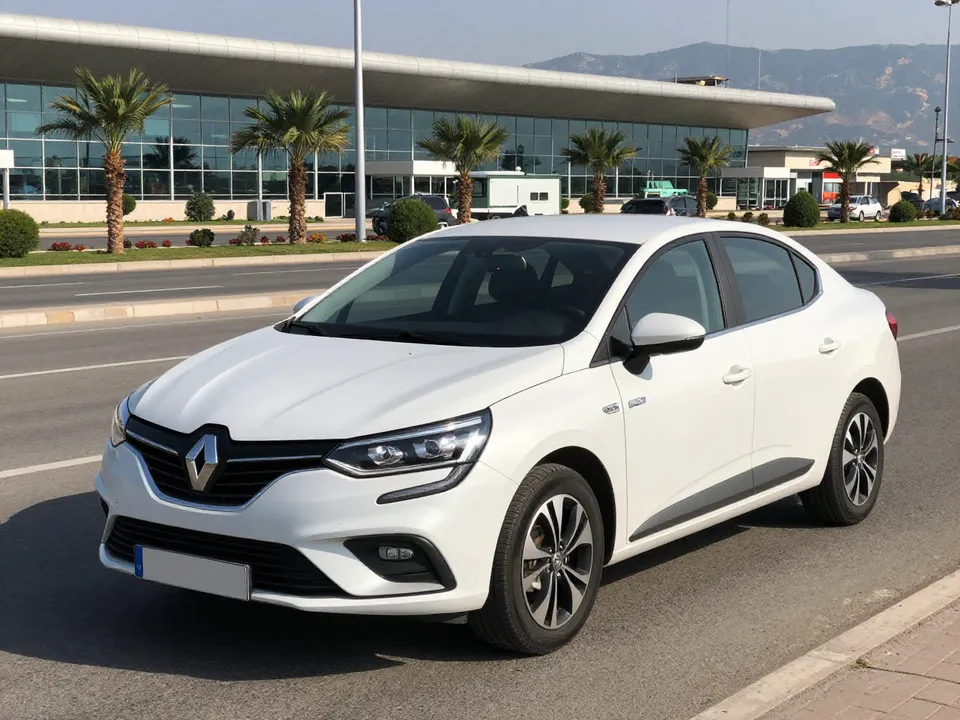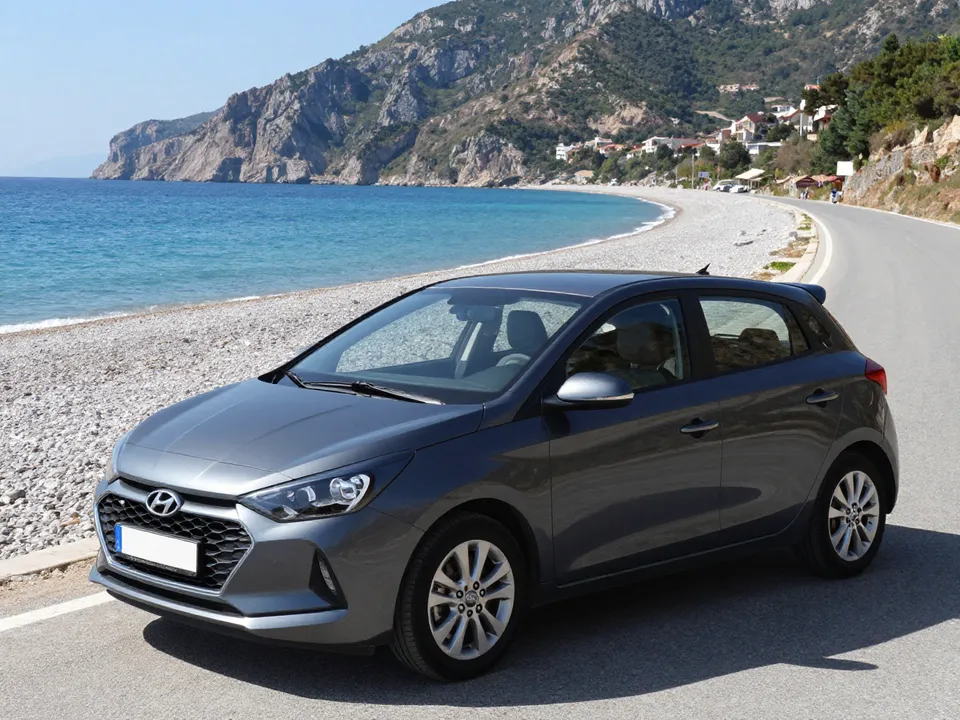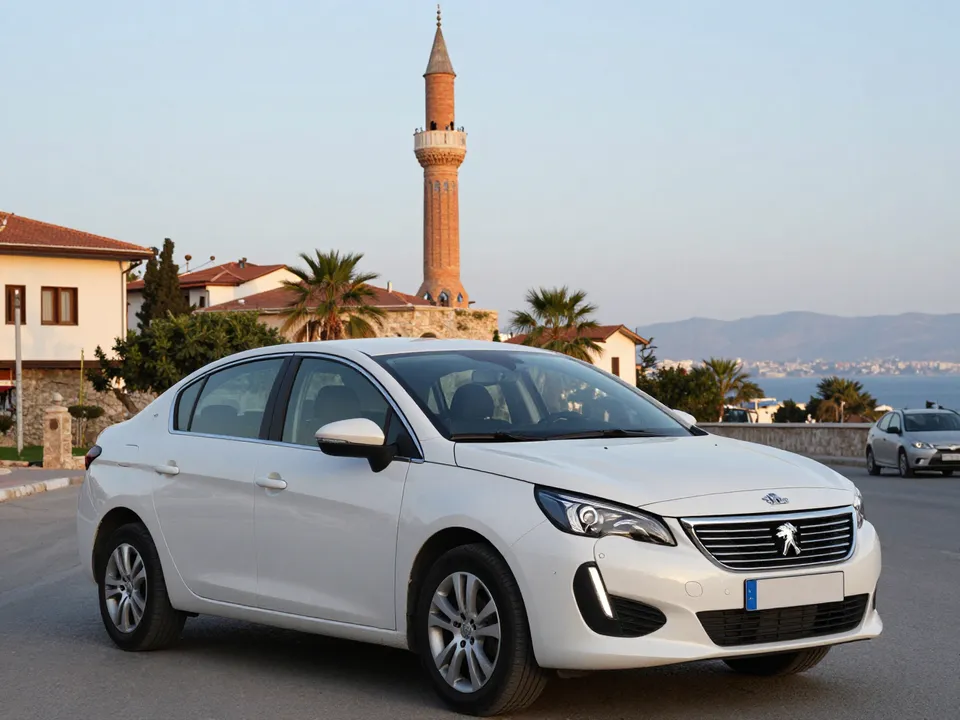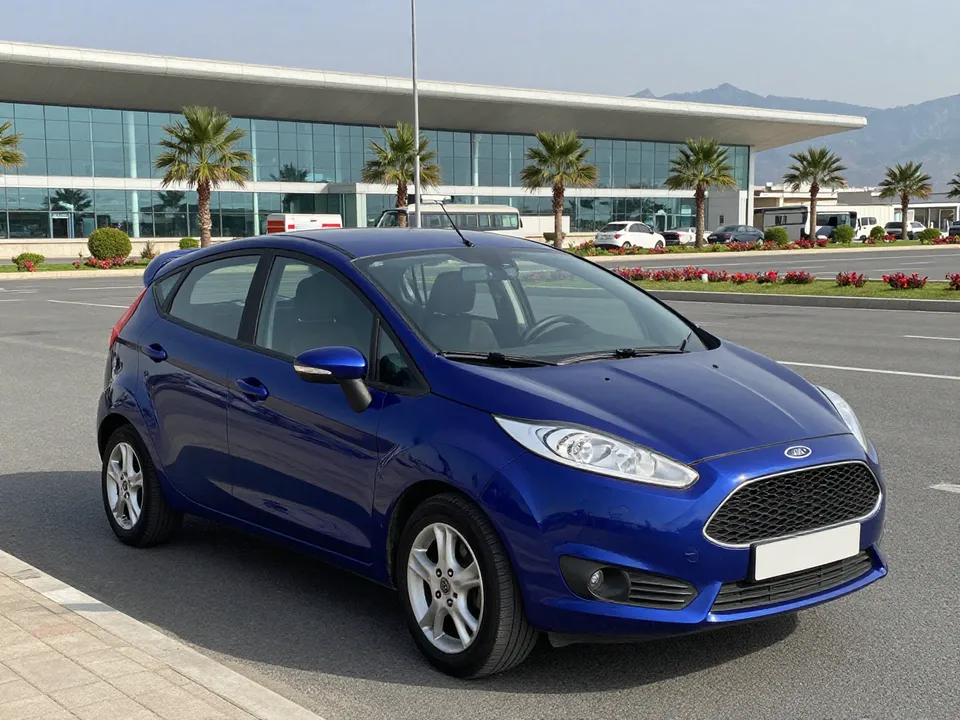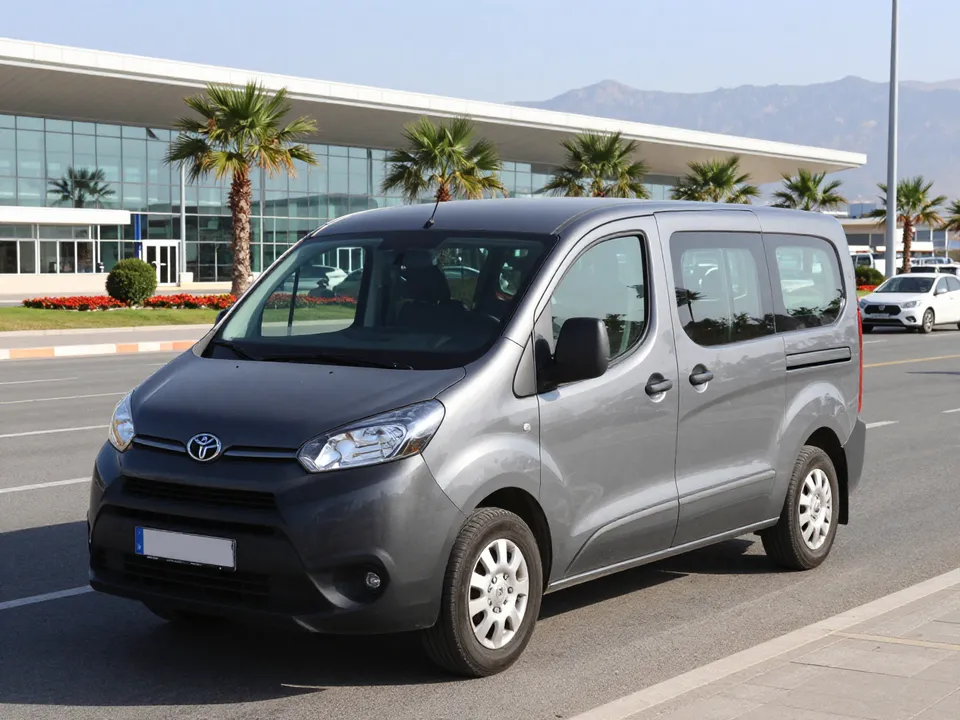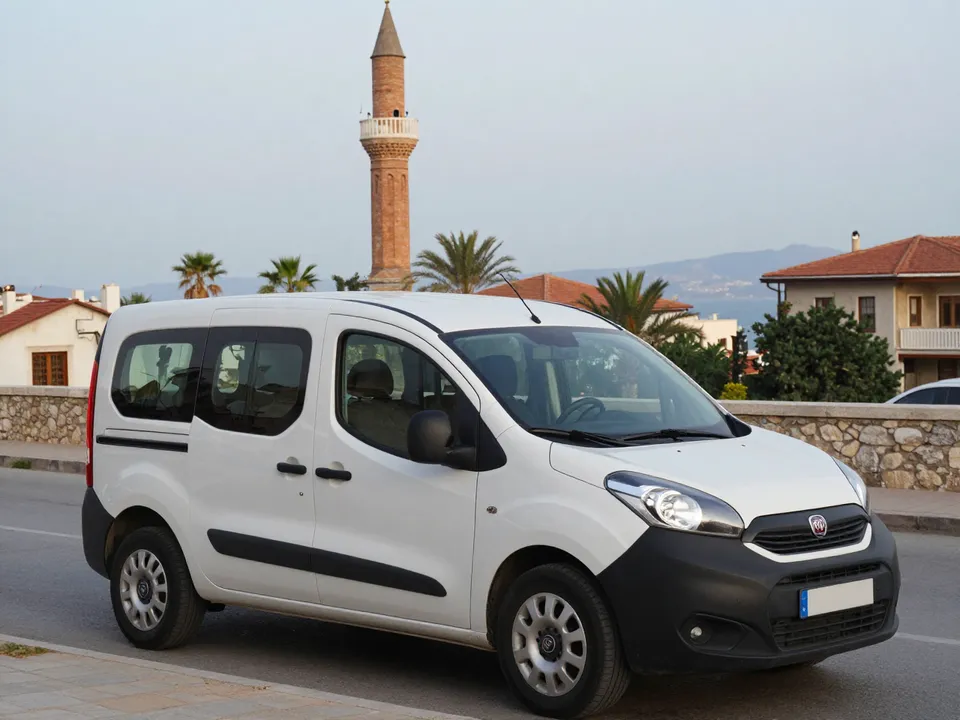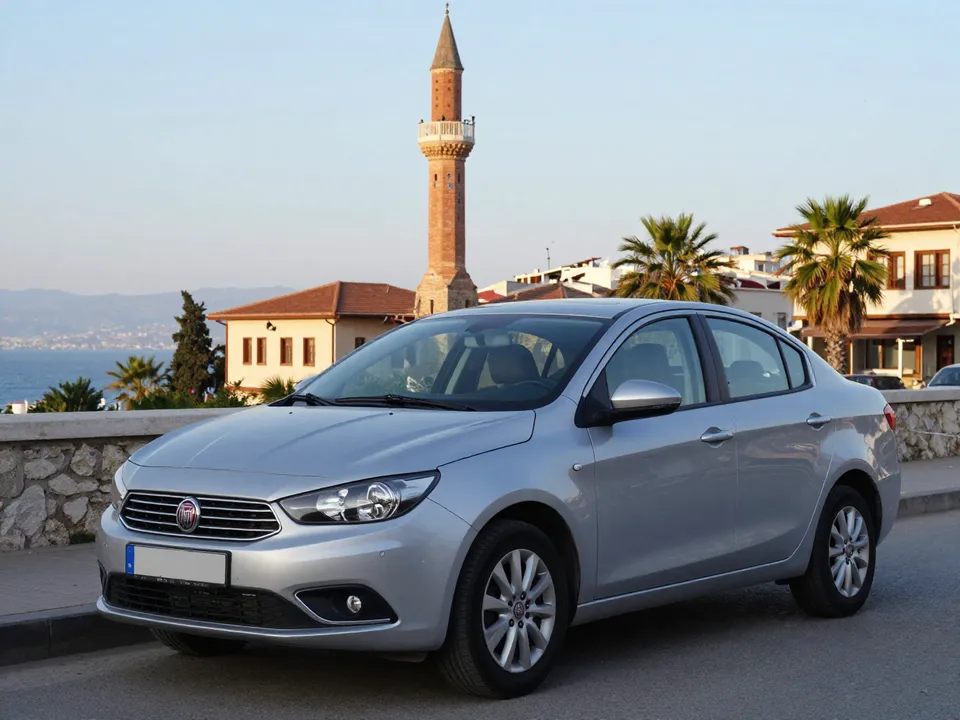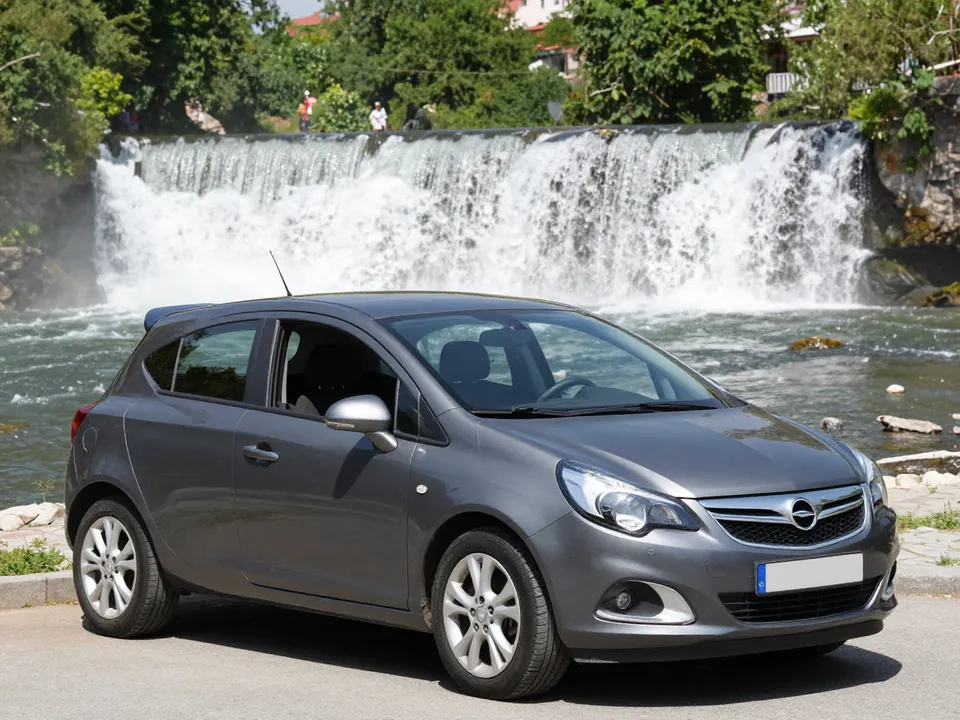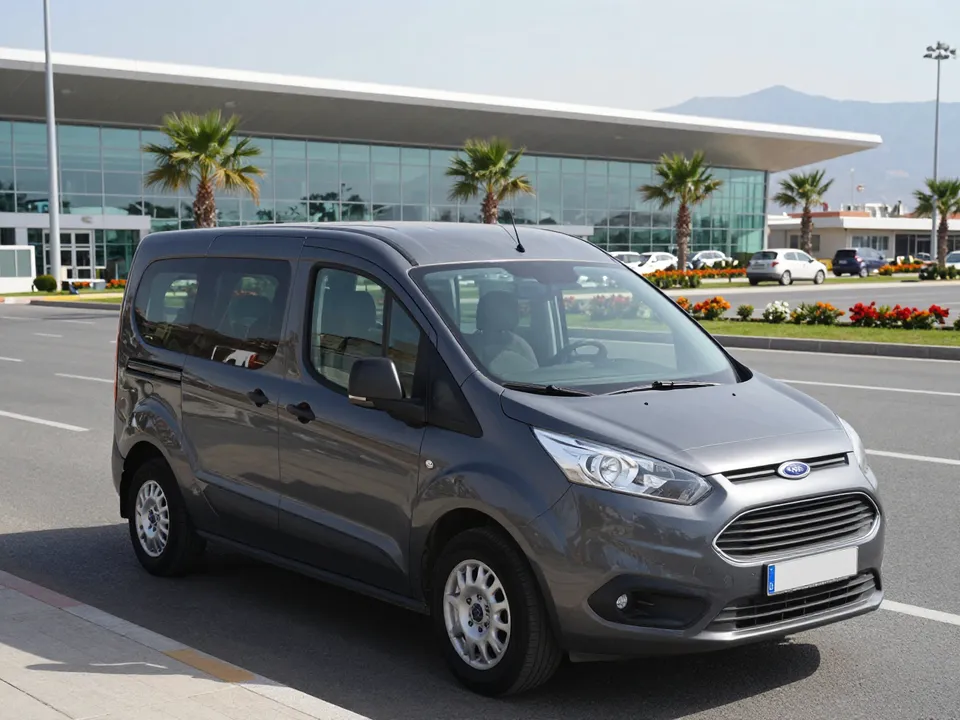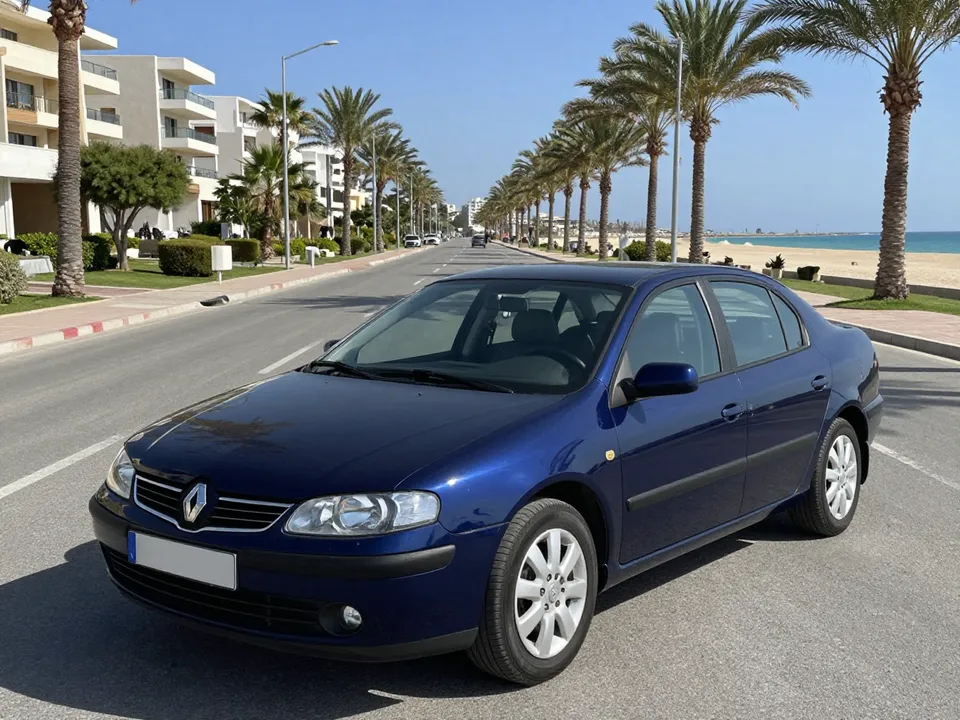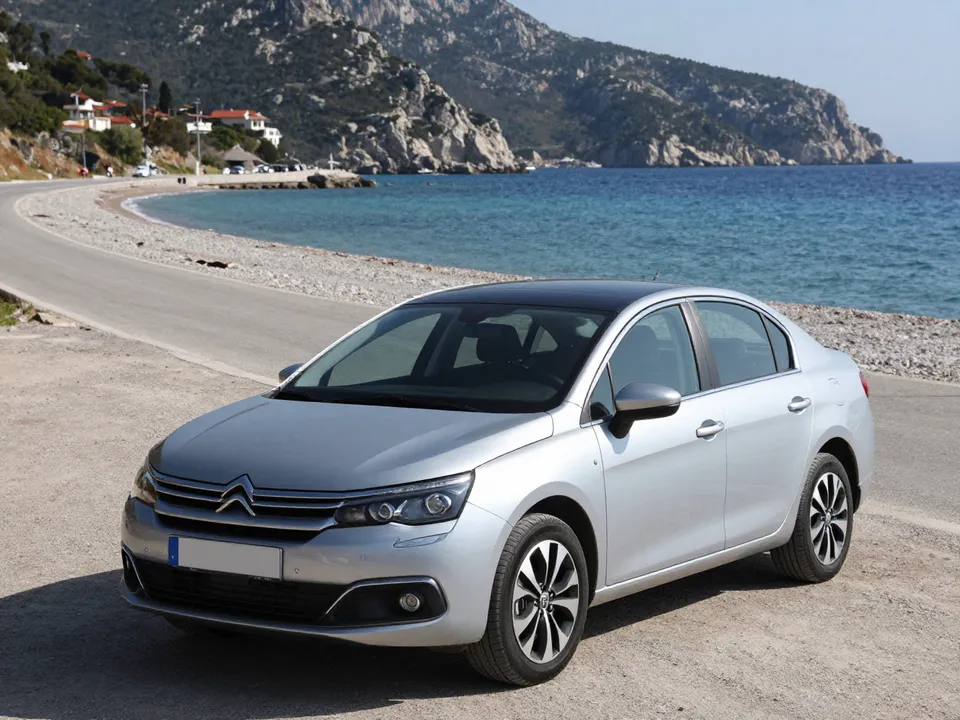
Citroën C-Elysée, Economy
★4.4· 71Manual1.5 L100 hpFront-wheel5 seats
₺1,456per day
Book nowVAT included




VAT included
VAT included
VAT included
VAT included
VAT included
VAT included
VAT included
VAT included
VAT included
VAT included
VAT included
VAT included
VAT included
VAT included
VAT included
VAT included
VAT included
VAT included
VAT included
VAT included
VAT included
VAT included
VAT included
VAT included
No cars match the selected filters. Remove some of the conditions.






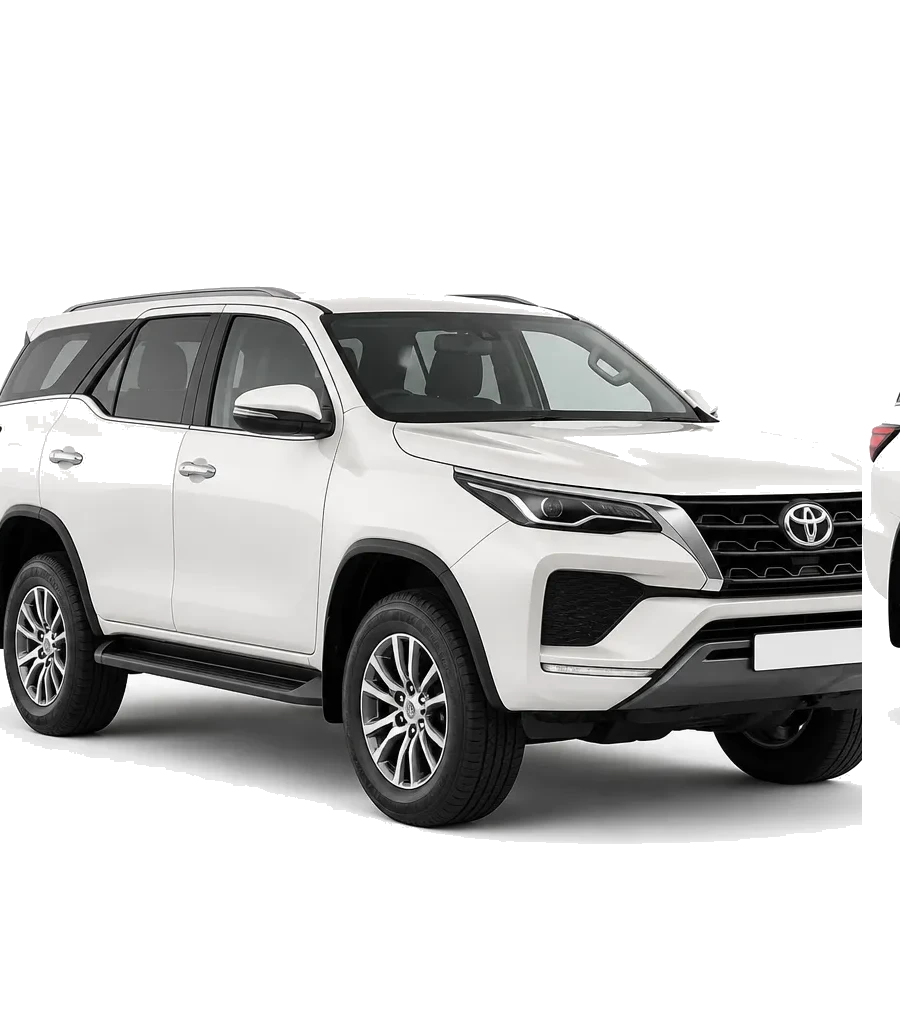

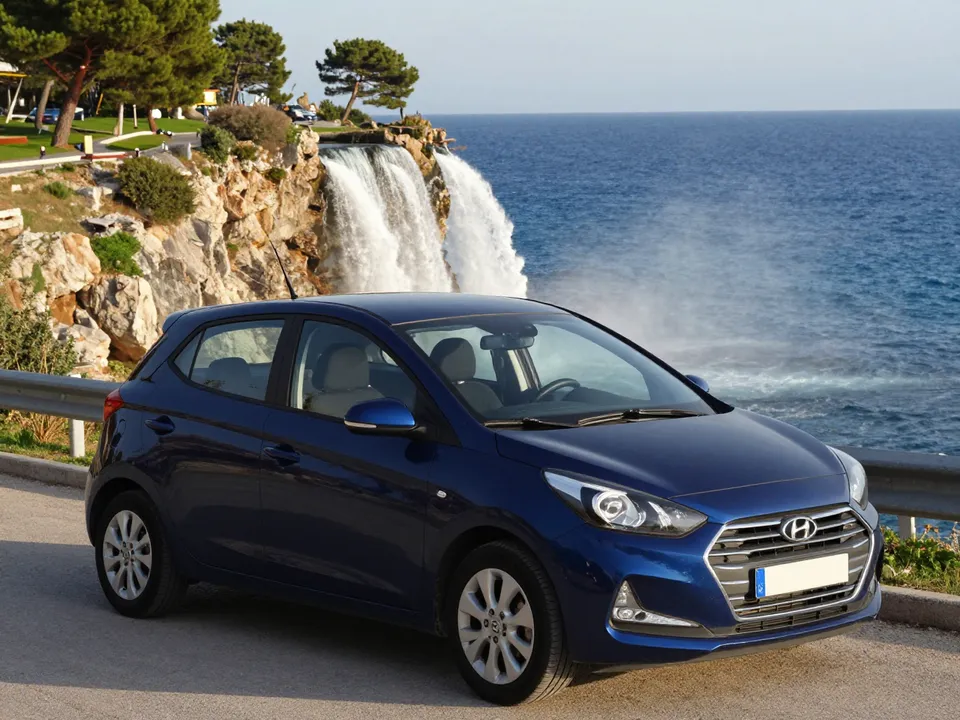
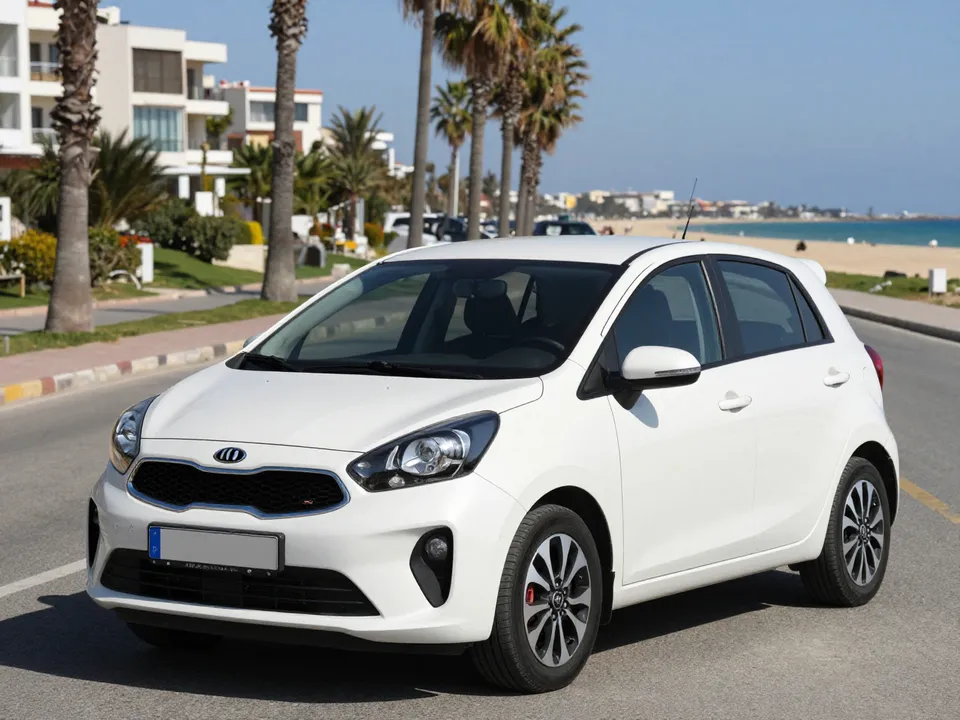
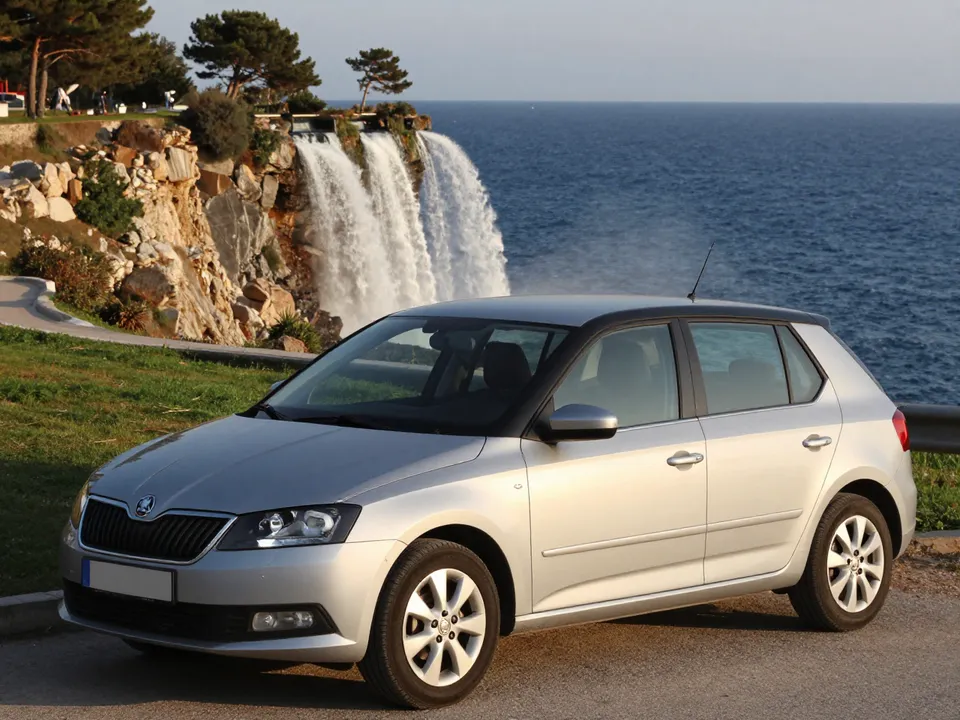
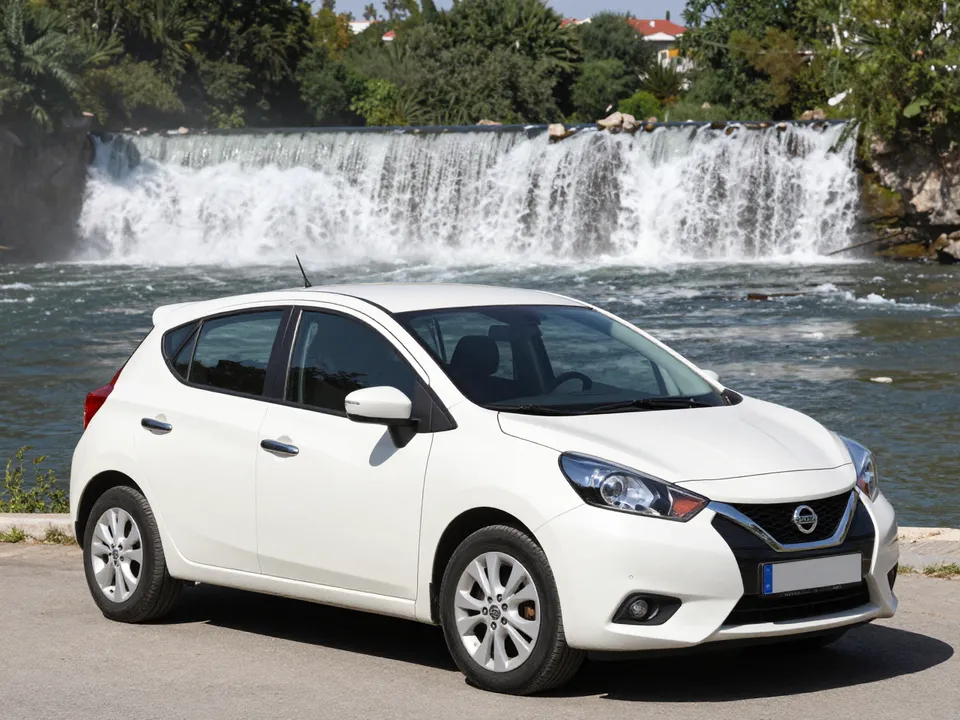
Daily prices on this page run from ₺1456 to ₺2390. The Citroën C-Elysée is listed at ₺1456 per day, the Hyundai i10 at ₺1535 per day and the Kia Picanto at ₺1546 per day.
This page in Antalya lists 24 cars in the Comfort, Commercial, Crossover, Economy and Minivans classes, with 5 or 9 seats and Automatic or Manual transmission.
Under Turkish rules, a foreigner may drive in Turkey on a licence issued abroad for no more than six months from the date of entry; after six months the licence must be exchanged for a Turkish one at any nüfus müdürlüğü, subject to bilateral and multilateral agreements.
Our fleet for daily car rental in Antalya holds 24 cars, starting at ₺1,456 per day for an Economy model such as the Citroën C-Elysée and reaching ₺2,390 for the Renault Taliant. We bring the car to any address in the city and to Antalya Airport (AYT) or Gazipaşa-Alanya Airport (GZP), with the delivery address, date and time agreed with a manager before the booking is fixed.
Daily hire here is a self-drive car brought to you, supplied clean with a full tank and returned full-to-full, priced VAT included, with the deposit, excess and delivery terms set out in the rental agreement.
Rent-Trip delivers the car to any address in Antalya and to Antalya Airport (AYT) and Gazipaşa-Alanya Airport (GZP), with the address, date and time agreed with a manager before the reservation is fixed. A reservation starts as a conversation: you tell us where you will be and when you need the car, and the manager matches that against the 24 cars on this page — Economy, Commercial, Comfort, Crossover and Minivans — and confirms what is available for your dates. The booking is fixed only after that exchange. Delivery inside the city and to both airports is arranged by agreement; anything outside the places we list is arranged case by case and is not promised on the site. Naming the exact address and time at booking is what lets the manager plan the delivery — a vague «city centre» leaves the manager nothing to plan around.
The car comes clean with a full tank and must be returned with a full tank; prices include VAT, and the deposit, excess and delivery fees are set out in the rental agreement. Full-to-full is the only fuel option we offer — no pre-paid tank, no full-to-empty — so the car goes out with a full tank and must come back full. Compulsory third-party cover is on every registered vehicle in Turkey by law, and HGS is the electronic tag used at motorway and bridge gates; how the tag works is on our HGS page. Full-to-full means a short tank on return is charged as missing fuel plus a refuelling service fee, per the agreement. Worth knowing before you plan a route: there are no toll motorways around Antalya as of 2026, so the tag matters mainly if you drive further afield.
In our practice the questions that come up most are about the tank and the return point, not the car itself — both are settled in one short call before the booking is fixed.
Five classes cover the 24 cars on this page, and the difference between them is mostly about space rather than badge. Economy holds the bulk of the fleet, Commercial adds load room, and the single Minivan is the only nine-seat option. Prices run from ₺1,456 to ₺2,390 a day, all VAT included, and longer bookings scale at weekly from ₺8,736 and monthly from ₺30,576.
| Class | Cars | Seats | Daily from |
|---|---|---|---|
| Economy | 15 | 5 | ₺1,456 |
| Commercial | 5 | 5 | ₺1,880 |
| Comfort | 2 | 5 | ₺1,893 |
| Crossover | 1 | 5 | ₺2,183 |
| Minivans | 1 | 9 | ₺2,240 |
A class «from» price is the entry point of that tier, not the top of the page — the range runs to ₺2,390.
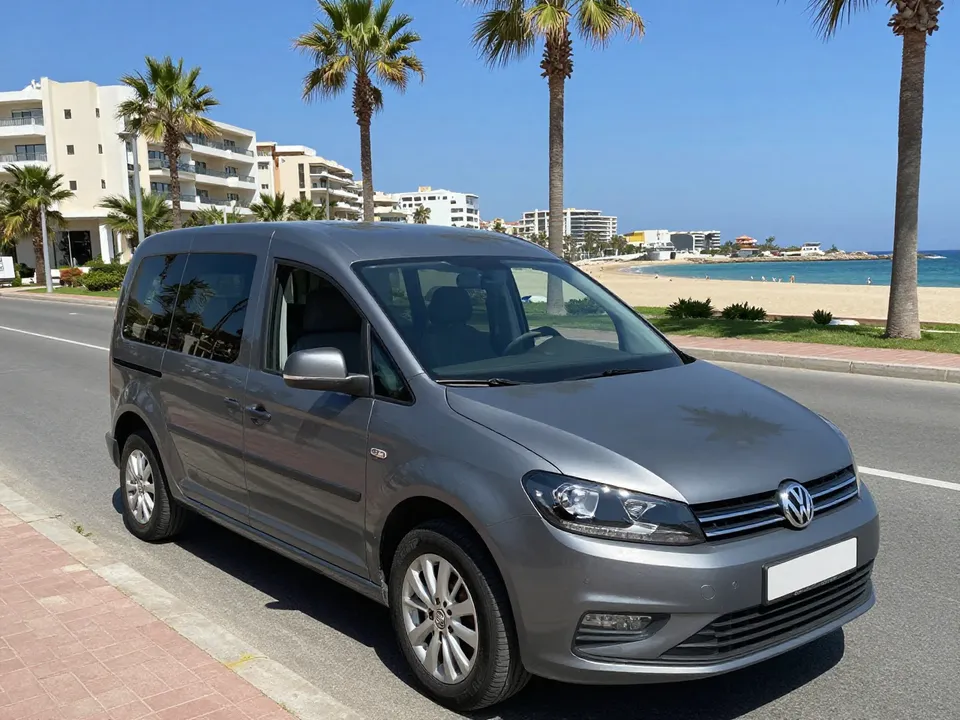
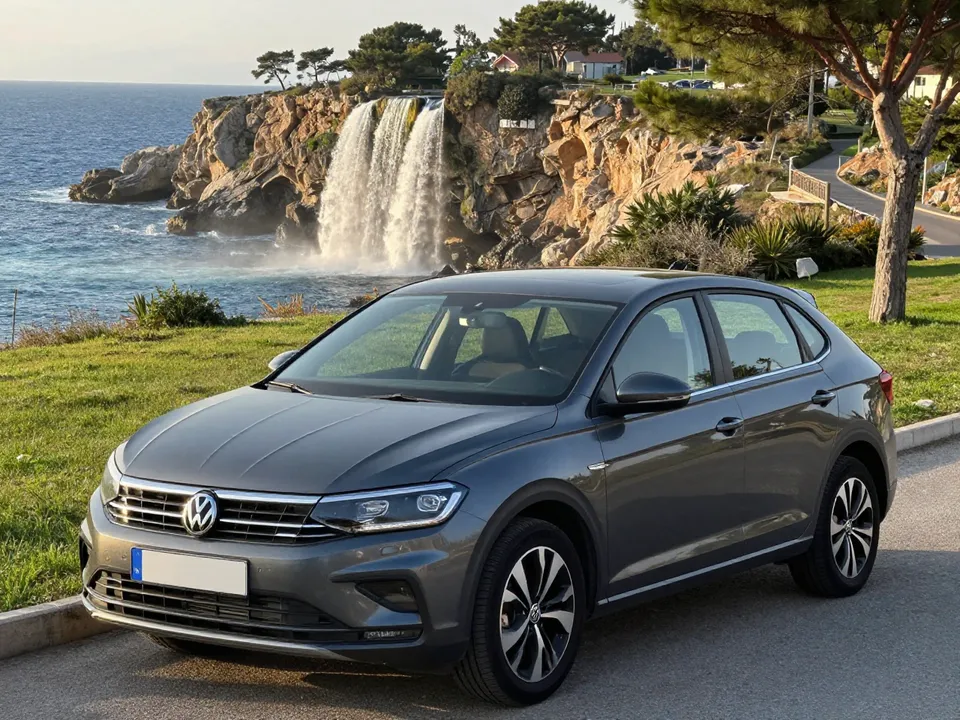
Hatchbacks and sedans in Economy cover city driving, Commercial MPVs carry luggage and five people, and the 9-seat Toyota Proace Verso at ₺2,240 is the only larger-group option on this page. Economy splits into 11 hatchbacks and 5 sedans, so the body style you want sits inside one tier rather than across several. Commercial runs to five Compact MPVs — the Volkswagen Caddy, Toyota Proace City, Fiat Fiorino, Fiat Doblo and Ford Tourneo Courier — all five-seat Compact MPVs with front-wheel drive. Comfort gives you the Kia XCeed and the Fiat Egea Cross, and the Crossover tier is the Volkswagen Taigo on its own. In our experience, the body matters more than the badge on day trips out to Aspendos, Termessos or Köprülü Canyon, so check luggage space by model with the manager.
15 of the 24 cars are automatic and 9 are manual; petrol accounts for 15 cars and diesel for 9. Automatics cluster in Economy hatchbacks — the Hyundai i10, Kia Picanto, Renault Clio, Citroën C3 and others — while the manual side is mostly diesel sedans and the Compact MPVs. Decide the gearbox before the class: an automatic van narrows the choice to the Commercial tier, where the Caddy and the Proace City are the two automatic options. Diesel suits the longer runs to Side, Kemer or Alanya, and the pump price at the end of October 2026 sat at about 99.3 TL a litre against 78.6 TL for petrol, so the gap is worth counting before you pick.
The 9-seat Proace Verso is the one car on this page that changes the shape of a trip rather than the comfort of it — a group of seven or eight otherwise needs two vehicles and two drivers. Among the five-seaters, the practical split is luggage: five Compact MPVs, five sedans and 11 hatchbacks differ in luggage space, so confirm it by model. If your plans include the coast road east towards Side or a run out to Olympos, remember that diesel costs more per litre than petrol here, so compare the fuel bill for your route. Tell the manager the passenger count and the luggage when you book — the delivery address, date and time are agreed then, and the class follows from what you say.
Daily car rental in Antalya runs on a short, fixed list of paperwork: passport, entry stamp, home driving licence, an International Driving Permit where the licence is not in Latin script, and a credit card in the main driver's name for the security hold. The deposit and excess sit in the rental agreement rather than in a headline number.
A foreigner may drive in Turkey on a licence issued in another country for no more than six months from the date of entry, and after that the licence must be exchanged for a Turkish one at any nüfus müdürlüğü. The rule comes from the Resmî Gazete text and counts from entry, not from the day the keys change hands, so a long-stay visitor can reach the limit mid-rental. Bilateral and multilateral agreements make exceptions, and those are worth checking before a long booking. In our practice the awkward cases are guests who arrived in spring and book a car in late summer — the passport stamp, not the calendar, decides whether the licence is still valid. If the six months are nearly up, say so at booking and we will set the rental period to fit inside the window rather than past it.
Every registered vehicle in Turkey carries compulsory third-party insurance under Article 91 of law 2918 — and a car without a valid policy is removed from traffic, so the cover travels with the vehicle and not with the renter. What the package covers beyond that compulsory layer is set out in the rental agreement, and so are the age and driving-experience requirements, which rise with the class of car. The rental agreement, contract, is also where the deposit, the excess and any delivery fee live. I would not treat those as small print: reading the contract before the trip starts is what avoids surprises when the car goes back.
Some items on a Turkish rental are settled between the renter and the company rather than fixed by law: an additional driver's documents and fee, the mileage limit, discount schemes and loyalty programmes, and who bears tolls, congestion charges, parking and traffic penalties. None of these is a figure we publish, and none is promised on this page — each is agreed when booking and written into the rental agreement. The one charge with a published mechanic is HGS, the electronic toll label for bridges and motorway gates, where a crossing made without enough balance can be settled within 15 days without a penalty; the full mechanics sit on our HGS page. Around Antalya there are no tolled otoyol sections in the KGM inventory, so for most day trips the label never comes into play. Ask at booking which documents the second driver needs and whether the licence you hold is in Latin script — that one question saves a second trip.
Daily car rental in Antalya with us is built around delivery, not a counter: the car comes to you, and the return happens at the same agreed point. Every hand-over is planned from the address, date and time you give a manager when booking, and the fleet on this page runs from the Citroën C-Elysée at ₺1,456 a day to the Renault Taliant at ₺2,390.
Rent-Trip delivers to any address in the city and to Antalya Airport (AYT) and Gazipaşa-Alanya Airport (GZP). Kaleiçi, Lara, Konyaaltı, Antalya Bus Station, Belek, Kemer and Side all sit inside our delivery area, so a hotel door, an apartment block or a bus-station exit works as a start point. Return is made to the same point at the date and time written into the contract; bringing the car back somewhere else is arranged case by case and may carry a fee set out in the rental agreement. Naming the exact street and the hour when you book is what makes a same-day hand-over realistic — a vague «city centre» gives the manager nothing to plan a route around.
Antalya province has no motorways (otoyol) of its own — the nearest in the KGM inventory sit in Denizli and Aydın — so a day trip towards Aspendos, Termessos or Köprülü Canyon runs on toll-free roads rather than through toll gates. Where you do meet a bridge or a motorway gate elsewhere on your route, HGS is the electronic payment system behind it, and who covers those charges and any penalty notice is agreed when booking. The Antalya–Alanya Otoyolu, 122 km between Serik and Konaklı, is under construction and was about 30% complete in August 2026; whether it will be tolled has not been announced. Speed limits are set by Turkish law and listed in the next section, and signs on the spot override all of it. Winter tyres are compulsory from 15 November to 15 April for vehicles used in intercity passenger and goods transport, foreign-registered ones included; a private car is not named in that list, and whether the rule applies within the province is decided by the valilik. In our practice, the return appointment is the part travellers move most often: if your flight time shifts, tell the manager before the agreed hour rather than after, and the hand-over can usually be re-planned around it.
Traffic here keeps to the right and every car in our fleet is left-hand drive, so a driver arriving from a right-hand-drive country adapts within the first few kilometres. Speed limits, alcohol rules and HGS mechanics are the same across the province, and the sections below set out what applies to a daily car rental in Antalya.
Law 2918 article 50 sets the statutory ceiling at 90, 110 and 120 km/h and lets the Interior Ministry raise it by 20 km/h for cars — which is where the 130 and 140 figures come from. Speeding is graded by how far over the limit you are, and the top bands also carry a licence withdrawal. Fines run from 2,000 TL to 30,000 TL under article 51 of law 2918, as amended in 2026.
The alcohol rules come from article 48 of law 2918 as amended by law 7574 of 12.02.2026 (Resmî Gazete 27.02.2026, no. 33181). Above 1.00 promille the case moves on to article 179/3 of the Criminal Code, which is a different conversation entirely. In our experience the practical rule is simpler than the statute: one drink and the wheel do not mix on a holiday where the car is collected again tomorrow morning.
There are no toll motorways (otoyol) in the province — the KGM inventory of completed motorways for 2000–2026 has no Antalya (TR611) row in any year, and the nearest are Denizli at 148 km and Aydın at 350 km. The Antalya–Alanya Otoyolu, 122 km from Serik to Konaklı, is under construction at roughly 30% completion as of August 2026, and whether it will be tolled has not been announced. HGS remains the electronic payment tag for bridges and motorway gates elsewhere in Turkey: a crossing made without enough balance carries no penalty if the account is topped up or an HGS is opened on the plate within 15 days, otherwise four times the section fee is added. Who covers tolls, congestion charges and penalty notices on a rental car is agreed when booking.
Winter tyres are compulsory from 15 November to 15 April for vehicles used in intercity passenger and freight transport, including foreign-registered ones, under the Ministry of Transport tebliğ as amended on 04.10.2025; a private passenger car is not named in that list, and whether the rule applies inside the province is decided by the valilik on average local temperatures, with the power to shift the window by a month either way. The Antalya valilik decision was not published at the time of writing, so check before a winter booking rather than assuming.
A day behind the wheel from Antalya reaches the coast, the ruins and the canyon country without a motorway gate in sight, and the same 24 cars cover a single afternoon or a month-long stay. What changes with the length of the booking is not the car but the arithmetic: weekly from ₺8,736 and monthly from ₺30,576 against a daily range of ₺1,456 to ₺2,390.
A day trip that ends after dark is still one rental day if the return time falls inside the agreed window — set that hour at booking rather than assuming a midnight cut-off.
A month of daily driving puts mileage and fuel economy ahead of badge, and the arithmetic shifts: at monthly rates the difference between the cheapest Economy car and the priciest Comfort narrows per day, so compare the full monthly cost of each model before you pick. The five Compact MPVs and the 11 hatchbacks differ in body, so confirm luggage space by model, and the single nine-seat Toyota Proace Verso is the only car here that moves a group of seven or eight in one vehicle. Long stays also make the six-month licence rule a live question rather than a technicality — a foreign licence is valid for no more than six months from the date of entry, counted from the passport stamp, so a booking that runs past that date needs the licence exchanged at a nüfus müdürlüğü first. Tell the manager the length of the stay when you book, and the rental period can be set to fit inside the window.
In our practice the two questions that arrive after the car is already on the road are about the return hour and the tank — both are settled in a single call before the booking is fixed, not at the kerb.
A group of five fits any of the 23 five-seat cars on this page; a group of seven or eight needs the single nine-seat Toyota Proace Verso at ₺2,240 a day, because no other vehicle here carries more than five. Two adults and two children travel comfortably in a Compact MPV, and the boot decides more than the badge: luggage space differs between the five Compact MPVs, five sedans and 11 hatchbacks.
Passenger count and luggage go to the manager before the class is chosen, because the nine-seat Proace Verso is a single car and the days it is free are the days it can be booked. Two smaller cars cost two rentals and need two named drivers, which changes the document list at reservation. In Rent-Trip's practice, families who name the child seats and the case count in the first message get a car that fits on the first attempt — the ones who book an Economy hatchback and arrive with four suitcases usually need a second hand-over.
The rental agreement, contract, is where the deposit, the excess, any delivery fee and the return terms live — none of them is a headline figure on this page, and none is quoted in advance. Reading it before the trip starts is what avoids surprises when the car goes back.
The compulsory insurance layer travels with the vehicle, but what the package covers beyond it is written in the contract and nowhere else — so a renter who assumes a full-coverage promise from a website headline is reading the wrong document. Age and driving-experience requirements rise with the class of car, which is why a Minivan is not booked on the same terms as an Economy hatchback. I would treat the return inspection as the second half of the same conversation: check the car's condition before you drive off and again at return, and agree the return conditions with the manager as the rental agreement states.
A month behind the wheel changes the arithmetic rather than the car: monthly bookings start at ₺30,576, weekly at ₺8,736, against a daily range of ₺1,456 to ₺2,390, and the per-day gap between an Economy hatchback and a Comfort model narrows as the booking lengthens.
Fuel economy moves ahead of badge once you are driving every day, and the fuel bill depends on the model, and diesel costs more per litre than petrol here. The pump price at the end of October 2026 sat at about 99.3 TL a litre for diesel against 78.6 TL for petrol, so the gap is worth counting before you commit to a month. The five Compact MPVs and the hatchbacks differ in luggage space, which the manager confirms by model, and the single nine-seat Proace Verso remains the only vehicle here that moves a group of seven or eight in one go.
A foreigner may drive on a home licence for no more than six months from the day of arrival, counted from the passport stamp, and after that it has to be swapped for a Turkish one at any nüfus müdürlüğü. A rental that runs past that date needs the swap done first, so tell the manager your length of stay when you reserve and the period can be set to close before the deadline rather than after it. Some countries have reciprocal arrangements that extend this, and it is worth asking about yours before a long booking.
The seasonal tyre rule reaches foreign-registered vehicles used for intercity passenger and freight work between 15 November and 15 April, under the Ministry of Transport tebliğ as amended on 04.10.2025, while a private passenger car is not named in that list; whether it bites inside the province is left to the valilik, which weighs average local temperatures and may shift the window by a month either way. No valilik decision had been published at the time of writing, so ask before a winter booking rather than assuming.
Nothing is handed over across a counter, because there is no counter to hand anything over across — the meeting point is wherever you happen to be, agreed with a manager from the address, date and hour you supply. A hotel forecourt, a friend's apartment, the kerbside at arrivals or the bus station exit all serve equally well as a starting point.
The street name and the hour, given at the time of booking, are what let a route be planned; a vague «city centre» gives nothing to plan around, and whether the same day works then depends on the rest of the schedule. Places beyond those listed are handled case by case and are not promised on the site, so check first before relying on one. In our experience it is the return hour that gets moved most often — when a flight time changes, let the manager know ahead of the agreed slot rather than afterwards, and the hand-over can normally be rearranged to suit.
The drop-off point is the one written into the rental agreement, and in the ordinary case it is the same address the car came to. Leaving it elsewhere is possible but arranged individually, and any fee for that is set out in the rental agreement rather than quoted here. Fuel works full-to-full: the car arrives with a full tank and comes back the same way, and anything short of that is set out in the rental agreement. Should the day run longer than planned, the extra hours are settled when you book the extension with the manager, not at the kerbside.