













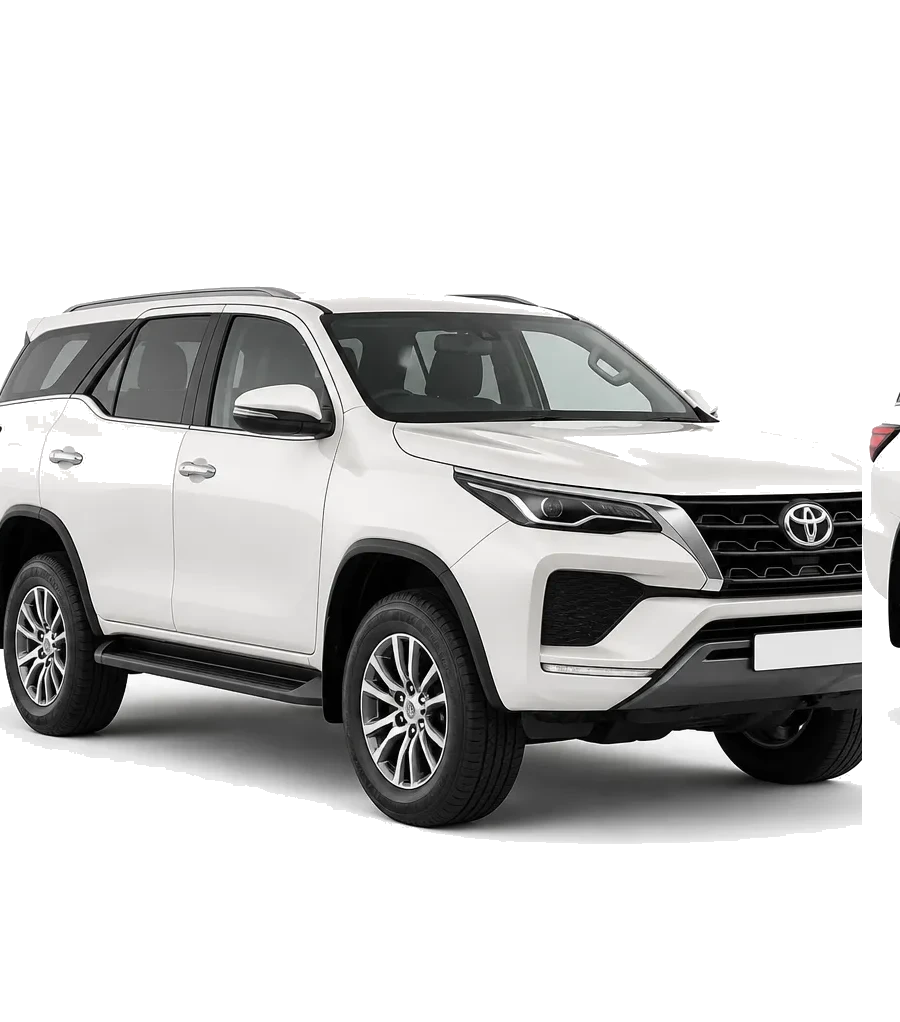

Minivans car rental in Thailand
If you need a minivan for a family or a group in Thailand, Rent-Trip has 13 minivans for self-drive hire from ฿1,300 per day, with weekly rates from ฿7,800 and monthly rates from ฿27,300. We deliver the car clean with a full tank anywhere on the island of Phuket and to Phuket International Airport at no extra charge, and the booking is agreed with a manager.
Minivans car rental in Thailand and the 13 vehicles in our fleet
Minivans car rental in Thailand with Rent-Trip covers 13 MPVs — seven-, eleven- and twelve-seaters from ฿1,300 to ฿6,500 a day. Every one is automatic, and the whole list fits on a single screen.
Which minivan models can you rent in Thailand
| Model | Seats | Fuel | Engine | Per day |
|---|---|---|---|---|
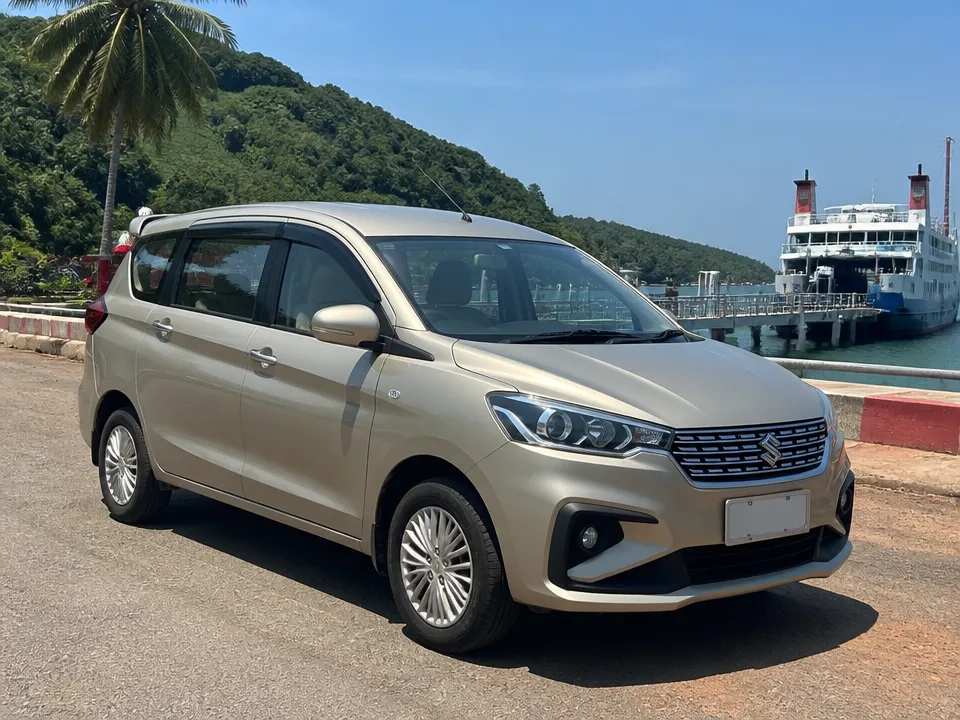
| Suzuki Ertiga | 7 | Petrol | 1.5 L, 105 hp | ฿1,300 |
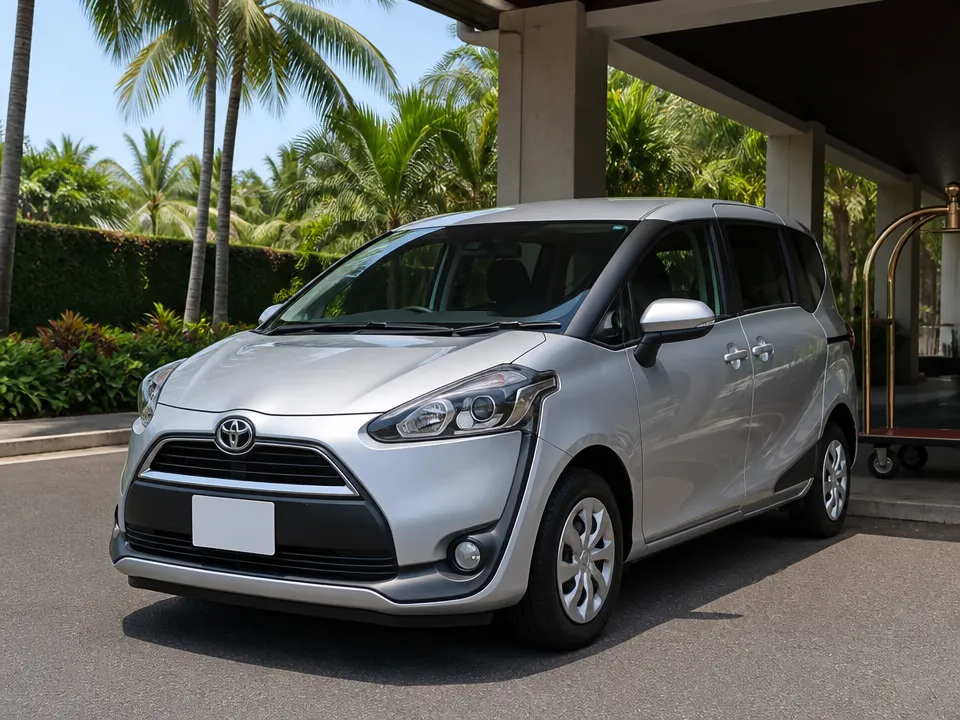
| Toyota Sienta | 7 | Hybrid | 1.5 L, 116 hp | ฿1,400 |
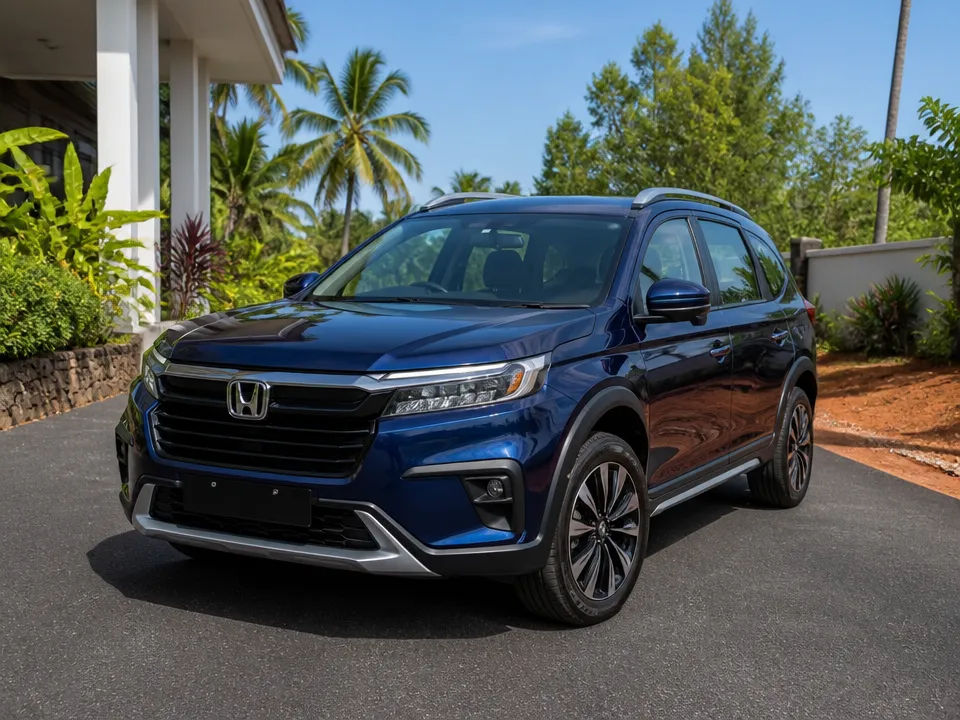
| Honda BR-V | 7 | Petrol | 1.5 L, 121 hp | ฿1,500 |
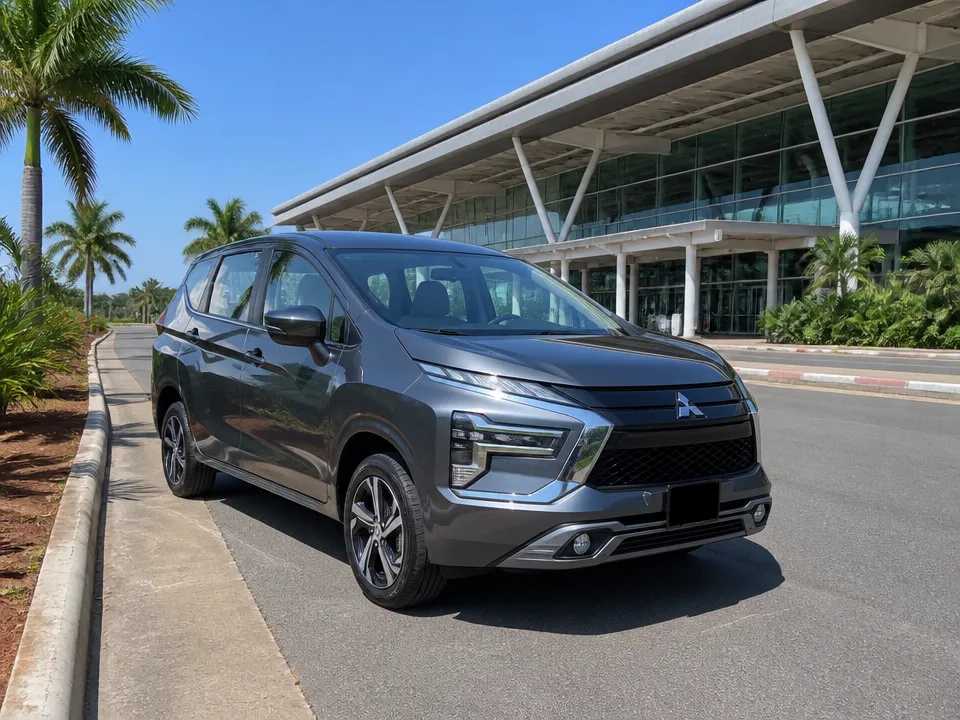
| Mitsubishi Xpander | 7 | Petrol | 1.5 L, 105 hp | ฿1,500 |
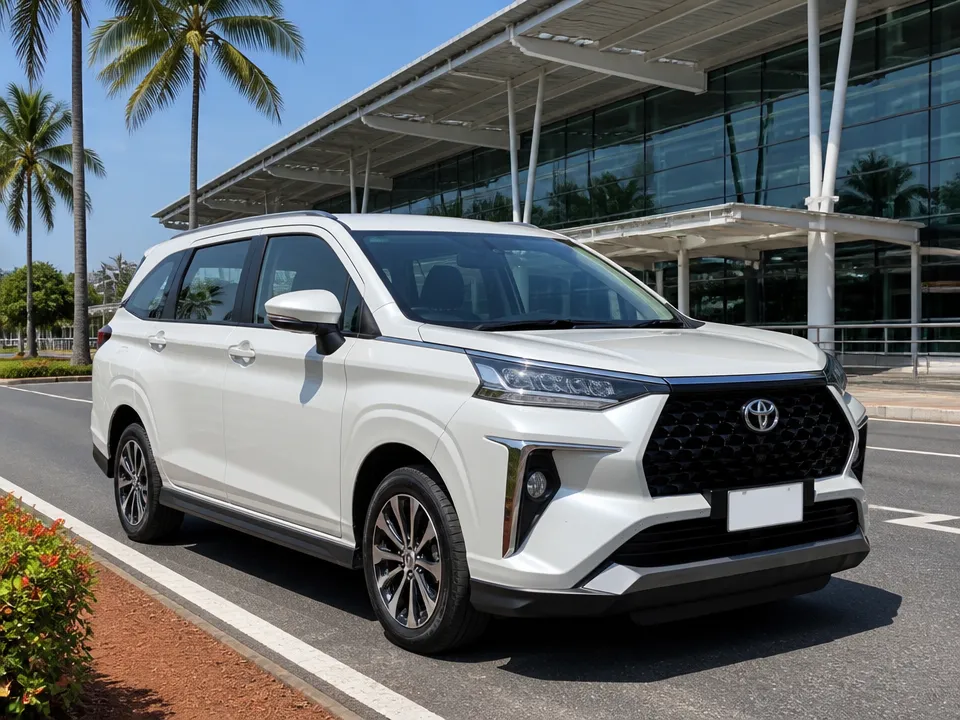
| Toyota Veloz | 7 | Petrol | 1.5 L, 106 hp | ฿1,500 |
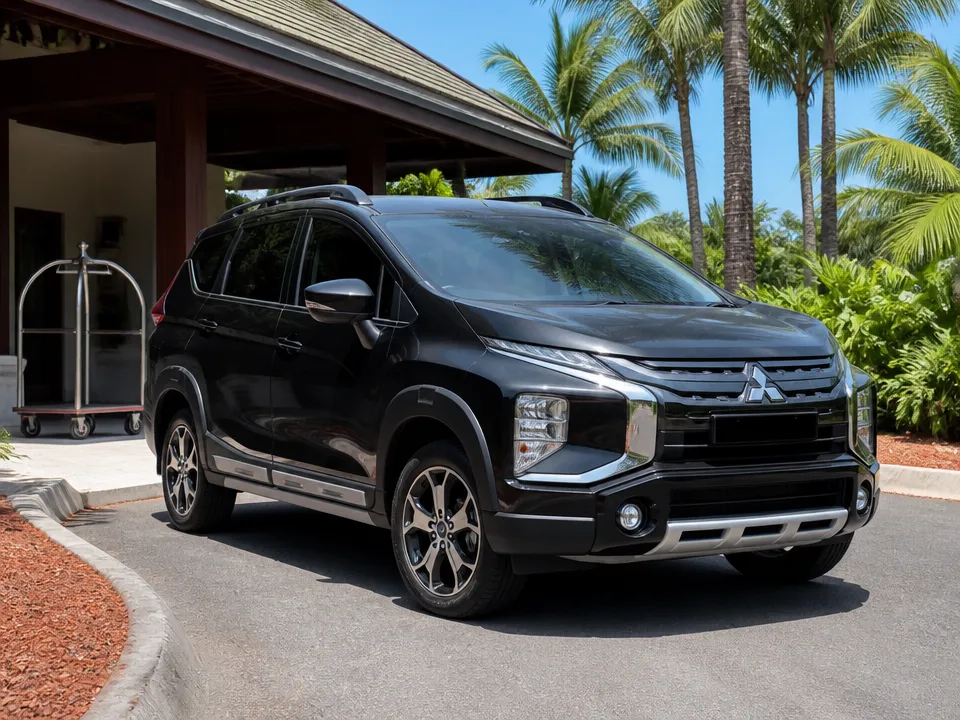
| Mitsubishi Xpander Cross | 7 | Petrol | 1.5 L, 105 hp | ฿1,600 |
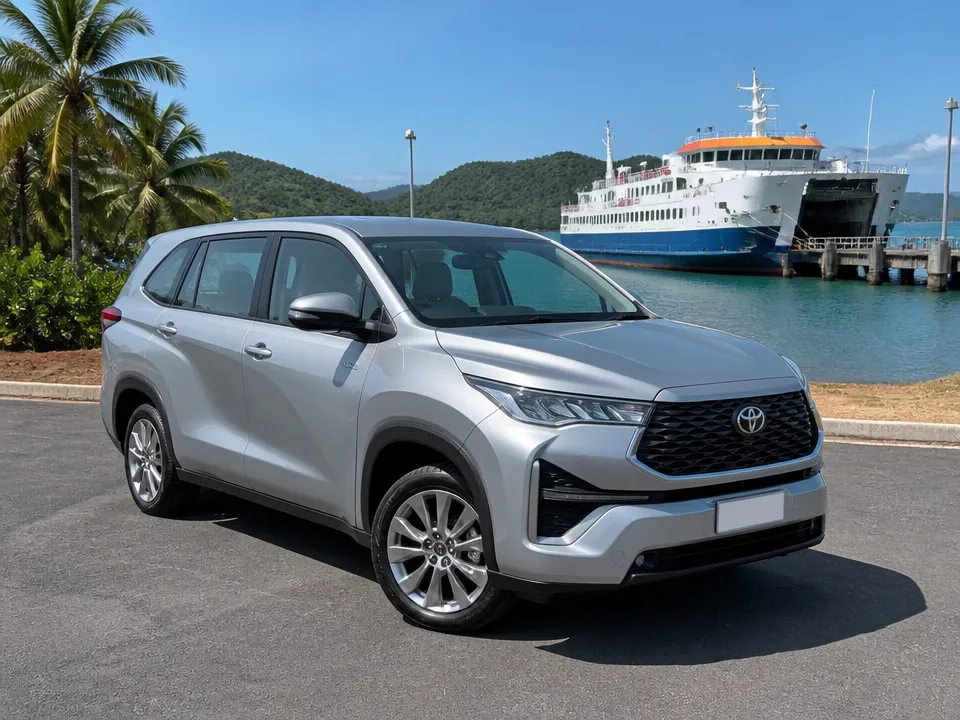
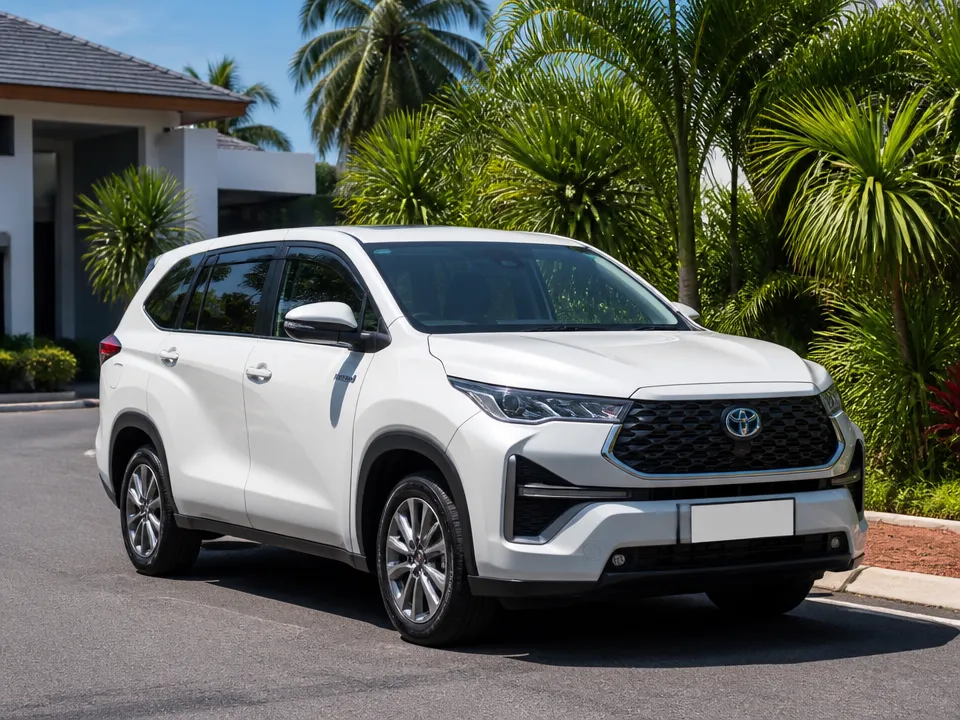
| Toyota Innova Zenix | 7 | Petrol | 2.0 L, 172 hp | ฿2,000 |
| Toyota Innova Zenix Hybrid | 7 | Hybrid | 2.0 L, 186 hp | ฿2,300 |
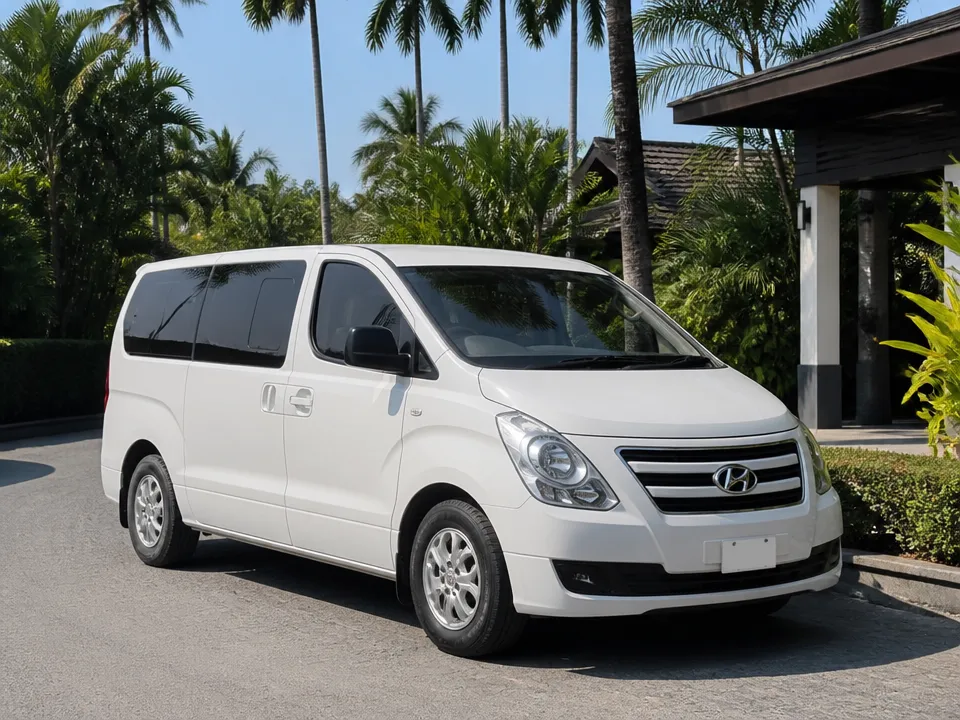
| Hyundai H1 | 11 | Diesel | 2.5 L, 175 hp | ฿2,500 |
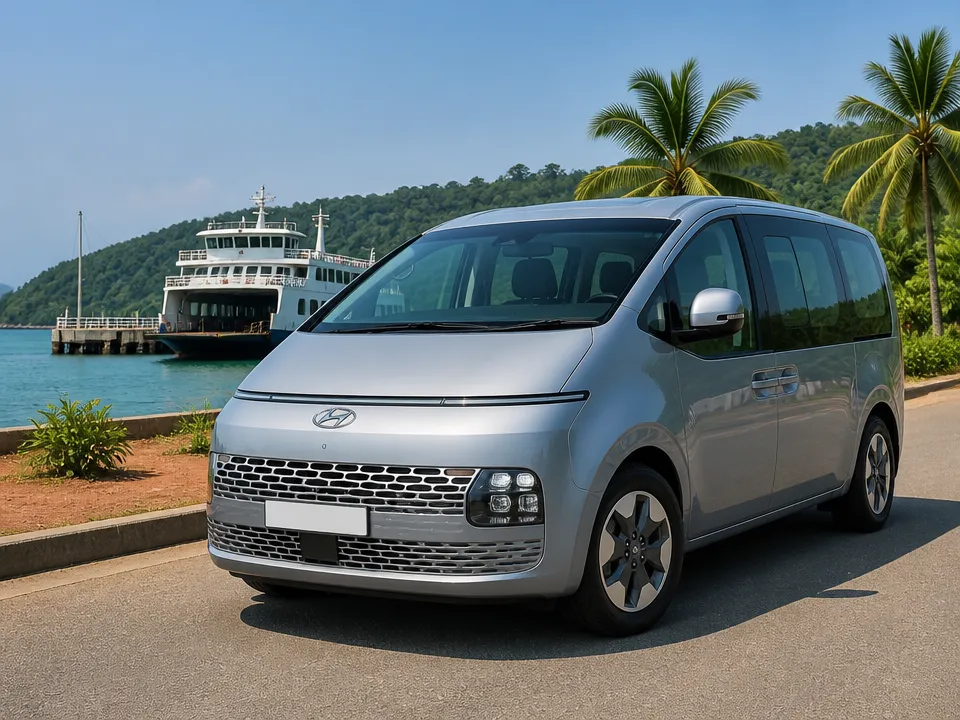
| Hyundai Staria | 11 | Diesel | 2.2 L, 177 hp | ฿2,800 |
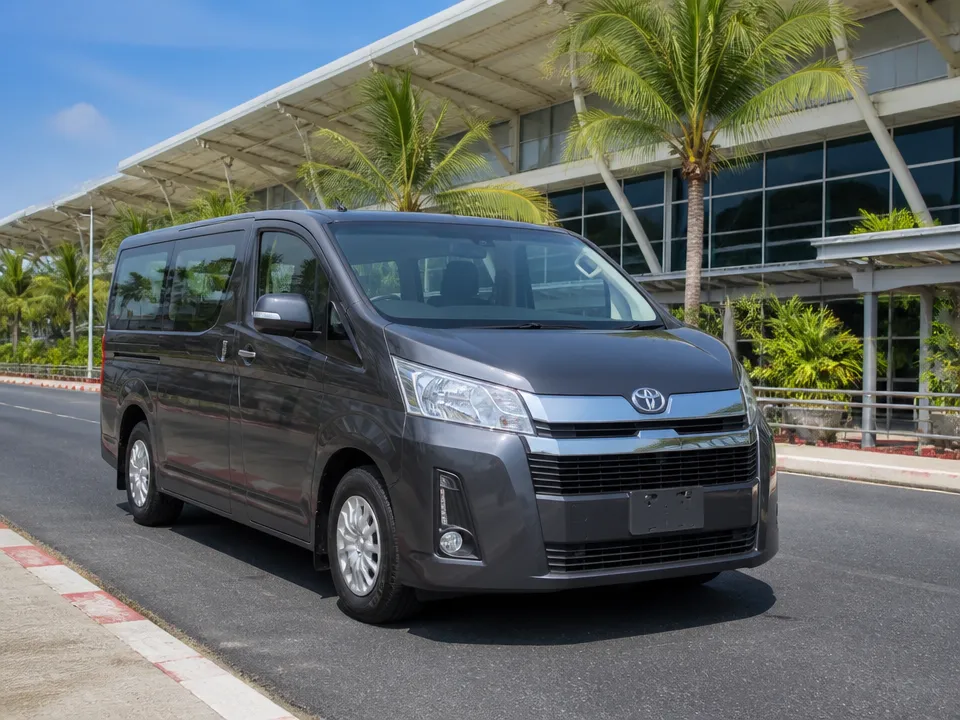
| Toyota Commuter | 12 | Diesel | 2.8 L, 163 hp | ฿2,800 |
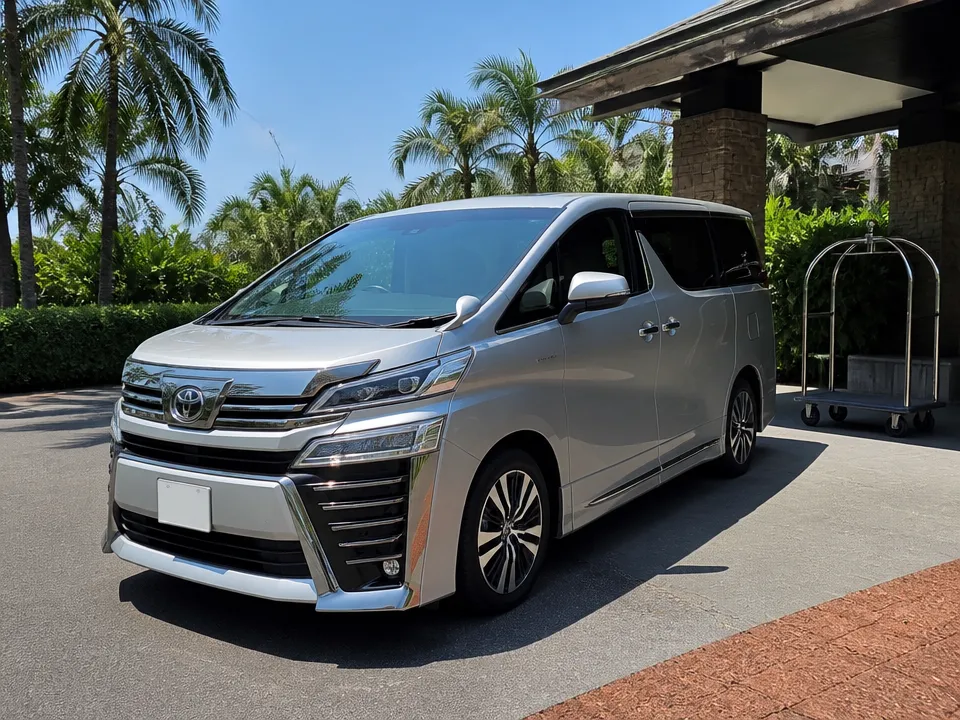
| Toyota Vellfire | 7 | Hybrid | 2.5 L, 250 hp | ฿6,000 |
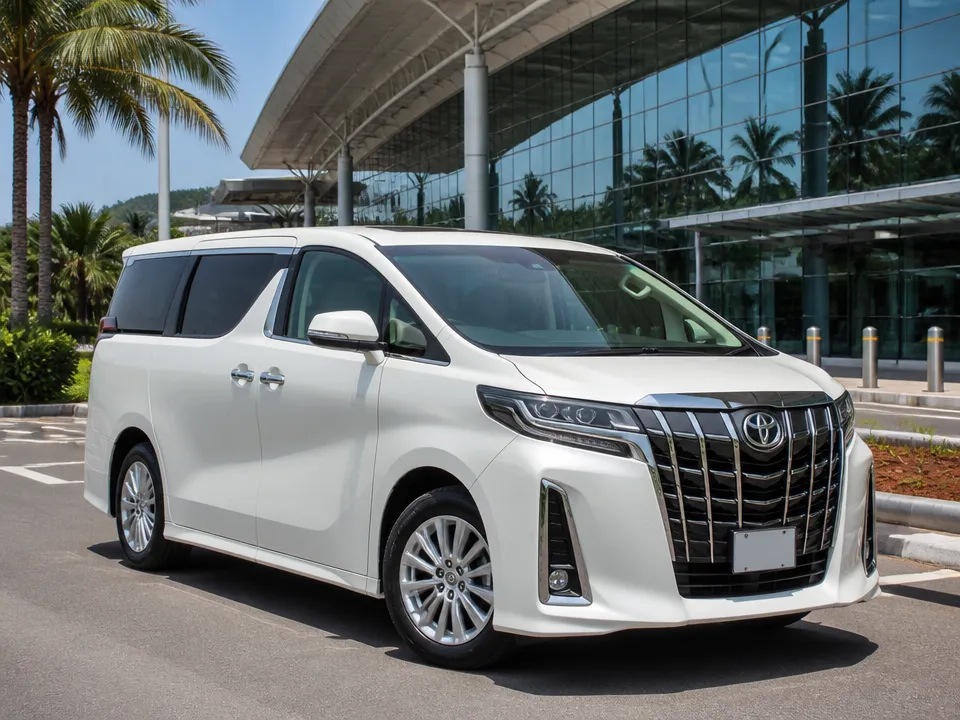
| Toyota Alphard | 7 | Hybrid | 2.5 L, 250 hp | ฿6,500 |
Seat count, not price, is what usually decides the model. The 11- and 12-seaters sit in the middle of the range, while the dearest cars are seven-seat hybrids.
Why every car on this page is an MPV
Minivan and MPV describe the same body type — a car-based people carrier with a flat floor and three rows of seats. In our fleet the thirteen cars run from a 1.5 L Suzuki Ertiga with front-wheel drive to a 2.5 L Toyota Alphard, and all of them share that layout: three rows, automatic gearbox, doors that open onto a kerbside pavement rather than a cab. The word on the rental agreement matters less than the seat count printed in the registration book, because that figure is what an insurer reads after a claim and what a traffic officer checks at a roadside stop. So when you compare a seven-seat Innova Zenix against an eleven-seat Staria, you are comparing capacity, not category — the paperwork treats them the same way.
What the fleet holds beyond minivans
Thirteen MPVs is one class out of 754 cars we run across the site, so the choice does not stop here. If your group is small and the luggage is light, a compact or a sedan costs less per day and parks more easily in the busy beach areas. We keep the people-carrier list separate because the seven-, eleven- and twelve-seat body shapes answer a different question — how many people plus bags have to move at once. Tell the manager the headcount and the number of suitcases when you book, and the class follows from there; on Phuket, where a family often lands and drives straight on, that one detail decides the car more often than budget does.
What a minivan rental in Thailand costs day by day and week by week
Daily rates for a seven-seater run from ฿1,300 to ฿6,500, and the period you book matters as much as the model you pick: a week is charged as six daily rates, a month as twenty-one. VAT 7% is already inside every figure we show, and mileage on the island is unlimited.
Daily, weekly and monthly rates for a seven-seater
| Period | Charged as | Starting from |
|---|---|---|
| 1 day | daily rate | ฿1,300 |
| 1 week | daily rate x 6 | ฿7,800 |
| 1 month | daily rate x 21 | ฿27,300 |
The table above uses the Suzuki Ertiga, our cheapest seven-seater, as the baseline. A Toyota Alphard at ฿6,500 a day comes to ฿39,000 for a week and ฿136,500 for a month on the same multipliers, so the spread between the entry model and the top one stays roughly fivefold whatever period you choose. That is worth knowing before you anchor on a daily figure: over a fortnight the gap between two models is large enough to change which one you book. In our experience, families who arrive for ten days or more almost always end up comparing weekly totals rather than daily rates — the daily number flatters the expensive car and hides the real budget.
What is included in the price you see
VAT 7% sits inside every rate we quote, and island mileage is unlimited, so the figure you agree with the manager is the figure you pay for the car itself. The car is handed over clean with a full tank, and booking is available from one day, which suits travellers who only need a people carrier for a single airport run or a day trip. Our weekly and monthly rates are always lower per day than the daily rate — that is the whole point of the x 6 and x 21 multipliers.
Ask what sits outside the rate before you commit. The security hold and the insurance excess are the two lines that never appear in a daily price, and both are set out in the rental agreement rather than in an advert. A bank card in the main driver's name is used for the hold; the amount is confirmed at booking, not guessed at beforehand.
Choosing between 7, 11 and 12 seats for minivan hire in Thailand
The seat count is the first real decision on a minivan hire in Thailand: 7 seats for a family, 11 or 12 for a group, and luggage decides almost as much as headcount. Eight of our thirteen vehicles are seven-seaters, two seat eleven and one seats twelve.
Seven-seat minivans for families
Eight of our thirteen minivans seat seven, from the ฿1,300 Suzuki Ertiga to the ฿6,500 Toyota Alphard. The petrol front-wheel-drive group — Ertiga, Honda BR-V, Mitsubishi Xpander, Xpander Cross, Toyota Veloz — all run 1.5 L engines between 105 and 121 hp, while the Toyota Innova Zenix, Innova Zenix Hybrid, Vellfire and Alphard step up to 2.0–2.5 L and 172–250 hp. With all three rows in use, a seven-seater leaves room for hand luggage only, so four adults plus two children already means six seats gone before the first suitcase. On the steep Patong Hill and the Kata–Sai Yuan road, the smaller 1.5 L models are easier to place in a tight lane, and the hybrid Innova pulls away from a standstill more smoothly with a full load. If your group is six adults with large cases, book the eleven-seater instead of squeezing into a seven — the difference in daily rate is smaller than the cost of a second car.
Eleven- and twelve-seat minivans for groups
The Hyundai H1 and Hyundai Staria seat 11, and the Toyota Commuter seats 12 — all three diesel, automatic, and from ฿2,500 to ฿2,800 a day. The H1 and Commuter are rear-wheel drive with 2.5–2.8 L engines of 163–175 hp, and the Staria is front-wheel drive at 2.2 L and 177 hp. A twelve-seater is a van body rather than a stretched MPV: the longer wheelbase changes how it takes a downhill bend, and rear-wheel drive behaves differently on a wet surface in the rainy season. Groups flying in often land on the same evening flight, so one 11- or 12-seat minivan replaces two seven-seaters and keeps the party together. At 11 and 12 seats you are also carrying 11 or 12 people's luggage, so check the boot before you commit — with every row up, a Commuter's rear space takes soft bags, not twelve hard-shell cases. Our manager confirms the seat layout and luggage plan when booking, and the car arrives with a full tank.
Matching seats to the trip, not to the price list
- Two adults, two children: a ฿1,300–฿1,500 seven-seater with the third row free for bags.
- Six adults with cases: an eleven-seat H1 or Staria gives everyone a seat and a boot that still closes.
- Ten to twelve people: the Commuter at ฿2,800 a day, booked early — there is one on this page.
- Long transfers with a full load: the 2.0 L Innova Zenix or Zenix Hybrid holds seven and climbs better than a 1.5 L MPV.
- Premium comfort for four to six: the Vellfire or Alphard, both 2.5 L hybrid at 250 hp, with reclining second-row seats.
Petrol, diesel or hybrid minivan rental in Thailand
Six of the thirteen minivans run on petrol, three on diesel and four on hybrid power, and all thirteen are automatic. Fuel is the choice that separates the cheap end of the range from the expensive one, but not in the way most people expect: the two hybrids at the top cost ฿6,000 and ฿6,500 a day, while the ฿1,400 Sienta is also a hybrid.
Hybrid minivans in the fleet
Four minivans are hybrid — the Toyota Sienta, Innova Zenix Hybrid, Vellfire and Alphard — from ฿1,400 a day. The Sienta is the quietest way into the class: 1.5 L, 116 hp, front-wheel drive, seven seats. The Innova Zenix Hybrid steps up to 2.0 L and 186 hp at ฿2,300, and the Vellfire and Alphard share a 2.5 L unit producing 250 hp.
Petrol minivans in the fleet
- Suzuki Ertiga: 1.5 L, 105 hp, seven seats, ฿1,300 a day — the cheapest car on the page.
- Honda BR-V: 1.5 L, 121 hp, front-wheel drive, ฿1,500 a day.
- Mitsubishi Xpander and Xpander Cross: both 1.5 L and 105 hp, ฿1,500 and ฿1,600 a day respectively.
- Toyota Veloz: 1.5 L, 106 hp, ฿1,500 a day.
- Toyota Innova Zenix: 2.0 L, 172 hp, the strongest petrol option at ฿2,000 a day.
Diesel minivans in the fleet
Three minivans burn diesel, and all three are the big ones: the Hyundai H1 and Staria at 11 seats, and the Toyota Commuter at 12. The H1 runs a 2.5 L, 175 hp unit with rear-wheel drive; the Staria a 2.2 L, 177 hp with front-wheel drive; the Commuter a 2.8 L, 163 hp with rear-wheel drive. Prices sit at ฿2,500, ฿2,800 and ฿2,800 a day. Diesel torque is what makes a loaded 12-seater pull cleanly up Patong Hill rather than hunting for a gear — on the descent, drop to a low gear and let the engine hold the car.
How to book minivan rental in Thailand and where we deliver
Booking is agreed with a manager: you send the dates, the seat count you need and the area where you are staying, and we confirm the car before anything is charged. There is no instant checkout on this page — a person checks the minivan you picked against the calendar and comes back with a written confirmation.
What to send us when you book
- Travel dates and times: the day you land and the day you fly out, plus your arrival or pick-up time — we plan the handover around it.
- Seat count: 7, 11 or 12, and how many of those seats are taken by child seats rather than people.
- Driver details: the main driver's name, age, and whether anyone else will drive — the conditions for an additional driver are set out in the rental agreement.
- Car preference: a model from the fleet, or just the class, if you want us to match whatever is free on your dates.
Where we deliver
Delivery across the island and to Phuket International Airport is free, and the car arrives clean with a full tank. The handover address is agreed when booking — tell us the hotel, villa or terminal you are arriving at, and the manager confirms the meeting point in writing rather than leaving it to a phone call on the day.
Rent-Trip works from one day upward, so a single day on the road costs the same to arrange as a fortnight. If your plans shift after confirmation — an earlier flight, a later ferry — the handover moves with you, provided the car is not already out on another booking.
Paying and picking up the keys
- Security hold: a bank card in the main driver's name is used for the hold; the amount is set out in the rental agreement.
- What is already in the price: VAT 7% and unlimited mileage on the island.
- What you bring: passport, home driving licence, International Driving Permit unless you hold an ASEAN licence, and that bank card.
- Minimum age: 21; conditions for drivers under 25 and for premium classes are set out in the agreement.
The agreement itself is a contract controlled by the OCPB and written in Thai, with every fee and penalty disclosed inside it. Read the excess and hold lines before you sign — those two numbers, not the daily rate, are what a rental actually costs you if something goes wrong.
Documents and licence rules for minivan rental in Thailand
You can drive a minivan here on your home licence plus an International Driving Permit, and every driver in your group should carry both. The paperwork takes about twenty minutes to sort before you fly, and it is the single thing that decides whether an insurer stands behind you after a scrape.
What a foreign driver must carry
- Home driving licence: the plastic card from your own country, valid and not expired, held for the class of vehicle you are hiring.
- International Driving Permit: the 1949 Geneva Convention booklet, issued in your home country before departure — not a translation service and not something arranged on arrival.
- Passport: the same document you booked with, since the agreement is written against it.
- Bank card in the main driver's name: used for the security hold; the amount is set out in the agreement.
Section 42 bis of the Motor Vehicle Act makes the permit compulsory for foreign visitors. Drive without it and the police fine runs ฿500–1,000, and an insurer may refuse a claim outright. Citizens of ASEAN countries skip the permit and drive on their national licence.
Signing the agreement in Thailand
Since 30 December 2025 a car hire contract here is controlled by the OCPB. It is written in Thai, and every fee and penalty is disclosed inside it — read the translated summary before you sign, not after. Traffic-camera fines are issued to the car owner and re-invoiced to the renter, and an unpaid fine blocks the renewal of the vehicle's registration, so settle them rather than leaving them behind.
Two conditions sit outside the paperwork you sign at handover: the minimum driver age is 21, and the terms for drivers under 25 and for premium classes are set out in the agreement. If you are hiring a Toyota Alphard or Vellfire, ask about that clause when the booking is agreed with a manager — it is cheaper to know before you arrive in Phuket than to renegotiate at the kerb.
Bring the four documents above, and the handover on the island takes minutes.
Insurance, deposits and legal cover on a Thailand minivan rental
Thai law splits cover in two, and knowing which half does what saves an argument at the roadside. Compulsory motor insurance, Por Ror Bor, is attached to every registered car and pays for injury to third parties. It does not repair the minivan you are driving. Damage to the car itself falls under first-class (Class 1) insurance, and its terms and the excess are set out in the agreement you sign before the keys change hands.
What the documents actually cover
- Por Ror Bor: the statutory third-party injury cover carried by every registered vehicle in the country, minivans included.
- Class 1 insurance: covers damage to the hired car; the terms and the excess sit in the rental agreement.
- International Driving Permit: a home licence plus an IDP (1949 Geneva Convention, section 42 bis of the Motor Vehicle Act) — without one, an insurer may walk away from a claim.
- Camera fines: issued to the car owner and re-invoiced to the renter, so an unpaid one follows you after the trip.
- Security hold: taken on a bank card in the main driver's name; the amount is agreed when booking.
Driving without the permit is the one gap that turns a small scrape into a real bill: the police fine runs ฿500–1,000, and cover may not apply at all. The documents you need at handover are a passport, a home driving licence, an International Driving Permit and a bank card in the main driver's name.
The hold, the excess and the contract
Two numbers sit outside the daily rate you see on this page, and both are agreed in writing rather than quoted here: the security hold and the insurance excess. The hold is blocked on a bank card in the main driver's name, and the amount is agreed when booking. The block is released once the car comes back in the condition it left in. If you plan to hand the wheel to a second driver, say so when booking — the conditions that apply are agreed when booking, not improvised at the roadside.
A hire contract here is controlled by the OCPB, is written in Thai, and discloses every fee and penalty inside it. Ask for the English translation and read the excess line before you sign — that single number decides how much of a dent you pay for yourself. In our experience the drivers who get caught out are the ones who skim the Thai pages and sign at the bottom.
Driving a rented minivan in Thailand and planning island trips
Traffic keeps to the left and every minivan in our fleet is right-hand drive, which is the first thing to reset before you pull away. Rent-Trip hands the car over clean with a full tank, and the rest of the drive is about trip planning: how far a 7-, 11- or 12-seater realistically goes in a day, and what the road does under it.
What the road asks of a minivan driver
Traffic keeps to the LEFT and every car is right-hand drive, so the gear lever and indicator stalk sit on the opposite side to what most visitors know. The steepest stretches on the island are Patong Hill and the Kata–Sai Yuan road — take them in a low gear downhill rather than riding the brakes, because a loaded 12-seater carries real momentum. There are no toll roads and no gantries here. Fines from traffic cameras are issued to the car owner and re-invoiced to the renter, and an unpaid fine blocks renewal of the car's registration — so settle any notice before you fly home.
Matching the minivan to the day trip
- Toyota Commuter, 12 seats, Diesel: the largest van in the fleet at ฿2,800 per day, with automatic transmission and rear-wheel drive.
- Hyundai H1 and Hyundai Staria, 11 seats, Diesel: ฿2,500 and ฿2,800 per day, automatic, for groups that need the extra row.
Slick asphalt after rain leaves less grip on the downhill sections, so leave a longer gap there. For a family of five with luggage, a 7-seater is usually the right size; once you pass eight people, the 11- and 12-seat diesel vans are the only realistic option, and the seating has to be agreed when booking.